
The Growing Quest for Natural Hair Growth Solutions
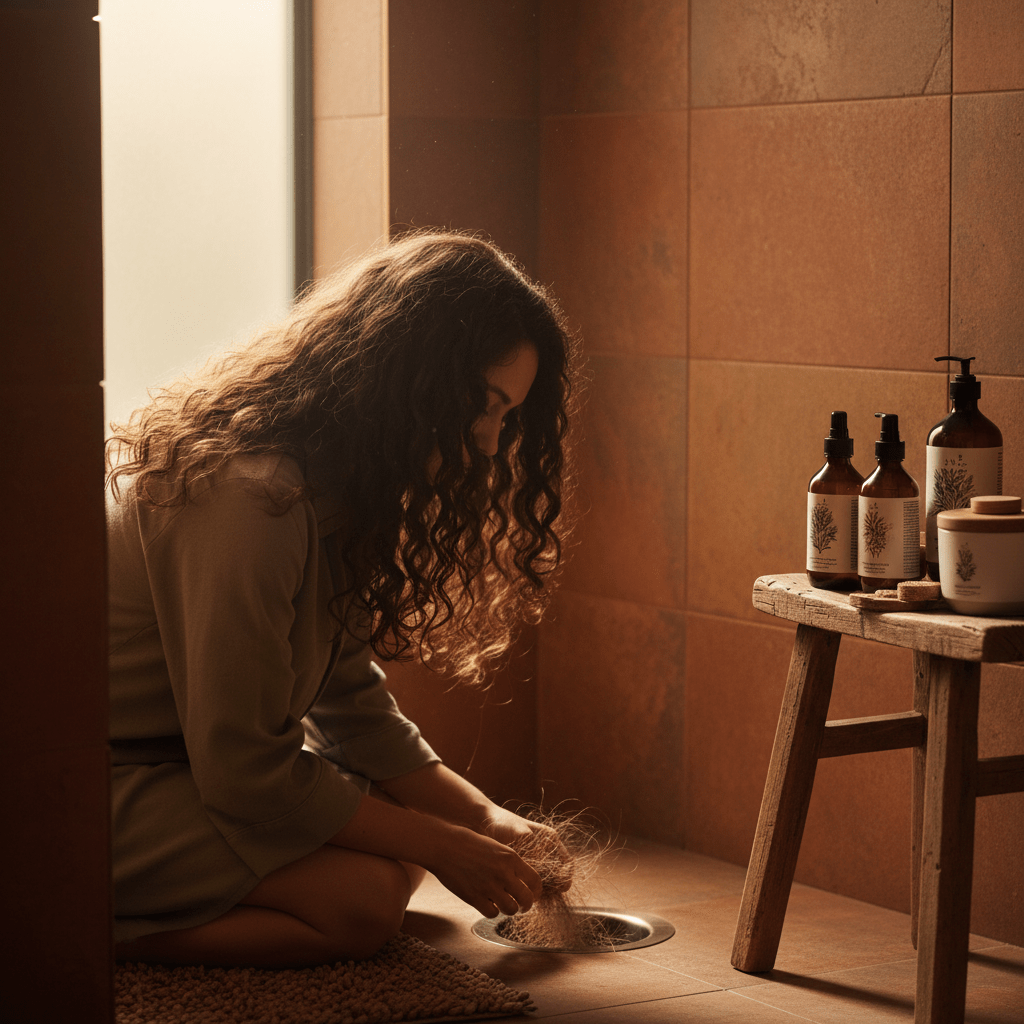
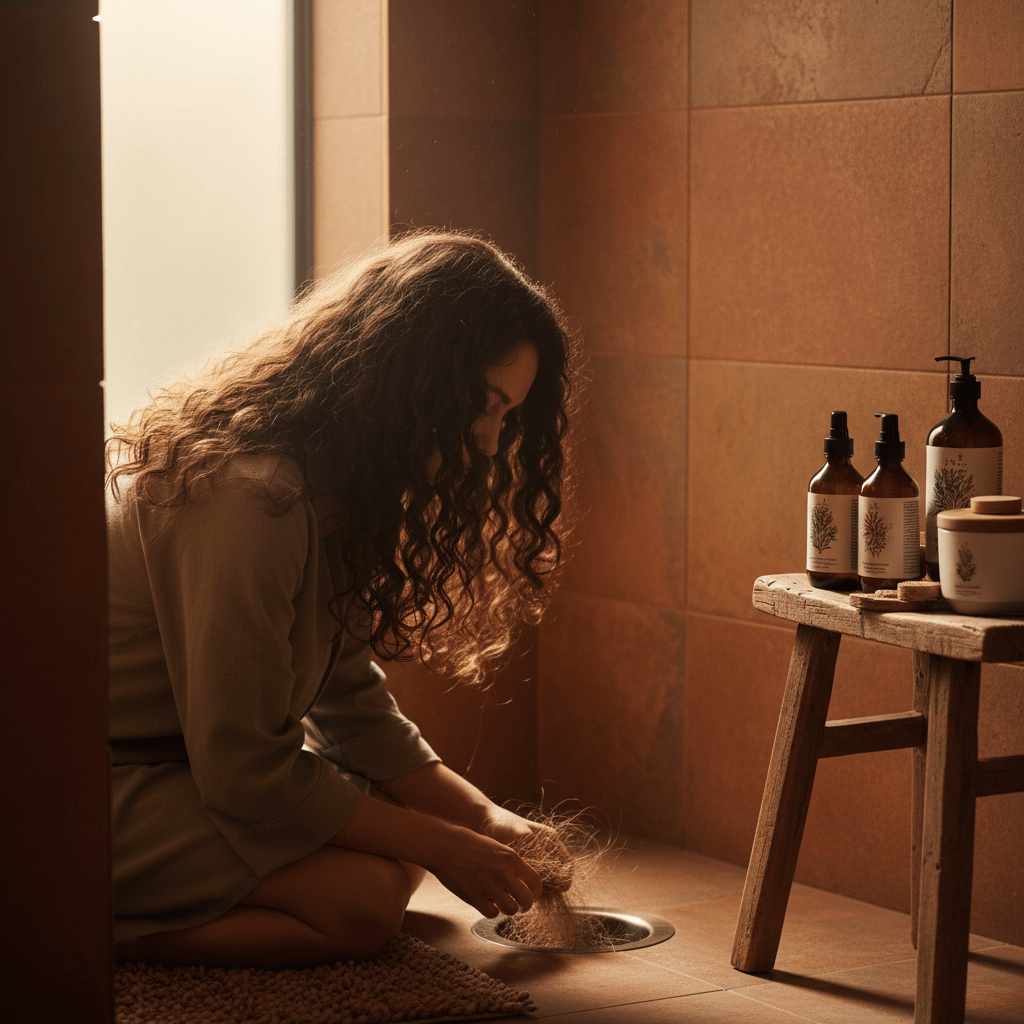
You know that sinking feeling when you see more hair in the shower drain than usual? Or when your part looks a little wider than it did last year? Yeah, that one. Lots of people are dealing with it. Hair thinning and hair loss are huge worries for men and women, and the usual fixes do not always feel gentle, cheap, or long-term.
That’s part of why more people are looking at natural remedies for hair loss. And one herb keeps popping up: ashwagandha, or Withania somnifera. In Ayurveda, it’s been used for ages to support calm, balance, and wellness. Now it’s getting fresh attention for ashwagandha benefits for hair, especially for scalp health and stress-related shedding.
Here’s the deal. This article is here to give you a science-backed look at ashwagandha oil for hair growth, how it may help the scalp, and how to use ashwagandha oil for hair in a way that actually makes sense. No fluff. Just the good stuff.
If you’ve been curious about Ayurvedic hair growth and whether a DIY ashwagandha hair oil is worth trying, you’re in the right place.
Understanding the Root Causes of Hair Loss: Why Stress is a Major Culprit
You know that weird moment when life gets heavy, and then your hair seems to know it too? That’s not in your head. A lot of people notice more shedding after a rough stretch, a bad sleep run, or months of feeling stretched thin.
Hair grows in a cycle. First is anagen, the growth phase. Then comes catagen, a short pause. After that, telogen, the rest phase. At the end of telogen, the hair falls out and a new one starts. Pretty simple. But stress can throw that whole rhythm off.
Here’s where it gets messy. When stress stays high, your body keeps pumping out cortisol. That stress signal can push more hairs into the telogen phase too soon, which is why you may see extra hair in the brush or shower drain a couple months later. This kind of shedding is often called telogen effluvium. It’s common. And yes, it can feel scary.
A recent report on hair loss stats shows just how many people deal with this stuff, with hair loss affecting millions of men and women across the U.S. and beyond hair loss statistics. So if you’re dealing with it, you’re far from alone.
But stress is only one piece of the puzzle. Hormone shifts, low iron, thyroid changes, and vitamin gaps can all play a part too. That’s one reason people look at ashwagandha for hair growth. It may help the body deal with stress better, and that can matter for scalp health over time. Some people also explore it as part of broader Ayurvedic hair growth routines, especially if they want more natural remedies for hair loss.
Think of it like this:
| Hair cycle phase | What happens | What stress can do |
|---|---|---|
| Anagen | Hair is growing | Can get cut short |
| Catagen | Hair slows down | Can get skipped over fast |
| Telogen | Hair rests, then sheds | Too many hairs can land here early |
So when people talk about ashwagandha benefits for hair, they’re usually not saying it’s magic. They’re saying it may help calm one of the big triggers behind shedding. And that makes the idea of ashwagandha scalp treatment a lot more interesting.
Next up, we’ll look at how ashwagandha oil fits into that picture, and why some folks prefer a DIY ashwagandha hair oil instead of another shelf full of random products.
What is Ashwagandha? The Science Behind the Ayurvedic Adaptogen
Ever notice how one bad week can show up on your face, your sleep, and yep, your hair too? Weirdly enough, that’s where ashwagandha starts to make sense.
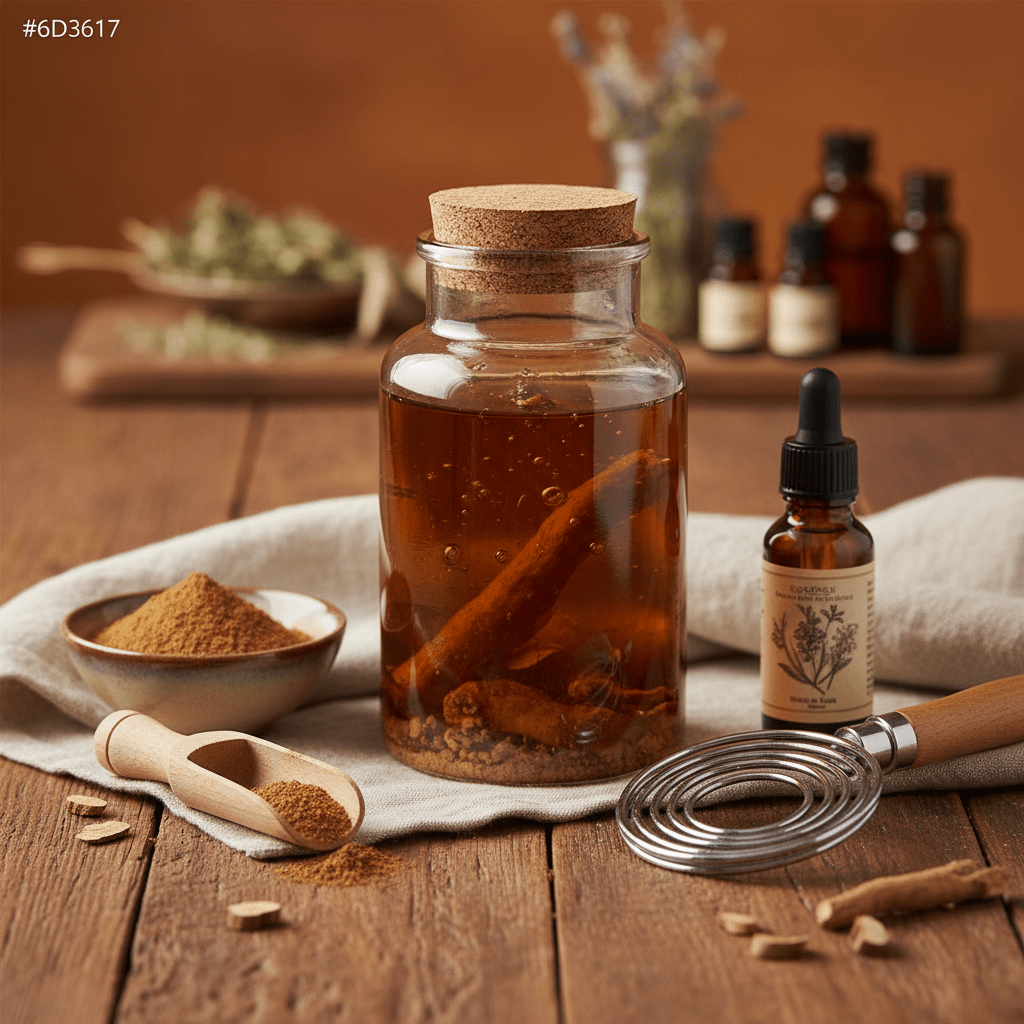
Ashwagandha, or Withania somnifera, is a small shrub used in Ayurveda for a very long time. People have used the root for stress, energy, sleep, and general balance. In simple words, it’s one of those herbs old-school healers reached for when the body felt worn out.
The reason people call it an adaptogen is pretty plain once you strip away the fancy language. An adaptogen is a plant that may help the body handle stress better and keep things more steady. Think less “magic herb” and more “helper for a frazzled system.” That fits right into the hair loss talk from before, since stress can push more hairs into the resting phase too soon.
But what’s inside it? The big players are called withanolides. These are natural compounds found in ashwagandha root, and they’re linked to anti-inflammatory and antioxidant actions. In plain English, they may help calm irritation and protect cells from stress damage. That matters for the scalp, because hair follicles do not like being under constant pressure. Not one bit.
Here’s the part that gets interesting. A 2012 clinical trial found that people taking ashwagandha root extract had a bigger drop in cortisol than the placebo group, and cortisol is the stress hormone we keep talking about ashwagandha and cortisol study. Lower stress signals can support the hair growth cycle, which is why ashwagandha for hair growth gets so much attention in the first place.
So when people talk about ashwagandha benefits for hair, they’re usually talking about a chain reaction:
- Stress goes down.
- Cortisol may settle a bit.
- The scalp gets a better shot at staying calm.
- Hair shedding may ease over time.
Pretty sensible, right?
And if you’re looking at ashwagandha scalp treatment options, that stress-soothing side is a big part of the story. It’s also why many people pair it with Ayurvedic hair growth routines, meditation, or a gentle DIY ashwagandha hair oil. The herb isn’t a fast fix. But for folks who want natural remedies for hair loss, it gives a real reason to keep looking.
How Ashwagandha Oil Directly Benefits Hair and Scalp Health
Ever have one of those weeks where everything feels a little off, and your hair is the first thing to complain? Yeah. That’s usually not a coincidence.
One of the biggest reasons people keep talking about ashwagandha oil is stress. High stress can push more hair into the resting phase too soon, which means more shedding a couple months later. Ashwagandha, or Withania somnifera, may help calm that stress response by lowering cortisol. And that matters because less cortisol can mean less stress-related hair fall and a better shot at keeping follicles in the growth phase longer.
Here’s the part that makes it more than just a calm-down herb. Ashwagandha also has antioxidant properties. Those help fight free radical damage on the scalp. Free radicals are unstable molecules that can wear down hair follicles over time. So when people use ashwagandha scalp treatment products, they’re not just hoping for softer hair. They’re also trying to support a healthier scalp environment overall.
A 2023 clinical trial on a topical ashwagandha root extract serum found less shedding and better hair density after 75 days, which is pretty cool if you’ve been hunting for natural remedies for hair loss topical ashwagandha hair growth trial.
And then there’s the hormone angle. Some people talk about DHEA, a hormone precursor that may support follicle health and scalp circulation. The truth? The stronger evidence for ashwagandha benefits for hair still points to stress reduction first. DHEA gets mentioned a lot, but it’s not the main hair story yet. That said, better balance in the body may still help hair look fuller and feel stronger over time.
There’s even talk about premature graying. Since oxidative stress can affect melanin, the pigment that gives hair its color, ashwagandha’s antioxidant action may help protect that process. It’s not a magic fix for gray hair. But it does fit into the bigger Ayurvedic hair growth picture, where the scalp, stress, and body health all work together.
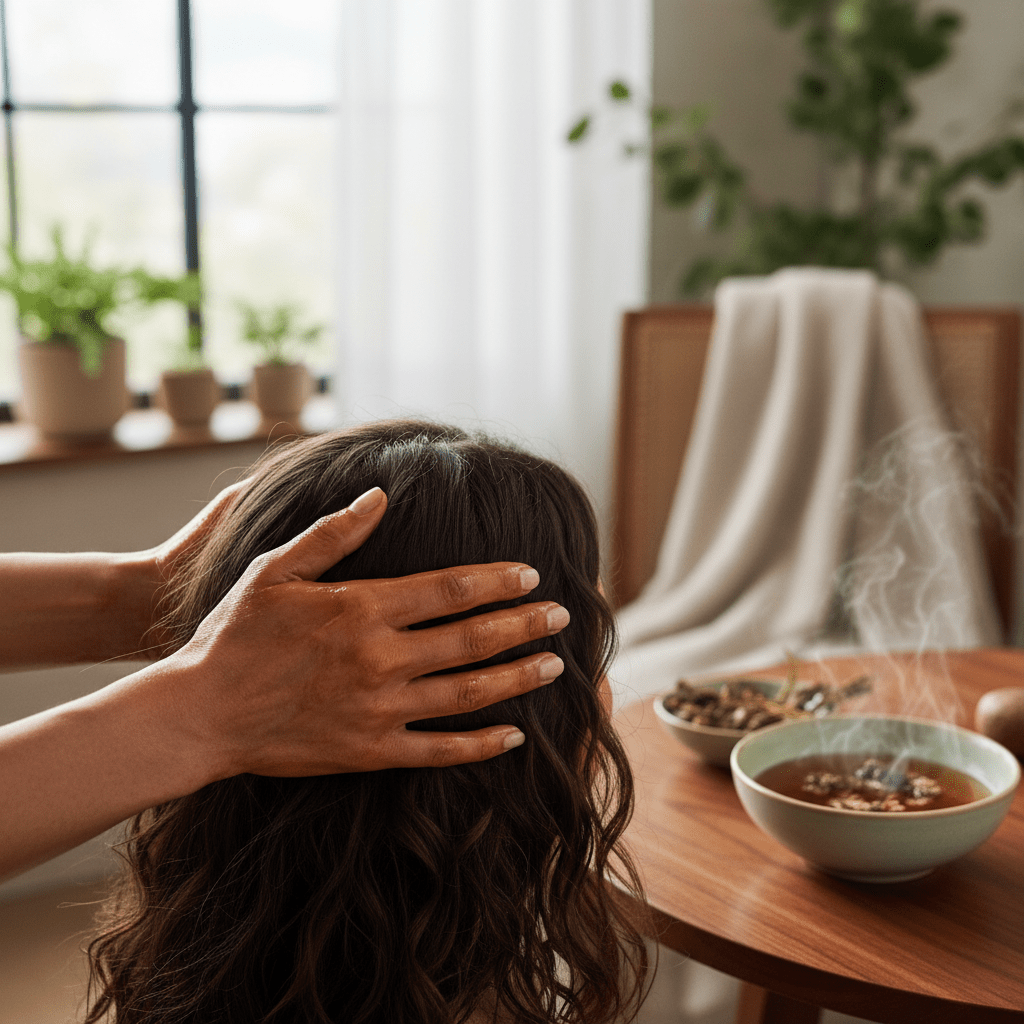
If you’re wondering how to use ashwagandha oil for hair, the best results usually come from steady use, not random one-offs. A warm scalp massage once a week is a simple place to start.
| Benefit | What it may do | Why people care |
|---|---|---|
| Lower cortisol | May ease stress-related shedding | Helps hair stay in growth phase longer |
| Antioxidant support | May fight scalp damage | Supports scalp health |
| Hormone balance | May support circulation and follicle wellness | Often part of holistic routines |
| Pigment protection | May help guard melanin from stress | Tied to graying concerns |
If you’re looking into DIY ashwagandha hair oil, or thinking about adding it to your own routine, start simple and stay consistent. And if you’re a brand owner or product maker, this is where clean carrier oils and lab-tested ingredients really matter. Aroma Monk offers pure essential oils, carrier oils, and rose water for wellness and personal care lines, which makes it easier to build a trustworthy formula without the guesswork.
Next, we’ll look at how to make and use ashwagandha oil the right way, without the common mistakes that trip people up.
Get a quote from Aroma Monk.
Essential Oil Supplier – Bulk pricing • Samples • Fast response
A Practical Guide: How to Use Ashwagandha Oil for Hair Growth
You know that moment when you want to try something natural, but you also don’t want to waste a whole weekend on a messy DIY project? Same. Good news: making ashwagandha oil at home is pretty simple.
Here’s a basic DIY ashwagandha hair oil you can try:
Simple infused oil recipe
You’ll need:
- 2 tablespoons ashwagandha root powder
- 1/2 cup coconut oil or sesame oil
- A small glass jar
- A strainer or clean cloth
Steps:
- Warm the carrier oil on very low heat.
- Add the ashwagandha root powder.
- Keep it on low heat for 5 to 10 minutes. Don’t let it smoke.
- Turn off the heat and let it cool.
- Strain out the powder.
- Store the oil in a clean jar.
Sesame oil is often the old-school Ayurvedic pick for withania somnifera for hair, but coconut oil works well too if your scalp likes a lighter feel.
Now for the part people skip. The massage.
Warm a small amount of oil between your palms first. Then rub it into your scalp with gentle circles for 5 to 10 minutes. Don’t go full wrestling match on your head. Soft pressure is better. Leave it on for 30 minutes to overnight, then wash it out with a mild shampoo. If your hair gets heavy fast, start with 30 to 45 minutes.
A simple rhythm works best:
| Step | What to do | How often |
|---|---|---|
| Prep | Warm the oil a little | Each use |
| Apply | Massage into scalp | 1 to 2 times a week |
| Wait | Leave on for 30 minutes to overnight | Each use |
| Wash | Rinse with gentle shampoo | After each use |
Consistency matters. A lot. One use probably won’t do much, but steady care can support ashwagandha scalp treatment routines over time. And if you’re trying to build a fuller hair care habit, this fits nicely into Ayurvedic hair growth practices without making your bathroom shelf look like a chemistry set.
One quick note: if you have sensitive skin, do a patch test first. And if you’re buying oils for a brand or product line, Aroma Monk offers pure carrier oils and lab-tested ingredients that work well for clean, natural formulations. That matters when you want quality people can trust.
Choosing the Best Ashwagandha Oil: A Buyer’s Checklist
You know that feeling when a bottle looks fancy, but the label tells you almost nothing? Yeah, that’s the trap. And with ashwagandha oil, it happens a lot.
First thing: ashwagandha hair oil is not the same as pure ashwagandha essential oil. A pre-made hair oil is usually already mixed with a carrier oil, like sesame or coconut. That’s handy because you can put it right on your scalp. But pure essential oil is super concentrated. It needs dilution before use, or your skin may not like it one bit.
Here’s a quick buyer checklist:
| What to look for | Why it matters |
|---|---|
| Cold-pressed carrier oil | Keeps the oil closer to its natural form |
| Organic label | Helps cut down on unwanted chemicals |
| Clear carrier oil type | Sesame, coconut, or another base should be named |
| Purity details | You want real ashwagandha, not filler |
| No mineral oil | Mineral oil can just sit on top of the scalp |
| No fake fragrance | Artificial scents can irritate skin |
If you’re buying for ashwagandha for hair growth, look for root extract, not a vague herbal blend. Labels that mention standardized withanolides are a good sign, since those compounds are tied to most of the ashwagandha benefits for hair. USDA Organic and Ecocert can also be helpful markers, especially if you care about cleaner sourcing and fewer mystery ingredients.
And if you’re shopping for a DIY ashwagandha hair oil setup, don’t ignore the basics. Good oil. Clear source. No weird perfume smell. That’s the sweet spot.
For brands and bulk buyers, Aroma Monk offers pure, lab-tested essential oils, carrier oils, and rose water with traceable sourcing and bulk supply support. That can make it a lot easier to build a trustworthy ashwagandha scalp treatment product without guessing what’s in the drum.
One last thing. Do a patch test first, even with natural products. Natural doesn’t always mean gentle. Weird, right?
If you’re trying to build a clean Ayurvedic hair growth routine or stock your own product line with dependable ingredients, start with a label you can actually read and trust. That’s usually the best sign you’ve found the right bottle.
Potential Side Effects and Important Precautions
Natural doesn’t mean zero-risk. I wish it did, but nope.
If you’re trying ashwagandha oil for hair, start with a patch test first. Put a small dab on the inner forearm or behind the ear, then wait 24 to 48 hours. If you see redness, itching, swelling, burning, or tiny bumps, wash it off and skip it. Simple. But super worth it.
A few people should talk with a doctor before using ashwagandha, topically or by mouth:
- Pregnant women
- Breastfeeding women
- People with autoimmune conditions like lupus, MS, or rheumatoid arthritis
- Anyone taking thyroid meds, sedatives, or immune-suppressing drugs
And if you’re taking ashwagandha as a supplement, side effects can include stomach upset, loose stools, nausea, and drowsiness. Rare liver problems have also been reported. That’s not common, but it’s not nothing either.
For hair use, go slow. Use a small amount, once a week at first, and watch how your scalp reacts. If your goal is ashwagandha for hair growth or a calmer ashwagandha scalp treatment, steady and careful usually works better than going all in on day one.
If you want to build a cleaner routine, pair it with gentle oils and simple care, not a dozen new products at once. And if you’re making products for clients, Aroma Monk’s pure, lab-tested oils and rose water can help you source cleaner raw materials for Ayurvedic hair growth formulas and other wellness blends.
Embrace Ashwagandha for a Holistic Approach to Hair Wellness
Hair care can feel personal. One week your strands look fine, and the next week you’re wondering why the sink is full again. That’s why so many people keep reaching for ashwagandha oil. It may help calm stress-related shedding, support the scalp with antioxidant help, and give hair follicles a better shot at staying healthy.
And honestly, that makes sense. Stress is a big deal for hair. When the body feels worn down, the hair growth cycle can get thrown off, and shedding may show up weeks later. Ashwagandha benefits for hair seem to come from that calmer, steadier effect first, with scalp support right behind it.
But here’s the part people skip. Natural remedies for hair loss work best when you give them time. A DIY ashwagandha hair oil or a steady ashwagandha scalp treatment is not a one-night fix. Pair it with good food, decent sleep, and stress care. That’s where the real shift usually happens.
If you want to try Ayurvedic hair growth for yourself, start small. Use ashwagandha for hair growth once a week, stay patient, and see how your scalp responds. Simple. Real. Worth a try.
Get a quote from Aroma Monk.
Essential Oil Supplier – Bulk pricing • Samples • Fast response