
Tired of Hair Loss and Breakage? This Ancient Herb Could Be the Answer
You know that sinking feeling when you see extra hair in the shower drain? Or on your brush. Or stuck to your shirt after a long, stressful day. Yeah, that one.
Hair fall can feel personal. It shows up as thinning edges, more breakage, and hair that just looks tired no matter what you do. And stress often plays a bigger part than we think. One 2023 study found that 73.8% of people who reported stress also reported hair loss, and severe stress made hair loss much more likely.
That’s where ashwagandha for hair growth gets interesting. Ashwagandha is an old Ayurvedic herb that people have used for strength, balance, and overall vitality. It’s known as an adaptogen, which is a natural substance that helps the body handle stress better and calm down overworked stress signals.
And here’s the deal: this guide will walk you through ashwagandha oil for hair, how it may support scalp health, how to use ashwagandha oil, and simple ways to make or buy it. We’ll also look at a few traditional Ayurvedic hair care ideas that pair well with it. Old wisdom. New research. Pretty handy combo.
If you’re dealing with hair loss, dull strands, or a stressed-out scalp, this is a good place to start.
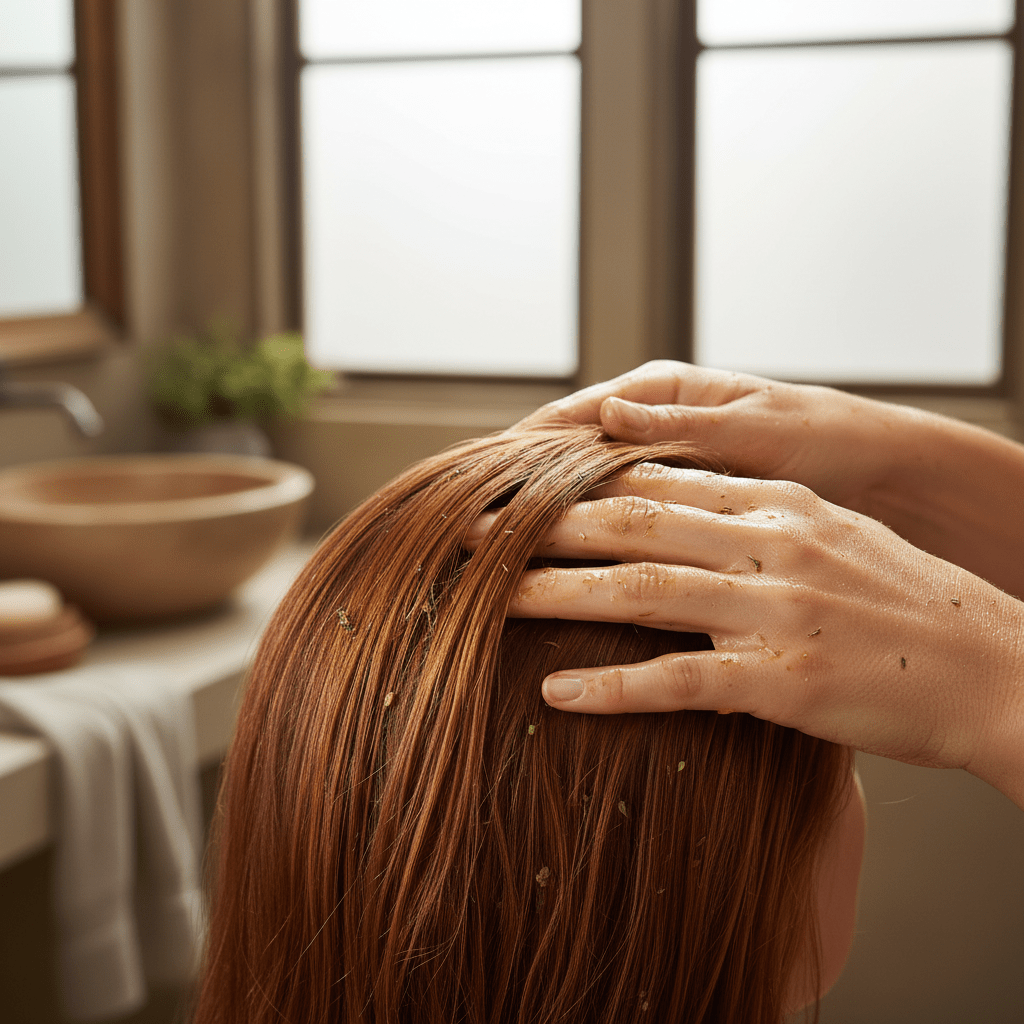
<img src=”https://aromamonk.com/blog/brahmi-oil-for-hair-the-ancient-ayurvedic-secret-to-strong-healthy-locks/” alt=”Close-up of hair strands and soothing scalp massage with herbal oil
What is Ashwagandha? The ‘Indian Ginseng’ Explained
Ashwagandha sounds a little fancy, I know. But it’s really just a hardy herb with a long history.
It comes from the roots of Withania somnifera, a plant used in Ayurveda for more than 3,000 years. People often call it “Indian ginseng,” though it’s not related to true ginseng at all. The nickname stuck because both herbs are linked with strength and stamina.
And that old use matters here. In traditional Ayurvedic hair care, ashwagandha was valued for vitality, balance, and a strong body overall. That matters for hair too, since hair often reflects what’s happening inside the body.
Here’s the simple part. Ashwagandha is an adaptogen. That means it helps the body deal with stress and keeps stress signals from running wild. One of the big ones is cortisol, the hormone that rises when life feels like too much. When cortisol stays high for too long, hair shedding can pick up.
That’s why ashwagandha for hair growth gets so much attention. It’s not magic. But it may help calm the stress response that feeds hair fall, and it may support ashwagandha and scalp health by easing the strain on your system.
Think of it like this:
| Term | Plain meaning |
|---|---|
| Adaptogen | A natural plant that helps the body handle stress |
| Cortisol | A stress hormone that can rise too high |
| Ashwagandha | An Ayurvedic herb linked with balance and vitality |
| Hair shedding | Hair falling out faster than usual |
Also, some research suggests withanolides, the main active compounds in ashwagandha, may help with antioxidant and calming effects. That fits the picture for people looking at ashwagandha benefits for hair, especially if stress seems to be part of the problem.
So if your hair feels like it’s been through a rough season, this herb is worth a closer look. And yes, later we’ll get into how to use ashwagandha oil, simple DIY ashwagandha oil ideas, and even an ashwagandha hair mask if you want a more hands-on route.
The Science-Backed Benefits of Ashwagandha for Hair Growth and Health
OK, this is where ashwagandha gets a lot more interesting.
If stress has been hammering your hair, you’re not imagining it. Hair follicles are pretty sensitive little things. When cortisol stays high for too long, more hairs can shift into the shedding phase, and that’s how you end up seeing more strands on your pillow, in the shower, and yes, all over your black shirt.
Ashwagandha may help here in a few different ways. First, it acts like a stress buffer. By helping calm the body’s stress response, it may lower cortisol and ease one of the big triggers behind ashwagandha for hair loss. Less stress on the body can mean less stress on the scalp. Makes sense, right?
There’s also the inflammation piece. A stressed scalp can get irritated and out of balance, which may weaken the environment around the follicle. Ashwagandha’s plant compounds, called withanolides, have antioxidant and anti-inflammatory actions that may help protect hair roots from that wear and tear. One 75-day clinical trial even found a 5% Withania somnifera root extract serum improved hair density, hair growth, and hair thickness while reducing shedding ashwagandha hair trial. Pretty neat for a plant that’s been used for ages.
Here’s the quick science table:
| Hair issue | How ashwagandha may help |
|---|---|
| Stress-related shedding | May help lower cortisol |
| Scalp irritation | May calm low-grade inflammation |
| Weak-looking strands | May support a healthier follicle space |
| Environmental stress | Antioxidants may help fight damage |
And there’s more. Ashwagandha may help protect hair follicles from free radicals too. Those are unstable molecules from pollution, stress, and everyday wear that can damage cells and slow healthy hair cycling. When follicles stay under that kind of pressure, hair can spend less time growing and more time shedding. Hair growth is a slow cycle anyway, with scalp hair often taking 3 to 10 years in the growth phase, so any support has to be patient.
Now, you might hear people talk about DHEA here. DHEA is a natural hormone in the body, and some folks link it to hair texture and growth. But I’ll be straight with you. Strong proof that ashwagandha directly boosts DHEA for hair growth is still thin. So that idea sounds promising, but it’s not the main reason to try it.
The stronger case is stress control, scalp support, and antioxidant help. That’s where ashwagandha benefits for hair seem to shine most.
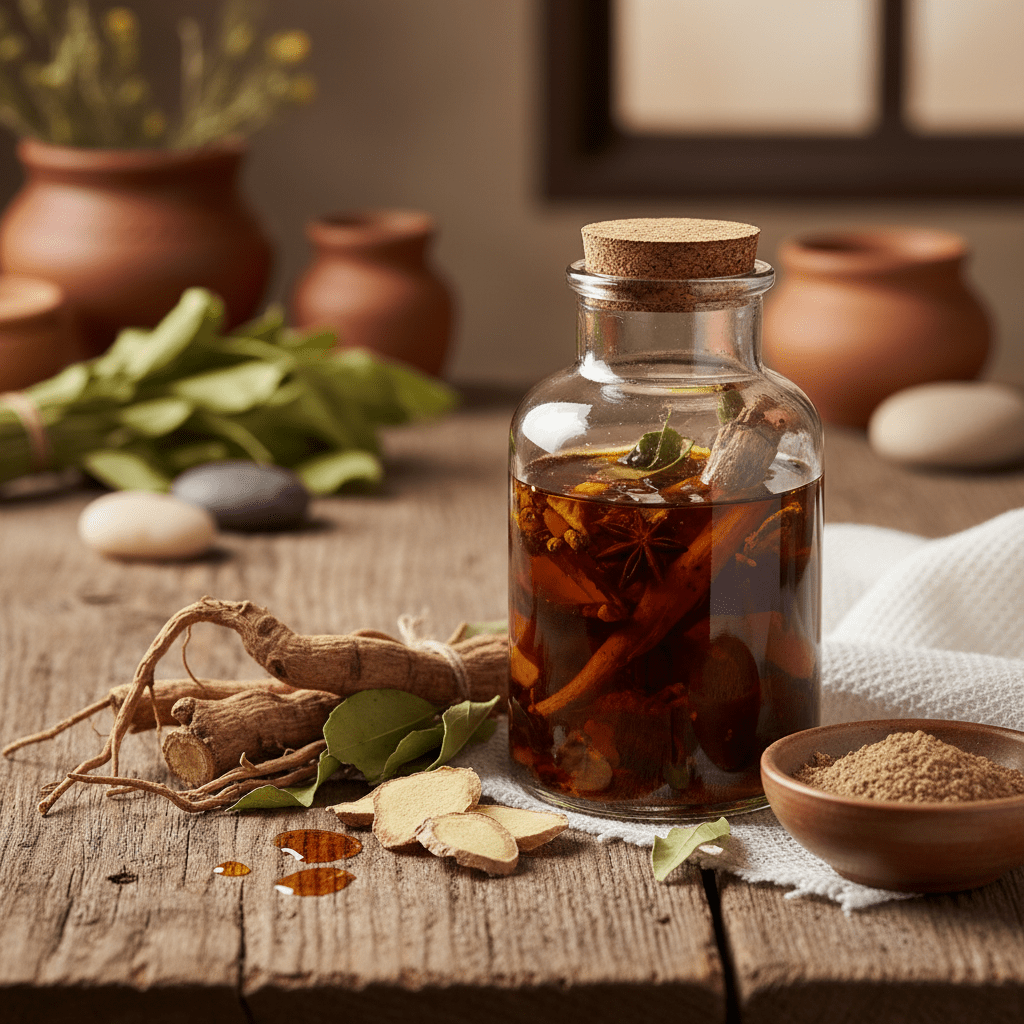
If you’re building an Ayurvedic hair care routine, this is also a nice spot to pair it with good carrier oils and pure ingredients. For brands and makers, Aroma Monk’s lab-tested essential oils and carrier oils can fit well into hair serums, scalp blends, and custom wellness products. If you’re making a DIY ashwagandha oil, that clean ingredient base matters a lot.
How to Use Ashwagandha Oil for Hair: 3 Effective Methods
You don’t need a fancy salon setup for this stuff. Just a little patience, clean hands, and the right oil.
And here’s the fun part. Ashwagandha oil for hair can fit into your routine in a few simple ways, whether you want a scalp massage, a deep treatment, or just a small boost to your regular oil blend. Since hair usually grows in slow cycles, give any new routine at least 8 to 12 weeks before you judge it. Hair is rude like that.
1) The Nourishing Scalp Massage
This is the easiest place to start.
Warm 1 to 2 teaspoons of ashwagandha oil for hair in your palms or in a small bowl. Don’t make it hot. Just warm enough to feel comfy on your skin. Then part your hair into 4 to 6 sections so the oil reaches your scalp instead of sitting on top of your hair like an afterthought.
Now use your fingertips, not your nails. Massage in small circular motions for 5 to 10 minutes. Go slow around the crown, temples, and hairline. That gentle pressure may help boost circulation and give your scalp a nice little wake-up call.
If your scalp feels tight or tired, this one can feel amazing. Seriously. It’s simple, but it works well as part of Ayurvedic hair care.
2) The Deep-Conditioning Hair Mask
OK, this next part is actually pretty cool.
You can use ashwagandha oil as a pre-shampoo treatment, or mix it into a DIY ashwagandha hair mask. A mask is a nice pick if your strands feel dry, frizzy, or just plain worn out.
Try this easy mix:
| Ingredient | Amount |
|---|---|
| Ashwagandha oil | 1 tablespoon |
| Plain yogurt | 2 tablespoons |
| Honey | 1 teaspoon |
| Amla powder | 1 teaspoon |
Mix it all in a bowl. Smooth it onto your scalp and hair, then leave it on for 20 to 30 minutes. After that, rinse well and shampoo like normal. Yogurt can feel cooling, honey adds softness, and amla brings a classic Ayurvedic hair care touch. If your hair gets oily fast, use this only on the lengths and ends.
Also, if you’re making a DIY ashwagandha oil from powder, keep the heat low. Under 50°C is the safer bet, since too much heat can dull the good stuff in the oil.
3) As a Carrier Oil Booster
This one is great for regular use.
If you already use coconut, almond, or jojoba oil, add a few drops of concentrated ashwagandha oil for hair or a small amount of ashwagandha powder-infused oil to your bottle. A good start is 3 to 5 drops for every tablespoon of carrier oil. Shake it up before each use.
This method works well if you want a lighter feel or plan to use the oil once or twice a week. It also pairs nicely with other scalp-friendly oils. Coconut gives slip. Almond feels rich. Jojoba is lighter and less greasy for many people.
Here’s a quick guide:
| Goal | Best method |
|---|---|
| Scalp comfort | Nourishing scalp massage |
| Dry or brittle hair | Deep-conditioning hair mask |
| Weekly routine | Carrier oil booster |
If you’re shopping for clean base oils or want to make products for a brand, Aroma Monk’s lab-tested essential oils and carrier oils can be a smart starting point. That matters a lot if you’re building hair serums, scalp blends, or wellness products and want pure ingredients you can trust.
And one last thing. If you have a sensitive scalp, patch test first. Better safe than sorry.

Get a quote from Aroma Monk.
Essential Oil Supplier – Bulk pricing • Samples • Fast response
DIY Ashwagandha Oil vs. Store-Bought: Which Is Right for You?
You know that moment when you want a clean, natural hair fix, but you also don’t want to spend your whole Sunday making it? Yep. That’s the big choice here.
If you like hands-on projects, DIY ashwagandha oil can be a nice fit. It’s usually cheaper, and you get full control over what goes in the bottle. You pick the carrier oil. You pick the smell. You pick the vibe. But it does take time, and homemade batches can turn out a little different each time.
A Simple Home Infusion
Here’s a gentle way to make it:
- Put 1 part ashwagandha powder into 4 parts carrier oil, like sesame, coconut, or jojoba.
- Warm it on very low heat in a double boiler for 1 to 2 hours.
- Keep the heat below 50°C, or 122°F, so the oil stays happy.
- Let it cool, then strain it through cheesecloth.
- Store it in a clean glass bottle away from light.
If you want a slower method, you can let the herb sit in oil for a few weeks in a sunny spot, then strain it. Old-school. Simple. Kinda charming, actually.
When Store-Bought Makes More Sense
Store-bought ashwagandha oil for hair is the easier road if you want speed and steady quality. When you’re shopping, look for:
- Cold-pressed oils
- Organic ingredients when possible
- The exact carrier oil used
- No mineral oil
- No parabens
- No synthetic fragrance
That label stuff matters. A lot of products look nice on the outside, but the ingredient list tells the real story.
| What to check | Why it helps |
|---|---|
| Cold-pressed | Usually keeps the oil closer to its natural form |
| Organic | Reduces the chance of unwanted pesticide residue |
| Carrier oil type | Tells you how heavy or light it may feel |
| No mineral oil | Better for people who want plant-based oils |
| No parabens or synthetic fragrance | Cleaner choice for sensitive scalps |
If you want a ready-made option, Maha Herbals Ashwagandha Hair Oil and Indus Valley Bio Organic Ashwagandha Hair Oil are often picked by shoppers looking for herbal blends with simple ingredient lists. They’re popular because they lean into Ayurvedic hair care and usually pair ashwagandha with other scalp-friendly oils and herbs. Still, always check the label before you buy. Formulas can change.
For brands and bulk buyers, Aroma Monk can be a smart source for clean carrier oils, essential oils, and rose water used in hair care and wellness products. That matters if you’re making your own oil blends or building a product line and want lab-tested raw materials that feel trustworthy.
And if your scalp is sensitive, patch test first. No shortcuts there.
Setting Expectations: Results, Frequency, and Potential Side Effects
You know what trips people up most? Expecting a hair oil to act like a magic wand. It won’t. Hair grows in slow little cycles, and your scalp usually needs steady care before it starts to show changes. So if you’re trying ashwagandha oil for hair, give it time.
Most people should look for changes after about 8 to 12 weeks of regular use. That lines up with the hair growth cycle, which has long growth, short transition, and resting phases. Hair is slow on purpose. Annoying, but true.
Here’s a simple rhythm that tends to work:
- Scalp massage: 1 to 2 times per week
- Deep treatment or ashwagandha hair mask: 1 time per week
- Light oil blend for maintenance: 2 to 3 times per week if your scalp likes it
And yes, you can leave ashwagandha oil in your hair overnight. Lots of people do. But if your scalp gets greasy, itchy, or just plain annoyed, keep it on for 1 to 3 hours instead and wash it out. That’s often the safer move for sensitive skin.
A patch test matters too. Put a tiny amount behind your ear or on your inner arm and wait 24 hours. No redness or itching? Good sign. But if you see a rash, burning, or swelling, skip it.
One more thing. If you’re pregnant, breastfeeding, or dealing with a health condition like thyroid trouble, autoimmune disease, or are on regular meds, check with a doctor first. Ashwagandha can interact with some medicines and may not be a fit for everyone. Better to ask than guess.
If you want a cleaner routine, Aroma Monk’s pure carrier oils, essential oils, and rose water can pair well with Ayurvedic hair care blends, especially for brands or DIY makers who want lab-tested ingredients.
Frequently Asked Questions about Ashwagandha Oil for Hair
Does ashwagandha oil reverse grey hair?
Short answer: no, it won’t turn grey hair back to its old color. But it may help slow down premature greying if stress and oxidation are part of the picture. Ashwagandha has antioxidant compounds that may help protect hair cells from damage. So it can support ashwagandha and scalp health, but it won’t bring back pigment that’s already gone.
Can I use ashwagandha powder directly on my scalp?
Yep, you can. Mix the powder with a little water, yogurt, or aloe to make a paste, then apply it as a short mask for 15 to 20 minutes. It’s a more hands-on option than a DIY ashwagandha oil infusion. Powder can feel stronger and a bit messier, though, and some people find it dries out the scalp. Oil is usually easier for regular massage and less likely to leave grit behind.
Will ashwagandha oil make my hair greasy?
It can, if you use too much. A little goes a long way. Start with 1 to 2 teaspoons, warm it slightly, and focus on the scalp, not the whole length of your hair. Use a wide-tooth comb to spread it, then wash it out with a gentle shampoo after 1 to 3 hours if your hair gets oily fast. If your strands are very dry, you might leave it on longer.
Hair care is a slow game. Hair cycles can take months, and stress-related shedding is real. In one 2023 study, 73.8% of people who reported stress also reported hair loss, which is why calm, steady care tends to beat quick fixes every time stress and hair loss study.
If you want to keep things simple, stick with clean ingredients, patch test first, and build a routine you can actually keep doing. That’s where ashwagandha oil for hair tends to shine.
Embrace a Holistic Approach to Hair Wellness
Ashwagandha oil for hair isn’t a magic fix. But it can be a really nice part of a bigger hair care plan.
Here’s the simple truth: stress can push more hair into shedding, and that shows up fast. A 2023 study found that 73.8% of people who reported stress also had hair loss, and severe stress made hair loss much more likely. So if your hair has been acting up, your routine may need more than just one product.
That’s where ashwagandha benefits for hair start to make sense. It may help calm stress, support ashwagandha and scalp health, and give your roots a steadier place to grow from. But it works best with the basics too. Think a balanced diet, good sleep, less heat styling, and a gentle scalp routine.
Plus, a warm oil massage can feel like self-care instead of a chore. Small win. Big mood shift.
If you want to keep things simple, start this week with a 5 to 10 minute ashwagandha oil scalp massage. It’s an easy first step, and it may be the kindest thing you do for your hair all week. Start your journey to healthier hair this week by incorporating an ashwagandha oil scalp massage into your self-care ritual.
Get a quote from Aroma Monk.
Essential Oil Supplier – Bulk pricing • Samples • Fast response