
Unlocking Hormonal Harmony: The Ancient Wisdom of Ashwagandha for Modern Women
You know that tired, wired feeling? The one where you’re drained by 2 p.m., then wide awake at midnight? A lot of women live there way too often. Stress, mood swings, poor sleep, and shaky energy can feel like a daily mess.
And it’s not just a hunch. A 2024 Gallup report found that 51% of working women in the U.S. feel stressed a lot during the day, compared with 39% of men. That’s a pretty big gap.
This is where ashwagandha gets a lot of attention. Also called Withania somnifera, it’s a classic herb from Ayurveda, the old Indian system of wellness. People have used it for generations to help the body handle stress and keep things in balance.
So what makes it interesting for women? The short answer is this: ashwagandha oil benefits for women may go beyond calm feelings. It may also support cortisol balance, sleep, mood, and even some hormone-related concerns. That means it could matter for stress, cycles, menopause symptoms, and more.
In this guide, we’ll look at the real benefits of withania somnifera for females, how ashwagandha may work, and what to know before trying it. We’ll keep it simple, practical, and science-backed. No fluff. Just the stuff that helps you decide if it fits your life.
What is Ashwagandha Oil? Understanding the ‘Essence’ of an Adaptogen
Ever had one of those days where your body says, “slow down,” but life says, “keep going”? That’s where adaptogens get people curious.
An adaptogen is a natural plant substance that helps the body handle stress. Not just one kind of stress, either. Physical stress. Mental stress. Even stress from things around you, like poor sleep, heavy workouts, or nonstop pressure at work. The idea is simple: help your body stay in balance instead of getting knocked off track. A Cleveland Clinic explainer on adaptogens says they work by supporting the body’s stress response without pushing it too hard.
Ashwagandha is one of the best-known adaptogens. The root is the part used most often, and it contains active compounds called withanolides. These are the little helpers people talk about when they mention the benefits of ashwagandha for female hormones, stress, and sleep. Withaferin A is the most studied one, and it’s tied to many of the herb’s calming and balancing effects.
But here’s the thing. Ashwagandha comes in different forms, and they’re not all the same.
| Form | What it is | Best for |
|---|---|---|
| Powder | Dried root ground into a fine powder | Mixing into tea, milk, or smoothies |
| Tincture | Herb pulled into alcohol or glycerin | Fast use and easy dosing |
| Oil | Ashwagandha infused in a carrier oil or made with CO2 extraction | Massage, body oil, and some aromatherapy blends |
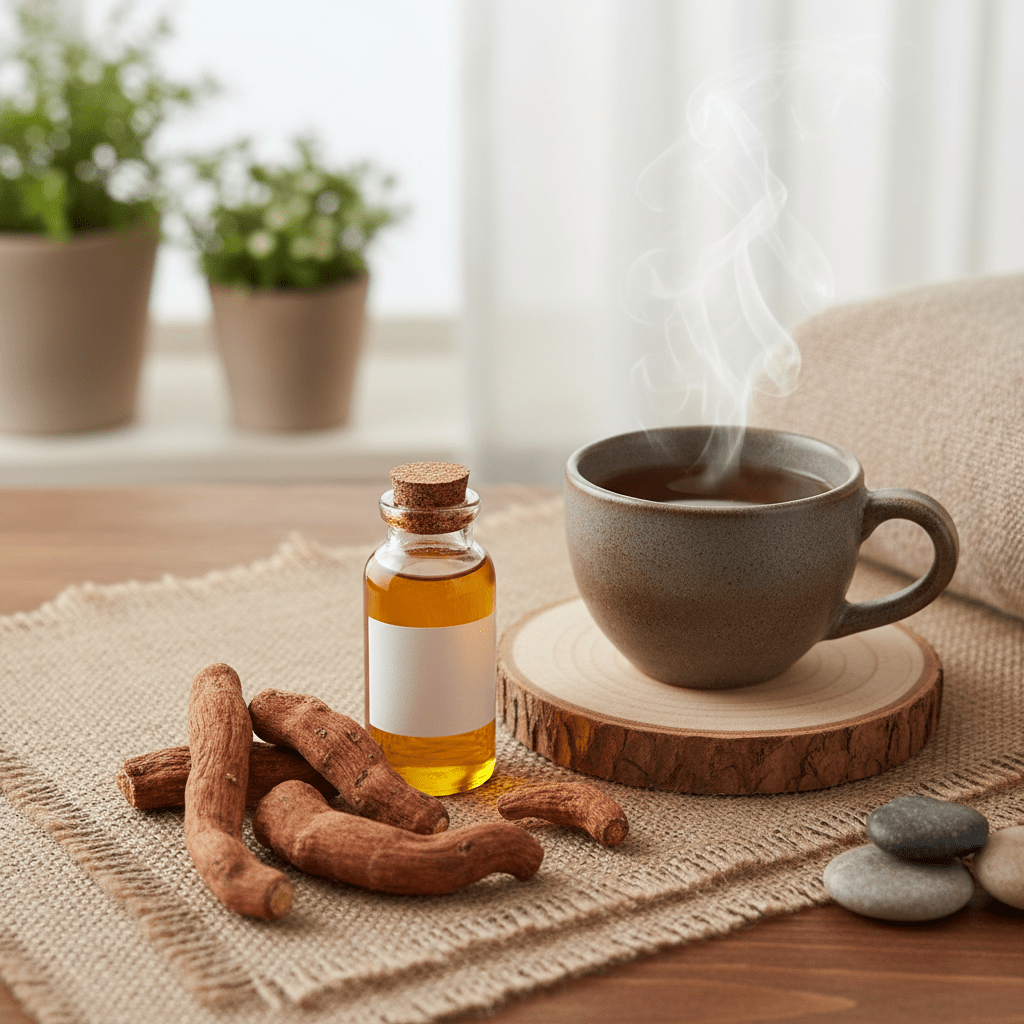
Ashwagandha oil is usually made by soaking the herb in a carrier oil like sesame or coconut, or by using CO2 extraction for a more concentrated product. That gives it a different feel and use than capsules or powders. People often look at how to use ashwagandha oil for hormonal imbalance, but it’s usually best as part of a broader routine, not a quick fix.
And if you’re shopping for natural oils for self-care or product making, quality matters a lot. Brands like Aroma Monk focus on lab-tested essential oils, carrier oils, and natural attars, which is helpful if you want clean, traceable ingredients for wellness or beauty work.
So yes, ashwagandha oil benefits for women can be part of the picture. But first, it helps to know what’s actually in the bottle.
The Science of Serenity: How Ashwagandha Regulates Female Hormones
You know that weird point in the day when your patience is gone, your shoulders feel like rocks, and your brain won’t shut up? That’s stress talking. And for a lot of women, it doesn’t just stay in the background. It starts messing with sleep, cycles, mood, and energy too.
Here’s the deal. Ashwagandha oil benefits for women may start with stress, but the ripple effect can reach way farther. In one 2024 Gallup report, 51% of working women in the U.S. said they feel stressed a lot during the day, compared with 39% of men. That gap is no small thing. It shows why so many people are asking about ashwagandha for stress and anxiety in women, and why it keeps popping up in talks about natural hormone regulation for women.
Actually, wait, there’s a better way to look at it. Ashwagandha is not really a “female hormone herb” in a direct, magic-pill sense. It works more like a stress buffer. It may help calm the HPA axis, which is the brain-body stress loop. When that loop is stuck on high, cortisol goes up. And when cortisol stays high for too long, it can throw off the HPG axis too. That’s the system that helps manage reproductive hormones like estrogen and progesterone.
That matters because high stress can nudge periods off track, make PMS feel worse, and leave you wiped out for no clear reason. Some women also notice it during perimenopause, when the body is already doing its own shifting. So when people talk about ashwagandha for female hormones, they often mean this indirect support. Not a hard reset. More like a steady hand.
What’s happening inside the body?
Think of the HPA axis like a smoke alarm. If it keeps going off all day, your body never really gets to chill. Ashwagandha may help lower that alarm by easing cortisol output and helping the body respond to stress without getting stuck in panic mode. A recent review of clinical trials found that ashwagandha lowered cortisol in humans, and earlier trials showed drops of about 23% to 27.9% in some groups.
That can matter for women in a few ways:
- Less stress load may mean fewer mood swings
- Better cortisol rhythm may support sleep
- Lower stress may help the body keep progesterone and estrogen in a healthier range
And yes, that old “cortisol steal” idea gets talked about a lot. The simple version is this: if your body keeps making stress hormones, it may have less room to make other hormones the right way. That’s not the whole story, but it helps explain why chronic stress can feel so messy.
What about thyroid support?
This is where things get interesting. Some early studies suggest ashwagandha may support thyroid function in people with subclinical hypothyroidism. In one small trial, TSH went down while T3 and T4 went up. For women dealing with low energy, brain fog, or feeling cold all the time, that kind of result gets attention fast.
But slow down a bit here. This is not a free pass to use ashwagandha if you have a thyroid condition. It can raise thyroid hormone levels, which may be a problem if you already take levothyroxine or if your levels run high. So if thyroid issues are part of your story, talk with your clinician first.
A quick look at the hormone picture
| Stress pattern | What may happen | Where ashwagandha may help |
|---|---|---|
| High cortisol for weeks | Poor sleep, irritability, low energy | May support cortisol balance |
| HPA axis stuck “on” | Irregular cycles, worse PMS | May calm stress signaling |
| Low thyroid function | Sluggish mood, fatigue, cold hands | May support thyroid markers in some people |
| Perimenopause shifts | Hot flashes, sleep trouble, mood changes | May ease stress around symptoms |
Ashwagandha oil benefits for women are really about the whole stress-hormone picture. Not just one hormone. Not just one symptom. If you’re thinking about how to use ashwagandha oil for hormonal imbalance, start with the big question: what’s your body trying to say through stress, sleep, and cycle changes?
And if you’re choosing oils for wellness blends or self-care products, quality matters a lot. Aroma Monk offers 100% pure, lab-tested essential oils, natural attars, and rose water for brands that want traceable ingredients and bulk supply they can count on. That kind of sourcing makes a difference when you’re building products people actually trust.
So yes, the science is still growing. But the stress-hormone link is clear enough to pay attention to.
Key Ashwagandha Oil Benefits for Every Stage of a Woman’s Life
You know that point where you’ve had enough? Not in a dramatic way. Just that slow, gritty feeling where your body feels off and your brain feels fried at the same time.
That’s the part where ashwagandha starts sounding pretty nice.
For a lot of women, the biggest draw is simple. It may help the body handle stress better, which can ease a bunch of other stuff that rides along with it, like low mood, bad sleep, and tired-but-wired nights. And since stress is such a big part of modern life, that matters more than people think. A 2025 workplace survey cited by WorkTime found 46% of women reported burnout, compared with 37% of men. That’s a chunky gap, and it lines up with what so many women already feel in their bones (WorkTime on burnout stats).
1) Stress and anxiety can feel a little less loud
This is the benefit people talk about first. And for good reason.
Ashwagandha may help calm the stress response by supporting the HPA axis, which is the body’s stress-control loop. When that loop gets too revved up, cortisol can stay high. Then everything feels harder. Sleep gets weird. Patience gets thin. Your brain starts doing that fun little thing where it replays one awkward text from 2018.
Some research suggests ashwagandha may also help GABA activity in the brain. GABA is a calming signal. Think of it like the body’s “take a breath” message. When that signal works better, people often feel less on edge. In one trial, women and men with anxiety saw a 59% drop in HAM-A scores after taking standardized ashwagandha extract, and another 8-week study found a 41% drop in anxiety scores versus 24% in placebo. Pretty solid for a plant that’s been around forever.
So if you’re looking at ashwagandha for stress and anxiety in women, the big idea is this: it may not erase life stress, but it can help your nervous system stop acting like every Tuesday is an emergency.
2) PMS, perimenopause, and menopause may feel more manageable
This is where things get especially interesting.
Hormone shifts can make a woman feel like she’s living with a moving target. One month your sleep is fine. The next month you’re wide awake at 2 a.m. and annoyed by the sound of your own ceiling fan. During PMS, perimenopause, and menopause, stress and hormone changes can pile up fast.
Ashwagandha for female hormones is not about forcing your body into one perfect setting. It’s more about helping the whole system settle down a bit. By lowering stress load, it may support a healthier balance between cortisol and reproductive hormones like estrogen, progesterone, FSH, and LH. That matters because stress can push cycles off track and make PMS symptoms hit harder.
For menopause symptoms, the research is pretty encouraging. In one randomized trial with 91 perimenopausal women, 300 mg of ashwagandha root extract twice daily for 8 weeks improved hot flashes, mood, and overall menopause scores. Another 2025 trial found similar changes, plus better estradiol, progesterone, and quality of life. So yes, people asking about ashwagandha for menopause symptoms have a real reason to be curious.
Here’s a quick look at where it may help:
| Life stage | Common issues | Where ashwagandha may help |
|---|---|---|
| PMS | Irritability, bloating, poor sleep | May calm stress and support mood |
| Perimenopause | Brain fog, night sweats, cycle shifts | May support hormone balance and sleep |
| Menopause | Hot flashes, fatigue, mood swings | May ease stress and symptom load |
But wait, it’s not a magic fix. If your symptoms are intense, or your periods have gone off the rails, that’s a good reason to check in with a clinician too.
3) Energy, stamina, and libido may get a boost
This part surprises people.
Most folks think of ashwagandha as a “calm down” herb. And it is. But once stress is lower, energy can feel steadier too. Not in a buzzy, caffeine kind of way. More like you can get through the afternoon without staring at the wall and questioning your life choices.
That makes sense if you think about adrenal stress. When your body keeps pumping out cortisol, it can feel like you’re running on fumes. Ashwagandha oil benefits for women may include better stress balance, which can support stamina and help you feel less worn out. Some studies on female sexual function also show gains in arousal, satisfaction, and overall sexual well-being. One reason may be lower stress and better nervous system balance, not a direct hormone push. And honestly, that fits real life better than any flashy promise.
Libido is complicated. It usually is. But if stress, poor sleep, and feeling depleted are getting in the way, then helping the body settle can make a real difference.
A simple way to think about the benefits
- Less stress load can mean a calmer mood
- Better sleep can help daytime energy
- More stable cortisol may support cycle comfort
- Lower tension may help libido feel more natural again
- Less burnout can make workouts and daily tasks feel less brutal
And if you’re thinking about how to use ashwagandha oil for hormonal imbalance, start gentle. Standardized extracts are the forms used most in studies, but oil-based blends are often used in massage or self-care routines. They’re not the same thing, so read the label and don’t assume every product works the same way.
Also, a quick note. Ashwagandha side effects for females can include stomach upset, drowsiness, or hormone changes in some people, especially if they already take thyroid meds or have autoimmune issues. So it’s smart to go slow and talk with a healthcare pro if you’re unsure.
If you’re building your own wellness line, this is where ingredient quality starts to matter a lot. Aroma Monk offers 100% pure, lab-tested essential oils, natural attars, and rose water for brands that want traceable, reliable bulk supply. That kind of sourcing can be a big deal if you’re making products for sleep, stress, or self-care.
So yes, the benefits of withania somnifera for females can show up at different stages of life. From PMS to menopause, from low energy to better sleep, it’s really about helping the body feel less pushed around by stress.
<img src=”https://aromamonk.com/blog/ashwagandha-oil-for-sleep-a-science-backed-guide-to-better-rest/” alt=”Woman resting in a calm evening bedroom with a soft-glow oil bottle for sleep support.
Get a quote from Aroma Monk.
Essential Oil Supplier – Bulk pricing • Samples • Fast response
How to Use Ashwagandha Oil Effectively and Safely
You know that moment when you want help fast, but you also don’t want to mess with your body? Yep. That’s the line most women walk with ashwagandha.
Here’s the deal: the right dose matters. For most standardized ashwagandha extracts, studies usually use 300 to 600 mg a day, often split into two doses. A lot of people start with 300 mg once a day for a week or two, then see how they feel before going up. Start low. Watch your body. That’s the smart move.
For stress and daytime tension, morning is a common pick. For sleep support, evening often makes more sense. Some people even split it, with one dose in the morning and one at night. Kind of simple. Kind of nice.
Oral use vs. topical use
There are two main ways people use it:
| Method | How it’s used | Best for |
|---|---|---|
| Oral | Drops under the tongue or mixed in a drink | Stress support, sleep, daily use |
| Topical | Blended into a massage oil | Relaxation, body care, sore spots |
Oral use is the one most linked to ashwagandha oil benefits for women in the research world, because that’s how most studies test it. But topical use can still be lovely for self-care. A warm oil massage after a long workday? Honestly, that sounds like a win.
If you’re trying to figure out how to use ashwagandha oil for hormonal imbalance, keep your expectations real. It’s not a quick fix. It works best as part of a bigger routine, like better sleep, less caffeine late in the day, and a calmer schedule when you can swing it.
Quick checklist for buying a good product
- Look for organic certification if you can
- Check the extraction method. CO2 extraction is usually a premium choice
- Read the withanolide content on the label
- Pick products with third-party testing
- Make sure the brand shares batch or lab details
- Avoid mystery blends with no clear amount listed
Also, if you have thyroid problems, are pregnant, or take meds for mood, sleep, blood pressure, or diabetes, talk with a clinician first. Ashwagandha side effects for females can include sleepiness, tummy upset, and thyroid changes in some people.
And if you’re sourcing oils for wellness products or a brand line, quality really does matter. Aroma Monk offers 100% pure, lab-tested essential oils, natural attars, rose water, and bulk supply with traceable sourcing. That can make a big difference when you’re building something people can trust.
Start small. Track how you feel for 4 to 6 weeks. Then adjust from there.
Important Considerations: Side Effects and Precautions for Women
You know that feeling when a “natural” product sounds super safe, so you want to try it right away? Yeah, I get it. But with ashwagandha, a little caution goes a long way.
Most women do fine with it, but some side effects can show up. The common ones are pretty mild: drowsiness, an upset stomach, loose stools, or a headache. And yep, these are more likely when the dose is too high or when someone stacks it with other calming products. Start small. That’s the move.
Here’s a quick look:
| Possible side effect | What it may feel like | Often tied to |
|---|---|---|
| Drowsiness | Sleepy, foggy, slowed down | Higher doses or bedtime use |
| Digestive upset | Nausea, loose stool, cramps | Taking it on an empty stomach |
| Headache | Mild pressure or tightness | Dose changes or sensitivity |
| Thyroid changes | Feeling too wired or too tired | Use with thyroid medicine |
But some women should avoid ashwagandha completely. Pregnant women should stay away from it, since safety data in pregnancy is not solid and animal studies raise concern. Breastfeeding women should also skip it unless a clinician gives clear guidance. And women with autoimmune conditions like rheumatoid arthritis or lupus should be extra careful, since ashwagandha may nudge the immune system in a direction they don’t want.
If you take thyroid hormone, sleep meds, blood pressure medicine, diabetes medicine, or immune-suppressing drugs, talk with your healthcare provider first. That part really matters. Ashwagandha for thyroid support in women may sound helpful, but it can also raise thyroid levels too much in some people. Not fun. Not worth guessing.
So if you’re thinking about ashwagandha oil benefits for women, treat it like a tool, not a cure-all. Ask questions. Read labels. And if you’re unsure, bring it up at your next appointment. A quick check now can save a mess later.
Embrace Balance: Is Ashwagandha Oil Right For You?
So, is ashwagandha oil the answer? Maybe. For a lot of women, it can be a helpful tool for stress, sleep, and that heavy, worn-out feeling that never seems to quit. It may also support hormonal health through different life stages, from PMS to menopause, by helping the body handle stress better. That matters, because stress is everywhere. A 2025 survey cited by WorkTime found 46% of women reported burnout, compared with 37% of men, and a 2024 Gallup report said 51% of working women feel stressed a lot during the day (WorkTime burnout stats).
But here’s the part I don’t want you to miss. Ashwagandha oil works best as part of a bigger plan, not a lone hero. Think sleep, food, movement, and a little stress control that fits real life. Even small things help. A walk after dinner. Less doom-scrolling. Better bedtime habits. Those boring little basics? They add up.
If you’re curious, listen to your body first. Then do a little research. And if it feels like the right fit, talk with a healthcare professional who knows your health story. That way, you can build a plan that actually matches your needs, not just a trend. And honestly, that’s the smartest way to go.
Get a quote from Aroma Monk.
Essential Oil Supplier – Bulk pricing • Samples • Fast response