
Unlocking Ancient Wisdom for Modern Skin Stress
Ever look in the mirror after a rough week and think, “Why does my skin look so tired?” You’re not alone. Stress can show up fast. Dullness. Breakouts. Extra oil. That weird dry-and-greasy mix that makes no sense at all.
A lot of people feel that skin-stress link in real life. One NIH study found that 33.7% of nearly 186 million U.S. adults said stress affected their health a lot, and skin often feels it too (NIH study on perceived stress). Think of adaptogenic ingredients like a thermostat. Too hot or too cold? It helps bring things back to a steady middle.
That’s where ashwagandha oil comes in. In Ayurvedic skincare, ashwagandha, or Withania somnifera, has long been used as a calming, balancing herb. It’s talked about as a rejuvenating plant, not just for the body, but for skin that feels stressed out, flaky, or breakout-prone.
And yes, there’s real science behind the buzz. This guide will look at ashwagandha oil for skin, what the research says about ashwagandha benefits for face care, and how to use ashwagandha oil in a simple routine that makes sense.
We’ll also cover ashwagandha for acne, ashwagandha oil anti-aging support, and how this natural anti-inflammatory for skin fits into modern routines without all the fluff. Calm skin. Better glow. That’s the goal.
What Exactly is Ashwagandha Oil? From Sacred Root to Skincare Elixir
Ever notice how one stressed-out week can show up right on your face? Puffy skin. Extra shine. That dull, tired look that seems to say, “Yep, I got no sleep.” Turns out, a lot of people feel that stress-skin link. In one NIH study, 33.7% of nearly 186 million U.S. adults said stress hit their health hard, and skin often gets dragged into that mess too NIH study on perceived stress.
That’s where adaptogenic ingredients come in. Think of them like a thermostat. Too hot? Too cold? They help nudge things back to a calmer middle. Nice and steady. Not perfect. Just less chaotic.
Ashwagandha, or Withania somnifera, has been part of Ayurvedic skincare for ages. People also call it Indian ginseng, though it’s not related to ginseng at all. It’s known as a Rasayana in old Ayurvedic texts, which is a fancy way of saying a rejuvenating herb used for vitality, balance, and long life. Old-school wisdom, sure. But it still feels pretty current.
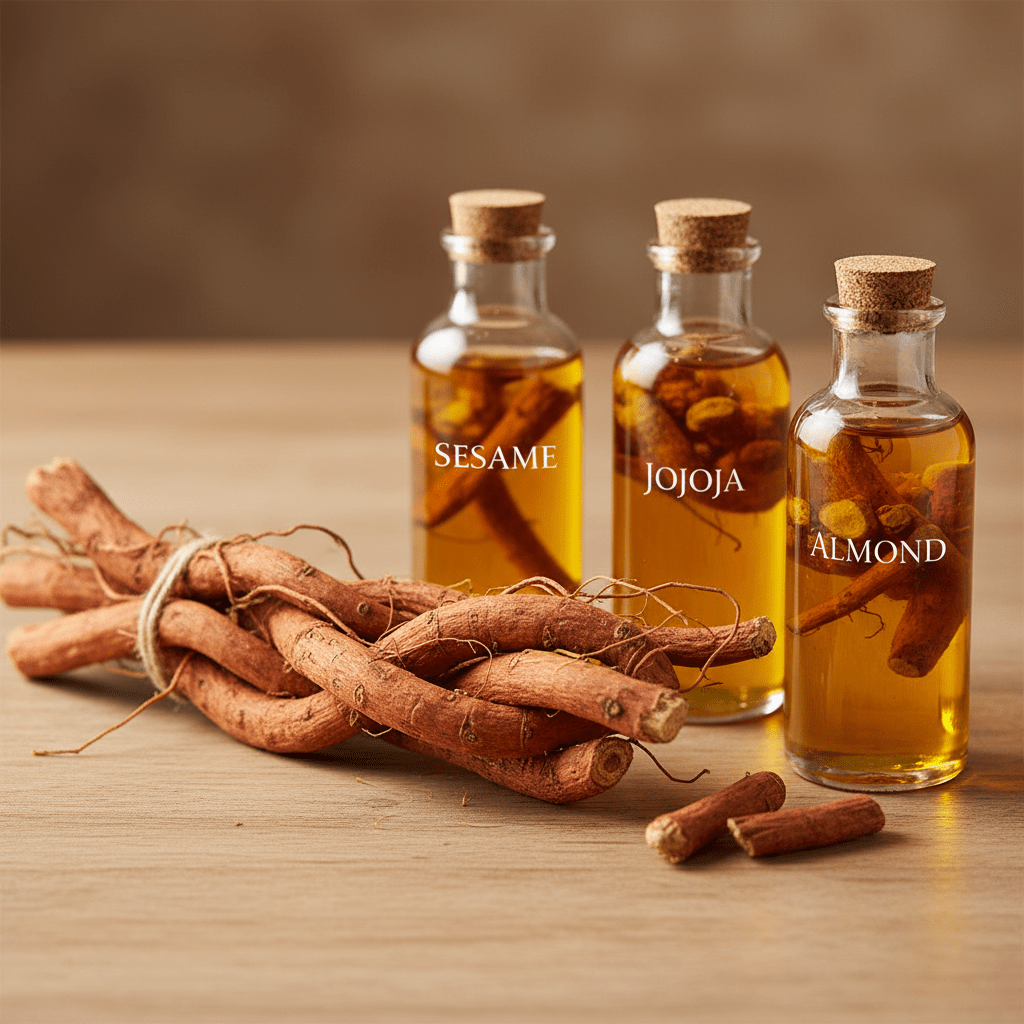
Now here’s the part that trips people up. Ashwagandha oil is usually not a pure essential oil. It’s made by infusing crushed ashwagandha root into a carrier oil, often sesame, jojoba, or almond oil. So when you see ashwagandha oil for skin, you’re usually looking at a macerated oil blend, not something steam-distilled like lavender or tea tree.
That matters because the oil and the powder do different jobs.
| Form | Usual use | Best for |
|---|---|---|
| Ashwagandha root powder | Taken internally in some traditions | Wellness routines, teas, tonics |
| Ashwagandha oil | Applied to skin | Face massage, dry patches, calming routines |
The root powder is often used inside the body. The oil is for topical use. Simple, but easy to mix up if you’re shopping fast and reading labels between errands.
Also, the carrier oil changes the feel a lot. Sesame oil is the classic Ayurvedic pick. It’s stable and deeply grounding, but the scent is stronger. Coconut oil feels cooling, though it can be a bit heavy. Almond oil is gentle and nice for sensitive skin. Jojoba is super close to skin’s own sebum, so it feels light and smooth. No weird greasy film. Lovely stuff.
So if you’re asking how to use ashwagandha oil, start by thinking of it as a skin-supporting infused oil, not a magic potion. Warm a few drops in your palms. Press it in. Or use it for a slow face massage. Calm skin, slower pace… honestly, that alone can feel like a small win.
And if you’re sourcing ingredients for a brand, this is where quality matters a lot. Aroma Monk, for example, works with pure essential oils, carrier oils, and natural extracts for businesses that want clean, traceable raw materials for skincare and wellness products. That kind of sourcing can make a real difference in the final feel of a product.
The Science of Serenity: How Ashwagandha Works on a Cellular Level
You know that tired-skin look that shows up after a bad week? It’s not just in your head. Stress can push skin into chaos fast. More shine. More breakouts. Less glow. And yes, that weird dry-yet-oily feeling that makes no sense at all.
Here’s the cool part. Ashwagandha oil for skin works because the plant has active bits called withanolides. These are the compounds people talk about most in Withania somnifera for skin. They act like tiny helpers that calm swelling and fight damage from free radicals. So when folks talk about ashwagandha benefits for face care, this is a big piece of the puzzle.
Think of adaptogenic ingredients like a thermostat. Too hot? Too cold? They help bring things back to center. Not perfect. Just steadier. That matters because stress can raise cortisol, and cortisol can tell skin to make more oil, lose more water, and break down collagen faster. That’s one reason stress can mean acne, dullness, and early lines.
Ashwagandha may help with that stress loop in a few ways:
- It may help calm the body’s stress response
- It can support skin barrier comfort
- It may help slow down inflammation
- It shows natural antibacterial and antimicrobial activity in some studies
And that last part matters for ashwagandha for acne. When skin gets too oily and inflamed, bacteria can get a comfy place to grow. Ashwagandha oil won’t replace a doctor’s care, but its plant compounds may help create a less friendly spot for acne-causing bacteria.
| Skin concern | How ashwagandha may help |
|---|---|
| Breakouts | May calm oil and bacteria-related stress |
| Redness | May cool down inflammation |
| Dry, tight skin | May support the skin barrier |
| Early aging | May help protect collagen from stress damage |
There’s also the anti-aging side. High cortisol can wear down collagen and elastin, which can make skin look older faster. Ashwagandha oil anti-aging support comes from its antioxidant action and its calming effect on stress-driven damage. So yes, it’s about glow. But it’s also about helping skin stay bouncy and balanced.
I’d still keep expectations real. This isn’t magic. But in ayurvedic skincare, that gentle, steady support is the whole point. If you’re building a routine, pair ashwagandha oil with simple habits that already help skin, like sleep, water, and less over-scrubbing. Pretty basic. Also pretty powerful.
And if you’re sourcing oils for a product line, Aroma Monk can be a smart partner for bulk essential oils, carrier oils, and rose water with lab-tested quality and clean supply chains. That matters when you want consistency from batch to batch.
Want a simple next step? Look for a well-made oil, patch test it, and start with a small amount at night. Slow wins here.
Quick note before you mix it into your routine
Ashwagandha oil tends to work best with gentle care. But don’t layer it right on top of strong acids or water-based actives if your skin gets fussy. Keep it simple first. That usually gives you the clearest read on how your skin reacts.
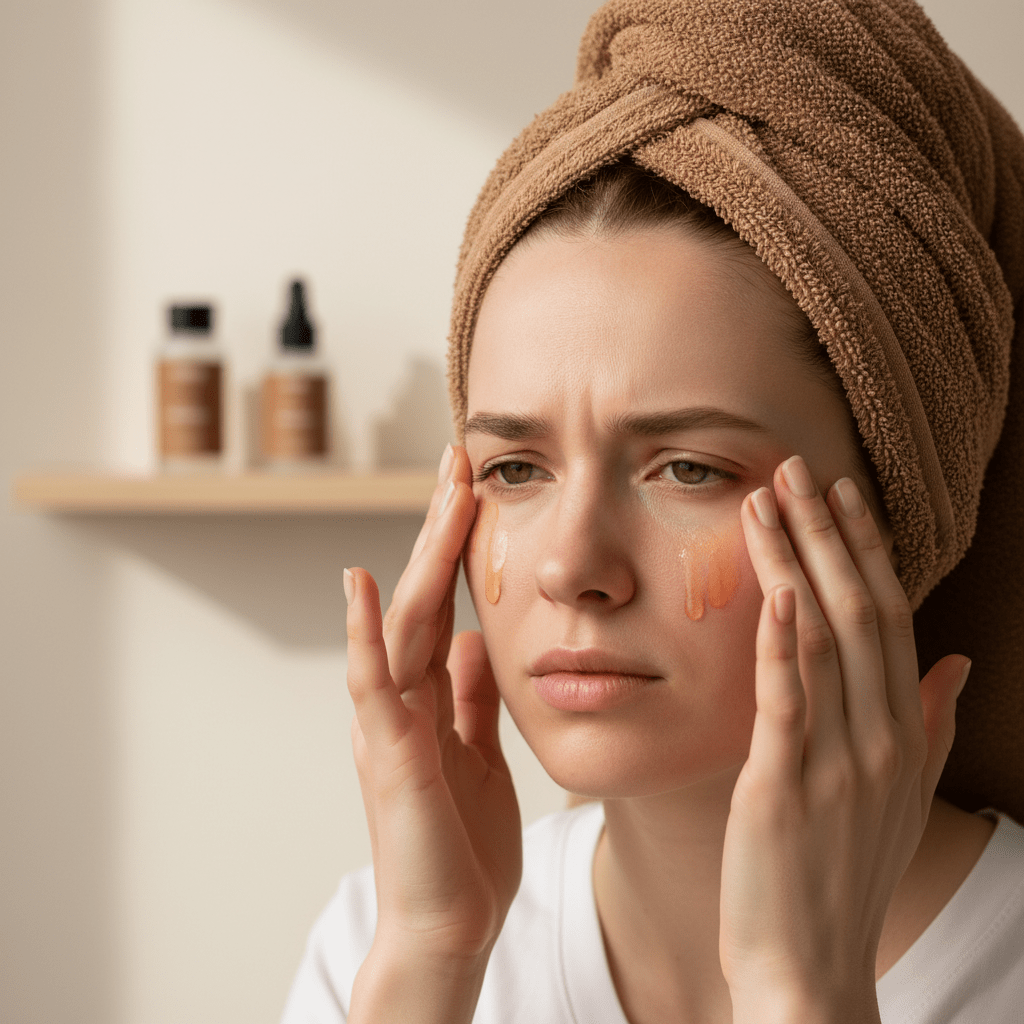
5 Clinically-Backed Benefits of Using Ashwagandha Oil on Your Face
You know that face-in-the-mirror moment after a rough week? The one where your skin looks a little mad at you. Been there. Stress can show up as breakouts, redness, dullness, and that odd dry-and-greasy mix that makes no sense at all.
Ashwagandha oil steps into that mess like a calmer friend. It’s one of those adaptogenic ingredients people keep talking about for a reason. Think thermostat, not fire alarm. It helps the skin feel less overreactive, a bit more steady, and a lot less frazzled.
And the good news? Research on stress and skin health backs up the bigger picture. When stress goes up, skin usually gets more oil, more inflammation, and less glow. So let’s walk through the five ways ashwagandha oil for skin may help, one by one.
1. Calms inflammation and eases redness
If your skin gets red fast, this is the benefit people notice first. Ashwagandha has plant compounds called withanolides, and they seem to help quiet the skin’s stress response. Less flare. Less heat. Less “why is my face doing that?”
That can be helpful for skin that acts irritated, including mild eczema-prone skin or skin that gets easily flushed. Rosacea-prone skin may also like that calming feel, but here’s the deal: if your skin is very reactive, patch test first and talk with a dermatologist before trying anything new. No need to play skin detective with a full-face trial on day one.
In Ayurvedic skincare, that kind of soothing support fits right in. It’s not about forcing skin to do more. It’s more like helping it stop yelling for a minute.
2. Helps with stress-linked acne and breakouts
This is the one a lot of people ask about. Ashwagandha for acne makes sense because stress can push cortisol up, and cortisol can tell skin to make more oil. More oil. More clogged pores. More breakouts around the chin and jawline. Fun stuff, right???
But wait, there’s more to it. Ashwagandha may also have mild antibacterial action, so it could help create a less friendly place for acne-causing bacteria. That gives it a two-part role: calm the stress side, and help with the breakout side.
A small note, though. Some people with hormonal acne worry that ashwagandha may not suit them if it affects their hormone balance. So if breakouts are already a big issue for you, go slow and get medical advice if needed. I’d rather say that plainly than pretend every face reacts the same way.
3. May soften early aging signs
This part is probably why a lot of people search for ashwagandha oil anti-aging support in the first place. Stress doesn’t just make you feel worn out. It can also speed up damage to collagen and elastin, which are the things that help skin look smooth and springy.
Ashwagandha is rich in antioxidants, and those help fight free radical damage from things like pollution, sun stress, and daily life. Traffic fumes. Too much screen time. That one week you slept four hours a night. Skin notices all of it.
So yes, ashwagandha benefits for face care can include softer-looking fine lines over time, especially when it’s used as part of a gentle routine. Not overnight magic. More like steady backup.
4. Supports brighter tone and a more rested look
Ever put on face oil and somehow look less tired ten minutes later? That’s the kind of thing people mean when they talk about radiance.
Ashwagandha oil for skin may help here in a pretty simple way. When skin feels calmer and better hydrated, it often looks brighter too. Better moisture usually means better light reflection. Plus, less inflammation can mean less dullness. That “lit-from-within” look is really just healthier-looking skin doing its thing.
And honestly, I like this benefit because it doesn’t ask skin to be perfect. Just healthier. More awake. Less flat.
5. Moisturizes and helps the skin barrier
This is where the carrier oil matters a lot. Ashwagandha oil is usually made by infusing the root into a base oil like sesame, almond, coconut, or jojoba. So the moisture boost comes from both parts: the carrier oil brings fatty acids, and the ashwagandha adds its own calming plant support.
That matters because a weak skin barrier leaks water faster. Skin gets dry, tight, and touchy. Not cute. A good oil blend can help slow that moisture loss and give skin a more cushioned feel.
Here’s a quick look at how each benefit lines up:
| Benefit | What it may do | Best for |
|---|---|---|
| Calms redness | Helps skin feel less irritated | Sensitive or flushed skin |
| Helps acne support | May calm oil and bacteria stress | Breakout-prone skin |
| Softens aging signs | Antioxidants help fight free radicals | Fine lines and dull skin |
| Boosts radiance | Helps skin look fresher and brighter | Tired, flat-looking skin |
| Moisturizes barrier | Supports softness and water balance | Dry or stressed skin |
If you want the best feel, use a small amount at night after cleansing. Warm a few drops in your hands, press it in, and take your time. That’s also a nice way to use facial massage for extra slip. Slow circles. Gentle upward strokes. No tugging.
And if you’re shopping for ashwagandha oil, look for dark glass bottles, simple labels, and clear ingredient lists. Aroma Monk, for example, offers pure, lab-tested oils and carrier oils for brands that want clean raw materials for skincare and wellness products. That kind of sourcing helps when you’re building a routine you can trust.
Tiny note before you go: if your skin is very acne-prone, very sensitive, or on prescription care, patch testing is the move. Always.
Want a simple next step? Start with one or two drops, use it for a week, and watch how your skin feels in the morning. That tells you a lot.
Get a quote from Aroma Monk.
Essential Oil Supplier – Bulk pricing • Samples • Fast response
How to Incorporate Ashwagandha Oil into Your Skincare Routine
You know that little moment before bed when you’re too tired for a whole routine, but your skin still wants help? Yep, that one. This is where ashwagandha oil can fit in without turning your bathroom into a science lab.
First, use it as a facial oil or serum. After cleansing and toning, warm 2 to 3 drops between your palms. Then press it into damp skin. Don’t rub like you’re drying dishes. Gentle wins here. If you want a little extra glow, try a slow facial massage with light upward strokes along the jaw, cheeks, and forehead. That slip helps your fingers glide without tugging. Nice and easy.
A simple way to do it:
- Cleanse your face.
- Tone if you use toner.
- Apply 2 to 3 drops of ashwagandha oil.
- Massage for 1 to 2 minutes.
- Let it sink in overnight.
But wait, there’s another easy way. Mix a few drops into your moisturizer or cream. This works well if your skin likes a lighter feel or if full-face oil feels like too much. Just blend it in your palm right before applying. That can give your regular cream a little extra soothing and antioxidant support.
If you like DIY masks, try this simple version:
| Ingredient | Amount | Why it’s there |
|---|---|---|
| Ashwagandha oil | 2 drops | Calms and supports skin |
| Honey | 1 teaspoon | Helps hold moisture |
| Plain yogurt | 1 teaspoon | Feels cooling and gentle |
Mix it up, smooth it on for 10 minutes, then rinse with lukewarm water. Easy. No drama.
And here’s the step people skip too fast: patch test first. Always. Put a small amount on the inside of your forearm or behind your ear, then wait 24 hours. If you get redness, itching, or bumps, stop. Skin can be picky. No shame in that.
One last thing. If you’re using strong acids, clay masks, or very active serums, keep things simple at first. Ashwagandha oil usually works best as a calm, steady part of a routine, not in a busy mix of ten products. If you’re buying for a brand or bulk supply, Aroma Monk’s lab-tested oils, carrier oils, and rose water can be a smart place to start for clean, reliable ingredients.
Buyer’s Guide: How to Choose a High-Quality Ashwagandha Oil
Ever bought a pretty bottle of oil and then realized it smelled off, felt too heavy, or just did nothing? Yeah. That’s the tricky part with ashwagandha oil. Not every bottle is made the same, and a cheap label can hide a pretty messy mix.
If you want the real deal, start with the basics. Look for cold-pressed and organic on the label. Cold-pressing helps keep the plant compounds and carrier oil in better shape, while organic certification lowers the odds of pesticides or junk you don’t want on your face. That matters even more if you’re using ashwagandha oil for skin every day.
And there’s a bigger reason people care so much about skin support right now. One NIH study found that 33.7% of nearly 186 million U.S. adults said stress affected their health a lot, and skin often shows it first. Stress can mean more oil, more redness, and less glow. Think of adaptogenic ingredients like a thermostat. They don’t make life perfect. They just help bring things back to a steadier middle.
What to check on the label
Read the INCI list. Slow down for this part. It saves headaches later.
You want to see Withania Somnifera Root Extract near the top, not buried in a long list of fillers and perfume-heavy extras. Also check what the carrier oil is. That’s the base oil the ashwagandha sits in, and it changes how the product feels on your skin.
Here’s a quick cheat sheet:
| What to look for | Why it helps |
|---|---|
| Withania Somnifera Root Extract near the top | Means the ashwagandha content is likely stronger |
| Short ingredient list | Usually means fewer extra fillers |
| Cold-pressed | Better chance the oil stayed in good shape |
| Organic | Helps lower pesticide risk |
Pick the right carrier oil
This part gets overlooked a lot. But the carrier oil can make or break the feel.
- Sesame oil: traditional in ayurvedic skincare, rich and grounding, but the scent is stronger
- Coconut oil: cooling, but can feel heavy on some skin types
- Almond oil: gentle and soft, nice for drier or more sensitive skin
- Jojoba oil: light, smooth, and close to skin’s own sebum, so it often feels less greasy
If you’re acne-prone, jojoba is often the safer first try. If your skin is dry and wants more cushion, almond or sesame may feel better. It’s a bit of trial and error, honestly.
Packaging matters more than people think
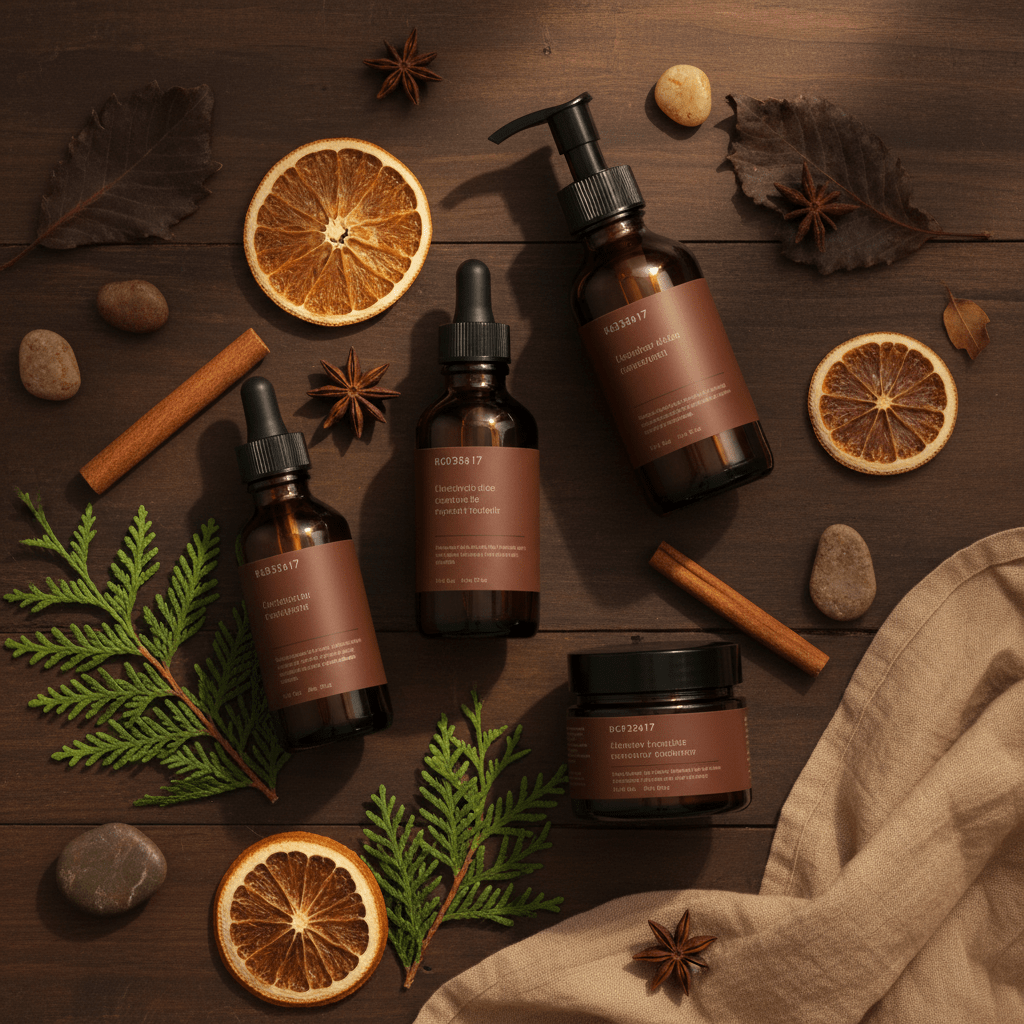
Choose dark glass bottles like amber or cobalt blue. Sunlight can break down oils over time. That can weaken the good stuff and make the oil go stale faster. Plastic bottles can also be a little sketchy if they sit around for a while.
Dark glass helps protect the oil from light and keeps the formula more stable. Simple. Smart. No drama.
If you’re buying for your own routine, a 15 ml to 30 ml bottle is a good place to start. If you’re sourcing for a brand, Aroma Monk can be a solid option for bulk essential oils, carrier oils, and rose water with lab-tested quality and traceable supply. That kind of sourcing matters when you want clean, reliable ingredients for skincare or wellness products.
A few red flags to skip
- Synthetic fragrance
- Mineral oil
- Parabens
- Phthalates
- Vague proprietary blend language with no clear breakdown
A good bottle should feel clear, honest, and easy to read. If the label seems fuzzy, that’s usually not a good sign.
So here’s the short version: choose cold-pressed, organic, and dark glass. Read the INCI list. Check the carrier oil. Then patch test before you use it on your face. Small steps, better results. That’s usually how the best skincare habits stick.## Embrace Balance: The Final Word on Ashwagandha Oil
If your skin could talk after a rough week, it might ask for a nap and a little calm. That’s really the heart of ashwagandha oil. It’s not just another face oil. It’s a bridge between how you feel inside and how your skin looks outside.
Ashwagandha, or Withania somnifera, has a long place in ayurvedic skincare. Modern research also points to its soothing, antioxidant, and barrier-supporting perks. That matters for stress skin, since stress can push more oil, more redness, and faster aging. An NIH study found that 33.7% of nearly 186 million U.S. adults said stress hurt their health a lot, and skin often shows that load first NIH study on perceived stress.
So think of ashwagandha oil like a thermostat. Not magic. Just steady. It may help calm inflammation, support moisture, and give skin a softer, more rested look.
And that’s the sweet spot. Calm skin. More resilience. A glow that feels earned.
If you’ve been curious about how to use ashwagandha oil, start small. Patch test. Use a few drops at night. See how your skin responds. Little steps can lead to big change, especially with adaptogenic ingredients that work best over time.
Honestly, this is one of those old-new skincare ideas that just makes sense. Simple. Gentle. Pretty lovely, too.
If you’re ready to try it, look for a clean, dark-glass bottle from a trusted source and let your routine stay easy. Your skin doesn’t need more noise. It needs care.
Get a quote from Aroma Monk.
Essential Oil Supplier – Bulk pricing • Samples • Fast response