
Rediscovering an Ancient Beauty Elixir: The Power of Jatamansi Oil
You know that moment when your skin feels tired, even after a full night’s sleep? Yeah, that. A lot of people are looking past quick fixes and reaching for natural skincare ingredients that do more than just sit on top of the skin. And honestly, I get it.
That’s part of why jatamansi oil uses are getting so much attention now. Jatamansi, also called Nardostachys jatamansi or spikenard oil for skin care, has deep roots in Ayurveda and a long history in wellness rituals. It’s been valued for calm, balance, and beauty for ages.
Today, the natural skincare market is growing fast, with consumer demand leaning hard toward plant-based and chemical-free products. So it makes sense that more people are asking about jatamansi benefits for skin, jatamansi for anti-aging, and how to use jatamansi oil on face the right way.
In this guide, we’ll look at what makes this ayurvedic oil for glowing skin so interesting, what research says, and how it fits into everyday nardostachys jatamansi skincare. Plus, we’ll talk about jatamansi oil side effects, so you know how to use it with care.

What is Jatamansi Oil? A Profile of the Himalayan Healer
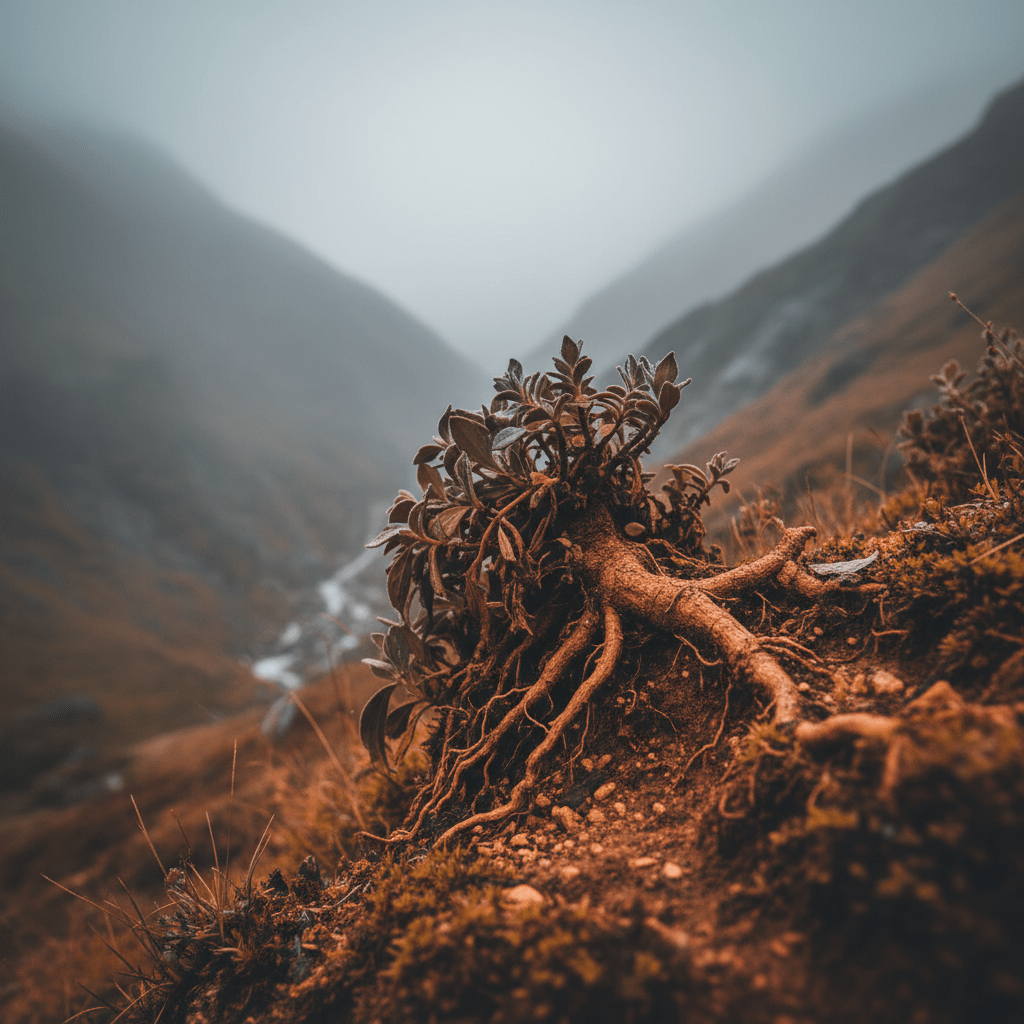
Jatamansi oil comes from a tough little plant that grows high in the Himalayas. Not in a soft garden. Not in some easy patch of land. It grows where the air is thin and the weather gets rough, which is part of why people have respected it for so long.
The plant behind jatamansi oil is called Nardostachys jatamansi. It’s also known as spikenard oil for skin care, and it has been used for ages in Ayurveda and other old healing systems. In traditional texts like the Charaka Samhita and Sushruta Samhita, jatamansi was seen as a calming herb for the mind and body, and people often turned to it for sleep, stress, and skin balance. That mind-skin link still shows up in Ayurvedic skincare today.
And here’s the thing. The plant doesn’t just survive up there. It thrives in a harsh place, so it tends to hold strong plant compounds that people now study for skin support and relaxation.
Jatamansi oil is usually made by steam distilling the roots or rhizomes. That process pulls out the aromatic parts of the plant and gives the oil its deep scent. Earthy. Woody. A little sweet too. It’s one of those calming essential oils for skin that people often use in blends, face oils, and wellness products.
| Jatamansi Oil Basics | Quick Look |
|---|---|
| Plant source | Nardostachys jatamansi |
| Where it grows | High-altitude Himalayan regions |
| Main plant part used | Rhizomes and roots |
| Usual extraction | Steam distillation |
| Scent | Earthy, woody, sweet |
| Traditional use | Calm, rest, and skin support |
I think that’s why jatamansi benefits for skin get so much attention now. People want natural skincare ingredients that do more than smell nice. They want something with history, and maybe a bit of soul too. Plus, with the natural skincare market valued in the billions and still growing, it’s no surprise that more brands are looking at ayurvedic oil for glowing skin formulas. For a quick market snapshot, Fact.MR’s natural skin care report shows how fast this space is moving.
One quick note, though. Jatamansi oil is powerful, so how you use it matters. It’s usually blended with a carrier oil before it goes near the face, especially if you’re trying it for nardostachys jatamansi skincare or testing how to use jatamansi oil on face for the first time.
The Science of Soothing: Key Compounds in Jatamansi Oil
So what’s doing the real work here? Not magic. Not a pretty label. It’s the plant compounds tucked inside jatamansi oil.
Jatamansi oil has a mix of sesquiterpenes and terpenes, with compounds like jatamansone, nardostachone, β-caryophyllene, patchouli alcohol, valeranone, α-pinene, and β-pinene. That sounds a little intense, I know. But think of these as the oil’s helper team. Each one plays a different role in how the oil may calm, protect, and refresh skin.
Here’s the simple version:
| Compound Group | What It May Do for Skin |
|---|---|
| Jatamansone and nardostachone | Help with soothing and antioxidant support |
| Sesquiterpenes | May calm visible redness and irritation |
| β-caryophyllene | Often studied for anti-inflammatory support |
| Patchouli alcohol | Linked with antibacterial and antioxidant action |
| α-pinene and β-pinene | May help with antimicrobial support |
| Valeranone | Known more for calming effects, which can matter in stress care |
Think of antioxidants as your skin’s personal bodyguards. They help guard against damage from pollution and UV rays, which can speed up dullness and fine lines. That matters a lot for jatamansi for anti-aging because free radical damage is one of the big reasons skin starts looking worn out. In one recent review of plant oils and compounds, jatamansi showed strong radical-scavenging activity, which means it may help fight oxidative stress before it shows up on your face.
And that’s not all. Some studies also point to anti-inflammatory and antimicrobial activity. So if your skin gets cranky, blotchy, or just plain tired-looking, these compounds may help create a calmer surface. Less irritation. Less “my face has opinions today.”
This is also why jatamansi benefits for skin get linked with stress care in Ayurveda. Stress can push cortisol up, and that can lead to more oil, weaker skin barrier function, and faster-looking aging. So a calming ingredient can matter in a very real way, even if it starts with scent and ends with skin support.
If you’re exploring how to use jatamansi oil on face, keep it gentle. Jatamansi oil is usually best mixed with a carrier oil like jojoba or rosehip. That way you get the skin benefits without making your face work overtime. And if you’re building nardostachys jatamansi skincare products for a brand, Aroma Monk’s lab-tested oils can fit into face oils, balms, or calming blends without the guesswork.
Tiny note before you rush off and mix a bottle: patch test first. Jatamansi oil side effects are usually about irritation or sensitivity, especially if you use it too strong. So go slow. Your skin will thank you.
For a deeper look at the chemistry behind the oil, see this recent review on Nardostachys jatamansi essential oil compounds and their skin-relevant actions.

Get a quote from Aroma Monk.
Essential Oil Supplier – Bulk pricing • Samples • Fast response
Top 5 Jatamansi Oil Uses for a Healthy, Radiant Complexion
You know that dull, tired look skin gets after a rough week? Same. And that’s exactly where jatamansi oil starts to look pretty interesting. It’s not just another pretty-smelling oil. It’s one of those natural skincare ingredients people keep coming back to because it has old roots and real skin-care uses.
Here are the top 5 jatamansi oil uses that matter most for your face.
1. Helping with early signs of aging
If fine lines have started to show up, jatamansi for anti-aging is one reason people pay attention to this oil. It has antioxidant compounds that may help protect skin from free-radical damage. That matters because free radicals can wear down collagen and leave skin looking older, faster.
Think of it like this: your skin gets hit by pollution, sun, stress, and plain old life. Antioxidants help calm that mess down a bit. A review on topical antioxidants and photoaging supports the idea that antioxidant-rich skincare can help with wrinkles, rough texture, and uneven tone.
So if you’re looking for an ayurvedic oil for glowing skin, this is one reason jatamansi keeps showing up in the conversation.
2. Calming red, angry skin
But what if your skin isn’t aging as much as it’s just annoyed? Redness, flare-ups, and that hot, itchy feeling can make your face feel off all day.
Jatamansi benefits for skin often get linked to its soothing nature. Traditional use and recent compound studies both point to anti-inflammatory support. That can matter for skin that gets cranky with weather changes, harsh products, or just stress. Some people also look at spikenard oil for skin because they want a calmer-feeling routine, not a loud one.
If you’re trying how to use jatamansi oil on face for sensitive skin, keep it very diluted. A little goes a long way. Really.
3. Helping skin look brighter and more even
Dark spots are annoying. Plain and simple. They show up after breakouts, sun exposure, or just random skin drama.
This is where nardostachys jatamansi skincare gets interesting. The oil’s plant compounds may help slow the kind of oxidative stress that can make skin look uneven and worn out. That’s part of why people use it in face oils meant to support a brighter look over time.
I wouldn’t call it a magic fade stick. It’s not that. But in a steady routine, it may fit well with other calming essential oils for skin and gentle plant-based care.
4. Supporting oily and acne-prone skin
You’d think an oil would be a bad match for oily skin. But wait, that’s not always true.
Some oils can actually work with skin instead of against it. Jatamansi oil has been studied for antimicrobial and anti-inflammatory action, which is why some people use it in blends for breakouts. If your skin tends to get shiny by noon and angry by dinner, that combo can feel familiar.
For this kind of use, always mix it with a carrier oil first. Jojoba is a solid pick. Grapeseed works too. And if you’re building products, Aroma Monk’s lab-tested oils can fit into clean nardostachys jatamansi skincare formulas without the guesswork.
5. Calming stress skin
This one gets missed a lot. Stress shows up on your face. It really does.
When cortisol stays high, skin can make more oil, lose moisture, and look dull or tired. That’s why jatamansi oil uses often go beyond surface care. Its earthy scent and calming profile make it a favorite in rituals that slow things down a little. And when your whole day feels loud, that tiny pause matters.
Ayurveda has long linked skin and mind, and that idea still makes sense today. A recent look at stress and skin health also connects chronic stress with acne, eczema, and faster-looking aging. So if your skin breaks out before a big meeting, yeah… you’re not imagining it.
| Jatamansi Oil Use | Why People Try It |
|---|---|
| Early aging support | May help fight oxidative stress |
| Redness and irritation | May calm inflamed skin |
| Dark spots and dullness | May support a more even look |
| Oily, acne-prone skin | May help with breakouts and control shine |
| Stress-related skin issues | May support calm through scent and ritual |
A quick safety note before you try it
Jatamansi oil side effects are usually tied to using it too strong. That means skin irritation, stinging, or sensitivity. Patch test first. Mix it with a carrier oil. And if you have very reactive skin, start with less than you think you need.
For face use, people often stick to a 1% to 2% dilution. Sensitive skin may do better around 0.5% to 1%. Slow is fine. Slow is smart.
If you’re buying for a brand or small batch product line, look for pure, lab-tested oils from a supplier that takes quality seriously. That’s where Aroma Monk can be a helpful fit for bulk essential oils, carrier oils, and natural fragrance work.
For a deeper look at the market side, Fact.MR’s natural skin care report shows how fast people are moving toward plant-based beauty. And honestly, it tracks. People want simpler labels, cleaner formulas, and ingredients they can actually recognize.
How to Incorporate Jatamansi Oil into Your Skincare Ritual
You know that nice feeling when a tiny change makes your whole routine feel calmer? That’s the sweet spot with jatamansi oil uses. Not loud. Not fussy. Just a few drops, used the right way, can fit into your day without turning your bathroom shelf into a science project.
And honestly, that’s probably why more people are reaching for natural skincare ingredients. The natural skincare market is valued in the billions and keeps growing, with Fact.MR pointing to strong demand for plant-based formulas. People want simple labels, cleaner blends, and stuff they can actually understand. Makes sense.
1. Make a simple DIY face oil or serum
This is the easiest place to start.
Mix 2 to 3 drops of jatamansi oil into 10 ml of jojoba oil or sweet almond oil. Jojoba works well for most skin types, while sweet almond feels nice if your skin leans dry or sensitive. Then just rub a few drops between your fingers and press it onto clean skin at night.
Here’s a tiny cheat sheet:
| Skin Type | Good Carrier Oil | Why It Works |
|---|---|---|
| Oily or Combination | Jojoba | Light and similar to the skin’s natural oils |
| Sensitive | Sweet Almond | Gentle and soothing on delicate skin |
| Dry | Sweet Almond or Rosehip | Provides extra nourishment and hydration |
| Mature | Rosehip | Supports a radiant, glow-focused skincare routine |
Start low. Seriously. Jatamansi oil side effects usually show up when people use too much at once, so a little goes a long way.
2. Add it to a plain moisturizer
Got a neutral cream you already like? Good. You don’t need to toss it.
Put a pea-size amount of moisturizer in your palm, then add 1 drop of jatamansi oil and mix it there right before you apply it. Don’t add the oil straight into the full jar. That way you keep the rest of the product clean and stable.
This trick works well if you’re figuring out how to use jatamansi oil on face without changing your whole routine. And if your skin gets cranky easily, use this only at night at first.
3. Try a calming face mask once a week
OK, this one feels a little spa-like. In a good way.
Mix:
- 1 tablespoon kaolin clay or bentonite clay
- 1 tablespoon plain yogurt or rose water
- 1 drop jatamansi oil
- a few drops of water if needed
Apply it for 7 to 10 minutes, then rinse with lukewarm water. Keep it short. Clay masks can get drying if you leave them on too long, and nobody wants that tight, squeaky feeling.
This is a nice weekly reset for people looking at jatamansi benefits for skin, especially if stress has been showing up on their face. And yes, that happens. Stress can raise cortisol, which may push more oil, dullness, and breakouts, as noted in AAD guidance on stress and skin.
A few quick tips before you start
- Patch test first.
- Don’t use it near your eyes.
- Keep the dilution around 1% to 2% for face use.
- If your skin is very sensitive, go even lower.
If you’re building nardostachys jatamansi skincare for a brand, Aroma Monk’s lab-tested essential oils can fit into face oils, masks, and calm-skin blends without much hassle. For personal use, the same rule still applies: keep it simple, keep it gentle, and listen to your skin.
That’s usually where the magic is. Not in doing more. In doing less, but better.
A Conscious Choice: Sourcing, Purity, and Safety Precautions
You know what’s a little awkward? A plant can be rare, loved, and useful all at once. Jatamansi is that kind of herb.
It’s not just another pretty bottle on a shelf. Nardostachys jatamansi is listed as Critically Endangered on the IUCN Red List, so buying it with care really matters. The plant grows in the Himalayan region, and heavy root harvesting has put a lot of pressure on wild stocks. So if you care about jatamansi oil uses, the source matters just as much as the scent.
Here’s the deal: look for brands that talk about ethical harvesting, cultivation, and traceability. If a label is vague, that’s a bit of a red flag. A good one should clearly say:
| What to look for on the label | Why it matters |
|---|---|
| 100% pure Nardostachys jatamansi | Helps cut down on fake or diluted oils |
| Steam-distilled | Shows the oil was made with a common clean method |
| Country of origin | Gives you a clue about sourcing and quality |
| Organic or wild-harvested certification | Can point to better growing or harvest practices |
And yes, ask questions. Good suppliers don’t get weird about it.
For personal use, safety comes first. Always do a patch test. Mix the oil with a carrier oil like jojoba or rosehip before putting it on your face. Keep it away from your eyes. And if you’re pregnant, nursing, or dealing with a health issue, check with a healthcare professional before using it. That goes for any strong essential oil, not just this one.
If you’re shopping for a beauty brand or a small batch product line, Aroma Monk’s lab-tested essential oils can be a smart place to start, since purity and traceability are a big deal in nardostachys jatamansi skincare. And if your goal is an ayurvedic oil for glowing skin, clean sourcing is part of the glow. No shortcuts there.
Funny enough, the rise in natural skincare ingredients has made this even more important. The natural skincare market is now in the billions, and more buyers want plant-based products they can trust. That’s good news. But it also means there are more lookalikes, more filler oils, and more labels that say a lot without saying much.
So keep it simple. Read the label. Check the source. Patch test first.
That’s the kind of care your skin likes.

Embrace Holistic Radiance with Jatamansi Oil
Jatamansi oil has a quiet kind of power. It can help with early aging, calm angry skin, brighten a dull look, and bring a little peace to a stressed-out face. Not bad for one plant, right?
What makes it stand out is the way it fits both skin care and self-care. That lines up with Ayurvedic beauty, where how you feel shows up on your skin. And honestly, that idea makes sense. A calm mind often looks better than any expensive cream.
So if you’ve been curious about jatamansi oil uses, start small. Do a patch test. Try a simple blend with jojoba oil. See how your skin responds. Keep it gentle, keep it steady, and let nature do the quiet work.
That’s the real charm here. Not a big promise. Just a small ritual with room for glow.
Get a quote from Aroma Monk.
Essential Oil Supplier – Bulk pricing • Samples • Fast response