
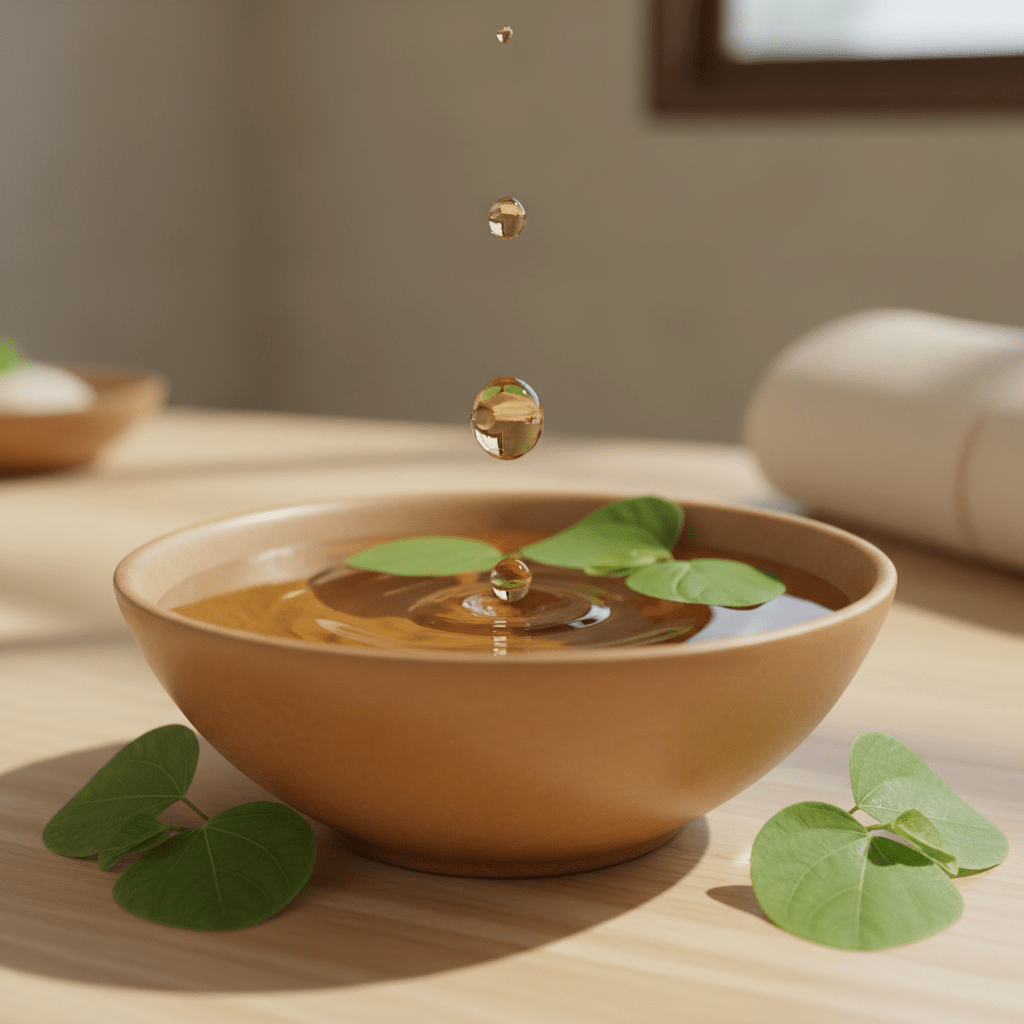
Tired of Harsh Chemicals? Discover an Ancient Ayurvedic Secret for Clear Skin
Ever put acne cream on one pimple, then watched your whole face turn dry and cranky? Yeah, a lot of us have been there. You try one product, then another, then another. And somehow your skin still feels confused.
That’s why more people are looking at gentle, plant-based care. Acne is not rare at all. It affects over 20% of adults worldwide, and the numbers keep climbing according to recent acne research. So if you’re dealing with breakouts, you’re not alone. Not even close.
This is where Brahmi oil gets interesting.
Brahmi, or Bacopa monnieri, has long been prized in Ayurveda. People usually know it for brain support, but it also has a place in brahmi for skin health. That part doesn’t get enough love. The herb contains bacosides and other plant compounds that may help calm skin, support healing, and ease the look of angry spots.
In this article, we’ll look at the real brahmi oil benefits for skin, including how it may help with acne, redness, and post-breakout recovery. We’ll also talk about brahmi and acne, how to use brahmi oil for face care, and what to know if you have oily or sensitive skin. No magic promises. Just a clear look at what this old-school ayurvedic skincare for acne option can actually do.
And yes, we’ll keep it simple.
If you’re building your own natural skin care line, or sourcing pure carrier oils and plant extracts, brands like Aroma Monk also fit into this space with lab-tested oils, rose water, and custom bulk supply for beauty and wellness products.

What is Brahmi Oil and How is It Made?
You know how some herbs get one job and then surprise everyone? Brahmi is like that. Most people hear Bacopa monnieri and think, “Oh, the brain herb.” But that’s only part of the story.
Brahmi is a small creeping plant that grows in wet, marshy spots in India and other warm regions. In Ayurveda, it’s been used for ages for memory, calm, and skin care too. Old-school healers didn’t always separate body care into tiny boxes the way we do now. They looked at the whole plant. Whole person, too.
And that matters here.
When people say Brahmi oil, they’re usually talking about an infused oil, not a pure essential oil. Big difference. The herb is slowly warmed in a carrier oil like sesame oil or coconut oil so the plant compounds can move into the oil. In Ayurveda, this is often done with a method called taila paka. Fancy name. Simple idea.
Here’s a quick look at the usual setup:
| Part | What it means |
|---|---|
| Brahmi herb | The plant, Bacopa monnieri |
| Carrier oil | Sesame or coconut oil |
| Process | Herb is simmered or soaked into the oil |
| Result | A herbal oil for skin or scalp use |
Now, a tiny warning because this part trips people up all the time. Brahmi is not always the same plant everywhere. In some places, Gotu Kola is also called Brahmi. But they’re different plants. Bacopa monnieri and Centella asiatica are not twins, even if the names get mixed up. Gotu Kola has its own set of compounds, so if you’re buying a product or reading a label, check the botanical name. That little line can save a lot of confusion.
For brahmi for skin health, the oil is loved more for calming and repair than for acting like a harsh acne fighter. So if you’re exploring brahmi and acne, think gentle support, not a sting-and-dry-out fix. That’s a big deal for anyone doing ayurvedic skincare for acne and wanting something kinder on sensitive skin.
If you’re sourcing oils for a beauty line, this is also where clean, lab-tested carriers matter. A good base oil can change the whole feel of the product.
The Science: Why Brahmi is a Powerhouse for Skin Health
Acne can feel like a rude houseguest. It shows up, makes a mess, and leaves your skin grumpy for days. And if you’ve ever stared at a red, swollen pimple in the mirror and thought, “Why is my face doing this again???” you’re not alone. Acne affects over 20% of adults worldwide, and in the US it’s the most common skin condition, with up to 50 million Americans dealing with it each year, according to acne stats from the AAD.
That’s one reason people keep looking for gentler options like brahmi for skin health.
Brahmi, or Bacopa monnieri, has a few plant compounds that make it interesting for skin. The big names are bacosides, plus saponins, flavonoids, and plant sterols. Sounds fancy, but here’s the simple version: these compounds help the skin deal with stress, redness, and slow healing. In lab and animal studies, bacosides have shown antioxidant and anti-inflammatory action, and bacoside-A also helped wounds close faster and stronger in tests peer-reviewed bacopa research.
So what does that mean for brahmi oil benefits?
First, the anti-inflammatory side. When a pimple gets angry, it swells and turns red. Brahmi’s calming compounds may help tone that down. Not like a harsh spot treatment that burns everything in sight. More like a steady hand on the brakes. That’s why brahmi and acne can make sense for people with irritated, inflamed breakouts.
Next, antioxidants. These help fight free radicals, which are tiny bits of damage from sun, pollution, and daily stress. Over time, that kind of wear can leave skin looking dull and tired. Antioxidants help protect the skin barrier and support a brighter look, which matters if you’re dealing with post-breakout marks or brahmi oil for acne scars.
There’s also the healing angle. Bacosides seem to support wound repair by helping new skin form and by protecting collagen, the stuff that keeps skin firm and smooth. That’s a big reason brahmi oil for face care is often seen as a repair oil more than a quick fix. It’s about helping skin settle down and recover.
Here’s the short version:
| Brahmi compound | What it may do for skin |
|---|---|
| Bacosides | Support healing and calm irritation |
| Saponins | Help with skin repair and cleansing support |
| Flavonoids | Add antioxidant protection |
| Plant sterols | Support the skin barrier |
Now, I should say this plainly. Brahmi oil is not a direct acne killer in the way tea tree oil sometimes is. It’s more of a support player. But for people exploring ayurvedic skincare for acne, that can still be a very good thing. Especially if your skin gets dry, stingy, or easily upset.
And if you’re thinking about how to use brahmi oil for face care, this is the kind of ingredient that usually works best in small amounts, on calm skin, and as part of a gentle routine. Slow and steady. Skin often likes that better anyway.
If you’re a product maker, this is where clean sourcing matters too. A pure, lab-tested botanical oil can make all the difference in how the final formula feels and performs.
Top 4 Brahmi Oil Benefits for Acne-Prone and Blemished Skin
Ever had one tiny pimple turn into a sore, red bully by lunch time? So annoying. And if your skin gets angry fast, the usual harsh stuff can feel like a bad trade.
That’s where the softer side of brahmi oil benefits starts to matter. Brahmi, or Bacopa monnieri, is known for calm, repair, and a gentler touch. It’s not a loud acne fighter. More like the friend who shows up with water, a blanket, and zero drama.
Here are the four big ways brahmi for skin health may help acne-prone skin.
1. Soothes Inflammation and Reduces Redness
Red, swollen breakouts are miserable. You feel them before you even see them. Cystic acne and deep pimples can stay sore for days, which is why people often want something that calms skin instead of stripping it bare.
Brahmi has plant compounds that may help ease that fiery look. Lab and animal research on Bacopa monnieri has shown anti-inflammatory activity, which means it may help quiet some of the stress signals that make spots look bigger and angrier peer-reviewed bacopa research. That’s a nice fit for brahmi and acne if your skin gets touchy fast.
Think of it like this:
- Less heat
- Less redness
- Less “why is my face yelling?” energy
Not a miracle. Just calmer skin vibes.
2. Cleanses and Supports Pore Health
Now, wait a second. Brahmi oil isn’t a scrub, and it doesn’t blast pores open like a foaming face wash. But it can still play a part in a cleaner-feeling routine, especially if you use it the right way.
When used as an infused oil, brahmi can sit on the skin and help support the barrier while you cleanse away the day. That matters because acne-prone skin often gets overwashed. Then it gets dry. Then it makes more oil. Annoying loop, right?
For brahmi oil for oily skin, the goal is balance, not squeaky-clean skin. A few drops on damp skin can help keep moisture in while you use a gentle cleanser for dirt, sunscreen, and extra sebum. So yes, it fits into natural acne treatment routines, but as a support step, not the whole plan.
3. Promotes Healing and Helps Fade Marks
This is where brahmi gets especially interesting. Bacopa’s bacosides have been studied for wound healing, including faster skin repair and stronger tissue formation in animal models. That matters for blemishes that leave behind marks after the bump is gone.
If you’ve ever stared at a dark spot for weeks and thought, “Come on already,” you get the appeal. Brahmi oil for acne scars is usually talked about for its support of skin recovery, not for overnight fading. But slow repair can still be a big win.
What it may help with:
| Skin concern | How brahmi may help |
|---|---|
| Fresh blemishes | Supports repair as skin settles |
| Dark marks | May help skin look more even over time |
| Post-pimple roughness | Helps skin feel softer and less worn out |
It’s a steady kind of help. The kind your skin often likes.
4. May Help Balance Sebum Over Time
This part gets talked about a lot online, and I want to be straight with you. There isn’t strong direct research showing brahmi oil tells skin to make less sebum. So I wouldn’t oversell that.
But here’s the practical side. When oily skin gets gentle moisture instead of harsh treatment, it sometimes calms down. Skin can act weirdly protective when it feels stripped. So using a light, well-made oil may help your face stop overreacting.
That’s why some people use brahmi oil for oily skin in very small amounts. Not a heavy layer. Just a little. And usually after cleansing, not before makeup or in thick daytime coats. If your skin likes it, great. If not, no big loss.
Quick Look at the 4 Benefits
| Benefit | What it may do |
|---|---|
| Soothes inflammation | Helps reduce redness and swelling |
| Supports pore care | Fits into gentle cleansing routines |
| Aids healing | May help blemishes and marks recover |
| Balances oil | Can feel less drying than harsh acne products |
If you’re comparing brahmi oil benefits with other plant oils, think of it as the calm one. Tea tree is sharper. Neem is stronger on the acne side. Brahmi is more about comfort, repair, and helping skin settle down.
That makes it a pretty smart pick for ayurvedic skincare for acne, especially if your face hates harsh actives. And if you’re sourcing raw materials for a beauty line, lab-tested oils and clean blends matter a lot. Brands like Aroma Monk are a useful option here, since they offer pure carrier oils, rose water, and bulk supply for product makers who want reliable ingredients without the mystery goo.
Next, we’ll look at how to use brahmi oil for face care the safe way, plus who should patch test first.
Get a quote from Aroma Monk.
Essential Oil Supplier – Bulk pricing • Samples • Fast response
How to Use Brahmi Oil in Your Skincare Routine (With DIY Recipe)
You know that moment when you want to try something gentle, but you also don’t want to make your face worse? Yeah. That’s the whole game here.
Brahmi oil can fit into a simple routine if you keep it light. Think of it as a support step, not a full acne fix. For brahmi oil benefits, the best results usually come from small amounts, clean skin, and a little patience. Skin can be picky. Mine is, anyway.
Step 1: Patch test first
Before you put brahmi oil anywhere near your face, do a patch test.
- Put a tiny drop on the inside of your arm or behind your ear.
- Leave it there for 24 hours.
- Watch for redness, itching, burning, or swelling.
- If your skin stays calm, you’re probably good to try it on a small face area.
If your skin gets mad fast, stop there. No hero points for pushing through irritation.
Step 2: Pick the right way to use it
Here’s how to use brahmi oil for face care in a few easy ways:
| Method | Best for | How to do it |
|---|---|---|
| Spot treatment | One angry pimple | Dab 1 tiny drop on clean skin at night |
| Overnight facial oil | Dry or sensitive skin | Press 2 to 3 drops over damp skin |
| Double-cleansing step | Makeup or sunscreen days | Massage a little oil on dry skin, then follow with a gentle cleanser |
For brahmi oil for oily skin, less is more. Seriously. A few drops is enough. If you use too much, your face may just feel greasy, and nobody asked for that.
Step 3: Try a weekly DIY Brahmi face mask
This one is easy and kind of fun. It works well as a weekly natural acne treatment for skin that feels dull or congested.
DIY Brahmi Face Mask
- 1 teaspoon Fuller’s Earth clay, or chickpea flour if your skin is dry
- 1 to 2 drops brahmi oil
- 1 to 2 teaspoons rose water or plain water
How to make it:
- Mix the clay or flour with rose water.
- Add the brahmi oil.
- Stir until it looks like a soft paste.
- Apply a thin layer to clean skin.
- Leave it on for 8 to 10 minutes.
- Rinse with lukewarm water.
- Pat dry and use a light moisturizer.
Fuller’s Earth can help soak up extra oil, while brahmi may help skin feel calmer after breakouts. Chickpea flour is a softer pick if your face gets dry or tight.
A few quick tips
- Don’t use brahmi oil on open cuts.
- Skip the eye area.
- If you’re mixing it into a routine for brahmi and acne, keep the rest of your products simple.
- If you want to pair it with other botanicals, neem or turmeric can work, but only in small amounts.
Brahmi oil won’t erase acne overnight. But for brahmi for skin health, it can be a nice calming step, especially if you’re trying to move away from harsh products. And if your skin is dealing with marks after breakouts, that gentle support may help more than you’d think.
For anyone sourcing raw ingredients for skincare products, clean carrier oils and pure floral waters matter a lot here. Brands like Aroma Monk offer lab-tested oils, rose water, and bulk supply options for beauty and wellness lines that need dependable ingredients.

Potential Side Effects and Choosing the Right Product
Brahmi oil is usually gentle. But skin can be weird sometimes, right? What works for your friend might make your face grumpy.
The biggest thing to watch is the carrier oil. Brahmi is often infused in sesame oil or coconut oil. Sesame oil tends to feel lighter for some people, while coconut oil can clog pores for acne-prone skin because it’s more comedogenic. So if your skin breaks out fast, coconut-based brahmi oil may not be your best pick. A sunflower-oil base or a lighter sesame blend may sit better on the face.
Here’s a quick cheat sheet:
| Carrier oil | Skin feel | Acne-prone skin? |
|---|---|---|
| Coconut oil | Rich and heavy | Can clog pores for many people |
| Sesame oil | Medium weight | May work for some, but test first |
| Sunflower oil | Light | Often a better pick for oily skin |
When you shop, look at the label closely. You want words like:
- 100% natural
- Brahmi oil with the carrier oil named clearly
- Organic if you can get it
- No fake fragrance or color
- Lab-tested or purity-tested, if listed
That last part matters a lot. A clean product tends to be safer and easier on skin. And if you’re buying for a brand, suppliers like Aroma Monk are handy because they offer lab-tested oils, rose water, and bulk supply for beauty and wellness products.
Also, rare allergic reactions can happen. That’s why the patch test you did earlier is such a good habit. If you see itching, redness, swelling, or a rash, stop using it. No need to push through that.
One more thing. Brahmi oil isn’t meant to replace acne care that’s already working for you. It fits best as a calm, skin-friendly add-on in ayurvedic skincare for acne. For some people, that’s the sweet spot. Gentle. Simple. Less drama for the face.
And if you’re building products, keep your eye on purity and traceability. That’s the stuff customers notice, even if they don’t say it out loud.
Brahmi Oil vs. Tea Tree Oil vs. Neem Oil for Acne
So you’ve got a breakout, and now the shelf is full of tiny bottles promising miracles. Fun, right? Tea tree. Neem. Brahmi. All three show up a lot in natural skin care, but they don’t do the same job.
If you’re trying to figure out brahmi oil benefits for acne-prone skin, the easiest way to think about it is this: tea tree goes after germs, neem does a bit of both, and brahmi leans hard into calm and repair. That makes a real difference, especially if your skin gets sore, dry, or cranky fast.
Here’s a simple side-by-side look:
| Oil | Main action | Best for | Watch out for |
|---|---|---|---|
| Tea tree oil | Strong antiseptic and antibacterial | Whiteheads, clogged pores, surface breakouts | Can sting or dry skin if too strong |
| Neem oil | Antibacterial, antifungal, anti-inflammatory | Deeper acne, bacterial or fungal bumps, oily skin | Smell is strong, and it must be diluted |
| Brahmi oil | Anti-inflammatory, soothing, skin-healing | Painful spots, red acne, post-breakout recovery | Not a fast acne killer |
Tea tree oil is the sharp one. It’s often used for mild to moderate acne because it can help cut down acne-causing bacteria on the skin. But it can feel harsh, especially if your skin is already sensitive. So if your face burns easily, tea tree might feel like too much of a good thing.
Neem is a little different. It’s usually talked about for its antibacterial and antifungal action, plus its calming feel. That’s why people often reach for it for deeper, more stubborn breakouts, or for skin that seems to get angry in a bunch of different ways at once. It’s a pretty common pick in ayurvedic skincare for acne.
And then there’s Brahmi. Bacopa monnieri for skin is less about attacking acne head-on and more about helping skin settle down. So if you have a big, painful bump that stays red for days, brahmi and acne can make sense as a comfort-first option. It may also be a nice fit for brahmi oil for acne scars, since the herb is known for supporting wound healing and recovery.
Honestly, that’s the part people miss. Not every breakout needs a harsher hit. Sometimes your skin just wants fewer fireworks.
Which one fits your skin?
- Tea tree oil: Best for small whiteheads and surface breakouts
- Neem oil: Good for oily, stubborn, or mixed acne
- Brahmi oil: Better for inflamed, sore spots and healing after the bump goes down
If your skin is oily but touchy, Brahmi can still fit, but keep the amount tiny. A few drops on damp skin is plenty. That’s the safe zone for how to use brahmi oil for face care without making things greasy.
A quick reality check, too. Tea tree and neem get more credit as direct acne helpers. Brahmi is not usually the first oil people choose for quick drying. But for brahmi for skin health, it offers something a bit softer. Less “fight the pimple.” More “help the skin calm down and recover.”
That’s why a lot of people mix and match instead of picking just one. Tea tree for active whiteheads. Neem for stubborn bumps. Brahmi for healing support. Weirdly enough, that combo can make more sense than using one heavy-handed product and hoping for the best.
If you’re building a product line, this also gives you room to create different blends for different skin moods. And if you want pure carrier oils, rose water, or bulk ingredients for that kind of formula work, suppliers like Aroma Monk can help with lab-tested oils and reliable raw materials for beauty and wellness products.

Embrace Holistic Healing for Lasting Skin Clarity
So here’s the real win with brahmi oil benefits: it doesn’t try to bully your skin into behaving. It works more like a calm helper. It may soothe redness, support healing, and give acne-prone skin a softer place to recover.
That matters because acne is everywhere. It affects over 20% of adults around the globe, and in the US it hits up to 50 million people each year (AAD acne stats). So if your face has been acting up, you’re in loud company.
What makes bacopa monnieri for skin interesting is the whole package. It’s not just about one pimple. It’s about helping skin settle, repair, and stay a little more steady over time. That’s a big deal if harsh products leave you dry, stinging, or ready to quit.
Here’s the short version:
- Soothes angry, red spots
- Helps skin recover after breakouts
- Supports clearer-looking skin with gentler care
- Fits into ayurvedic skincare for acne without all the drama
And honestly, that’s the appeal. Brahmi is not a fast smackdown treatment. It’s the steady one. The one that may work better if your skin likes patience.
If you want to try it, start small. Use a tiny spot treatment at night, or mix up a simple weekly mask with Fuller’s Earth or chickpea flour. Keep it light, patch test first, and let your skin tell you what it thinks. That’s usually the best feedback anyway.
If you’re ready for a gentler routine, brahmi for skin health is a smart place to begin. And if you make skincare products yourself, clean ingredients matter just as much as the idea behind them. Pure oils, rose water, and tested botanical blends can make all the difference.
For brands and makers, suppliers like Aroma Monk offer lab-tested oils, rose water, and bulk supply options that fit beauty and wellness lines. Simple. Reliable. No mystery goo.

Get a quote from Aroma Monk.
Essential Oil Supplier – Bulk pricing • Samples • Fast response