
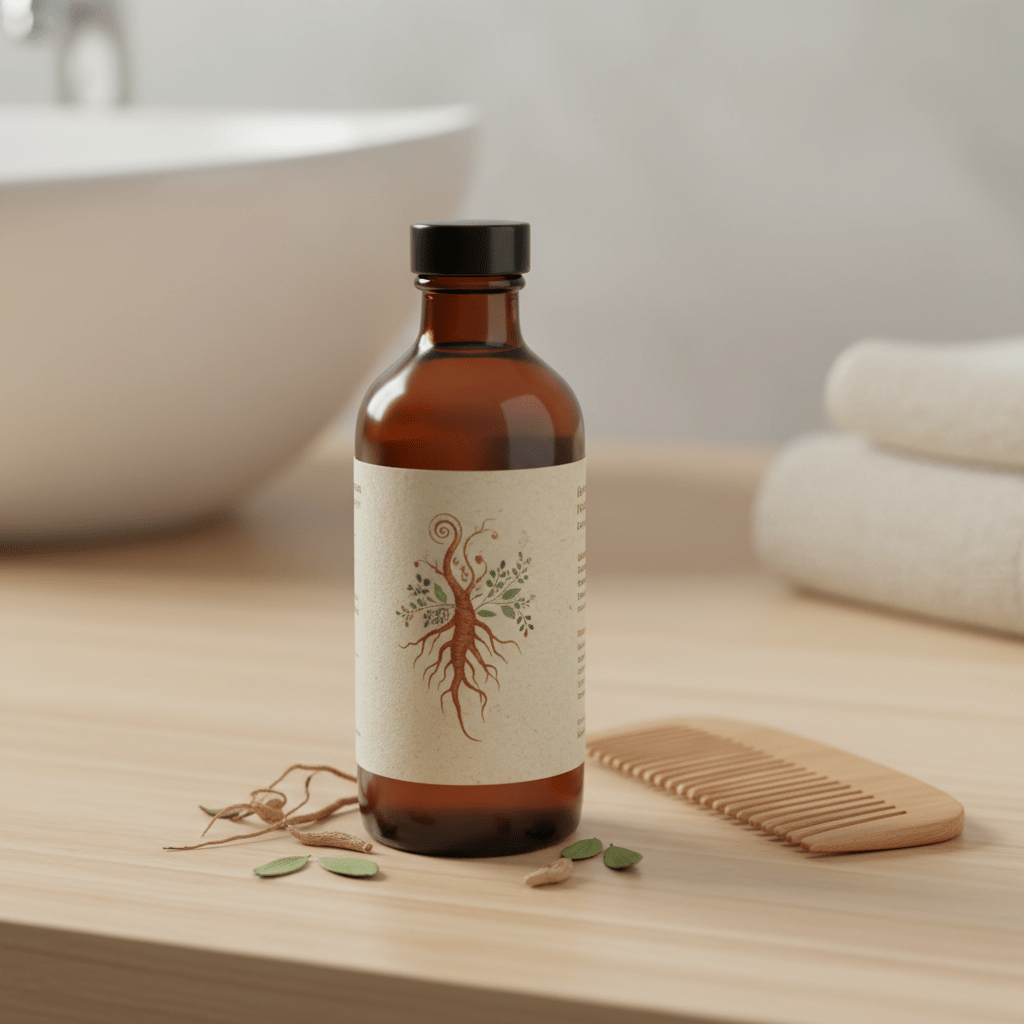
Searching for a Hair Loss Solution? Here’s What Users Say About Jatamansi Oil
You know that sinking feeling when you buy a hair oil, use it for weeks, and… nothing? No less shedding. No new fluff near the hairline. Just sticky roots and a lighter wallet. Been there.
That frustration is a big reason people keep searching for natural hair growth remedies. Hair loss, thinning, and scalp itching are some of the most searched hair worries online, and the demand for herbal hair care keeps growing fast. The broader Ayurveda market is also moving up, with hair and skin leading the way in many studies on consumer trends and growth. One market report even pegs the global Ayurveda market at USD 20.42 billion in 2025, with strong growth ahead.
So, where does jatamansi oil for hair fit into all this?
Jatamansi, also called spikenard oil in some products, has deep roots in Ayurveda and a loyal crowd of users who swear by it for hair fall, scalp comfort, and shine. But hype is cheap. Reviews are cheap too. What matters is whether real user feedback matches the old-school claims and the research.
That’s what we’re looking at here.
In this article, we’ll break down jatamansi oil benefits for hair, pull apart jatamansi for hair loss testimonials, and check what science says about spikenard oil for hair growth. We’ll also look at how to use jatamansi for hair, what users say about smell and texture, and the possible jatamansi oil side effects before you add it to your routine. And if you’re sourcing in bulk for a brand, Aroma Monk’s lab-tested essential oils and carrier oils can help you build clean, consistent hair care products without the guesswork.
Let’s see if this ancient oil really earns the buzz.
What Exactly is Jatamansi Oil? The Ancient Herb Behind the Buzz
Picture this. A tiny root from the high Himalayas ends up in your hair oil bottle. Sounds a little wild, right? But that’s jatamansi.
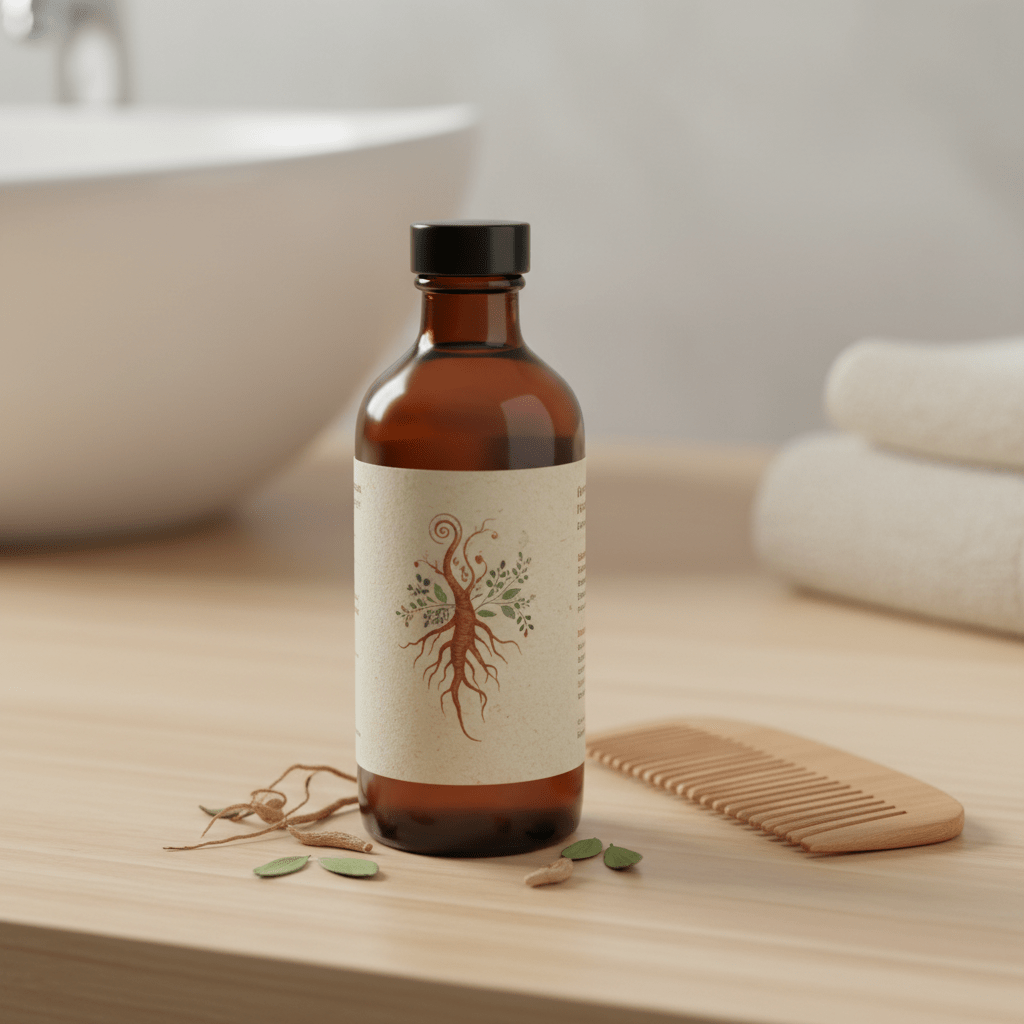
Jatamansi oil comes from Nardostachys jatamansi, a plant also called spikenard in some products. It grows at high altitudes in the Himalayan hills, where the air is thin and the winters can be rough. That tough little plant has been used for a long time in Ayurvedic hair care and calming rituals.
And that calming part matters. In Ayurveda, jatamansi is often linked with a quieter mind and less stress. That gets people’s attention because stress can show up on your scalp fast. More shedding. More breakage. More staring at the shower drain like it betrayed you.
Here’s the thing though. Jatamansi oil for hair isn’t just old wisdom and pretty packaging. It has a strong, earthy smell, almost musky and woody, which tells you it’s not trying to be a candy-scented salon spray. It’s bold. Some people love that. Some don’t. No sugarcoating there.
The oil also carries plant compounds that users and makers care about, like sesquiterpenes and flavonoids. Those natural parts are tied to scalp comfort, antioxidant support, and the kind of hair care people usually want from natural hair growth remedies. That’s why you’ll see it in ayurvedic hair oil reviews and spikenard oil for hair growth chats online.
A lot of brands sell it as either a pure essential oil or a blended hair oil. That difference matters. Pure jatamansi oil is strong and needs dilution. A blended oil is gentler and usually ready for the scalp. If you’re checking the best jatamansi oil brand, look for the botanical name, lab testing, and a clear ingredient list. No mystery mix. No weird filler stuff.
So, in plain words, jatamansi is an old Himalayan herb with a long history, a deep scent, and a lot of buzz around hair care. And now we’re seeing why people keep giving it a try.
Beyond Tradition: The Science-Backed Benefits of Jatamansi Oil for Hair
So does jatamansi oil for hair actually do anything, or is it just another pretty bottle with a good story?
Turns out, there’s more going on here than folklore. One lab study found that compounds from Nardostachys jatamansi helped kick hair into the growth phase a bit faster in animal testing, while another study saw the resting phase shrink and the growth phase stretch out. That matters because hair spends a lot of time waiting around. Waiting. Then waiting some more.
And that’s why people keep talking about jatamansi oil benefits for hair. If the scalp stays calm and the follicles stay supported, hair has a better shot at staying on schedule. Not magic. Just a better setup.
Here’s the simple version:
| What Jatamansi May Help With | Why People Care |
|---|---|
| Hair growth support | May help the anagen (growth) phase last longer |
| Scalp comfort | May calm irritation and dryness |
| Less shedding from stress | Often used in calming scalp massage routines |
| Cleaner scalp feel | Antioxidant and antimicrobial plant compounds may help |
The antioxidant part is a big deal too. Jatamansi has flavonoids and polyphenols, which help fight oxidative stress. That sounds fancy, but all it really means is this: your scalp deals with daily wear, pollution, heat, and product buildup, and those stressors can mess with healthy follicles. A calmer scalp tends to be a happier scalp.
Plus, jatamansi has anti-inflammatory and antimicrobial properties. That’s one reason it shows up in ayurvedic hair oil reviews from people dealing with dandruff, itching, and general scalp grumpiness. If the skin on your head feels irritated all the time, hair care gets harder fast.
Now for the part people don’t talk about enough. Jatamansi is also used in aromatherapy for stress relief. And that connects nicely with stress-related shedding, or telogen effluvium. If your body is stuck in stress mode, your hair can act like it got the memo late. A calmer routine, even a simple scalp massage at night, may help take the edge off. The oil won’t erase stress from your life, but it can fit into a routine that supports better habits.
Will it beat minoxidil? We don’t have strong human head-to-head trials, so I wouldn’t say that. But if you want a more natural path and you’re patient, spikenard oil for hair growth has enough science and user backing to earn a real look. And if you’re making products, Aroma Monk’s lab-tested essential oils and carrier oils can help you source a pure base for your own hair care line.
What Real Users Are Saying: A Deep Dive into Jatamansi Oil Reviews
You can learn a lot from reviews. Not the glossy kind. The messy, honest ones. The ones that say, “I tried this for six weeks and my drain finally stopped looking like a furball.” That’s the kind of feedback people keep sharing about jatamansi oil for hair.
To keep this fair, I looked at a mix of Amazon-style product feedback, Reddit threads, and natural beauty blogs. That gives a better read than one random five-star post or a single grumpy complaint. And the pattern is pretty clear. Most users lean positive, especially people dealing with hair fall, dry scalps, and dull hair. A smaller group also talks about faster-looking growth, but usually only after sticking with it for a while.
Here’s the simple version:
| What Users Like | What Users Don’t Like |
|---|---|
| Less hair fall | Strong earthy smell |
| Calmer scalp | Slow results at first |
| Softer, shinier hair | Can feel greasy if overused |
| Baby hairs over time | Not great for every scalp |
| Better sleep after massage | Needs patience |
A lot of jatamansi for hair loss testimonials mention the same thing first: less shedding. People say they notice fewer strands on pillows, combs, and shower walls. That tends to show up before visible regrowth. Makes sense, right? Hair usually doesn’t sprint. It creeps.
The scent gets talked about just as much. Some users love the warm, musky, woody smell because it feels natural and grounding. Others say it’s strong enough to notice across the room. No joke. If you’re scent-sensitive, you’ll probably want to blend it with coconut oil, sesame oil, or a lighter essential oil.
And the timeline? That’s where patience comes in. Many reviewers say they start seeing small changes in 3 to 4 weeks with use about 2 to 3 times a week. Bigger changes, like thicker strands or more obvious new growth, usually take about 3 months. Not overnight. Never overnight.
That’s also why so many ayurvedic hair oil reviews bring up consistency. People who skip days usually complain it “did nothing.” People who stick with it tend to sound a lot happier. Funny how that works.
A few common pros keep showing up again and again:
- Less hair fall during washing and combing
- A calmer scalp with less itch
- Softer hair that feels easier to handle
- A relaxing massage ritual before bed
And the common cons?
- The smell can be a dealbreaker
- Results can feel slow
- Heavy use may leave hair oily
- Sensitive scalps may react
So what does this tell us? Spikenard oil for hair growth seems to win over users who want a natural routine and can give it time. It’s not the fastest fix. But for a lot of people, it looks like a solid slow-burn option in the bigger pool of natural hair growth remedies.
If you’re shopping, look for the best jatamansi oil brand with a clear ingredient list and lab testing. And if you want to build your own hair care line, Aroma Monk’s lab-tested essential oils and carrier oils can help you source clean raw materials without the usual guesswork. That part matters a lot if you’re making products people will actually trust.

Get a quote from Aroma Monk.
Essential Oil Supplier – Bulk pricing • Samples • Fast response
Success Stories: A Deeper Look into Positive Jatamansi Testimonials
You know what keeps popping up in the better jatamansi for hair loss testimonials? Not magic. Just fewer strands in the shower drain. That’s the first win people mention again and again, and honestly, it’s the one that hooks them.
One woman in her late 30s said she started using jatamansi oil for hair three nights a week, mixed with coconut oil, because her part line was getting wider every month. After about 3 weeks, she noticed less shedding on her brush. By month 3, she could see tiny baby hairs along her temples. Not a full movie makeover. Just real, slow progress. And that’s how it usually goes.
A lot of ayurvedic hair oil reviews tell a similar story. Less fall first. Then maybe some new growth. Then a little more density if they stick with it. One user said her ponytail felt thicker after 4 months, which sounds small, but if your hair has been thinning for years, small is kind of a big deal.
Here’s a quick look at what positive users mention most:
| Reported Win | What Users Say |
|---|---|
| Less hair fall | Fewer strands on pillows, combs, and in the shower |
| Baby hairs | Tiny new hairs along the hairline after a few months |
| Better scalp feel | Less itch and dryness after regular massage |
| Softer hair | Easier to comb, less rough at the ends |
| Better sleep | The massage itself helps them relax |
And that last one comes up more than you’d think. A few people said their nightly scalp massage with spikenard oil for hair growth helped them sleep better, probably because the scent feels grounding and the routine slows them down. Funny how a hair oil can double as a bedtime cue.
Another common thread? People with itchy scalps. Several reviewers said they started with dandruff, flakes, or that annoying “my scalp feels mad at me” feeling. After 1 to 2 weeks of use, usually diluted with sesame or coconut oil, they noticed less irritation and a cleaner scalp feel. Not everyone, of course. But enough people mention it that you can see the pattern.
And yes, some reviews talk about shine and softness too. Hair that feels less frizzy. Hair that behaves better in a braid. Hair that doesn’t puff up the second humidity walks into the room. That might not sound dramatic, but if you’ve ever fought with dry ends before work, you know exactly why people care.
What stands out most in positive jatamansi oil benefits for hair stories is patience. The users who get the best results usually apply it 2 to 3 times a week, keep going for 3 months or more, and don’t expect instant miracles. They treat it like a routine, not a lottery ticket. And that seems to be the sweet spot.
If you’re thinking about trying it, start with a patch test and a simple blend. And if you’re a brand owner looking for reliable raw materials, Aroma Monk’s lab-tested essential oils and carrier oils can help you build a cleaner hair care line without the usual sourcing headaches.
Unfiltered Feedback: Analysing Negative Reviews and Common Concerns
Not every jar gets a happy ending. Some people open a bottle of jatamansi oil for hair and think, “Yep, this smells like a forest after rain.” Others wrinkle their nose and put it back on the shelf. Fair enough.
The biggest complaint by far is the scent. Users often describe it as strong, earthy, musky, and a little woody. That’s part of the charm for some buyers, but for others it’s a hard no. If you’re used to sweet salon serums, this one can feel like a surprise punch to the nose. Seriously. A lot of ayurvedic hair oil reviews say the smell lingers on the pillow too, so if you’re scent-sensitive, that’s something to think about.
And then there are the “I saw nothing” reviews.
That usually shows up when people use too little, skip days, or wash it off too fast. Sometimes they apply it straight instead of blending it with a carrier oil. But sometimes, yes, the oil just isn’t the right fit. Hair loss can come from iron issues, thyroid problems, stress, or other health stuff that no oil can fix by itself. So if your shedding is heavy or sudden, it’s smart to talk to a doctor instead of blaming the bottle.
A few other complaints pop up often:
| Common Concern | What Users Say |
|---|---|
| Too heavy | Fine hair can look flat or greasy |
| Hard to wash out | Some people need 2 shampoos |
| Breakouts | Oily or acne-prone scalps may react |
| Slow results | Many users quit too early |
That greasy feeling is a real one. If you’ve got fine hair, a rich oil can sit on top of the scalp and feel like too much. That’s why a patch test matters, and why lighter blends usually work better for cautious first-timers.
There are also a few jatamansi oil side effects to keep in mind. Sensitive users may get redness, itching, or a mild burning feeling. Rarely, people notice more shedding at the start. That can be part of the scalp adjusting, but it can also mean the product isn’t for you.
So what’s the takeaway? Negative jatamansi for hair loss testimonials don’t usually mean the oil is fake. They often mean the user wanted faster results, used it the wrong way, or picked a formula that was too strong for their scalp. If you want to try it, go slow, dilute it, and give it time. And if you’re shopping for the best jatamansi oil brand, choose one with a clear ingredient list, lab testing, and a real botanical name on the label.
For brands and product makers, Aroma Monk’s lab-tested essential oils and carrier oils can help you build cleaner blends that are easier on the scalp and simpler to trust.
How to Use Jatamansi Oil for Maximum Hair Benefits: A Practical Guide
You know that moment when you finally find a hair oil you want to like, but you’re not sure if you’re using it right? Yep. That’s where a lot of people get stuck.
The good news is, how to use jatamansi for hair is pretty simple once you break it down. And the best results usually come from a calm scalp massage, a slow overnight treatment, and a blend that fits your hair type. Most people do better with 2 to 3 uses a week, not every day.
Here’s a simple way to start:
- Mix it first. If you have pure jatamansi oil for hair, add 2 to 4 drops to 1 tablespoon of a carrier oil like coconut, sesame, or jojoba.
- Warm it a little. Not hot. Just a tiny bit warm so it spreads easier.
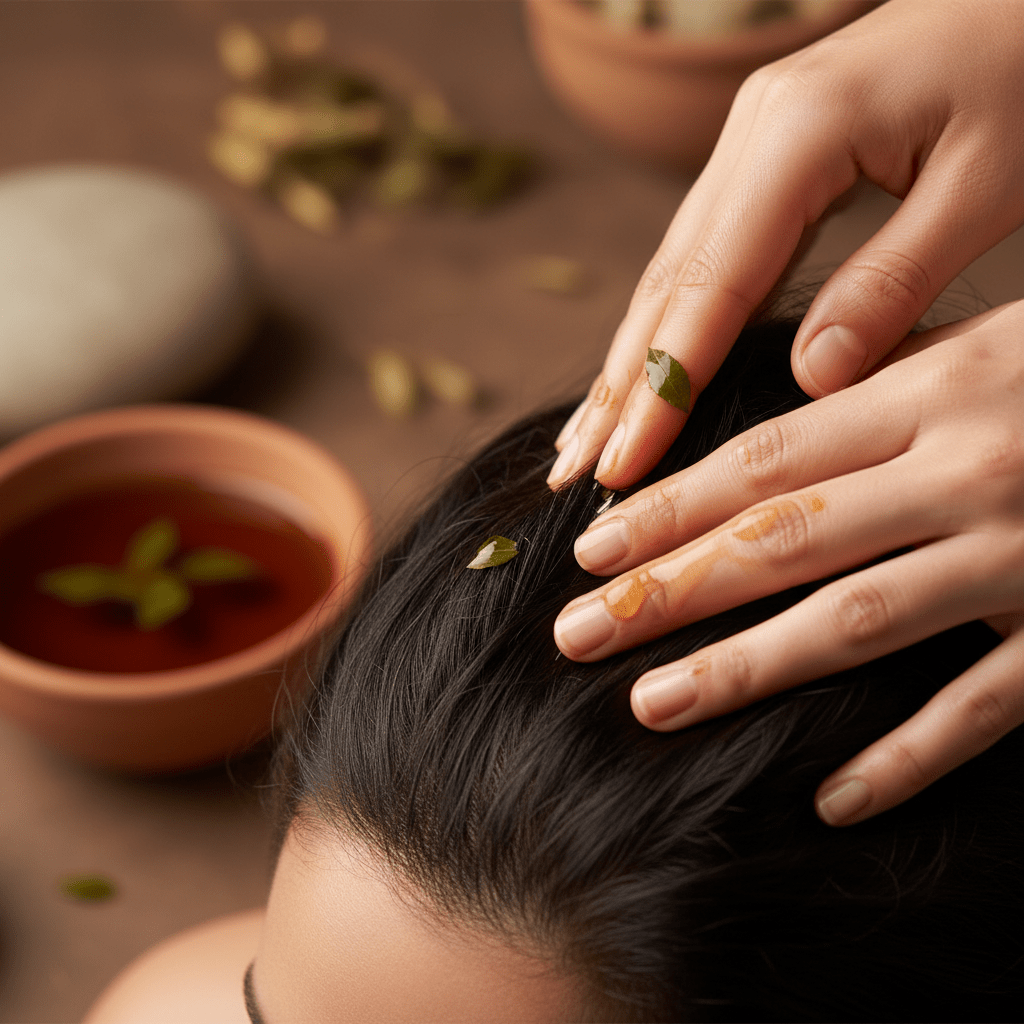
- Massage the scalp. Use your fingertips for 5 to 10 minutes. Slow circles. Don’t scrub like you’re trying to erase a bad day.
- Leave it on. At least 1 hour works. Overnight is even better if your scalp likes it.
- Wash gently. Use a mild shampoo, then rinse well. You may need a second wash if your hair is thick or very oily.
| Blend | Best For |
|---|---|
| Jatamansi + Coconut Oil | Softness, shine, and scalp comfort |
| Jatamansi + Amla Oil | Hair fall support and stronger-looking strands |
| Jatamansi + Castor Oil | Thicker feel and dry ends |
If you want to try a more soothing mix, add a little bhringraj oil too. That one shows up a lot in ayurvedic hair oil reviews. But keep it light at first.
Two quick tips. Do a patch test behind your ear first. And if the smell feels too strong, blend in a lighter oil so it’s easier to live with. That earthy scent is part of the deal, but it doesn’t have to take over your whole bathroom.
Stick with it for a few months before you judge it. Hair moves slowly. Annoyingly slowly, honestly. But that’s the rhythm here.
For brands looking to create a cleaner scalp oil, Aroma Monk’s lab-tested essential oils and carrier oils can help you build consistent blends with less guesswork.
Buyer’s Guide: How to Choose a High-Quality Jatamansi Oil
You know that annoying moment when a bottle looks fancy, but the label says almost nothing? Yeah. That’s where a lot of hair oil buyers get tripped up.
If you’re shopping for jatamansi oil for hair, the label matters a lot. Hair loss is one of the most searched hair problems online, and people are buying more herbal hair care than ever. The Ayurvedic and natural hair care markets keep growing too, so not every product on the shelf is made the same. Some are strong. Some are watered down. Some are just perfume in a pretty bottle.
So here’s the deal. A good product should clearly say 100% pure Nardostachys jatamansi if it’s a pure essential oil. If it’s an infused oil, look for a real carrier base like coconut, sesame, or jojoba, plus the amount of jatamansi used. And if a brand says therapeutic grade, that’s fine, but don’t stop there. Ask for lab testing, source details, and the botanical name. No botanical name? Big red flag.
What to look for on the label
| Good Sign | Why It Helps |
|---|---|
| Nardostachys jatamansi listed clearly | Shows the real plant name |
| 100% pure on a pure oil | Means no sneaky fillers |
| Cold-pressed or steam-distilled | Shows a proper extraction method |
| Clear sourcing | Helps you know where it came from |
| Batch or lab report | Gives more trust in the product |
Red flags to skip
- Mineral oil or other cheap fillers
- Synthetic fragrance added for smell
- No botanical name at all
- Words like natural blend with no details
- A price that seems way too low
- No test report or sourcing info
And one thing people miss: there’s a big difference between a pure jatamansi essential oil and a jatamansi-infused carrier oil. The pure essential oil is highly concentrated. It’s strong. You usually need to dilute it before scalp use. An infused oil is already mixed into a base oil, so it’s gentler and easier for beginners. If you’ve got a sensitive scalp, the infused version is often the safer first step.
A lot of ayurvedic hair oil reviews come down to this exact point. People think the oil didn’t work, but they were using the wrong type, too much, or a low-grade bottle. That’s why choosing the best jatamansi oil brand is less about cute packaging and more about honesty on the label.
If you want a cleaner place to start, Aroma Monk’s lab-tested essential oils and carrier oils can help brands and bulk buyers source pure ingredients with less guesswork. And for personal use, keep it simple. Read the label, check the source, and don’t fall for pretty words alone.
The Final Verdict: Is Jatamansi Oil the Right Choice for Your Hair?
So, is jatamansi oil for hair worth a spot on your shelf? For a lot of people, yes.
The short version is this. Jatamansi shows real promise for hair fall, scalp comfort, and maybe even new growth over time. User stories line up pretty well with the early science, especially for people who want a gentler path than harsh treatments. But it’s not a fast fix. And it’s definitely not a magic bottle.
What keeps coming up in jatamansi for hair loss testimonials is this steady pattern: less shedding first, then softer hair, then small signs of growth after a few months. That matches how hair works. Slow. Annoyingly slow. So if you try it, give it a fair shot.
Here’s the practical take:
| If your hair issue is… | Jatamansi may help with… |
|---|---|
| Shedding | May support less hair fall over time |
| Dry, itchy scalp | May calm irritation and dryness |
| Dull hair | May add shine and softness |
| Stress-heavy routines | May fit well into a relaxing scalp massage |
But if you want an overnight change, this probably won’t make you happy.
The best way to test it is simple. Do a patch test first, use a diluted blend, and stick with it for about 3 months before judging the results. That gives your scalp enough time to answer back. If you’re shopping around, look for the best jatamansi oil brand with a clear botanical name, lab testing, and no weird filler stuff.
And if you’re a brand owner or bulk buyer, Aroma Monk’s lab-tested essential oils and carrier oils can help you build cleaner hair care products with a more reliable supply.
Try it if your goal is slower, steadier support. Skip it if you need instant results. And if you do start, keep it gentle, keep it consistent, and give your hair some time to show you what it can do.
Get a quote from Aroma Monk.
Essential Oil Supplier – Bulk pricing • Samples • Fast response