
Introduction: The Ancient Ayurvedic Secret to Luscious, Healthy Hair
You know that sinking feeling when you see extra hair on the brush? Or when your part looks a little wider than it did last month? Yeah, that one. A lot of people deal with hair fall, thinning, and slow growth, and it can feel pretty frustrating.
By age 35, about two-thirds of American men notice hair loss, and the numbers keep climbing with age. Women deal with it too, so this isn’t just a “guy problem.” Hair loss is common enough that it’s become a big market worldwide, which tells you just how many people are looking for answers hair loss statistics and trends.
And that’s where jatamansi oil comes in. Also called spikenard oil, this old Ayurvedic favorite has been used for calm, balance, and scalp care for ages. People have turned to jatamansi for hair because it’s known for helping with stress, scalp health, and hair fall support.
In this guide, we’ll look at what jatamansi oil is, why it gets so much love in Ayurveda, and how to use jatamansi oil the right way. We’ll also talk about jatamansi oil for hair growth, possible jatamansi side effects, and a simple step-by-step path if you want to try it at home. Plus, if you’re building hair care products, there’s a smart way for brands to source pure oils without the guesswork.

1. What Exactly is Jatamansi? Unveiling the Himalayan Wonder Herb
You know those herbs people have sworn by for ages, then one day you finally ask, “Wait… what even is this stuff?” Jatamansi is kind of like that.
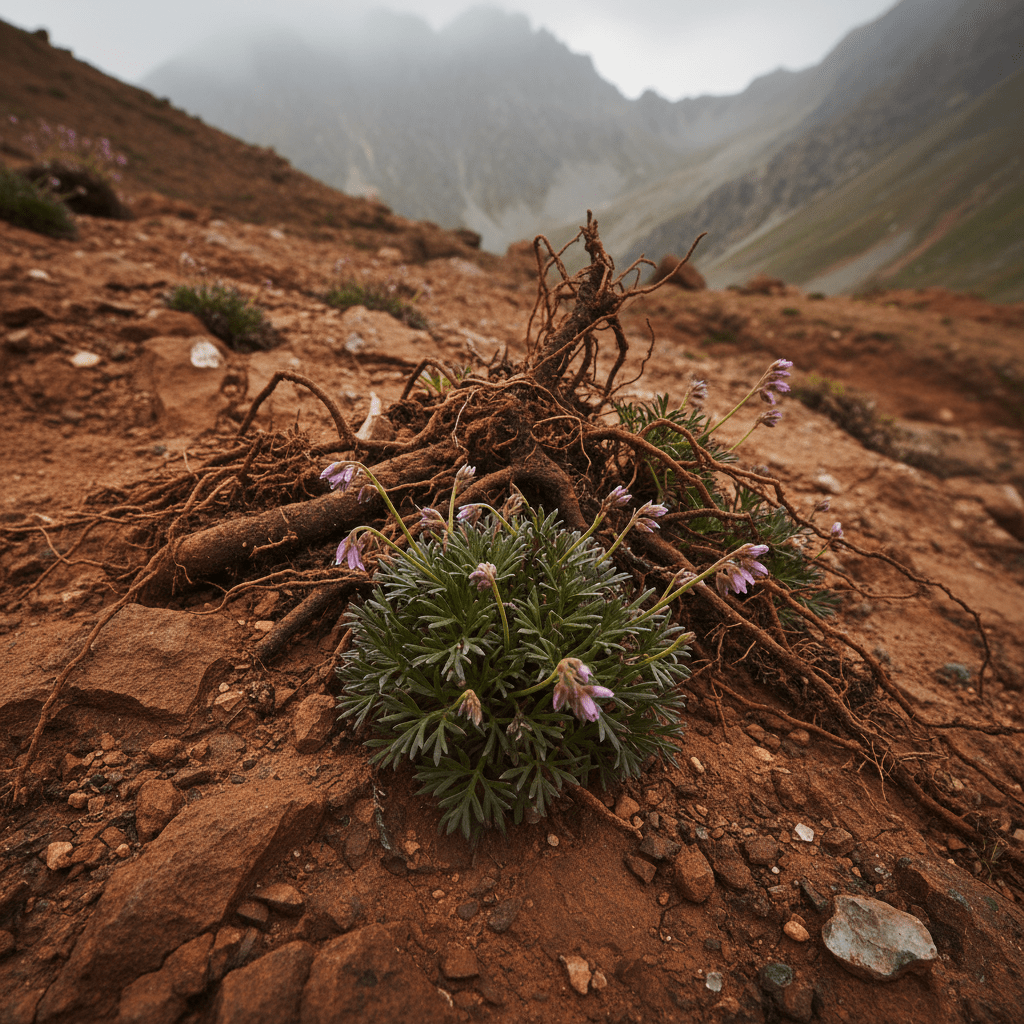
Jatamansi, also called Nardostachys jatamansi or spikenard, is a small plant that grows in the high Himalayas. It likes cool mountain air, rocky ground, and tough conditions. That’s part of why it has such a strong place in old healing traditions. The roots, or rhizomes, are the part most often used for oil.
And the name isn’t just pretty. In Ayurveda, jatamansi has long been seen as a Rasayana, which is a rejuvenating herb used to support the body and mind. People have used it to calm stress, settle the nerves, and support balance. That matters for hair, too, because stress can show up on your scalp before you even notice it in the mirror.
Here’s the thing though. Jatamansi oil is not made by crushing leaves like some light herbal mix. Traditional oil is usually pulled from the rhizomes through steam distillation, a slow process that helps keep the plant’s aromatic compounds intact. That gives you a richer oil with that earthy, musky scent people either love right away or need a second to get used to. I’ve seen both.
Why people use jatamansi for hair
A lot of fans of jatamansi for hair say it helps with:
- hair fall linked to stress
- scalp balance
- a calmer massage routine
- support for hair growth over time
So when people talk about spikenard oil for hair, they’re not just talking about scent. They’re talking about a whole old-school hair care idea: calm the mind, care for the scalp, and give the roots a better chance to do their thing.
For brands, this also matters. If you’re making an ayurvedic hair oil for hair fall, the quality of the jatamansi oil really changes the final product. And if you’re sourcing in bulk, a lab-tested oil with clear origin info is the safer bet. Aroma Monk, for example, works with pure, traceable essential oils for beauty and wellness formulas, which can help take some of the guesswork out of sourcing.
A quick look at the plant
| Part | What it is | Why it matters |
|---|---|---|
| Botanical name | Nardostachys jatamansi | Helps you spot the real plant |
| Main habitat | Himalayas | Shows why it’s precious and not easy to source |
| Plant part used | Rhizomes | These hold the fragrant oil |
| Usual method | Steam distillation | Helps preserve the plant’s aroma and use value |
And yes, that mountain origin matters. A plant that grows this high up tends to be slower to replace, so ethical sourcing really matters. That’s especially true if you’re buying jatamansi oil for a product line and want the real thing, not a cheap knockoff in a fancy bottle.
What to keep in mind
If you’re looking at jatamansi benefits for hair, think of it as part of a bigger scalp care habit, not magic in a bottle. It’s a traditional herb with deep roots, a calming history, and a place in modern hair care for people who want a gentler path.
And honestly? That’s pretty cool.
2. The Science-Backed Hair Benefits of Jatamansi Oil
If your hair has been acting up lately, you’re not alone. Hair fall is a huge issue. By age 35, about two-thirds of American men notice it, and many women deal with thinning too. So yeah, people are looking hard for something that actually helps.
And that’s why jatamansi oil keeps popping up in hair care talk. Old Ayurvedic wisdom said it had a calming, root-supporting effect. Newer research gives that idea a little more shape.
1. It may help hair grow faster
This part is pretty cool. In a study on Nardostachys jatamansi, a hexane extract helped shaved mice reach hair growth completion in 20 days, compared with 30 days in the control group. That’s a 30% shorter wait. Not bad at all. The same research found some isolated compounds also helped, though not as much as minoxidil PubMed study on jatamansi and hair growth.
So when people talk about jatamansi oil for hair growth, they’re not just repeating old herbal chatter. There’s some lab support behind it. That doesn’t mean it works like magic overnight. But it does suggest the oil may help move hair into the anagen, or growth, phase sooner.
2. It may cut down hair fall
Here’s the deal. Hair shedding often gets worse when stress is hanging around. Jatamansi has long been used in Ayurveda as a calming herb, and that matters because a quieter scalp and calmer body can work better together. Its soothing compounds may also support scalp blood flow, which helps follicles do their job.
That’s one reason jatamansi for hair shows up in so many ayurvedic hair oil for hair fall blends. People often use it with scalp massage, warm oiling, and slower, more regular care. It’s not flashy. But it fits real life better than a 12-step routine no one sticks to.
3. It may help with premature graying
Another old-school use is as a natural hair darkener. Jatamansi is rich in plant compounds like flavonoids and terpenoids, which have antioxidant power. Those compounds help fight oxidative stress, which is one thing linked with early graying.
So if you’ve been wondering about nardostachys jatamansi benefits beyond growth, this is a big one. People like it for jatamansi benefits for hair because it may help hair look healthier, darker, and more alive over time. And yes, some users pair it with amla, bhringraj, or brahmi for a deeper herbal blend.
Quick look at the big 3 benefits
| Benefit | What people hope for | Why it may help |
|---|---|---|
| Hair growth support | Faster growth phase | May help follicles move into anagen sooner |
| Less hair fall | Less shedding from stress | Calming and scalp-supportive effects |
| Less graying | Richer natural color | Antioxidants may fight oxidative stress |
Just one thing. Jatamansi oil is promising, but it works best as part of a steady routine. Think warm scalp massage, clean dilution, and patience. If you’re testing a DIY jatamansi hair mask, keep the mix gentle and do a patch test first.
And if you’re a brand making an ayurvedic hair oil for hair fall, purity matters a lot. A lab-tested oil with clear sourcing is a safer pick than a bottle with vague claims and a suspiciously low price. Because yeah, the market is full of fakes.
3. How to Choose an Authentic and High-Quality Jatamansi Oil
You know that feeling when a bottle looks fancy, but something feels off? Maybe the price is weirdly low. Maybe the label says almost nothing. Yeah… trust that little voice.
With jatamansi oil, quality matters a lot. A lot of oils on the market are diluted or mixed with cheaper stuff, and that gets messy fast if you’re using jatamansi for hair or putting it into an ayurvedic hair oil for hair fall.
Start with purity
Look for 100% pure oil. If the bottle says “fragrance oil,” “blend,” or “perfume oil,” that’s not the same thing. For hair care, you want a therapeutic-grade oil made with a clean method like steam distillation or sometimes CO2 extraction. Skip solvent-extracted oils if you can. They’re more likely to carry leftover junk you don’t want on your scalp.
And check the botanic name. It should say Nardostachys jatamansi. Not just “spikenard.” Not just “herbal oil.” The full name helps you know you’re getting the real plant and not some random substitute pretending to be the real deal.
Watch the source
Here’s the thing. Jatamansi comes from the Himalayas, and that makes it special, but also harder to source well. Ethical and sustainable sourcing matters because overharvesting can hurt the plant population. If a supplier can tell you where it came from and how it was gathered, that’s a good sign.
For B2B buyers, this matters even more. If you’re making a DIY jatamansi hair mask product line or a premium scalp oil, a traceable, lab-tested ingredient is way safer than a mystery bottle with a gold label.
Check the bottle and the smell
Authentic jatamansi oil is usually amber to deep brown. It should live in a dark amber or cobalt blue glass bottle because light can wear the oil down over time. Clear plastic? Hard no. That’s asking for trouble.
The scent should be earthy, musky, and a little deep. Not sweet. Not sharp like fake perfume. If it smells too pretty or too clean, that’s a red flag.
Quick buying checklist
| What to look for | Why it helps |
|---|---|
| Nardostachys jatamansi on the label | Confirms the real plant |
| Steam distillation or CO2 extraction | Better oil quality |
| Dark glass bottle | Helps protect the oil |
| Earthy, musky aroma | Matches true jatamansi oil |
| Clear origin and batch info | Shows better sourcing |
| Lab testing or COA | Gives you proof of purity |
And if you’re buying in bulk, ask for a certificate of analysis before you pay. Seriously. Don’t skip that part. A trusted supplier like Aroma Monk, which offers 100% pure, lab-tested essential oils with traceability and bulk supply support, can save you a ton of back-and-forth later.
One more practical tip. Do a patch test before using it on your scalp. Even good jatamansi oil can cause irritation for some people. That’s one of the less fun jatamansi side effects, but it’s easy to manage if you’re careful.
Choose well, and the rest gets easier. Bad oil makes hair care feel like a guessing game. Good oil? That’s where things start to click.

4. The Ultimate Guide: How to Use Jatamansi Oil for Maximum Hair Growth
You know that moment when you finally buy the good stuff, then stare at the bottle and think, “OK… now what?” Yep. Been there.
With jatamansi oil, the trick is not using a lot. It’s using it the right way. A tiny amount can go a long way, especially since this oil is strong and earthy. And because hair care works best when you stay steady, a simple routine beats random heavy-duty treatment every time.
Step 1: Prep your mix
Never slap pure jatamansi oil for hair growth straight onto your scalp. It’s too strong by itself. Mix 5 to 6 drops of jatamansi oil with 2 tablespoons of carrier oil. Good picks are coconut oil, sesame oil, or almond oil.
Here’s a quick guide:
| Carrier oil | Best for | Notes |
|---|---|---|
| Coconut oil | Dry hair | Feels rich and smooth |
| Sesame oil | Scalp massage | Common in Ayurveda |
| Almond oil | Softness | Light and easy to spread |
Warm the blend a little in your hands. Not hot. Just warm enough to feel nice.
Step 2: Massage the scalp
Now apply the oil right to your scalp, not just the ends. Use your fingertips, not your nails. That part matters more than people think.
Massage in small circles for 5 to 10 minutes. Gentle pressure is the goal. You’re trying to wake up the scalp, not scrub a pan. This kind of slow jatamansi for hair routine fits right in with Ayurvedic head massage, and it can feel oddly relaxing after a long day.
And if you’re using it as part of an ayurvedic hair oil for hair fall routine, keep it simple. Less fuss. More consistency.
Step 3: Let it sit, then wash well
After massage, leave the oil on for at least 2 hours. If your hair is dry, you can leave it on overnight for deeper conditioning. Put a towel on your pillow if you go that route. Trust me. Learned that the hard way.
When it’s time to wash, use a mild sulfate-free shampoo. You may need two light washes if the oil feels heavy. Don’t rush the rinse. Leftover oil can make the scalp feel greasy and flat.
A simple rhythm that works
For most people, using jatamansi oil 1 to 2 times a week is a good place to start. If your scalp gets oily fast, go slower. If your hair is dry or frizzy, you may like it a bit more often. Hair is weird like that.
A few easy combos also show up a lot in jatamansi benefits for hair routines:
- Jatamansi + bhringraj for scalp support
- Jatamansi + brahmi for a calmer oil blend
- Jatamansi + amla oil for shine and darker-looking hair
- Jatamansi + neem oil if dandruff is part of the problem
If you want a DIY jatamansi hair mask, keep the recipe basic. Too many oils can backfire and feel heavy. Start small, patch test first, and give it a few weeks before judging it.
And one more thing. Results usually don’t show overnight. Most people need 8 to 12 weeks of steady use before they notice less shedding or a better scalp feel. Slow, yes. But that’s how a lot of traditional hair care works.
If you’re a brand building an ayurvedic hair oil for hair fall, this is where product quality really shows. A pure, lab-tested oil from a trusted supplier like Aroma Monk can help you create formulas people actually come back for.
Get a quote from Aroma Monk.
Essential Oil Supplier – Bulk pricing • Samples • Fast response
5. Amplify the Benefits: Potent DIY Jatamansi Hair Mask & Blend Recipes
You know that moment when your scalp feels dull, your ends look fried, and you’re just standing there with a bottle of oil thinking, “OK… now what?” Yep. This is the part where we make jatamansi oil do a little more work.
These blends are simple. No fancy lab gear. No 14-step ritual. Just a few solid mix ideas you can try at home if you want to use jatamansi for hair in a more hands-on way.
1) For hair growth support: jatamansi + castor + rosemary
If your main goal is jatamansi oil for hair growth, this is a popular trio. Castor oil brings that thick, sticky feel that coats the scalp well, while rosemary adds a fresh herbal kick people often use in growth routines.
Mix:
- 1 tablespoon castor oil
- 1 tablespoon coconut or almond oil
- 5 drops jatamansi oil
- 2 drops rosemary essential oil
Warm it up between your palms first. Then massage it into the scalp for 5 to 10 minutes. Leave it on for at least 2 hours, or overnight if your scalp usually handles oil well.
A little goes a long way. Seriously.
2) For dandruff and scalp comfort: jatamansi + neem + tea tree
If flakes are the issue, this one can feel like a sigh of relief. Neem oil has a strong, earthy bite, and tea tree oil is a common pick for scalp care. Together with jatamansi, the mix feels more calming and less harsh than a scrubby, over-drying shampoo cycle.
Mix:
- 1 tablespoon neem oil
- 1 tablespoon sesame oil
- 5 drops jatamansi oil
- 2 drops tea tree essential oil
Apply it straight to the scalp. Focus on the itchy spots. Don’t pile it on the hair lengths unless your ends are dry too. And if your skin is sensitive, patch test first. That part matters.
3) For damage repair and shine: jatamansi + amla + warm coconut or argan oil
This one is great if your hair feels rough, dull, or just plain tired. Amla oil is often used for shine and a darker look, and it pairs nicely with jatamansi benefits for hair in a deeper conditioning blend.
Mix:
- 1 tablespoon amla oil
- 1 tablespoon warm coconut oil or argan oil
- 5 drops jatamansi oil
Work it from roots to ends. Use a wide-tooth comb if you want to spread it evenly, but go slow. No yanking. Nobody needs that drama.
| Blend | Best for | Main oils |
|---|---|---|
| Growth blend | Hair support | Jatamansi, castor, rosemary |
| Scalp blend | Dandruff relief | Jatamansi, neem, tea tree |
| Shine blend | Dry, dull hair | Jatamansi, amla, coconut or argan |
A few quick tips: keep the total oil amount light, use it 1 to 2 times a week, and wash well with a mild shampoo. If you’re curious about how to use jatamansi oil in a steady routine, this is a good place to start.
And if you’re building a product line, these same blends can inspire an ayurvedic hair oil for hair fall or a custom DIY jatamansi hair mask formula. A clean, lab-tested ingredient source like Aroma Monk makes that a lot easier, especially if you want bulk supply with traceable quality.
Still, don’t expect overnight magic. Hair care takes time. But with the right blend, the whole routine starts to feel a lot less random.
6. Safety First: Potential Side Effects and Precautions
You know that “this smells nice” moment? Great. But with jatamansi oil, a little caution goes a long way.
Most people use it fine when it’s diluted, but some folks can get skin irritation, redness, or a rash. So before you put it all over your scalp, do a patch test. Mix the oil with a carrier oil, then apply a tiny bit on the inside of your elbow or behind your ear. Wait 24 hours. No itching, no redness, no problem. If it stings or flares up, wash it off and skip it.
A few people should be extra careful. If you’re pregnant or breastfeeding, talk to your doctor first. The same goes for anyone with known allergies to the plant family, or people who get reactions from strong essential oils. And if you take medicine for sleep, blood pressure, or mood, ask a health pro before trying it. Better safe than sorry.
Storage matters too. Keep jatamansi oil in a cool, dark place, sealed tight, away from sunlight and heat. A dark glass bottle helps keep it fresh longer. If the smell turns odd or sharp, it may be time to replace it.
A good oil should help your routine, not cause more drama. Slow and steady. That’s the move.
7. Your Jatamansi Oil Questions, Answered (FAQ)
Can I put jatamansi oil straight on my scalp?
Better not. Mix it with a carrier oil first. Think coconut, sesame, almond, or argan oil. That’s the safer way to use jatamansi oil for jatamansi for hair care. Straight essential oil can feel too strong and may cause irritation.
How long before I see hair results?
Most people need patience here. You’ll usually want 8 to 12 weeks of steady use before you notice less shedding or a calmer scalp. Hair growth is slow. Annoyingly slow. But that’s normal.
Will it make my hair greasy?
It can, if you use too much. A few drops go a long way, especially for fine hair. If your scalp gets oily fast, use less oil and wash it out well. For dry or curly hair, a little more may feel nice.
Can jatamansi oil turn gray hair back to black?
Probably not completely. It may help hair look healthier and darker over time, and people love it for nardostachys jatamansi benefits tied to shine and scalp care. But it won’t erase gray hair overnight. No oil does that, sadly.
Is it good for all hair types?
Yes, usually. Oily scalps should use it less often. Dry, frizzy, or curly hair can often handle it better. The big trick is how to use jatamansi oil without overdoing it.
| Hair type | How often to use | Quick tip |
|---|---|---|
| Oily | Every 10 to 14 days | Use a light mix |
| Normal | 1 to 2 times a week | Keep it simple |
| Dry or curly | 2 to 3 times a week | Add more carrier oil |
If you’re building an ayurvedic hair oil for hair fall or a DIY jatamansi hair mask, purity matters a lot. A clean, lab-tested oil from a trusted supplier like Aroma Monk can help you avoid the fake stuff and keep your formula steady.

Conclusion: Embrace Ayurvedic Wisdom for Your Modern Hair Care Routine
Hair care can feel like a long game. And honestly, it is. But jatamansi oil gives you a simple place to start if you want something rooted in old Ayurvedic care and still useful now.
Here’s the short version: jatamansi oil for hair growth, less hair fall, and help with early graying are the three big reasons people keep coming back to it. It’s not magic. But it can fit nicely into a steady routine, especially if stress, scalp issues, or dryness are part of your story.
The routine is easy to remember:
- Mix jatamansi oil with a carrier oil
- Massage it into the scalp for 5 to 10 minutes
- Rest it for a couple of hours, or overnight if your hair is dry
- Wash with a mild shampoo
That’s it. Simple stuff. But simple often works best.
If you stay patient and use it consistently, you may start to notice a calmer scalp and healthier-looking hair over time. And if you’re building products, a clean, lab-tested source matters just as much as the recipe. That’s where a trusted supplier like Aroma Monk can help with pure essential oils for hair, beauty, and wellness formulas.
So give your hair a little time. Good things usually grow that way.

Get a quote from Aroma Monk.
Essential Oil Supplier – Bulk pricing • Samples • Fast response