
Introduction: Discovering the Himalayan Secret for Modern Stress
Ever feel like you have ten calming oils open on your shelf and still can’t pick one? Lavender. Sandalwood. Frankincense. Valerian. The list keeps going. And honestly, that can get old fast.
But jatamansi oil brings a different kind of story. It comes from the Himalayan plant Nardostachys jatamansi, and in Ayurveda it has long been prized as a grounding herb for the mind and nerves. The name itself points to its roots and its scent, which is kind of poetic for a plant that has soothed people for ages.
With the global essential oil market growing fast, more people are looking for calming oils that do more than smell nice. So in this article, we’re putting jatamansi oil head-to-head with the classics, like lavender, valerian, sandalwood, frankincense, and clary sage, to see which one fits stress relief, sleep, and everyday use best. Plus, we’ll touch on how to use jatamansi oil safely, and where it stands among other grounding essential oils.
If you’ve been searching for an essential oil for sleep or ayurvedic essential oils for anxiety, this is a good place to start.

What is Jatamansi (Spikenard) Oil? The Basics Behind the Legend
Ever smelled something so earthy it almost feels like a deep breath for your brain? That’s the vibe people often get from jatamansi oil.
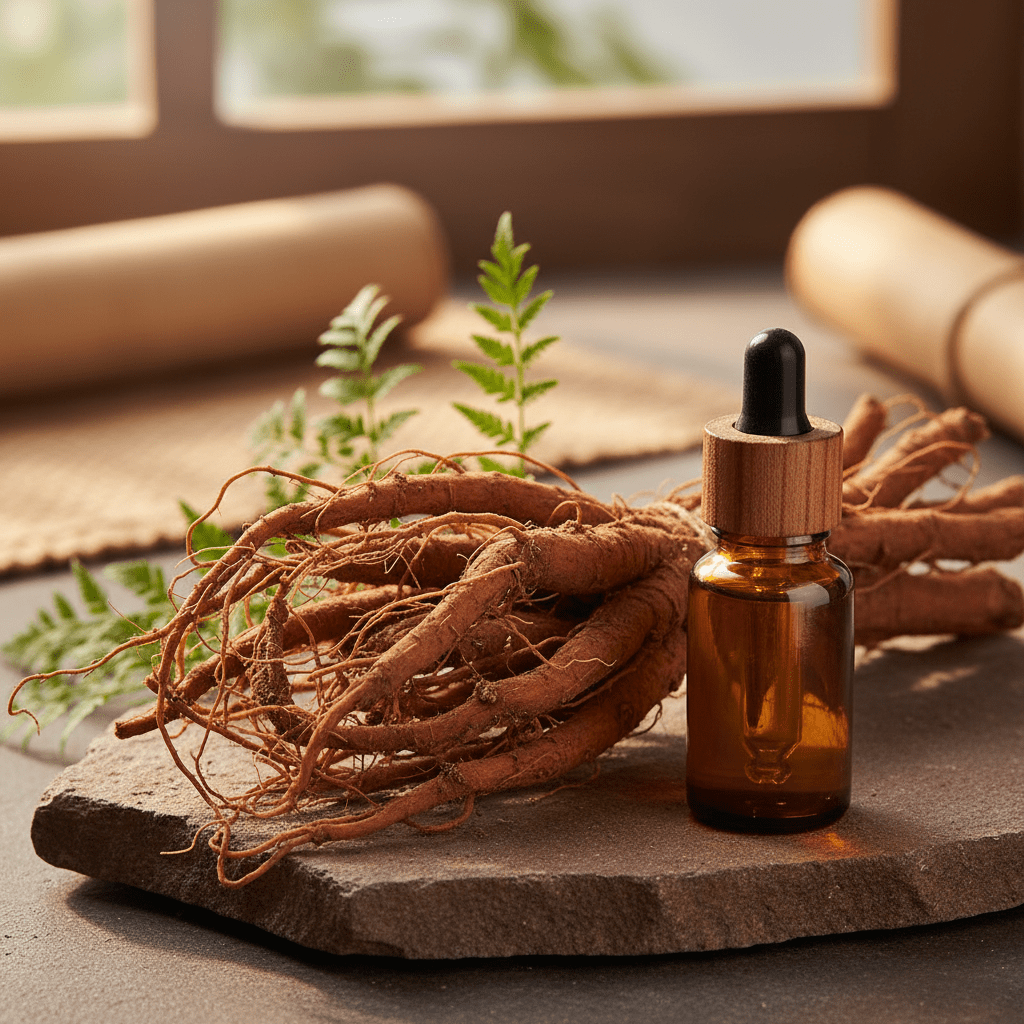
Jatamansi comes from Nardostachys jatamansi, a flowering plant in the valerian family that grows high in the Himalayas. You may also hear it called spikenard essential oil. In Ayurveda, this herb has long been used for calming the mind, helping with deep sleep, and supporting skin and hair care. It’s one of those plants that has stayed in use for ages because people kept reaching for it again and again.
The name is pretty telling too. “Jata” points to its thick, tangled roots, and “mansi” links it to scent and the mind. So the name itself carries a clue about what this plant was known for. Weirdly poetic, right?
What gives jatamansi oil its grounding smell? The answer sits in its natural compounds, including valeranone, jatamansone, and other sesquiterpenes. Those compounds are part of why the oil smells woody, earthy, and a little sweet. Not candy sweet. More like a forest floor after rain.
In Ayurveda, jatamansi is also grouped as a medhya herb, which means it’s used for mental support and clarity. That’s why you’ll see it mentioned among ayurvedic essential oils for anxiety and as a go-to grounding oil for evening use. If you’re building a bedtime blend or just want a calmer routine, it’s worth knowing how to use jatamansi oil the safe way.
For brands and bulk buyers, pure jatamansi oil can also be a smart ingredient for wellness blends, attars, and personal care products. Aroma Monk, for example, supplies lab-tested essential oils and fragrance oils for B2B use, which matters a lot with a rare plant like this.
1. For Stress & Anxiety: Jatamansi Oil vs. Lavender Oil
You know that moment when your shoulders are up by your ears and even your tea feels like it’s not helping? Yeah, that’s usually when people reach for lavender first. And to be fair, it makes sense.
Lavender oil is the friendly one. It smells soft and floral, and its main compounds, like linalool and linalyl acetate, are linked with a gentle calming effect. A recent review of lavender essential oil studies found that inhalation can help lower anxiety, especially in people dealing with day-to-day stress and sleep trouble.
Jatamansi oil feels different. Deeper. Earthier. More like a weighted blanket for the mind. In Ayurveda, jatamansi is known as a medhya herb, which means it’s used for mental support and clarity. That’s why jatamansi benefits often show up in talks about ayurvedic essential oils for anxiety, grounding essential oils, and better sleep.
So, jatamansi vs lavender? I’d put it like this:
| Oil | Best for | Scent vibe | Best time to use |
|---|---|---|---|
| Lavender | Mild, everyday stress | Soft, floral | Workday, afternoon reset |
| Jatamansi | Deep tension and overwhelm | Earthy, woody, root-like | Evening, bedtime, quiet recovery |
If you need help staying steady during a busy workday, lavender in a diffuser can be a nice pick. But if the day has been rough and your nerves feel frayed, jatamansi oil in a personal inhaler, or added to a warm bath, may feel more grounding. A lot more grounding, actually.
And here’s the thing. Lavender tends to help you unwind without knocking you out. Jatamansi feels stronger for those nights when you want your whole body to slow down. Not sleepy in a lazy way. More like, “OK, we’re done being on alert now.”
For brands making calming essential oils, that difference matters too. Aroma Monk’s lab-tested essential oils can help product makers build blends for stress support, sleep, and evening rituals without guessing what’s inside the bottle.

2. For Deep Sleep & Insomnia: Jatamansi Oil vs. Valerian Oil
Ever had one of those nights where your body is tired, but your brain keeps running laps? Yeah. That’s usually the point where people start reaching for the heavy hitters.
Valerian and jatamansi oil both have a long history in sleepy-time blends, and both come from the Valerianaceae family. So they share a family vibe, but the user experience is pretty different. One feels like a sledgehammer. The other feels like a hand on your shoulder saying, “Hey, slow down.”
Valerian is known for its strong sedative punch. People often use it as an essential oil for sleep, but the smell can be a dealbreaker. It’s famously pungent, sharp, and kind of sour to a lot of noses. Not exactly bedtime romance, right?
Jatamansi oil, also called spikenard essential oil, smells softer. Woody. Sweet-earthy. A little rooty, in a good way. That makes it easier to use in a diffuser, bath, or bedtime massage blend without feeling like the room turned into a medicine cabinet.
Here’s the simple split:
| Oil | Sleep feel | Aroma | Best fit |
|---|---|---|---|
| Valerian | Heavy, hypnotic, strong | Pungent, sharp, earthy | Short-term deep sleep support |
| Jatamansi | Calming, steady, smoother | Woody, sweet, earthy | Restless mind, wind-down rituals |
What I like about jatamansi vs valerian is this: valerian can feel forceful, while jatamansi tends to feel more natural and gentle. It’s less about being knocked out and more about helping your whole system settle. That matters if your insomnia comes from mental noise, stress, or that annoying “I should be asleep by now” spiral.
And if you’re building calming essential oils for a brand or bulk line, that softer scent profile can help a lot. Aroma Monk’s lab-tested essential oils are a practical option for businesses that want clean, traceable ingredients for sleep blends, attars, and wellness products.
Want a simple bedtime idea? Try a tiny blend with jatamansi oil and a carrier oil on the feet before bed. Quiet. Easy. No big ritual needed.
3. For Meditation & Grounding: Jatamansi Oil vs. Sandalwood Oil
Ever sat down to meditate and your brain just keeps talking? Mine does that sometimes. It’s like, “Hey, remember that email from Tuesday?” Not very zen.
That’s where sandalwood and jatamansi oil both shine, but in different ways. Sandalwood is famous for calming mental chatter and helping people feel more centered in a quiet, lifted way. It has that creamy, soft, woody scent that feels smooth and calm. Very temple-like. Very peaceful.
Jatamansi oil, also called spikenard essential oil, takes a more earthy path. It’s deeper, musky, and root-like. Less airy. More grounded. In Ayurveda, jatamansi is used as a medhya herb, which means it supports the mind, and it’s also known for helping balance Vata, the dosha tied to restlessness, worry, and scattered energy. So if sandalwood feels like looking up, jatamansi feels like planting both feet on the floor.
Here’s a quick side-by-side:
| Oil | Energy feel | Scent profile | Best use |
|---|---|---|---|
| Sandalwood | Quiet, uplifted, reflective | Creamy, soft, woody | Meditation, prayer, stillness |
| Jatamansi | Steady, heavy, grounding | Deep, musky, root-like | Nervous system calm, grounding rituals |
And then there’s the price and sourcing piece. Authentic Indian sandalwood is pricey and hard to source well because supply is tightly controlled and slow-growing trees are under pressure. Jatamansi isn’t cheap either, but it’s usually more reachable for regular use, especially for people building grounding essential oils blends or meditation products. That makes jatamansi oil a smart pick for brands and buyers who want a calming scent without chasing an ultra-scarce oil.
If you’re creating a bedtime blend, a prayer oil, or a quiet diffuser mix, jatamansi can be a lovely choice. Aroma Monk offers lab-tested essential oils and natural attars for bulk buyers, which is handy if you’re sourcing ingredients for wellness or fragrance lines and want traceable quality from the start.

4. For Skin Health & Rejuvenation: Jatamansi Oil vs. Frankincense Oil
Ever rub a little oil on angry skin and hope for a miracle? Been there. We all want the rash to calm down, the redness to fade, and the mirror to stop being rude.
Frankincense has long been the star of skin care. People call it the king of oils for a reason. It’s often used in blends for the look of fine lines, scars, and tired skin, and newer lab work keeps pointing to its role in skin renewal and calming irritated skin. That makes frankincense a favorite for anti-aging serums and face oils.
But jatamansi oil has its own lane. And honestly, it’s a pretty cool one.
Jatamansi, or spikenard essential oil, is known in Ayurveda for skin troubles, especially when the skin feels hot, itchy, inflamed, or just plain annoyed. Traditional use links it with anti-inflammatory, antifungal, and antibacterial support, which makes it a nice option for rashes, problem spots, and skin that needs soothing more than fancy glow talk.
Here’s the simple split:
| Oil | Best for | Skin feel | Common use |
|---|---|---|---|
| Frankincense | Fine lines, scars, mature skin | Smooth, restorative | Face oils, anti-aging blends |
| Jatamansi | Irritated skin, rashes, fungal issues | Cooling, calming, balancing | Spot blends, body oils, wellness products |
So if you’re building a serum for glow and age support, frankincense usually wins. But if the goal is to calm skin that’s flaring up, jatamansi oil may be the better fit. Different jobs. Different moods.
For facial use, keep both oils gentle. A 1% to 2% dilution in a carrier oil is the usual range. Patch test first. Always. Skin can be dramatic for no reason.
For brands and product makers, this split matters too. Aroma Monk offers lab-tested essential oils and natural attars for bulk buyers, which is handy if you’re sourcing clean ingredients for skin care lines and want traceable quality from the start.

5. For Mood & Emotional Balance: Jatamansi Oil vs. Clary Sage Oil
You know that weird, wobbly feeling when your mood swings with no warning? One minute you’re fine. The next, you want snacks, silence, and maybe a blanket fort. Clary sage gets a lot of love in those moments.
Clary sage oil is often used for hormonal mood shifts, especially around PMS and menopause. It has a soft, herbal scent and a reputation for helping people feel more open, lighter, and a bit more balanced. Some small studies even found it may lower cortisol and nudge serotonin up, which helps explain why so many people reach for it during cycle-related mood changes Clary Sage and mood research.
Jatamansi oil takes a different route. And honestly, I think that’s what makes it special. In Ayurveda, it’s seen as a strong nerve tonic, which means it helps steady the mind from a deep, quiet place. Not just one gender. Not just one life stage. It’s used for emotional heaviness, grief, mental exhaustion, and that fried feeling you get after too many hard days in a row.
Here’s the quick split:
| Oil | Best for | Mood feel | Good use case |
|---|---|---|---|
| Clary Sage | PMS, menopause, hormone-linked mood swings | Light, easing, upbeat | Cycle support, self-care blends |
| Jatamansi | Grief, burnout, emotional instability | Deep, steady, grounding | Evening rest, meditation, quiet recovery |
If you want something for monthly ups and downs, clary sage is often the pick. But if your emotions feel raw, tired, or just too full, jatamansi benefits may fit better. It feels less like a quick lift and more like sitting down after a long walk.
Also, clary sage is usually avoided during pregnancy because it may stimulate the uterus. Jatamansi doesn’t carry that same common warning, so it tends to work for a wider group of people. For brands making calming essential oils or ayurvedic essential oils for anxiety, that can matter a lot.
If you’re sourcing for wellness blends, Aroma Monk offers lab-tested essential oils, natural attars, and rose water in bulk, which is handy for product teams who want pure, traceable ingredients without the guesswork.
At a Glance: Jatamansi Oil vs. The Competition
If your head is spinning a little by now, fair enough. There’s a lot to compare. So here’s the quick cheat sheet I’d bookmark for later.
This table gives you the short version: what each oil is best for, how it smells, and why people reach for it in the first place. Handy, right? Especially if you’re trying to pick an essential oil for sleep, calming essential oils for a diffuser, or grounding essential oils for nighttime rituals.
| Oil | Primary Benefit | Scent Profile | Best For | Why |
|---|---|---|---|---|
| Jatamansi oil | Stress relief, sleep, grounding | Earthy, woody, root-like | Evening use, meditation, deep calm | Feels steady and soothing |
| Lavender | Everyday relaxation | Soft, floral | Workday stress, light sleep support | Easy to use and familiar |
| Valerian | Strong sleep support | Sharp, pungent, earthy | Short-term insomnia help | Very strong, not for everyone |
| Sandalwood | Meditation and focus | Creamy, woody | Prayer, quiet time, grounding | Calm and smooth |
| Frankincense | Skin care and calm | Resinous, warm | Face oils, mature skin | Popular for glow blends |
| Clary Sage | Mood support | Herbal, soft | PMS and hormone-related mood shifts | Often used for cycle support |
If you want one line to remember, make it this: jatamansi oil feels like a deep exhale. Not flashy. Just steady.
Bookmarked already? Good. Because the next choice usually gets easier once you know what each oil is really doing.
For sourcing, Aroma Monk offers 100% pure, lab-tested essential oils, natural attars, and rose water for B2B buyers who need traceable ingredients in bulk.
Conclusion: Is Jatamansi Oil the Right Choice for You?
So, is jatamansi oil worth a spot on your shelf? I’d say yes, if you want something deeper than a simple calm-down scent.
It’s not just another pretty aroma. Jatamansi, or spikenard essential oil, has a long history in Ayurveda as a medhya herb, which means it’s been used for the mind, memory, and steady nerves. That old root energy still makes sense now, especially if you deal with heavy stress, restless sleep, or that wired-but-tired feeling that keeps hanging around.
Compared with lavender, valerian, sandalwood, frankincense, and clary sage, jatamansi oil stands out for a few clear reasons. It feels grounding. It feels steady. And it often works best for people who want restful sleep without that harsh, knocked-out feeling some oils can bring.
Plus, because Nardostachys jatamansi is rare and tied to the Himalayas, sourcing matters a lot. If you’re buying for personal use or for a product line, look for clean, traceable, lab-tested oil.
Want a simple place to start? Try 2 to 5 drops in a carrier oil for a bedtime foot massage, or add a few drops to a diffuser before meditation. Small ritual. Big shift.
If you’re building calming blends or buying in bulk, Aroma Monk’s lab-tested essential oils, natural attars, and rose water can be a practical place to explore next.
Get a quote from Aroma Monk.
Essential Oil Supplier – Bulk pricing • Samples • Fast response