

Introduction: Rediscovering an Ancient Remedy for Modern Stress
Ever had one of those days where your phone won’t stop buzzing, your inbox keeps growing, and your shoulders feel stuck up by your ears? Yeah, same. And it’s not just us being dramatic. The World Health Organization says about 275 million people live with anxiety disorders, and a 2024 global study found that 30% to 50% of people reported psychological stress. That’s a lot of tired brains.
So it makes sense that more people are looking at natural remedies for nervous tension. One herb keeps showing up in that search: Jatamansi, also known as Nardostachys jatamansi or Spikenard. It’s been used for ages in Ayurveda as an ayurvedic adaptogen for stress and a calming herb for the mind. Old texts describe it as a Medhya Rasayana, which means a brain-supporting herb. Pretty cool, right?
And this isn’t just old folklore sitting on a shelf. Jatamansi for anxiety has been studied for its calming effects, and researchers have looked at how it may support sleep, mood, and relaxation. You might also see it called spikenard oil in wellness circles, especially in blends with other calming essential oils.
In this article, we’ll look at the real jatamansi oil benefits, what the research says, how to use jatamansi oil for sleep and calm, plus what to know before using it. We’ll also talk about jatamansi essential oil side effects, sourcing, and a few simple ways to use it safely at home or in your product line.
If you’ve been curious about a natural oil that feels both ancient and practical, you’re in the right place.

What is Jatamansi? The Himalayan Root of Tranquility
Ever wonder how a tiny root from the mountains ended up in so many calm-night blends? Funny enough, Jatamansi has been part of wellness talks for a very long time, and people are still talking about it now because stress is still everywhere. A WHO fact sheet on anxiety disorders says about 275 million people live with anxiety worldwide, and that makes old-school calming herbs feel a lot more relevant than, say, another cup of coffee at 9 p.m.
Jatamansi, also called Nardostachys jatamansi or spikenard, grows high up in the Himalayas. It belongs to the Valerian family, which makes sense if you’ve heard of valerian root as another sleepy-time herb. But Jatamansi has its own thing going on. It grows in tough mountain weather, usually at high altitudes, and that hardy nature is part of why it has such a strong place in traditional use.
In Ayurveda, Jatamansi is known as a Tridoshic herb. That means it’s used to help balance Vata, Pitta, and Kapha. Practitioners especially value it for Vata-type issues, which often show up as nervousness, racing thoughts, poor sleep, and shaky energy. So if someone is looking for an ayurvedic adaptogen for stress, this herb often gets a spot on the list.
It’s also seen as a Medhya Rasayana, which is the Ayurveda way of saying it supports the mind, memory, and mental calm. Old texts link it to brain health and nervous system support. That’s a big reason jatamansi for anxiety keeps showing up in modern searches, along with spikenard oil benefits and how to use jatamansi oil for sleep.
But here’s the part that matters just as much as the calming story. Jatamansi is endangered in the wild. People harvest it a lot, and that pressure can hurt the plant population over time. So if you’re buying it for personal use, or you’re a brand sourcing ingredients, ethical and sustainable supply matters a lot. Look for labels like wild-crafted, ethically sourced, organic, or CITES-backed documentation where available. Aroma Monk’s 100% pure, lab-tested essential oils fit well here too, since quality and traceability matter when you’re choosing calming essential oils for real use.
A plant can be soothing and still need protection. That’s the real balance here. And with Jatamansi, we should care about both.
The Science Behind Serenity: How Jatamansi Oil Affects the Brain and Nervous System
You know that tense, wired feeling when your mind won’t clock out? That’s the spot where a lot of people start looking for calmer options. And it’s not just a trend. A WHO fact sheet on anxiety disorders says about 275 million people live with anxiety worldwide. So yes, people are asking real questions about calming essential oils, not just collecting pretty bottles.
Jatamansi oil gets attention because of what’s inside it. The root and oil contain sesquiterpenes like jatamansone, patchouli alcohol, and related plant compounds. These natural parts are thought to help the body settle down, which is why jatamansi for anxiety keeps coming up in both old Ayurveda and newer lab work.
Here’s the simple version. Jatamansi may support calm by working with GABA, a brain chemical that helps slow things down. Think of GABA like the brain’s brake pedal. When it’s active, nerves fire a little less loudly, and that can mean less tension, easier rest, and a quieter mind. That’s also why people compare some spikenard oil benefits with other calming herbs, even though each plant has its own feel.
Research backs up some of this. In animal studies, Nardostachys jatamansi extract showed anxiolytic effects in tests like the elevated plus maze and open field test, and the calming action was linked to the GABA-benzodiazepine receptor complex. In plain words, the extract acted in a way that looked a lot like a known calm-supporting pathway. Other studies found it may also help with sleep by shortening sleep time and stretching out total sleep length, which is one reason people ask how to use jatamansi oil for sleep.
And it doesn’t stop there. Preclinical work has also pointed to neuroprotective activity, including better antioxidant defense and less cell damage in stressed brain tissue. That matters if you’re looking at jatamansi oil benefits as more than just bedtime calm. It may help protect the nervous system too.
A quick note though. We still don’t have big human trials that prove every claim people make online. So it’s smarter to treat Jatamansi as a supportive tool, not a miracle fix. But if you want a plant with a long history, a real scientific paper trail, and a place in the line of natural remedies for nervous tension, this one is worth a close look.
For brands, this is where quality matters a ton. Aroma Monk’s 100% pure, lab-tested essential oils can be a practical fit for wellness products, cosmetic blends, and calm-focused formulas where traceability and purity matter.
Core Jatamansi Oil Benefits for Mental & Emotional Well-being
You know that heavy feeling when your brain just won’t settle? The kind that shows up after too much news, too many tabs open, and one more group chat ping you did not need? Yeah. That’s the space where jatamansi oil benefits get really interesting.
For a lot of people, jatamansi for anxiety is the biggest draw. It’s often talked about as one of those calming essential oils that may help with nervous tension, shaky emotions, and that wired-but-tired feeling. In older Ayurvedic use, it’s seen as an ayurvedic adaptogen for stress, which is a fancy way of saying it’s been used to help the body and mind handle strain more smoothly. And since stress affects so many of us, that old wisdom still lands.
A 2024 global review found that 30% to 50% of people reported psychological stress, and 85% of countries showed worsening trends. So no, you’re not imagining it. People really are carrying a lot right now. Jatamansi oil doesn’t fix life, obviously. But it may offer a gentler way to come down a notch.
1. Anxiety and nervous tension relief
This is the reason most people start looking at spikenard oil benefits in the first place. Jatamansi has a long history of use for worry, panic-like feelings, and plain old situational stress. Think late-night overthinking, tense shoulders, or that stomach-drop feeling before a big meeting.
Research on Nardostachys jatamansi found calming activity in animal tests, with effects that pointed toward GABA-related pathways in the brain. In simple words, it may help the mind slow down instead of staying stuck in high alert.
And that matters. A calmer nervous system can make the day feel less sharp around the edges. Not perfect. Just easier.
2. Better sleep when the mind won’t quit
This one makes a lot of sense, right? If anxiety is loud at night, sleep usually pays the price.
Jatamansi oil is often used for sleep because it may help quiet the mental chatter that keeps people awake. That’s why folks ask how to use jatamansi oil for sleep so often. The goal is not knocking yourself out. It’s more like helping the body remember how to rest.
In preclinical research, jatamansi shortened sleep onset and lengthened total sleep time, which lines up with its traditional use for restless nights. If your sleep trouble comes from a busy mind, a Vata-style imbalance in Ayurveda language, this herb is often placed in the “worth a look” category.
3. Brain support and memory care
OK, this next part is pretty cool.
Jatamansi has been called a Medhya Rasayana in Ayurvedic texts, which means a brain tonic. That title isn’t just for show. It points to its long use for memory, focus, and mental clarity. People have used it for generations when they wanted the mind to feel steadier and more awake.
Some early studies also suggest it may support learning and protect brain cells from stress damage. That does not mean it’s a magic memory pill. But it does make jatamansi oil benefits broader than sleep and calm alone.
4. Mood stability and emotional grounding
Some days, the issue isn’t full-blown anxiety. It’s wobblier than that. You might feel irritated, raw, overwhelmed, or oddly teary for no clear reason. Been there? Same.
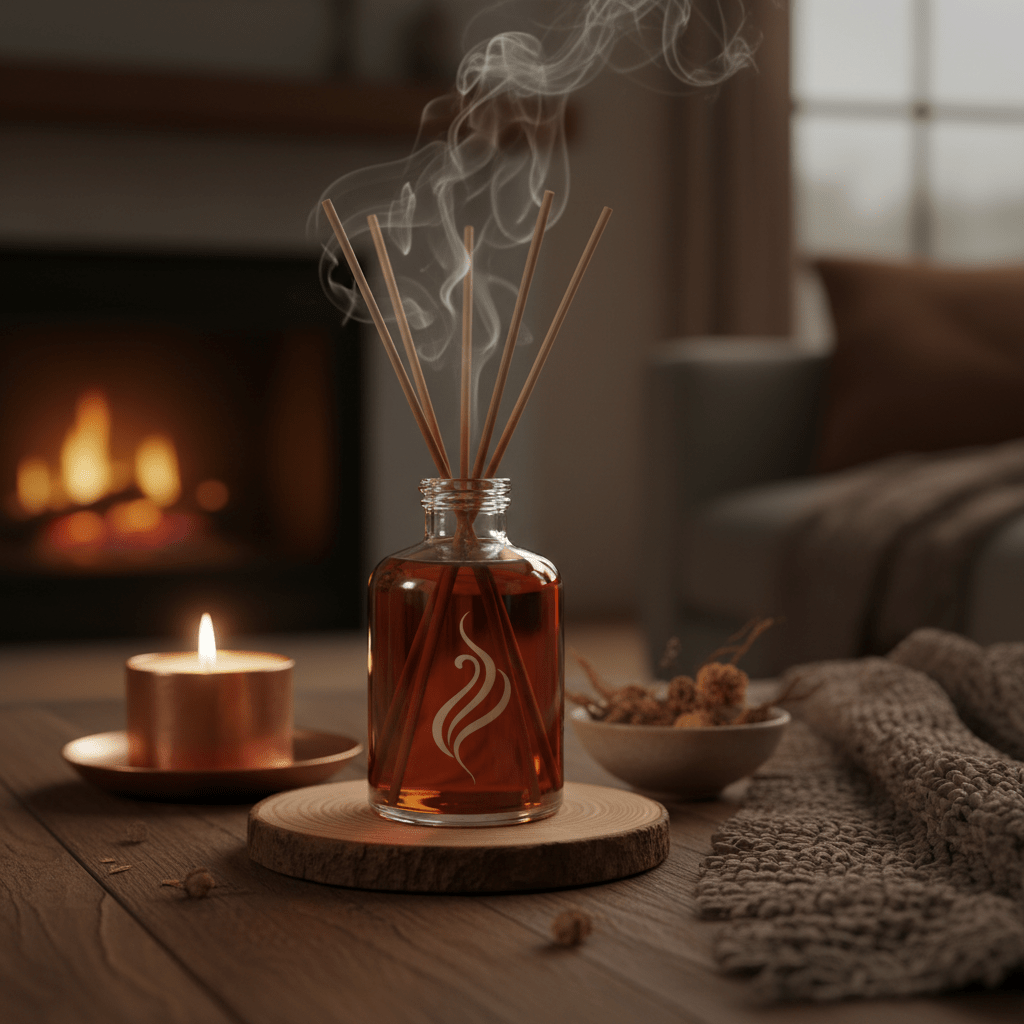
Jatamansi is often used as a grounding herb for moments like that. Its deep, earthy aroma feels steadying, which is one reason it shows up in calming essential oils blends with vetiver, cedarwood, or lavender. A few drops in a diffuser can make a room feel less frantic. Not fancy. Just solid.
Here’s a quick look at how people often think about it:
| Need | How Jatamansi May Help |
|---|---|
| Anxiety and tension | May calm a busy mind and soften nervous energy |
| Sleep support | May help with rest when stress keeps you awake |
| Memory and focus | Used in Ayurveda as a brain-supporting herb |
| Mood balance | May create a steadier, more grounded feeling |
Just a small note before you go all in: jatamansi essential oil side effects can still happen, especially if you use it neat on skin or pick a low-quality oil. Patch test first. Always dilute. And if you’re sourcing for a brand, Aroma Monk’s 100% pure, lab-tested essential oils are a smart place to start because purity and traceability matter a lot with rare oils like this.
And if you want to build a calm ritual, this is a nice first move: try 3 to 4 drops in a diffuser for 15 minutes at night. Simple. Gentle. A good place to begin.
Get a quote from Aroma Monk.
Essential Oil Supplier – Bulk pricing • Samples • Fast response
Practical Application: How to Safely and Effectively Use Jatamansi Oil
You know that wired-up feeling when your brain just will not sit still? You’re not alone. Anxiety and stress are everywhere right now, and a 2024 global study found that 30% to 50% of people reported psychological stress. So yes, calming rituals matter. A lot.
Jatamansi oil can fit into a simple routine at home. The trick is to keep it gentle and safe. This is one of those oils that works best in small amounts, not big dramatic splashes. Less is usually better.
1. Aromatic use for quick calm
If you want a fast reset, try a diffuser or direct inhalation.
- Diffuser: Add 3 to 4 drops of jatamansi oil to a diffuser with water. Run it for 15 to 20 minutes in the evening.
- Direct inhalation: Put 1 drop on a tissue or cotton pad and breathe in slowly for a few deep breaths.
That can be helpful before bed, during work stress, or after a long day of too many notifications. I mean, who doesn’t need that now and then? If you like blends, jatamansi also pairs well with lavender, frankincense, cedarwood, or vetiver for a deeper calm.
2. Topical use with a carrier oil
Never put jatamansi oil straight on your skin. Always dilute it first.
A simple adult dilution guide looks like this:
| Use | Dilution | Easy Example |
|---|---|---|
| Daily use | 1% | 3 drops in 2 teaspoons carrier oil |
| Massage or spot use | 2%–3% | 6 to 9 drops in 2 teaspoons carrier oil |
| Short-term targeted use | Up to 5% | 15 drops in 2 teaspoons carrier oil |
Good carrier oils include jojoba, coconut, or sweet almond oil. You can rub the blend on the wrists, temples, back of the neck, or soles of the feet. The feet are a favorite for bedtime because they’re easy, and honestly, it just feels calming.
If you’re trying jatamansi oil for sleep, a small bedtime massage can be a nice first step. 3 drops diluted in a teaspoon of carrier oil is plenty for many people.
3. Safety tips and side effects
This part matters just as much as the calming part.
- Do a patch test first on a small skin spot.
- Avoid use if you’re pregnant or nursing unless a trained practitioner says it’s OK.
- Be careful if you have a medical condition or take medicines that make you sleepy.
- Keep it away from eyes, mouth, and children.
- Do not take jatamansi oil by mouth unless a qualified expert tells you to.
Jatamansi essential oil side effects can include skin irritation, headache, or too much drowsiness if you use too much. That’s rare with proper dilution, but it can happen. And if you’re making products for a brand, Aroma Monk’s 100% pure, lab-tested essential oils are a solid choice because traceability and purity matter with rare oils like this.
The bottom line? Start small. Try one method first. See how your body responds. Then build from there. Simple works best.
Synergistic Blends: Combining Jatamansi with Other Oils for Enhanced Effects
You know that moment when your mind feels loud, your chest feels tight, and you just want something that helps you breathe again? Yeah, that’s where blending can be a big help. With anxiety still hitting so many people, it makes sense that calming essential oils keep getting more attention. A WHO anxiety fact sheet says about 275 million people live with anxiety disorders worldwide, so people are not exactly making this up.
Jatamansi oil works well as a base note. It’s deep, earthy, and steady. So when you mix it with other oils, you can shape the mood a bit more. Think calm sleep, clear focus, or a softer landing after a hard day. Plus, blending can make the scent feel less heavy and more balanced.
Deep Sleep Blend
If you want a bedtime blend, this one is a nice place to start.
- 3 drops Jatamansi
- 3 drops Lavender
- 2 drops Cedarwood
Add the oils to a diffuser with water and run it for 15 to 20 minutes before bed. Lavender brings a soft floral note, while cedarwood adds a dry, woody base. Jatamansi holds the whole thing together. This blend fits well if you’re looking into how to use jatamansi oil for sleep without making the room smell too sweet or too sharp.
Mindful Focus Blend
Need calm, but not sleepy calm? Try this.
- 2 drops Jatamansi
- 3 drops Frankincense
- 2 drops Bergamot
Use this in a diffuser during reading, journaling, or a quiet work block. Frankincense feels grounding. Bergamot lifts the mood a little. And Jatamansi keeps it steady. That mix is handy if you want support for jitters without feeling zonked out.
Anxiety Soother Blend
For those rough moments, this blend feels more anchoring.
- 3 drops Jatamansi
- 2 drops Vetiver
- 3 drops Sweet Orange
Diffuse for 10 to 15 minutes, or dilute for a wrist blend with carrier oil. Vetiver is earthy and deep, while sweet orange adds a bright, friendly top note. It’s a nice combo for natural remedies for nervous tension, especially when your body feels tense and your thoughts are racing.
| Blend | Best Time to Use | Main Mood |
|---|---|---|
| Deep Sleep | Night | Quiet, restful, slow |
| Mindful Focus | Work or meditation | Grounded, clear, calm |
| Anxiety Soother | Stressful moments | Steady, warm, eased |
A quick note: keep your dilution low, and patch test any topical blend first. Jatamansi essential oil side effects can happen if the mix is too strong or if skin is sensitive. And if you’re sourcing oils for a brand, Aroma Monk’s 100% pure, lab-tested essential oils are a smart fit for products where purity and traceability matter. Good blends start with good oil. That part never gets old.
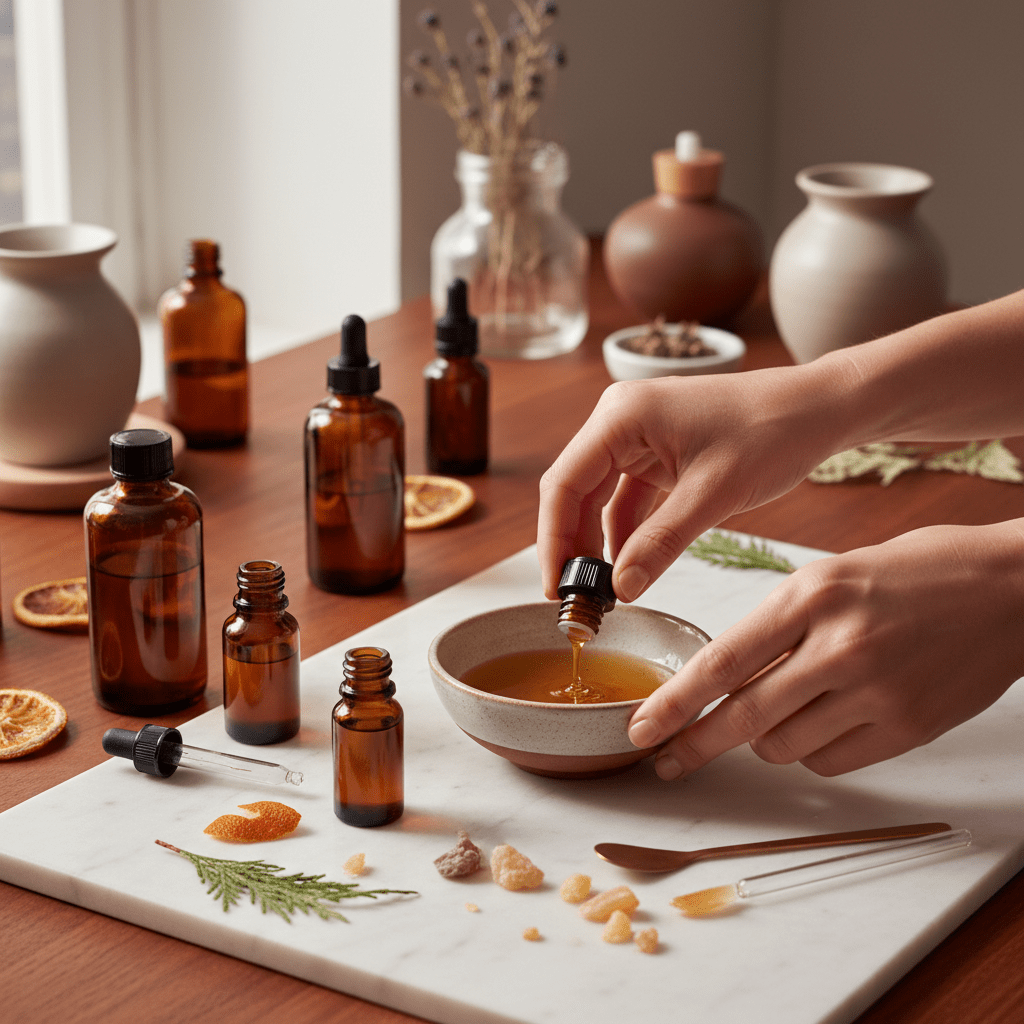
Buyer’s Guide: How to Choose a High-Quality and Ethically Sourced Jatamansi Oil
You know that feeling when you finally find a calming oil, then realize there are five near-twin names on the label and no clue which one is real? Annoying. And with stress levels still high across the board, people want calm they can trust. The WHO says about 275 million people live with anxiety disorders, so the demand for jatamansi for anxiety is easy to understand.
First, check the botanical name. You want Nardostachys jatamansi on the bottle. That matters because spikenard oil benefits can get mixed up with other oils if the label is vague or sloppy. If the name is missing, I’d be cautious.
Next, look for 100% pure essential oil and, if possible, a GC/MS report. That report helps show what’s actually inside the oil. It’s a simple trust check. No report? That’s a little red flag waving in the wind.
Also, think about where it came from. Jatamansi is a wild Himalayan plant and has faced heavy harvesting pressure. So transparent, ethical sourcing matters a lot. Look for words like wild-crafted, ethically sourced, organic, or CITES-backed when available. Reputable brands like Aroma Monk, with 100% pure, lab-tested essential oils, can be a smart place to start if you want calm-focused products with traceability.
If you’re shopping for home use, blends, or product development, these three checks can save you a headache:
| What to Check | What to Look For |
|---|---|
| Label | Nardostachys jatamansi |
| Purity | 100% pure essential oil |
| Testing | GC/MS report or lab test |
| Sourcing | Ethical, wild-crafted, or cultivated supply |
And if the price seems weirdly low? Hmm. Probably not the real thing. For rare oils like this, patience pays off.
Conclusion: Integrating Jatamansi into Your Modern Wellness Ritual
Some days, calm feels far away. Your phone buzzes. Your thoughts race. And your shoulders? Up by your ears again. No surprise there. A 2024 study across 149 countries found that 30% to 50% of people reported psychological stress, so you’re in very crowded company.
That’s why jatamansi oil benefits still matter today. It sits at a rare crossroads. On one side, you’ve got old Ayurvedic use as a Medhya Rasayana and ayurvedic adaptogen for stress. On the other, you’ve got Nardostachys jatamansi research that points to calming, sleep-supporting, and brain-supporting effects in early studies. Pretty neat, honestly.
So if you’re exploring jatamansi for anxiety, start small. Try 3 to 4 drops in a diffuser during your evening routine. Or blend one drop with a carrier oil and apply it to your wrists. Keep it simple. See how it feels. And be gentle with yourself if it takes a little experimenting.
Jatamansi is not a magic fix. But it can be a steady helper in a bigger picture of rest, care, and slower nights. If you’re sourcing for home use or a brand, Aroma Monk’s 100% pure, lab-tested essential oils can be a smart place to begin. Good oil matters. So does patience.
And maybe that’s the real lesson here: calm doesn’t have to arrive all at once. It can start with one quiet breath, one small ritual, one evening at a time.
Get a quote from Aroma Monk.
Essential Oil Supplier – Bulk pricing • Samples • Fast response