
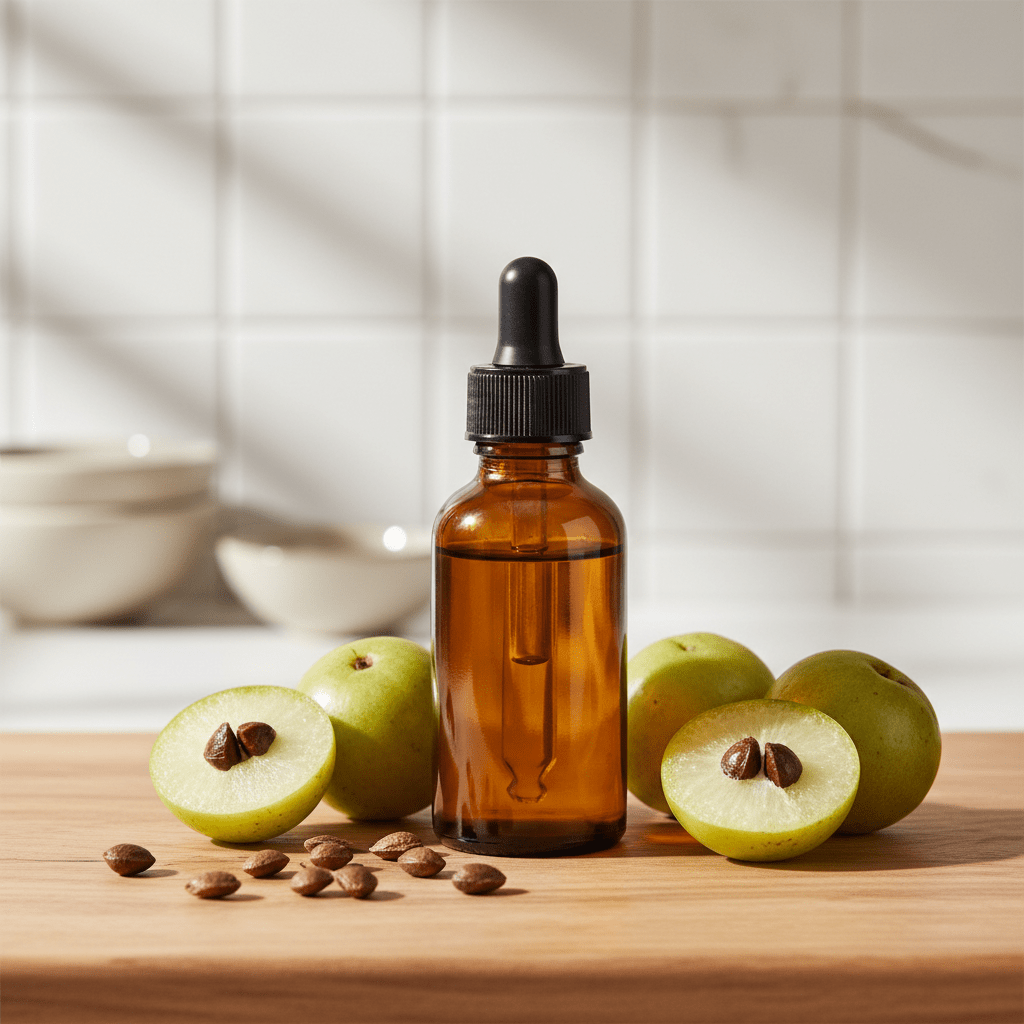
The Ancient Secret to Modern Hair Growth: Unlocking the Power of Amla Seed Oil
You know that annoying feeling when your hair just… stops? It grows a little, breaks a little, sheds a little, and somehow stays the same length for months. Yeah, that one. If you’ve been staring at thinning edges, a widening part, or more strands in the shower drain than you’d like to see, you’re not alone. Hair loss is common in adults ages 25 to 50, and it hits both men and women pretty hard. One review notes that by age 35, about 40% of men show hair loss, and by age 50 that number rises to around 65%. For women, some hair loss can show up for up to 50% across their lifetime source.
That’s why so many people keep looking for a natural hair growth treatment that actually feels gentle and familiar. And this is where amla seed oil gets interesting. Amla, also called Indian gooseberry, has a long place in Ayurvedic hair care. It’s been used for hair vitality, scalp comfort, and root strength for ages. Traditional texts even call amla a rejuvenating herb and a hair-friendly plant.
So what are we doing here? Simple. We’re looking at amla seed oil for hair growth from all sides: the science, the benefits, the difference between amla seed oil vs amla oil, and how to use amla for hair without making a mess of your sink. We’ll keep it real, practical, and easy to follow.
If you’ve been asking, “does amla oil work for hair loss?” you’re in the right place.
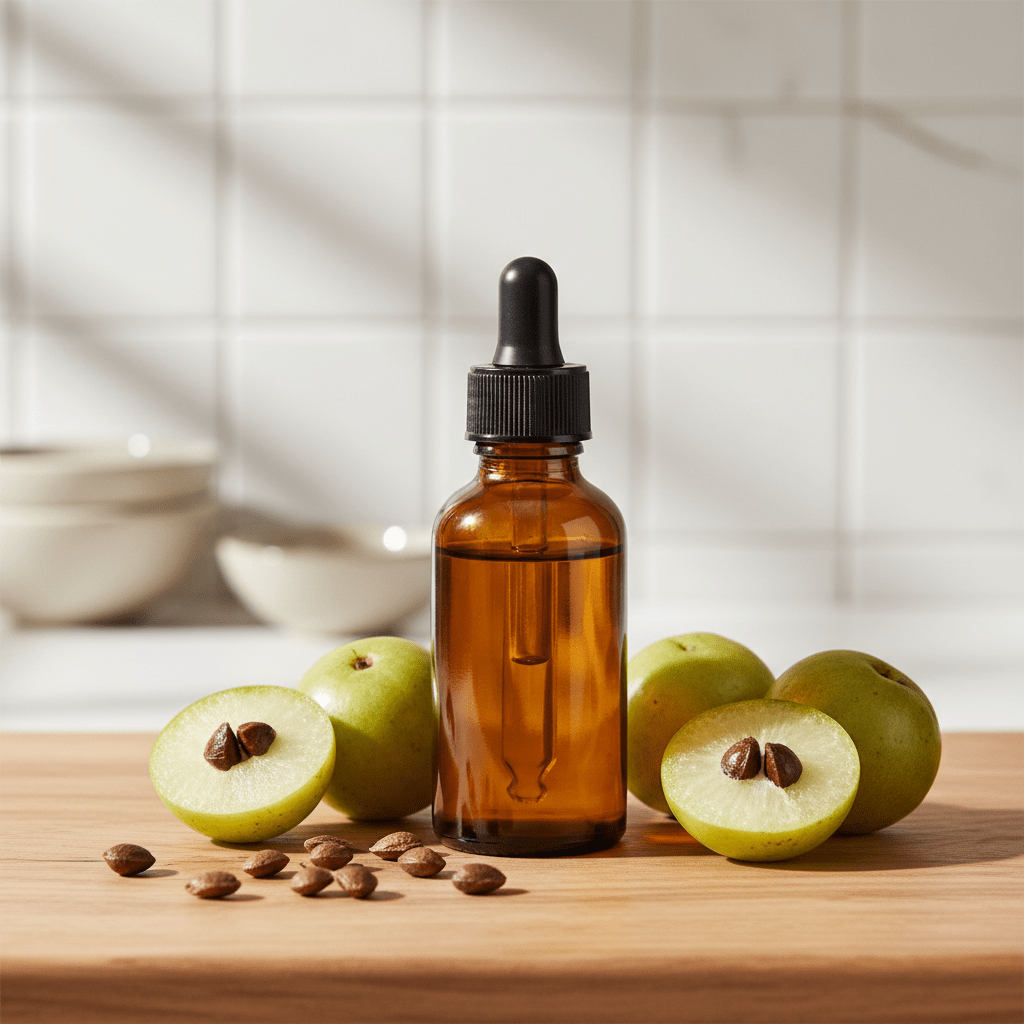
What makes amla seed oil different?
A lot of people say “amla oil” and mean a few different things. But the seed oil is its own thing, and it deserves a closer look. The seed has a rich fatty acid mix, which is part of why people use it in hair oil blends and scalp routines. That matters for softness, breakage control, and daily scalp care.
And honestly, that’s the part many of us want most. Less snap. Less shed. More calm on the scalp. Simple.
We’ll break it all down next, so you can figure out whether the best amla seed oil is worth a spot in your routine. And if you’re a brand owner or product maker, this is also a useful look at why some companies choose amla seed oil as a base for an ayurvedic hair oil line or an amla oil scalp treatment.
A quick note before you buy
Not every bottle is the same. Some are cold-pressed, some are blended, and some are just marketing in a pretty package. So if you’re shopping, check the label, look for the botanical name Emblica officinalis, and make sure the oil is pure enough to match what you want it to do.
A little patience here saves a lot of regret later. Trust me.
What is Amla Seed Oil? (And Why It’s Not the Same as Regular Amla Oil)
Ever picked up a bottle that says “amla oil” and thought, okay, great, this is the one? Then you look again and realize it might not even be made from the seed. Yep. That happens a lot.
Here’s the deal. Amla seed oil comes straight from the seeds of the amla fruit, also called Emblica officinalis or Indian gooseberry. The seeds are usually cold-pressed, which means the oil is pulled out without a lot of heat. That helps keep the natural compounds in better shape.
But regular amla oil is often something else. Many products on the shelf are a carrier oil, like coconut or mineral oil, mixed with dried amla fruit. So the label may sound close, but the formula can be very different. Sneaky? A little.
That difference matters if you’re looking for an amla oil for hair growth routine that feels more direct and clean. The seed oil has its own blend of fats and plant compounds that the fruit pulp does not really have in the same way. In fact, cold-pressed amla seed oil is rich in fatty acids like linoleic acid and oleic acid, plus antioxidants and vitamin E, while the fruit pulp is much lower in fat and is better known for its vitamin C content.
Why should you care? Because those fats can help coat the hair shaft, support the scalp barrier, and cut down on breakage. That’s why some people use it as part of a natural hair growth treatment or an ayurvedic hair oil blend. Plus, for brands and makers, the seed oil can be a stronger raw material for a cleaner formula.
Think of it like this:
| Product | Main Base | What It’s Usually Good For |
|---|---|---|
| Amla seed oil | Oil pressed from seeds | Scalp care, hair softness, breakage support |
| Regular amla oil | Carrier oil infused with amla fruit | General hair oiling, scent, light conditioning |
| Amla fruit pulp | Fruit extract, low fat | Antioxidants, vitamin C, herbal care |
And yes, people do ask, does amla oil work for hair loss? The answer is, it may help in a support role, but it’s not magic. It works best as part of a bigger routine that also looks at scalp health, breakage, and the reason your hair is thinning in the first place.
If you’re shopping for the best amla seed oil, check the label for the botanical name, cold-pressed or virgin wording, and a dark glass bottle. And if you’re a product developer, Aroma Monk’s lab-tested carrier oils and natural fragrance ingredients can fit nicely into a custom hair care line or amla oil scalp treatment blend.
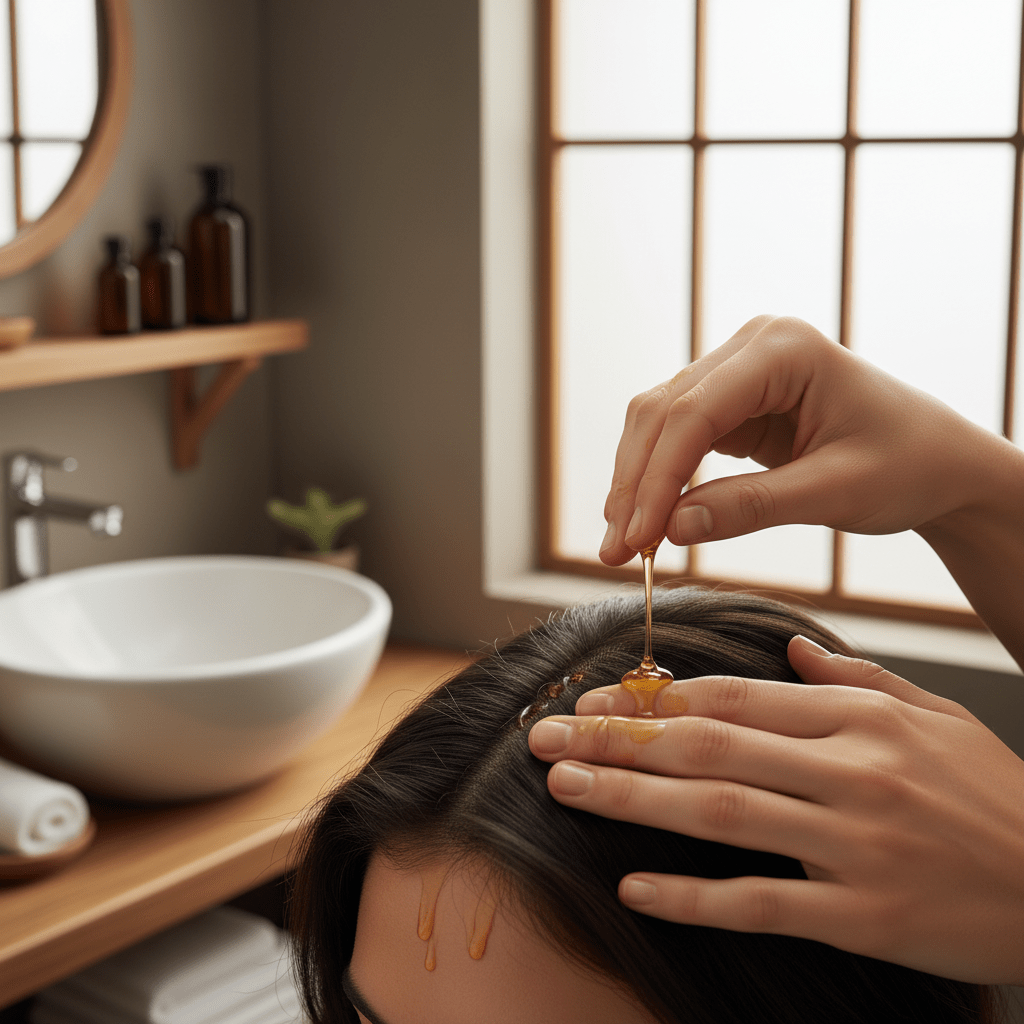
The Science of Hair Growth: How Amla Seed Oil Nourishes Follicles
You know that dry, itchy scalp feeling? The one that makes you scratch once, then again, then pretend you’re fine? Yeah… hair and scalp problems usually don’t show up all at once. They creep in. And once hair starts breaking or shedding more than usual, it’s easy to want a simple fix.
That’s where amla seed oil gets interesting. It’s not just a pretty old-school hair oil. It has fats and plant compounds that may help the scalp and hair in a few real ways. One big piece is linoleic acid, a fatty acid that helps support the scalp barrier. Think of that barrier like a tiny raincoat for your skin. When it’s healthy, it helps hold in moisture and keep outside junk out.
And outside junk is a thing. Sun, pollution, and plain old daily stress can all add to oxidative stress, which is basically damage from unstable molecules in the body. Over time, that can wear on hair follicles and make hair look older faster. Amla is known for its antioxidant load, so it may help calm some of that wear and tear. Not a miracle. But a solid helper.
Here’s a quick look at the main pieces:
| Amla seed oil part | Why it matters for hair |
|---|---|
| Linoleic acid | Supports scalp barrier and moisture balance |
| Oleic acid | Helps coat hair and reduce breakage |
| Antioxidants | Help fight oxidative stress from UV and pollution |
| Plant compounds in amla | May support healthier follicle activity |
OK, so here’s where it gets really cool. Some lab and animal research suggests amla may help block 5-alpha reductase, the enzyme that turns testosterone into DHT. DHT is tied to pattern hair loss in men and women with androgenetic alopecia. So if you’ve ever asked, “does amla oil work for hair loss?” the honest answer is this: it may help in a support role, especially for people dealing with DHT-related shedding, but it won’t fix every kind of hair loss by itself.
And we’ve got to say this part clearly. Hair loss has a lot of causes. Stress, low iron, thyroid issues, scalp disease, and genetics can all play a part. So amla seed oil for hair growth works best as part of a bigger natural hair growth treatment, not as the whole plan.
People have used amla for hair for a long time, and that old Ayurvedic respect did not come from nowhere. Modern research is starting to explain why. If you want the best amla seed oil, look for a cold-pressed formula in a dark bottle, with the botanical name on the label. And if you’re building a product line, Aroma Monk’s lab-tested carrier oils and natural ingredients can help you create an ayurvedic hair oil or amla oil scalp treatment that feels clean and trustworthy.
If you’re ready to test it at home, start small. A few drops. A gentle scalp massage. Then watch what your hair does over a few weeks. That’s usually where the story starts.
Get a quote from Aroma Monk.
Essential Oil Supplier – Bulk pricing • Samples • Fast response
Beyond Growth: 3 Additional Benefits for Strong, Healthy Hair
Hair growth gets all the attention. Fair enough. But if your strands keep snapping, your scalp feels cranky, or your grays show up early, growth alone won’t save the day.
That’s where amla seed oil quietly pulls extra weight. It’s not just about longer hair. It’s about hair that holds together, feels calmer at the root, and looks healthier day to day.
1) It can help hair feel stronger from root to tip
Think about a dry noodle versus a cooked one. Same shape, very different bend. Hair works a little like that. When it’s dry and weak, it breaks fast. When it’s coated and cushioned, it tends to stretch a bit better before snapping.
Amla seed oil has fatty acids like linoleic acid and oleic acid, and those help support the hair shaft and scalp barrier. In plain words, they can help hair feel softer and less brittle. That matters if you’re dealing with breakage, little white dots at the ends, or lots of short hairs in your brush.
And no, it won’t turn fine hair into a magic rope. But it may help reduce the tiny daily losses that add up over time. Tiny cracks become big frays. We’ve all seen that happen.
2) It may soothe a dry, itchy scalp
You know that annoying scalp itch that shows up at the worst time? Right before a meeting. Or right after you washed your hair, which feels rude, honestly.
Amla seed oil is often used in an amla oil scalp treatment because it may help with dryness and flaking. The oil gives the scalp some slip and moisture, while the plant compounds may help calm irritation. A healthier scalp can feel less tight and less flaky, which is a big deal if you oil your hair often or live in a dry place.
Here’s a simple way to use it:
- Warm a few drops in your palms.
- Massage it into the scalp with your fingertips.
- Leave it on for 20 to 30 minutes.
- Shampoo well, then rinse again if needed.
A gentle scalp massage can also help blood flow, which is why many people pair how to use amla for hair routines with slow circles at the crown and sides.
3) It may help slow early grays
Now for the part everyone asks about. Can amla seed oil help with premature gray hair?
Maybe. But let’s keep it real. The evidence is limited, and genetics still run the show. Still, amla has a long history in Ayurvedic hair care, and people have used it for color support for ages. Its antioxidants may help protect pigment cells from wear and tear.
That’s why you’ll see amla mentioned in indian gooseberry oil benefits lists for hair that looks dull, tired, or a little too silver too soon. It may not bring back every gray strand. But it could help slow the pace for some people, especially when used with a steady routine.
If you want the best amla seed oil, look for cold-pressed oil in a dark glass bottle, and check the label for Emblica officinalis. And if you’re a brand owner, this is a smart ingredient to explore in an ayurvedic hair oil or natural hair growth treatment line. Aroma Monk can help with pure carrier oils, essential oils, and bulk supply for product development.
One more thing. If hair loss is sudden, patchy, or tied to a health issue, topical oils alone won’t do the job. A dermatologist is the better next step.
How to Use Amla Seed Oil for Maximum Results: A Step-by-Step Guide
You know what usually trips people up? Not the oil itself. It’s the routine.
I’ve seen this a lot. Someone buys amla seed oil, uses a huge puddle once, then says it felt greasy and did nothing. Totally fair. But that’s usually a “how I used it” problem, not a “the oil is bad” problem.
So let’s make this easy. Amla works best as a pre-shampoo scalp treatment. That means you put it on before washing, give it a little massage, and let it sit long enough to do its thing. Hair loss is common in adults ages 25 to 50, so a steady routine matters more than random oiling once in a while, hair loss stats.
Step 1: Warm a small amount
Start with 1 to 2 teaspoons. That’s usually enough for most scalps. Warm it a little between your palms or set the bottle in a cup of warm water for a few minutes. Just warm. Not hot. Hot oil is a bad day waiting to happen.
Step 2: Part the hair
Use your fingers or a comb to make a few clean parts across the scalp. Think front, sides, crown, and the back of the head. This helps the amla seed oil reach the scalp instead of sitting on top of the hair.
Step 3: Massage with fingertips
Now use the fleshy pads of your fingers, not your nails. Massage in small circles for 5 to 10 minutes. Slow is better here. The goal is to wake up the scalp and help the oil spread. Plus, a scalp massage can feel pretty great after a long day. Weirdly soothing. Almost too soothing.
Step 4: Let it sit
For deep conditioning, leave the oil on for 1 to 2 hours. If your hair is very dry, overnight can work too. But use less oil if you plan to sleep in it. Too much can weigh hair down and make shampooing a little annoying. And nobody wants oily pillow drama.
Step 5: Shampoo the right way
This part matters. Put shampoo on dry, oiled hair first. Yes, dry hair. Then add a little water and lather again. That helps lift the oil more easily. If you wet your hair first, the shampoo often slips around and misses the greasy spots. Been there. Not fun.
Here’s a simple weekly plan:
| Hair need | How often to use amla seed oil |
|---|---|
| Light dryness or mild breakage | 1 time per week |
| Dry scalp or more shedding | 2 times per week |
| Fine hair that gets weighed down fast | 1 time per week, very small amount |
A less is more approach works best. Start small. See how your scalp feels. Then adjust.
If you’re building a fuller routine, you can pair amla with other gentle oils in an ayurvedic hair oil blend, or keep it simple as a solo amla oil scalp treatment. And if you want a clean, lab-tested ingredient base for products, Aroma Monk offers pure carrier oils, essential oils, and bulk supply for beauty and wellness brands.
One more thing. If you’re dealing with sudden hair loss, patchy spots, or scalp pain, oils alone won’t solve it. In those cases, a dermatologist is the better next step. But for daily care? This routine is a solid place to start.
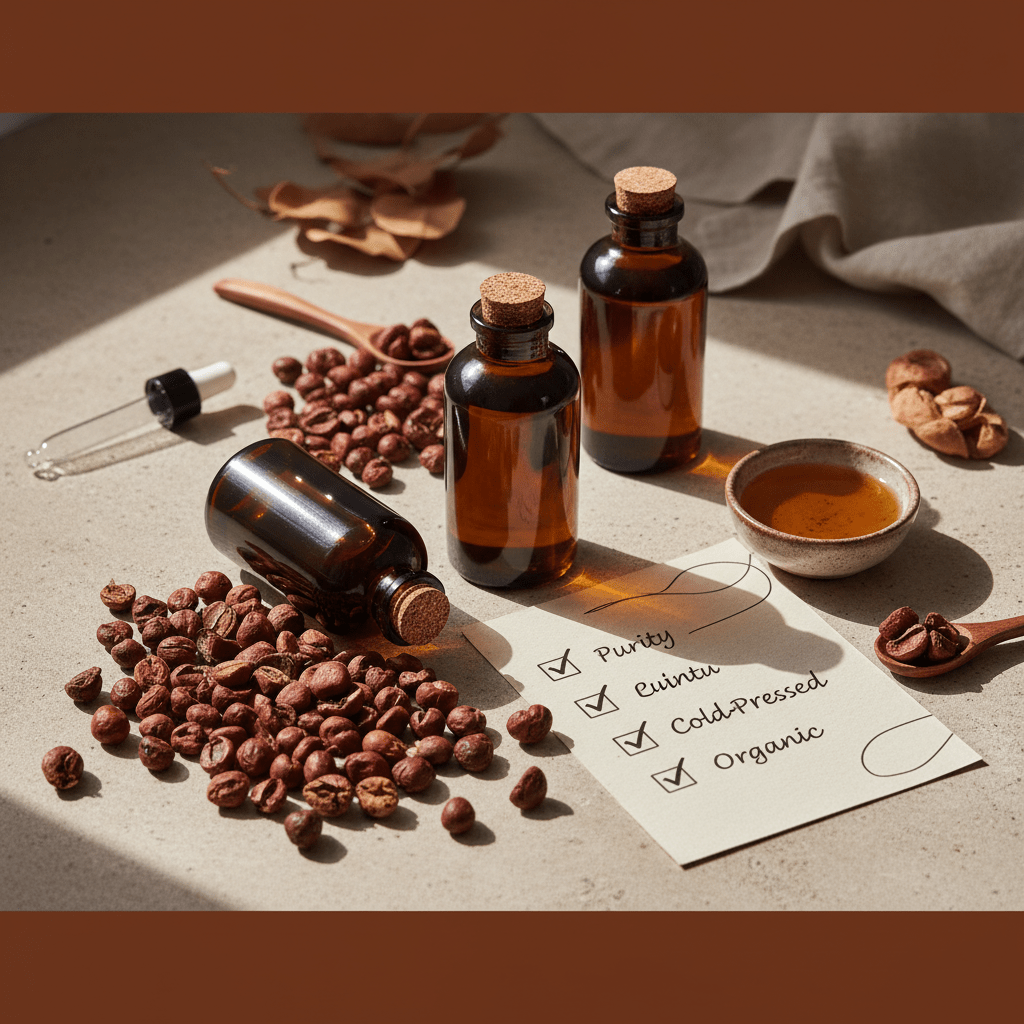
A Buyer’s Guide: How to Choose a High-Quality Amla Seed Oil
You know that weird moment when a bottle looks fancy, but the label feels fuzzy? Yeah, that’s where a lot of people get tripped up. With amla seed oil, the front of the bottle can sound great, but the back tells the real story.
So let’s keep it simple. If you want the best amla seed oil, start with the label. Look for words like 100% Pure Amla Seed Oil, Cold-Pressed, and Unrefined. And check for the botanical name Emblica officinalis. If that name isn’t there, I’d pause. Maybe even skip it.
What to read first
A solid bottle usually gives you clear details, not cute mystery language. Here’s a quick cheat sheet:
| What to look for | Why it matters |
|---|---|
| 100% Pure Amla Seed Oil | Means it should be the real thing, not a mixed formula |
| Cold-Pressed | Helps keep the oil closer to its natural form |
| Unrefined or Virgin | Usually means less processing |
| Emblica officinalis | The plant name should match the ingredient |
| Dark glass bottle | Helps protect the oil from light |
Red flags to watch for
But here’s the part that saves money. If the first ingredients say mineral oil, parfum, or a long list of hard-to-pronounce synthetic ingredients, that bottle is probably an infused oil, not a true seed oil. That’s not always bad. It just means it’s a different product.
If your goal is amla oil for hair growth or a simple amla oil scalp treatment, you probably want the cleaner option. Less filler. Less guesswork. More control.
Packaging and sourcing matter too
High-quality oils are often sold in dark glass bottles because light can wear the oil down over time. Plastic bottles can be fine in some cases, but dark glass is usually the safer pick.
Also, try to buy from brands that talk plainly about where the oil comes from. Transparent sourcing is a good sign. If a company shares lab testing, origin details, or batch info, that’s even better. Brands that care about quality assurance usually don’t hide the boring stuff.
For buyers, that matters a lot. A dependable supplier can make a huge difference if you’re building an ayurvedic hair oil line, a natural hair growth treatment, or a custom personal care product. And for businesses that want pure ingredients they can trust, Aroma Monk’s lab-tested oils and bulk supply options can fit nicely into product development work.
A simple buying rule
If the label is clear, the bottle is dark, and the brand feels open about sourcing, you’re probably on the right track. If it feels vague, over-perfumed, or stuffed with extras, keep looking.
And if you’re still wondering, does amla oil work for hair loss? It can be part of a helpful routine, but only if the product is actually what it says it is. That’s half the battle right there.
Potential Side Effects and Important Considerations
Amla seed oil is gentle for a lot of people. But not every scalp loves the same thing. Funny how that works, right?
First, do a patch test. Put a tiny bit on the inner arm or behind the ear and wait 24 hours. If you get redness, itching, or a rash, don’t use it on your scalp. Simple. And worth it.
Also, think about your hair type. If your hair is very fine or low-porosity, too much amla seed oil can sit on top and make it feel flat or greasy. Try a smaller amount first, or leave it on for a shorter time. A little goes a long way here.
And if your hair loss keeps going, gets worse fast, or comes with scalp pain, talk to a dermatologist or trichologist. Oils can be part of a natural hair growth treatment, but they won’t fix things like thyroid trouble, iron loss, alopecia areata, or scalp infection. If the problem is deeper, you want the real cause checked out.
Amla can be a nice part of a hair routine. Just don’t treat it like magic. Use it smart, pay attention to how your scalp reacts, and get help when your hair is sending bigger signals.## Embrace Natural Vitality: Your Next Step Towards Healthier Hair
Hair can feel stubborn. One day it looks fine, and the next day you’re counting strands in the sink like it’s a bad habit you can’t shake. But here’s the good part: small routines can add up.
Amla seed oil stands out because it’s not just old tradition. It’s a rich, nutrient-heavy oil that’s different from regular amla oil blends. It may help nourish follicles, support the scalp, and give weak strands a better shot at staying put. Plus, its fatty acids and antioxidants make it a smart pick for a simple natural hair growth treatment.
If you’ve been wondering does amla oil work for hair loss, the honest answer is yes, it can help as part of a wider care plan. It’s not magic. But it can be a steady helper for softness, strength, and scalp comfort.
So start small. Try a weekly scalp treatment, keep it gentle, and watch how your hair responds. If you’re ready to bring an old remedy into a modern routine, incorporate this ancient remedy into your modern hair care routine by starting with a weekly scalp treatment to unlock your hair’s natural growth potential.

Get a quote from Aroma Monk.
Essential Oil Supplier – Bulk pricing • Samples • Fast response