
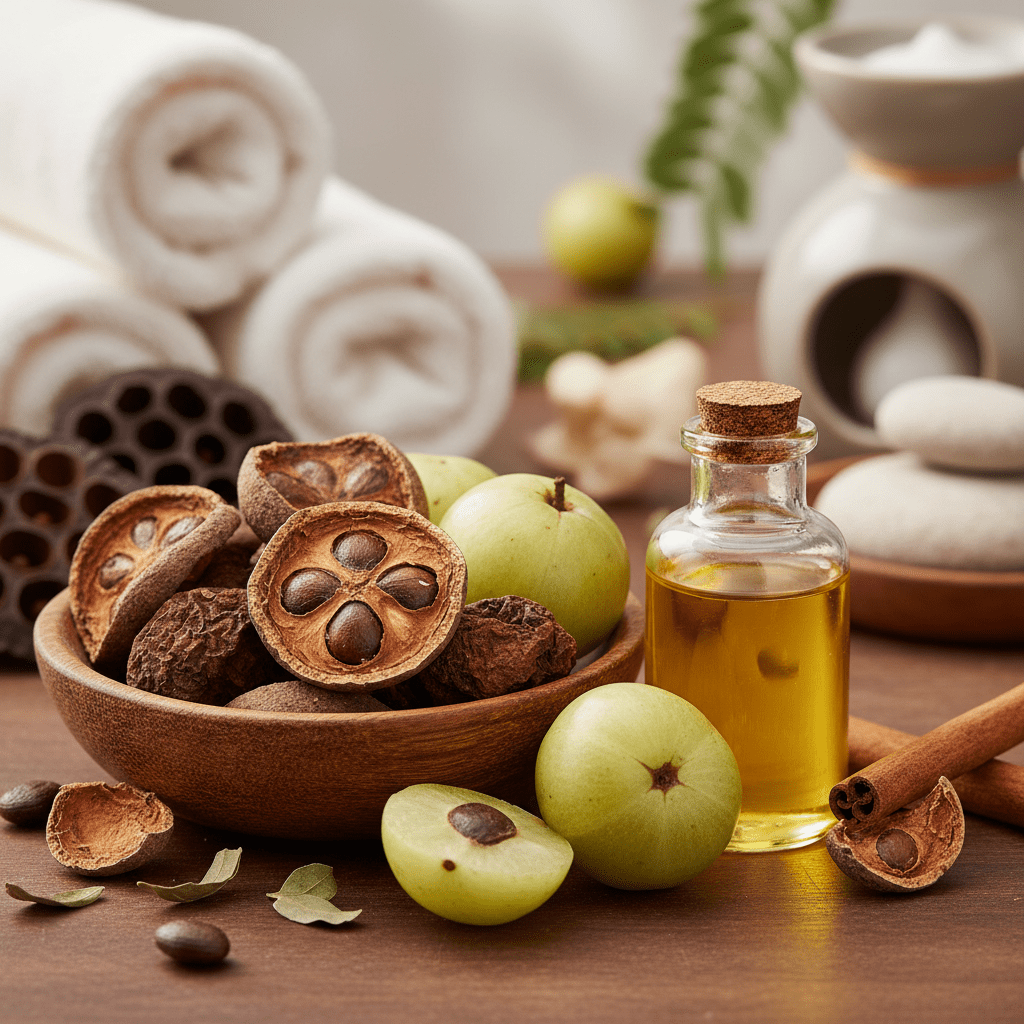
Rediscovering an Ancient Gem: Why Amla is Your Next Aromatherapy Staple
Ever notice how the best wellness ideas keep circling back to old traditions? First it was herbal teas. Then carrier oils. Now, a lot of us are looking at Ayurveda with fresh eyes, and for good reason.
The natural wellness market keeps growing fast. The Global Wellness Institute says the wellness economy reached $6.8 trillion in 2024, and mental wellness is one of the fastest-moving parts of it. That tells me people want more than a nice scent. They want calm, comfort, and ingredients that feel real.
That’s where amla comes in. Also called Indian gooseberry, this little fruit has been prized in Ayurveda for ages as a strength-giving superfruit. Traditional texts link amla with health, stamina, and brain support. Pretty cool for something that looks so humble.
But here’s the part that gets interesting for us now: amla seed oil benefits go beyond old stories. Could this ancient oil fit into modern aromatherapy, skin care, and even hair care? What does it bring to a blend that other oils don’t?
That’s what we’re unpacking here. From amla oil in aromatherapy to amla oil for hair, there’s a lot to like. And if you work with ayurvedic carrier oils or build natural stress relief oils, amla seed oil may be one of those quiet ingredients that does more than people expect.
What Exactly is Amla Seed Oil? Unpacking the Source
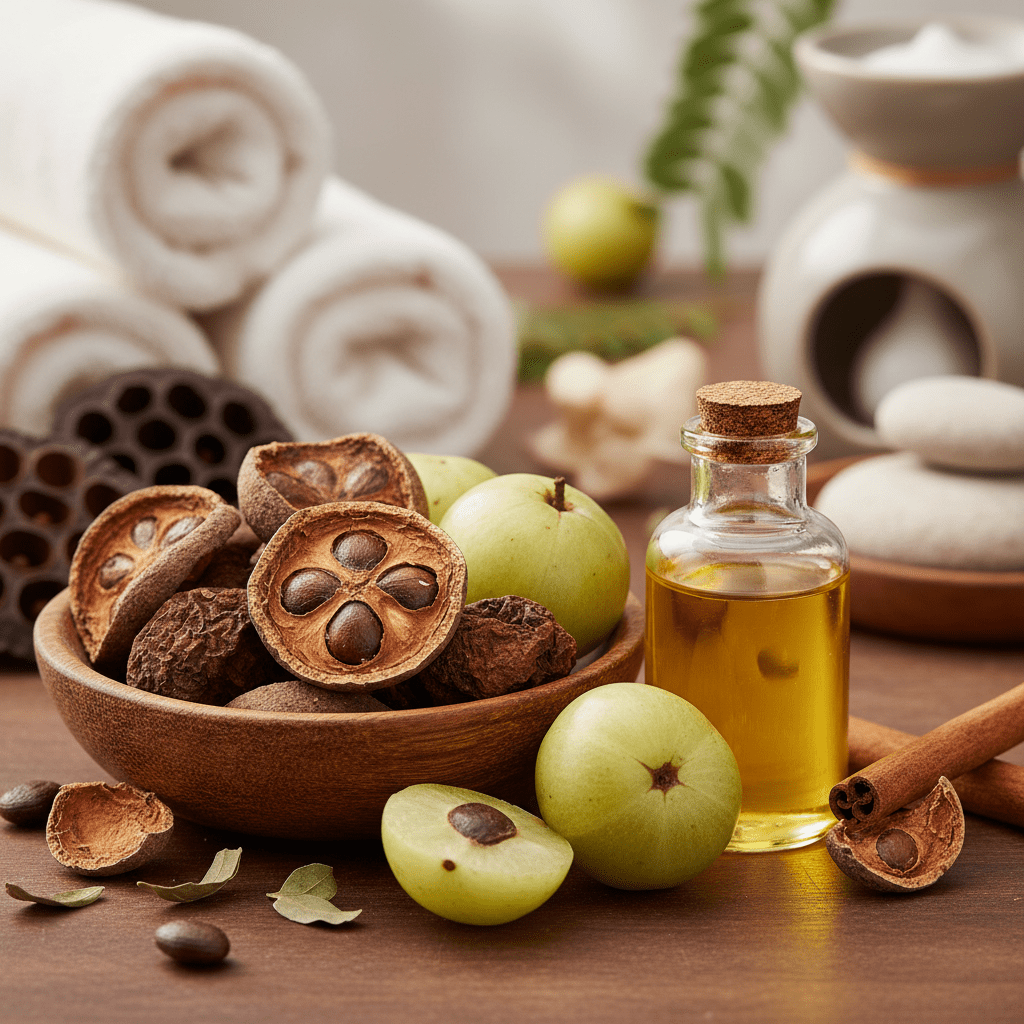
You know how people say “amla oil” like it’s one thing? It usually isn’t. That’s where a lot of the confusion starts.
Most store-bought amla oil is actually a mix. It’s often made by soaking amla fruit in a base oil like coconut or sesame oil. Nice for hair care, sure. But it’s not the same as true amla seed oil. Real amla seed oil comes from the seeds of Phyllanthus emblica and is usually cold-pressed, which means the oil is squeezed out without heat. No big hot process. Just pressure.
Why does that matter? Because heat can damage delicate fats and plant compounds. Cold-pressed oils keep more of their natural fatty acids and antioxidant bits intact, which is a big reason people look for amla seed oil benefits in the first place. And if you’re building amla oil in aromatherapy blends, that clean, unheated extraction can matter a lot.
Here’s the simple version of what’s inside:
| Main part | Why people care |
|---|---|
| Linoleic acid | Helps support skin barrier health |
| Oleic acid | Adds softness and slip |
| Alpha-linolenic acid | Brings more nourishing fat content |
| Tocopherols | A form of vitamin E with antioxidant power |
| Polyphenols and tannins | Help fight oxidation in the oil |
The fatty acid mix in cold-pressed amla seed oil is pretty eye-opening. It’s rich in linoleic acid, with oleic acid close behind. That makes it a strong pick among antioxidant carrier oils, especially for blends that need a light but nourishing feel. People also use it as an Indian gooseberry oil for skin, since it tends to sink in without leaving that greasy puddle feeling.
And then there’s the aroma. Mild. Earthy. A little nutty, with a soft fruity note. Not loud. Not fancy. Just quietly useful. That’s probably why it fits so well with ayurvedic carrier oils and simple natural stress relief oils.
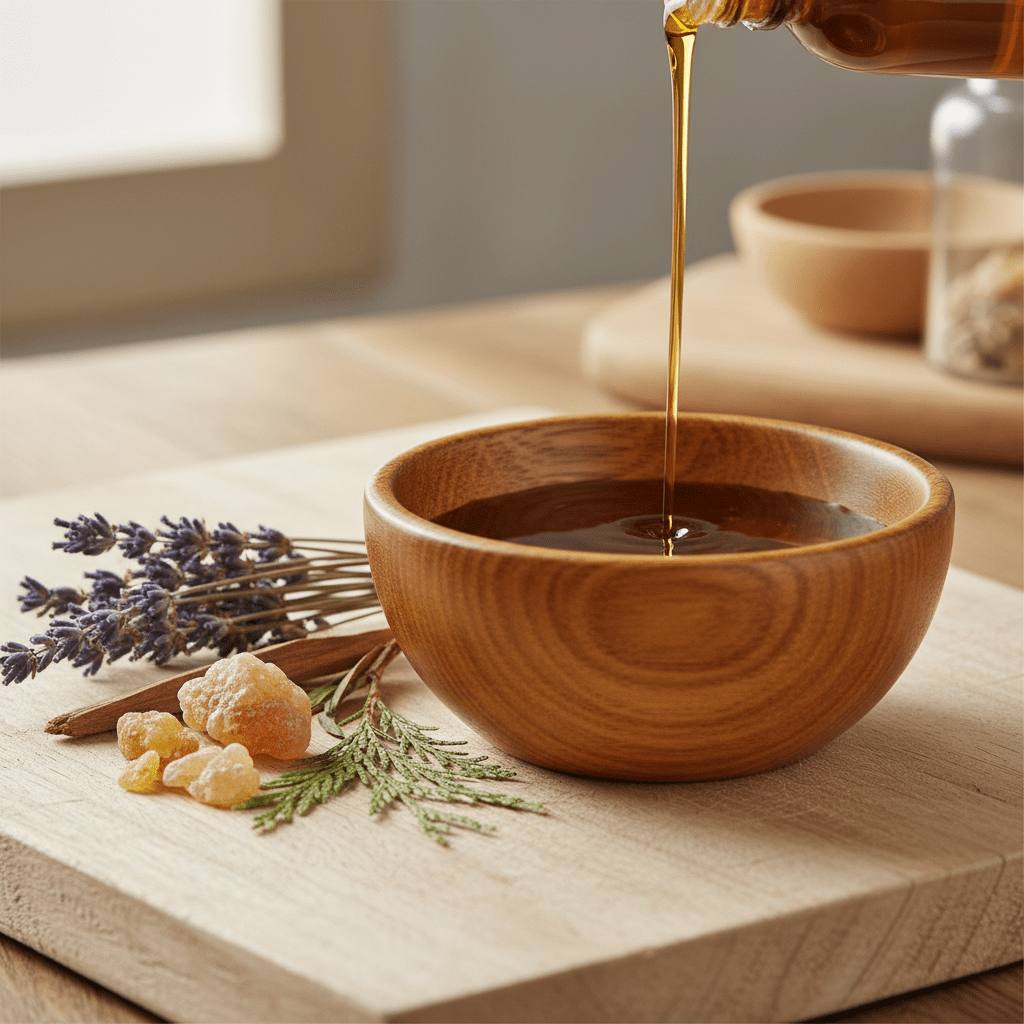
If you’re wondering how to use amla oil, think massage blends, scalp oils, face oils, and amla aromatherapy recipes with 1% to 3% essential oil dilution. Lavender, frankincense, cedarwood, and sweet orange all play nicely with it. If you want a clean, traceable oil for product development, Aroma Monk can help source lab-tested carrier oils and bulk natural ingredients for your line.
The Role of Amla Seed Oil in Aromatherapy: More Than Just a Carrier
You know that moment when a blend smells nice, but something still feels missing? That little bit of depth. That grounded feeling. Amla seed oil can bring that.
It’s easy to treat carrier oils like the quiet kid in the room. They just sit there and dilute the essential oils, right? Well, not always. With amla seed oil, the carrier itself brings a lot to the table. It has its own amla seed oil benefits, from skin support to antioxidant power, so it can work like a functional base in amla oil in aromatherapy blends.
The texture is another plus. It’s light, slips on easily, and sinks in without leaving a heavy film. That makes it handy for massage oils, scalp blends, and indian gooseberry oil for skin formulas. And the scent? Mildly earthy, a little nutty, with a soft fruity note. Not loud at all. It can ground a blend without stealing the show.
Here’s a simple way to think about it:
| What amla seed oil brings | Why that matters in a blend |
|---|---|
| Light feel | Easy to spread, not greasy |
| Fast absorption | Nice for face, scalp, and body use |
| Earthy scent | Helps round out bright oils |
| Antioxidants | May help slow oxidation in the mix |
That last part is the sneaky good one. Amla seed oil has antioxidant-rich compounds that can help protect more delicate oils from going bad too fast. So if you’re making natural stress relief oils or amla aromatherapy recipes with citrus, floral, or woody oils, the base may help keep the blend fresher a bit longer. Not magic. Just smart ingredient pairing.
I’d say it works especially well with lavender, frankincense, cedarwood, and sweet orange. Those pairings feel balanced, and they don’t fight each other. If you’re building ayurvedic carrier oils for product lines, or you want a cleaner bulk option for your brand, Aroma Monk offers lab-tested carrier oils, essential oils, natural attars, and rose water for B2B supply.
And if you’re still figuring out how to use amla oil, start simple. A 1% to 3% essential oil dilution is a common place to begin for amla oil for hair, body massage, or calming blends. Small batch first. Always.
Get a quote from Aroma Monk.
Essential Oil Supplier – Bulk pricing • Samples • Fast response
Amla Seed Oil Benefits for Mind and Spirit: Calming the Nervous System
Ever have one of those days where your brain feels like a browser with 27 tabs open? Yeah. That’s the kind of moment where calming oils start making a lot more sense.
In Ayurveda, amla has long been linked with clear thinking and a steadier mind. It’s often tied to Vata balance, which is the dosha people connect with restlessness, dry energy, and that shaky, overwired feeling. So if you’ve been looking at amla seed oil benefits through a stress-relief lens, this is where it really starts to shine.
Amla, or Phyllanthus emblica, is also described in classical texts as a Medhya Rasayana, which is the traditional way of saying it supports the mind and nervous tissue. That old-school idea lines up pretty well with why people reach for natural stress relief oils now. We want calm, but we also want a base that feels clean and light. Not heavy. Not sticky. Just steady.
And here’s the nice part. Amla seed oil works well as a base for lavender, vetiver, and frankincense. Those blends can feel grounded and soft, which is exactly what you want in amla oil in aromatherapy. Lavender brings the relax factor. Vetiver feels deep and earthy. Frankincense adds that quiet, centered vibe. Put them together, and the blend feels balanced instead of loud.
| Blend idea | Best use |
|---|---|
| Amla + Lavender | Nighttime wind-down |
| Amla + Vetiver | Grounding massage oil |
| Amla + Frankincense | Quiet focus or prayer time |
For self-care, this oil fits nicely into aromatherapy massage and Abhyanga, the Ayurvedic self-anointing ritual. Warm a little oil in your hands. Massage the scalp, neck, shoulders, or feet for 5 to 10 minutes. Simple stuff. But it can feel like a full reset.
If you’re building amla aromatherapy recipes or working with ayurvedic carrier oils for a product line, this is one of those quiet ingredients that does more than it looks like it should. Aroma Monk can help with lab-tested essential oils, natural attars, rose water, and bulk carrier oils if you’re creating blends for wellness or personal care. And if your line includes amla oil for hair or indian gooseberry oil for skin, that same grounding feel can carry through the whole formula.
Honestly, that’s what makes amla seed oil special. It doesn’t shout. It settles things down.
Revitalize Your Skin: The Antioxidant Power of Amla Seed Oil
You know that dull-skin feeling? The one where your face looks a little tired, even after sleep and water and all the good intentions in the world? Yeah, we’ve all been there.
That’s where amla seed oil starts to look pretty handy. It’s packed with antioxidants and vitamin E, so it can help fight free radical damage from sun, smoke, and everyday city grime. And those are the sneaky things that make skin look worn out faster than it should.
Here’s the simple part. Amla seed oil benefits show up in the way it supports skin softness, bounce, and comfort. Its high linoleic acid content can help the skin barrier stay strong, which matters a lot if your skin gets dry or feels tight. Plus, linoleic-rich oils are often used in anti-aging facial serums because they may help support collagen and keep fine lines from looking so sharp.
A quick look at what makes it useful:
| Skin support piece | Why people like it |
|---|---|
| Antioxidants | Help guard skin from stress |
| Vitamin E | Adds extra skin nourishment |
| Linoleic acid | Supports the skin barrier |
| Light texture | Feels good in face oils |
| Soft absorption | Doesn’t sit heavy on skin |
And honestly, that lighter feel is a big deal. Nobody wants a face oil that feels like cooking grease by 2 p.m. Amla seed oil usually sits better than that.
If you want to try it in a simple DIY blend, here’s a little Radiance Serum idea:
Radiance Serum for Dry, Mature, or Combo Skin
Base:
- 1 oz amla seed oil
- 2 tsp jojoba oil for extra slip
- 2 drops vitamin E oil if you like a richer feel
Essential oil options:
- Dry skin: 2 drops rose + 1 drop helichrysum
- Mature skin: 2 drops rose + 2 drops helichrysum
- Combination skin: 2 drops geranium + 1 drop rose
How to use amla oil here:
- Wash your face gently
- Pat it damp, not dripping
- Use 2 to 4 drops of serum
- Press it into cheeks, forehead, and neck
- Best at night, or under sunscreen in the morning if your skin likes oils
If you’re making amla aromatherapy recipes or skincare products for a brand, Aroma Monk can help with lab-tested carrier oils, essential oils, natural attars, and rose water in bulk. That matters if you want clean ingredients and steady supply without the headache.
So yes, amla oil for hair gets a lot of love, but indian gooseberry oil for skin deserves a spot too. Soft skin. Better bounce. A calmer-looking face. That’s a pretty nice trio.
Transforming Hair Health: An Ayurvedic Aromatherapy Approach
You know that moment when your hair feels thirsty, flat, and a little mad at you? Yep. That’s usually when people start hunting for something real, not just another shiny bottle with big claims.
Amla has had a hair-care fan club for a long time. But the seed oil version is the quiet one that often gets skipped. And that’s a shame, because amla seed oil benefits can show up right at the scalp, where healthy hair starts.
The oil is rich in linoleic acid, oleic acid, and alpha-linolenic acid, so it brings a soft, nourishing feel without weighing hair down. That matters for the scalp too. A balanced scalp tends to feel less dry, less tight, and just better overall. The old Ayurvedic idea is that amla helps build strength from the roots, and modern hair care still leans on that same idea.
People also talk about amla oil for hair in a few traditional ways. One is strength. Another is shine. And then there’s the big one: premature graying. That’s a long-held claim, and while I can’t promise magic, the antioxidant content in amla may help protect pigment cells from stress over time. Makes sense, right?
Simple ways to use amla oil for hair
| Hair goal | How amla seed oil may help |
|---|---|
| Dry scalp | Adds softness and comfort |
| Weak-feeling strands | Helps coat and protect hair |
| Dull hair | Can add a smoother, shinier look |
| Premature graying concern | Traditional support, plus antioxidant care |
Weekly scalp massage oil
Try this if you want a calm, grounded blend:
- 2 tbsp amla seed oil
- 6 drops rosemary essential oil
- 4 drops cedarwood essential oil
- Optional: 2 drops lavender for a softer scent
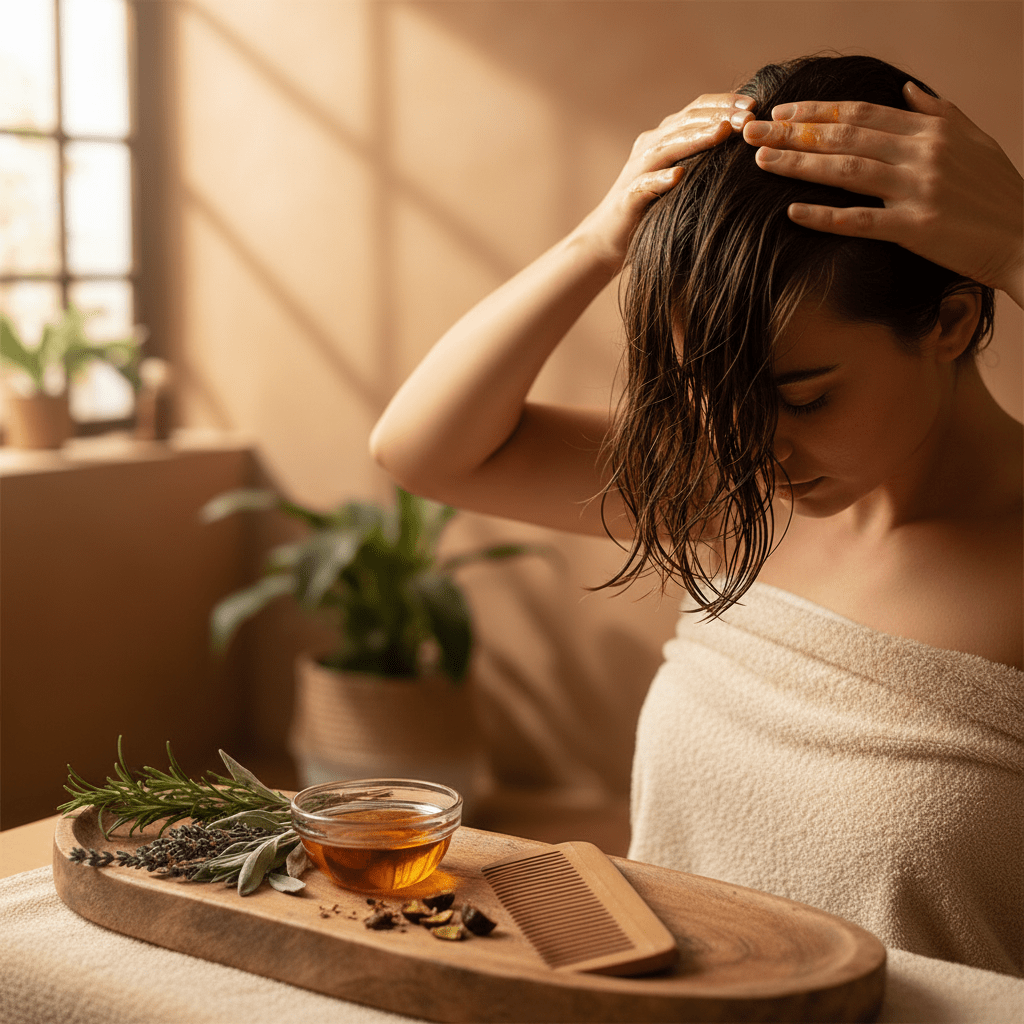
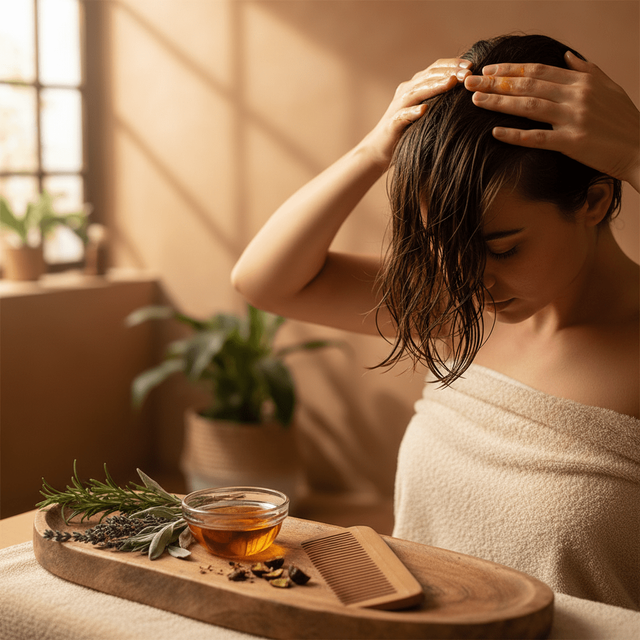
Warm the oil between your palms. Massage it into the scalp for 5 to 10 minutes. Don’t rush it. Then leave it on for at least 1 hour, or overnight if your scalp likes that. Wash with a gentle shampoo.
Rosemary and cedarwood are a nice pair here. Rosemary brings that fresh, herbal edge, while cedarwood adds a dry, woody note that feels steady and clean. It’s a solid choice for amla oil in aromatherapy, especially if you want the blend to feel both useful and calming.
Pre-shampoo strand shield
If your hair gets rough from washing, heat, or city air, try this instead:
- 1 tbsp amla seed oil
- 1 tbsp coconut oil or jojoba oil
- 3 drops frankincense or lavender
Smooth it through the mid-lengths and ends. Focus on the driest parts. Leave it on for 30 to 45 minutes before shampooing. This kind of pre-wash treatment can help hair feel less stripped after cleansing.
If you’re building amla aromatherapy recipes or sourcing ayurvedic carrier oils for a product line, this is where a clean base matters a lot. Aroma Monk supplies lab-tested essential oils, natural attars, rose water, and bulk carrier oils for brands that need reliable ingredients without the guesswork.
So yes, amla oil for hair is famous for a reason. But the seed oil version brings something extra. It’s simple. It’s steady. And sometimes, that’s what hair really wants.
Sourcing and Safe Application: A Practical Guide
Buying amla oil sounds simple. But the label can trick you fast.
A lot of products say “amla oil,” yet they’re really amla fruit soaked in another oil. That can still be useful. Just know what you’re getting. For true amla seed oil benefits, look for cold-pressed, unrefined, and organic on the bottle. And check the botanical name too. You want Phyllanthus emblica. If you see Emblica officinalis, that’s the older name, so that can be fine as well.
Here’s a quick cheat sheet:
| What to look for | Why it matters |
|---|---|
| Cold-pressed | Keeps the oil closer to its natural state |
| Unrefined | Less processing, more of the oil’s character stays in place |
| Organic | Helps cut down on unwanted chemical residue |
| Phyllanthus emblica | Confirms you’ve got the right plant |
| Dark glass bottle | Helps protect the oil from light |
For how to use amla oil in aromatherapy, start small. A patch test is smart, even if your skin usually behaves. Put a tiny bit on the inside of your arm and wait 24 hours. No redness? Good sign. For face blends, keep essential oils around 0.5% to 1%. For body blends, 1% to 2% usually works well. If you’re pregnant, caring for kids, or dealing with a skin condition, talk with a professional first. No guesswork there.
A few common questions come up a lot:
- Is it OK for sensitive skin? Often yes, but not always. Test first.
- Will it stain skin? Usually no, unless you use a very heavy blend.
- Will it stain fabric? It can, just like most carrier oils. Use a towel you don’t mind getting oily.
And if you’re making amla aromatherapy recipes for a brand, or buying in bulk for amla oil for hair and indian gooseberry oil for skin lines, Aroma Monk can help with lab-tested carrier oils, essential oils, natural attars, and rose water. Clean supply. Clear labeling. Less headache.
That’s the real win here. Good oil, used the right way.
Embrace the Synergy: Integrate Amla Seed Oil into Your Wellness Ritual
So here’s the big takeaway. Amla seed oil isn’t just another pretty bottle on the shelf. It works as a carrier oil, a calm-supporting base, and a skin and hair helper all at once. Pretty rare, right?
We’ve seen how amla seed oil benefits stretch across amla oil in aromatherapy, indian gooseberry oil for skin, and amla oil for hair. It brings a light, nourishing feel, pairs well with natural stress relief oils, and fits right in with ayurvedic carrier oils. Plus, its fatty acids and antioxidants give it a place in both old Ayurvedic wisdom and modern blend-making.
That mix of tradition and practical use is the real story. Ancient texts praised the benefits of Phyllanthus emblica for mind, body, and balance. Today, people are finding it useful in amla aromatherapy recipes, facial serums, scalp oils, and simple body massage blends.
If you want to start small, try one easy recipe this week:
- Calming body oil: amla seed oil + lavender + cedarwood
- Simple facial serum: amla seed oil + jojoba + 1 drop rose
- Scalp oil: amla seed oil + rosemary + a little patience
Nothing fancy. Just one blend. One test. And maybe that’s how the best routines begin.
If you’re sourcing for a brand, Aroma Monk can help with lab-tested essential oils, natural attars, rose water, and bulk carrier oils for product development and export needs. But even if you’re just making your own self-care mix at home, amla seed oil is a lovely place to start.
Try it once. Your skin, hair, and senses may notice.
Get a quote from Aroma Monk.
Essential Oil Supplier – Bulk pricing • Samples • Fast response