
Unlocking Nature’s Detox Secret: The Power of Amla Seed Oil
Ever feel wiped out, foggy, and a little too close to the edge after a week of takeout, late nights, and one too many screens? Yeah, same. A lot of us are looking for simple ways to feel better, and that search has helped fuel a huge rise in detox-style wellness products. One 2025 market report pegged the global detox drinks market at USD 5.96 billion in 2025, which says a lot about how many people want a fresh start.
But here’s where it gets interesting. Instead of chasing flashy cleanse trends, many people are turning back to old Ayurvedic ideas that have been around for ages. Amla, also called Indian gooseberry, has been prized for centuries in Ayurveda as a rasayana herb, or rejuvenating herb. And amla seed oil, or Phyllanthus emblica seed oil, brings that old wisdom into a more focused form.
So, what is amla seed oil really good for? And does amla oil for detoxification actually make sense? We’re going to sort the real amla seed oil benefits from the hype, including natural liver support, amla oil for skin health, and how to use amla seed oil the right way.
No fluff. Just the facts, in plain language.
The Modern Dilemma: Understanding ‘Toxin Overload’ and the Body’s Natural Defense
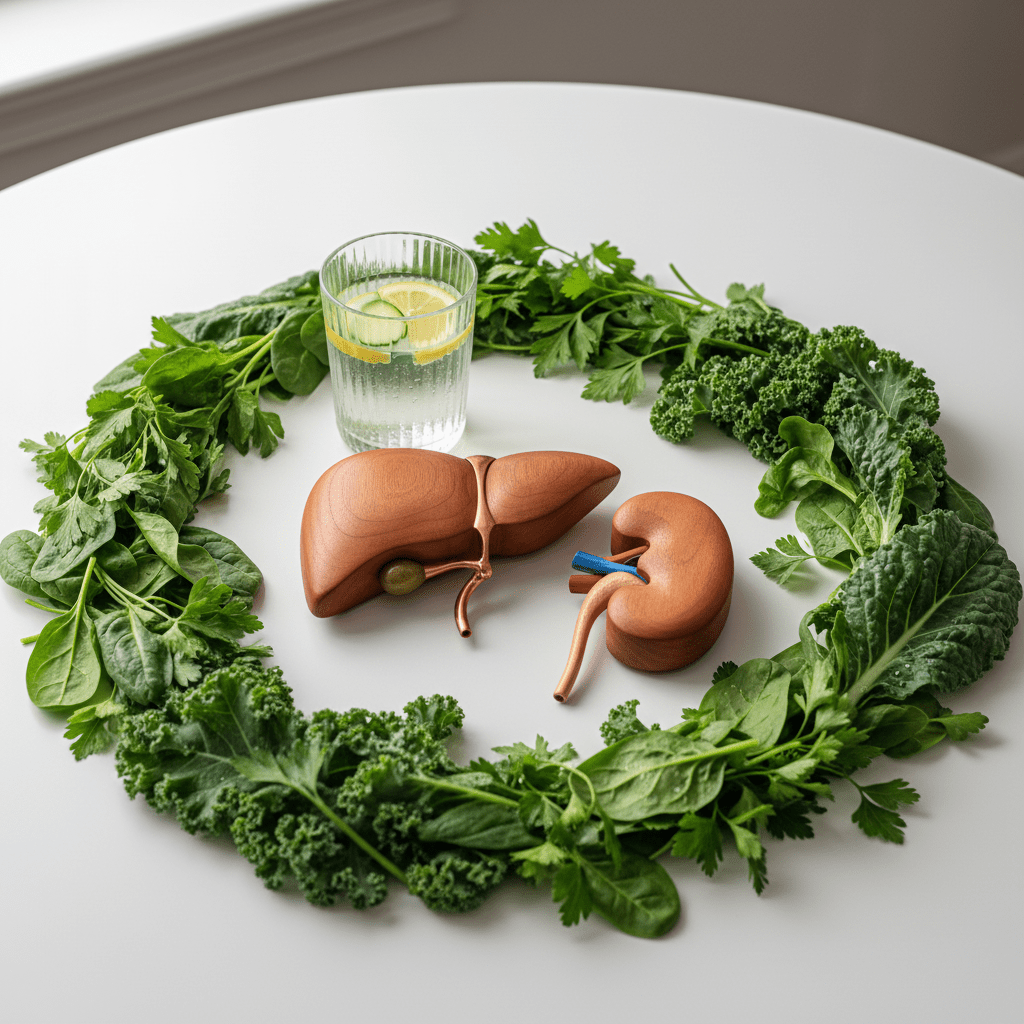
You know that sluggish, heavy feeling after a week of takeout and too little sleep? A lot of people call that “toxin overload.” The phrase gets tossed around a ton, but the body already has its own cleanup crew. Your liver, kidneys, skin, and gut work all day to filter out waste and move it out.
That’s the real meaning of detoxification. Not juice fads. Not a 3-day cleanse from a flashy ad.
Here’s the thing though: modern life can put extra pressure on those systems. Pollution, processed foods, alcohol, some meds, and daily stress can all add to the load. Scientists often call these outside chemicals xenobiotics. And if the body’s cleanup paths get out of sync, you may feel it in plain old human ways. Fatigue. Brain fog. Skin flare-ups. Bloating. Sluggish digestion. That foggy, “why do I feel off?” kind of day.
Actually, wait, there’s a better way to think about it. Not “my body is full of toxins,” but “my body may need more support than it’s getting.” Big difference.
The liver does most of the heavy lifting in two steps. Phase I breaks down compounds. Phase II helps package them so they can leave through urine, bile, or stool. When that balance gets thrown off, waste can stick around longer than you’d like. That’s one reason people look for natural liver support and Ayurvedic detox methods like amla oil for detoxification and other plant-based helpers.
Amla has a long wellness history too. In Ayurveda, it’s been used for generations as a rasayana herb, which is a fancy way of saying it’s prized for daily vitality and balance. If you’re shopping for cold-pressed amla oil or trying to figure out what is amla seed oil, that old wisdom is part of the story.
So if your energy feels low and your skin looks tired, you’re not imagining it. But the fix usually starts with the basics: less junk, better sleep, steady hydration, and ingredients that support the body’s own work. That’s where amla seed oil benefits start to get interesting.
What is Amla Seed Oil? Distinguishing the Seed from the Fruit
Ever opened a bottle that said “amla oil” and thought, wait… what am I actually using here? You’re not alone. The name gets used in a few different ways, and that’s where a lot of the confusion starts.
Amla, or Phyllanthus emblica, has been part of Ayurvedic care for a very long time. In old texts like the Charaka Samhita and Sushruta Samhita, it’s treated like a rasayana herb, which means it’s valued as a daily rejuvenator. Not a trendy fad. More like an old friend people kept coming back to.
That history matters, because amla seed oil benefits don’t come from hype alone. They come from what’s inside the seed itself.
Here’s the big difference: amla fruit oil is usually made by soaking amla fruit or pulp in another oil, like sesame or coconut. So the final bottle still acts a lot like the base oil. But true amla seed oil, or Phyllanthus emblica seed oil, is cold-pressed straight from the seeds. No fruit mash. No carrier oil doing the heavy lifting. Just the seed, pressed into oil.
And that seed has its own makeup. It’s rich in fats like linoleic acid and oleic acid, plus vitamin E compounds and plant sterols. The fruit, on the other hand, is known more for vitamin C and tannins. Different parts. Different strengths. Different jobs.
That’s why cold-pressed amla oil is usually talked about as a more focused ingredient for natural liver support, skin care, and other Ayurvedic detox methods. It’s not a juice. It’s not a fruit extract. It’s a distinct oil with its own profile.
| Part of Amla | Main Features | What It’s Known For |
|---|---|---|
| Fruit pulp | High vitamin C, tannins, polyphenols | Antioxidant support, digestion, classic amla remedies |
| Seed oil | Fatty acids, tocopherols, plant sterols | Skin care, barrier support, focused oil use |
| Fruit-infused oil | Carrier oil plus some fruit compounds | Mixed-purpose oil, but not true seed oil |
So if you’ve been asking, what is amla seed oil, the short answer is this: it’s the oil pressed from the seed, not the fruit. And that little detail changes a lot. Especially if you’re shopping for amla oil for detoxification or trying to spot a real cold-pressed amla oil product instead of a blended one.
And for brands like Aroma Monk, this is where clean sourcing and lab-tested purity really matter. If you’re buying oils for skincare, wellness blends, or bulk product lines, the difference between seed oil and fruit-infused oil isn’t small. It’s the whole story.
The Science of Detox: How Amla Seed Oil Benefits Your Body’s Cleansing Processes
You ever have one of those weeks where your body feels like it’s working overtime, but your brain got left at the office? Yeah. That dragged-out, heavy feeling is part of why detox products keep getting so much attention. The global detox drinks market hit USD 5.96 billion in 2025, and that tells us people are looking for help, not just hype.
But the body already has a cleanup team. And amla seed oil fits into that story in a pretty practical way.
Amla oil for detoxification is mostly about support, not magic. The seed oil from Phyllanthus emblica brings antioxidants like polyphenols, flavonoids, and vitamin E compounds that help calm oxidative stress. During normal detox work, your liver makes a lot of reactive byproducts. Those can act like tiny sparks in the body if they pile up. Antioxidants help mop up those sparks before they cause more trouble.
That matters because detox pathways run in steps. Phase I breaks down outside chemicals. Phase II helps package them for removal. If Phase I gets ahead of Phase II, reactive bits can stick around and stir up inflammation. That’s where natural liver support comes in. Studies on Phyllanthus emblica point to hepatoprotective effects, which means it may help protect liver cells and support healthier enzyme activity. In plain language: it may help your liver do its job with less wear and tear. Nice, right?
And here’s the part I like most. Amla seed oil benefits don’t stop at the liver. Its fatty acids and plant compounds may help lower inflammation at the cell level, which is a big deal for waste handling. When cells are calmer, the body tends to move waste out more smoothly. Not flashy. Just useful.
What the antioxidants are doing
Think of antioxidants like bodyguards.
- Polyphenols help neutralize free radicals
- Flavonoids support cell protection
- Vitamin E compounds help guard fats in cell walls
That combo can help the body deal with stress from pollution, alcohol, processed foods, and daily strain. It’s not a free pass for bad habits, of course. But it can be part of a smarter routine.
Why the liver part gets so much attention
The liver handles a ton of detox work every day. Research on amla has linked it to lower markers of liver stress and better antioxidant activity in the liver. That’s why people talk about amla oil for detoxification and natural liver support in the same breath.
Here’s the thing though. Most of the stronger evidence is from extracts and lab studies, not big human trials on seed oil alone. So if you’re shopping for cold-pressed amla oil, it’s smart to treat it as a supportive ingredient, not a cure-all.
Amla and cellular health
Healthy cells clear waste better. Simple as that.
When oxidative stress drops, inflammation often cools off too. And when that happens, the body can keep moving toxins, waste, and old cell junk through the normal channels more smoothly. That’s one reason amla oil keeps showing up in Ayurvedic detox methods and skin care blends.
If you’re a brand owner or product maker, this is also where source quality matters a lot. A pure, lab-tested oil with clear sourcing is a better fit for wellness formulas than some mystery blend from a random label with fancy green leaves on it. If you need bulk ingredients for skincare, aromatherapy, or natural wellness products, Aroma Monk’s focus on certified, traceable oils makes that sourcing part a lot less stressful.
And if you’re just trying to figure out how to use amla seed oil, start by checking the label, the press method, and the lab report. Those three things tell you way more than a pretty bottle ever would.
Get a quote from Aroma Monk.
Essential Oil Supplier – Bulk pricing • Samples • Fast response
Beyond Detox: The Full Spectrum of Amla Seed Oil Benefits
You know that moment when your skin looks tired, your hair feels flat, and your body just wants a reset? That’s usually when people start hunting for a fix. And while the detox market is booming, with wellness buyers still reaching for cleanse-style products, the real story with amla seed oil benefits goes way beyond a short-term reset.
Amla has been used in Ayurveda for ages as a rasayana herb, which means it’s tied to daily vitality, balance, and long-term care. That old idea still matters now. Because when people ask what is amla seed oil really good for, the answer is not just amla oil for detoxification. It’s also amla oil for skin health, hair care, and immune support.
Skin care: glow, calm, and protect
Amla seed oil is packed with fatty acids and vitamin E compounds, which makes it a nice fit for dry or stressed skin. But here’s the part people really want to know: can it help with acne, dark spots, and dullness? It can be part of that story.
Its antioxidants may help calm the kind of oxidative stress that shows up after too much sun, pollution, or just plain life. Topical antioxidants are known to help with skin protection, support collagen synthesis, and reduce the look of photoaging. That means amla oil for skin health may help skin feel smoother and look a bit more even over time.
It may also help with acne-prone skin by supporting a cleaner-feeling skin barrier. Plus, the plant compounds in Phyllanthus emblica seed oil are often linked to a more even tone, so it gets attention for reducing hyperpigmentation too. Not a miracle. Just useful support.
Hair care: shine, strength, and less breakage
If you’ve ever rubbed oil into your scalp and hoped for magic, you’re in good company. People have used amla for hair for generations.
Traditionally, it’s known for helping strengthen follicles, which can mean less breakage and a fuller feel. Some early research also points to support for pigment pathways, which is why amla gets mentioned in talks about premature graying. Will it reverse gray hair overnight? No way. But as a topical part of a hair routine, it may help hair look shinier and healthier.
Here’s a quick look at how people use it:
| Use Area | What People Look For | How It’s Usually Used |
|---|---|---|
| Skin | Glow, calm skin, even tone | Mixed with a carrier oil or in skincare blends |
| Hair | Shine, scalp care, less breakage | Scalp massage before washing |
| Wellness | Supportive antioxidant care | Used in carefully made blends |
Immune support: the quiet perk
This part gets less attention, but it matters. Amla is known for its antioxidant punch, and the fruit is famous for vitamin C. The seed oil itself doesn’t carry the fruit’s vitamin C in the same way, but it still fits into the bigger amla story of daily wellness support.
Antioxidants help the body deal with stress from the environment, poor sleep, and all the usual stuff that wears us down. So while amla seed oil won’t replace good food or sleep, it can be part of a steadier routine that supports the body’s natural defenses.
And if you’re buying for a brand, the quality piece matters a lot. Aroma Monk’s lab-tested, traceable oils are a smart fit for skincare lines, hair blends, and wellness products that need purity you can actually trust. If you’re shopping for cold-pressed amla oil, check the label, ask for lab reports, and make sure it’s true seed oil, not a mixed-up fruit infusion.
How to Use Amla Seed Oil: Your Practical Guide to Integration
Ever bought a bottle and then froze up? Same. You want the good stuff, but you also don’t want to guess and hope for the best. So let’s keep this simple.
First, a quick reality check. For internal use, there’s no standard clinical dose for amla seed oil yet, so start small and be cautious. If you’re trying amla oil for detoxification as part of a gentle routine, a common starting point is 1 to 2 drops mixed into food or a smoothie, once a day. If your body handles that well, some people slowly move up to 1/4 teaspoon. But don’t rush it. Take it with food, not on an empty stomach. That tends to sit better.
Here’s a simple way to think about it:
| Use | Easy Starting Point | Best Practice |
|---|---|---|
| Internal use | 1 to 2 drops | Mix with food or a smoothie |
| Slightly higher starter | 1/4 teaspoon | Take with meals |
| Skin use | 1 to 2 drops | Blend with moisturizer |
| Hair use | 1 teaspoon | Massage into scalp, then rinse |
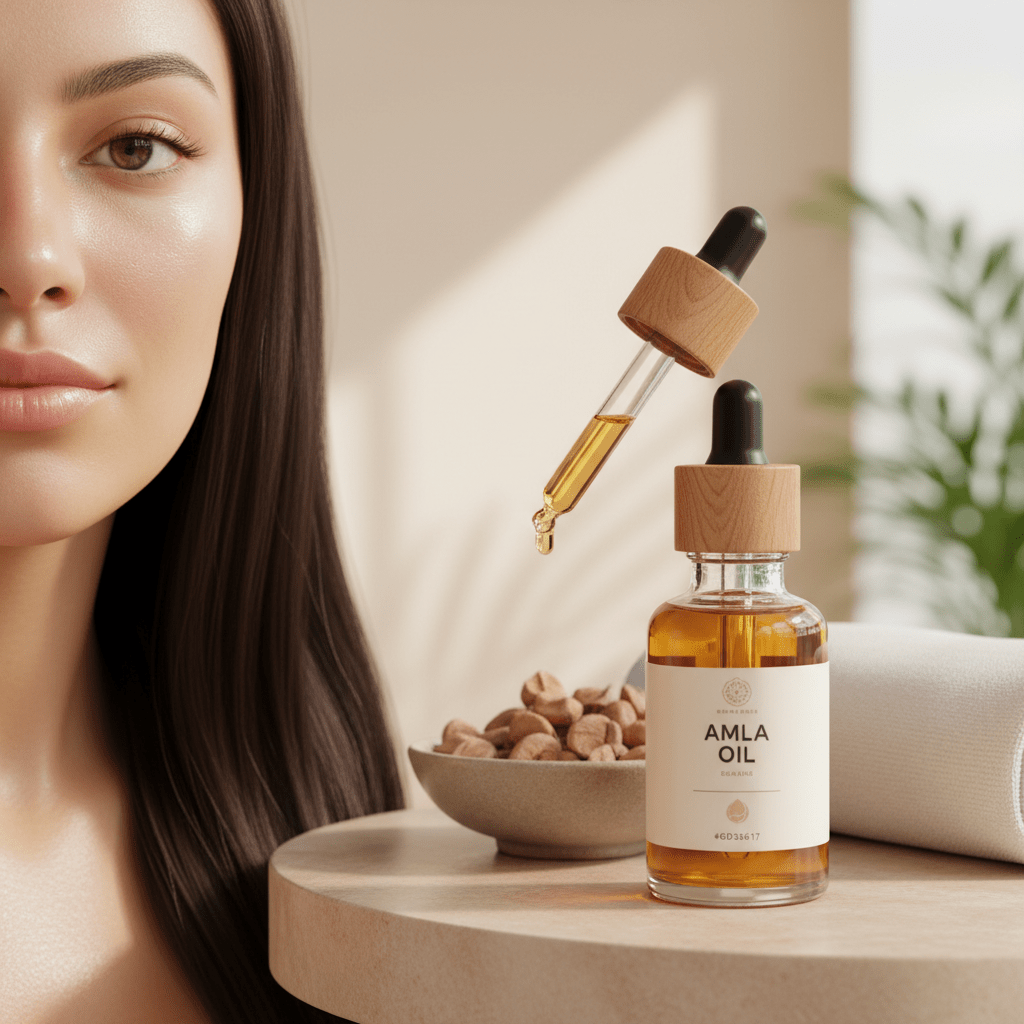
For amla oil for skin health, use it like a light serum. Put a drop or two in your hands, mix it with your usual moisturizer, and apply it after cleansing. If your skin is dry or dull, this can feel like a nice little reset. But patch test first. Always. Skin can be picky.
For hair, how to use amla seed oil is pretty easy. Massage it into your scalp, let it sit for 20 to 30 minutes, then wash it out. Or use it as an oil rinse on the ends if your hair gets frizzy. Some people like to warm it slightly, but keep it gentle. No frying your scalp, please.
And if you want to pair it smartly, think support, not overload. Milk thistle often gets used for extra natural liver support, while turmeric is a common match for its anti-inflammatory feel. That combo fits well with Ayurvedic detox methods and a steady wellness routine. I’d keep it simple at first, though. Too many new supplements at once gets messy fast.
If you’re buying cold-pressed amla oil, look for purity, batch info, and third-party testing. And if you’re a brand or bulk buyer, Aroma Monk’s lab-tested oils can make sourcing a lot easier. Clean input. Better peace of mind.
No drama. Just a steady routine that gives your body a little backup.
A Buyer’s Guide: How to Choose a High-Quality Amla Seed Oil
Ever grab a bottle and think, “Wait… is this the real thing?” Yeah, that little pause matters more than people think. With amla seed oil benefits getting more attention, the shelf is getting crowded fast. And not every bottle is worth your money.
Start with the label. You want to see cold-pressed and unrefined. Those words usually mean the oil was made with less heat and less processing, so more of its natural goodness stays put. If the label says “refined,” “deodorized,” or “bleached,” I’d pass.
A good bottle should also say 100% Phyllanthus emblica seed oil or 100% amla seed oil. No hidden fillers. No mystery blends. No fancy fragrance added just to smell nice. That stuff can muddy the real product fast.
Here’s a quick cheat sheet:
| What to Look For | Why It Matters |
|---|---|
| Cold-pressed | Helps keep the oil closer to its natural state |
| Unrefined | Less processing, fewer lost plant compounds |
| Certified organic | Helps lower pesticide exposure |
| India origin | India is the main source for amla |
| Dark glass bottle | Protects the oil from light and oxidation |
| Clear batch info | Makes traceability easier |
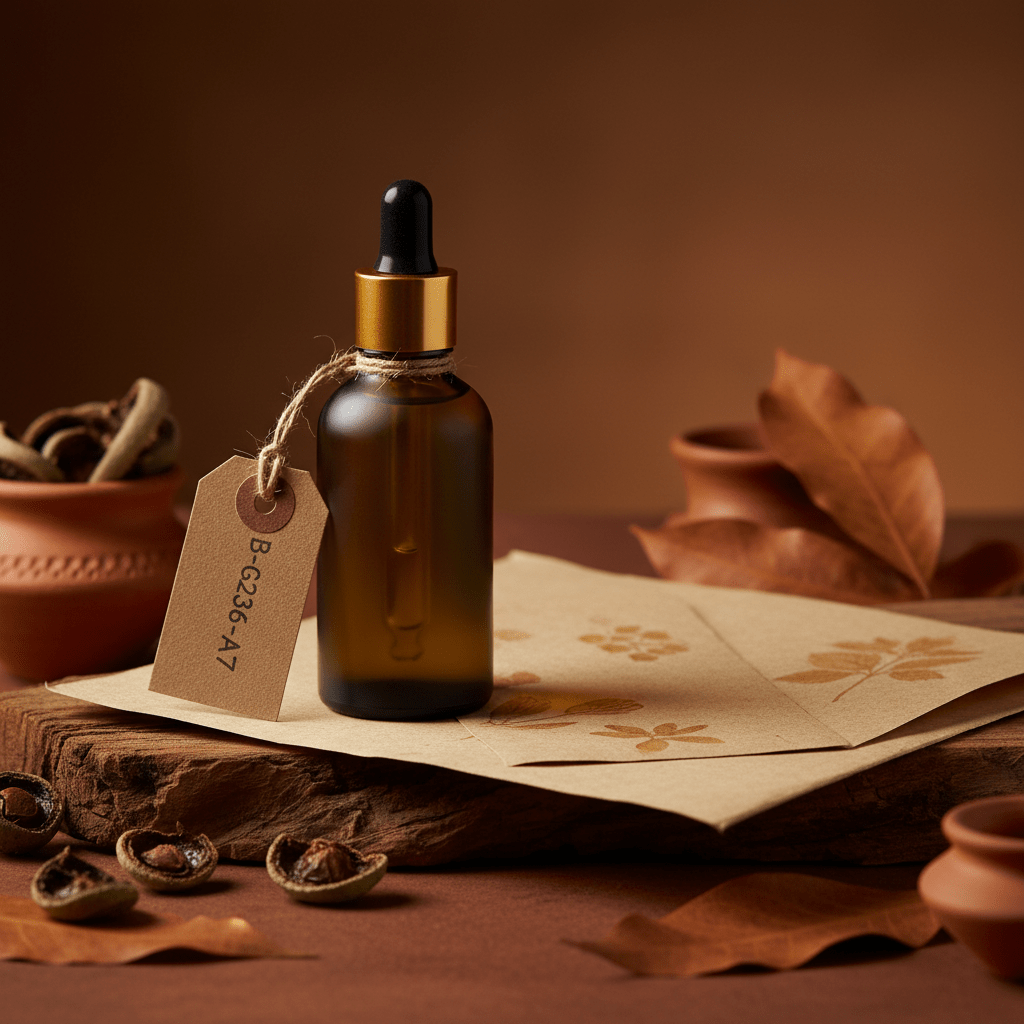
Also, check the smell and color. Real cold-pressed amla oil is usually light golden or yellow with an earthy, nutty scent. If it smells like perfume or has no smell at all, that’s a red flag. And yes, packaging matters. A dark glass bottle is better than clear plastic, because light can wear the oil down over time.
If you’re buying for skin care, wellness products, or bulk supply, look for a supplier with lab reports and clear sourcing. Aroma Monk, for example, focuses on traceable, lab-tested oils for brands that care about purity and consistency. That kind of sourcing makes a lot of sense if you’re building products people trust.
One more thing. Check the ingredient list like a hawk. If you see palm oil, mineral oil, synthetic fragrance, or a long list of fillers, keep moving. True cold-pressed amla oil should be simple. Clean. Honest.
And that’s really the point. Better labels usually mean better oil. Not always, but usually. So if you’re shopping for amla oil for detoxification, amla oil for skin health, or just a solid natural ingredient, the label tells you a lot before you even open the cap.
Embrace Holistic Wellness with Amla Seed Oil
Amla seed oil isn’t a magic fix. And that’s kind of the point.
It works best as a steady helper, not a one-day cleanse. Used the right way, amla seed oil benefits can support the body’s natural detox paths, especially the liver, while also giving your skin, hair, and daily wellness routine a little backup. That’s why people keep asking what is amla seed oil and how it fits into Ayurvedic detox methods. It’s not just hype. It’s a real plant oil with a long history and a lot to offer.
Amla has been part of healing traditions for ages, and Phyllanthus emblica seed oil carries that same old-school wisdom in a more focused form. Think natural liver support, softer skin, stronger-looking hair, and a calmer routine that you can actually stick with. Not flashy. Just useful.
If you’re trying amla oil for detoxification, start small and stay patient. Pick true cold-pressed amla oil, use it with care, and let it be part of the bigger picture: sleep, food, water, movement, and less junk. That’s the real work. The oil just helps hold the line.
And if you make products, choose suppliers that back up purity with lab tests and traceable sourcing. For brands that need clean, bulk-ready ingredients, Aroma Monk is built for that kind of trust.
So maybe don’t look at amla seed oil like a quick cleanse in a bottle. Look at it like a long-term partner. Quiet. Steady. Pretty powerful when you give it time.
Get a quote from Aroma Monk.
Essential Oil Supplier – Bulk pricing • Samples • Fast response