
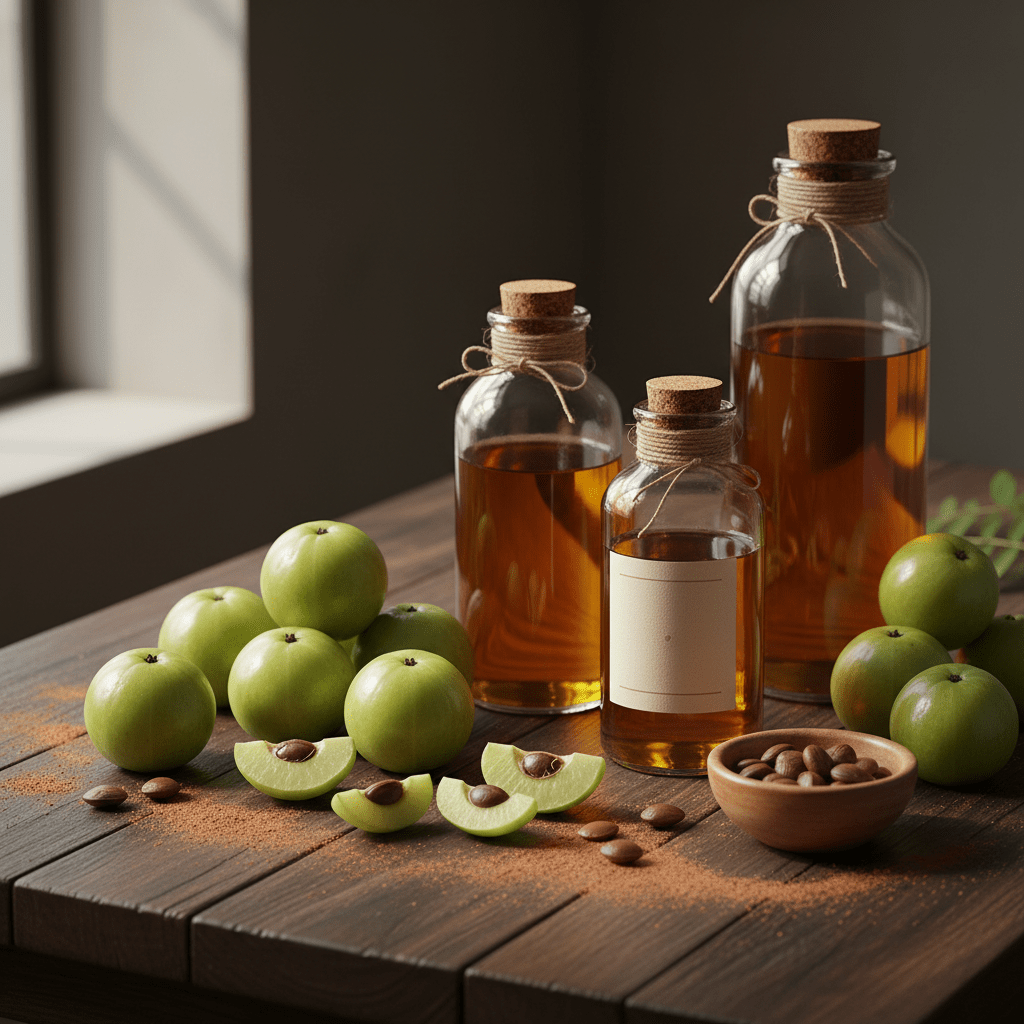
Rediscovering an Ancient Treasure: Why Amla Seed Oil is Making a Comeback
Ever notice how so many people are going back to old-school beauty care? Not the fancy stuff with a mile-long label. I mean the simple stuff. Oils. Herbs. Fruit extracts. The kind your grandma might’ve trusted without blinking.
That shift makes sense. The natural and organic beauty market was valued at USD 31.84 billion in 2023 and is set to keep growing as more people look for gentler hair and skin care. A big reason is plain and simple: folks are tired of harsh formulas, skin flare-ups, and hair products that promise a lot but don’t always feel kind to the body. You can read more in this market report on the natural and organic cosmetics market.
And that’s where amla seed oil starts getting attention again.
Amla, also called Indian gooseberry, has been praised in Ayurveda for ages. In old texts, it’s known as a Rasayana, which means a rejuvenating herb. The Charaka Samhita even calls Amalaki age-sustaining, eye-friendly, and good for all three doshas, especially Pitta. That’s a pretty big deal for one little fruit.
But wait, there’s a small twist. A lot of people say “amla oil” when they mean fruit-infused oil. Amla seed oil is a newer, cold-pressed product made from the seeds of Phyllanthus emblica. In this article, we’ll sort out the difference, look at the traditional uses of amla, and see how this oil fits into modern hair and skin care. We’ll also touch on amla oil benefits, amla oil for hair growth, amla for skin, and even amla oil for grey hair. Pretty handy, right?
If you’re shopping for natural ingredients for your own line, this matters even more. A true, lab-tested oil can make a real difference in quality and trust. And if you’re building hair or skin products, suppliers like Aroma Monk can help with pure oils, bulk supply, and private-label needs.
What Exactly is Amla Seed Oil? The Gold Pressed from the ‘Indian Gooseberry’
You know that moment when a product label sounds familiar, but it’s actually doing two different jobs? That’s amla oil in a nutshell. People often say “amla oil” for any oil tied to amla, but there’s a real split here.
Amla seed oil is the true cold-pressed oil made from the seeds of Phyllanthus emblica, also called Indian gooseberry. That’s different from the more common amla-infused oil, where dried fruit is soaked into a carrier oil like sesame or coconut. One is seed-based and pressed. The other is a fruit infusion. Not the same thing.
And that difference matters.
Cold-pressed Phyllanthus emblica oil has its own fatty acid mix, with about 45% linoleic acid and 28% oleic acid, plus palmitic, stearic, and arachidic acids. In plain words, it brings a rich blend of skin-friendly lipids that help it feel nourishing and smooth on hair and skin. The fruit pulp, on the other hand, is known more for water-soluble vitamin C and plant compounds. So the seed oil and the fruit are cousins, not twins.
Here’s a quick side-by-side look:
| Type | What it is | Main source | Common use |
|---|---|---|---|
| Amla infused oil | Fruit soaked in carrier oil | Dried amla fruit | Hair massage, scalp care |
| Amla seed oil | Cold-pressed from seeds | Seeds of Indian gooseberry | Hair, skin, cosmetic blends |
Actually, wait, there’s a bigger story here too. In Ayurveda, amla has long been called a Rasayana, or rejuvenating herb. The Charaka Samhita describes Amalaki as age-sustaining, eye-friendly, and a tridoshic herb that helps balance all three doshas, with a strong cooling effect on Pitta, the dosha linked with heat and irritation. That old Ayurvedic idea still pulls a lot of attention today, especially for people looking for an ayurvedic hair oil or a gentle oil for skin that feels hot, dry, or tired.
Maybe that’s why amla seed oil keeps showing up in modern hair and skin care chats. People want ingredients that feel clean, steady, and rooted in something older than last month’s trend. And if you’re a brand or maker, a pure, lab-tested oil can help you build trust from the start. That’s where suppliers like Aroma Monk fit in, especially for bulk sourcing and private-label work.
Amla seed oil isn’t a magic fix. But it does have a strong story, a unique fatty acid profile, and a place in both old wisdom and new product lines. Not bad for one small seed.
The Crown Jewel: Amla Seed Oil’s Role in Traditional Hair Care

You know that feeling when your hair just looks tired? Flat roots. Dry ends. A scalp that feels itchy by noon. Yeah, that one.
That’s one reason amla seed oil keeps getting attention in old and new hair care talks. People want a hair oil that does more than sit there looking pretty on a shelf. They want something that feels like it’s doing a job.
In Ayurveda, head oil massage is called Shiroabhyanga. It’s a warm oil massage for the scalp and hair, and it’s been used for ages to support calm, comfort, and hair health. Amla fits right into that tradition because it’s seen as a cooling, nourishing herb. And in modern use, people still reach for it as an ayurvedic hair oil for dry scalp, breakage, and slow-growing hair.
Some studies back up the buzz. Amla has shown hair-growth activity in lab and animal research, and one study found amla fruit extract helped activate genes tied to hair growth at a level that was compared with 1% minoxidil in early testing. Another preclinical study found amla oil at 7 to 8 percent helped speed up hair growth in rabbits. So when people talk about amla oil for hair growth, it’s not just folk wisdom floating around. There’s some real science behind the chatter.
And then there’s the gray hair conversation. In Ayurveda, premature graying is called Akala Palitya. Traditional users often turn to amla oil for grey hair because it’s thought to nourish the hair roots, support pigment, and calm heat in the body. Amla is also rich in antioxidants, which may help fight oxidative stress at the root level. That matters, since stress and free-radical damage can wear hair down over time. Not overnight. But bit by bit.
Here’s the simple version:
| Traditional use | Why people use it |
|---|---|
| Shiroabhyanga | Helps the scalp feel relaxed and nourished |
| Amla oil for hair growth | Supports follicles and scalp circulation |
| Amla oil for grey hair | Used in old care routines for early graying |
| Dry scalp and dandruff care | May help with flaking, itch, and roughness |
But wait, there’s more. Amla also shows promise for scalp comfort. Its plant compounds have antimicrobial and anti-inflammatory activity, which is why some people use it on dandruff-prone or dry scalps. If your scalp feels cranky, this kind of oil can be part of a gentler routine. Warm a small amount, rub it in slowly, and give it time. That’s the old-school part. And honestly, it still makes sense.
The best way to use amla oil? Actually, scratch that. The better question is how you use it consistently. Try a warm scalp massage before wash day, leave it on for 30 to 60 minutes, and see how your hair feels after a few uses. If you’re a brand making hair products, this is also where a clean, lab-tested oil matters. Aroma Monk’s bulk oils and private-label support can help if you want to build a hair line around pure, traceable ingredients.
Amla seed oil isn’t a miracle in a bottle. But for people who want a traditional hair oil with a real backstory, it’s a strong pick. Smooth. Simple. Rooted in care.
Get a quote from Aroma Monk.
Essential Oil Supplier – Bulk pricing • Samples • Fast response
A Traditional Elixir for Radiant Skin and Anti-Aging
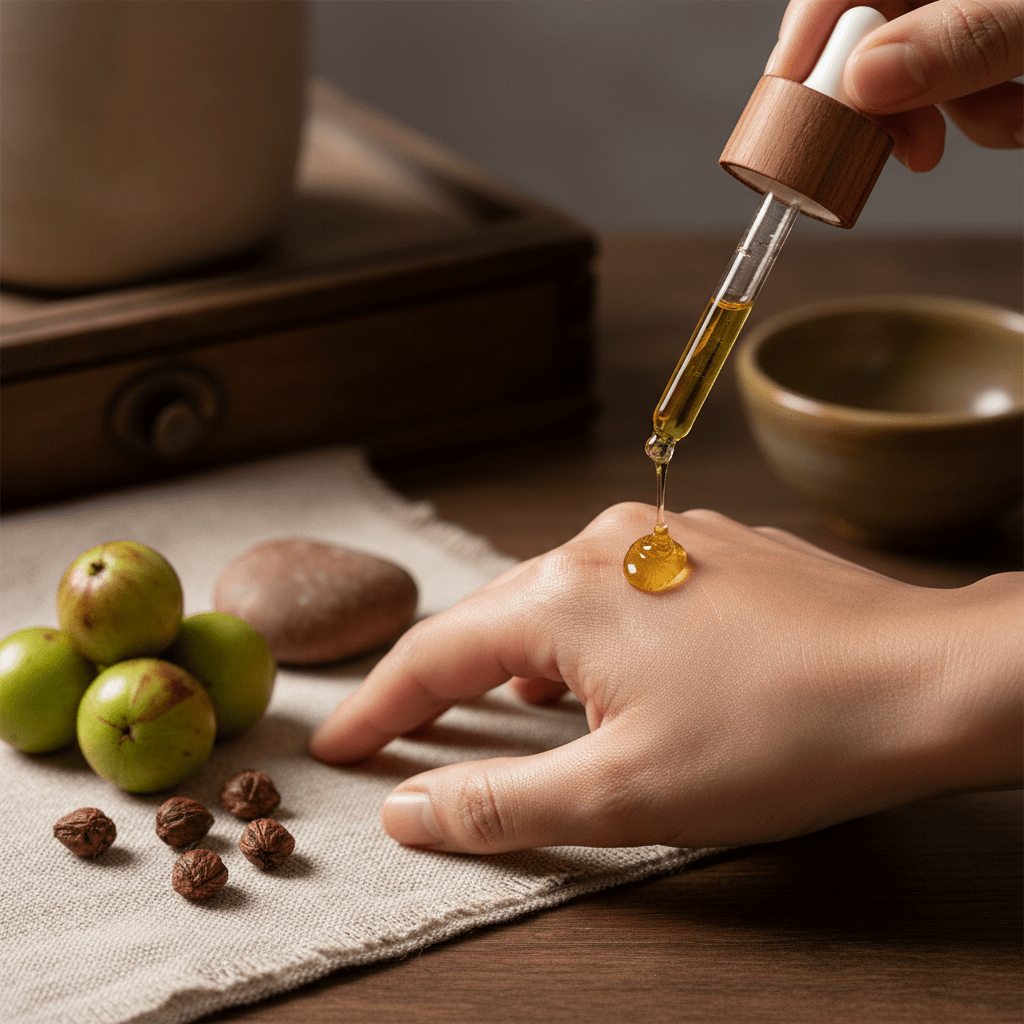
Ever rub something on your face and think, “OK… why does this feel like it actually gets me”? That’s the draw with amla seed oil for a lot of people. It’s old. It’s simple. And it fits right into the fresh wave of people swapping harsh beauty stuff for plant-based care.
That shift isn’t small. The natural and organic cosmetics market was valued at USD 31.84 billion in 2023, and people keep moving toward gentler skin and hair care because of sensitivity, allergies, and worries about synthetic ingredients market growth data. So when folks look for amla for skin, they’re usually after something that feels calm, clean, and time-tested.
Amla has a strong place in Ayurveda for skin care. It’s called Rasayana, which means a rejuvenating herb, and the Charaka Samhita describes Amalaki as age-sustaining, eye-friendly, and balancing for all three doshas, with a strong cooling effect on Pitta classical Amalaki notes. In plain words, it was seen as a helper for skin that gets hot, dry, dull, or easily irritated.
And that old belief still lines up with some modern lab work. Amla fruit extract has been shown to support procollagen production in human skin cells and reduce collagen breakdown. That matters because collagen is what helps skin stay firm and bouncy. Not perfect forever. Just firmer, smoother, and less tired-looking over time.
Here’s the simple way people talk about the amla oil benefits for skin:
| Traditional skin use | Why people reach for it |
|---|---|
| Dry, rough skin | Helps skin feel softer and less tight |
| Early signs of aging | Used for firmness and a fresher look |
| Red, irritated skin | Traditionally used to calm heat and discomfort |
| Daily skin care | Adds a nourishing oil layer |
Amla is also rich in antioxidants, which is why it’s often linked with protection from everyday environmental stress. Sun, dust, pollution, long workdays, too little sleep… your skin deals with a lot. So people have long used Indian gooseberry oil in face and body care routines to help the skin feel more defended and less worn down.
But wait, there’s another part people love. In traditional care, amla is also used for dry, itchy, or inflamed skin. Some people turn to it for eczema-like dryness, psoriasis-prone patches, or plain old irritation. Now, I’m not saying it fixes everything. It doesn’t. But in a gentle routine, Phyllanthus emblica oil can be one more soothing step, especially when the skin just needs a break.
If you’re wondering how to use amla oil, think light and simple. Use a few drops on damp skin, or blend it into a body oil or face oil mix. Patch test first. Always. And if you’re a brand looking to build a skin line with clean, traceable ingredients, that’s where a lab-tested source like Aroma Monk can help with bulk supply and private-label support.
Amla seed oil isn’t magic. But for skin that feels stressed, dry, or a little older than yesterday, it has a gentle kind of charm. And honestly, that still goes a long way.
Beyond Beauty: Internal Uses in Traditional Systems of Medicine
Ever hear a beauty ingredient get promoted like it can do everything except fold laundry? Amla gets close. But this part is not about hair masks or face oils. It’s about how amla seed oil sits next to a much older story about taking amla inside the body.
In Ayurveda, amla has long been used as a digestive helper. People say it kindles Agni, or digestive fire, without making Pitta flare up. That means it was often used for weak appetite, acidity, bloating, and slow digestion, especially when the body felt too hot or irritated. The idea was simple. Help food move well. Help nutrients get used better. Not a flashy promise. Just steady support.
And because amla is seen as a Rasayana, it’s also used as a body tonic. Small amounts of the fruit have traditionally been taken to support strength, recovery, and natural defense. Some people still use it in Chyawanprash, powders, or simple mixes with honey and ghee. Old-school? Sure. But a lot of people still like that kind of routine.
Here’s a quick look at the traditional uses:
| Traditional use | What people believed it did |
|---|---|
| Digestion support | Helped awaken Agni and ease acidity |
| Rasayana tonic | Supported strength and body repair |
| Immunity support | Helped the body stay resilient |
| Heart care | Supported healthy blood flow and vessels |
Amla also has a place in traditional heart care. It was believed to support healthy cholesterol levels and help keep blood vessels strong. That doesn’t mean it replaces medical care. It doesn’t. But it does explain why amla shows up so often in old wellness routines, especially for people who wanted a gentle daily herb instead of a harsh fix.
The thing is, this is where people get mixed up. These are traditional uses of amla fruit and fruit-based preparations. They are not a green light to swallow oils.
These are traditional uses. Never ingest essential or seed oils without consulting a qualified healthcare practitioner.
That line matters a lot. Amla seed oil is mostly discussed for cosmetic and topical use today. If you’re curious about internal use, talk to a trained practitioner first. No guessing. No internet heroics.
So yes, amla has a deep place in digestive, immune, and heart-centered traditions. And that old wisdom still shapes how people think about the fruit today. For brands, formulators, and wellness buyers, it’s another reason pure, lab-tested sourcing matters. Aroma Monk’s bulk supply model can help when you need trustworthy ingredients for product lines that stay true to the source.
From Ancient Ritual to Modern Routine: How to Use Amla Seed Oil Effectively
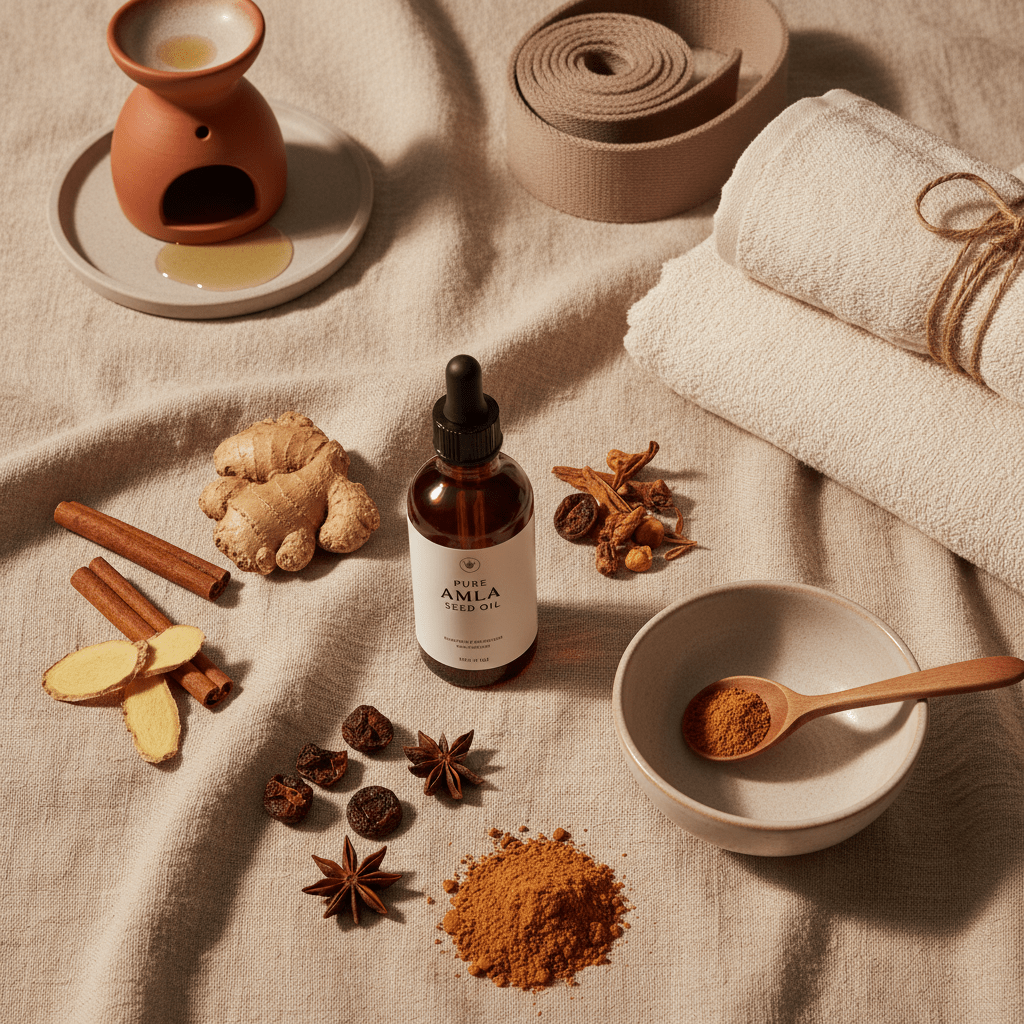
You know that little thrill when a product label actually makes sense? That’s rare. But with amla seed oil, it gets easier once you know what to look for.
Start with the label. Real amla seed oil should say cold-pressed, unrefined, from seed, and preferably organic. If it just says amla oil, pause for a second. It might be a fruit infusion, not true Phyllanthus emblica oil. Also look for the botanical name, Phyllanthus emblica or Emblica officinalis, and a note that it’s 100% pure with no fillers. That matters a lot, especially if you’re buying for hair or skin care. And yes, lab-tested is a nice bonus.
Here’s the deal: people are leaning hard toward plant-based care. The natural and organic cosmetics market was valued at USD 31.84 billion in 2023, and one big reason is that folks are tired of chemical sensitivity, skin flare-ups, and hair products that feel too harsh market data. So if you want the real thing, don’t grab the first bottle with a pretty leaf on it.
Simple hair treatment with amla seed oil
- Warm 1 to 2 tablespoons in your palms or set the bottle in warm water for a few minutes.
- Part your hair in small sections.
- Massage the oil into your scalp with your fingertips for 5 to 10 minutes.
- Pull the rest through the lengths, especially dry ends.
- Leave it on for 30 to 60 minutes. Overnight works for some people, but not everyone loves that greasy pillow life.
- Wash with a gentle shampoo.
That warm massage is close to the old Ayurvedic practice of Shiroabhyanga, and it’s one reason people still use this as an ayurvedic hair oil. Slow hands. Steady pressure. No rush.
Want two easy DIY ideas? Here they are:
| DIY idea | What to mix | How to use |
|---|---|---|
| Strengthening hair mask | 2 tbsp amla seed oil, 3 tbsp yogurt, 1 tsp hibiscus powder | Apply to scalp and hair for 20 to 30 minutes, then rinse well |
| Night facial serum | 2 drops amla seed oil, 4 drops jojoba oil | Pat onto damp skin before bed |
The hair mask works well for people who want a richer amla oil for hair growth routine without making it fancy. Yogurt feels cool. Hibiscus adds a soft, plant-based boost. And the facial mix is even simpler. Jojoba is light, so it helps the oil spread without feeling too heavy on the face.
If you’re a brand making hair or skin products, this is where supply quality really shows. A pure, traceable oil from a supplier like Aroma Monk can help you build products people trust, whether you’re creating a scalp oil, a serum, or a clean beauty blend.
Amla seed oil isn’t hard to use. It just asks for the right bottle, a little warmth, and a bit of patience. Funny how the old ways still make the most sense.
Embrace the Wisdom: Integrating Amla Seed Oil into Your Wellness Journey
A little oil can tell a big story.
That’s what makes amla seed oil so interesting. It brings together old Ayurvedic care and the kind of simple routines people want right now. Hair, skin, and even the larger idea of daily balance… it all fits.
In traditional Ayurveda, Amalaki is praised as a Rasayana, a rejuvenating herb, and the Charaka Samhita describes it as age-sustaining, eye-friendly, and kind to all three doshas, especially Pitta classical Amalaki notes. Today, that same gentle, cooling idea is part of why people reach for Indian gooseberry oil in hair and skin care. Plus, the natural and organic beauty market was valued at USD 31.84 billion in 2023, which says a lot about how many people are moving toward plant-based care market growth data.
So what does that mean for you? It means amla oil benefits can show up in small, real ways. A weekly scalp massage. A few drops in a moisturizer. A softer feel on dry skin. A calmer hair routine. Nothing flashy. Just steady care.
| Simple use | Easy habit |
|---|---|
| Hair care | Warm oil and massage once a week |
| Skin care | Add 1 to 2 drops to moisturizer |
| Dry scalp | Use before wash day |
| Product making | Choose pure, lab-tested oil |
And if you’re building formulas, purity matters a lot. A true Phyllanthus emblica oil should be clean, tested, and traceable. That’s where a supplier like Aroma Monk can fit in for brands that want bulk supply and private-label support.
Start small. Try one treatment this week. See how your hair or skin feels. Sometimes the oldest ideas are the ones that still work best.
Get a quote from Aroma Monk.
Essential Oil Supplier – Bulk pricing • Samples • Fast response