
Rediscovering a Treasure of Traditional Medicine: The Power of Amla Seed Oil
Ever feel like your hair and skin are sending SOS signals at the same time? Thin strands. Dull cheeks. A little more shedding than you’d like to see in the shower drain. Yeah, we’ve all been there.
That’s one reason more people are turning back to natural beauty care. The natural cosmetics market was valued at $31.84 billion in 2023 and is still climbing, which says a lot about what shoppers want now: simple, plant-based care that feels honest and familiar. Grand View Research on the natural cosmetics market
And amla, also called Indian gooseberry, has been part of Ayurvedic hair care for ages. In old texts, it’s praised as a rasayana, a rejuvenating herb. People have used it for hair fall, scalp care, and skin glow for generations. Still, here’s the twist: what makes the oil from the seed so interesting?
Amla seed oil, or Phyllanthus emblica oil, brings a different profile than fruit-infused oil. It’s rich in fatty acids and is often talked about as a natural anti-aging oil and a helper for amla for skin brightening. Plus, many people look at amla oil for hair first, since that’s the biggest search intent behind it. Hair comes first. Then skin. Then the rest.
So let’s look at what amla seed oil benefits may mean for your daily routine, and why this old-school ingredient still gets attention today.
What is Amla Seed Oil? (And Why It’s Not the Same as Amla Oil)
Ever grabbed a bottle that said “amla oil” and thought, cool, I’ve got the real stuff? Well… not always. A lot of people mix up amla seed oil with regular amla oil, and that’s where things get a little messy.
True cold-pressed amla oil comes from the seeds of Phyllanthus emblica, the fruit also known as Indian gooseberry. The seeds are cleaned, dried, and pressed at low heat so the oil stays closer to its natural form. That makes it a carrier oil, which means it can be used on its own or blended with other oils for hair and skin care.
But most products sold as “amla oil” are actually different. They’re usually made by soaking amla fruit, or amla powder, in a base oil like coconut, sesame, or mineral oil. So you get a herbal blend, not a pure seed oil. Both can have a place in ayurvedic hair care, but they’re not the same thing. Not even close.
| Type | How it’s made | What it usually contains |
|---|---|---|
| Amla seed oil | Cold-pressed from seeds | A purer carrier oil with seed-based fatty acids |
| Amla oil | Amla fruit steeped in another oil | The base oil plus fruit compounds |
That difference matters if you’re looking up amla seed oil benefits for hair or skin. Seed oil has a richer fatty acid profile, with linoleic acid often making up the biggest share, plus oleic acid, palmitic acid, vitamin E, and other plant compounds. Those fats help the oil feel nourishing and smooth on dry hair or skin. And because it’s not diluted the same way an infused oil is, the makeup is a bit more direct.
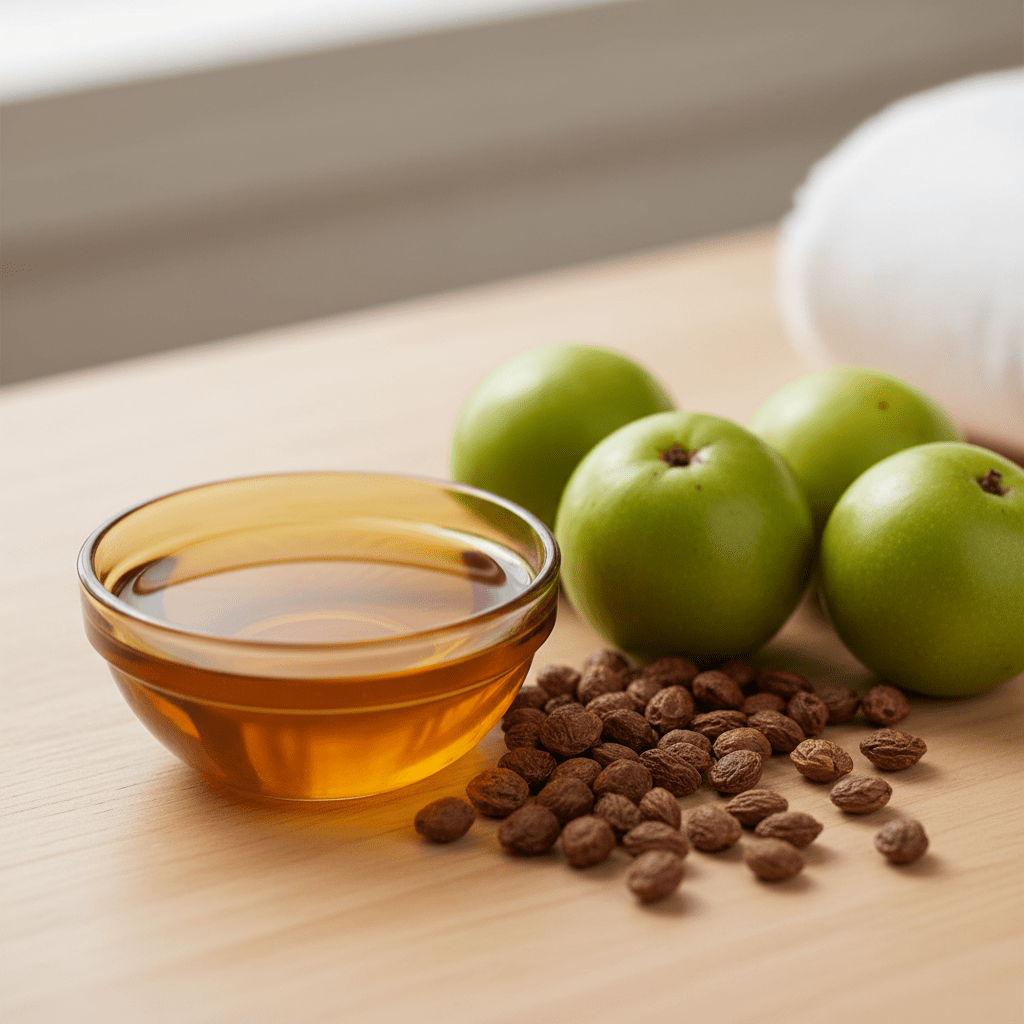
I should say this plainly: phyllanthus emblica oil is often talked about for shine, scalp comfort, and everyday moisturizing, while fruit-infused amla oil is more of a traditional herbal blend. If your goal is simple, clean, plant-based care, the seed oil version is usually the one people mean when they ask about the real thing.
If you want a deeper look at how amla has been used in classic traditional medicine for hair loss, the old texts have plenty to say. One commonly shared line from the Charaka Samhita calls Amalaki one of the best rejuvenating herbs, which is a big reason it still shows up in modern bottles today. And if you’re shopping for bulk oils or ingredient supply for a brand, places like Aroma Monk can help with pure, lab-tested carrier oils and custom blends for hair and skin products.
So when people ask how to use amla seed oil, the first step is just knowing what’s in the bottle. Pure seed oil. Or a blended herbal oil. Tiny detail. Big difference.
The Ayurvedic Heritage: Amla’s Role as a ‘Rasayana’ (Rejuvenator)
You know that weird moment when a “new” trend turns out to be very old? That’s amla for you. People are acting like it just showed up on store shelves, but Ayurveda has been talking about it for ages.
In old Ayurvedic texts, amla, also called Amalaki or Indian gooseberry, is seen as a Rasayana. That’s a fancy way of saying it’s a rejuvenating herb that supports long life and healthy aging. Not magic. Just a deep belief that certain plants help the body stay strong over time.
And here’s where it gets interesting for hair and skin. Amla is also known for calming Pitta, the dosha linked with heat, metabolism, and inflammation. In simple words, when Pitta feels out of balance, people may notice more scalp heat, skin redness, or even early graying. So amla has long been used in ayurvedic hair care to cool things down and support a healthier look overall.
Classic texts like the Charaka Samhita place Amalaki in the Rasayana group and praise it for vitality. It also shows up in traditional medicine for hair loss, where it’s been used for hair growth, scalp comfort, and keeping strands looking darker for longer. That old respect still shapes how people talk about amla oil for hair today.
Here’s the short version:
| Ayurvedic idea | What it means in plain words |
|---|---|
| Rasayana | A herb that supports youth and strength |
| Pitta balance | Helps cool heat and irritation |
| Hair use | Often linked with hair growth and less premature graying |
| Skin use | Often tied to a calmer, clearer look |
I like this part because it connects old wisdom with modern curiosity. People want a natural anti-aging oil, but they also want something with a story. Amla gives them both.
And yes, modern research is starting to catch up. A 2023 trial on PubMed found that oral amla syrup helped improve the hair growth cycle in women with hair loss. That doesn’t mean every oil on the shelf will do the same thing. But it does help explain why amla seed oil benefits keep getting attention in both beauty and wellness.
So when you see phyllanthus emblica oil in a bottle, think beyond a trendy label. You’re looking at an ingredient tied to centuries of use, especially for hair, scalp, and that fresh, healthy glow people have chased for generations.
Get a quote from Aroma Monk.
Essential Oil Supplier – Bulk pricing • Samples • Fast response
Core Benefit 1: A Scientific Look at Amla Seed Oil for Hair Health
You know that moment when your brush starts looking like a tiny crime scene? Yep. That’s usually when people start hunting for amla seed oil benefits.
And hair is the big draw here. Amla seed oil, or Phyllanthus emblica oil, is packed with fatty acids that help coat the hair and scalp. The main one is linoleic acid, which shows up in the oil in a pretty strong share, along with oleic acid and palmitic acid. Those fats can help hair feel softer, less dry, and a little easier to manage after wash day.
That matters because dry hair breaks more easily. When strands lose moisture, you get more snap, more frizz, and more split ends. So a cold-pressed amla oil massage can work like a light shield. Not a miracle. Just a nice bit of support.
Here’s what people usually notice:
| Hair concern | How amla seed oil may help |
|---|---|
| Hair fall from breakage | Helps coat strands and lower friction |
| Dry scalp | Adds moisture and comfort |
| Frizz | Smooths the hair surface |
| Dull hair | Adds a softer shine |
| Split ends | Helps reduce roughness and tangles |
There’s also the antioxidant side. Hair follicles deal with stress every day from heat, pollution, and just plain life. That stress can wear down the cells that help hair grow well and stay dark. Amla has natural compounds like vitamin C, tannins, and polyphenols, and those help fight oxidation. In plain words, they help protect the follicle from wear and tear.
And that’s where the talk about premature graying comes in. No, amla seed oil won’t turn gray hair black overnight. But antioxidants may help slow some of the damage linked to early graying and weak follicles. Tiny wins matter.
Plus, the oil works as a natural conditioner. It gives slip, which means less tugging when you comb or detangle. That’s a big deal if your hair is curly, coily, or just plain moody. And unlike silicone-heavy products, it doesn’t leave that fake-coated feel some people hate.
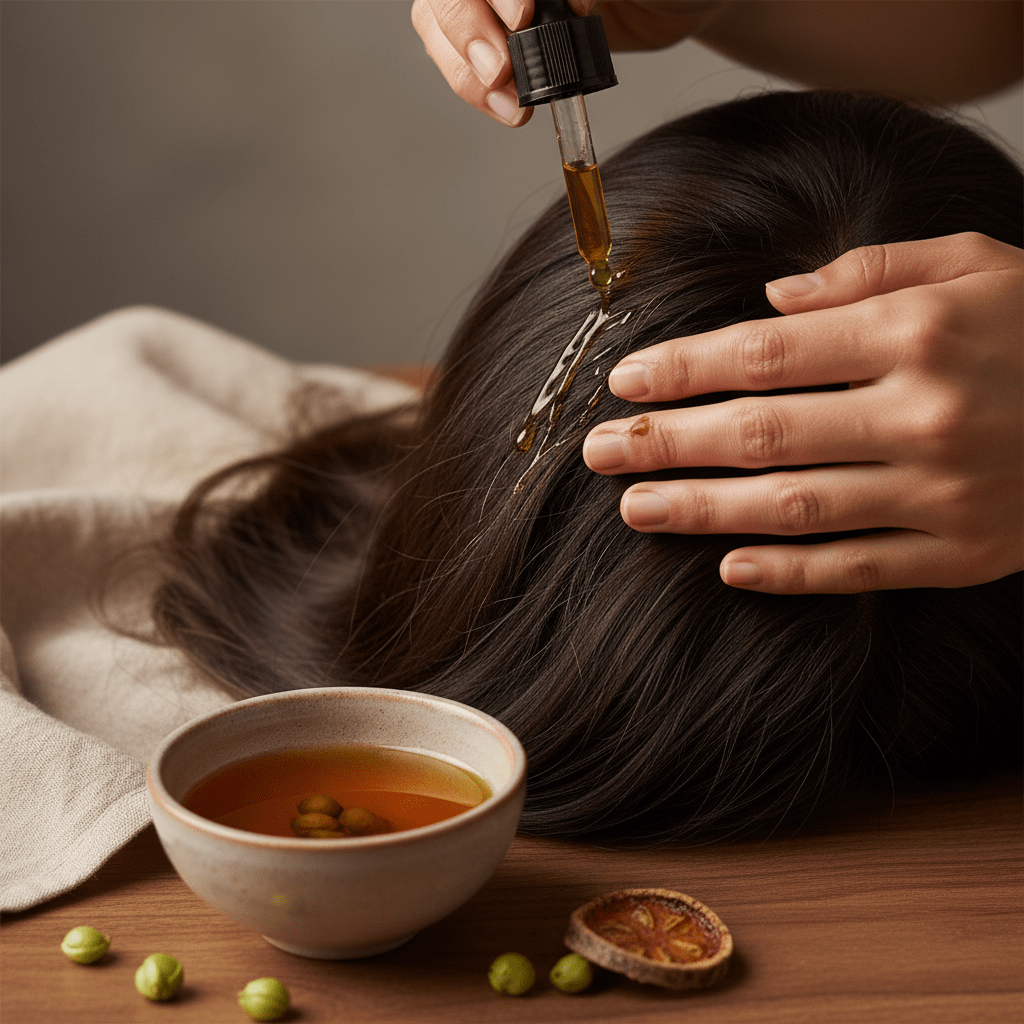
If you’re trying how to use amla seed oil for hair, a small amount on the scalp before washing is usually the easiest place to start. Some people mix it with jojoba or coconut oil, while others use it as a light pre-wash treatment. I’d say test a tiny patch first, then see how your hair reacts.
Also, the beauty market keeps leaning this way. Clean and plant-based care keeps growing, and that’s one reason oils like Indian gooseberry oil keep getting shelf space. If you’re a brand owner or product maker, Aroma Monk can be a handy source for lab-tested carrier oils and bulk supply when you need a pure ingredient for hair care formulas.
So yes, the search for amla oil for hair is mostly about strength, shine, and less breakage. And honestly? That’s a pretty good place to start.
Core Benefit 2: Rejuvenating Skin with Indian Gooseberry Oil
You know that moment when your face looks tired even after a full night’s sleep? Annoying. And honestly, it happens to a lot of us.
That’s where Indian gooseberry oil starts to get interesting for skin. People mostly search for amla seed oil benefits for hair, sure. But skin is right there too, and this is the part that surprises a lot of folks. Amla seed oil, or phyllanthus emblica oil, carries antioxidants and fatty acids that may help skin feel calmer, softer, and a bit more alive.
Here’s the deal: your skin deals with sun, dust, city air, and stress every single day. That mix can create free radicals, which are tiny unstable bits that wear down healthy skin over time. The antioxidants in cold-pressed amla oil can help with that by calming some of that stress before it starts messing with collagen. Collagen is the stuff that helps skin look firm and bouncy. When it breaks down, fine lines show up faster. Not fun.
Research on Phyllanthus emblica has pointed to a few skin perks. One study found that amla extract helped support fibroblast growth, boosted procollagen, and lowered enzymes linked to collagen damage. In plain words, that means it may help skin stay firmer for longer. Plus, amla has vitamin C and other plant compounds that may support a brighter look and a more even tone. A 2023 market report also shows why this matters now, since clean beauty is still climbing fast as shoppers keep choosing plant-based products over heavy, synthetic ones.
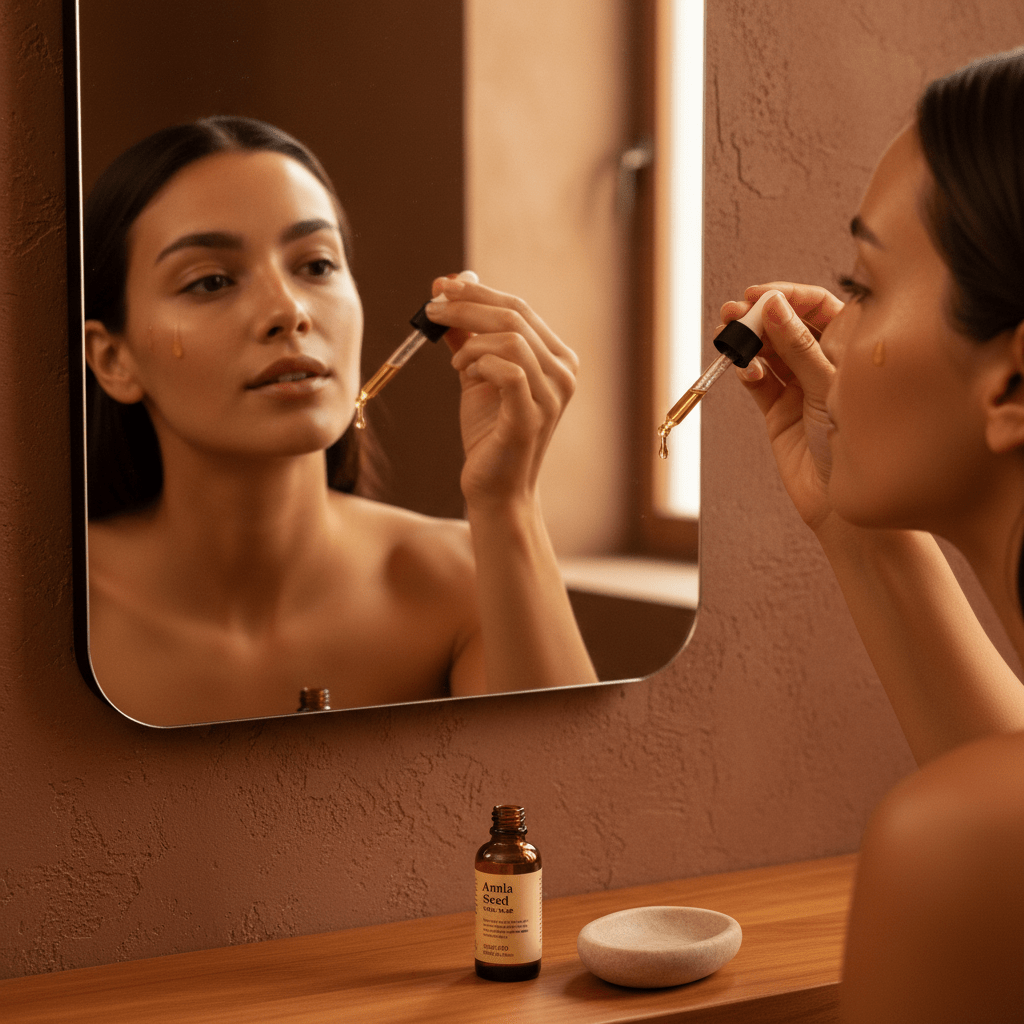
Here’s a quick look at what people often want from amla for skin brightening:
| Skin concern | What amla seed oil may do |
|---|---|
| Dull-looking skin | Adds a soft glow |
| Fine lines | May help skin feel firmer over time |
| Uneven tone | Can support a calmer, brighter look |
| Dry patches | Helps seal in moisture |
| Red or irritated skin | May feel soothing because of its plant compounds |
Now, let’s be real. This is not a magic eraser. It won’t wipe out dark spots overnight, and it won’t replace sunscreen. But as part of a gentle routine, it can be a nice little support oil, especially if your skin likes simple, plant-based care.
And that’s why people keep calling it a natural anti-aging oil. It’s not about pretending you’re 22 forever. It’s about giving skin a better shot at looking rested, smooth, and cared for.
If you’re testing how to use amla seed oil on your face, start small. Mix one drop into your moisturizer at night, or put a little on damp skin after cleansing. Patch test first. Always. Your cheek shouldn’t have to send you a warning letter.
Also, if you’re a brand owner or product maker looking for pure carrier oils, Aroma Monk can help with lab-tested ingredients, bulk supply, and custom blends for skincare formulas. That matters a lot when you want clean, reliable raw materials instead of whatever mystery bottle shows up on a random shelf.
So yes, the skin side of amla seed oil benefits is real enough to pay attention to. Not flashy. Just steady, useful, and kind of underrated.## How to Choose and Use Amla Seed Oil for Maximum Benefits
You know that moment when a bottle looks fancy, but the oil inside feels… off? We’ve all bought the pretty one at least once. Then it sits there, doing almost nothing.
So here’s the easy part first. If you want the best amla seed oil benefits, check the label before anything else:
- 100% pure
- Cold-pressed
- Organic if you can get it
- Packed in a dark glass bottle
That last one matters more than people think. Light can spoil oils faster. And nobody wants rancid Indian gooseberry oil on their scalp. Gross.
Weekly Revitalizing Hair Treatment
For amla oil for hair, start with 1 to 2 teaspoons for short to medium hair. Use a little more only if your hair is thick or long.
- Warm the oil between your palms.
- Massage it into your scalp with your fingertips for 5 to 7 minutes.
- Work the rest through your lengths.
- Leave it on for 30 minutes to 1 hour.
- Wash it out with a gentle shampoo.
That slow massage helps more than you’d think. It feels relaxing, and it gives the oil time to coat dry strands. Nice little self-care moment. Plus, this fits right into ayurvedic hair care routines people have used for ages.
Daily Radiance Facial Ritual
For skin, use phyllanthus emblica oil with a light hand. Seriously, just a drop or two.
- Put 1 drop on damp skin after cleansing
- Or mix it into your moisturizer
- Press it in gently, then do a short facial massage
Amla can work like a soft natural anti-aging oil and may help with amla for skin brightening when used regularly. But keep it simple. Too much oil can feel heavy, and that’s not the vibe.
If you’re shopping for your own brand or bulk supply, Aroma Monk offers lab-tested carrier oils and natural ingredients for beauty and wellness products. That can be handy if you want clean raw materials and steady supply for product making.
Tiny steps. Better results. That’s usually how how to use amla seed oil works best.
Integrate Ancient Wisdom into Your Modern Wellness Routine
So here’s the simple truth. Amla seed oil gives you two wins at once: it can support stronger, softer hair and help skin look calmer and more rested. That’s why amla seed oil benefits keep showing up in both ayurvedic hair care and clean beauty chats. Hair first, yes. But skin gets its turn too.
And if you want the real thing, look for cold-pressed amla oil made from seeds, not a random infused blend hiding behind a pretty label. Pure seed oil usually gives you a cleaner, more direct feel on the scalp and skin. The oil’s fatty acids, especially linoleic acid, are part of what makes phyllanthus emblica oil so loved in traditional medicine for hair loss and in routines for a natural anti-aging oil.
The bigger picture? People are choosing plant-based care more than ever. The natural cosmetics market reached $31.84 billion in 2023 and keeps growing, which says a lot about where beauty habits are headed.
If you’re ready to try it, keep it basic:
- Use a few drops on the scalp before wash day
- Mix 1 drop into moisturizer for night care
- Patch test first
- Pick pure, lab-tested oil from a trusted source
That’s it. Small step. Real use. And if you’re building a product line, Aroma Monk can help with bulk carrier oils, lab-tested ingredients, and natural blends that fit hair and skin formulas. Simple, steady, and made for brands that care about quality.
Amla has been around for centuries for a reason. Maybe it’s time it earned a spot in your routine too.
Get a quote from Aroma Monk.
Essential Oil Supplier – Bulk pricing • Samples • Fast response