
Rediscover Ancient Wisdom for Modern Hair Woes
Ever had a hair product promise a lot, then do… almost nothing? Yeah, same. One week it’s “repair,” the next week it’s “shine,” and somehow your brush is still full of hair. That’s why so many people are looking back at ayurvedic hair treatments that have been around for ages.
Hair thinning is more common than a lot of us think. One recent roundup says 23% of women ages 18 to 65 report hair thinning, and stress is a huge trigger too hair thinning and stress data. But wait, there’s a softer path here.
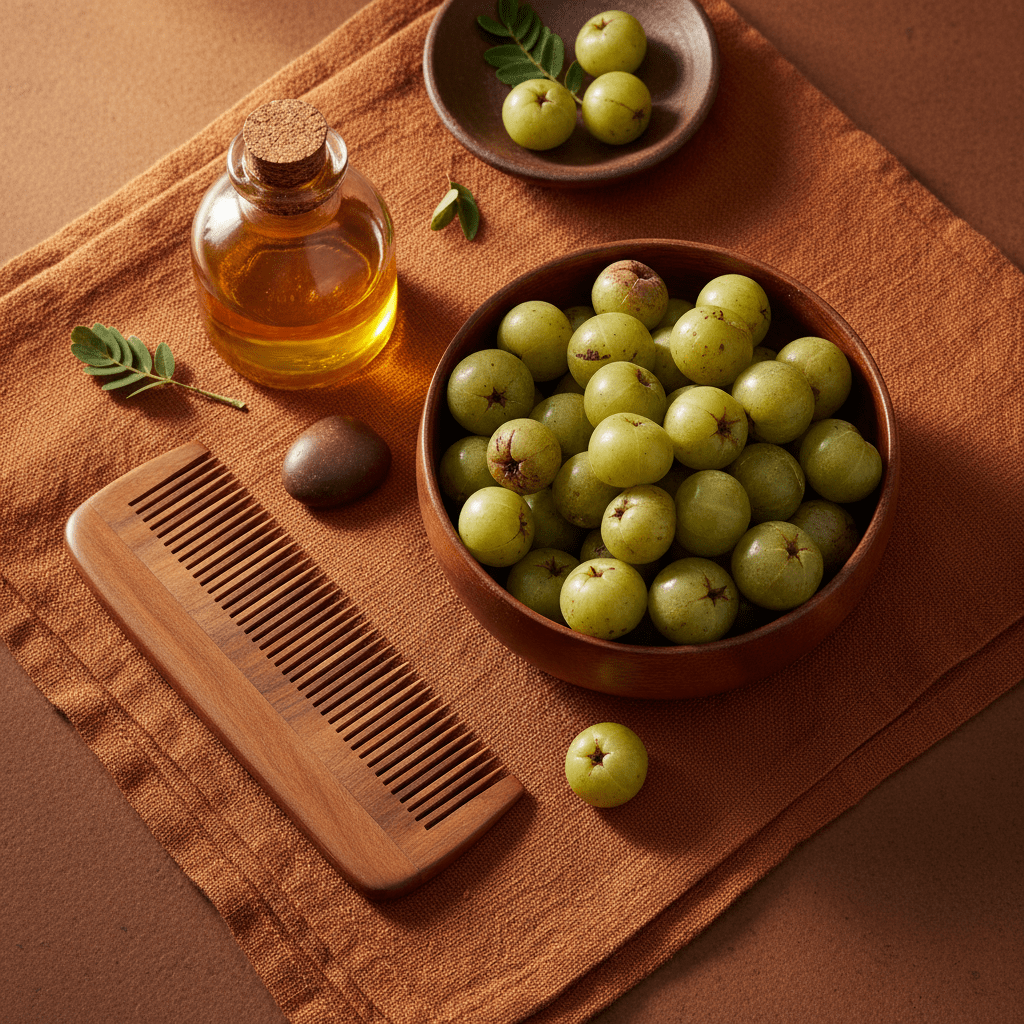
Amla, also called Indian gooseberry, has been part of traditional hair care for centuries. It shows up in Indian gooseberry oil for hair routines, DIY amla hair mask recipes, and old-school scalp massage rituals that people still swear by today. The little green fruit packs a lot of punch, and modern amla benefits for hair science keeps giving people more reasons to pay attention.
In this guide, we’ll walk through how amla essential oil for hair is used, what it may help with, and how to pick the best amla oil for hair without getting fooled by cheap filler oils. Simple. Practical. No fluff.
And if you like pure plant-based ingredients, brands like Aroma Monk often focus on lab-tested essential oils, carrier oils, and natural blends that fit hair care formulas and bulk product lines. So let’s get into it.
What Exactly is Amla? The Ayurvedic ‘Superfruit’ Explained
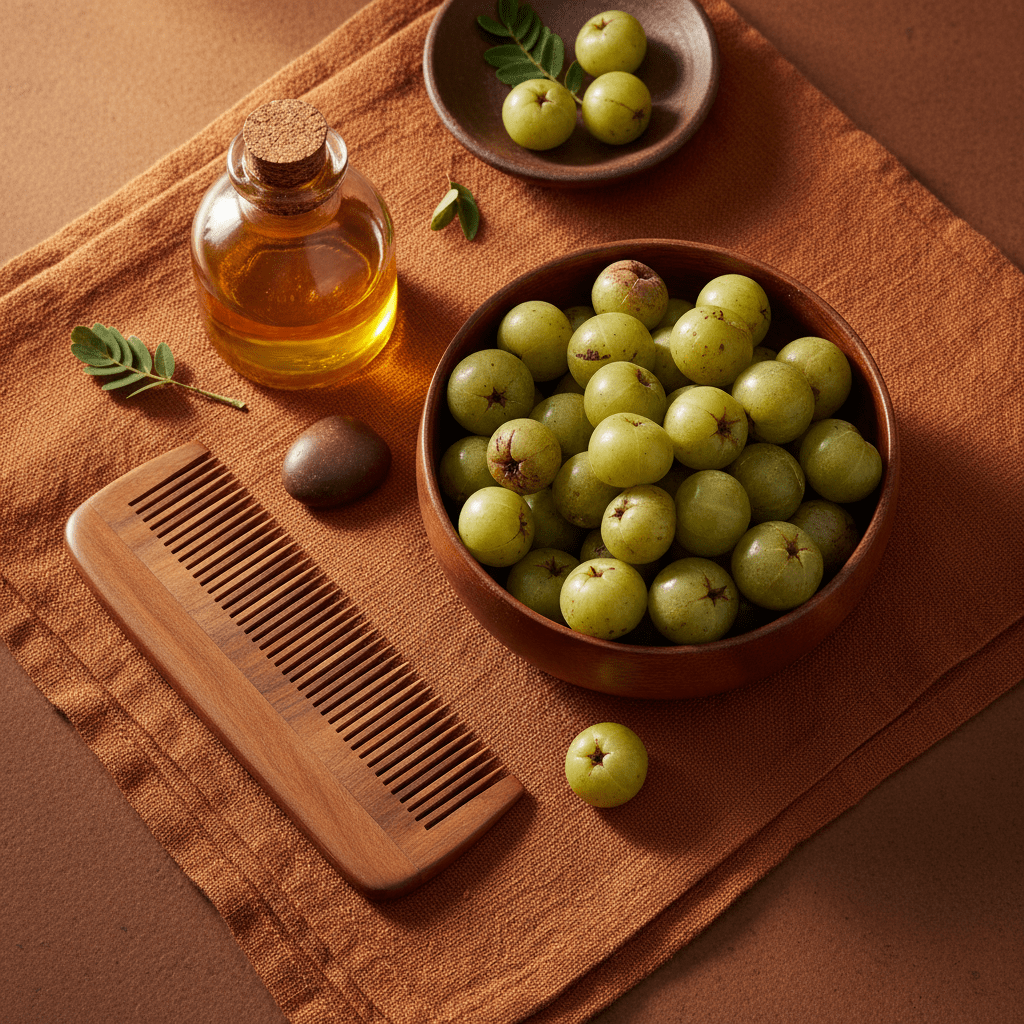
Ever heard a tiny fruit get huge respect? That’s amla. Also called Indian gooseberry, its plant name is Phyllanthus emblica, and in Ayurveda it’s known as Amalaki. Old-school wellness texts have treated it like a trusted friend for a long time, especially for hair and scalp care.
And honestly, the hype isn’t random.
Fresh amla is packed with Vitamin C, plus tannins, antioxidants, and plant compounds that people keep studying for hair support. Some sources say fresh amla can have 300 to 900 mg of Vitamin C per 100g, which is way more than oranges. That matters because Vitamin C helps protect cells, and amla’s tannins help keep that Vitamin C from breaking down so fast. Pretty smart fruit, right?
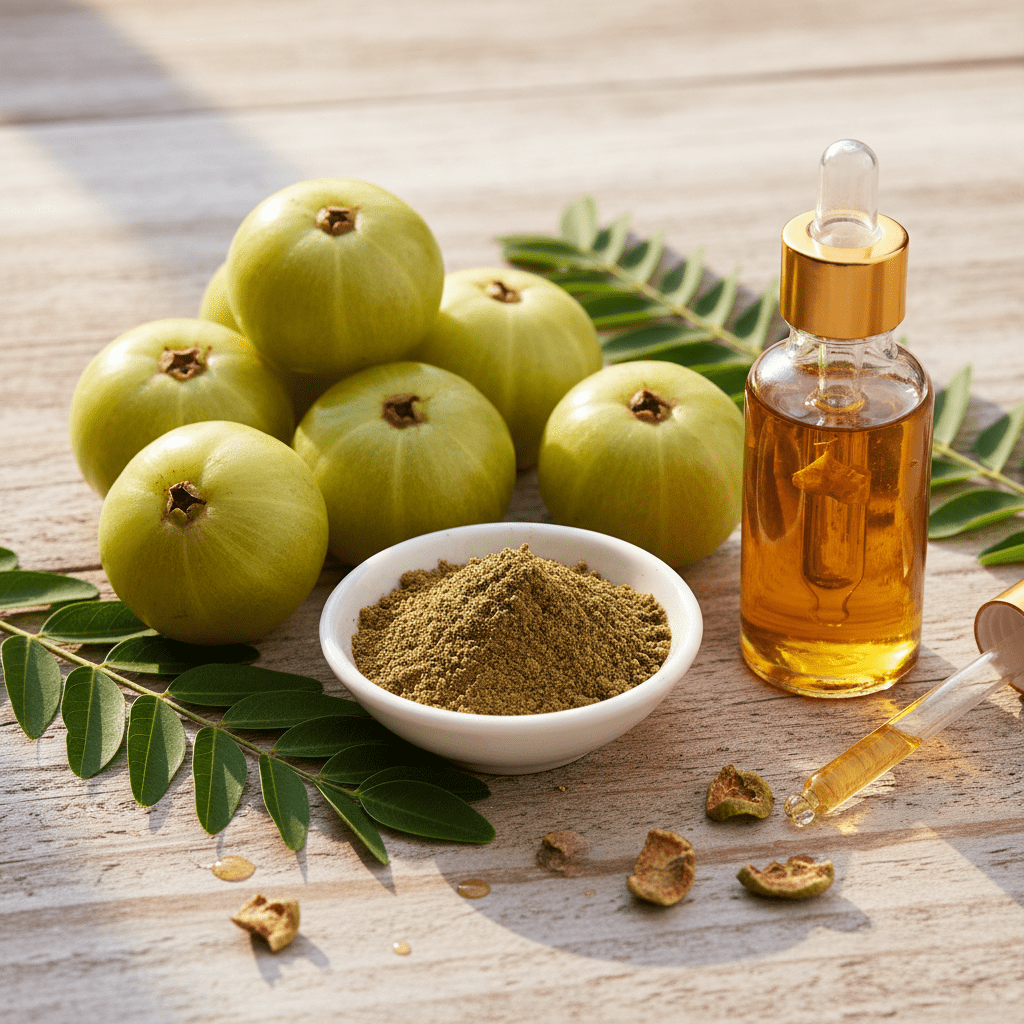
Here’s where people get mixed up. Amla essential oil for hair is not the same as amla-infused oil or amla powder:
| Form | What it is | How people use it |
|---|---|---|
| Amla essential oil | A rare, strong extract made from the plant | Usually blended with a carrier oil before scalp use |
| Amla-infused oil | Dried amla soaked in coconut, sesame, or another oil | Used for scalp massage and hair masks |
| Amla powder | Ground dried fruit | Mixed into a DIY amla hair mask or paste |
The amla oil benefits for hair usually come up in two ways. First, people use it for amla oil scalp massage to support the scalp. Second, they use it in ayurvedic hair treatments for shine, softness, and care for dry or stressed-out strands.
Quick note: if you’re shopping, look for the best amla oil for hair with clear labeling and fewer mystery fillers. A lot of low-quality oils hide mineral oil, fragrance, or cheap additives. If you want a clean base for product making, brands like Aroma Monk focus on pure, lab-tested oils and bulk supply for personal care lines.
So if you’re asking how to use amla oil for hair growth, the first step is pretty simple. Know which form you’ve got. That one detail changes everything.
The Science-Backed Benefits of Amla Oil for Hair Health
You know that moment when your comb comes back full of hair, and you just stare at it? Yeah. Not fun. And that’s a big reason amla essential oil for hair keeps getting attention again and again.
Fresh amla is loaded with Vitamin C, and that matters because hair needs collagen to stay strong. One source notes that fresh amla can hold about 300 to 900 mg of Vitamin C per 100g, which is way more than oranges. That helps explain why amla oil benefits for hair often include stronger strands and less breakage, especially when used as part of ayurvedic hair treatments like an amla oil scalp massage.
Turns out, there’s also lab support behind the buzz. Research has shown amla extract can help human dermal papilla cells grow, and that’s a big deal because those cells help drive the hair growth cycle. Some studies also point to better growth signals in the scalp, which is why people ask how to use amla oil for hair growth in the first place. Simple answer? Consistent use. Not magic. Just steady care.
| Hair concern | How amla may help |
|---|---|
| Hair fall | May support follicles and scalp circulation |
| Premature graying | Antioxidants help fight oxidative stress |
| Dandruff and itch | May calm the scalp and keep it cleaner |
Another reason people love indian gooseberry oil for hair is its antioxidant punch. Oxidative stress is one of the big reasons hair color fades early, so amla oil for premature graying gets used as a gentle, plant-based option. I can’t promise it’ll turn gray hair back overnight. It won’t. But it may help protect the pigment you still have.
And for flakes? Amla has natural anti-inflammatory, antibacterial, and antifungal traits, which makes it a nice fit for a dry, cranky scalp. If your scalp feels hot, itchy, or just plain annoyed, this stuff can be a calm-down step. Not a cure-all. But helpful.
If you’re making your own routine, pair it with the right base oil. Coconut oil works well for dry hair, while jojoba is better if your scalp gets oily fast. Just keep the dilution gentle. A pure essential oil should usually stay around 1 to 2% in a carrier oil, and a patch test is smart before you slather it on.
Also, if you’re shopping for the best amla oil for hair, check the label closely. Clean, lab-tested oils with fewer fillers tend to be a safer bet than mystery blends with fragrance and mineral oil. Brands like Aroma Monk focus on pure, tested oils for beauty and personal care lines, which matters if you want a cleaner formula for your own products.
OK, next up, we’ll get into how to use it without making a sticky mess.
Get a quote from Aroma Monk.
Essential Oil Supplier – Bulk pricing • Samples • Fast response
How to Use Amla Essential Oil: A Step-by-Step Ayurvedic Routine
You know that tiny moment of panic when you’re rushing out the door and your brush looks like it lost a fight? Yeah, we’ve all been there. But the nice thing is, using amla essential oil for hair doesn’t have to be fancy or hard. It can be slow, calm, and pretty simple.
A little routine goes a long way. And honestly, that’s kind of the charm.
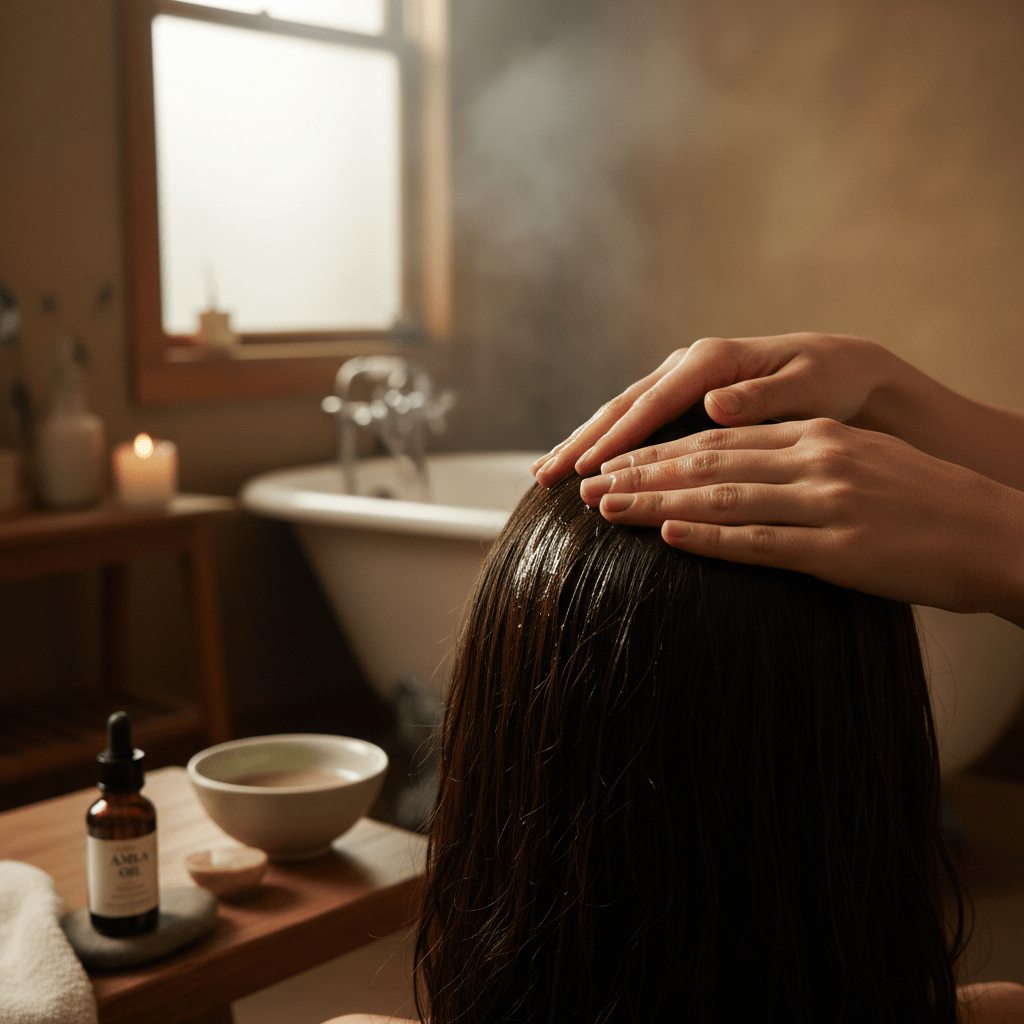
Method 1: The Traditional Hot Oil Scalp Massage
This is the old-school move. In Ayurveda, it’s often called Shiro Abhyanga, which is just a fancy name for a gentle scalp massage.
Here’s how to do it:
- Pick your base oil.
- Dry hair? Try coconut or sesame oil.
- Oily scalp? Jojoba or almond oil usually feels lighter.
- Frizzy or damaged hair? Argan oil can work nicely.
- Warm it up a little.
- Pour 1 to 2 tablespoons into a small bowl.
- Place the bowl in warm water for 1 to 2 minutes.
- Don’t make it hot. Warm is enough.
- Add amla oil safely.
- If you’re using a pure amla essential oil, keep it at about 1 to 2% dilution.
- That’s usually 6 to 12 drops per ounce of carrier oil.
- Massage the scalp.
- Use your fingertips, not your nails.
- Move in small circles.
- Start at the front hairline and work toward the back.
- Spend 5 to 10 minutes here. Slow beats rough.
- Let it sit.
- Leave it on for 30 minutes.
- If your hair is very dry, you can keep it on for up to 2 hours.
- Then wash with a gentle shampoo.
That’s the simple version. No drama. Just steady care.
Method 2: DIY Revitalizing Amla Hair Masks
If you like a DIY amla hair mask, this is where things get fun. Also a little messy. That’s normal.
1. Amla + Yogurt Mask for Strength
Best for weak or brittle hair.
Mix:
- 1 tablespoon amla powder
- 2 tablespoons plain yogurt
- 1 teaspoon honey
How to use:
Mix it into a smooth paste. Apply from roots to ends. Leave on for 20 minutes, then rinse well.
2. Amla + Hibiscus Mask for Growth Support
Best for people who want a more nourishing ayurvedic hair treatment.
Mix:
- 1 tablespoon amla powder
- 1 tablespoon hibiscus powder
- Enough aloe vera gel to make a paste
How to use:
Put it on the scalp and hair. Leave it on for 20 to 30 minutes. Rinse with lukewarm water.
3. Amla + Fenugreek Mask for Softness
Best for dry hair that feels rough or tangled.
Mix:
- 1 tablespoon amla powder
- 1 tablespoon soaked fenugreek paste
- 1 tablespoon coconut milk
How to use:
Apply it evenly. Let it sit for 20 minutes. Wash out gently.
Method 3: Boosting Your Existing Hair Care
Not into full DIY? Fair. You can still get in on the amla oil benefits for hair without making a whole Sunday project.
Try this:
- Add 2 to 3 drops of amla oil to a tablespoon of carrier oil.
- Mix it into your scalp oil before a shower.
- Or add a tiny amount to a mild, sulfate-free conditioner.
A small warning here. Don’t pour pure essential oil straight into shampoo bottles unless you know the formula can handle it. That stuff can get weird fast. Sticky, uneven, and kind of pointless.
If you’re shopping for the best amla oil for hair, look for clear labels, lab testing, and fewer filler ingredients. Clean oils matter, especially if you’re making products for other people too. Brands like Aroma Monk focus on pure, lab-tested essential oils, carrier oils, and bulk supply for beauty and personal care lines, which makes sourcing a lot easier.
And one last thing. Go slow. Natural hair care works best that way. As Lao Tzu said, “Nature does not hurry, yet everything is accomplished.” Pretty good reminder, right?
Buyer’s Guide: How to Choose a High-Quality Amla Oil
You know that feeling when a bottle looks fancy, but the ingredient list tells a different story? Yeah. Hair care has a lot of that going on.
So if you’re shopping for amla essential oil for hair, don’t just grab the first bottle with a green label. A good one should feel simple, honest, and easy to read.
How to Read the Label
Start with the ingredient list. You want pure amla oil, or an amla-infused oil with a clear base oil like coconut, sesame, or jojoba.
Look out for these red flags:
- Mineral oil
- Silicones
- Artificial fragrance
- Parabens
- Synthetic colors
Those extras usually mean the bottle is more filler than plant care. And honestly, that’s not what you want on your scalp.
A clean label should also say how the oil was made. Cold-pressed or traditionally infused oils are usually a better pick than mystery blends with no source info. If the label says “fragrance” and not much else, I’d be cautious. Really cautious.
Signs of Quality
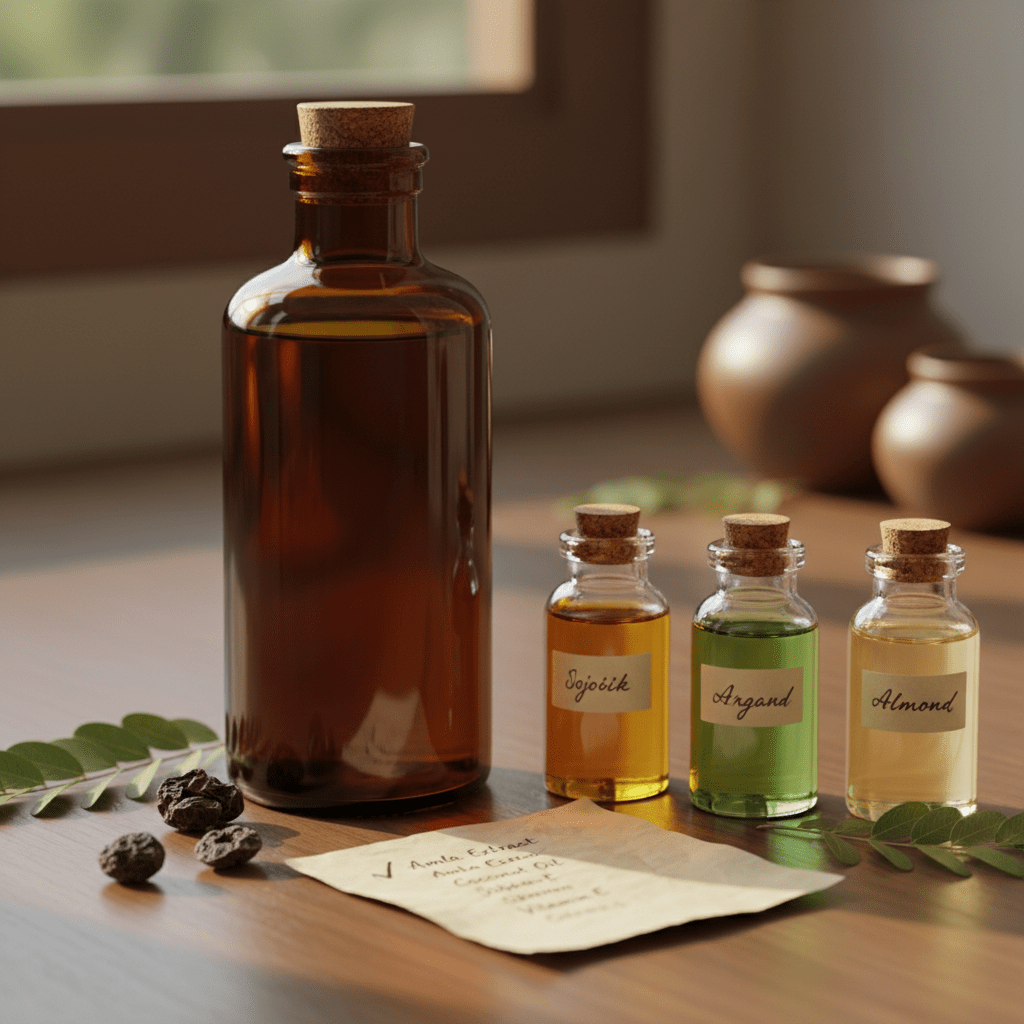
Here’s the deal. Good oil usually comes in a dark glass bottle. Why? Light can break down oils over time, so darker packaging helps protect it.
You can also look for:
| What to check | Why it matters |
|---|---|
| Dark glass bottle | Helps slow oxidation |
| Organic certification | Shows fewer chemical leftovers |
| Country of origin | Tells you where the amla came from |
| Batch or lot number | Helps with traceability |
| Clear scent | Should smell earthy, not fake and sweet |
If you see USDA Organic or Ecocert, that’s a good sign. And if the brand tells you where the amla is sourced, even better. That kind of transparency matters, especially if you’re buying for a salon, small brand, or bulk product line.
Making Your Own Amla-Infused Oil
Not into store-bought bottles? Fair. You can make your own at home pretty easily.
Simple DIY method
- Pick a carrier oil.
- Coconut oil for dry hair
- Sesame oil for a more traditional Ayurvedic feel
- Jojoba oil if your scalp gets oily fast
- Add amla powder.
- Use about 1 to 2 tablespoons of amla powder for every 1 cup of carrier oil.
- Warm it gently.
- Keep the heat very low.
- Or let it sit in a sunny spot for 1 to 2 weeks.
- Strain it well.
- Use cheesecloth or a fine strainer.
- Nobody wants gritty oil in their hair.
- Store it in a dark bottle.
- Keep it in a cool, dry place.
That’s it. Simple. You can use this as a scalp massage oil or mix a little into your DIY amla hair mask routine.
If you’re a brand owner or product maker, sourcing a clean base oil matters just as much as the amla itself. Aroma Monk offers lab-tested essential oils and carrier oils for bulk supply, which can help if you’re building your own hair care line and want better control over quality.
So, short version? Read the label, check the bottle, and trust the brands that tell you exactly what’s inside. Your hair deserves that much.
Potential Side Effects and Important Precautions
Amla sounds gentle. And usually it is. But your scalp still deserves a little caution, because skin can be picky for no good reason.
First, do a patch test. Always.
Put a tiny bit of diluted amla oil on the inside of your elbow or behind your ear. Leave it there for 24 hours. If you get redness, itching, swelling, or a burning feeling, wash it off and skip it. That small test can save you from a very cranky scalp later.
Also, amla has a cooling nature in Ayurveda. It’s often called Pitta-pacifying, which sounds fancy but really just means it can feel calming. For some people with Vata-dominant traits, though, too much cooling oil can feel drying or a bit off-balance. If that sounds like you, try mixing amla with a warmer base oil like sesame or coconut instead of using it on its own.
One more thing. Dark, traditionally made amla oil can leave a light tint on very pale, bleached, or light-colored hair. It may also mark pillowcases, towels, or shirts if you use too much. So test a small spot first, and wear an old tee if you’re doing a full scalp massage.
Tiny steps. Better results. That’s the whole game with ayurvedic hair treatments.
If you’re buying for personal use or for a product line, choose a clean, lab-tested option with clear labeling, like the kind Aroma Monk offers for bulk supply and beauty formulas. And as Lao Tzu said, “Nature does not hurry, yet everything is accomplished.”
Embrace the Ayurvedic Path to Lasting Hair Vitality
Hair care can feel like a guessing game. One bottle promises shine, another says repair, and your brush still tells the truth. But amla essential oil for hair keeps showing up for a reason. It fits right into ayurvedic hair treatments because it’s simple, plant-based, and easy to build into a weekly routine.
The real trick? Stick with it. Amla oil benefits for hair usually show up with regular use, not one heroic wash day. And that’s pretty normal for natural care. Think weekly amla oil scalp massage, a gentle DIY amla hair mask now and then, and the right carrier oil for your hair type.
If you’re wondering how to use amla oil for hair growth, start small. One calm scalp session a week is a good place. Keep your formula clean, choose the best amla oil for hair you can find, and give your hair time to respond.
Amla won’t fix everything overnight. But it can be a steady helper for stronger strands, a happier scalp, and less drama around thinning, dryness, or amla oil for premature graying. That’s a pretty good deal.
And if you want a clean, lab-tested source for pure oils and carrier oils, brands like Aroma Monk are a solid place to start.
Nature does not hurry, yet everything is accomplished.
Get a quote from Aroma Monk.
Essential Oil Supplier – Bulk pricing • Samples • Fast response