
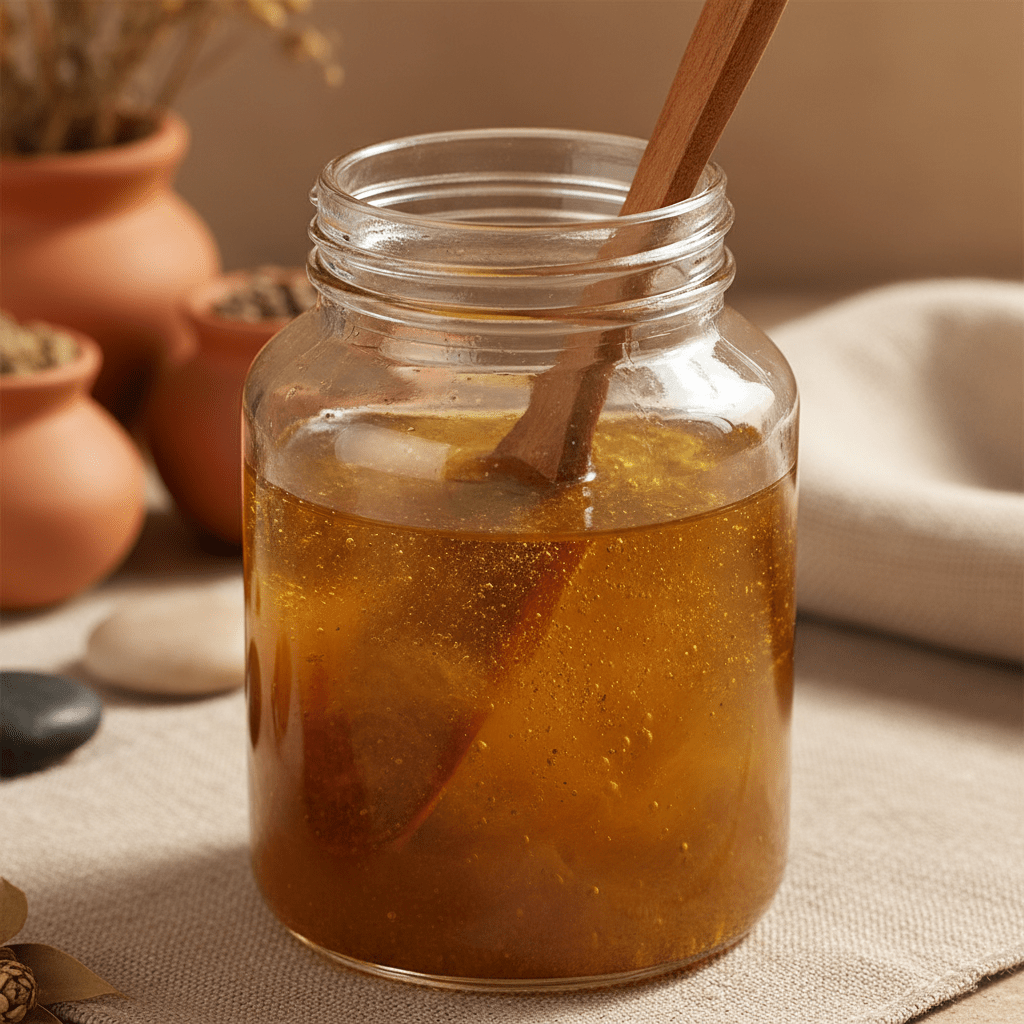
Rediscover Ancient Hair Secrets: Why Bhringraj Oil is Your Ultimate DIY Solution
You know that sinking feeling when you see extra hair on your comb… again? Or when your part looks a little wider than it did last year? Yep, lots of us have been there. Hair fall, thinning, and early gray strands can feel like a sneaky little mess that store-bought products never quite fix.
And that’s why bhringraj oil keeps getting so much love. Globally, hair loss touches a huge number of people, and many shoppers are now trying to avoid harsh stuff like parabens, sulfates, mineral oil, and silicones in their hair oils. A lot of people just want something simpler, cleaner, and closer to nature.
That’s where Bhringraj comes in. In Ayurveda, it’s often called the King of Herbs for hair, and people have used it for generations as a care oil for the scalp and strands. The herb is also known as Eclipta alba, and it shows up again and again in old hair care recipes for good reason.
This guide will show you how to make bhringraj oil at home step by step. You’ll learn how to make a pure, strong homemade bhringraj hair oil, what to mix it with, and how to keep it fresh. So if you want a DIY bhringraj oil that puts you in control of every ingredient, you’re in the right place. And honestly? That feels pretty good.

The Science and Tradition Behind Bhringraj Oil for Hair Growth
Here’s the funny thing about old beauty recipes. A lot of them sound like folklore at first, but then modern lab work starts nodding along. That’s pretty much what’s happening with bhringraj oil.
In Ayurveda, bhringraj is seen as a cool, soothing herb. People often link it to calming Pitta dosha, which is the body heat side of the system. When Pitta feels out of balance, hair is one of the first places people notice it. Think more shedding, early grays, and a scalp that just feels irritated. So a traditional ayurvedic hair oil recipe with bhringraj is often used to bring that heat down and support the scalp at the same time.
And yes, that old-school idea has some modern backup. Bhringraj, or Eclipta alba, has plant compounds like wedelolactone, demethylwedelolactone, ecliptine, and other flavonoids and saponins. Those sound fancy, I know. But here’s the simple version: they help fight stress on the scalp, calm irritation, and support healthier hair roots. Some studies also point to better follicle health and less breakage from damage caused by free radicals.
| What Bhringraj may do | Why people care |
|---|---|
| Help calm scalp heat | Often linked with Pitta balance |
| Support hair roots | May help follicles stay active longer |
| Fight oxidative stress | Can matter for dull, weak strands |
| Support darker-looking hair | One reason people use bhringraj oil for grey hair |
Now, the part that gets most people excited. Research on bhringraj oil for hair growth suggests it may help keep hair in the anagen, or growth, phase for longer. In lab and animal studies, Eclipta alba extract has shown signs of faster regrowth, stronger hair density, and even better results than minoxidil in some test models. A human trial also found less shedding after 24 weeks. Not magic. Just promising.
Actually, wait, there’s a better way to say it: bhringraj oil isn’t a miracle bottle. But if you want a natural DIY bhringraj oil that brings together tradition, scalp care, and real research, it has a solid case. And if you’re making homemade bhringraj hair oil for your own routine, that mix of old wisdom and science is a big reason it keeps showing up in hair care talks.
If you want the next step, this is where things get practical. Once you know the herb works well as a scalp tonic, you can start choosing the right base oil and herb mix for your own batch.
Sourcing Your Ingredients: A Guide to Fresh Leaves, Powders, and Carrier Oils
You know what trips people up fast? The ingredient hunt. One day you’re excited about making bhringraj oil at home, and the next you’re staring at three different jars wondering which one is real, which one is stale, and which one will just make your hair smell like a salad. Been there.
Fresh bhringraj leaves or powder?
Both work. But they’re not the same.
Fresh leaves can give you a very rich, green infusion. They feel close to the plant, which sounds lovely. The catch? Fresh herbs carry extra water, and water can spoil oil fast. So if you use fresh bhringraj, you’ll need to dry it well first or use a method that removes moisture completely.
Bhringraj powder is easier for most people. A good bhringraj powder for hair oil is simple to store, easy to measure, and usually safer for long shelf life if it’s dry and clean. If you want a beginner-friendly DIY bhringraj oil, powder is probably the better pick.
Where to buy the real stuff
Look for authentic herbs at:
- Local Indian grocery stores
- Ayurvedic shops
- Trusted online herb sellers
- Places that show lab tests or batch info
- Grow-your-own herb gardens, if you’re the patient type
I’d skip mystery listings with blurry photos and no ingredient details. If a seller can’t tell you if the powder is 100% bhringraj, that’s a red flag.
Picking the right carrier oil
The base oil matters a lot in any ayurvedic hair oil recipe. It changes how the oil feels on your scalp and hair.
| Carrier Oil | Best For | Why People Like It |
|---|---|---|
| Coconut oil | Oily or hot scalps | Feels cool and light |
| Sesame oil | Dry, flaky, or tired scalps | Feels deeper and more warming |
| Olive oil | Very dry hair ends | Adds a heavier, rich feel |
If your scalp feels hot or itchy, coconut oil is a nice match. If your scalp is dry, sesame oil often works better for a stronger homemade bhringraj hair oil. Olive oil is fine too, but it can feel heavier, so a little goes a long way.
A lot of people also blend bhringraj with other herbs like amla or hibiscus. That can be a smart move if you want a more balanced bhringraj oil for hair growth routine. And if you’re sourcing in bulk for a brand, Aroma Monk’s pure carrier oils, essential oils, and natural raw materials can help you keep quality steady from batch to batch.
Pick the cleanest ingredients you can find. That part matters more than fancy labels.

The Classic Recipe: How to Make Bhringraj Oil at Home (Slow Infusion Method)
You know that moment when the kitchen smells warm and earthy, and you think, OK… this might actually work? That’s the vibe here. This slow method gives you a deep, rich bhringraj oil that feels old-school in the best way.
What you need
- 1 part bhringraj powder for hair oil
- 4 parts carrier oil
- A dry pan or double boiler
- A clean spoon
- A fine strainer or cheesecloth
- A glass jar for storage
For the base oil, coconut oil works well for a cool, light feel. Sesame oil is great if your scalp feels dry. Both fit a classic ayurvedic hair oil recipe.
Step-by-step: slow infusion method
Measure your mix.
Use 1 tablespoon bhringraj powder for every 4 tablespoons oil. You can scale it up, but keep that ratio close. Too much powder can make the oil gritty and harder to strain.Warm the oil gently.
Put the oil in a pan over very low heat. Keep it around 100°F to 140°F. If you don’t have a thermometer, think “barely warm,” not sizzling. If it starts bubbling, it’s too hot. Pull it off fast.Add the bhringraj powder slowly.
Stir it in a little at a time. The oil may look cloudy at first. That’s normal.Hold the heat low for 20 to 30 minutes.
Stir every few minutes so the herb doesn’t sit in one hot spot. The goal is gentle infusion, not frying.Watch for the color change.
The oil should turn a deeper green or brown-green. It may look richer and slightly thicker. That’s one of the best signs your DIY bhringraj oil is pulling out the plant goodness.Smell it.
A ready batch usually smells earthy, herb-like, and a little nutty. If it smells burnt, sharp, or smoky, it got too hot. Sadly, that batch is better for the trash than your scalp.Turn off the heat and let it sit.
Leave it covered for 10 to 15 minutes so the herbs keep soaking.Strain it well.
Use cheesecloth or a fine strainer to remove every bit of powder. Leftover bits can spoil faster, so take your time here.Bottle and store.
Pour the finished oil into a clean, dry glass bottle. Amber glass is best if you have it. Keep it in a cool, dark spot.
How do you know it’s ready?
A good batch usually has:
- A deep herbal color
- A smooth feel, not grainy
- A calm, earthy smell
- No visible water or foam
If you see bubbling, cloudiness that won’t settle, or a weird sour smell later, something went wrong. Moisture is the troublemaker here.
Quick tips so you don’t ruin the batch
| Do this | Skip this |
|---|---|
| Use dry bhringraj powder | Use wet leaves unless fully dried |
| Keep heat low | Let it fry or smoke |
| Strain fully | Leave herb bits in the jar |
| Store in glass | Store in a damp plastic container |
And yes, you can mix in a little amla or hibiscus later if you want a richer homemade bhringraj hair oil blend. But for your first batch, keep it simple. That’s usually the easiest way to make a clean, solid bhringraj oil for hair growth routine.
If you want a deeper herb blend or a bulk supply for your own brand, Aroma Monk’s lab-tested carrier oils and natural raw materials can help keep the quality steady from batch to batch.
Elevate Your Elixir: Advanced Ayurvedic Hair Oil Recipes
You know that moment when a plain oil mix starts feeling a little… basic? That’s usually when people get curious and want a blend that does more than just sit on the scalp. A richer bhringraj oil recipe can do that pretty well.
Actually, wait. Let’s make that clearer. If your hair feels dry, dull, itchy, or stressed out from heat styling, you can build a smarter DIY bhringraj oil by mixing in herbs that do a bit more heavy lifting.
1) The Cooling and Conditioning Blend
This one is great if your scalp runs hot, your strands feel fried, or you want more shine. It pairs bhringraj oil for hair growth with amla and hibiscus powder.
- Bhringraj helps support the scalp and may help with shedding
- Amla is packed with antioxidants and is often used for shine and early gray strands
- Hibiscus is known in Ayurveda for softening hair and helping it feel smoother
Here’s a simple ratio for a medium batch:
| Ingredient | Amount |
|---|---|
| Coconut oil or sesame oil | 1 cup |
| Bhringraj powder (hair oil) | 1 tablespoon |
| Amla powder | 1 teaspoon |
| Hibiscus powder | 1 teaspoon |
If your scalp feels very hot, coconut oil is the cooler pick. If your hair feels dry and rough, sesame oil gives a deeper feel. That old ayurvedic hair oil recipe idea still makes sense here.
How to make it:
- Warm the oil on very low heat.
- Add the powders slowly.
- Keep it on low heat for 20 to 30 minutes.
- Stir now and then so nothing sticks.
- Strain well and store in a clean glass bottle.
That’s it. Simple, but good.
2) The Scalp Soothing Blend
You know that itchy, flaky scalp feeling that shows up at the worst time? This blend is for that kind of day. It mixes bhringraj oil with neem and brahmi.
- Neem is often used for dandruff and scalp care because it has a cleansing feel
- Brahmi is known for a calming effect and is often tied to stress-related hair fall
- Bhringraj brings the usual hair support people want from Eclipta alba hair oil benefits
Use this mix:
| Ingredient | Amount |
|---|---|
| Sesame oil or coconut oil | 1 cup |
| Bhringraj powder | 1 tablespoon |
| Neem powder | 1/2 teaspoon |
| Brahmi powder | 1 teaspoon |
A little neem goes a long way. Too much can make the blend smell pretty strong, and not in a fun spa way. So keep it light.
A few quick tips before you mix
- Use dry powders only
- Keep the heat low, around 100°F to 140°F
- Strain the oil fully so no bits stay behind
- Store it in amber glass if you can
- Use it within 2 to 6 months
And if you’re hoping for bhringraj oil for grey hair, the amla blend is usually the one people reach for first. It won’t flip a switch overnight, but it fits nicely into a steady hair care routine.
If you want to stock up on clean base oils for bigger batches, Aroma Monk offers lab-tested carrier oils and other natural raw materials that work well for bulk DIY or brand use. Handy if you’re making more than one jar at a time.
Application and Ritual: How to Use Your Homemade Bhringraj Oil for Maximum Results
You made the oil. Nice. But the way you use bhringraj oil matters just as much as the recipe itself.
Start by warming a small amount in your hands or by placing the bottle in a bowl of warm water for a few minutes. Don’t microwave it. That’s too hot, too fast. Then part your hair and massage the oil into your scalp using gentle circular motions. Think slow, not scratchy. Use your fingertips, and spend a little extra time around the crown and hairline. That part feels good too.
After the scalp, smooth the rest down the hair shaft. Just a light coat. You don’t need to drown your strands. More oil is not better. Weird, right? But it’s true.
For best results, use your homemade bhringraj hair oil 2 to 3 times a week. Leave it on for at least 1 hour. Overnight works well too, if your pillow setup can handle a little drama. A satin cap or towel helps keep stains off your sheets.
This is also where Shiro Abhyanga comes in. That’s the Ayurvedic head massage practice. People use it for more than hair care. It can help calm the mind, ease stress, and support better sleep. Plus, the massage itself may help blood flow to the scalp, which is one reason bhringraj oil for hair growth is often paired with this ritual.
| Use Tip | Why it helps |
|---|---|
| Warm the oil first | Feels nicer and spreads better |
| Massage in circles | Helps the scalp feel relaxed |
| Leave it on 1 hour or more | Gives the oil time to soak in |
| Use 2–3 times a week | Keeps the routine steady |
And if you’re using bhringraj oil for grey hair, stay patient. Hair care is slow. But a steady routine usually beats a rushed one.
If you want a simple next step, keep one bottle near your shower and another by your bed. That tiny habit makes the whole thing easier.
Common Mistakes and FAQs About Homemade Bhringraj Oil
You made the jar. Nice. But a few tiny slip-ups can turn a good bhringraj oil batch into a sticky mess.
First mistake: too much heat. If the oil starts smoking or frying, stop. Fast. Keep your infusion around 100°F to 140°F, or it can smell burnt and lose some of its plant power. Second mistake: using wet leaves or wet jars. Water and oil do not get along. They invite spoilage, and nobody wants that.
Third mistake: using a wild amount of powder. More bhringraj powder for hair oil does not mean better results. It usually just makes the oil gritty and harder to strain. Fourth mistake: storing it in a warm bathroom. That’s a shortcut to rancid oil. Keep your homemade bhringraj hair oil in a clean, dry, amber glass bottle.
Quick fixes for common problems
| Problem | What to do |
|---|---|
| Oil separates | Shake gently before each use |
| Feels too greasy | Use less next time or switch to coconut oil |
| Smells off | Toss it. Don’t risk it. |
| Cloudy after storage | Check for water or spoilage |
And no, bhringraj oil for hair growth won’t give you overnight magic. Most people need a few weeks of steady use before they notice less shedding or a happier scalp.
FAQ
How long until I see results? Usually 4 to 8 weeks, but hair grows slowly. Some people take longer.
Can I use it on colored hair? Yes, usually. Just do a patch test first, since everyone’s hair behaves a little differently.
What does it smell like? Earthy, green, and a bit nutty. If it smells sharp or sour, something’s wrong.
What is the shelf life? About 2 to 6 months if you use dried herbs and store it well.
If you want a cleaner next batch, start with dry ingredients, low heat, and a small test jar. That little practice run saves a lot of headaches later. And if you’re sourcing bulk base oils or natural raw materials for a brand, Aroma Monk’s lab-tested carrier oils can help keep your batches steady and clean.
Embrace Natural Hair Care: Your Journey with Bhringraj Oil Starts Now
So here’s the real win. Making your own bhringraj oil gives you more control, more purity, and a closer link to an old Ayurvedic hair care routine that people still trust today. You get to choose the oil, the herb, and the strength of your batch. That feels pretty satisfying.
And the best part? Consistency beats fancy tricks. A steady DIY bhringraj oil routine, used a few times a week, is what usually helps with less hair fall, softer strands, and a happier scalp over time. Not overnight. Just steady.
If you’re ready, try the classic recipe, keep it simple, and see how your hair responds. I’d love to hear how your homemade bhringraj hair oil turns out, or what questions you still have. Drop a comment and let’s figure it out together.

Get a quote from Aroma Monk.
Essential Oil Supplier – Bulk pricing • Samples • Fast response