
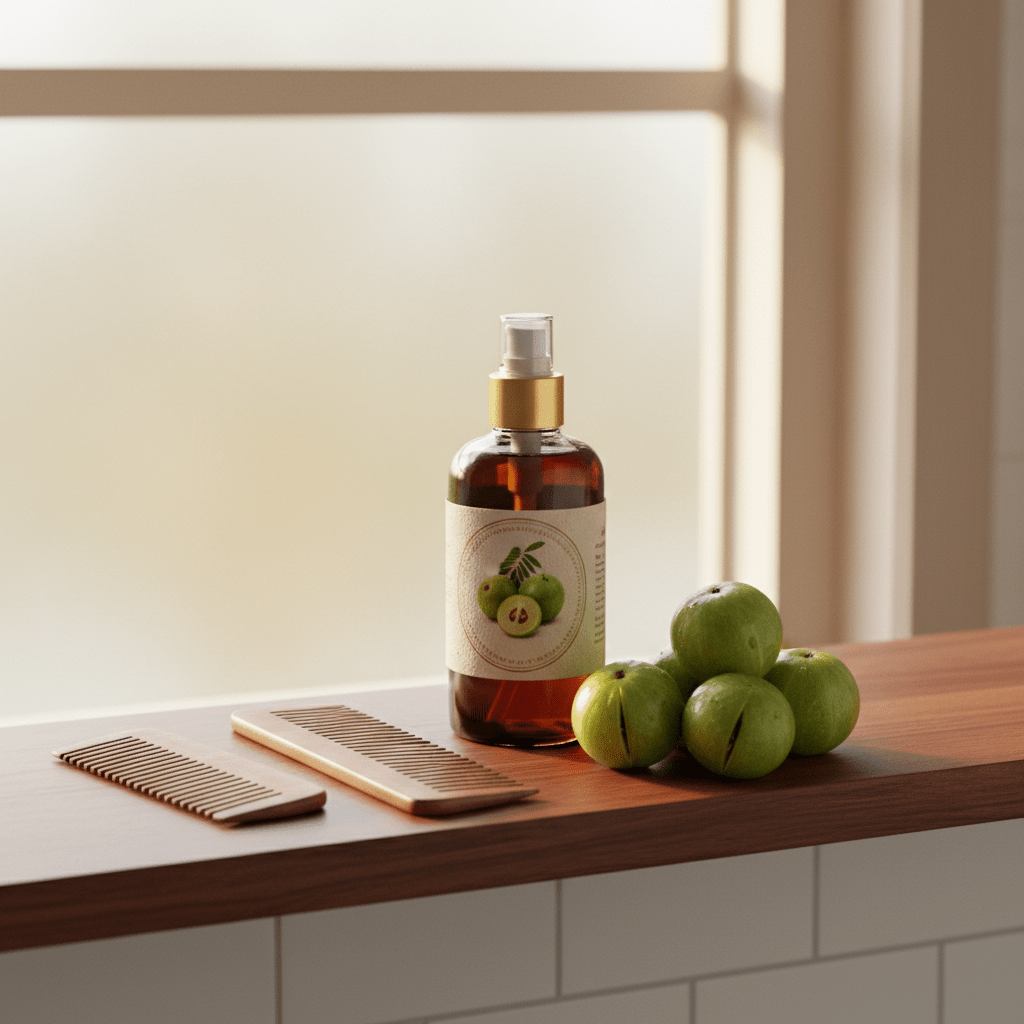
Introduction: Balancing the Benefits and Risks of a Traditional Remedy
Ever had a hair oil that everybody swears by? Amla hair oil is one of those classics. It shows up in Ayurvedic routines, family bath shelves, and plenty of modern hair care talks too. People use it for hair growth, scalp health, and that soft, oiled shine that feels a little old-school in the best way.
And it’s easy to see why. The amla oil market was valued at about $0.5 billion in 2024, and hair care makes up a big share of that use, which tells you how widely people trust this ingredient market report on amla oil growth.
But here’s the part many people skip. Natural doesn’t always mean risk-free.
That’s really the heart of this guide. We’re not here to trash amla hair oil or hype it up blindly. We’re here to look at the possible side effects, the real amla oil benefits and side effects, and the small details that can make a big difference if you have a sensitive scalp, color-treated hair, or a history of skin reactions.
Amla, also called Indian gooseberry for hair care, has a long reputation for supporting strong strands. Still, the question many readers ask is simple: is amla oil safe for everyone? Not always. Some people may notice scalp irritation, product buildup, or an amla hair oil allergic reaction, especially if the formula includes fragrance or other extras.
So, let’s keep this honest and useful. If you’ve ever wondered about the dangers of amla oil, or how to use amla hair oil safely without guessing, you’re in the right place.
We’ll keep it clear, practical, and real. No fluff. Just the facts, plus a few friendly tips to help you decide what makes sense for your own hair and scalp.
Understanding Amla: The Powerhouse Ingredient in Your Hair Oil
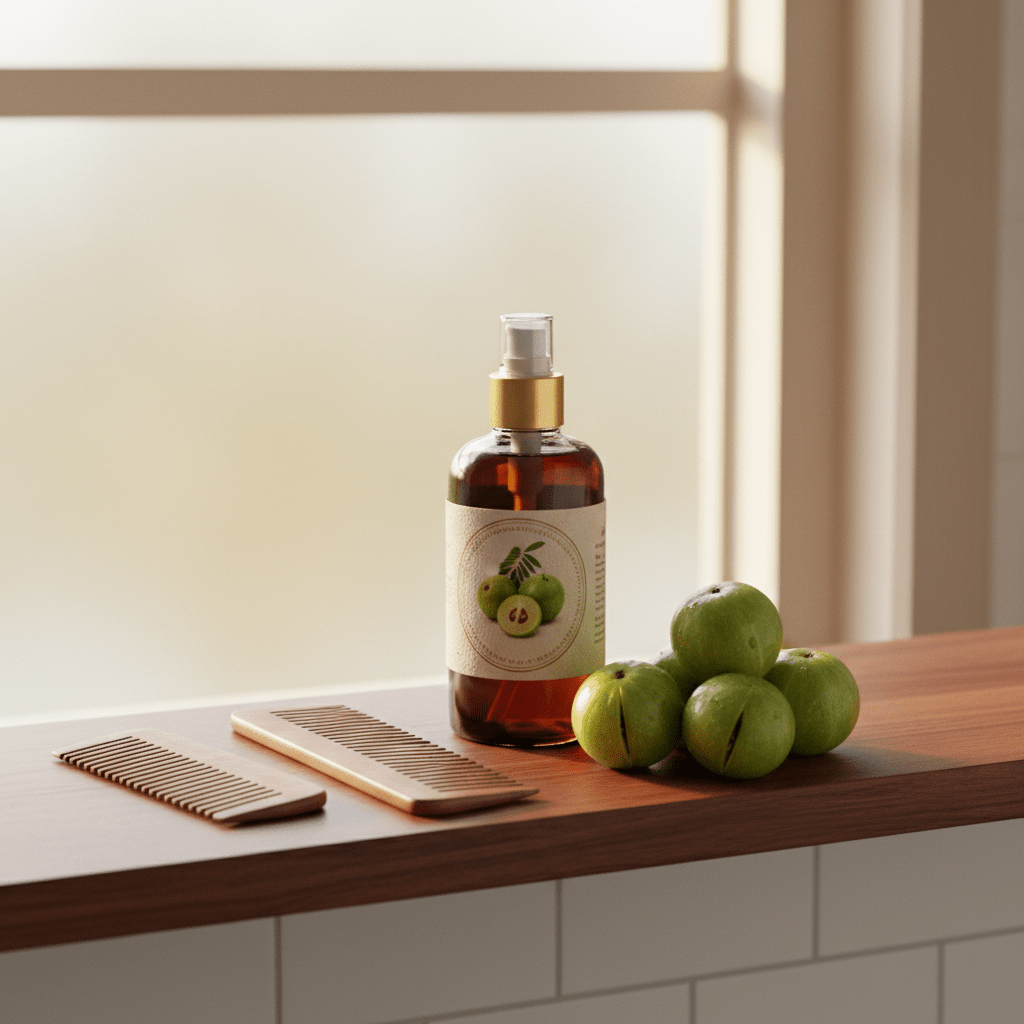
Amla is the fruit of Emblica officinalis, and most people know it as Indian gooseberry for hair. It’s been used in Ayurveda for ages, especially in oils, masks, and tonics meant to support hair and scalp care. Old-school? Yes. Still popular? Very much so.
And there’s a reason it keeps showing up. Amla is packed with vitamin C, tannins, flavonoids, and other antioxidants. Fresh amla can have about 600 to 700 mg of vitamin C per fruit, which is way more than a typical orange. That sharp, tangy fruit has a lot going on inside it.
Here’s the deal. Those compounds are the reason amla oil benefits and side effects get talked about so often. Vitamin C helps protect cells from damage. Tannins are linked to amla’s dark, astringent feel. Flavonoids and phenolic acids also add antioxidant support. Put together, they help explain why people use amla hair oil for stronger-feeling hair and a calmer scalp.
Some users say it helps with shine. Others like the softer feel after oiling. And in traditional use, amla is also tied to slowing premature graying, since it’s thought to support natural pigment in the hair. That said, it’s more of a long-held belief than a proven fix from topical use. Funny enough, a lot of people still reach for it just for that reason.
But here’s where we stay honest. The good press around amla doesn’t mean every amla hair oil acts the same. The base oil, added fragrance, and other ingredients matter a lot. So if you’re asking, is amla oil safe, the answer depends on the whole bottle, not just the amla itself.
That’s why people with a sensitive scalp should read the label closely. And if you’re shopping for a clean, natural blend, products from trusted suppliers like Aroma Monk can help brands and buyers look for pure essential oils, carrier oils, and lab-tested raw materials for personal care formulas. Clean sourcing matters more than most people think.
Amla is strong. But the formula around it matters too.
The Most Common Concern: Allergic Reactions and Scalp Irritation
You know that moment when you put a new hair product on and think, “Hmm… that feels weird”? That little itch can turn into a big red flag fast. With amla hair oil, the most common worry is a scalp reaction, and it usually shows up as contact dermatitis.
That can look like:
- Itching
- Redness
- Swelling or inflammation
- Small bumps on the scalp, neck, or forehead
Sometimes it shows up right away. Other times it creeps in after a few uses. Annoying, I know.
There are usually two main reasons this happens. First, a person may have a true allergy to amla itself, also called Indian gooseberry for hair care. That seems to be rare, but it can happen. Second, the reaction may come from other parts of the bottle, like fragrance, preservatives, or the carrier oil mixed with the amla. And honestly, this second one is more common than people think.
Fragrance is the big troublemaker in a lot of hair products. So if your amla oil side effects start with itching or a rash, the amla may not be the only thing to blame. The formula matters a lot.
How to patch test amla hair oil the safe way
If you’re wondering how to use amla hair oil safely, start here. Don’t skip this step. Really.
Step 1: Pick a test spot
Use the inside of your forearm, wrist, or behind your ear. Those spots are easy to watch.
Step 2: Put on a tiny amount
Use a pea-sized dab of the oil on clean, dry skin. If the oil is strong or full of extra ingredients, mix a small drop with a little carrier oil first.
Step 3: Leave it alone for 24 to 48 hours
Don’t wash it off right away. Keep the area dry and untouched.
Step 4: Check for changes
Look for redness, itching, swelling, bumps, or a rash at both 24 and 48 hours.
Step 5: Wait before using it on your scalp
If nothing happens, that’s a good sign. It still doesn’t promise zero risk, but it gives you a safer starting point.
Step 6: Rinse it off fast if it reacts
If the area burns, itches, or turns red, wash it off and skip the product.
For people with an amla oil for sensitive scalp concern, this test is a smart habit, not an extra chore. And if you’re comparing amla oil benefits and side effects, this one step can save you a lot of guessing later.
If you make products for a brand or salon line, clean sourcing matters too. Suppliers like Aroma Monk can help with pure carrier oils, essential oils, and lab-tested raw materials so your formulas start with better ingredients.
Simple test. Small risk. Better peace of mind.

Get a quote from Aroma Monk.
Essential Oil Supplier – Bulk pricing • Samples • Fast response
Does Amla Oil Darken Hair? Unpacking the Pigmentation Effects
Ever notice how one tiny hair oil can start a whole family debate? One aunt says it darkens hair. Another says it keeps gray strands away. And your friend with blonde highlights is just staring at the bottle like, “Wait… should I even touch this?”
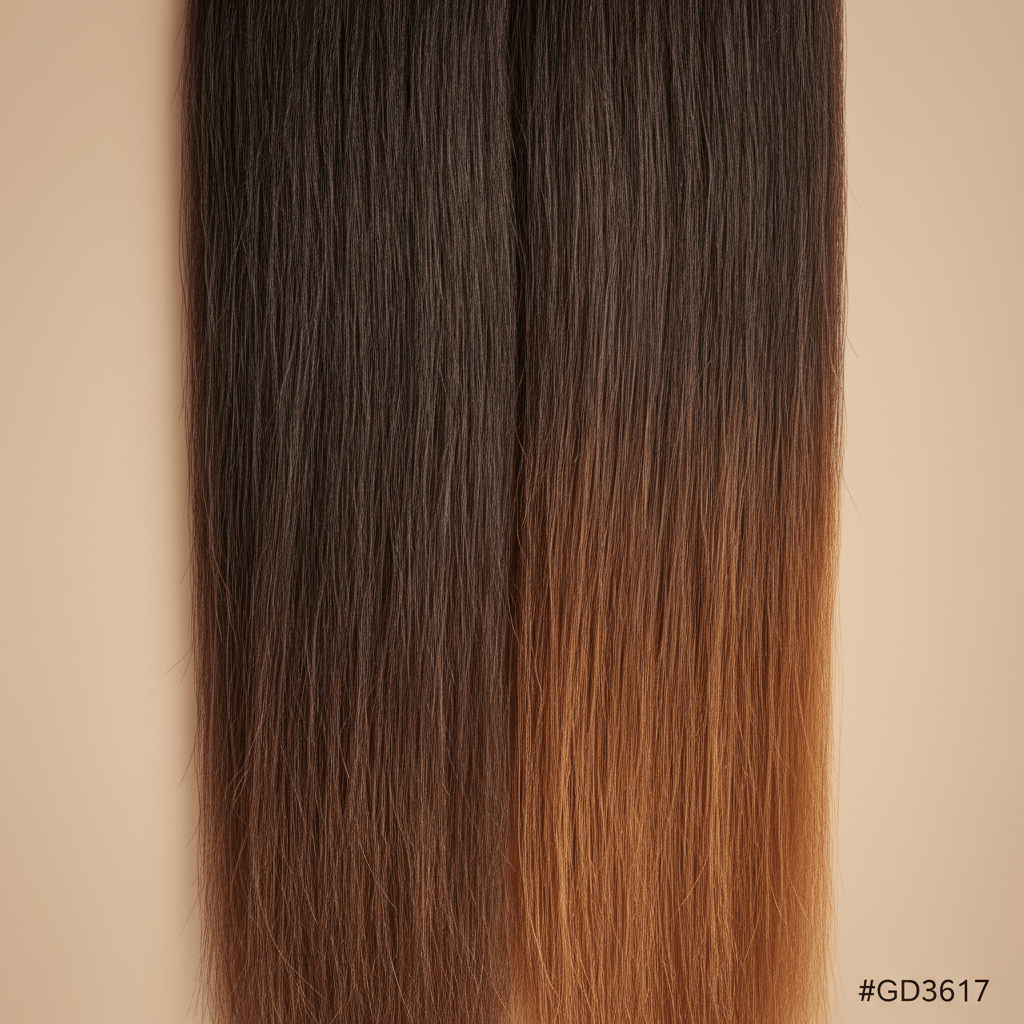
Here’s the short version. Pure amla hair oil does not make your hair lose its natural pigment. It doesn’t act like a harsh dye. It’s more of a mild darkening agent over time, and that’s part of why amla shows up in traditional hair dye blends and herbal masks.
So why do people keep saying it changes hair color? Because amla has tannins and other plant compounds that can give hair a deeper look, especially with regular use. That can sound nice if your hair is dark brown or black. But if your hair is light brown, blonde, silver, or chemically lightened, you may notice a subtle tint or a duller cast. Not always. But it can happen.
Think of it like this: pure amla oil is usually a soft nudge, not a full makeover. But products that mix amla with synthetic dyes? That’s a whole different story. Those can shift color much more fast and much more obviously. So if you’re checking amla oil benefits and side effects, this is one of the big ones to keep in mind.
Who should be a little careful?
- People with blonde or light brown hair
- Anyone with highlights or bleached strands
- Folks using color-treated hair products
- People who want zero change in tone
And if you’re wondering, is amla oil safe for color-treated hair? Usually yes, but the result can be a bit unpredictable on lighter shades. I’d say do a strand test first. A tiny one. Just one section near the back, where nobody’s going to notice if it gets a little darker.
Also, watch the label. Some bottles say amla oil, but they also include added dyes, strong fragrance, or heavier carrier oils. That’s where amla oil side effects can get confusing, because the darkening you see may come from the full formula, not the amla alone. A clean, simple blend is a lot easier to judge.
If you’re buying for a salon line or product brand, this part matters even more. Suppliers like Aroma Monk offer lab-tested essential oils, natural attars, rose water, and carrier oils for bulk use, which helps brands keep ingredient quality more consistent from batch to batch.
So no, amla oil doesn’t cause premature graying. It usually does the opposite. But if your hair is light or chemically treated, it may leave a richer tone behind. Subtle? Often. Noticeable? Sometimes. Worth testing first? Absolutely.
Beyond Amla: The Hidden Side Effects of Carrier Oils and Additives
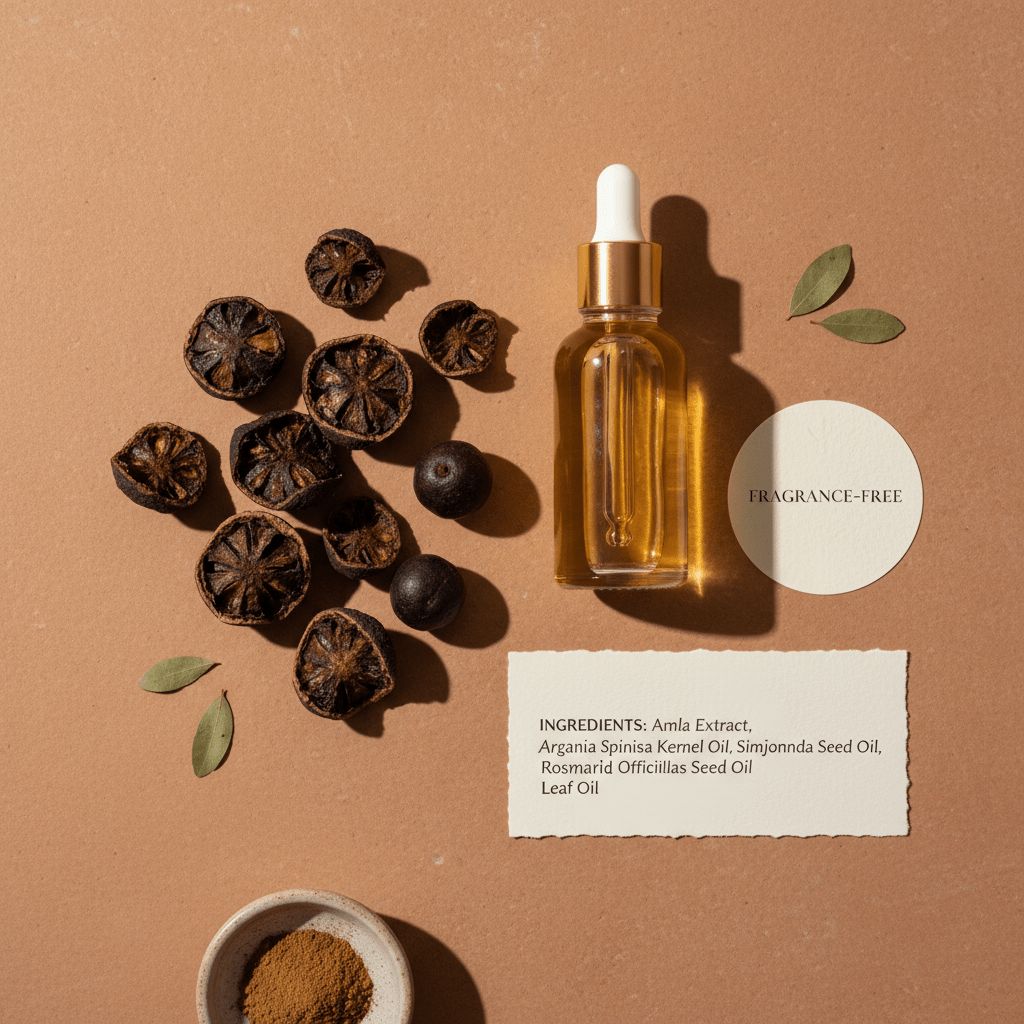
Here’s the part a lot of people miss. In many bottles, the amla hair oil is not mostly amla at all. It’s often a carrier oil like mineral oil, coconut oil, sesame oil, or sunflower oil, with a smaller amount of amla extract mixed in. So if your scalp gets itchy, greasy, or bumpy, the problem may not be Indian gooseberry for hair. It may be the stuff carrying it around.
And that matters. A lot.
Commercial blends can be tricky because the front label says one thing, but the ingredient list tells the real story. If you’re checking amla oil benefits and side effects, you need to look at the whole formula, not just the pretty bottle and the green leaf on the front.
Common additives to watch for
| Ingredient | What it can do | Why some people avoid it |
|---|---|---|
| Mineral oil | Helps seal in moisture | Can feel heavy and may clog pores for some users |
| Parabens | Helps preserve shelf life | Some shoppers worry about hormone effects |
| Artificial fragrances | Makes the oil smell nice | A common cause of scalp irritation and allergic reactions |
| Silicones | Adds slip and shine | Can build up on hair and scalp over time |
Fragrance is the big one to watch. It’s one of the most common causes of cosmetic allergies, which is why a lot of people with an amla oil for sensitive scalp issue do better with fragrance-free products. And if you’ve ever had an amla hair oil allergic reaction, the scent blend may have been the real trigger.
Mineral oil gets a mixed rap, but refined forms are usually considered safe and non-comedogenic by many skin pros. Still, heavy oils can feel too sticky for some scalps. Parabens are under a lot of debate too. They’re allowed in low amounts in many products, but people who want a simpler label often skip them. Silicones? Not bad in tiny amounts, but they can leave a film if you use them all the time.
So how do you read the label without feeling lost? Easy. Check the first five ingredients. If a good carrier oil is high on the list and amla extract is also listed near the top, that’s usually a better sign than a bottle where fragrance and fillers crowd the front. You want a formula that feels clear and honest. Not a mystery soup.
If you’re buying for your own routine, look for short ingredient lists and plain names you can read fast. If you’re sourcing for a brand or salon line, working with a supplier like Aroma Monk can help you find lab-tested carrier oils, pure essential oils, and cleaner raw materials for personal care products.
Simple rule? The fewer surprise ingredients, the easier it is to trust what’s in the bottle.
Systemic vs. Topical: Understanding Amla’s Internal Effects
Ever hear someone blame amla hair oil for an upset stomach? That’s usually a mix-up. The side effects people talk about most, like acidity, constipation, loose stools, or even drug interactions, are linked to eating amla or taking it as a supplement, not rubbing it on your scalp.
That’s a big difference. Big enough to matter.
Amla fruit has a lot of vitamin C and fiber, and those can bother some people when they eat too much. On the inside, it can sometimes cause heartburn or stomach trouble, especially if it’s taken on an empty stomach. But that’s not the same as using amla oil for hair. Topical use stays on the outside, so the body doesn’t absorb it the same way.
So if you’re worried about amla oil side effects, the digestive stuff is not usually the issue. The more likely problem is local skin irritation, like itching or redness, especially if the bottle has fragrance or other extras mixed in.
Now, there is one small caution worth saying out loud. Amla can have blood-thinning effects when swallowed, so people with bleeding disorders or anyone on blood-thinning medicine should talk to a doctor before using it in any form, just to be safe. The risk from amla hair oil itself is very low, but a quick medical check never hurts.
And if you’re still asking, is amla oil safe? For most people, yes, when it’s used on the scalp and not on broken skin. Just keep it simple, patch test first, and don’t let supplement warnings scare you away from a hair oil that works very differently.
If you want a cleaner formula with fewer surprises, look for trusted sourcing and short ingredient lists. Brands and buyers often turn to Aroma Monk for lab-tested essential oils, carrier oils, and other raw materials used in personal care products.
How to Use Amla Hair Oil Safely: A Step-by-Step Protocol
You know that sinking feeling when a product smells great, but your scalp starts acting up? Yeah, that’s the part nobody puts on the bottle. The good news is, a careful routine can cut down a lot of the guesswork.
Start with the bottle itself. Amla hair oil works best when the ingredient list is short and easy to read. Fewer extras usually means fewer chances for irritation, especially if you have an amla oil for sensitive scalp concern. Look for a blend with a simple carrier oil and amla, not a long list of dyes and heavy perfumes.
Here’s a quick checklist before you use it:
| Safe-use check | What to look for |
|---|---|
| Short ingredient list | Fewer fillers, fewer surprises |
| No strong fragrance | Better for sensitive skin |
| Clear label | You should know what’s inside |
| Trusted sourcing | Better quality control |
And if your scalp is already cranky, take that seriously. People with eczema, psoriasis, dermatitis, or a history of itchy skin should be extra careful. Same goes for anyone who gets redness from soaps, shampoos, or hair dye. I’d say don’t rush it.
Step 1: Patch test first
Before full use, patch test amla hair oil 24 to 48 hours ahead of time. Put a tiny amount on the inside of your forearm, behind your ear, or on your wrist. Then leave it alone. No washing right away. No rubbing. Just wait and watch.
If you see redness, itching, swelling, or bumps, wash it off and skip that product. Simple. Boring. Smart.
Step 2: Start small
Don’t drench your scalp on day one. That’s how people end up with greasy roots and clogged pores, then wonder what went wrong. Use a small amount first, maybe just a few drops or a light coating on a test section of hair.
For your first few uses, keep the oil on for 30 minutes instead of overnight. That gives you time to see how your scalp reacts without leaving the product sitting there all day or all night. If all goes well, you can slowly increase the time later.
Step 3: Apply the right way
Use your fingertips, not your nails. Part the hair in small sections and massage the oil gently into the scalp. No hard scrubbing. No rough tugging. That can make an already sensitive scalp even more annoyed.
A light touch is better, especially if you’re trying to avoid buildup. Focus on the scalp first, then smooth a little through the lengths if needed. You do not need to coat every strand like you’re frosting a cake.
Step 4: Wash it out well
This part matters more than people think. Leaving heavy oil on too long can trap dirt and leave your scalp feeling sticky. To wash it out, apply shampoo to dry hair first if the oil feels thick. Then add water and lather. Rinse. Shampoo once more if needed, but don’t go overboard.
A clean scalp is the goal. Not a stripped one.
Step 5: Pay attention after use
Watch for itching, flakes, tiny bumps, or a heavy feeling that doesn’t go away after washing. Those can be signs that the oil is not a good fit, or that the formula has too many extras for your skin.
If you’re still asking, is amla oil safe, the answer is usually yes for most people. But with amla oil benefits and side effects, the “safe” part depends on your skin, your hair type, and the full formula in the bottle. So keep it simple, test first, and don’t force it if your scalp says no.
And if you want cleaner ingredient options for your own products or salon line, suppliers like Aroma Monk offer lab-tested essential oils, carrier oils, and natural raw materials that can help keep formulas more predictable.
Conclusion: Making an Informed Choice for Your Hair
Amla hair oil can be a nice part of a hair routine. But like most good things, it works best with care.
The main amla oil side effects to watch for are simple ones: an amla hair oil allergic reaction, scalp irritation, slight darkening on light hair, and trouble from cheap extras like heavy fragrance or fillers. That last part trips people up a lot. The bottle may say amla, but the rest of the formula tells the real story.
For most people, is amla oil safe? Yes, usually. It tends to be a good fit when the oil is clean, the label is short, and you patch test first. Hair care buyers are voting with their wallets too. The global amla oil market was valued at about $0.5 billion in 2024, and natural hair care keeps growing as more people look for plant-based options.
So the best path is pretty clear:
- Pick a simple, well-made formula
- Patch test for 24 to 48 hours
- Start with a small amount
- Stop if your scalp says no
- Pay attention to changes in tone if your hair is light or color-treated
That’s the heart of how to use amla hair oil safely. Not fancy. Just smart.
And if you’re sourcing for a brand, clean ingredients matter even more. Trusted suppliers like Aroma Monk can help with lab-tested essential oils, carrier oils, and other raw materials for personal care products.
Listen to your scalp. It usually tells you first.
Get a quote from Aroma Monk.
Essential Oil Supplier – Bulk pricing • Samples • Fast response