
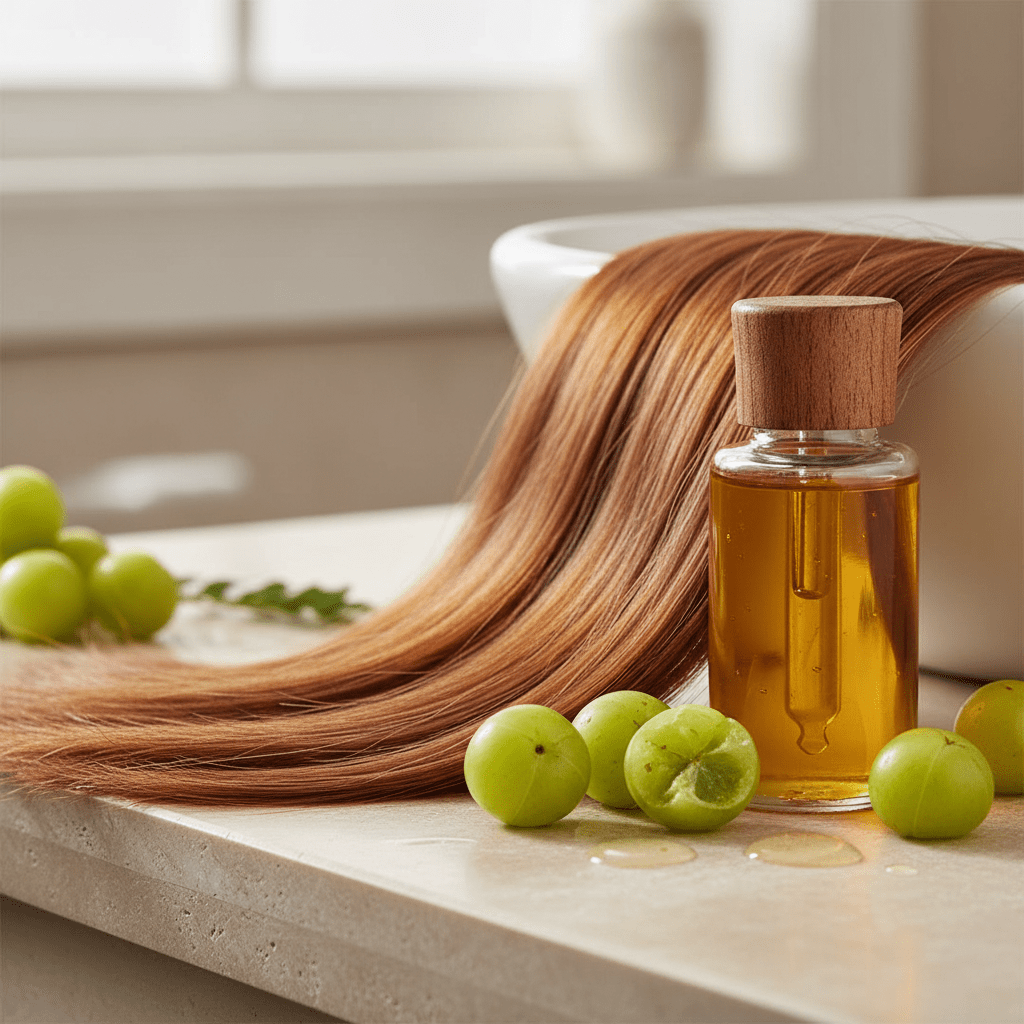
Tired of Lifeless Hair? Unlock Nature’s Secret to Strength and Vitality
You know that sinking feeling when your hair looks flat, rough, and kind of tired no matter what you do? We’ve all been there. Split ends, thinning spots, dull shine, extra shedding in the shower… it can feel like your hair is sending up little distress signals.
And honestly, a lot of people are searching for answers right now. Hair loss, dry scalp, and natural fixes are big search topics, and the natural hair care market keeps growing because folks want plant-based options that feel gentler on the scalp and the wallet. One recent market report put the natural hair care space at more than $10 billion in 2023, which says a lot about where people’s heads are at. See what I did there?
That’s where amla comes in. Also called Indian gooseberry, it’s a long-time favorite in ayurvedic hair care for helping with shine, strength, and scalp comfort. Some people even call it a hero ingredient for brittle hair.
But here’s the thing… amla essential oil for hair gets talked about a lot, and not all of it is accurate. In this guide, we’ll cover what amla really is, the benefits of amla for hair, and four simple DIY amla hair mask recipes you can try at home for growth, shine, and softer strands.
If you’ve been looking for a natural hair mask for thinning hair, you’re in the right place.
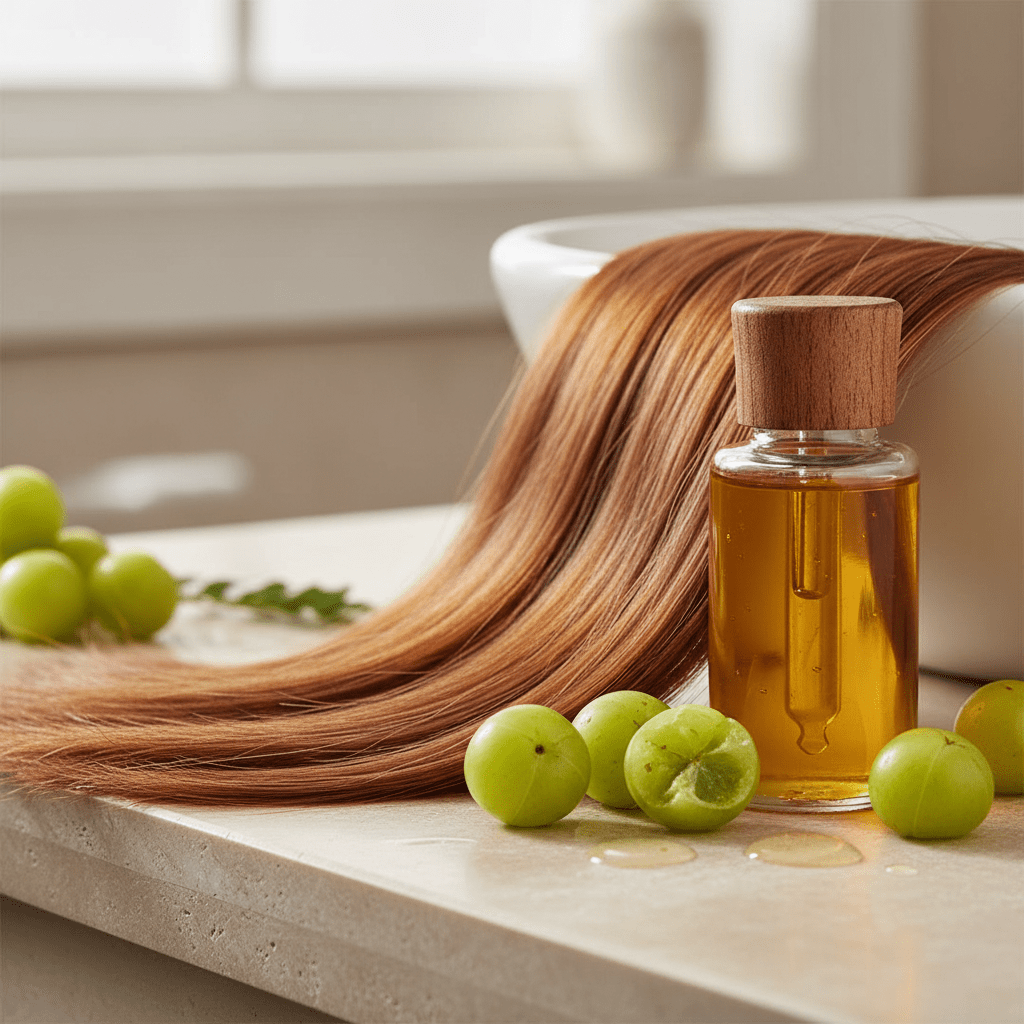
What is Amla? The Ayurvedic Powerhouse for Hair
Ever hear about a fruit that’s been part of hair care for ages and still keeps showing up in new products today? That’s amla. People also call it Indian gooseberry, and in Ayurvedic hair care, it’s been used for centuries as a go-to plant for scalp and strand support. Pretty old-school. Still popular. That says a lot.
Amla, or Emblica officinalis and Phyllanthus emblica, is a small green fruit with a sharp, tangy taste. In Ayurveda, it’s often seen as a balancing ingredient, and many people use it in hair oils, masks, and rinse blends. It’s loved for dry hair, weak roots, and dull-looking strands, which is one reason the search for amla essential oil for hair keeps popping up right beside hair loss and thinning hair questions.
Here’s the fun part. Amla is packed with vitamin C, tannins, flavonoids, iron, and other antioxidants. Those plant compounds help fight stress on the scalp and may support a healthier hair feel over time. The tannins also give amla its astringent kick, which is why it’s often used in ayurvedic hair care for oily scalps too.
But wait, there’s a catch. Amla powder and amla oil are not the same thing.
| Form | What it is | Common use |
|---|---|---|
| Amla powder | Dried fruit ground into powder | DIY amla hair mask, scalp pack, or wash mix |
| Amla oil | Amla fruit infused in a carrier oil like coconut or sesame | Scalp massage, pre-wash oil treatment |
And no, amla does not make a true essential oil the way lavender or rosemary can. What’s sold as amla essential oil for hair is usually an infused oil blend, not a true steam-distilled essential oil. That little detail matters, especially if you’re shopping for a natural hair mask for thinning hair or learning how to use amla oil for hair without guessing.
If you’re building your own routine, think of amla as a flexible helper. Use the powder for masks. Use the oil for massage. Simple. Handy. Kind of lovely, honestly.
For brands and makers, pure plant oils and tested raw ingredients matter a lot too. That’s where suppliers like Aroma Monk fit in, with lab-tested essential oils, carrier oils, and other natural ingredients for hair and beauty products.
Amla ‘Essential Oil’ vs. True Amla Oil: A Crucial Clarification
You know that moment when a product label sounds fancy, but the bottle doesn’t quite match the promise? Yep. That happens a lot with amla essential oil for hair.
Here’s the deal. Amla, also called Indian gooseberry, does not make a true essential oil the way lavender or rosemary do. True essential oils come from steam distillation or cold pressing. Amla fruit is not a good fit for that kind of extraction, so if you see “amla essential oil,” it’s usually an infused oil, a blend, or a product mixed with other scents. Not the same thing at all.
That matters if you’re trying to make a diy amla hair mask or build an amla hair treatment recipe at home. For hair care, you usually want pure amla oil first. That means an infused carrier oil, often made with coconut, sesame, or another base oil. Then you can add a true essential oil if you want extra help for scent, scalp feel, or hair goals.
For example:
| What you buy | What it really is | Best use |
|---|---|---|
| Amla essential oil | Often a blend or infused oil | Marketing label, not always pure |
| Pure amla oil | Amla infused in a carrier oil | Scalp massage, oiling, pre-wash treatment |
| True essential oil added later | Rosemary, lavender, tea tree, and more | Targeted scent or scalp support |
So if you’re learning how to use amla oil for hair, keep it simple. Start with a clean amla oil base. Then, if you want, mix in 1% to 2% of a true essential oil for a scalp blend. Tiny amount. Big difference.
And if you’re buying for a brand or salon line, this is where purity matters. Aroma Monk offers lab-tested essential oils, carrier oils, and other natural ingredients for product makers who want clean, traceable raw materials. That kind of sourcing makes recipe work a lot easier. And a lot less messy.## The Science-Backed Benefits of Using Amla Oil for Hair
Ever run your fingers through your hair and think, “Why does it feel so blah today?” Yeah, same. Dry strands, flaky scalp, and extra hair in the drain can make you feel a little fed up. But amla keeps popping up for a reason. People have used Indian gooseberry for hair in ayurvedic hair care for ages, and the benefits of amla for hair go beyond old family stories.
Amla is packed with vitamin C, tannins, flavonoids, and other plant compounds that help feed the scalp and support hair roots. Some lab and early human research also points to hair-growth support. One 2023 clinical trial in women with androgenic hair loss found that oral amla syrup improved the anagen-to-telogen hair ratio after 12 weeks, which is a fancy way of saying more hairs stayed in the growth phase (PubMed study on amla and female hair loss). Pretty neat, right?
1) It may help strengthen hair and support growth
Amla oil for hair growth gets talked about a lot because the fruit is rich in nutrients that can support follicles. Those phytonutrients may help improve scalp blood flow, and some research suggests amla compounds may also help block 5-alpha reductase, an enzyme tied to hair thinning. That’s one reason people looking for a natural hair mask for thinning hair often try amla first.
2) It can help with dandruff and scalp itch
Got an itchy scalp? Amla has anti-inflammatory and antimicrobial properties, so it may help calm things down. Its phenolic compounds, like tannins and gallic acid, have shown activity against dandruff-linked fungi such as Malassezia. So if your scalp feels angry and flaky, a diy amla hair mask or oil massage might be worth a try.
3) It may help hair look shinier and darker
Amla is loaded with antioxidants, which help fight free radical damage from sun, heat, and daily stress. That matters because oxidative stress can make hair look dull and worn out. Also, amla’s tannins can coat the hair a bit, smoothing the cuticle so light reflects better. More shine. Less frizz. And yes, regular use may slowly darken hair over time, which some people love and others do not (especially if your hair is blonde).
| Benefit | What amla may do | What you might notice |
|---|---|---|
| Strength and growth | Nourish follicles and support scalp health | Less breakage, fuller look |
| Dandruff relief | Help calm fungus and irritation | Less itch and flaking |
| Shine and color | Smooth cuticle and support darker tone | Smoother, glossier hair |
If you want to try it, start simple. Use pure amla oil as a scalp massage, or mix it into an amla hair treatment recipe with yogurt or honey. And if you’re shopping for raw materials for hair products, Aroma Monk offers lab-tested essential oils, carrier oils, and rose water for brands that want clean, traceable ingredients.
Just keep the label in check. Amla essential oil for hair is often an infused oil, not a true essential oil. That little detail can save you a headache.
4 Powerful DIY Amla Oil Hair Mask Recipes
Trying a hair mask at home can feel a little like kitchen science. Messy, yes. But also weirdly fun. And if your hair has been acting dry, flat, or just plain fussy, these amla recipes are a solid place to start.
A quick note first: use these masks on dry hair or a dry scalp for best results. Give your head a gentle massage for 5 minutes, then let the mix sit for 30 to 60 minutes. If you want deeper softness, you can leave some masks on longer, but patch test first. The safe range for adding true essential oils is usually 1% to 2%, so don’t go wild with the drops.
Here’s the deal. These masks are simple, but they each do a different job. One helps with strength and growth. One helps with flakes. One brings back softness. One helps brittle hair feel less like straw.
1) Strengthening Mask for Hair Growth
If your goal is amla oil for hair growth, this is the one to try first.
You’ll need:
- 1 tablespoon amla oil
- 1 tablespoon castor oil
- 3 to 4 drops rosemary essential oil
Why this mix works:
- Amla oil may help support the scalp and roots. It’s a favorite in Ayurvedic hair care for a reason.
- Castor oil is thick, rich, and often used for hair oiling because it coats the strands and helps cut down on breakage.
- Rosemary essential oil gets a lot of attention for hair growth. Lab and clinical work has linked it with hair count support and 5-alpha reductase activity.
Mix the oils in a small bowl. Massage them into the scalp, then pull the rest through the lengths. Leave it on for 30 to 45 minutes, then wash twice if needed.
A little goes a long way. Really. Grease city is not the goal.
2) Soothing Scalp Mask for Dandruff Control
If your scalp itches or flakes, this diy amla hair mask may help calm things down.
You’ll need:
- 1 tablespoon amla oil
- 1 teaspoon neem oil
- 2 drops tea tree essential oil
Why this mix works:
- Amla oil has plant compounds that may help fight the fungi tied to dandruff.
- Neem oil has a long history in herbal scalp care and is often used for flaky, irritated skin.
- Tea tree essential oil is known for its cleansing feel and is often used in scalp blends.
Stir the oils together and apply only to the scalp. Give it a gentle massage, then wait 20 to 30 minutes. Wash it out well with a mild shampoo.
But don’t skip the patch test. Tea tree can be a bit much for some people, and an itchy scalp does not need more drama.
3) Deep Conditioning Mask for Shine and Softness
This one is for dry hair that looks tired and rough.
You’ll need:
- 1 tablespoon amla oil
- 2 tablespoons plain yogurt
- 1 teaspoon honey
Why this mix works:
- Amla oil helps smooth the hair feel and may add shine.
- Plain yogurt brings moisture and a soft, creamy texture that coats the strands.
- Honey pulls in water and helps hair feel less brittle.
Mix everything until smooth. Put it on the mid-lengths and ends, then smooth a little on the scalp if it feels dry. Leave it on for 20 to 30 minutes.
This is a nice amla hair treatment recipe if your hair feels rough after heat styling, pool days, or just too many bad ponytail mornings.
4) Repairing Mask for Damaged Hair
If your hair feels weak, snapped, or frayed at the ends, try this one.
You’ll need:
- 1 tablespoon amla oil
- 1 tablespoon argan oil
- 1 ripe banana, mashed well
Why this mix works:
- Amla oil brings the Ayurvedic support.
- Argan oil has fatty acids that help hair feel smoother and less brittle.
- Banana adds a creamy texture plus vitamins that can help dry, damaged hair feel more flexible.
Mash the banana until it’s as smooth as you can get it. Stir in the oils. Apply to damp or dry hair, mostly on the lengths and ends. Leave it on for 25 to 40 minutes.
Tiny tip: use a blender if you hate banana chunks. Trust me. Nobody wants a fruit puzzle in their shower drain.
Quick recipe cheat sheet
| Mask | Best for | Main feel |
|---|---|---|
| Strengthening mask | Growth support and breakage control | Rich and nourishing |
| Soothing scalp mask | Dandruff and itch | Clean and calming |
| Deep conditioning mask | Shine and softness | Creamy and moist |
| Repairing mask | Dry, damaged hair | Smooth and flexible |
How to wash amla masks out
Oil masks can be stubborn. So here’s the trick:
- Wet hair with warm water first.
- Put shampoo on before too much extra water.
- Massage it in well.
- Rinse.
- Shampoo again if hair still feels slick.
- Finish with cool water.
That last rinse helps the hair feel smoother. Small step. Big payoff.
And if you’re shopping for clean oils for a salon line, DIY brand, or bulk hair care formula, Aroma Monk offers lab-tested essential oils, carrier oils, rose water, and natural attars for product makers who want pure raw materials and steady supply.
If your hair has been sending out SOS signs, these masks are a nice place to begin. Start with one. See how your scalp feels. Then build from there.
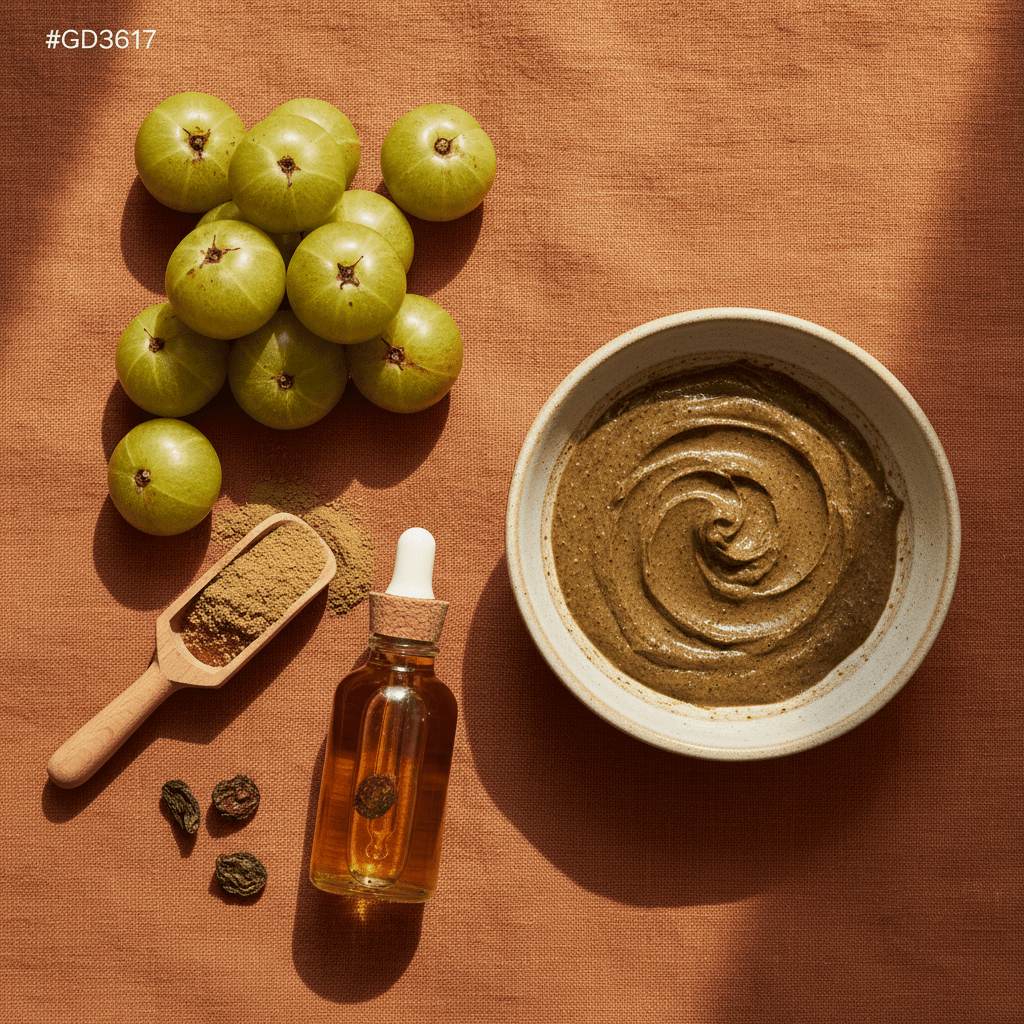
How to Apply Your Amla Hair Mask for Maximum Results
You know what trips people up most? It’s not the recipe. It’s the routine.
A great diy amla hair mask can still flop if it’s slapped on fast, washed out too soon, or mixed in the wrong order. So let’s keep this simple and actually useful.
Step-by-step: how to use amla oil for hair
Start with dry or barely damp hair.
Dry hair usually grabs onto oil better. Part your hair into 4 sections so you’re not fighting with it the whole time. Clip each section up as you go.Warm the oil a little.
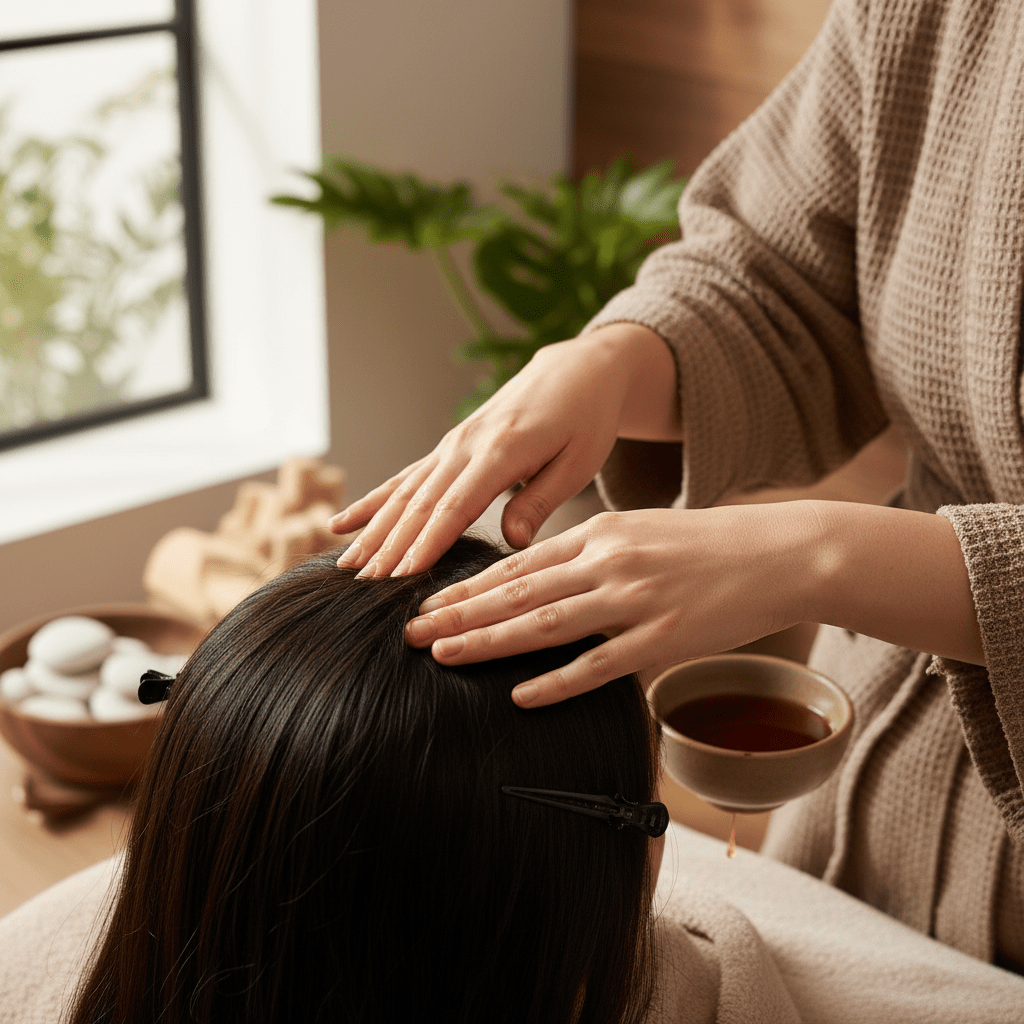
Just a few seconds in your hands is enough. Don’t make it hot. Nobody wants a scalp sauna.Massage it into the scalp first.
Use your fingertips, not your nails. Spend about 5 minutes here. This helps the mask spread well and gives your scalp some attention, which is really the point with amla oil for hair growth.Work it down the lengths and ends.
Once the scalp is coated, smooth the rest through the hair shaft. The ends usually need the most help, especially if they feel dry or frayed.Let it sit.
For a quick treatment, leave it on for 30 to 60 minutes. For deeper softness, some people leave it on overnight. That works best for thick, very dry hair. If your scalp gets touchy, keep it shorter.
A small timing cheat sheet
| Goal | Time to leave it on |
|---|---|
| Quick shine boost | 30 minutes |
| Standard treatment | 30 to 60 minutes |
| Deep conditioning | Overnight |
And yes, the waiting part matters. It gives the oils time to coat the hair and help it feel softer after washing. Rush it, and you usually get less payoff.
How to rinse it out without stripping your hair
This is where people mess up. They add water first, then shampoo, and wonder why the hair still feels greasy. Here’s the better way:
- Put shampoo straight on the oily hair first.
- Massage it in before adding lots of water.
- Rinse, then shampoo again if needed.
- Finish with cool water so the hair feels smoother.
That second wash is often the secret sauce. Not fancy. Just practical.
If you used a heavier amla hair treatment recipe with castor oil or yogurt, you may need the extra shampoo round. And if you’re trying a natural hair mask for thinning hair, be patient. Hair care usually works best as a steady habit, not a one-and-done moment.
A few quick tips before you go:
- Patch test first, especially if you mixed in essential oils.
- Keep your blend light if your scalp gets oily fast.
- Use once a week to start.
- Stop if you feel burning, redness, or extra itching.
That’s it. Simple, right? Start small, see how your hair reacts, then build from there. And if you’re sourcing clean oils for a salon, shop, or product line, Aroma Monk offers lab-tested essential oils, carrier oils, and rose water for brands that want pure ingredients they can trust.
FAQs and Potential Side Effects to Consider
Amla sounds gentle, and it often is. But your scalp still has its own opinions.
Should I do a patch test first?
Yes. Please do. Test a tiny bit of your amla oil blend on the inside of your arm or behind your ear, then wait 24 hours. If you get redness, burning, bumps, or itching, skip it. That little step saves a lot of mess later.
And if you mixed in rosemary or tea tree, be extra careful. Those can bother sensitive skin faster than plain amla oil.
Will amla darken my hair?
It can. Over time, amla may slowly deepen hair color because of its tannins and plant compounds. Many people with dark hair like that look. But if you have blonde, silver, or very light hair, this might not be the vibe you want.
So if you’re after shine without color shift, use it less often and watch how your hair reacts.
How often should I use an amla hair mask?
It depends on your hair type and how dry it feels.
| Hair type | How often to use it |
|---|---|
| Normal hair | Once a week |
| Dry or damaged hair | Twice a week |
| Oily scalp | Every 10 to 14 days |
| Fine hair | Once a week or less |
If your hair is already dry from heat tools, coloring, or rough weather, a weekly amla hair treatment recipe can help it feel softer. But if your scalp gets greasy fast, less is usually better.
When should I stop using it?
Stop if you notice stinging, rash, extra shedding, or scalp flaking that gets worse. Hair care should feel calm, not like a fight.
And if you’re still unsure, start small. One mask. One patch test. One week at a time. That’s usually the safest way to see what amla does for your hair.## Embrace Natural Hair Care with Amla
If your hair has been looking tired lately, you’re not alone. A lot of people are searching for answers about hair thinning, dry scalps, and natural fixes, and that’s part of why natural hair care keeps growing so fast. Amla fits right into that shift. Simple. Old-school. Still worth a try.
What I like most is how flexible it is. You can use amla essential oil for hair as an infused oil, make a diy amla hair mask, or build an amla hair treatment recipe that matches your hair goals. Stronger roots, more shine, less breakage… that’s the kind of support people want from Indian gooseberry for hair.
And the best part? You don’t need a huge routine. Just pick one mask and test it for a few weeks. If you want a calmer scalp, try the soothing blend. If you want softness, go for the yogurt mask. If thinning hair is your big worry, start with the strengthening one. That’s the real magic of ayurvedic hair care. It’s easy to begin.
So go ahead and choose one recipe that fits your hair right now. Then come back and tell us how it went. Did your hair feel softer? Shinier? Less fussy? Drop your results in the comments. I’d love to hear what worked for you.
Get a quote from Aroma Monk.
Essential Oil Supplier – Bulk pricing • Samples • Fast response