
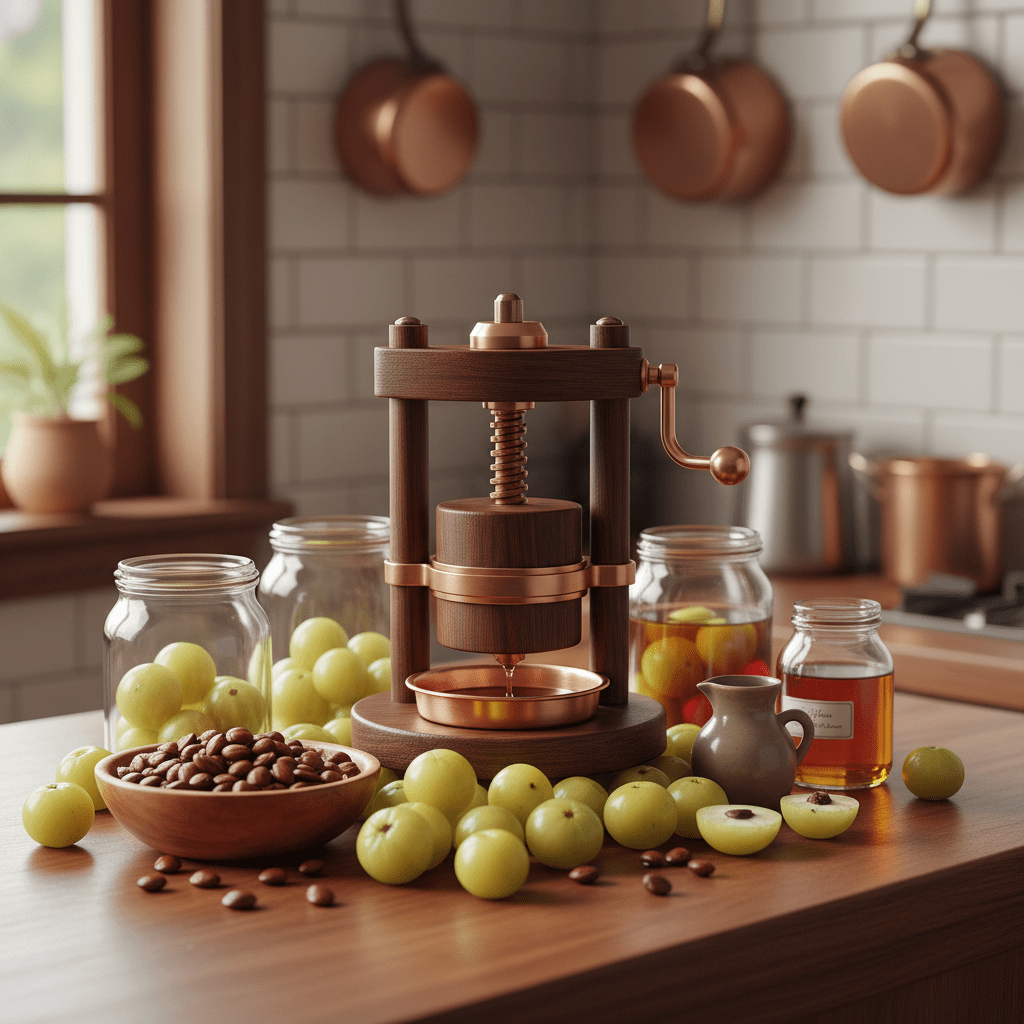
Unlocking Liquid Gold: Why Making Your Own Amla Seed Oil is a Game Changer
Ever notice how amla keeps popping up in hair oils, face masks, and wellness chats? That’s not by accident. People want simple stuff that feels clean, honest, and close to nature. And amla, also called Indian gooseberry, fits that mood really well.
The DIY beauty crowd is growing fast too. One market report says the global natural cosmetics market was valued at USD 55.4 billion in 2026 and could reach USD 96.4 billion by 2036. Searches for homemade skincare also jumped significantly, which tells us a lot about where people’s heads are at. Folks want to know what’s in their bottles. Period.
But here’s the part most people miss: many store-bought “amla oils” are not pure amla seed oil at all. A lot of them are just amla soaked in another oil, like coconut or sesame. That’s fine if you want an infused oil, but it’s not the same thing as a true cold-pressed extract.
So if you’ve been wondering how to make amla oil at home, you’re in the right place. We’ll walk through preparing amla for oil extraction, the basics of indian gooseberry oil extraction, and what it takes to get a clean, rich batch you can actually trust. Plus, if you’re into DIY amla oil for hair, this one’s going to feel pretty satisfying. Real ingredients. Real control. And yes, a little kitchen science.
If you want a deeper look at natural ingredient sourcing for beauty products, Aroma Monk also works with pure oils and plant-based materials for brands that care about quality and traceability.
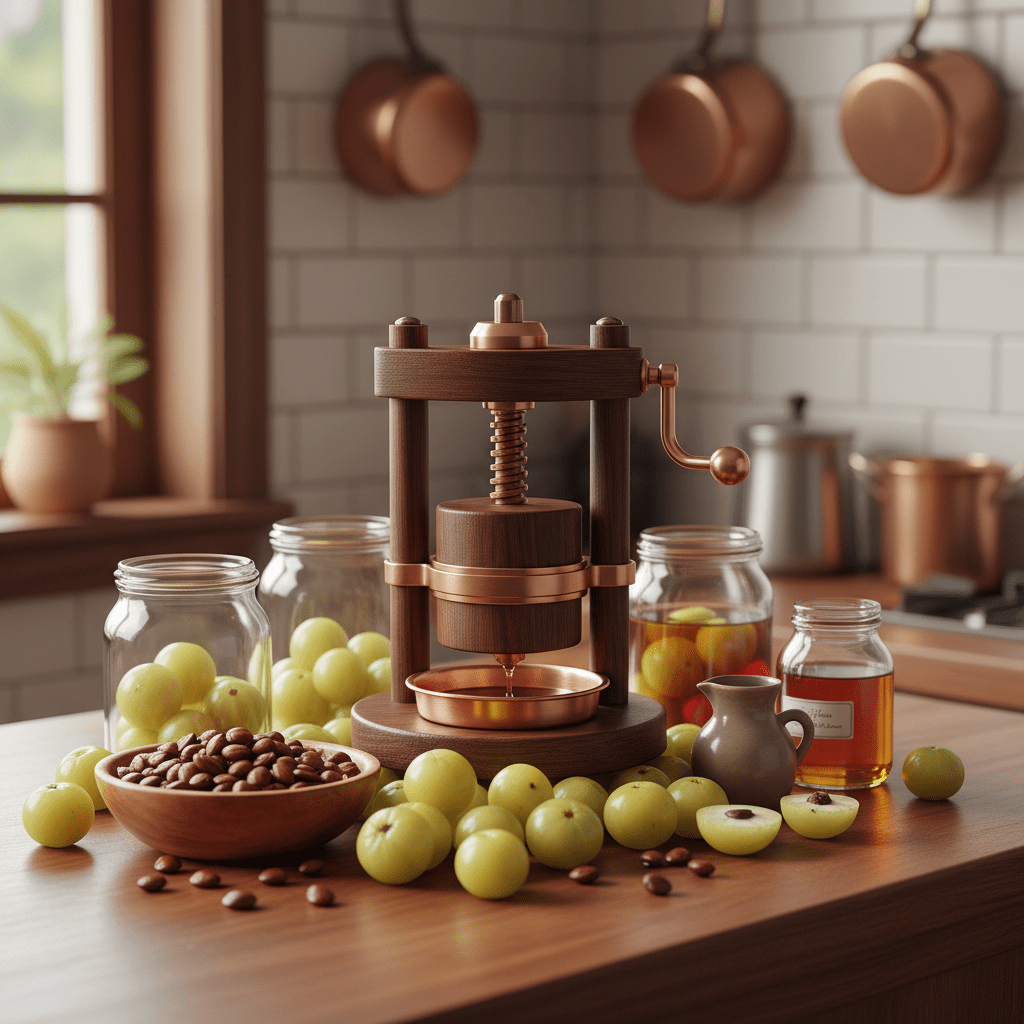
1. The Power Plant: What is Amla and Why is its Seed Oil Prized?
You know that tiny sour fruit your grandma probably talked about? That’s amla. It’s also called Indian gooseberry, and in Ayurveda it’s been used for ages as a health and beauty helper. People have linked it with strong hair, a happier scalp, and skin that looks a bit more awake. Not bad for one little fruit.
Amla’s full name is Emblica officinalis or Phyllanthus emblica. In old Indian healing books, it’s treated like a big deal, not a side note. Folks used it in tonics, hair oils, and classic blends like chyawanprash and triphala. And honestly, it makes sense. Amla fruit is packed with vitamin C and plant compounds, while the seed holds the oil that many DIY makers want for topical use.
But here’s where people get mixed up. Amla fruit pulp oil and amla seed oil are not the same thing. Fruit pulp oil is usually an infused oil. That means amla fruit or powder sits in a carrier oil like coconut or sesame. Nice? Sure. Pure amla seed oil? Different story. That one comes from pressing the seeds, and it’s richer, rarer, and usually costs more because the yield is low. Some sellers charge about 2 to 3 times more for it.
So why do people care so much about amla seed oil? Because the seed oil has a fatty acid profile that works well for scalp and skin care. It’s often used in DIY amla oil for hair, scalp massage mixes, and light skin blends. For anyone learning how to make amla oil at home, this is the part that helps everything click. You’re not just making a pretty bottle. You’re working with a plant that has a long history, real texture, and a lot of staying power.
And if you’re sourcing oils for a brand, that difference matters even more. Pure oils, lab-tested ingredients, and clear supply chains can change the final product fast. That’s why many beauty makers keep an eye on trusted suppliers like Aroma Monk when they need reliable natural oils for formulas, bulk work, or product testing.
| Amla part | What it gives you | Common use |
|---|---|---|
| Fruit pulp | Vitamin C and plant compounds | Hair masks, infused oils, skin blends |
| Seed | Fixed oil with useful fats | Cold-pressed amla oil, scalp care, beauty oils |
Also, the interest is real. The natural cosmetics market was valued at USD 55.4 billion in 2026 and may reach USD 96.4 billion by 2036, which lines up with the rise in homemade beauty searches too (market data). People want cleaner labels. Less guesswork. More control.
Pretty relatable, right?
2. The Science of Radiance: Unpacking the Composition of Amla Seed Oil
You know that glow people talk about? The kind that looks like you drank water, slept well, and maybe did something smart for your hair? Amla seed oil gets a lot of love for that reason. And it’s not just hype.
Here’s the deal. The seed oil has a fatty acid mix that works nicely with skin and scalp care. One study on amla seed oil composition and activity found that the oil was rich in linoleic acid (about 44%), oleic acid (around 28.1%), and linolenic acid (near 8.78%). Those fats matter because linoleic acid can help skin hold moisture, while oleic acid adds a softer, smoother feel. That’s one reason people like using amla seed oil for dry scalp blends and DIY amla oil for hair.
But wait, there’s more to it than just fats. Amla seed oil also carries plant compounds like flavonoids and polyphenols. Those are the bits that help fight free radical damage from everyday stress, sun, and pollution. Free radicals sound kind of dramatic, I know, but they’re basically the tiny troublemakers that can make skin and hair look tired. Plus, amla has long been tied to beauty in Ayurveda, so this isn’t some brand-new trend pulled out of thin air.
Also, vitamin E plays a nice support role here. It works with the fatty acids and antioxidants to help slow down oxidation, which is a fancy way of saying it helps the oil stay fresher for longer. And for skin, that combo can feel calming and nourishing. Not magical. Just solid plant chemistry.
What’s inside amla seed oil?
| Main part | What it does | Why people care |
|---|---|---|
| Linoleic acid | Helps support skin moisture | Good for dry skin and scalp |
| Oleic acid | Adds a rich, smooth feel | Nice for massage oils |
| Linolenic acid | Supports the oil’s fatty acid mix | Helpful in hair care blends |
| Flavonoids and polyphenols | Help fight free radical damage | Good for aging skin and stressed hair |
| Vitamin E | Helps protect the oil from going bad | Supports shelf life and skin care use |
If you’re comparing oils, this is where amla seed oil gets interesting. Argan oil has more oleic acid, and jojoba is actually a wax ester, not a true oil. Amla seed oil leans harder into linoleic acid, which makes it a smart pick for scalp blends and lighter beauty recipes.
And yes, this matters if you’re figuring out how to make amla oil at home or thinking about an amla oil extraction machine at home. The better you understand the seed, the better your results usually are. Clean oil in. Better oil out. Simple enough.
If you’re sourcing oils for a brand or batch testing your own formula, suppliers like Aroma Monk can help with pure, lab-tested oils and other natural ingredients. That way you’re not guessing what’s in the bottle. And nobody wants that.
3. Gathering Your Supplies: Sourcing Amla and Essential Equipment
You know that moment when you’re ready to make something at home, then you realize you’re missing one tiny tool? Yeah. That happens here too.
If you want good amla seed oil, start with good amla. You can work with fresh amla fruit, dried amla fruit, or just buy dried seeds. Fresh fruit gives you more control, but it takes extra prep. Dried fruit is easier to store, yet you’ll still need to split it, dry it more, and separate the seed. Buying dried seeds is the fastest route if your only goal is oil. Less mess. Less waiting. Pretty nice.
Here’s a quick look at the options:
| Source | Pros | Cons |
|---|---|---|
| Fresh amla fruit | Easy to inspect, good for full control | More prep time, more drying work |
| Dried amla fruit | Stores well, simpler to buy in bulk | You still need to remove seeds |
| Dried amla seeds | Best for oil pressing, less waste | Harder to find, quality varies |
For indian gooseberry oil extraction, dried seeds are usually the cleanest choice. Just make sure they’re food-grade, fully dry, and free from mold. A good sign? The seeds feel hard and light, not soft or sticky.
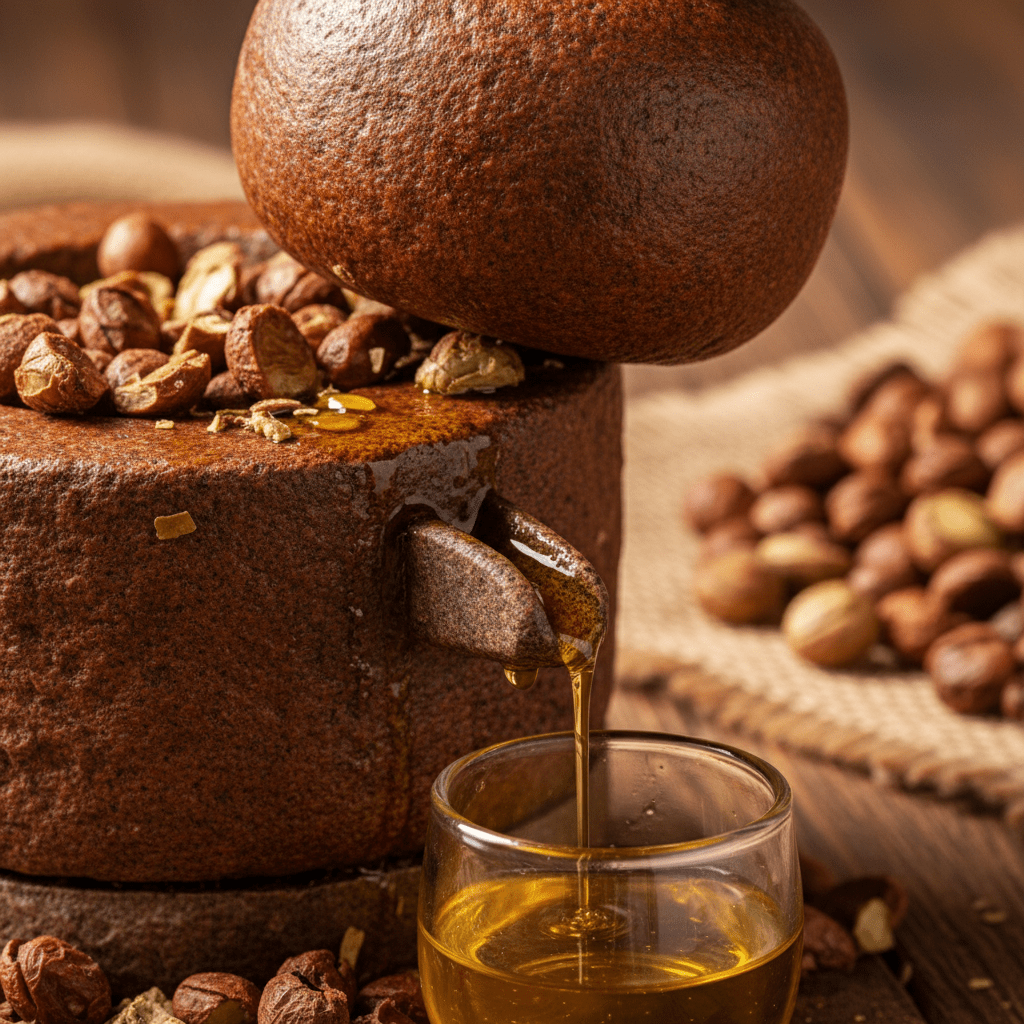
Now for the gear. You do not need a giant factory setup. A small oil press works fine for home batches, especially if you’re after cold-pressed amla oil. A blender or grinder helps break the seeds a bit before pressing. Then grab a cheesecloth or fine mesh sieve for straining. And use dark glass storage bottles, not clear plastic. Light and heat are rough on homemade oils.
Your simple equipment checklist
- Small cold-press oil machine
- Blender or grinder
- Cheesecloth or fine mesh sieve
- Clean funnel
- Dark glass bottles with tight lids
- Labels for date and batch notes
If you’re looking at an amla oil extraction machine at home, pick one that handles hard seeds and keeps the heat low. Some home presses work better on nuts and tough seeds than others, so check that before you buy.
And please, don’t skip cleaning. Sterilize bottles and tools before you start. Wash glass with hot soapy water, then heat it in the oven at 250 to 300°F for 20 to 30 minutes. Let it cool inside the oven. For metal parts, wipe them down well and let everything dry fully. Moisture is trouble. It can spoil the oil faster and invite funky smells you really do not want.
That’s the boring part. Also the part that saves your batch.
Clean tools. Dry tools. Better oil.
If your brand or small shop needs pure carrier oils, rose water, or lab-tested ingredients for product making, Aroma Monk can be a helpful source for bulk natural materials with traceable quality.
Get a quote from Aroma Monk.
Essential Oil Supplier – Bulk pricing • Samples • Fast response
4. The Extraction Process: A Step-by-Step Guide to Homemade Amla Seed Oil
You know that little rush when a jar starts coming together? That’s this part. The seeds are ready, the tools are set out, and now we get to make the oil. Nice, right?
Before we press anything, let’s talk prep. Because this is where a lot of batches go sideways.
Step 1: Clean the seeds well
If you’re starting with fresh amla, wash the fruit first and split it open. Pull out the seeds and toss anything soft, moldy, or bruised. If you bought dried seeds, give them a quick check for dust, bits of fruit, or odd smells. You want seeds that look dry, hard, and clean.
Step 2: Dry them all the way
This is the big one. Do not rush it. Any leftover water can mess with the oil, make it cloudy, and shorten shelf life. Spread the seeds on a clean tray in one layer. Let them air-dry in a warm, dry place for a few days, or use a low oven setting if you’re careful. They should feel crisp, not bendy.
A good batch usually sits around that dry, brittle stage before pressing. If you can bite into one and it feels soft, it’s not ready. Simple test. Very handy.
Step 3: Coarsely grind the seeds
Once dry, pulse the seeds in a blender or grinder. Don’t turn them into dust. You want rough bits, not powder. That helps the press grab the material without clogging up.
And if you’re wondering about moisture here, less is better. Most hard seeds press best when they’re very dry, usually below 7% moisture. That’s what helps keep the flow smooth and the oil cleaner.
Step 4: Set up your home oil press
If you’re using an amla oil extraction machine at home, read the manual first. Really. Different presses handle hard seeds in slightly different ways. Feed in the ground seeds slowly, not in a giant dump. Let the machine work at its own pace.
For cold-pressed amla oil, keep the heat low. The press should stay under about 120°F, or 49°C, so the oil keeps more of its natural plant compounds and vitamin E. If the machine starts feeling hot to the touch, pause and let it cool. That’s not a failure. That’s smart batch work.
You’ll probably get a modest yield. Amla seed oil is rare for a reason. One lab study found the seed oil yield was about 16%, so home results may be a little lower. That’s normal.
Step 5: Strain and settle
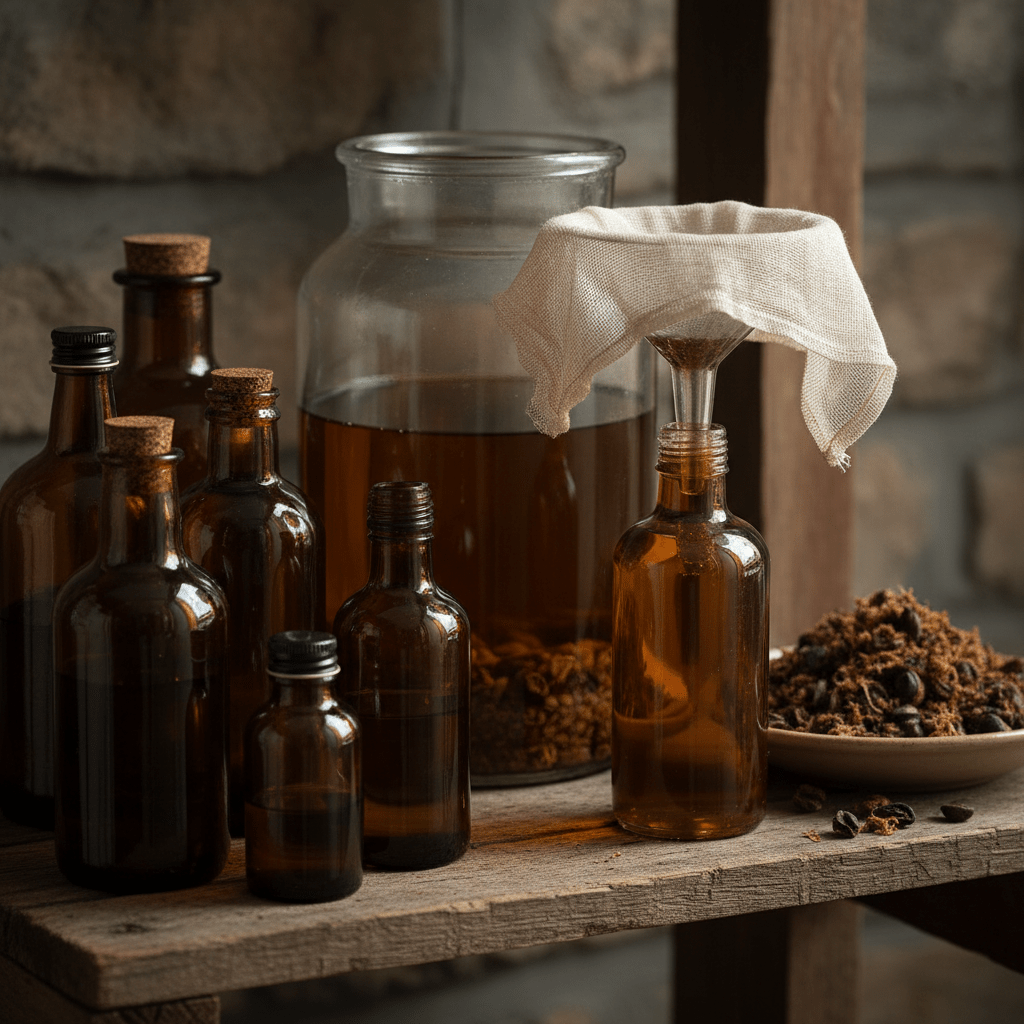
After pressing, pour the oil through cheesecloth or a fine mesh sieve. Then let it sit in a clean glass jar for a day or two so tiny bits settle to the bottom. Don’t shake it around if you can help it.
Then move the clear part into a dark glass bottle. Label it with the date. Future you will be glad.
The simpler route: infusion, not seed oil
Now, if all of that sounds like a lot, there’s an easier path. You can make an amla-infused oil by soaking dried amla fruit or powder in a carrier oil like coconut, sesame, jojoba, or olive oil. Warm it gently, let it sit, then strain it.
That works well for hair and scalp care. It can feel lovely, honestly. But here’s the key point: this is not true amla seed oil. It’s an amla-infused carrier oil.
That difference matters if you care about texture, purity, or matching a formula to a label claim. If you’re making DIY amla oil for hair at home, either route can be useful. But if you want the real seed oil, pressing is the way.
Quick comparison
| Method | What you make | Best for | Main catch |
|---|---|---|---|
| Cold pressing | Pure amla seed oil | Scalp care, clean formulas, richer oil | Needs a press and dry seeds |
| Infusion | Amla-infused oil | Easy hair masks and simple DIY blends | Not the same as seed oil |
A lot of people start with infusion first. Fair enough. It’s easier and less fussy. But once you get the hang of how to make amla oil at home, the seed-press route feels pretty satisfying. And if you’re sourcing pure carrier oils, rose water, or other raw materials for a beauty line, Aroma Monk can help with lab-tested options and bulk supply for product-making.
And one more thing. Keep your workspace dry, your tools clean, and your expectations real. This isn’t a magic trick. It’s steady kitchen work with a beautiful payoff.
5. Finishing Touches: Filtering, Storing, and Maximizing Your Yield
You’re so close now. The oil is pressed, the kitchen smells earthy and clean, and this last part is where a good batch turns into a great one.
Let it rest first
Don’t bottle it right away. Pour your fresh amla seed oil into a clean glass jar and let it sit for 24 to 48 hours. Tiny bits of seed and dust will sink to the bottom. That little pause makes a big difference.
If you rush this step, you’ll carry more sediment into the bottle. And that can make the oil look cloudy faster. Nobody wants a pretty bottle that turns swampy by week two.
Filter with care
After the oil has settled, strain the clear top layer through cheesecloth or a coffee filter. Cheesecloth works faster. Coffee filters give you a cleaner look, but they can be slow. So use both if you want. First cheesecloth, then a coffee filter if you’re being extra careful.
A few simple tips:
- Pour slowly so you don’t stir up the bottom
- Change filters if they clog
- Don’t squeeze the sludge at the end, or you’ll push bits back in
- Leave the last cloudy bit behind if you want cleaner oil
That last one hurts a little. I know. But it saves the whole batch.
Store it the right way
Now for storing homemade amla oil. Use dark glass bottles with tight lids. Amber or cobalt blue glass is best because it blocks light. Keep the bottles in a cool, dark place like a cupboard, not next to the stove or sunny window.
Here’s a quick storage guide:
| Storage choice | Why it helps |
|---|---|
| Dark glass bottle | Blocks light damage |
| Airtight lid | Keeps air out |
| Cool cupboard | Slows spoilage |
| Clean, dry bottle | Helps stop moisture problems |
Amla seed oil usually lasts about 6 to 12 months if stored well. Since it has lots of linoleic acid, it can go rancid faster than heavier oils. So give it a sniff now and then. If it starts smelling sharp, stale, fishy, or kind of like old crayons, it’s time to toss it.
Want to stretch shelf life a bit more? Add a few drops of vitamin E right after filtering. It won’t make bad oil good, but it can help slow oxidation.
Get more from every batch
Maximizing yield starts before pressing, but it matters here too. Use fully dry seeds, don’t overfill the press, and let the machine work at its own pace. If you’re using an amla oil extraction machine at home, even small changes in seed dryness can affect how much oil you get.
And yes, this is where DIY beauty gets kind of fun. You’re not just making oil. You’re learning how to make amla oil at home in a way that feels hands-on and useful. That’s probably why more people are doing it, especially as DIY skincare keeps growing and people want cleaner labels and less waste.
If you’re building products for a brand, or you want pure oils and rose water for other blends, Aroma Monk can be a helpful source for bulk natural ingredients with lab-tested quality and a traceable supply.
6. Using Your Liquid Gold: Simple Recipes for Hair and Skin
You did the hard part already. The oil is made. Now let’s use it in ways that feel easy, not fussy.
And honestly? This is the fun part.
Strengthening Hair Mask
If your hair feels dry or a bit blah, try this once a week:
- 1 tablespoon homemade amla seed oil
- 2 tablespoons plain yogurt
- 1 teaspoon honey
Mix it up in a small bowl. Put it on your scalp and hair roots first, then work the rest through your strands. Leave it on for 30 to 45 minutes. Rinse with lukewarm water and shampoo as usual.
The yogurt helps soften. Honey holds in moisture. And the amla seed oil brings that light, nourishing feel people want in a DIY amla oil for hair routine.
Rejuvenating Face Serum
For skin, keep it simple. Blend:
- 1 teaspoon amla seed oil
- 2 teaspoons jojoba oil or rosehip oil
Put a few drops on clean skin at night. That’s it. Jojoba feels very light, while rosehip has a smooth, skin-friendly finish. This small blend works well if you want a gentle face oil without a heavy feel.
Two easy ways to use it
- As a pre-shampoo scalp treatment, massage a small amount into your scalp 1 to 2 times a week.
- As a cuticle oil, rub one drop on each nail bed after washing your hands.
Simple. Useful. No extra drama.
A lot of people are turning to homemade beauty lately too. The global natural cosmetics market was valued at USD 55.4 billion in 2026 and is projected to hit USD 96.4 billion by 2036, while searches for DIY skincare also jumped big time, which tells you people want more control over what goes on their skin and hair (market report).
So if you’ve been learning how to make amla oil at home, now you’ve got a few real ways to enjoy it. And if you need pure oils, rose water, or other natural ingredients for a brand or batch, Aroma Monk can help with bulk supply and lab-tested quality.
Embark on Your Natural Beauty Journey
So here’s the simple truth: making your own amla seed oil gives you more control, more purity, and usually better value than guessing at store labels. A lot of commercial bottles are really infused oils, not true seed oil. That’s a big difference. And if you’ve made it this far, you already know how to spot it.
The process is very doable. Clean the seeds. Dry them fully. Grind them a little. Press them low and slow. Then strain, settle, and store in dark glass. That’s the whole flow for cold-pressed amla oil, and it’s not nearly as scary as it sounds. Actually, it’s kind of satisfying.
Plus, people are clearly moving toward DIY beauty. The natural cosmetics market was valued at USD 55.4 billion in 2026 and is set to keep growing, which says a lot about how much folks want cleaner, simpler products (market data).
If you try this at home, start small. Take notes. See how your batch turns out. Then share your results, questions, or little wins in the comments. I’d love to hear what you make, and if you get stuck on preparing amla for oil extraction or storing homemade amla oil, ask away. We’re all learning here.
Get a quote from Aroma Monk.
Essential Oil Supplier – Bulk pricing • Samples • Fast response