
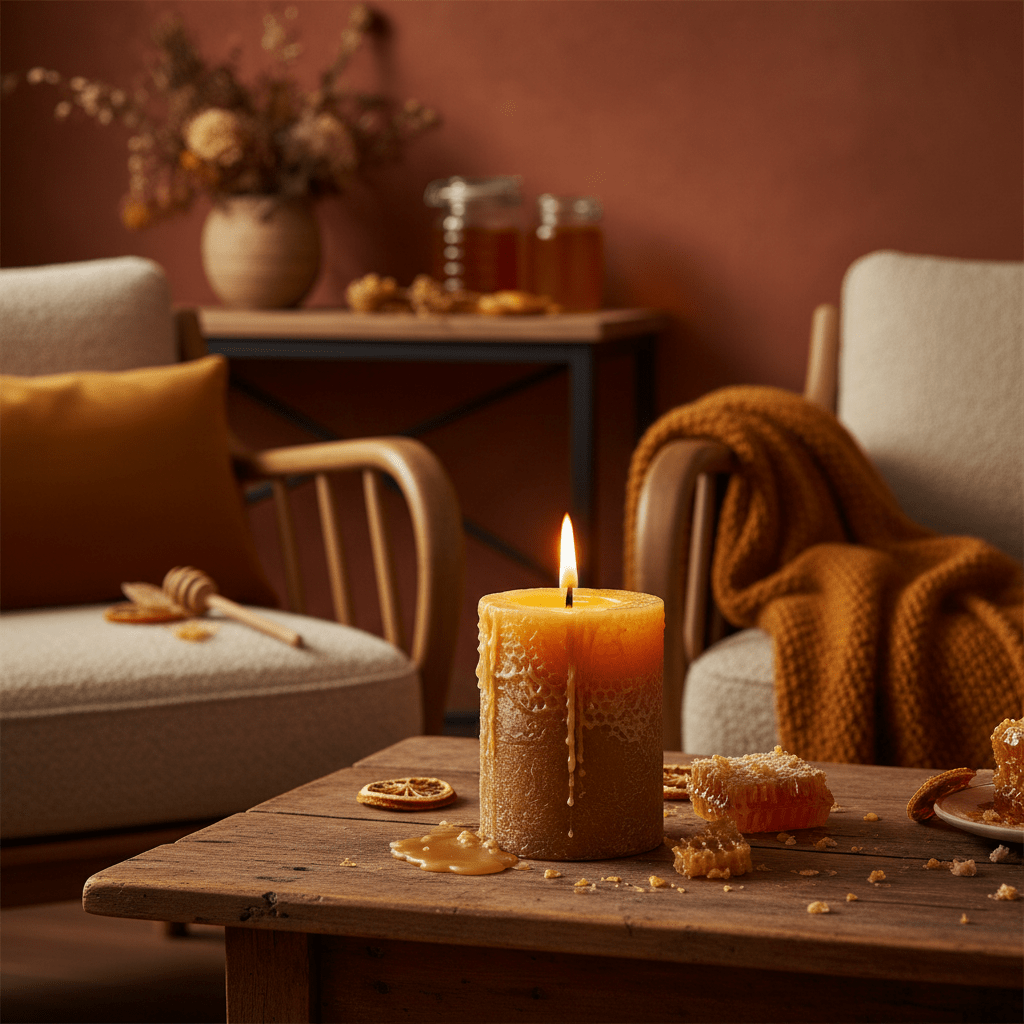
Why We Need to Look Beyond the Label on ‘Natural’ Candles
You light a candle, and the room feels softer right away. Nice glow. Calm smell. Cozy mood. But the story behind that flame is not always so sweet.
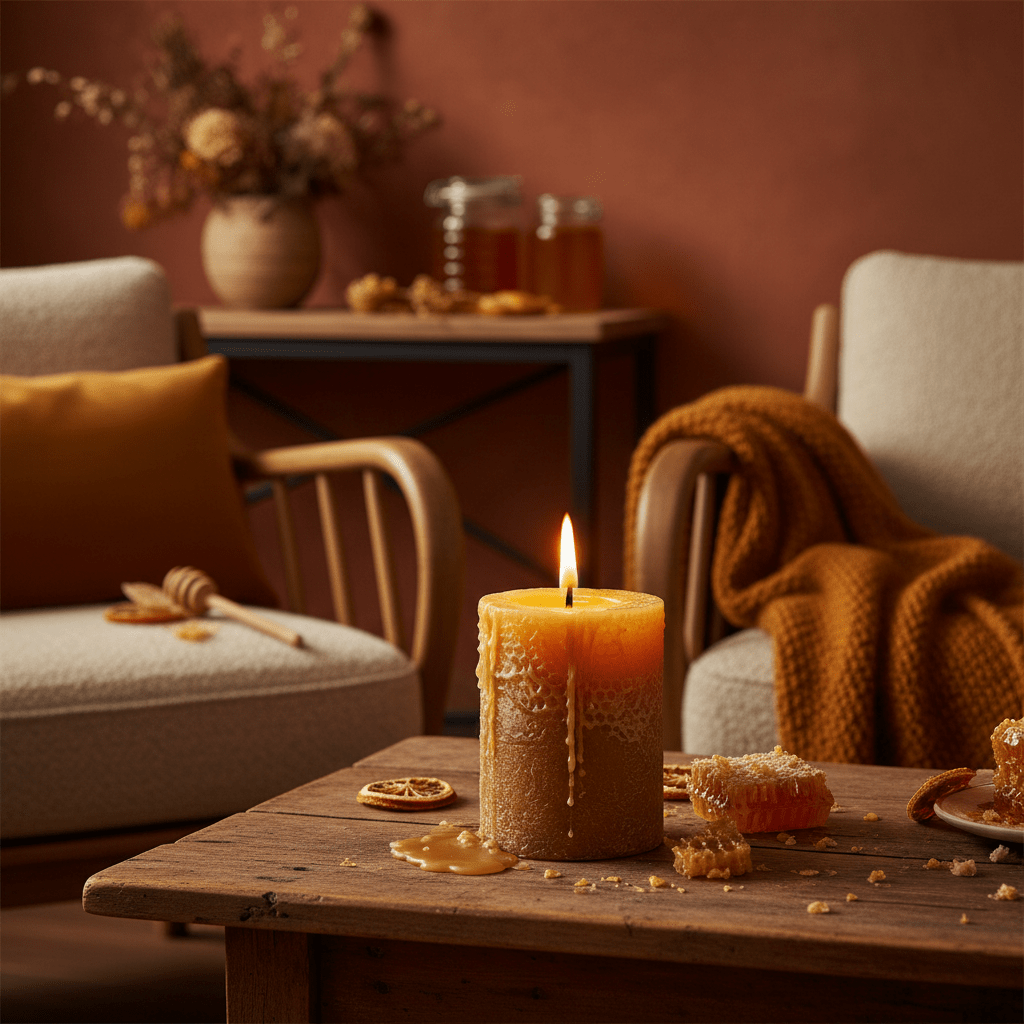
A lot of candles still use paraffin wax, which comes from petroleum. That means the thing sitting on your shelf may be tied to oil, smoke, and a lot of hidden baggage. And when paraffin burns, it can release VOCs like benzene, toluene, formaldehyde, acetaldehyde, and acrolein. That’s not exactly the vibe most people want in their home.
So it makes sense that more people are reaching for beeswax candles. They’re often sold as a cleaner, more natural candle wax and a more eco-friendly candle choice. The market is clearly growing too, with natural candle sales rising as shoppers look for non-toxic candles and cleaner air at home.
But here’s the thing. A pretty label doesn’t tell the full story. Are beeswax candles sustainable? What is the real environmental impact of beeswax candles, from the beehive to the burn? And do the benefits of beeswax candles hold up once you look at how they’re made, shipped, and used?
That’s what we’re looking at here. Not the marketing version. The full picture. Beeswax vs soy candles, sourcing, burning, and what “eco-friendly” really means once you zoom in.
From Honeycomb to Candle: Understanding Beeswax Production
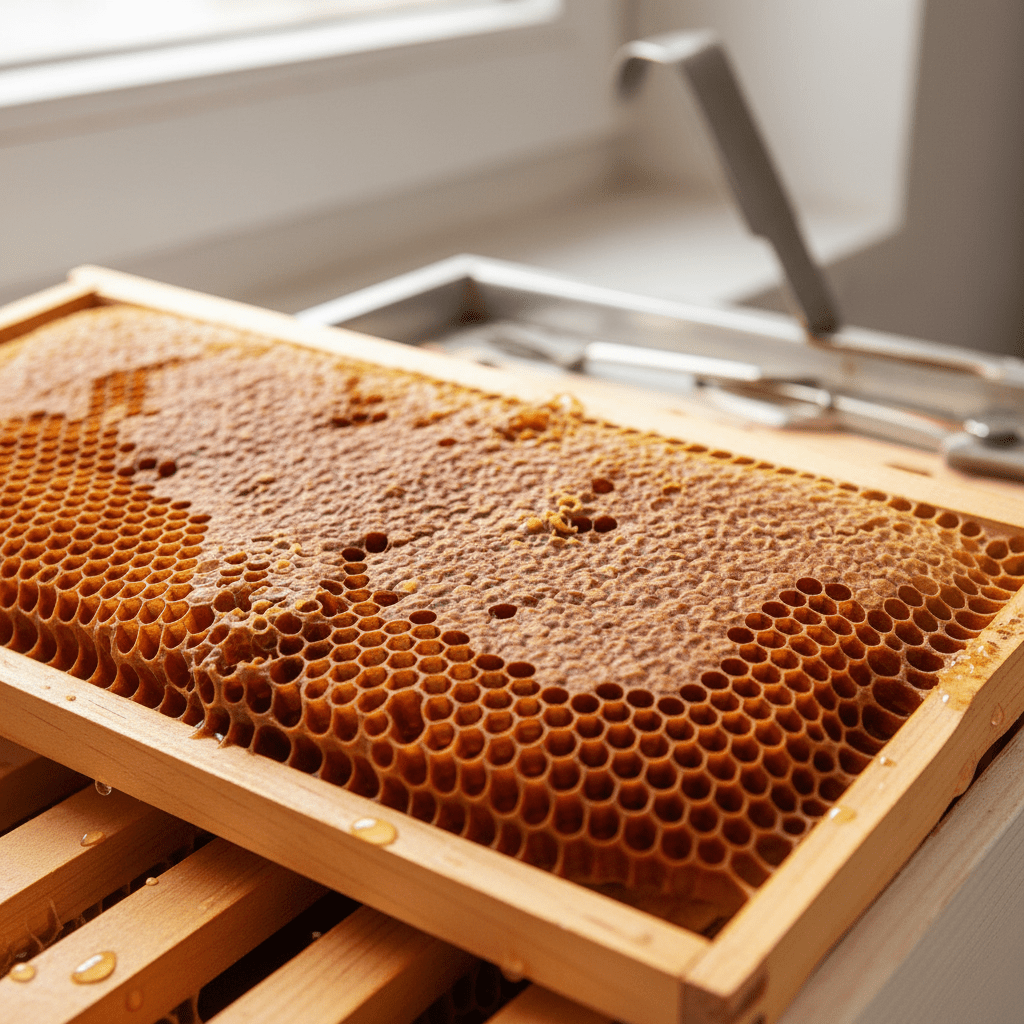
Beeswax sounds simple at first. Just wax, right? But the story starts in a hive, where worker bees make wax flakes from special glands on their bodies. They use that wax to build honeycomb cells for storing honey and raising young bees. Handy little architects.
And here’s the part most shoppers never hear. Beeswax is usually a byproduct of honey production, not the main goal. Ethical beekeepers try to take only the extra wax cappings after honey is removed. Those cappings are the thin wax lids bees place over each honey cell. The main comb stays in place, so the colony can keep working without being stripped bare. That matters a lot for sustainable beekeeping.
The honey side is no small thing either. The USDA says honeybees pollinate more than $15 billion worth of crops in the United States each year. So when people talk about beeswax candles as eco-friendly candles, they’re really talking about a bigger system with food, farms, and bee health all tied together.
Now, not all beeswax looks or smells the same. Raw or unfiltered beeswax keeps its warm yellow color and natural honey scent. It can smell a little sweet, a little earthy. Refined or filtered beeswax goes through more cleaning, and sometimes bleaching, so it looks whiter and smells lighter. Nice for a clean look, sure. But it also loses some of that natural character.
Here’s a quick breakdown:
| Beeswax Type | Look | Smell | What It Means |
| Raw / unfiltered | Golden yellow | Honey-like | Less processed, more natural feel |
| Filtered | Lighter yellow | Mild scent | Cleaned up, but still close to the source |
| Refined / white | White or pale | Very little scent | More processed, often used for cosmetics |
So if you’re comparing beeswax vs soy candles, or just trying to spot clean burning candles, the source and processing matter just as much as the wax name on the label. If a brand tells you where its beeswax comes from, that’s a good sign. If it won’t say… well, that’s a little shaky.
And if you’re a maker or buyer who cares about pure natural materials, that same kind of sourcing transparency shows up in other product lines too. Aroma Monk does that with lab-tested essential oils, natural attars, and rose water for businesses that want traceable, chemical-free raw materials. Different product, same basic idea: know what you’re using before it ends up in a jar, bottle, or candle.
The Bright Side: The Positive Environmental Case for Beeswax Candles
Here’s the part that keeps pulling people in. Beeswax candles aren’t made from a fossil fuel pile that ran out ages ago. Bees make wax all the time, little by little, as part of normal hive life. That means beeswax is a renewable resource, not a finite one like petroleum-based paraffin.
And that matters. A lot.
When you buy beeswax candles, you’re also putting money back into beekeeping. That can help local and global beekeepers keep hives going, care for colonies, and keep healthy bees in the field. And healthy bees are a big deal for food. The USDA says honeybees pollinate more than $15 billion worth of crops in the United States each year, and that includes fruits, nuts, and vegetables. So yes, a candle can connect to the dinner plate. Weirdly cool, right? USDA honeybee pollination facts
That support also nudges sustainable beekeeping in the right direction. If buyers want beeswax candles, beekeepers have a reason to keep colonies healthy instead of treating bees like a one-time product. That doesn’t fix every problem in apiculture, of course. But it does help reward care over shortcuts.
Pure beeswax also has a nice end-of-life story. It’s biodegradable and compostable. Since it’s made of natural esters, hydrocarbons, and fatty acids, it can break down in soil over time without leaving behind the kind of toxic mess people worry about with petroleum waxes. So when a beeswax candle is done, it doesn’t hang around like a problem child.
Here’s a quick side-by-side look:
| Feature | Beeswax Candles | Paraffin Candles |
| Source | Renewable hive wax | Petroleum-based |
| Support for bees | Can back beekeepers | No direct support |
| End of life | Biodegradable | Not naturally compostable |
| Sourcing story | Often tied to local apiaries | Tied to oil extraction |
And if you’re comparing beeswax vs soy candles, beeswax still has a clean edge in one area: land use. Bees don’t need a farm row carved out just for wax. They forage across large natural spaces, which gives beeswax a very different footprint from row-crop waxes.
So are beeswax candles sustainable? They can be, especially when the wax comes from careful, honest sourcing. If you’re shopping for eco-friendly candles or clean burning candles, look for brands that tell you where the wax came from and how the bees were treated. That’s the stuff that separates a nice label from a real story.
And if your own brand works with natural ingredients, that same idea matters there too. Aroma Monk offers lab-tested essential oils, natural attars, and rose water for B2B buyers who want traceable, chemical-free raw materials. It’s a simple habit, really. Know your source. Trust gets easier from there.
A Closer Look: Unpacking the Potential Downsides and Controversies
You know that feel-good moment when a candle label says “natural” and you think, cool, I’m making a cleaner choice? Yeah… not always so fast.
Beeswax candles do have a nicer story than paraffin in a lot of cases. But the story can get messy once we look at how the wax is made, moved, and sold. Small-scale beekeeping can support healthy hives and careful harvests. But industrial apiculture is a different beast. Hives may get trucked long distances, bees may be fed sugar syrup instead of kept on their own stores, and queens can be replaced or culled on a tight schedule. That’s a lot of stress for tiny insects doing a huge job.
And stress matters. A lot.
If you’ve ever wondered are beeswax candles sustainable, the honest answer is: sometimes, but not always. It depends on the beekeeper, the region, and how the wax is gathered. Ethical harvests usually take only the wax cappings left after honey extraction. That’s the thin top layer bees seal over each cell. But lower-cost wax can come from systems that push colonies hard, especially when honey is treated like the only thing that matters.
Then there’s shipping. A locally sourced candle has a very different footprint from one made with beeswax shipped across oceans. If the wax comes from another country, the carbon cost can climb fast because of processing, packaging, and long freight routes. So while beeswax is a natural candle wax, the full environmental impact of beeswax candles isn’t just about the hive. It’s also about boxes, fuel, and where your candle spent most of its life before landing on your shelf.
Here’s a quick look at the trade-offs:
| Issue | Lower-impact choice | Bigger problem |
| Bee care | Small apiaries, gentle harvesting | Long transport, syrup feeding, queen culling |
| Shipping | Local wax | Imported wax with long freight routes |
| Packaging | Simple, low-waste wrap | Heavy boxes, plastic inserts, extra layers |
| Wax purity | Clear sourcing, lab checks | Adulterated or mixed wax |
And oh boy, adulteration is real.
Some suppliers mix pure beeswax with cheaper waxes like paraffin or stearin to cut costs. That means a candle can look like a clean burning candle, smell like one, and still not be one. Sneaky? Absolutely. A too-low price is one red flag. A weirdly soft feel is another. And if a candle burns with heavy soot or smells more chemical than honey-like, that’s worth a second look. Pure beeswax usually has a firmer feel and tends to drip less because it melts at a higher temp than many other waxes.
This is where buying from trusted sources matters. And if you’re a brand that cares about clean inputs, the same rule applies across product lines. Aroma Monk, for example, focuses on lab-tested essential oils, natural attars, and rose water with traceable sourcing for B2B buyers. Different product, same basic idea: know what’s in the jar before it reaches the customer.
So yes, beeswax candles can be a better pick. But they’re not magic. The best ones come from honest beekeeping, shorter shipping routes, and suppliers who can prove what’s in the wax. That’s the real test.## The Wax Wars: A Head-to-Head Sustainability Showdown
So let’s set the candles aside for a second and look at the wax itself. Because the wax type changes a lot more than the smell or the price tag. It changes the story.
Paraffin: cheap, common, and tied to oil
Paraffin wax is made from petroleum. That alone makes it a non-renewable pick. And once it burns, it can give off VOCs like benzene and toluene, plus other stuff people usually don’t want floating around their living room. If you’ve ever smelled a candle that felt a little too sharp or smoky, this may be part of why.
It’s also the cheapest choice most of the time. That’s why it shows up in so many mass-market candles. Fast, low-cost, easy to blend. But price and planet story are not the same thing.
Soy: plant-based, but not always low-impact
Soy wax sounds like the easy win. It comes from soybeans, so it feels more natural than paraffin. And yes, it is renewable. But here’s where it gets messy. Large-scale soy farming often means monoculture fields, lots of herbicides and pesticides, GMO crops, and pressure on land use.
So, is soy automatically better? Not really. It depends on where the beans came from and how they were grown. A soy candle made from carefully sourced beans is one thing. A candle tied to industrial farming in a huge crop system is another.
Palm wax: strong texture, rough footprint
Palm wax can make a hard, glossy candle with a nice look. But palm oil is linked to forest loss in places like Indonesia and Malaysia, where rainforests and animal habitats have been cleared for plantations. Orangutans, tigers, elephants… they all pay the price when forests go.
There are certification programs like RSPO, and some brands do try to source better. But those labels have faced criticism, too. So if a candle leans on palm wax, I’d want a lot more than a pretty claim on the box.
Coconut wax: good crop, but far away for many buyers
Coconut wax has a better crop story in some ways. Coconuts are perennial, they usually need less chemical help, and small farmers often grow them. That sounds promising. And it is, at least on paper.
But distance matters. If you live in North America or Europe, coconut wax often has to travel a long way from tropical regions. So the shipping footprint can jump. The candle may still be a nice choice, but the miles add up.

Get a quote from Aroma Monk.
Essential Oil Supplier – Bulk pricing • Samples • Fast response
Here’s a simple side-by-side look:
| Wax Type | Main Strength | Main Problem | Best Fit |
| Paraffin | Low cost | Petroleum based, can release VOCs | Budget candles, but not the green pick |
| Soy | Renewable crop | Monoculture, pesticide, GMO concerns | Buyers wanting plant-based wax |
| Palm | Firm texture | Deforestation and habitat loss | Only with very careful sourcing |
| Coconut | Strong crop profile | Long shipping for many regions | Premium candles with lower crop impact |
| Beeswax | Natural, long burn | Needs careful sourcing and bee care | Eco-minded buyers who want traceability |
So where do beeswax candles fit?
This is where beeswax candles often shine in the beeswax vs soy candles debate. Bees don’t need a whole field planted just for wax. They forage over wide areas, which means beeswax doesn’t rely on cropland in the same way soy or palm does. That makes the land-use story very different.
But wait, there’s a catch. Beeswax only looks like the best pick if the sourcing is honest. If the bees are stressed, shipped everywhere, or overworked, the candle starts losing its clean reputation. So the wax itself is only half the story. The other half is the beekeeper.
A good rule? If the brand can’t tell you where the wax came from, how it was harvested, or whether it was blended, keep looking. Pure beeswax usually has a firmer feel, a light honey smell, and very little dripping because it melts at a higher temperature than many other waxes. Cheap, soft, overly smoky candles are a red flag.
And for brands that care about natural inputs across product lines, this same sourcing habit matters beyond candles too. Aroma Monk works with lab-tested essential oils, natural attars, and rose water for B2B buyers who want traceable, chemical-free raw materials. Different product, same lesson. Know the source. Trust gets easier from there.
So if you’re shopping for eco-friendly candles or trying to sort out are beeswax candles sustainable, don’t stop at the word “natural.” Ask what the wax is, where it came from, and what kind of trail it leaves behind. That’s where the real answer lives.
Beyond Sustainability: The Indoor Environmental Benefits of Beeswax Candles
You know that little sigh when a room smells clean and calm at the same time? That’s why people keep reaching for beeswax candles. They’re not just about looks or cozy vibes. A good beeswax candle can also change how a room feels once it’s lit.
One big reason is soot. Clean-burning beeswax candles usually make very little soot compared with many other candles, especially paraffin ones. They also tend to burn brighter and longer, which means you often get more candle time from one stick of wax. Nice bonus. Less mess, too.
And there’s another claim people love: negative ions. You’ll hear folks say beeswax candles release negative ions that help grab dust, dander, and pollen out of the air. Sounds pretty amazing, right??? But here’s the honest take. That idea is popular, but it’s not backed by strong peer-reviewed proof for candles specifically. So I’d treat it as a nice theory, not a promise.
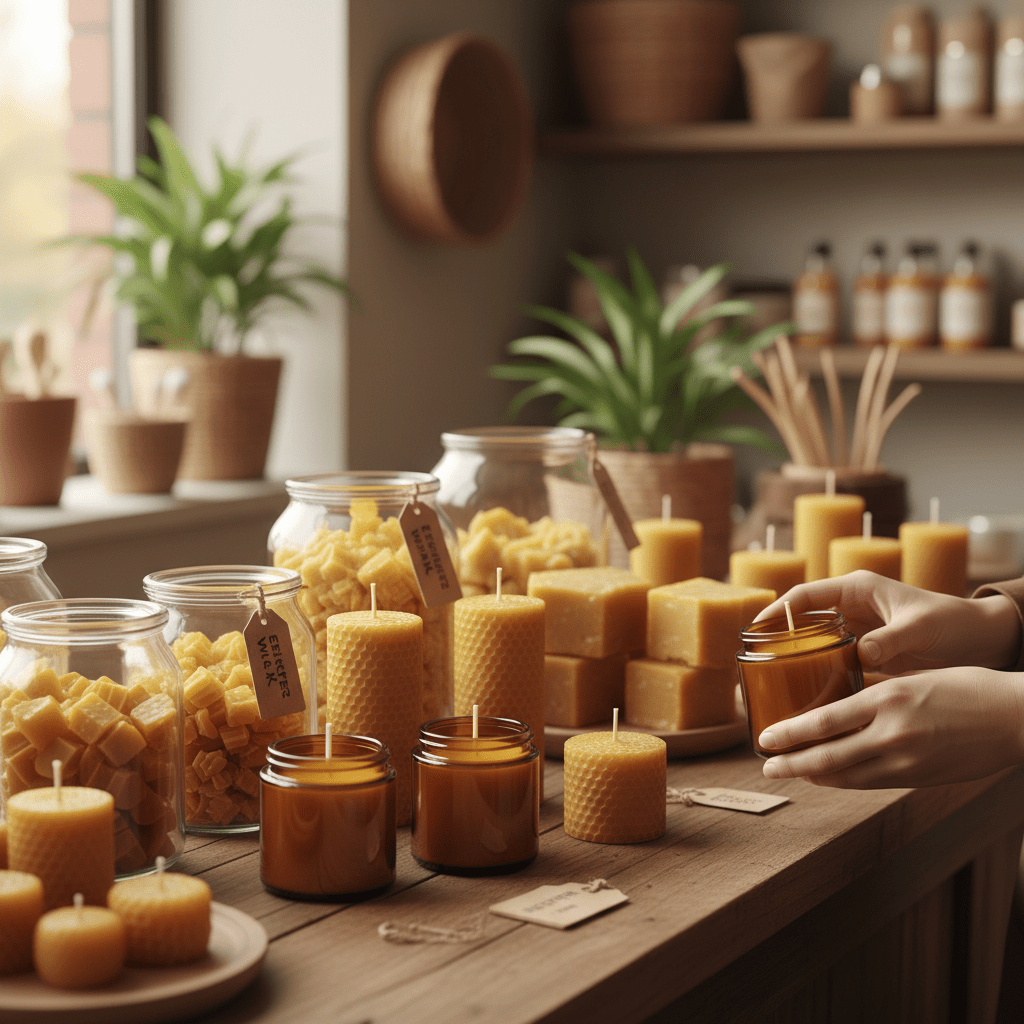
What we do know is that beeswax candles are often a calmer pick for people who want non-toxic candles and fewer weird smells in the air. Artificially scented candles can send out VOCs like limonene, linalool, and phthalates, and those can bother people with asthma or allergies. If you’re sensitive, unscented beeswax is usually a safer bet than a candle that smells like “fresh linen” but acts like a chemistry set.
Here’s a simple look at the indoor air trade-offs:
| Candle Type | Soot Level | Scent Additives | Best For |
| Beeswax | Low | Usually none or very light | Cleaner burn, simple air care |
| Paraffin | Higher | Often scented | Cheap candles, but more indoor smoke concerns |
| Artificially scented candles | Varies | Synthetic fragrance oils | Strong scent, not great for sensitive noses |
For people with asthma or allergies, that difference can matter a lot. A plain beeswax candle won’t fix indoor air on its own, but it may fit better in a home where you’re trying to keep things simple and gentle. No heavy perfume cloud. No harsh after-smell. Just a soft glow and a lighter touch.
So if you’re comparing beeswax vs soy candles or trying to pick eco-friendly candles that feel good in real life, beeswax has a lot going for it. And if you want to go one step further, check the label, ask about sourcing, and choose candles with clear ingredients and honest candle wax claims.
If you’re building a natural product line of your own, the same thinking helps there too. Aroma Monk offers lab-tested essential oils, natural attars, and rose water for B2B buyers who want pure, traceable inputs. Because once you care about what’s in the candle, you usually start caring about everything around it, too.
A Shopper’s Guide to Genuinely Sustainable Beeswax Candles
So you’re standing in a shop, holding two candles, and both say “natural.” One costs $8. The other is $24. Weirdly, that price gap tells you a lot.
If you want beeswax candles that are truly eco-friendly candles, skip the cute label and check the details. First, look for 100% pure beeswax. Not a blend. Not “with beeswax.” Pure beeswax usually costs more because the raw wax itself is pricey, often around $10 to $20+ per pound.
Then check the wick. You want lead-free cotton or wood wicks. Cheap wicks can smoke more, and nobody wants a candle that turns the room into a campfire by accident.
Also ask where the wax came from. Local is usually better, because it cuts shipping miles and makes the sourcing story easier to trust. If the seller can tell you the apiary, the country, or even the beekeeper’s name, that’s a good sign.
Here are the best questions to ask:
- Where do you source your wax?
- Can you describe the beekeeping practices?
- Is your wax chemically bleached or naturally filtered?
- Is this candle made with 100% pure beeswax?
- What kind of wick do you use?
- Does it contain any artificial fragrance?
And watch for red flags.
| Red Flag | Why It Matters |
| Very low price | Pure beeswax usually isn’t cheap |
| No sourcing info | Hard to know if it’s really beeswax |
| Strong fake scent | Might hide blends or fragrance oils |
| Heavy soot | Can point to paraffin or poor-quality wax |
| Soft, sticky feel | Pure beeswax is usually firmer |
If a candle claims to be clean-burning but smells like perfume spray from a mall kiosk, I’d pause. Actually, wait, I’d probably pass.
For the best results, keep it simple. Pure beeswax, honest sourcing, and a clean wick. That’s the sweet spot. And if you’re building a natural product line yourself, the same rule holds for every raw material. Aroma Monk offers lab-tested essential oils, natural attars, and rose water for B2B buyers who want traceable, chemical-free inputs. The point is the same whether it’s a candle or a cosmetic formula: know what you’re buying before it lands on your shelf.
The Verdict: A Sustainable Choice, If Made with Intention
So, are beeswax candles the clear winner? Pretty much… if you buy them with your eyes open.
Compared with paraffin, beeswax candles are usually the better pick for your home and the planet. They’re a natural candle wax, they tend to burn cleaner, and they don’t come from oil. They can also beat soy and palm in some cases, especially if you care about land use and forest damage. But that only holds up when the wax comes from honest, local, well-run beekeeping.
That’s the part people miss. The label matters, but the source matters more. Ask where the wax came from. Ask how it was harvested. Ask if it’s pure or blended. Those simple questions help support sustainable beekeeping and cut down on greenwashing.
If you want non-toxic or clean-burning candles, choose beeswax candles from makers who tell the full story, not just the pretty one. And if you’re buying your next candle this week, make it count. Pick the one that fits your values, supports bees, and leaves a lighter mark behind. Your home gets the glow. The bees get the respect. That feels like the right trade.
Get a quote from Aroma Monk.
Essential Oil Supplier – Bulk pricing • Samples • Fast response