
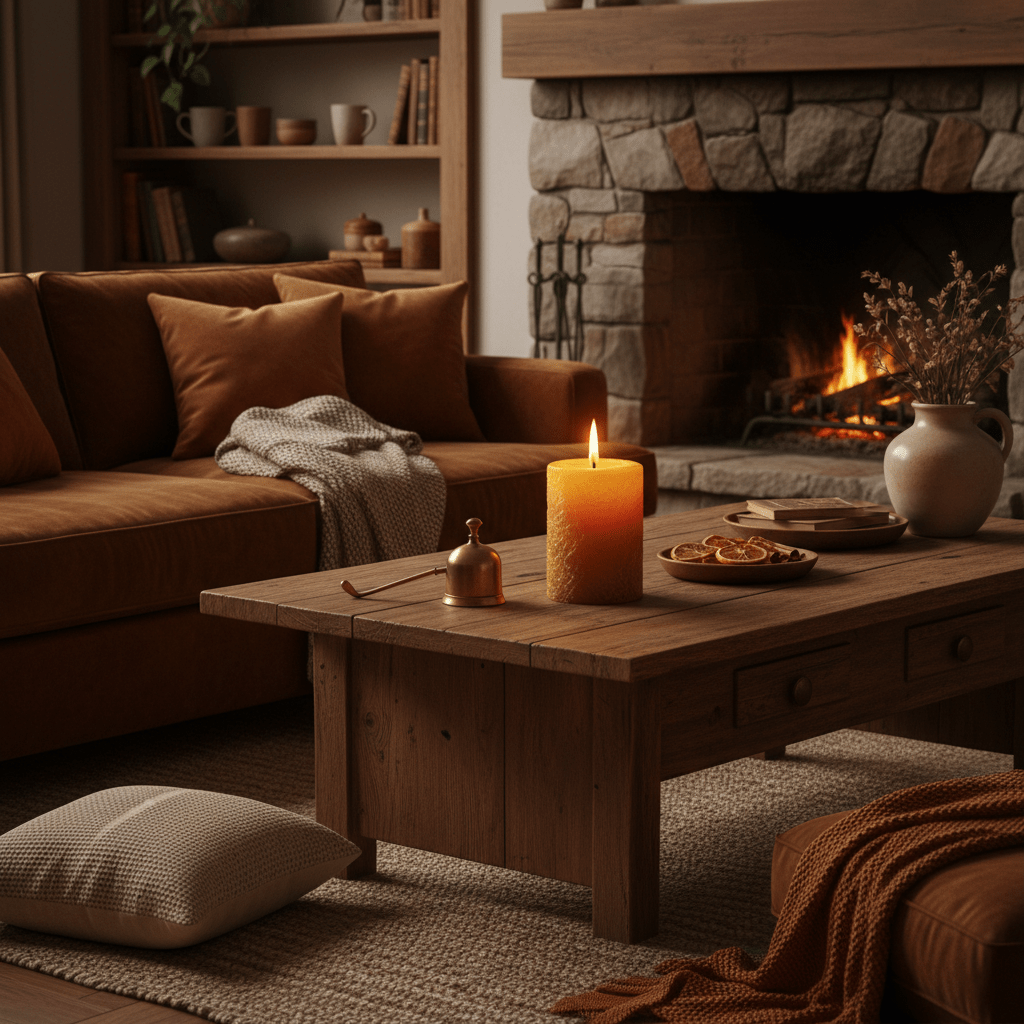
The Hidden Problem with Your Favorite Candle
Ever light a candle and feel your shoulders drop an inch? Same. That soft glow, the quiet crackle, the little puff of scent… it feels like home. But here’s the part most people don’t think about. Some candles do more than fill a room with a cozy smell. They can also add stuff to the air you breathe.
A lot of common paraffin candles are made from petroleum, and that means they can give off VOCs like benzene, toluene, formaldehyde, and acetaldehyde. That sounds pretty gloomy for something sitting on your coffee table. And since people spend about 90% of their time indoors, indoor air quality matters more than we like to admit, especially in homes where candles burn often. EPA indoor air quality facts
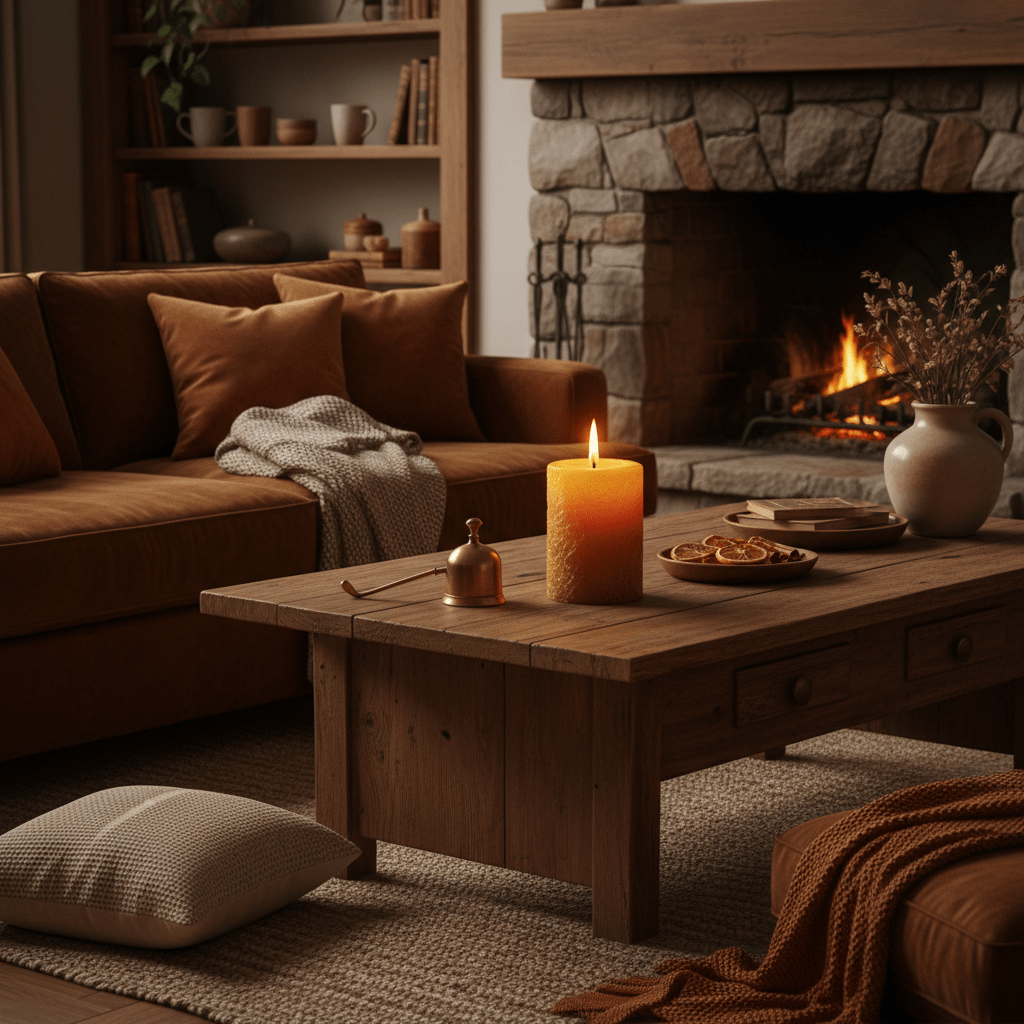
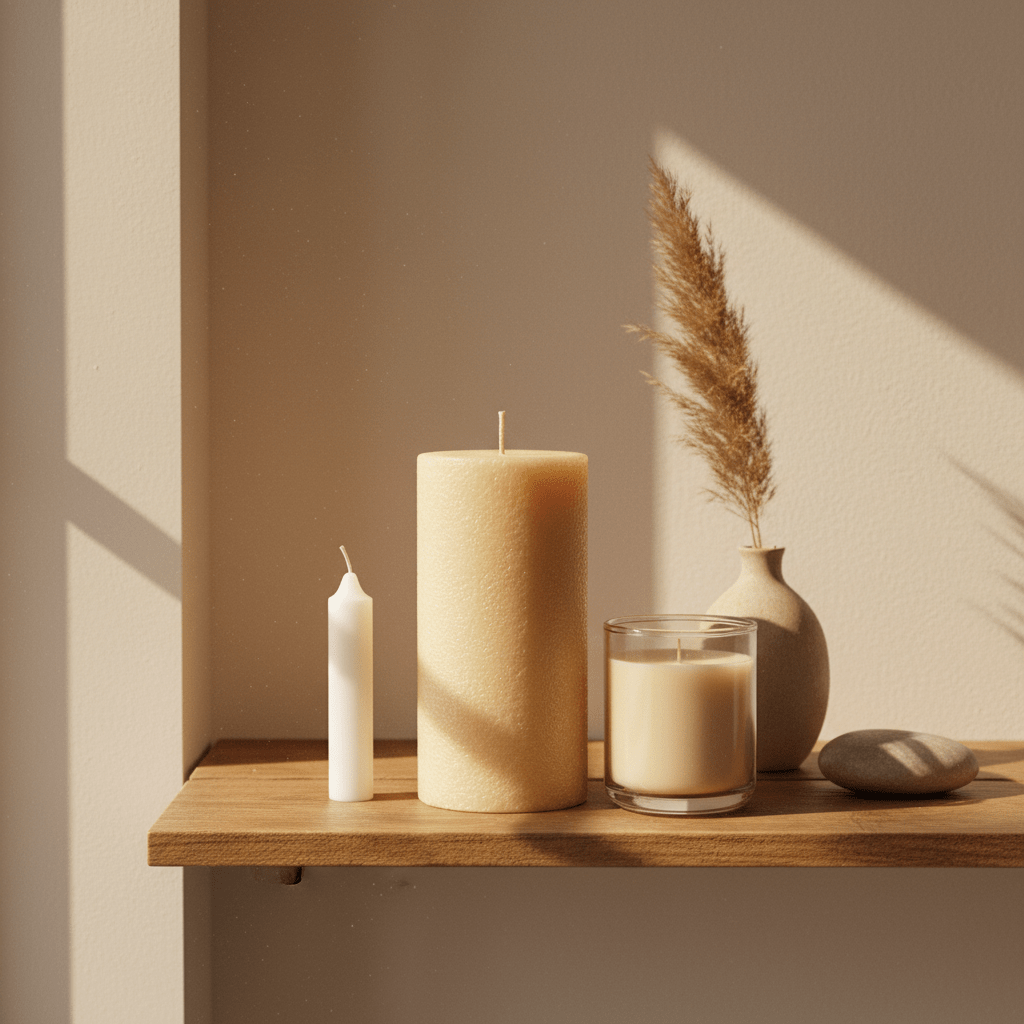
That’s where beeswax candles come in. They’re a natural candle option, and for a lot of people, they’re the smarter pick. Pure beeswax candles burn longer, smell warm and honey-like, and fit better with a low-tox lifestyle. People often call them non-toxic candles, hypoallergenic candles, or even air purifying candles, though that last part gets talked about a little too loosely. Still, if you want a cleaner, calmer home vibe, beeswax candles are worth a close look.
And honestly? That glow is doing a lot of heavy lifting.
What Exactly Are Beeswax Candles? Nature’s Perfect Wax
Ever watch a honeybee hive and think, wow, nature really did that? It sounds a little dramatic, but it’s true. Beeswax starts as a natural byproduct of honey making. Honeybees build wax combs to store honey and raise their young, and beekeepers can collect extra wax in a careful way that keeps the hive healthy.
That’s a pretty sweet setup.
Unlike paraffin, which comes from petroleum, beeswax is renewable and biodegradable. It’s usually cleaned with water and filtered, not blasted with harsh chemical steps. So when people talk about pure beeswax candles, they mean wax that keeps that simple, natural path from hive to jar.
But here’s where it gets a little tricky. Not every candle labeled beeswax is truly 100% pure. Some blends mix beeswax with paraffin or other waxes to lower the price or change the texture. And that matters, because a blend won’t give you the same natural candle benefits as real beeswax candles.
A quick peek can help:
| Candle type | What it may contain | What to look for |
|---|---|---|
| 100% pure beeswax | Only beeswax | Natural color shifts, simple ingredient list |
| Beeswax blend | Beeswax plus paraffin or soy | Clear label, ask for proof |
| Fake “beeswax” candle | Often hidden additives | Vague wording, no details |
Pure beeswax candles often look a bit different too. Some are pale gold. Some are darker. That color change is normal, since beeswax can vary by hive and season. And that warm honey smell? It comes from tiny leftover bits in the wax, not from added scent. Pretty neat, right?
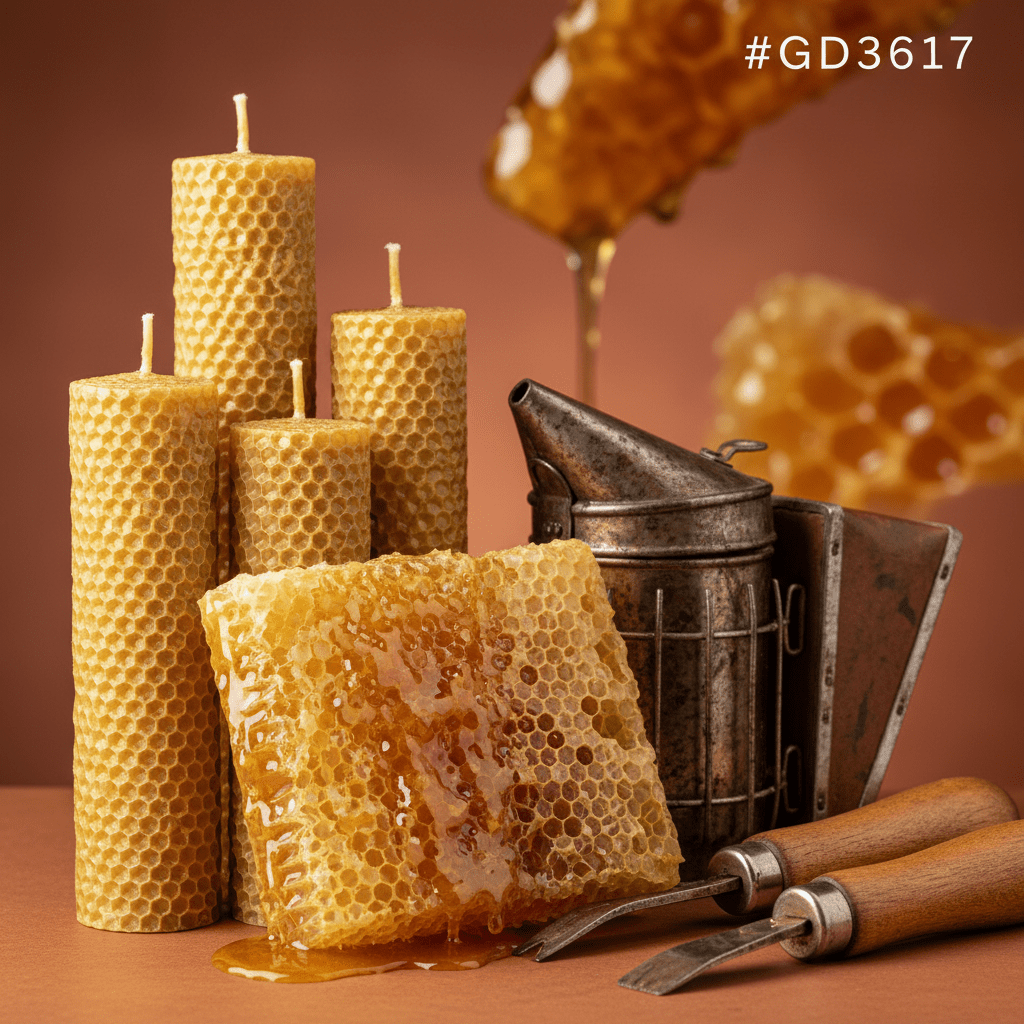
If you’re shopping for non-toxic candles or hypoallergenic candles, read the label closely. Ask for test results if you need them. And if you want a cleaner home scent style, beeswax candles are a simple place to start.
Health Benefit 1: They Naturally Purify Your Air
You know that weird moment when a candle smells nice… but your nose still feels a little off? Yeah, that’s not just in your head. A lot of people with allergies, asthma, or scent sensitivity notice the same thing.
Here’s where beeswax candles get a lot of love. Fans say they can help clean the air because they release negative ions when burned. The idea is that those ions may help dust, pollen, and dander clump together so they fall out of the air faster. That’s why you’ll hear people call them air purifying candles or hypoallergenic candles.
But wait, there’s a catch. The science on that air-cleaning claim is shaky. There isn’t strong proof that beeswax candles purify indoor air in any real way. So if you’ve seen big promises, take them with a grain of salt. Still, lots of people with fragrance trouble prefer them because they usually have a softer, simpler scent than heavily perfumed candles.
And that matters. A lot.
In one survey, about one-third of adults said fragranced products made them feel bad, and fragrance allergy does affect a real chunk of people too. So if strong scents give you headaches, make you sneeze, or leave your chest tight, beeswax candles may feel like a calmer pick than synthetic candles packed with perfume.
Now compare that with paraffin. Paraffin candles are made from petroleum, and burning them can release VOCs like benzene and toluene, plus soot. That means they can add to indoor air pollution instead of keeping things fresh. And since people spend about 90% of their time indoors, that’s a big deal for everyday home life. EPA indoor air quality facts
So are beeswax candles magical air cleaners? Probably not. But are they often a gentler choice for people who want fewer fragrance issues and a more natural candle burn? Yep, that part holds up pretty well.
If you’re comparing beeswax vs paraffin, this is one of the clearest reasons people switch. Less fake scent. Less soot. More peace of mind.
And if you make or buy natural home products, this is also where clean ingredients matter across the board. Aroma Monk, for example, works with 100% pure essential oils, natural attars, and rose water for brands that want simpler, lab-tested raw materials. That kind of ingredient sourcing fits the same idea: keep it clean, keep it honest, keep it easy to trust.
Get a quote from Aroma Monk.
Essential Oil Supplier – Bulk pricing • Samples • Fast response
Health Benefit 2: A Non-Toxic Burn with a Calming, Natural Scent
You know that moment when you light a candle and think, yes, this is the mood? That warm flicker is nice. But the smell matters just as much.
With beeswax candles, the scent is usually soft and clean. No fake perfume cloud. No heavy blast that hits you in the face and makes you wonder if your head will be okay in 10 minutes. Pure beeswax candles smell a little like honey and nectar, because the wax holds tiny natural trace compounds from the hive itself. That gentle aroma feels calming, not loud.
And that’s a big reason people love beeswax candles. They don’t need synthetic fragrance to smell pleasant. So if you want non-toxic candles with a natural candle scent, beeswax is a pretty easy win.
Actually, wait, there’s more to it. A lot of candle scents come from artificial fragrance oils, and those can bother people fast. Headaches. Dizziness. Stuffed-up sinuses. Even breathing irritation if you’re sensitive. One large survey found that about 32.2% of adults in four countries reported health effects from fragranced products, so this isn’t just a picky-nose thing.
Here’s the simple tradeoff:
| Candle type | Scent style | Common reaction |
|---|---|---|
| Pure beeswax candles | Soft honey-like smell | Usually calm and easy to enjoy |
| Scented paraffin candles | Strong, perfume-like smell | Can trigger headaches or sneezing |
| Unscented candles | Little to no smell | Good for ultra-sensitive folks |
If you’ve ever had a candle smell “pretty” for five minutes and then suddenly feel too much, you already get the point. Beeswax keeps it gentle. It’s one of the nicest natural candle benefits, honestly. Simple. Warm. Easy to live with.
Plus, beeswax candles are long-burning candles too, so you’re not just getting a softer scent. You’re getting a burn that tends to last longer than paraffin, which makes the higher price feel a lot more fair. If you care about a cleaner home and a calmer room, this is where beeswax vs paraffin gets really clear.
And if you make products for customers who want cleaner ingredients, that same idea matters across your whole line. Aroma Monk works with 100% pure essential oils, natural attars, and rose water, all with lab testing and traceability. Nice fit for brands that want honest, simple ingredients without the drama.
Practical Benefit: A Brighter, Longer, and Cleaner Burn
You know that tiny moment when a candle burns down way too fast? Annoying. You light it on Friday and by Sunday it’s already gone. With beeswax candles, that happens a lot less often.
Here’s the deal: beeswax has a higher melting point than soy or paraffin, about 149°F, or 65°C. That higher heat helps pure beeswax candles melt slower, so they usually last longer and give better value over time. A 100g beeswax candle can burn around 29 hours, while soy is closer to 18 and paraffin about 15. So yes, beeswax candles cost more up front, but they tend to stick around longer. Beeswax burn time and wax comparison
And the light? It’s lovely. Really lovely. Beeswax flame light sits in a range that feels close to sunlight, so it looks warmer and more natural to the eye. That’s one reason people say beeswax candles make a room feel softer without that harsh, fuzzy glare some cheap candles give off. Weirdly simple, but it works.
There’s also the clean-burn part. Properly made beeswax candles are naturally dripless when they’re kept out of drafts. No wax puddles all over the table. No sticky mess on the shelf. Just a steadier flame and less cleanup, which is always a win in my book.
| Burn feature | Beeswax candles | Paraffin candles |
|---|---|---|
| Melt point | About 149°F / 65°C | Usually lower |
| Burn time | Longer | Shorter |
| Light quality | Soft, sun-like glow | Often harsher |
| Dripping | Usually dripless in still air | More likely to drip |
So if you want non-toxic candles that feel calm, look pretty, and last longer, beeswax candles check a lot of boxes. Plus, they fit right in with eco-friendly candles and other natural candle benefits people keep looking for. If you’re shopping for your home, go for 100% pure beeswax candles from a maker that shares clear ingredient details. And if you’re a brand building cleaner home products, Aroma Monk can help with pure essential oils, natural attars, and rose water for scent blends that stay simple and trustworthy.
Environmental Benefit: The Sustainable and Eco-Friendly Choice
You know what feels pretty good? Lighting a candle and not feeling like you’ve made the air or the planet a little worse. That’s a nice trade.
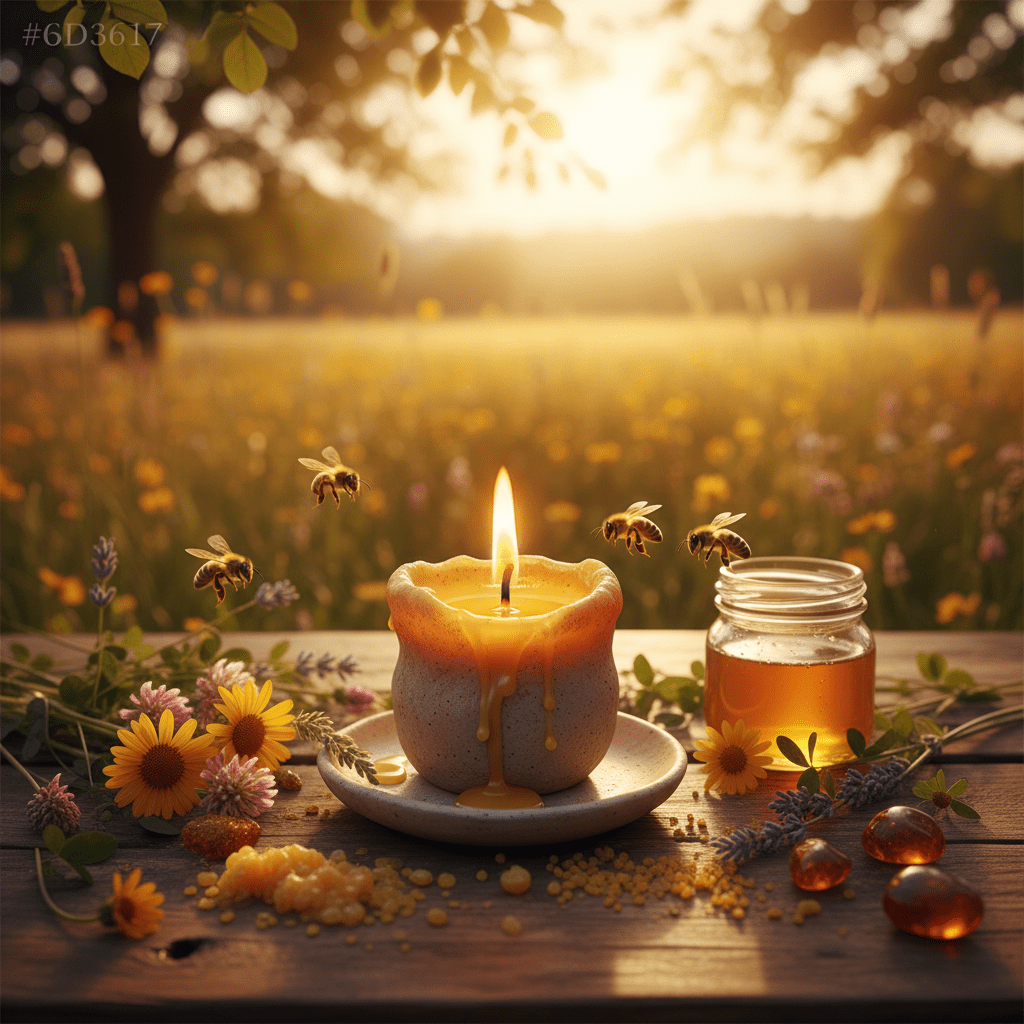
Beeswax candles come from bees, not oil wells. That alone changes a lot. Paraffin wax is petroleum-based, so it ties back to fossil fuels and the whole messy chain of drilling, refining, and processing. Beeswax is different. It’s a renewable wax made as part of honeybee life, and that makes pure beeswax candles a more earth-friendly pick for folks who care about what they bring home.
And here’s something I always think about: when you buy beeswax candles, you’re also supporting beekeepers. That matters because bees do way more than make wax. They help pollinate crops, flowers, and wild plants. Without them, a lot of our food and green spaces would have a much harder time.
Also, beeswax is biodegradable. So when it’s used up, it doesn’t stick around like plastic or other synthetic stuff. That’s a quiet win, but still a win.
| Wax type | Source | Eco-friendliness |
|---|---|---|
| Beeswax | Renewable hive wax | Biodegradable, lower waste |
| Paraffin | Petroleum | Fossil fuel based |
| Soy wax | Plant oil, heavily processed | Better than paraffin, but still needs chemical processing |
The carbon side is worth a look too. Studies shared by CarbonCloud show paraffin wax has a heavier footprint than beeswax, since it depends on fossil fuel extraction and refining. Beeswax still takes energy to collect and clean, but it’s part of a natural cycle instead of a mined one.
So if you want eco-friendly candles, beeswax candles make a lot of sense. They’re natural, renewable, and tied to a bigger system that actually helps the earth. Not perfect. Nothing is. But they’re a much cleaner choice than paraffin for most homes.
If you’re picking candles for your home or your shop, look for pure beeswax candles with clear labels and no mystery blends. And if you make natural products yourself, sourcing clean ingredients from trusted suppliers like Aroma Monk can help keep that same honest, low-waste feel across your whole line.
Beeswax vs. Other Waxes: A Clear Comparison
If you’ve ever stood in the candle aisle wondering why one jar costs $14 and another costs $34, you’re not alone. It gets confusing fast. But once you compare the three big wax types side by side, the picture gets a lot clearer.
Beeswax, paraffin, and soy all burn differently. They also come from very different places.
| Wax type | Source | Health impact | Burn time | Scent | Earth-friendliness |
|---|---|---|---|---|---|
| Beeswax | Natural hive wax | Usually the gentlest pick, with fewer scent issues | Long-burning candles, often the longest | Soft honey-like smell | Renewable and biodegradable |
| Paraffin | Petrochemical | Can release VOCs and soot | Shorter burn | Often strong and artificial | Fossil-fuel based |
| Soy | Agricultural crop oil | Better than paraffin, but still processed | Middle of the road | Mild, often blended with fragrance | Plant-based, but heavily processed |
Beeswax candles are the cleanest-feeling option for a lot of people. They’re made from hive wax, so pure beeswax candles keep that simple, natural path from bee to home. Paraffin, on the other hand, comes from petroleum. That means it’s tied to fossil fuels, and burning it can add pollutants to indoor air. Since we spend so much time inside, that’s not a tiny detail.
Soy candles sit in the middle. They’re usually better than paraffin, which is nice. But soy wax still takes a lot of processing, and most U.S. soy crops are genetically modified. So if you want a more natural candle with fewer questions hanging over it, beeswax often wins that round.
And the scent? Different story there. Beeswax has a warm, honey-like smell that comes from its own natural trace compounds. Soy is usually pretty mild, so makers often add fragrance oils. Paraffin candles are the most likely to lean on synthetic scent, which is where headaches and sneezy noses can kick in for sensitive folks.
Burn time matters too. Beeswax candles usually last the longest, which helps balance the higher price tag. Soy is decent. Paraffin tends to burn out faster, so that cheap candle can stop feeling cheap pretty quickly.
So if you want non-toxic candles, hypoallergenic candles, or just a calmer candle experience, beeswax is the one that checks the most boxes. It’s not perfect, but it tends to be the smartest pick for homes that want fewer weird ingredients and more peace of mind.
If you’re shopping for your own space, look for pure beeswax candles with clear labels and simple ingredient lists. And if you make products for customers who care about clean ingredients, Aroma Monk can help with 100% pure essential oils, natural attars, and rose water for scent blends that stay honest and easy to trust.
Make the Switch: An Investment in Your Health and Home
So here’s the real question. If one candle can smell nice, last longer, and bring fewer worries about indoor air, why keep buying the cheap stuff that burns fast and smells fake?
That’s the appeal of beeswax candles. They offer a cleaner burn, a soft natural scent, and a longer life than paraffin or soy. Plus, they’re a more earth-friendly pick since beeswax is renewable and biodegradable. The higher price tag can feel a little steep at first, but it starts to make more sense when you look at the full picture: fewer scent issues, less soot, longer use, and a better fit for a low-tox home.
And no, beeswax candles are not magic air cleaners. But they are a smarter swap for people who want pure beeswax candles, non-toxic candles, and a calmer space without all the fake fragrance drama.
If you’ve been curious, try just one 100% pure beeswax candle. Light it in your bedroom, bathroom, or living room and notice the difference for yourself. Sometimes the smallest switch feels the biggest.
Get a quote from Aroma Monk.
Essential Oil Supplier – Bulk pricing • Samples • Fast response