
Tired of Unruly Hair? Discover the Natural Power of Beeswax
Ever spray your hair, smooth it down, and still end up with flyaways by lunch? Yeah… same. Frizz pops back up. Soft hold turns limp. And a lot of styling products leave that weird sticky film nobody asked for.
That’s why more people are looking at beeswax for hair. The natural and organic personal care market is growing fast, and one recent estimate says it could nearly double from $34.3 billion in 2026 to $65.2 billion by 2033 market growth data. People want cleaner ingredients, less buildup, and products that actually work.
Beeswax is a simple old-school fix that still gets the job done. It can help with beeswax hair styling, smooth down edges, and give shape without the super-glued look of some gels and pomades. Nice, right?
In this guide, we’ll keep it simple. We’ll look at what beeswax is, how to choose the right type for your hair, how to use beeswax on hair without making it greasy, and how to make a DIY beeswax hair pomade at home.
If you’ve been asking, is beeswax good for hair? let’s find out together.
What is Beeswax and Why Is It Good for Hair?
You know that moment when your hair looks fine in the mirror, then 20 minutes later it’s doing its own thing? Annoying. And honestly, that’s a big reason people keep looking for simpler styling fixes that don’t leave a weird film behind.
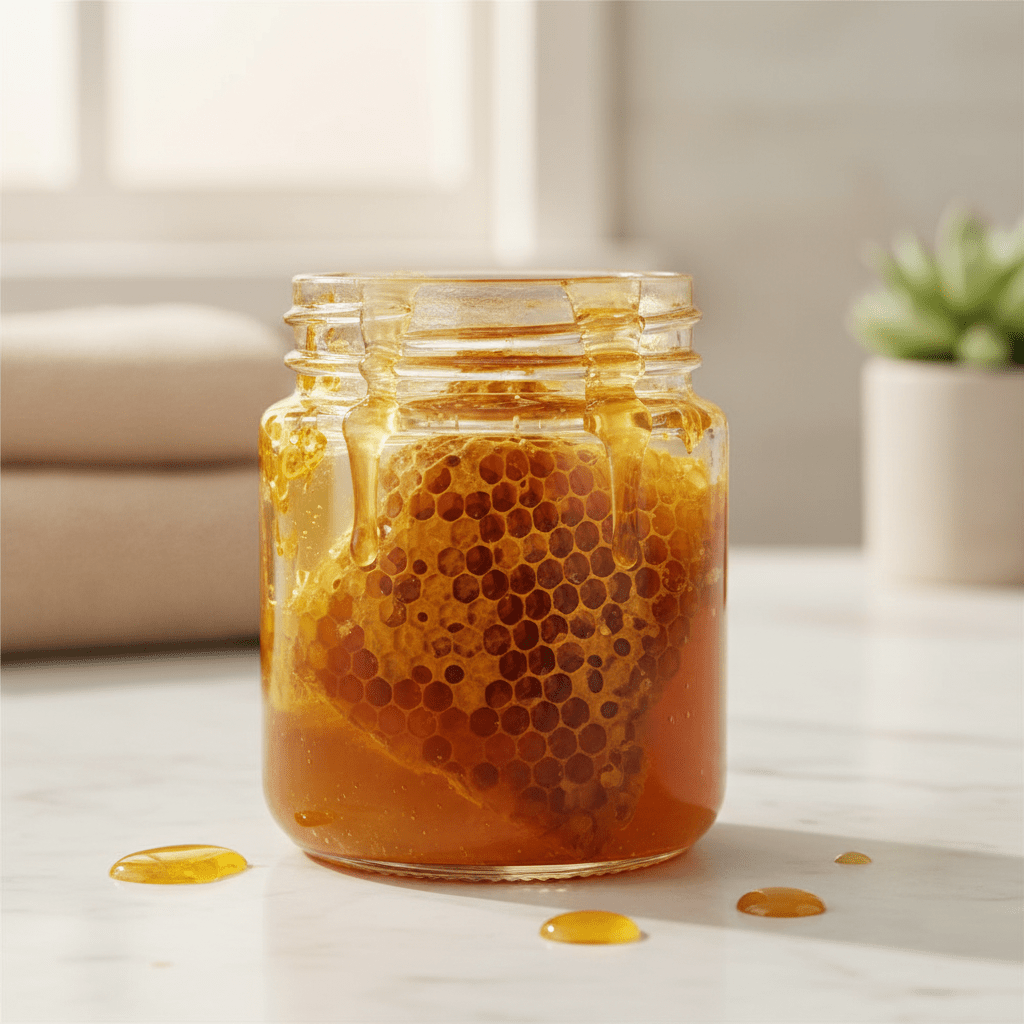
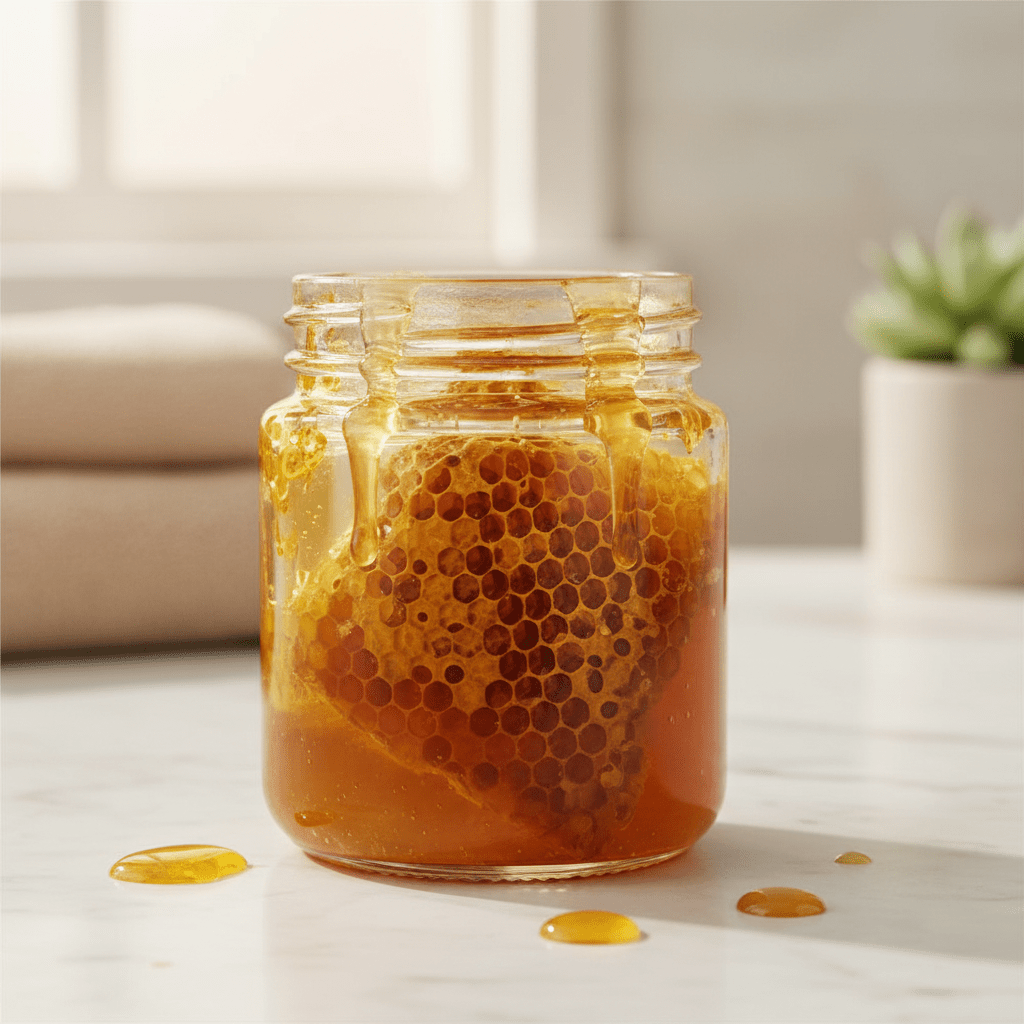
Beeswax comes from honeycomb, so it’s a natural byproduct of honey making. Beekeepers collect it after honey is removed, and then it gets cleaned up for use in balms, lotions, and hair products. It’s a pretty low-waste ingredient, which is one reason it shows up in lots of natural hair wax and beeswax hair styling products.
Here’s the part that makes it useful for hair. Beeswax is made of esters, fatty acids, and other plant-like compounds that give it a firm, smooth feel. It usually melts around 142 to 149°F, so it stays solid in the jar but softens fast when you rub it between your hands. That makes it easy to spread just where you want it.
It also acts in two ways. It can pull in a bit of moisture like a humectant, and it helps seal that moisture in like an emollient. So instead of hair feeling dry and rough, it leaves a light coating that can help tame flyaways and hold shape. Nice little two-step move.
Some beeswax products may also contain trace Vitamin A, plus natural fatty acids that help the scalp and hair feel less stripped. But I’d keep the hype in check. Beeswax for hair won’t fix everything, and it’s not magic. What it can do is help create a barrier on the hair shaft so strands feel smoother and stay put longer.
If you’ve been asking, “is beeswax good for hair?” the short answer is yes, for the right hair type and the right amount. It’s simple, familiar, and it works well when you want control without that crunchy, overdone look.
For brands and makers, this is also why beeswax pairs so well with natural ingredients like essential oils, rose water, and carrier oils. Aroma Monk’s 100% pure essential oils can be blended into DIY hair balms and pomades for scent and scalp care, while their bulk supply setup makes it easier for product teams to build clean personal care formulas. And if you’re testing your own blend, start small. Really small. A pea-sized amount usually goes farther than you’d think.
White vs. Yellow Beeswax for Hair: Which One Should You Choose?
Ever stood in the aisle, holding two jars that look almost the same, and thought, Why is this so hard? Yep. Same here. And with beeswax for hair, the color can actually change how the product smells, feels, and works in your routine.
Yellow beeswax is the more natural-looking one. It’s unprocessed or lightly processed, so it keeps that warm golden color and a soft honey-like smell. It also tends to hold on to more bee-related bits like propolis and pollen traces. That’s why some people like it for beeswax hair styling, especially if they want a stronger, richer feel in thicker hair or textured styles.
White beeswax is different. It’s filtered, often through charcoal, or sun-bleached so it looks pale and smells very mild. That makes it a nice pick for DIY beeswax hair pomade recipes, because it won’t fight with the scent of your essential oils. It also works well if you want a cleaner look in the jar, especially for lighter hair colors.
Here’s the quick way I think about it:
| Beeswax type | Look and smell | Best for |
|---|---|---|
| Yellow beeswax | Golden color, honey-like scent | Conditioning, stronger hold, natural-style products |
| White beeswax | Neutral color, little to no scent | DIY blends, lighter hair, adding your own fragrance |
If your hair is fine, white beeswax for hair usually feels like the safer starting point because it can look less heavy. If your hair is curly, coarse, or needs more grip, yellow beeswax may feel better since it has a fuller, more traditional styling feel. That said, the real trick is still the same: use a small amount. A pea-sized dab can go a long way.
And if you’re mixing your own formula, pair white beeswax with Aroma Monk’s 100% pure essential oils or rose water for a cleaner scent profile. Their lab-tested oils are handy if you want your DIY blend to feel polished without getting weird and perfume-y. Weird, right?
So, which one should you choose? Yellow if you want a more natural look and stronger body. White if you want lighter color, less scent, and more room to customize. Honestly, both can work. It just depends on your hair, your recipe, and how much hold you want.
Get a quote from Aroma Monk.
Essential Oil Supplier – Bulk pricing • Samples • Fast response
The Perfect Match: Using Beeswax for Your Specific Hair Type
Not all hair wants the same thing. Mine sure doesn’t. Some days it wants light help. Other days it acts like it needs a full-on rescue mission. And that’s where beeswax for hair gets kind of interesting, because the right amount can work very differently depending on your texture.
The natural hair care market is growing for a reason. People are tired of sticky residue, scalp dryness, and products that sit on the hair like plastic frosting. One market estimate puts the broader natural and organic personal care space at $34.3 billion in 2026, with growth expected to reach $65.2 billion by 2033 market data. That shift makes sense. We want hair products that do their job without the junky after-feel.
Beeswax hair styling fits right into that. It gives shape, helps with flyaways, and can be a great natural hair wax for people who want control without a super stiff finish. But the trick is matching it to your hair type.
Fine or Thin Hair: Keep It Light
If your hair is fine, less is more. Way less. A tiny bit of white beeswax for hair usually works best here because it has a softer look and less smell, which helps keep the style airy instead of heavy.
Use it on the ends first, not the roots. Really, that part matters. Warm a pea-sized amount between your hands, then smooth just a little over frizzy ends or flyaways. That can add texture and keep the hair from looking flat. If you put too much near the scalp, fine hair can go limp fast. Been there. Not cute.
A few good habits for thin hair:
- Start with a pea-sized dab
- Rub it fully warm before applying
- Use it on ends and loose pieces
- Skip heavy oils in the mix
- Add more only if you truly need it
If you’re making a DIY beeswax hair pomade, keep the oil light too. Jojoba, argan, grapeseed, or apricot kernel oil are better picks than thick oils like coconut or olive for this hair type. They help the wax move through the hair without making it feel greasy.
Thick or Coarse Hair: Go for Stronger Hold
Thick hair usually needs more grip. And honestly, beeswax can be a pretty nice match for that. It helps sculpt styles, smooth rough sections, and hold shape longer than a lot of softer balms.
Yellow beeswax for hair often feels like the better pick here. It has that fuller, richer feel, and some people like it in thicker or coarser hair because it gives a more traditional styling finish. Good for pompadours, slicked sides, twists, and controlled shapes that need to stay put through the day.
If you want more control, use it on dry hair in small sections. Warm the wax first, then press and shape. Don’t pile it on at once. Add a little, check the look, then decide if you need more. That slow build works better than going heavy from the start.
Here’s a quick look at what usually works best:
| Hair type | Best beeswax choice | How to use it |
|---|---|---|
| Fine or thin hair | White beeswax | Tiny amount on ends and flyaways |
| Thick or coarse hair | Yellow beeswax | Slightly more product for sculpting and hold |
| Curly or coily hair | White or yellow, mixed with oils | Use in small sections or DIY pomade |
Curly and Coily Hair: Great for Shape and Frizz Control
Curly hair can be lovely… and a little bossy. It needs moisture, but it also needs hold. Beeswax for curly hair can help seal the hair shaft, which may cut down on frizz and keep curl patterns more defined.
It’s especially handy in small amounts for twist-outs, braid-outs, edge control, and loc care. In DIY blends, beeswax is often paired with lighter carrier oils like jojoba or argan so the curls stay flexible instead of stiff. That combo works better than wax alone.
If you’ve got coils or locs, beeswax may also help with smoothing and shaping. Some people use it in loc maintenance products or homemade pomades because it helps keep strands together and gives a neat finish. But again, go easy. Too much beeswax can build up over time, and nobody wants a helmet situation.
A simple DIY beeswax hair pomade might look like this:
- Beeswax for hold
- Shea butter for softness
- Jojoba or argan oil for slip
- A drop or two of rosemary, lavender, or peppermint essential oil for scent and scalp care
If you’re testing your own blend, Aroma Monk’s 100% pure essential oils and rose water can fit nicely into a natural hair routine or product line. Their lab-tested oils are a good match for brands making clean personal care formulas, especially if you need bulk supply for product development.
One more thing. Beeswax is not a daily wash-and-go hero for everyone. If you use it often, plan for a clarifying wash now and then so buildup doesn’t sneak up on you. That part is boring, sure, but it saves a lot of frustration later.
So, what’s the best match? Fine hair usually likes a light touch with white beeswax. Thick hair tends to do better with stronger hold and yellow beeswax. Curly and coily hair often needs a wax-and-oil mix for shape, softness, and frizz control. The best choice depends on what your hair is asking for that day. And yep, sometimes it changes.
How to Properly Apply and Remove Beeswax Hair Products
You know that sticky, heavy feeling when hair product goes a little too far? Yep. That’s the beeswax problem people run into when they use too much, too soon, or skip the warming step.
The good news is that beeswax for hair works best with a light hand. Most people only need a pea-sized amount. Warm it between your palms until it melts, then smooth it over damp or dry hair, starting at the mid-lengths and moving to the ends. That gives you control without the greasy look. And if you’ve got fine hair, keep it far from the roots. Close to the scalp, it can flatten things fast.
Here’s a simple way to think about it:
| Step | What to do | Why it helps |
|---|---|---|
| Warm it first | Rub a pea-sized amount between your hands | Makes the wax easier to spread |
| Start small | Apply a little at a time | Keeps hair from looking heavy |
| Use mid-lengths to ends | Don’t slap it on the roots first | Helps avoid flat, greasy hair |
| Build only if needed | Add more after you check the look | Stops overdoing it |
If you’re making a DIY beeswax hair pomade, this same rule still holds. Less is more. Always.
Now for removal, because buildup is the part nobody likes talking about. Beeswax does not rinse out with plain water. It clings. A gentle clarifying shampoo works best, but a pre-wash oil treatment can help break it down first. Olive oil, coconut oil, or even argan oil can loosen the wax so shampoo can lift it away more easily. That works because oil and wax are both oil-based, so they mix better than water ever could.
A few common mistakes to skip:
- Using big clumps of product
- Forgetting to warm it in your hands first
- Putting it too close to the roots on fine hair
- Layering more and more without washing buildup out
- Treating beeswax like a daily leave-in for every hair type
If you want clean-feeling hair styling, product quality matters too. Aroma Monk’s 100% pure essential oils can fit nicely into a natural hair routine or a small-batch DIY beeswax hair pomade, especially if you want a lighter scent and a more polished blend. Their rose water is another simple add-in for people who like softer, fresher formulas.
So yes, beeswax hair styling can work really well. But the trick is using just enough, then washing it out the right way. Small amount. Good prep. Better rinse. That’s the whole game.
DIY Corner: Simple 3-Ingredient Beeswax Hair Pomade Recipe
You know that tiny thrill when you make something at home and it actually works? Not burns, not clumps, just works. That’s the fun part of a DIY beeswax hair pomade. And honestly, people are looking for cleaner stuff for a reason. The natural and organic personal care market is still growing fast, with one estimate putting it at $34.3 billion in 2026 and $65.2 billion by 2033, mostly because folks are fed up with sticky residue and harsh-feeling formulas market data.
Here’s a simple recipe you can try at home.
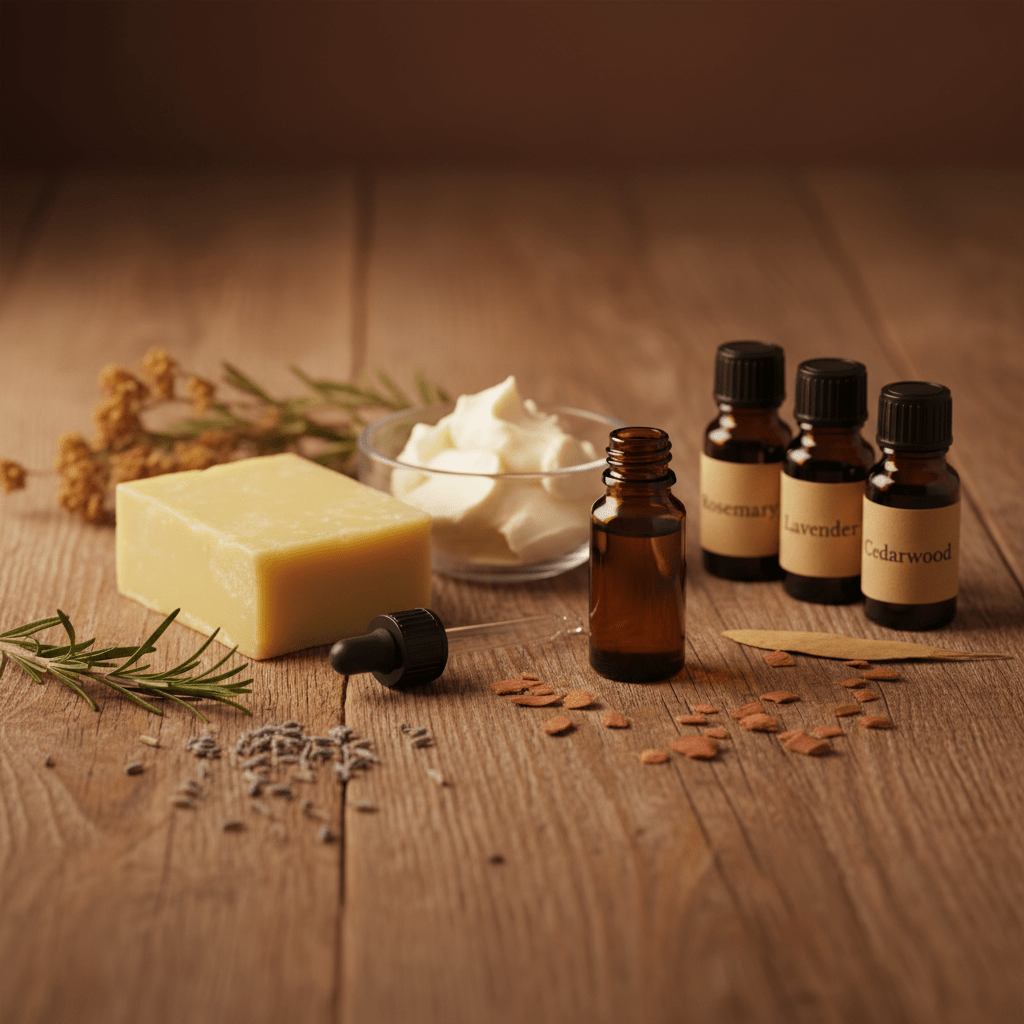
Ingredients
- 1 tablespoon beeswax
- 1 tablespoon shea butter
- 2 tablespoons jojoba oil or coconut oil
Step-by-step
Melt the beeswax first.
Put the beeswax in a small heat-safe bowl or jar. Set it over a pot with a little simmering water. Stir until it melts fully.Add the shea butter.
Once the wax is smooth, add the shea butter and keep stirring until it blends in. This gives the pomade a creamy feel and a little moisture.Pour in the carrier oil.
Add the jojoba oil or coconut oil last. Jojoba is usually lighter, while coconut feels richer. Both help the mix spread better on hair.Cool and store.
Pour the mix into a clean tin or small jar. Let it cool completely before using it.
What each ingredient does
| Ingredient | What it does |
|---|---|
| Beeswax | Gives hold and helps hair stay in place |
| Shea butter | Adds creaminess and softness |
| Jojoba or coconut oil | Helps the pomade spread and adds a little nourishment |
If you want a little more scent or scalp care, add 3 to 5 drops of essential oil after the mix cools a bit. Rosemary is a popular pick for scalp support, and tea tree is often used for a fresh, clean feel. Lavender and peppermint are nice too. Just don’t go wild with the drops. A little goes a long way.
For a lighter finish, use a bit less beeswax and a touch more oil. For firmer hold, nudge the beeswax up a little. Easy.
If you’re making this for your own brand or just want cleaner ingredients, Aroma Monk’s 100% pure essential oils and rose water can fit right into small-batch personal care formulas. Their lab-tested oils are a handy option for anyone who wants a more polished DIY beeswax hair pomade without guesswork.
Quick storage note
Keep it in a cool, dry place. If it starts to smell off or changes a lot in texture, toss it. No drama. Just make a fresh batch.
Embrace Natural Styling: Your Next Steps with Beeswax
So, here’s the simple truth. Beeswax for hair works best when you pick the right type, use a tiny amount, and wash it out the right way. White beeswax usually fits finer hair or DIY blends with a lighter feel. Yellow beeswax tends to suit thicker, coarser, or curlier hair that needs more grip.
And that’s really the sweet spot. Beeswax can give natural hold, help seal in moisture, and cut down on the stiff, sticky feel a lot of regular styling products leave behind. A lot of people are making this switch because they want fewer synthetic ingredients and less buildup in their routine natural personal care market growth.
If you want to try it, start small. Make the DIY beeswax hair pomade, test it on one section, and see how your hair responds. Or grab a beeswax-based product that matches your hair type and style goals. Either way, you’re in control. And honestly, that feels pretty good.
If your hair needs a little extra help, look for clean add-ins like Aroma Monk’s 100% pure essential oils or rose water for a fresh, simple blend. Small change. Big difference.
Get a quote from Aroma Monk.
Essential Oil Supplier – Bulk pricing • Samples • Fast response