
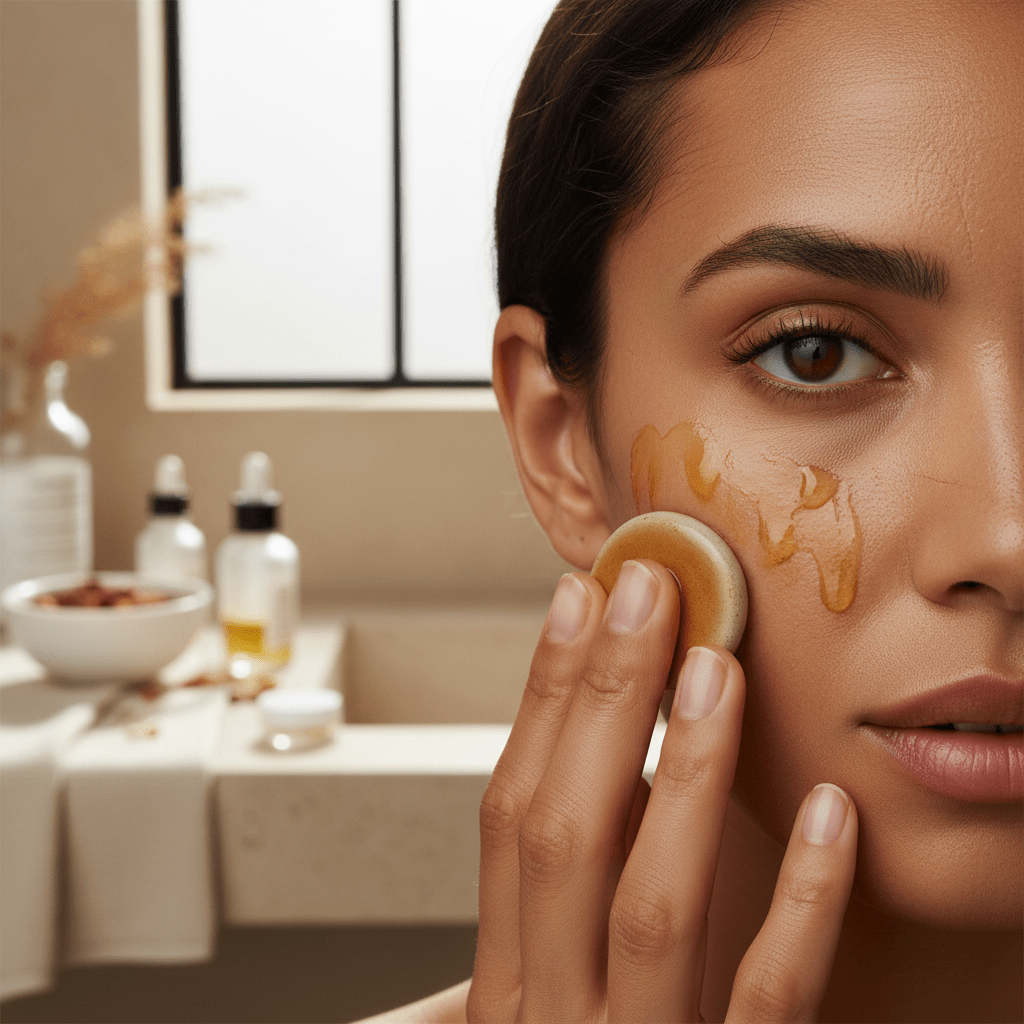
Tired of Dry, Tight Skin? This Unsung Skincare Hero Might Be Your Answer
You know that weird, tight feeling after washing your face? The one that makes your skin feel like it’s one size too small? Yeah, lots of people deal with that. Dry skin, flaky patches, redness, and that scratchy, irritated feeling show up more often than you’d think.
A big review found that 71% of adults say they have some level of sensitive skin, and dry skin is common too. So if your face feels cranky by noon, you’re not alone. Not even close.
That’s where glycerine for face care comes in. It’s a simple humectant, which just means it helps pull water into the skin. No hype. No fancy packaging needed. Just a basic ingredient that works, and usually costs way less than trendy serums.
In this guide, we’ll look at glycerine benefits for skin, answer is glycerine good for your face, and show you how to use glycerine on face the right way. We’ll also compare glycerine vs hyaluronic acid, talk about glycerine for dry skin and glycerine for sensitive skin, and help you spot a good glycerine moisturizer or vegetable glycerine for face product without the guesswork.
Actually, wait. There’s a better way to say it: if your skin feels dry, dull, or just plain annoyed, glycerine might be the calm, affordable fix you’ve been skipping.
Decoding the Ingredient: What Exactly Is Glycerine?
Think of the last time your skin felt parched after a long wash. Not just dry. That tight, cranky, “please stop touching me” kind of dry. Glycerine is the quiet helper that often steps in here.
Glycerine, also called glycerol, is a sugar alcohol and a humectant. That sounds fancy, but it just means it helps pull water toward the skin and hold it there. So instead of letting moisture slip away, it gives your face a better shot at staying soft and comfy.
And here’s the neat part. Glycerine can draw water from the air and from the deeper layers of skin up to the surface. That’s why it shows up in so many moisturizers, cleansers, and serums. It’s simple, but it works.
There are a few kinds of glycerine out there:
| Type | Where it comes from | What it means for skincare |
| Vegetable glycerine | Plant oils like coconut, soy, or palm | Common in face care and often chosen for vegan or cruelty-free products |
| Animal-derived glycerine | Tallow or animal fats | Chemically the same, but not vegan |
| Synthetic glycerine | Made from propylene | Also chemically the same in the final form |
In skincare, “glycerine” usually means vegetable glycerine for face products. The final ingredient is pure glycerol either way, so the skin sees the same humectant job. The big difference is usually about sourcing, not performance.
That’s why a lot of people like it. It’s gentle. It’s safe for many skin types. And yes, it tends to work well in a glycerine moisturizer or even a simple routine for glycerine for sensitive skin. If you’ve been wondering is glycerine good for your face, the short answer is usually yes, especially when it’s mixed into a well-made product and not slapped on in a sticky blob from a DIY bottle.
For brands, this matters too. A clean, tested ingredient base can make all the difference in a face wash, cream, or toner. That’s one reason suppliers like Aroma Monk focus on pure, lab-tested raw materials like rose water and carrier oils for beauty and personal care formulas. Good inputs make better products. Plain and simple.
The Science-Backed Benefits of Glycerine for Your Face
Your skin knows the difference fast. One minute it feels tight and rough, and the next it starts to feel a little more calm, a little less grumpy. That shift is why glycerine for face care keeps showing up in so many simple routines.
First up, hydration. Glycerine pulls water toward the outer layer of skin, which helps skin feel softer and look a bit more plump. In lab and clinical work, glycerol has been shown to raise skin hydration and lower water loss through the skin barrier. That means less of that dry, lined look that shows up when your face is thirsty. Tiny lines from dehydration can look softer too. Not gone forever. Just less obvious.
Here’s the part people usually miss: dry skin is a big deal for a lot of us. Research has found that 71% of adults report some level of sensitive skin, and dry skin complaints often include tightness, flaking, redness, and irritation. So if your face feels scratchy by lunch, you’re not being dramatic. Your skin is asking for help.
And glycerine doesn’t just add water. It also helps support the skin barrier, which is the thin shield that keeps moisture in and outside stuff out. When that barrier is stressed, water escapes more easily. Glycerine helps lower transepidermal water loss, or TEWL, which is the fancy term for water slipping away from skin. Less escape. More comfort.
That’s a big reason glycerine for dry skin gets so much praise. It fits into a simple routine and works well in a good glycerine moisturizer. Plus, it tends to play nice with other helpful ingredients like ceramides and occlusives. Think of it like teamwork. Glycerine brings water in, and a cream or balm helps keep it there.
But what about redness and rough patches? Glycerine can help there too. It supports skin cell maturity and turnover, which helps the skin repair itself after irritation. So if your face is feeling raw from weather, over-washing, or a strong product, glycerine for sensitive skin can be a calmer pick than a lot of trendy extras that sting on contact.
A few quick takeaways:
| Benefit | What it can do for skin |
| Deep hydration | Helps skin feel softer, smoother, and less flaky |
| Barrier support | Helps reduce water loss and protect against outside irritants |
| Soothing care | Can calm irritated skin and support repair |
And yes, glycerine vs hyaluronic acid comes up a lot. Both can help with hydration. But glycerine is smaller, simple, and often cheaper, so it’s a really practical choice for everyday face care. If you’ve been asking is glycerine good for your face, the answer is usually yes, especially in a well-made formula.
If you’re shopping, look for products where glycerine sits near the top of the ingredient list. Or talk with a trusted supplier if you’re making your own line. Brands like Aroma Monk work with pure, lab-tested raw materials that fit skincare and personal care formulas, which matters a lot when you want steady quality.
A Practical Guide: How to Use Glycerine on Your Face Safely and Effectively
You don’t need a bathroom shelf full of fancy bottles to get better skin. Sometimes the smartest move is the plain one. Glycerine for face care is a good example.
1) The easiest way: use a product that already has glycerine
This is the route I’d pick first. A cleanser, serum, or moisturizer with glycerine built in is simple, safe, and way less messy than trying to play chemist at home.
Look at the ingredient label and scan for glycerin or glycerine near the top. If it shows up in the first 2 to 5 ingredients, that usually means it’s doing real work in the formula. Easy win.
Some drugstore picks people often reach for are CeraVe Hydrating Facial Cleanser, Vanicream Moisturizing Skin Cream, and Neutrogena Hydro Boost Water Gel. Not flashy. Just solid.
2) DIY face mist, but keep it light
If you want a simple mist, keep the glycerine low. Really low.
Try this:
- 90% distilled water
- 5% to 10% glycerine
- Optional: a little rose water for scent
Shake well before each use. And please, use distilled water, not tap water. Tap water can bring in stuff your skin doesn’t need. Also, don’t go overboard. Too much glycerine can feel sticky fast, and in very dry air it may not feel as nice.
3) Boost what you already use
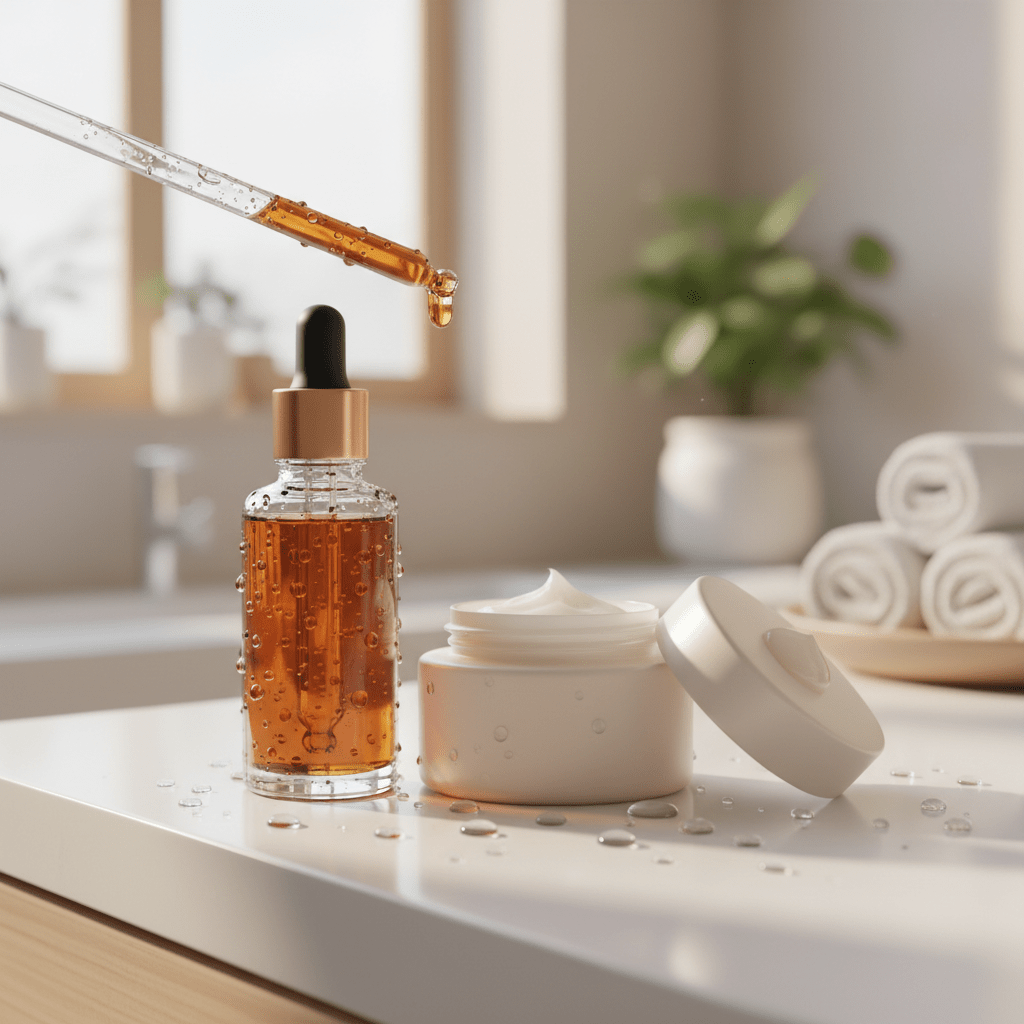
This one’s my favorite because it’s easy. Put a pea-sized or palm-sized amount of moisturizer or serum in your hand, then add one drop of pure vegetable glycerine right before you apply it. Mix it together and put it on right away.
That tiny drop can give your glycerine moisturizer a little extra hydration kick without turning your face into a sticky mess. More is not better here. Not even close.
Quick do and don’t table
| Do | Don’t |
| Use pre-made products with glycerine | Smear pure glycerine straight on dry skin |
| Keep DIY mixes around 5% to 10% | Make a thick, sticky blend |
| Follow with a moisturizer if needed | Leave glycerine hanging with no seal on top |
| Use distilled water in mists | Use tap water in a spray bottle |
Is glycerine good for your face every day?
For a lot of people, yes. It’s usually a friendly pick for glycerine for dry skin and glycerine for sensitive skin, and it’s also a nice fit if you’ve been comparing glycerine vs hyaluronic acid. Glycerine is simple, cheap, and easy to mix into real routines.
If you’re making products for a brand, this is where clean raw materials matter. A supplier like Aroma Monk can be a good fit when you need pure, lab-tested ingredients for skincare, personal care, or wellness formulas. Good ingredients make the whole thing easier.
And honestly? That’s the whole trick.
Get a quote from Aroma Monk.
Essential Oil Supplier – Bulk pricing • Samples • Fast response
Glycerine vs. Hyaluronic Acid: Which Hydrator Is Better for Your Face?
This is the part where people usually get stuck. Glycerine vs hyaluronic acid sounds like a skincare battle, but honestly, it’s more like picking the right tool for the weather and your budget.
Here’s the simple version. Glycerine for face care tends to work better in dry, low-humidity air because it’s a tiny molecule and it pulls water into the skin well. Hyaluronic acid can do a nice job too, but in very dry weather it may pull moisture from deeper skin layers if there’s not much water in the air. Weird, right? A product that hydrates can sometimes feel a little off in the wrong climate.
And that’s why some people love HA in summer or humid places, then hate it in winter. The air matters. A lot.
Glycerine also has a size edge. It’s much smaller than the big HA molecules you see in many serums, so it can move through the skin barrier more easily and help with hydration at more than one level. HA often sits more on the surface and gives that nice plump feel. Not bad. Just different.
| Feature | Glycerine | Hyaluronic Acid |
| Best in dry air | Usually yes | Can feel less comfy |
| Skin feel | Soft, simple, low-tack | Plump, cushiony |
| Penetration | Smaller molecule, deeper reach | Often stays near the surface |
| Price | Very low | Usually much higher |
Cost is where glycerine really wins. Pure vegetable glycerine for face use is usually far cheaper than most HA serums. You can buy a small bottle and use it for ages, while some fancy hyaluronic acid products cost a lot more for less product. That’s a pretty easy math problem.
But here’s the good part. You don’t have to pick just one. A lot of the best moisturizers use glycerine and HA together, then add an occlusive like shea butter, petrolatum, or dimethicone on top. That combo can give you layers of hydration. Glycerine draws water in, HA helps hold it near the surface, and the occlusive helps keep it from slipping away. Nice teamwork.
So if you’re asking is glycerine good for your face, the answer is still a solid yes. For glycerine for dry skin and glycerine for sensitive skin, it’s often the steadier pick. And if you like HA too, cool. Use both if your skin likes both.
If you’re shopping for a ready-made product, check labels for glycerine near the top of the list. If you’re making formulas for a brand, suppliers like Aroma Monk can help with pure, lab-tested raw materials that support clean skincare lines.
Shopping Smart: How to Choose the Best Glycerine Products
You’ve probably stood in the store aisle, staring at a row of face creams, thinking, “Which one is actually worth it?” Yep. Been there. And with dry skin, that question gets old fast.
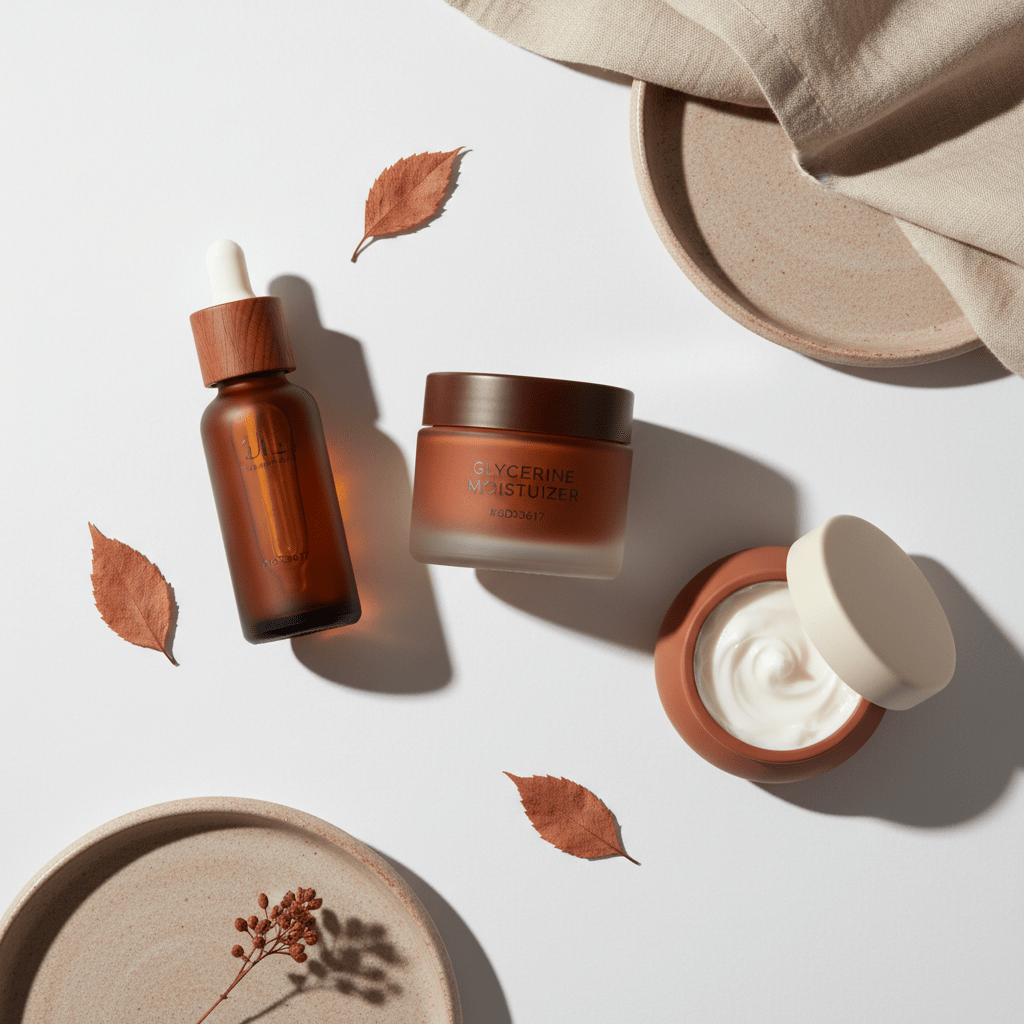
Here’s the good news. Picking a good glycerine for face product is not hard once you know what to look for. You don’t need the fanciest jar. You just need the right ingredients doing the right job.
Start with the ingredient list
Look for glycerin or glycerine in the top 2 to 5 ingredients. That’s the sweet spot for a formula that usually gives you real hydration help. If it’s buried near the bottom, it might still help a little, but it’s not doing much heavy lifting.
This matters because glycerine benefits for skin show up best when the ingredient is used at a solid level, not as a tiny afterthought. Think of it like salt in soup. A pinch works. A speck? Not so much.
Pick the product type that fits your skin
Glycerine tends to shine in a few formats:
- Hydrating cleansers that don’t strip your face
- Toners or essences for a light layer of moisture
- Rich moisturizers for glycerine for dry skin
- Serums if you want extra hydration without heaviness
If your skin gets cranky easily, a gentle cleanser with glycerine can be a smart first move. Then a glycerine moisturizer can help keep that soft feel going through the day.
And if you’re wondering, is glycerine good for your face every day? For lots of people, yes. Especially if your skin leans dry or sensitive.
Look for backup ingredients too
Glycerine works best with friends. Plain and simple.
Here’s the kind of combo that usually makes sense:
| Ingredient type | Examples | What it does |
| Occlusives | Shea butter, petrolatum, dimethicone | Helps lock in water |
| Emollients | Ceramides, fatty acids | Helps smooth and support the skin barrier |
| Humectants | Glycerine, hyaluronic acid | Draws water into skin |
That mix is why some products feel better than others. Glycerine pulls in water, but the occlusive keeps it from escaping too fast. Plus, ceramides and fatty acids can help your skin barrier feel less touchy over time.
A few smart shopping tips
- Choose vegetable glycerine for face if you want plant-based sourcing
- Check for a label that says fragrance-free if your skin flares up easily
- If you’re comparing glycerine vs hyaluronic acid, remember glycerine is often cheaper and more steady in dry air
- Skip products that feel sticky, tacky, or overly heavy right away
The truth is, dry and sensitive skin are way more common than people think. A large review found that 71% of adults report some level of sensitive skin, and dry skin complaints often include tightness, flaking, redness, and irritation a systematic review on sensitive skin prevalence.
So if your face feels rough by lunch, you’re not being picky. You’re just shopping for a formula that fits.
And if you make skincare products for your own brand, this same logic still applies. Good raw materials matter a lot. Suppliers like Aroma Monk focus on pure, lab-tested ingredients for cosmetics and personal care, which can make product development a lot smoother. For a cleaner formula, a better label, and less guesswork, that kind of sourcing goes a long way.
Start simple. Check the label. Pick the right texture. And let glycerine do the quiet work.
Addressing Concerns: Potential Side Effects and Common Myths
You know what’s funny? A lot of people hear “glycerine” and think it must be harsh or greasy. But most of the fear comes from bad DIY mixes, not the ingredient itself.
Myth 1: Glycerine clogs pores
Nope. Glycerine has a comedogenic rating of 0, so it’s generally seen as safe for acne-prone skin. That said, the full product matters more than one ingredient. A heavy cream with lots of oily extras can feel too rich for some faces, even if the glycerine part is totally fine.
Myth 2: It always feels sticky
This one has a little truth in it. Pure glycerine can feel tacky, especially if you use too much. That’s why good formulas mix it with water, oils, or other soothing ingredients so the texture feels smooth instead of gluey. If your DIY mix sticks to your face like syrup, just dilute it more. Easy fix.
Myth 3: Glycerine can dry out your skin
That’s rare. It can happen if you use a very high amount of pure glycerine in very dry air and don’t put anything on top to lock in moisture. But in normal skincare products, that’s not how it works. Formulas are built to balance it out, so you get the hydration without the weird side effects.
The bigger truth? Dry and sensitive skin are super common. A review found 71% of adults report some level of sensitive skin, and dry skin often shows up as tightness, flaking, redness, and irritation a systematic review of sensitive skin. So if your skin gets fussy, you’re not alone.
Quick rule of thumb
| Concern | What usually happens | What to do |
| Clogged pores | Rare with glycerine itself | Check the full formula |
| Sticky feel | Happens with high amounts | Dilute DIY mixes more |
| Dryness | Very uncommon | Use a moisturizer on top |
If you want a safer, simpler path, stick with a ready-made glycerine moisturizer or a gentle cleanser that already has it blended in. And if you’re building products for a brand, pure, tested inputs matter a lot. That’s one reason companies like Aroma Monk focus on lab-tested raw materials for cosmetics and personal care.
So, no, glycerine isn’t the skin villain people make it out to be. Usually, it’s the opposite.
The Takeaway: Embrace Glycerine for a Resilient, Hydrated Face
Dry skin can be a daily nuisance. Tight. Flaky. A little red and upset. And if that sounds like your face by lunchtime, you’re in very common company. One review found that 71% of adults report some level of sensitive skin, and dry skin complaints usually show up as tightness, scaling, redness, and irritation a systematic review on sensitive skin prevalence.
That’s why glycerine for face care is such a smart, low-drama choice. It’s gentle, affordable, and it does a lot of quiet work. It helps draw water into skin, supports the barrier, and fits nicely into a glycerine moisturizer, serum, toner, or cleanser. For many people, that’s the sweet spot.
If you’ve been wondering is glycerine good for your face, the answer is usually yes. Especially for glycerine for dry skin and glycerine for sensitive skin. It also holds its own in the glycerine vs hyaluronic acid chat, since it tends to be steady, simple, and budget-friendly.
This week, check the ingredient lists on your current skincare products. If glycerine isn’t a star player in your moisturizer, try a well-made glycerine serum or toner and see how your skin feels. And if you’re shopping for plant-based options, look for vegetable glycerine for face products near the top of the label. Small switch. Big comfort.
Get a quote from Aroma Monk.
Essential Oil Supplier – Bulk pricing • Samples • Fast response