
Beyond the Glow: Why Your Choice of Candle Matters for Your Health
There’s something about a lit candle that just works. Soft light. A calm room. Maybe a little rosemary tea on the side. Nice, right?
But here’s the thing. Not every candle is as harmless as it looks. A lot of people love the smell of scented candles, and the market keeps getting bigger, but indoor air can be a tricky mix. The EPA says indoor pollutant levels can be 2 to 5 times higher than outdoor levels, and sometimes way more. That’s a big deal when you’re burning something in the room you sleep, work, and relax in.
That’s why beeswax candles are getting so much attention. Compared with paraffin, they’re a more natural pick for people who want a cleaner home vibe. Plus, pure beeswax candles tend to burn slower, smell gently sweet, and fit right in with a low-tox home routine.
In this guide, we’ll look at the health benefits of beeswax candles, talk about whether beeswax candles clean the air, and see why beeswax candles for allergies are such a hot topic. We’ll also compare paraffin vs beeswax candles and cover a few simple tips so you know what to look for before you buy.
The Problem with Paraffin: Uncovering the Hidden Toxins in Conventional Candles
You know that cozy candle smell that feels so harmless? Yeah, that’s where things get a little messy.
Paraffin wax is a petroleum byproduct. In plain words, it comes from oil refining. That alone makes a lot of people pause, especially if they’re trying to keep their home full of natural candles and non-toxic candles. And while candles are flying off shelves, indoor air can get cluttered fast. The EPA says pollutant levels indoors can be 2 to 5 times higher than outside, and sometimes way more EPA indoor air quality guidance.
Here’s the thing. When paraffin burns, it can release VOCs like benzene, toluene, formaldehyde, and acrolein. Those are the kinds of compounds people worry about for a reason. Benzene and formaldehyde are tied to cancer risk, while toluene can bother the nervous system. If you’ve ever gotten a headache after burning a scented candle, or felt your nose itch, that might not be in your head. It may be your room air reacting to what’s floating around.
And then there’s soot. Not the cute little fireplace kind. Candle soot can stain walls, shelves, and glass, but it can also get deep into the lungs. That’s the part most people don’t think about until their air feels heavy and their allergies flare up. For folks with asthma or sensitive lungs, that can be a real nuisance.
| Common paraffin candle concerns | Why people care |
|---|---|
| VOCs like benzene and toluene | Can irritate the eyes, nose, and throat |
| Formaldehyde and PAHs | Linked with longer-term health worries |
| Black soot | Can stain surfaces and affect breathing |
| Synthetic fragrance add-ins | May trigger headaches or allergy symptoms |
Look, I’m not saying every candle is a disaster. But if you’re comparing paraffin vs beeswax candles, paraffin usually loses the room-air fight. That’s why more people are checking labels, skipping mystery blends, and looking for pure beeswax candles instead. If you run a wellness brand or source natural ingredients for products, Aroma Monk’s lab-tested essential oils and natural attars can also fit right into a cleaner-scent approach for home and personal care lines.
And if you’ve been asking, “Are beeswax candles worth it?” this is the part where the answer starts to get interesting.
What Makes Beeswax a Superior Choice? The Science of a Natural Burn
Bees did the hard part. We just get the glow.
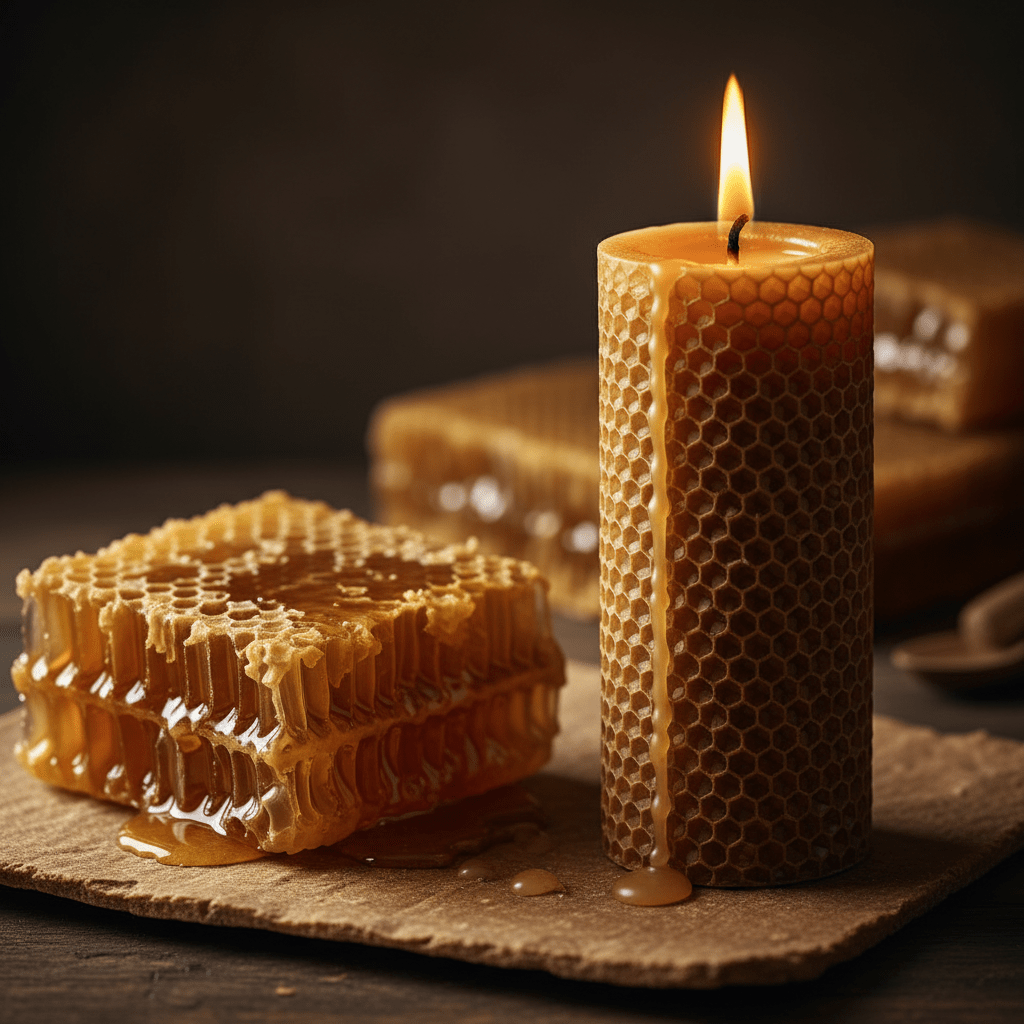
That’s really the charm of beeswax candles. They come from nature, not a refinery. Bees make wax as part of the honey-making process, and beekeepers collect it, clean it, and shape it into candles. So when people talk about natural candles and non-toxic candles, beeswax usually lands near the top of the list.
And it’s not just a feel-good choice. Beeswax has a higher melting point than paraffin, around 145°F, which means it burns slower and usually lasts longer. In plain words, a pure beeswax candle can give you more burn time for the same size candle. That slower burn also helps cut down on drips, which is nice if you hate wax puddles on the table. I do.
Here’s the part that matters most for indoor air. 100% pure beeswax candles burn cleanly and don’t give off the same soot and harsh chemicals that paraffin candles can release. That’s a big reason people ask, do beeswax candles clean the air? They may not act like tiny air filters, but they do avoid adding extra junk to the room. And in a home where you already spend about 90% of your time indoors, that matters EPA indoor air quality guidance.
A few quick wins with pure beeswax candles:
- Made by bees, so they’re a renewable resource
- Burn slower than paraffin candles
- Often drip less because of the higher melt point
- Give off a soft honey scent without fake perfume
- Don’t rely on synthetic fillers when they’re truly 100% beeswax
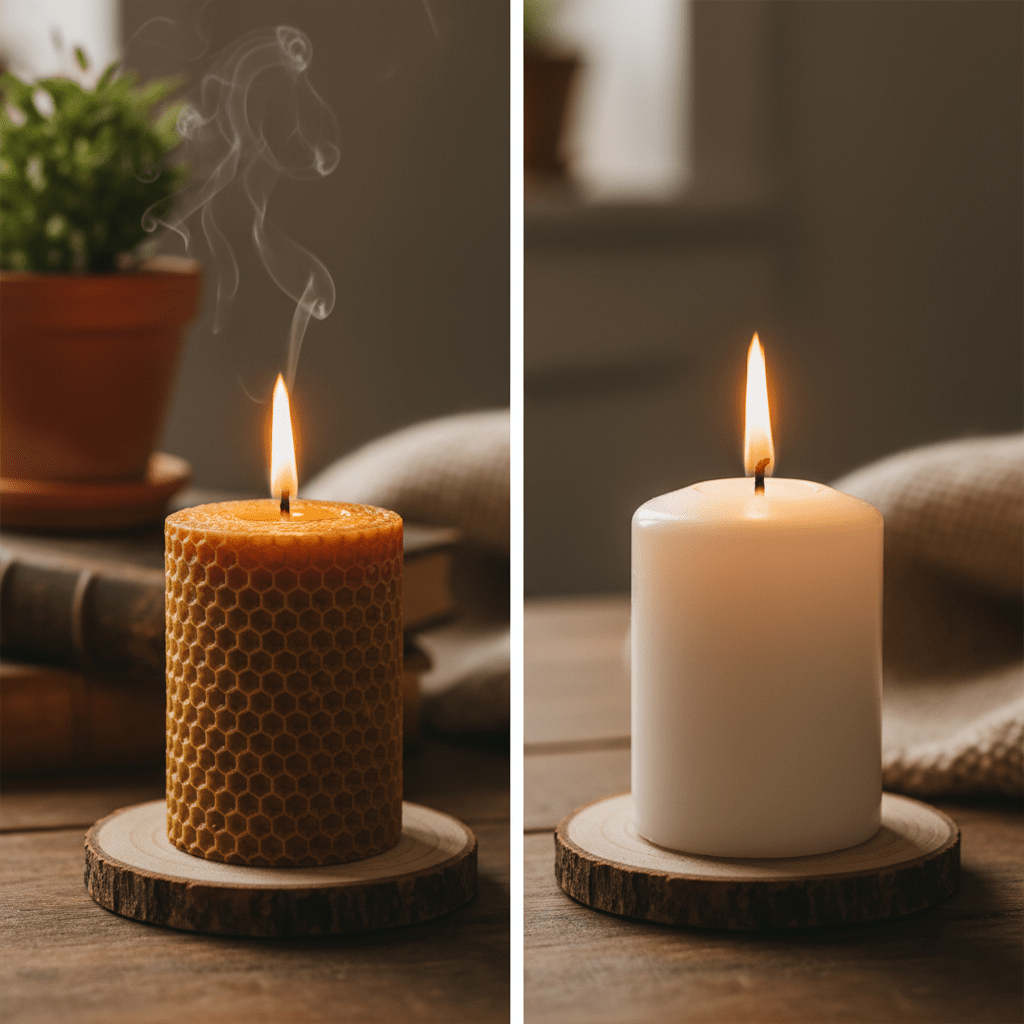
| Beeswax candles | Paraffin candles |
|---|---|
| Renewable and bee-made | Petroleum based |
| Slower burn | Faster burn |
| Naturally sweet scent | Often fragrance-heavy |
| Cleaner burn | Can release soot and VOCs |
Now, I’m not saying every candle labeled “beeswax” is perfect. Some blends hide paraffin or extra additives, so the label matters a lot. But if you’re trying to choose healthier candles for everyday use, pure beeswax candles are a pretty smart place to start. Plus, they fit right in with a low-tox home routine and the health benefits of burning beeswax that people keep talking about.
And if you make wellness or home fragrance products, clean ingredients matter there too. Aroma Monk’s lab-tested essential oils, natural attars, and rose water can pair well with a simpler scent story for brands that want a more natural lineup. Nice and clean. That’s the goal.
The Air Purification Effect: Do Beeswax Candles Really Clean the Air?
You know that little moment when you light a candle and the room just feels softer? Nice. But then the big question pops up: is it actually doing anything for the air, or just looking pretty on the shelf?
A lot of people say beeswax candles clean the air because of something called negative ions. The idea is simple. Tiny particles in the air, like dust, dander, and pollen, can carry a positive charge. So the theory says negative ions may help those particles clump together and fall out of the air. Sounds clever, right?
But here’s where we need to be honest. There isn’t strong proof that burning beeswax candles gives off useful amounts of negative ions in a real home. No big peer-reviewed evidence backs that claim. So if someone tells you your candle is an air purifier, I’d pump the brakes a little.
The real win is simpler. Pure beeswax candles don’t add the same junk that paraffin candles can. They burn with far less soot, and they skip a lot of the chemical emissions people worry about with scented candles. That matters because indoor air is already tricky. The EPA says indoor pollutant levels can be 2 to 5 times higher than outdoor levels, and sometimes much more EPA indoor air quality guidance. When you spend most of your day indoors, adding less pollution is a pretty smart move.
Here’s the quick version:
| What people hope beeswax candles do | What we can actually say |
|---|---|
| Release negative ions | Not proven in any meaningful way |
| Pull dust and pollen out of the air | Not confirmed by solid research |
| Burn without extra soot or VOCs | Yes, that’s the big benefit |
| Feel cleaner than paraffin candles | Usually yes |
So, do beeswax candles clean the air? Kinda… but not in the magical way people love to repeat on social media. The better answer is that they are less likely to pollute the air in the first place. And that’s the part that really counts.
If you have allergies, asthma, or just get headaches from strong smells, beeswax candles for allergies are worth a look. Pure beeswax candles usually have a light honey scent, with no heavy perfume cloud hanging around. That makes them a gentler pick than many paraffin options.
And if you’re choosing between paraffin vs beeswax candles, that’s the big difference. One may add more stuff to your room. The other mostly stays out of the way. Pretty simple.
For people building a cleaner home routine, that’s enough reason to choose beeswax candles. And if you’re making products for wellness or home care, Aroma Monk’s lab-tested essential oils, natural attars, and rose water can help support a softer, more natural scent story without leaning on harsh fragrance blends.
Get a quote from Aroma Monk.
Essential Oil Supplier – Bulk pricing • Samples • Fast response
Breathe Easier: A Natural Remedy for Allergies and Asthma Sufferers
You know that scratchy, too-tight feeling in your chest after a strong scent? Yeah, not fun. For people with allergies or asthma, that tiny candle on the table can feel way bigger than it looks.
That’s where beeswax candles often shine. Pure beeswax candles usually burn with far less soot than paraffin, so they’re less likely to kick up extra stuff that can bother sensitive lungs. And since paraffin wax candles can release benzene, toluene, formaldehyde, and other fumes linked to breathing trouble, the swap can feel pretty simple. Cleaner burn. Less junk in the air. Better odds for your nose, throat, and lungs.
The scent matters too. Many people reach for beeswax candles for allergies because the smell is soft and naturally honey-like, not loud and perfumey. That helps a lot. Synthetic fragrance is a common trigger for headaches, sneezing, and asthma flare-ups, so a naturally scented candle can be a gentler pick for home use. Not perfect. Just kinder.
And here’s the thing. We spend about 90% of our time indoors, which makes indoor air a big deal for day-to-day comfort and health EPA indoor air quality guidance. If you’re trying to lower irritation at home, choosing non-toxic candles like pure beeswax is one small change that may help.
Why people with sensitivities often choose beeswax candles
- They usually make less soot
- They skip the heavy synthetic smell
- They can fit into a low-tox home routine
- They’re often a better match for people who react to perfume-like candles
| Candle choice | What sensitive folks usually notice |
|---|---|
| Paraffin vs beeswax candles | Paraffin can smell stronger and feel harsher |
| Pure beeswax candles | Softer scent, cleaner burn |
| Fragrance-heavy candles | More likely to trigger sneezing or headaches |
Now, I’m not saying beeswax candles fix asthma or allergies. They don’t. But they can be a calmer choice when you want candlelight without the extra fuss. That’s the real win. A warm room, a quiet flame, and less drama in the air.
And if you’re building a wellness brand or looking for cleaner scent ingredients, Aroma Monk’s lab-tested essential oils, natural attars, and rose water can help you keep your product line simple and more natural. Nice little bonus, right?## More Than Clean Air: The Calming and Wellness Benefits of Beeswax
You ever light a candle and feel your shoulders drop a little? That tiny shift is real. And with beeswax candles, it’s not just about the smell.
The flame matters too. Beeswax candles give off a warm, golden light that feels a lot softer than harsh white bulbs. It’s closer to candlelight itself, which sits around 1,850 to 1,950 K. That warm glow can feel easier on the eyes, especially at night when you’re trying to wind down instead of stare at another bright screen. Funny how something so small can change the whole room.
And that’s part of why people use pure beeswax candles for meditation, prayer, journaling, or just a quiet ten minutes on the couch. The ritual helps. Light the wick. Take a breath. Sit still for a minute. It sounds simple, but simple often works best.
People also love the hygge feel. Cozy blanket. Soft music. A little tea. Maybe a book you’ve been meaning to finish since last month. The gentle honey scent from beeswax adds to that calm without feeling loud or fake, which is nice if you’re sensitive to heavy fragrance.
Here’s the thing though. The health benefits of beeswax candles are not magic. But they can support a calmer space, and that can matter just as much in a busy home.
| Why people reach for beeswax candles | What they often get |
|---|---|
| Warm, low light | A softer mood in the room |
| Light natural scent | Relaxation without perfume overload |
| Simple candle ritual | A small pause in the day |
| Cleaner burn than paraffin | Less worry about extra soot |
Plus, if you’re building a low-tox home routine, beeswax candles fit right in with other natural candles and non-toxic candles. And if you’re a brand owner or product maker, pairing a calm candle story with lab-tested essential oils, natural attars, or rose water from Aroma Monk can help create a cleaner, more grounded scent line for your customers.
A Practical Guide: How to Choose and Use Beeswax Candles for Maximum Benefit
You know that moment when you buy a candle, light it, and then realize it smells nothing like the label promised? Yeah. Annoying.
If you want the real benefits of burning beeswax, the label matters a lot. Look for 100% pure beeswax candles. Not “beeswax blend.” Not “natural blend.” Just pure beeswax. That matters because blend candles often hide paraffin, dyes, or synthetic fragrance. And if a candle costs way less than the others on the shelf, that’s a clue too. Pure beeswax usually costs more because it takes more work to make.
Here’s a quick buyer check:
| What to look for | Good sign |
|---|---|
| Color | Soft yellow, amber, or light gold |
| Scent | Gentle honey smell, even before lighting |
| Price | Higher than paraffin, usually by a fair bit |
| Label | Says 100% beeswax, not a blend |
Also, check the wick. Go for 100% cotton or wood wicks. Skip metal-core wicks. You don’t want extra junk in the air, and most candle safety guides say to avoid lead or zinc cores anyway.
A few burn tips help a ton:
- Trim the wick to 1/4 inch before each use
- Keep the candle away from drafts
- Let the wax melt all the way to the edge on the first burn
- Stop using container candles when about 1/2 inch of wax is left
That first burn part is a big deal. If you don’t let the wax pool reach the edge, you can get tunneling. And nobody wants a candle that burns straight down like a tiny wax tunnel from 2009.
One more thing. Beeswax candles are popular for a reason. The home fragrance market is still growing fast, and people want cleaner choices for rooms they use every day. But if you’re buying for health, stick with the basics: pure beeswax, clean wick, simple ingredients, and good burn habits. That’s the sweet spot.
If you want to build a gentler scent routine at home or for a product line, Aroma Monk’s lab-tested essential oils, natural attars, and rose water can fit nicely alongside a simpler candle setup. Clean ingredients. Less guesswork. Nice and easy.
Transform Your Home into a Healthier Sanctuary
So what’s the real payoff here? Simple. Beeswax candles can help you keep your home feeling calm while cutting back on the stuff you don’t want floating around. With indoor air already a big deal, that matters more than people think. The EPA says indoor pollutant levels can be 2 to 5 times higher than outdoor air EPA indoor air quality guidance, and we spend about 90% of our time inside.
That’s why pure beeswax candles stand out. They burn cleaner than paraffin, usually make less soot, and are a gentler pick for people who deal with allergies or strong smells. Plus, their warm glow can make a room feel softer right away. Small change. Nice result.
If you want a home that feels healthier and more peaceful, this is a pretty easy place to start. Choose 100% pure beeswax candles, keep the wick trimmed, and skip the mystery blends. And if you’re building a cleaner scent routine for yourself or your brand, Aroma Monk’s lab-tested essential oils, natural attars, and rose water can fit right alongside that simpler approach.
Try one tonight. Light it, sit back, and see how your space feels. Sometimes the little swap is the one you notice most.
Get a quote from Aroma Monk.
Essential Oil Supplier – Bulk pricing • Samples • Fast response