
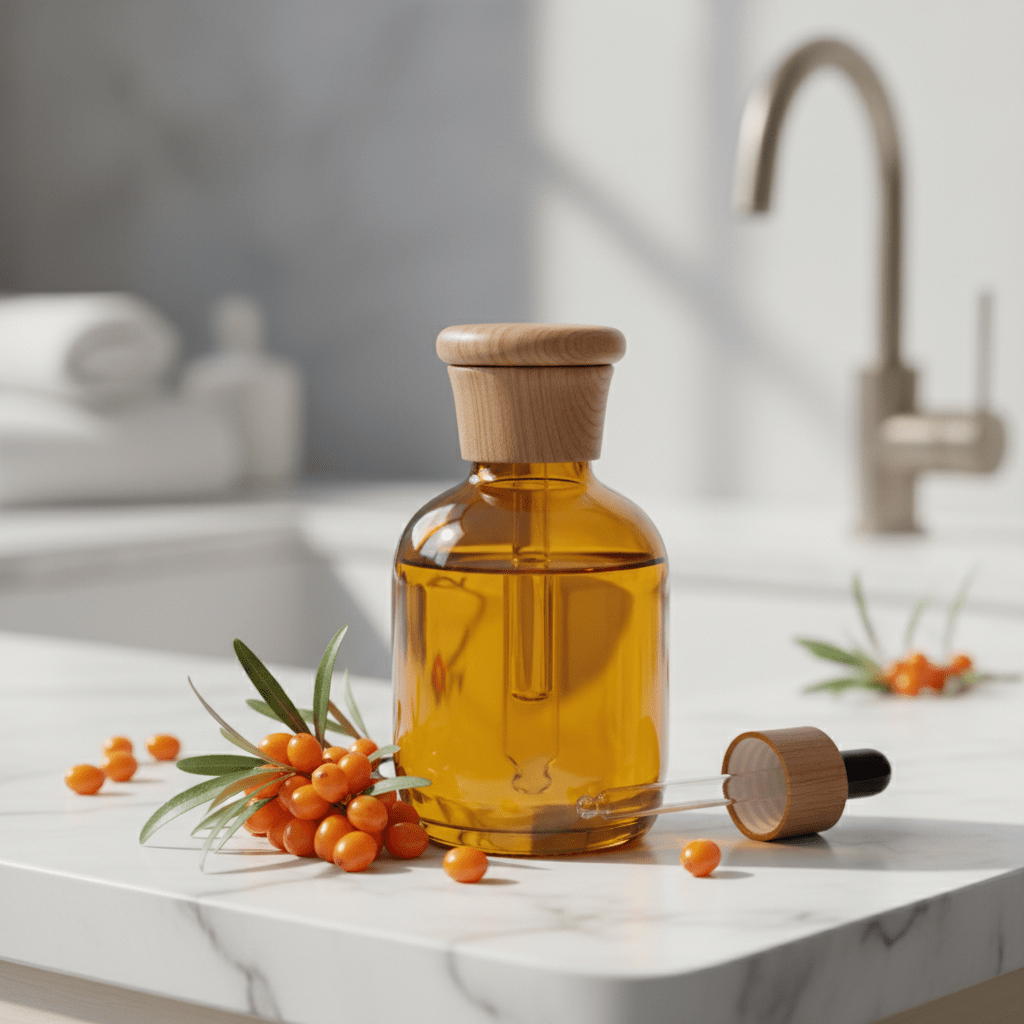
Unlocking ‘Liquid Gold’: Why Sea Buckthorn Oil is Your Skin’s New Best Friend
You know that tired skin feeling? The one where your face looks dull, feels tight, and gets cranky over every little thing. Yeah, that one. And if you’ve tried a shelf full of creams with so-so results, you’re not alone.
Sea buckthorn oil is getting a lot of love right now, and it makes sense. Plant-based skincare is booming, and this orange-gold oil has a long history in skin care traditions across Eastern Europe, the Himalayas, and Central Asia. People have even called it “liquid gold” for years because of its rich color and nutrient-packed profile. Plant-based skincare market growth and clean beauty trends
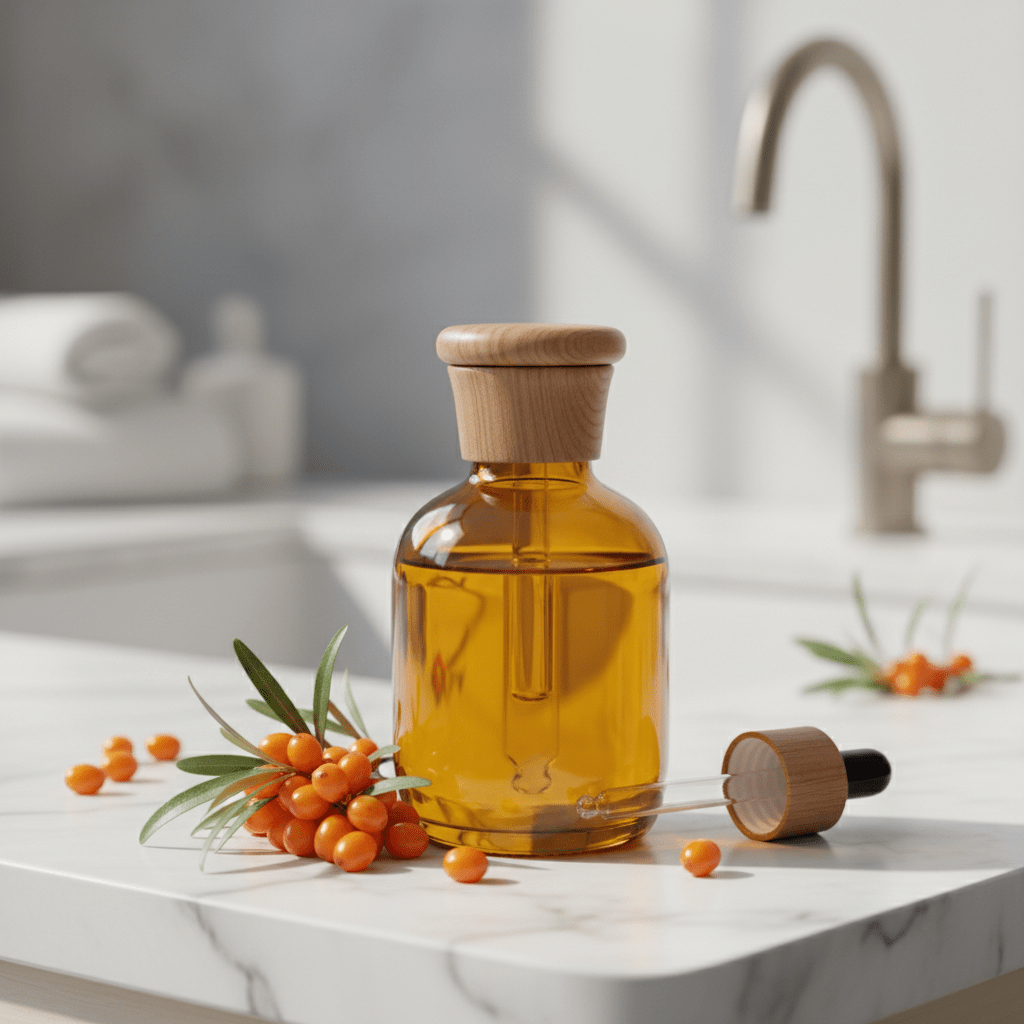
Here’s the deal. In this guide, we’ll cover what sea buckthorn oil is, the sea buckthorn oil benefits people talk about, how to choose the best sea buckthorn oil products, and how to apply sea buckthorn oil to face without making a mess.
And yes, we’ll keep it simple.
What Exactly is Sea Buckthorn Oil? A Nutrient Powerhouse Explained
A tiny orange berry has been getting a lot of attention lately. And honestly? It deserves some of it.
Sea buckthorn oil comes from the Hippophae rhamnoides plant, a hardy shrub that grows in cold parts of Europe and Asia. People have used it for ages in traditional remedies across Eastern Europe, the Himalayas, and Central Asia for skin, comfort, and general wellness. That long history is a big part of why sea buckthorn oil for skin keeps popping up in clean beauty talk.
Here’s the fun part. Not all sea buckthorn oil is the same.
| Type | Where it comes from | Color | Main traits |
|---|---|---|---|
| Sea Buckthorn Berry Oil | Pulp and fruit | Deep orange to red | Rich in Omega-7, carotenoids, and antioxidants |
| Sea Buckthorn Seed Oil | Seeds | Pale yellow | Higher in Omega-3 and Omega-6, lighter feel |
Berry oil gets most of the buzz because it’s rich in palmitoleic acid, also called Omega-7. Seed oil is lighter and still useful, but it’s a different beast. If you’ve seen people talk about the deep orange “liquid gold” look, they usually mean berry oil. That name fits. It really does look like sunshine in a bottle.
Sea buckthorn oil also packs in a lot of skin-loving stuff. Research reviews describe 190+ bioactive compounds in the plant and oil, including fatty acids, tocopherols, carotenoids, phytosterols, and more review of sea buckthorn bioactive compounds. The berry oil is known for about 30 to 35% Omega-7, while seed oil has much less Omega-7 and more Omega-3 and Omega-6.
And one more thing. A lot of people think facial oils always make skin greasy. Not true. Used the right way, sea buckthorn oil can help lock in moisture and support the skin barrier instead of drowning your face in shine.
That’s why the best sea buckthorn oil products usually list the oil type clearly. Berry oil and seed oil do different jobs. Once you know that, shopping gets way easier.
If you’re building a skincare routine or making products for your own line, this is the point where quality matters a lot. Look for clean, lab-tested oils with clear labels, especially if you want pure natural skincare ingredients for face care, balms, or blends.
The Science-Backed Skin Benefits of Using Sea Buckthorn Oil
You know that moment when your skin just looks worn out? Not acne, not dryness alone. Just tired. That’s the spot where sea buckthorn oil starts getting interesting.
People love to call it liquid gold, and honestly, the name fits. It comes from a plant used for ages in skin care, and today it’s showing up in a lot more clean beauty products as more people look for natural skincare ingredients that actually do something. The plant-based skincare market has already passed $1.1 billion and is expected to keep growing fast, which tells you this isn’t just a passing trend plant-based skincare market growth.

1. It may help skin look smoother over time
Sea buckthorn oil for anti aging gets so much attention because it’s packed with antioxidants. That matters. Antioxidants help fight free radicals, which are tiny troublemakers from sun, stress, and pollution that can make skin look older faster.
And here’s the part people often miss. Sea buckthorn berry oil is rich in omega-7, plus carotenoids and vitamin E, while the whole plant has been found to contain more than 190 bioactive compounds. That mix may help support skin repair and keep skin looking fresher, not flat or dull sea buckthorn bioactive compounds review.
It’s not magic. But it does make sense.
2. It helps lock in moisture
If your skin feels tight by lunch, this part may matter most. Sea buckthorn oil has fatty acids that can act a lot like the skin’s own sebum, so it helps hold water in and calm that dry, rough feel.
That’s why using sea buckthorn oil can be so nice for dry skin, rough patches, and even skin that gets flaky in cold weather. Some people also use it for eczema-prone skin because it can support the barrier and help skin feel less angry. Not a cure, of course. But a solid helper.
Also, facial oils do not always make skin oilier. That’s a common mix-up. When you use the right amount, oil can sit on top and slow water loss instead of clogging everything up. Just make sure you apply it last, after water-based products, so your serums can get in first.
3. It can be a friend to acne-prone skin
This one surprises people. Sea buckthorn oil for acne gets talked about because it may help with redness and breakouts without being too harsh.
Why? It has anti-inflammatory and antibacterial traits, so it may calm skin that feels hot, sore, or red. Some research also suggests it can help tell oil glands to stop overdoing it, which is great if your face tends to get shiny fast. Sea buckthorn seed oil is usually rated very low on the pore-clogging scale, and berry oil is still pretty low too.
Here’s a quick cheat sheet:
| Skin goal | How sea buckthorn oil may help |
|---|---|
| Fine lines | Antioxidants help fight free radical stress |
| Dry skin | Helps seal in moisture |
| Weak barrier | Supports repair and comfort |
| Acne-prone skin | May calm redness and help balance oil |
A few real-life tips before you try it
Start small. Like, really small.
Use 2 to 4 drops at night, or mix 1 drop into your moisturizer if your skin is fussy. If you buy the best sea buckthorn oil products, look for clear labels, lab-tested quality, and whether it’s berry oil or seed oil. That little detail makes a big difference.
And if you’re buying for a brand or private label line, pure oils from trusted suppliers like Aroma Monk can make product development much easier. Clean, traceable, and ready for cosmetic use. That’s the kind of thing that saves headaches later.
So yes, sea buckthorn oil benefits can be pretty wide-ranging. Glow. Moisture. Calm skin. Less roughness. Not bad for one orange bottle.
Next up, let’s talk about how to apply sea buckthorn oil to face the right way without staining your pillowcase or making your face look like a carrot.## How to Choose a High-Quality Sea Buckthorn Oil
You know that moment when a product looks amazing online, but the label feels like a riddle? Yep. Sea buckthorn oil can be like that too. One bottle says cold-pressed. Another says CO2 extracted. A third is bright orange and looks a little intense. So which one should you grab?
First, check the extraction method.
CO2 Supercritical Extraction vs. Cold-Pressed
Both can be good, but they’re not the same. CO2 supercritical extraction is often the top pick for sea buckthorn oil because it uses no chemical solvents and low heat. That helps keep delicate parts of the oil, like carotenoids and fatty acids, in better shape. Cold-pressed oil is still a solid choice, but it can pick up more air and heat during processing, which may trim down some of those fragile nutrients.
| Extraction method | What it means | Why people like it |
|---|---|---|
| CO2 supercritical extraction | Uses carbon dioxide, no chemical solvents | Great for potency and purity |
| Cold-pressed | Oil is pressed out with less processing | Simple, familiar, and still natural |
And yes, color matters too.
A rich deep orange or red shade is usually a good sign. That bright color often means higher carotenoid content, which is one reason sea buckthorn oil gets that “liquid gold” nickname. Pale oils can still be useful, but if you want berry oil with that bold skin-loving profile, the color tells you a lot.
Go for organic and unrefined
If you can, choose organic sea buckthorn oil and unrefined sea buckthorn oil. That helps lower your chances of pesticide residue and keeps more of the natural plant compounds in the bottle. Refined oils may look prettier and smell lighter, but they often lose some of the good stuff along the way.
Also, take a close look at the label. It should say whether it’s berry oil or seed oil. That little detail changes the whole feel of the product. Berry oil is richer and deeper in color. Seed oil is lighter and usually better if you want a softer touch.
Pure oil or a blended product?
This is where it gets personal.
If you want full control, a 100% pure oil is the way to go. You can use a drop or two, mix it with a carrier oil, or blend it into a simple routine. That’s handy if you’re testing how your skin reacts.
But a serum or moisturizer with sea buckthorn oil can be easier, especially if you don’t want the stain-y orange drama on your hands or pillowcase. Formulated products also pair sea buckthorn oil with other helpful ingredients, which can make using sea buckthorn oil feel less messy and more beginner-friendly.
For brand owners and B2B buyers, this choice matters even more. Pure, lab-tested oils from trusted suppliers like Aroma Monk can be a smart fit if you’re making your own skincare line, while blended formulas may work better for ready-to-use retail products.
So here’s the short version: look for extraction method, check for organic and unrefined oils, and pick the format that fits your skin and your routine. Simple. Clear. Way less guesswork.
If you’ve got the right bottle, the next part gets fun. That’s where how to apply sea buckthorn oil to face starts to make a real difference.
Your Step-by-Step Guide: How to Apply Sea Buckthorn Oil to Your Face
You know that little panic moment when you put oil on your face and wonder, “Did I just mess this up?” Yep. Been there. But sea buckthorn oil is way easier to use than it looks.
First, remember the order. Water-based stuff goes on first. Oils go last. That means your toner, serum, and moisturizer should be in place before sea buckthorn oil touches your skin. If you like, you can also mix it into moisturizer first, which is a softer way to start. And because sea buckthorn oil is rich and deeply colored, using too much can leave skin looking orange. Not cute.
The simple face routine
- Cleanse your face.
- Apply toner or serum.
- Put on moisturizer.
- Add 2 to 3 drops of sea buckthorn oil last.
- Warm it between your fingertips.
- Pat it on. Don’t rub.
That pat, don’t rub part matters. Rubbing can tug at skin and just spreads the oil around too much. Patting helps it sit on top and seal in moisture. Think of it like pressing a blanket over your skin. Soft. Even. Done.
If your skin is dry or fussy, start smaller. One drop mixed into your moisturizer is plenty at first. That still gives you the sea buckthorn oil benefits without flooding your face with color. For many people, this is the easiest way of using sea buckthorn oil at night.
Three easy ways to use it
| Use | How to do it | Best for |
|---|---|---|
| Moisturizer boost | Mix 1 drop into your face cream | Beginners, dry skin |
| Spot treatment | Tap a tiny amount on blemishes or marks | Acne-prone skin, post-blemish care |
| Weekly mask | Blend a few drops with a simple mask base | Dry, dull, tired-looking skin |
Spot treatment is a nice trick. If you’ve got a blemish or a dark mark, dab on a tiny bit at night and leave it alone. Just a tiny bit. Sea buckthorn oil for acne can help calm the look of angry skin, but it’s not a magic fix, so don’t pile it on and expect miracles.
Now, here’s a fun one. Sea buckthorn oil can also work in oil cleansing. That means you use it, often blended with another gentle oil, to help break down makeup and sunscreen before washing your face. It helps melt the sticky stuff that regular cleanser sometimes misses. Then you follow with your usual face wash. Clean, but not stripped. Nice, right?
If you want to try oil cleansing, keep it simple. Massage the oil blend onto dry skin for about 30 seconds, then wipe it away with a warm damp cloth. After that, wash with your regular cleanser. This is a handy choice if you wear long-wear makeup, mineral sunscreen, or just have one of those days where your face needs a reset.
A quick note on quality. The best sea buckthorn oil products usually tell you if the oil is berry or seed oil, and they should be lab-tested and clearly labeled. That matters even more if you’re buying for a brand or mixing your own skincare line. Aroma Monk, for example, focuses on pure, lab-tested natural oils and bulk supply for beauty and personal care makers, which is useful if you need a steady ingredient source for products that actually feel good on skin.
And if you’re still nervous? Start at night. Less pressure. Less staining. Better sleep.
Get a quote from Aroma Monk.
Essential Oil Supplier – Bulk pricing • Samples • Fast response
Tailoring Sea Buckthorn Oil to Your Specific Skin Type
You know what’s funny? People hear “oil” and сразу think greasy face, shiny T-zone, and a pillowcase disaster. But sea buckthorn oil doesn’t fit that old story so neatly. It can work for different skin types. The trick is using it the right way.
For dry or mature skin
If your skin feels tight, flaky, or a little flat, sea buckthorn oil can be a nice last step at night. It’s rich in fatty acids and helps seal in moisture, which is why so many people reach for sea buckthorn oil for skin that looks tired or rough. For dry skin, that extra layer can help your face feel softer by morning.
And if you’re looking at sea buckthorn oil benefits for older skin, this is where it really shines. The oil’s omega-7 and antioxidant mix can support a smoother look over time. It won’t act like a magic wand. But it can be a good helper in a simple routine.
Try this:
- Cleanse
- Use your serum or moisturizer
- Press 2 to 4 drops of sea buckthorn oil on top
- Leave it on overnight
Simple. No fuss.
For oily or acne-prone skin
This is the one that makes people pause. Wait, an oil for oily skin??? Yes. It sounds backward, but sea buckthorn oil for acne-prone skin can make sense because it has a low comedogenic rating and may help support calmer, more balanced skin. Seed oil is especially light, and berry oil still tends to stay on the lighter side when used in tiny amounts.
The real mistake is using too much. That’s where things get messy.
If your skin gets shiny fast, start with one drop mixed into a lightweight gel moisturizer. Or use it just two nights a week at first. That keeps you from overdoing it while still letting you test how your skin feels. Also, sea buckthorn oil may help with the look of redness, which is handy if your skin gets angry after breakouts.
For sensitive or compromised skin
If your skin gets red, stingy, or easily annoyed, go slow. Sea buckthorn oil has soothing, anti-inflammatory traits, so it may feel comforting on skin that’s been through too much. Think wind, weather, over-cleansing, or too many active products. We’ve all been there.
But patch test first. Always.
Put a tiny bit on your jaw or inner arm and wait 24 hours. If it feels fine, mix it into your moisturizer before trying it straight. For sensitive skin, diluted use is usually the smartest move. Less drama. Less risk.
Here’s a quick guide:
| Skin type | Best way to start | Good pairing ingredients |
|---|---|---|
| Dry or mature | Nightly as the last step | Ceramides, squalane, glycerin |
| Oily or acne-prone | 1 drop in gel moisturizer | Niacinamide, zinc PCA, jojoba |
| Sensitive or compromised | Diluted, after patch testing | Panthenol, centella, oatmeal |
And if you’re shopping for the best sea buckthorn oil products, look for clear labeling, lab-tested quality, and whether the oil is berry or seed oil. That little detail matters more than the pretty bottle.
One more thing. If you’re a brand owner or product maker, this is where trusted raw materials matter a lot. Aroma Monk offers pure, lab-tested natural oils for bulk supply, which can help when you’re building skincare lines that need clean, dependable ingredients.
So yes, using sea buckthorn oil can be simple. Match it to your skin. Start small. And let your routine do the quiet work.## DIY Beauty: Simple Skincare Recipes Using Sea Buckthorn Oil
OK, this is the fun part.
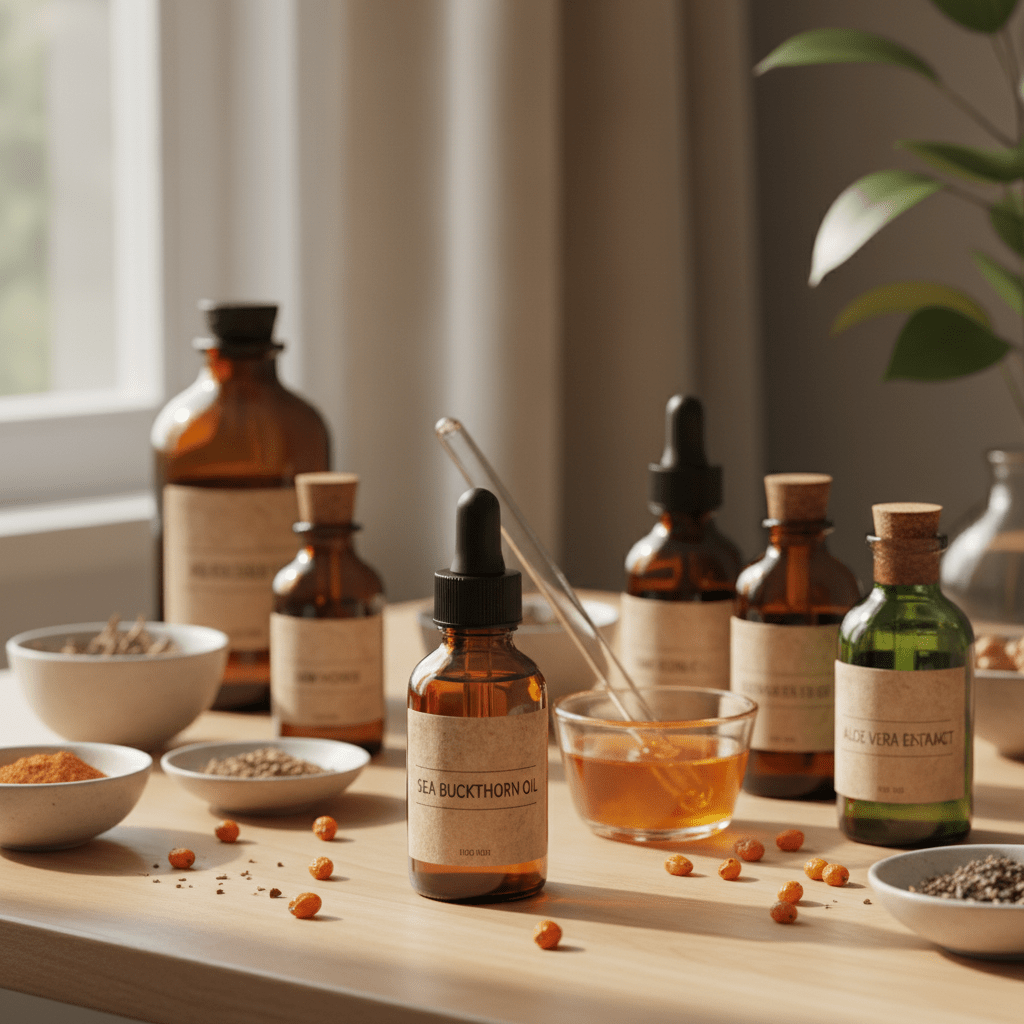
Sea buckthorn oil can do a lot on its own, but it also plays nice in DIY blends. And that matters, because a little bottle goes a long way. The natural skincare ingredients market keeps growing, with plant-based skincare now over $1.1 billion, so more people are testing simple recipes at home instead of buying ten different jars that all promise the moon.
Sea buckthorn has that old-school “liquid gold” feel for a reason. It’s been used for skin care in places like the Himalayas and Eastern Europe for ages. Fancy? Maybe. But the recipes below are simple, low-fuss, and pretty easy to make.
1. Glowing Skin Face Serum
This one is great if your face feels dry or dull.
You’ll need:
- 1 tsp jojoba oil or rosehip oil
- 1/4 tsp sea buckthorn oil
How to make it:
- Add the oils to a small dark glass bottle.
- Cap it and shake gently.
- Use 2 to 4 drops at night.
- Press it on after your moisturizer.
Jojoba is a smart pick because it feels light and works for lots of skin types. Rosehip is nice too if you want a richer blend for sea buckthorn oil for anti aging care or post-blemish marks. Start small, though. Sea buckthorn oil is strong and can stain if you go overboard.
2. Soothing and Hydrating Face Mask
Got skin that feels tired or cranky? Try this.
You’ll need:
- 1 tsp plain yogurt or aloe vera gel
- 1/2 tsp honey
- 1 to 2 drops sea buckthorn oil
How to make it:
- Mix everything in a small bowl.
- Smooth it on clean skin.
- Leave it for 10 minutes.
- Rinse with lukewarm water.
Honey helps skin feel soft. Yogurt or aloe keeps the mask gentle. And sea buckthorn oil for skin adds a rich, cushy feel without making the mix too heavy. Nice for dry patches. Nice for lazy Sundays too.
3. Restorative Body and Cuticle Oil
This one is a little sleeper hit.
You’ll need:
- 2 tbsp sweet almond oil or avocado oil
- 1/2 tsp sea buckthorn oil
How to make it:
- Mix in a small bottle.
- Shake before each use.
- Rub a few drops into damp skin after a shower.
- Massage into cuticles and elbows whenever they feel rough.
This blend works well for hands that get dried out from washing, typing, or just winter air doing its thing. Sweet almond oil feels smooth. Avocado oil feels richer. Pick what your skin likes best.
Quick DIY tips
- Use dark glass bottles.
- Keep blends away from heat and sunlight.
- Start with less sea buckthorn oil than you think you need.
- Patch test first, especially if your skin gets touchy.
| Recipe | Best for | Simple note |
|---|---|---|
| Face serum | Dry, dull, or mature skin | Use at night |
| Face mask | Tired or thirsty skin | Leave on 10 minutes |
| Body and cuticle oil | Rough hands and elbows | Great after showers |
If you’re making products for your own brand, this is where pure, lab-tested ingredients matter a lot. Aroma Monk supplies natural oils in bulk for beauty and personal care makers, which can help if you need clean raw materials for custom blends or private label skincare. And if you’re just making one bottle for yourself? Even better. Small batch, simple steps, happy skin.
Potential Side Effects and Common Mistakes to Avoid
Sea buckthorn oil is loved for a reason. But let’s be real for a second. It can also make a mess if you’re heavy-handed.
The most common surprise is staining. Because sea buckthorn oil has a strong orange color, it can leave a light tint on skin, towels, or pillowcases. On skin, that usually fades pretty fast, sometimes the same day, sometimes in a day or two. Want to dodge that? Use it at night, start with 1 to 2 drops, and mix it into moisturizer if you’re nervous.
Patch testing matters too. Seriously. If your skin is sensitive, put a tiny bit on your jaw or inner arm first and wait 24 hours. Sea buckthorn oil for skin is usually well-tolerated, but some people can get redness, itching, or a rash. Weird? A little. Real? Yep.
Also, less is more here. Too much sea buckthorn oil can feel greasy and may clog pores for some people, especially if you already run oily. That’s why using sea buckthorn oil works best when you keep it light and steady, not drenched and dramatic.
A few common slip-ups to skip:
- Putting oil on before water-based products
- Using a big blob instead of a few drops
- Skipping patch testing
- Forgetting that berry oil stains more than seed oil
If you’re shopping for the best sea buckthorn oil products, look for clear labels, lab-tested quality, and the oil type listed right on the bottle. That makes it much easier to pick what fits your skin and your routine.
And if you’re building products for a brand, clean, traceable raw oils matter even more. Aroma Monk supplies 100% pure, lab-tested natural oils for cosmetics and personal care, which can help if you need a dependable ingredient source for your own line.
Sea buckthorn oil benefits can be great. Just keep your first try slow, simple, and small. Your skin will thank you.
Embrace the Glow: Making Sea Buckthorn Oil a Staple in Your Routine
Sea buckthorn oil has a funny way of sounding fancy, then turning out to be pretty simple. And that’s the charm. It brings together hydration, a softer look, and skin support in one bright orange bottle.
More people are reaching for natural skincare ingredients now, too. The plant-based skincare market has passed $1.1 billion and keeps climbing, which fits the growing love for sea buckthorn oil benefits and clean beauty routines plant-based skincare market growth.
Sea buckthorn oil being applied with a dropper beside moisturizer and serum
Here’s the short version: sea buckthorn oil for skin can help dry skin feel calmer, may support sea buckthorn oil for anti aging care, and can even fit into a gentle routine for acne-prone skin. The trick is picking the best sea buckthorn oil products and using the right amount for your skin type. Less really is more here.
So start small. One drop mixed into your moisturizer tonight is enough to begin. Give it a few days, pay attention, and see how your skin feels. You might be surprised. And if you’re making products for your own brand, Aroma Monk’s lab-tested natural oils can help you build formulas with clean, steady ingredients that your customers can trust.
Get a quote from Aroma Monk.
Essential Oil Supplier – Bulk pricing • Samples • Fast response