

An Ancient Treasure Rediscovered: Why Sea Buckthorn Oil Endures

Ever heard of a berry that helped feed horses, showed up in old healing texts, and may have even traveled with armies across freezing lands? That’s sea buckthorn. Pretty wild, right?
Known by its plant name, Hippophae rhamnoides, this bright orange fruit has a long history in sea buckthorn in traditional medicine. People in Greece, Tibet, China, and other places used it for strength, skin, and everyday health. Some stories even link it to Genghis Khan’s army. Legend? Maybe. But the long trail of use is hard to ignore.
Today, sea buckthorn oil sits at a strange and interesting crossroads. Old healers trusted it for real-life needs. Now, modern studies are looking at sea buckthorn benefits like skin support, gut comfort, and those unusual omega 7 benefits people keep talking about.
And that’s the fun part. We’re not just looking at a folk remedy with a cool backstory. We’re looking at an oil that still matters now, especially for sea buckthorn oil for skin and for people curious about how to use sea buckthorn oil the right way.
In this article, we’ll trace its roots, look at Tibetan medicine sea buckthorn use, compare sea buckthorn seed oil vs berry oil, and see why this old plant keeps finding new fans. Plus, if you’re in beauty or wellness product work, this can help you spot good raw material sources too, like pure carrier oils and lab-tested plant extracts from trusted suppliers such as Aroma Monk.
What is Sea Buckthorn Oil? Understanding the ‘Holy Fruit of the Himalayas’
Picture a plant that can shrug off wind, cold, and poor soil, then still give you a bright orange berry packed with goodness. That’s sea buckthorn. Pretty impressive for a scrappy little shrub.
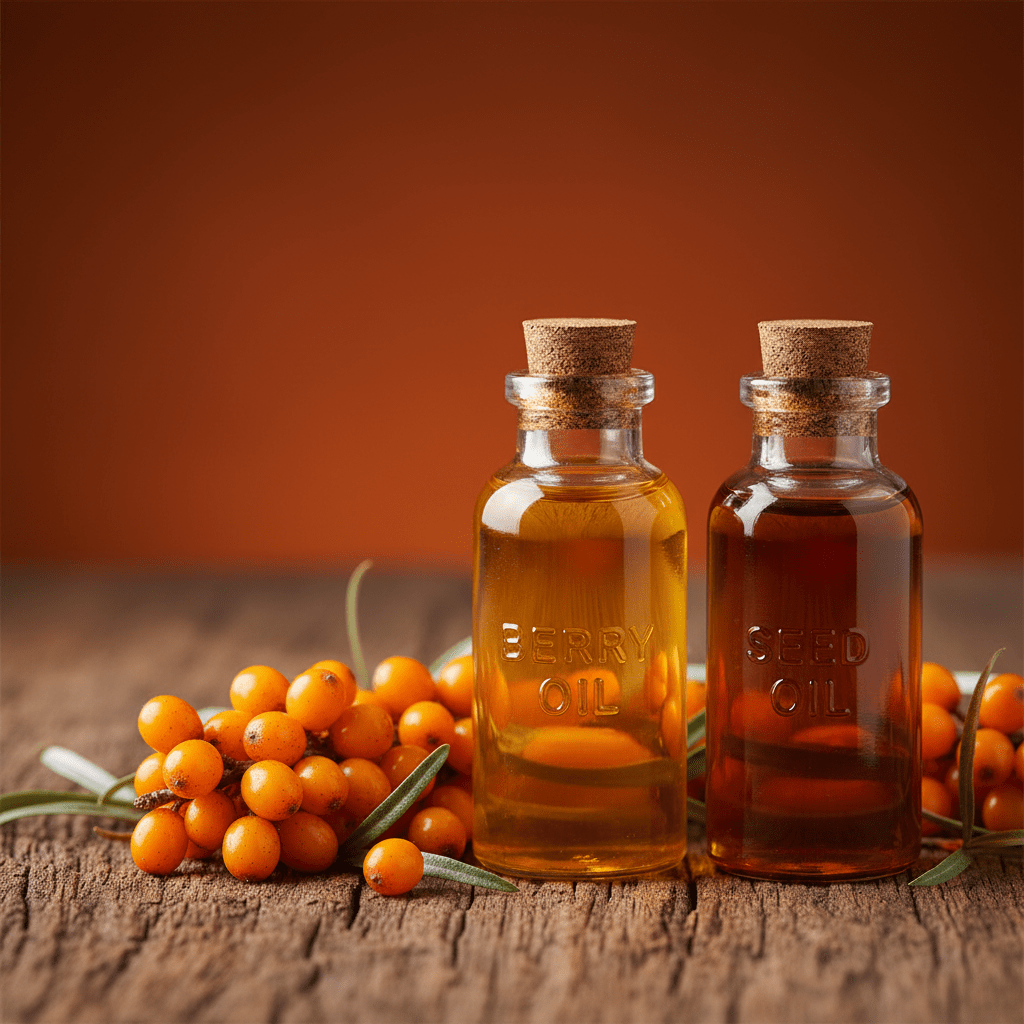
Sea buckthorn oil comes from Hippophae rhamnoides, a plant that grows in harsh places across Europe and Asia. Think icy slopes, dry land, and rough mountain edges. Plants like that have to work hard to survive, so they often build up a strong mix of nutrients in their fruit and seeds.
And that’s where the oil gets interesting. There are actually two main types:
| Type of sea buckthorn oil | Main parts | What it’s known for |
|---|---|---|
| Fruit or pulp oil | Fruit flesh | High in omega-7, carotenoids, and deep orange color |
| Seed oil | Seeds | Rich in omega-3 and omega-6, with a lighter color |
So when people talk about sea buckthorn seed oil vs berry oil, they’re talking about oils with different jobs. Fruit oil is the one people usually link with omega 7 benefits and sea buckthorn oil for skin. Seed oil is more about the classic fatty acid mix found in many plant oils.
But both are pretty nutrient-dense. Sea buckthorn berries are also known for vitamin C, plus vitamins E and K, along with antioxidants and all four omega fatty acids: 3, 6, 7, and 9. That mix is a big reason sea buckthorn benefits keep getting attention in wellness and beauty work. One source even notes the berry can hold about 400 mg of vitamin C per 100 g, which is way more than oranges, and the pulp oil can carry a lot of palmitoleic acid, the rare omega-7 found in sea buckthorn fruit oil sea buckthorn vitamin C and omega-7 data.
For brands and makers, that matters. If you’re sourcing raw materials for skincare, wellness blends, or natural personal care, sea buckthorn oil is one of those ingredients that sounds old-school but still fits modern product lines. And if you need pure, lab-tested carrier oils or other plant extracts for bulk use, suppliers like Aroma Monk can help with that side of the supply chain too.
A Journey Through Time: Sea Buckthorn’s Role in Global Traditional Medicine
You know that feeling when a plant keeps showing up in different places, over and over, like it’s trying to tell us something? Sea buckthorn does that. And not just in one region, either. It pops up in old Chinese healing, Tibetan medicine, and even Russian folk care.
In Traditional Chinese Medicine, sea buckthorn, or Hippophae rhamnoides, has long been used for coughs, weak digestion, and poor blood flow. People often talk about it for clearing stuck phlegm and helping the body move better. That lines up with what many users still want from sea buckthorn oil today, especially if they’re exploring sea buckthorn benefits beyond the beauty aisle.
Tibetan medicine sea buckthorn use is even more fascinating. In Sowa-Rigpa, this bright berry shows up in old formulas for lung trouble, stomach upset, and skin care. Some traditional texts list hundreds of sea buckthorn preparations. That’s a lot. The plant wasn’t just a side note. It was part of the main toolkit.
And in Russia and Siberia, people used sea buckthorn oil for burns, frostbite, and rough winter skin. Makes sense, right? When the weather is trying to bite your face off, a rich plant oil starts looking pretty smart. Soviet-era research later added more interest, since sea buckthorn oil was studied for helping protect against radiation damage in lab settings, though those space-program stories are harder to prove in a strict historical sense.
Here’s a quick look at how it was used across places:
| Tradition | Common uses | Why people liked it |
|---|---|---|
| Traditional Chinese Medicine | Coughs, digestion, blood flow | Helped with stuck energy and weakness |
| Tibetan medicine | Lung, stomach, skin formulas | Fit into many multi-herb recipes |
| Russian and Siberian folk care | Burns, frostbite, wounds | Used for skin comfort and repair |
Funny enough, the same berry still gets attention now because the old uses match a lot of today’s questions. People want sea buckthorn oil for skin, better gut support, and omega 7 benefits. And if you’re learning how to use sea buckthorn oil in products, this old history gives you a real reason to pay attention, not just a trendy one.
For B2B teams, that’s useful too. If you’re sourcing natural ingredients for skincare, wellness, or personal care lines, sea buckthorn fits right in beside pure carrier oils and other plant extracts. Aroma Monk works with bulk buyers who want lab-tested oils, clean supply, and reliable delivery for product development. And honestly, that matters just as much as the legend.
Get a quote from Aroma Monk.
Essential Oil Supplier – Bulk pricing • Samples • Fast response
Traditional Applications for Skin Health: From Wound Healer to Beauty Elixir
You know that dry, tight skin feeling after a windy day? The kind that makes you want to slather on anything soothing, fast. People have been chasing that fix for ages, and sea buckthorn oil has been part of that story for a very long time.
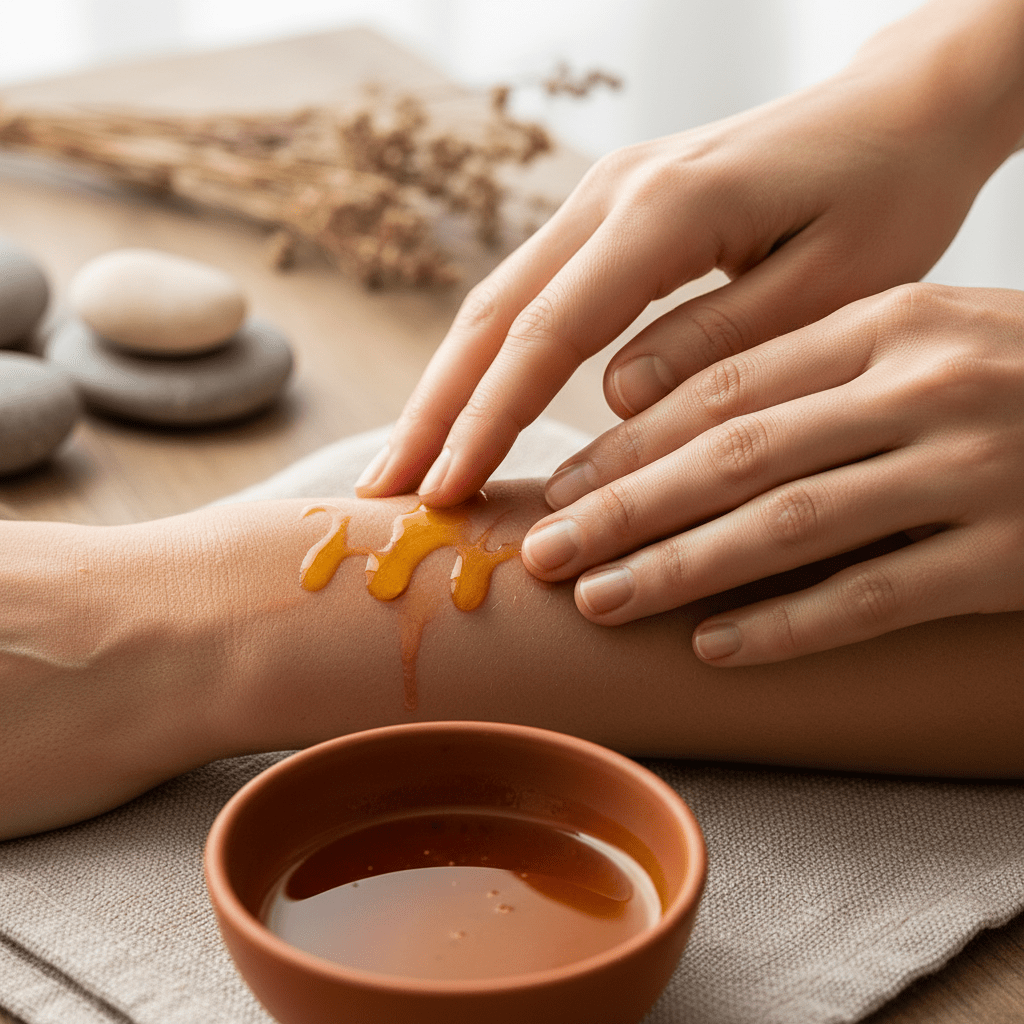
In old healing use, sea buckthorn oil was put right on burns, small wounds, and rashes. Folks used it to calm red skin and help it bounce back. That old practice makes a lot of sense now, because the oil is rich in carotenoids and antioxidants, which help guard skin from stress caused by sun, wind, and dry air. Sea buckthorn in traditional medicine didn’t treat it like a fancy add-on. It was a real skin helper.
And the beauty side? That was here too. People used sea buckthorn oil for skin that looked dull or felt rough, especially in harsh mountain weather. It was valued for keeping skin soft, helping with dryness, and supporting that healthy glow people still talk about today. Actually, wait, there’s a better way to say it: it wasn’t about “glow” as a trend. It was about skin that could handle life.
Here’s the neat part. That glowing-skin idea connects to what sea buckthorn oil contains:
| Skin-support part | What it may do |
|---|---|
| Carotenoids | Help fight oxidative stress |
| Antioxidants | Help protect skin cells |
| Omega 7 benefits | Support a strong skin barrier |
| Fatty acids | Help with dryness and comfort |
Modern research lines up with a lot of this. A 2024 review on sea buckthorn and skin health found that topical use may help with inflammation and skin repair, while older studies on burns and wounds point to faster healing in some cases. So the old stories weren’t just cute folklore. They were watching something real happen, even if they didn’t have lab coats.
For brands, that matters. If you’re making skincare, a clean sea buckthorn oil can fit into balms, creams, face oils, and repair blends. And if you’re sourcing bulk natural ingredients, Aroma Monk can help with lab-tested essential oils, carrier oils, rose water, and other plant-based materials for product lines that need steady supply and trusted quality.
If you’re figuring out how to use sea buckthorn oil in a formula, start simple. Think dry-skin creams, after-sun care, and barrier-support products. Small test batches first. Always.
Internal Healing: Soothing the Digestive and Cardiovascular Systems
Ever had your stomach feel off for no clear reason? That sour, tight, nagging kind of off? Old healers had a plant for that. Sea buckthorn oil.
In sea buckthorn in traditional medicine, the oil was used for gastric ulcers and other belly troubles. People believed it could coat and protect the mucosal lining of the stomach and intestines, which sounds pretty close to what a tired gut would ask for. In Tibetan medicine sea buckthorn use, it also showed up in formulas for digestion, lung support, and liver care. Chinese herbal traditions used it for stomach weakness, coughs, and blood flow too.
That liver angle matters. In Traditional Chinese Medicine and Tibetan systems, sea buckthorn was often tied to helping the body clear what it didn’t need. Not in a flashy detox-tea way. More like, “let’s help the body do its job better.” Simple. Practical.
Here’s the part that feels oddly modern. Traditional texts talked about “invigorating blood circulation.” Today, that idea lines up with modern sea buckthorn benefits for heart health. Some studies suggest sea buckthorn oil may help support healthy cholesterol levels, including lower total cholesterol, LDL, and triglycerides in certain people. Not a miracle. Just a plant that keeps showing up with useful data.
A quick look at the old-to-new link:
| Traditional use | What people hoped for | Modern angle |
|---|---|---|
| Gastric ulcers | Smoother stomach lining | Mucosal support and gut comfort |
| Liver support | Better body cleansing | Hepatoprotective interest |
| Blood circulation | Moving stagnation | Heart and lipid support |
And if you’re sorting out sea buckthorn seed oil vs berry oil, this is where the berry or pulp oil often gets the spotlight. It’s the one tied more closely to omega 7 benefits, mucosal support, and skin barrier care. The seed oil still matters, but it’s usually the pulp oil people reach for in gut and barrier talks.
Actually, wait, there’s one more thing. If you’re learning how to use sea buckthorn oil in a wellness formula, keep the dose and use case clear. Gut support, heart-focused blends, and skin products are not all the same beast.
For B2B teams, this is where clean sourcing matters. If you’re building skincare, wellness, or personal care products, Aroma Monk can help with pure, lab-tested carrier oils, essential oils, and natural extracts in bulk. That kind of supply support makes product planning a lot less chaotic. And honestly, less chaos is nice.## Modern Science Validates Ancient Wisdom: What Today’s Research Reveals
You know that moment when an old idea suddenly stops looking old? That’s sea buckthorn oil. For years, people used it for sore skin, cranky stomachs, and rough weather damage. Now the lab work is catching up.
A lot of modern studies point to sea buckthorn oil as a strong anti-inflammatory plant oil. That matters for sea buckthorn oil for skin and for internal use too. In simple terms, inflammation is the body’s alarm system. When it stays on too long, things start to feel off. Sea buckthorn in traditional medicine didn’t use that word, of course. But the results people hoped for line up pretty well with what researchers see now.
One review also found that sea buckthorn has a deep mix of plant compounds, including tocopherols, tocotrienols, and carotenoids. That combo gives it a lot of antioxidant power. Antioxidants help protect cells from wear and tear. Sounds fancy, but it’s really just body protection. Like a tiny shield.
And here’s where it gets even more interesting. Sea buckthorn oil may help cells grow and repair. Studies on wound healing show support for keratinocyte and fibroblast activity, plus better collagen build-up and skin repair. That helps explain why sea buckthorn oil keeps coming up in talks about healing and skin renewal. Actually, wait, that’s not just about looking younger. It’s about helping skin do its job better.
| What modern research looks at | What it means in plain words |
|---|---|
| Anti-inflammatory action | May calm redness and irritation |
| Antioxidant mix | May help protect cells from stress |
| Cell regeneration | May support repair and healing |
| Omega 7 benefits | May help skin barrier comfort |
The same pattern shows up inside the body too. Research has linked sea buckthorn oil to stomach lining support and better lipid numbers in some people. So when folks ask how to use sea buckthorn oil, the answer depends on the goal. Skin care. Gut comfort. Maybe both. Not the same thing, and that’s worth keeping straight.
For brands and makers, this is the part that matters most. If you’re building a balm, cream, or wellness blend, you want ingredients that have both a story and some data behind them. Sea buckthorn oil has both. Plus, if you need pure carrier oils, essential oils, natural attars, or rose water for product work, Aroma Monk can support bulk supply with lab-tested quality and export-ready service.
So yeah, the old wisdom wasn’t random. Modern research is giving it a nod.
How to Choose and Use Sea Buckthorn Oil for Maximum Benefit
You know that moment when a bottle looks amazing, but you’re not quite sure what’s inside? Yeah, sea buckthorn oil can be like that. Bright color. Big promises. A lot of noise. So let’s make it simple.
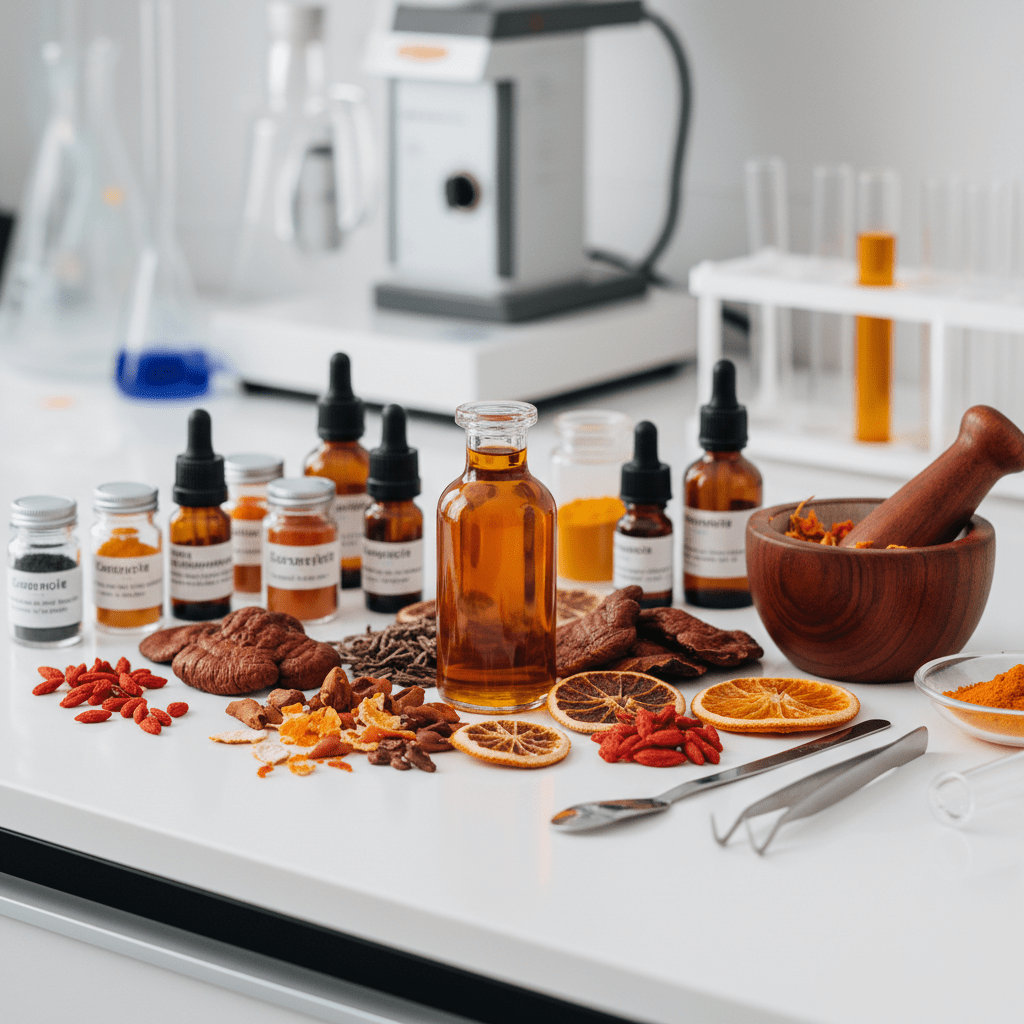
The first thing to check is the extraction method. If you want the full nutrient mix, supercritical CO2 extraction is often the gold standard because it pulls out the oil without harsh solvent residue and helps keep more of the plant’s natural compounds in place. That matters for both sea buckthorn benefits and sea buckthorn oil for skin.
Next, read the label like a hawk. Look for:
| What to check | Why it matters |
|---|---|
| 100% pure and unrefined | Less processing, more of the natural plant profile |
| Clear source region | Himalayan or Tibetan plateau sourcing often signals high-altitude fruit |
| Seed oil or berry oil | Helps you pick the right oil for your goal |
| Lab-tested batch info | Gives you more trust in purity and quality |
And yes, sea buckthorn seed oil vs berry oil really does matter. Seed oil leans more toward omega-3 and omega-6. Berry or pulp oil is the one people usually want for omega 7 benefits and skin support.
If you want to use it inside the body, many labels and wellness guides point to about 1 to 3 teaspoons a day, but start small and follow the product directions. I’d say don’t wing it here. Especially if you take medicine or already have a sensitive stomach. Sea buckthorn oil can also be used topically, but always do a patch test first. Put a tiny amount on the inside of your arm and wait 24 hours. If it gets red or itchy, skip it.
Easy ways to use it:
- Add a small spoonful to a smoothie
- Mix a drop or two into face oil or cream
- Use it as a night serum for dry skin
- Blend it into balm recipes for rough spots
And if you’re a brand or maker, this is where clean sourcing really counts. Aroma Monk supplies lab-tested oils, carrier oils, essential oils, and rose water in bulk, so teams in cosmetics, wellness, and personal care can build products with more confidence.
Sea buckthorn oil is one of those rare ingredients that works hard in both old and new routines. Keep the bottle simple. Keep the label honest. That’s usually the best place to start.
The Enduring Legacy of Sea Buckthorn Oil: Nature’s Timeless Remedy
Sea buckthorn oil has done something rare. It stayed useful.
From old healing books to modern labs, sea buckthorn in traditional medicine keeps matching what people still want today: calmer skin, easier digestion, and better day-to-day comfort. That’s a pretty strong track record for one little berry.
And the science keeps chiming in. Modern research backs a lot of the old uses, especially for sea buckthorn oil for skin, gut support, and those talked-about omega 7 benefits. Plus, the difference between sea buckthorn seed oil vs berry oil gives us a simple way to choose the right one for the job.
If you’re curious about how to use sea buckthorn oil, start with quality first. Look for clean sourcing, clear labels, and lab-tested products. And if you have health concerns, check with a healthcare professional before adding it to your routine. That’s the smart move.
For brands and makers, this old remedy still has real value too. High-quality ingredients matter, whether you’re building skincare, wellness blends, or bulk product lines. Suppliers like Aroma Monk can help with trusted natural oils, rose water, and other plant-based materials for your next formula.
Get a quote from Aroma Monk.
Essential Oil Supplier – Bulk pricing • Samples • Fast response