
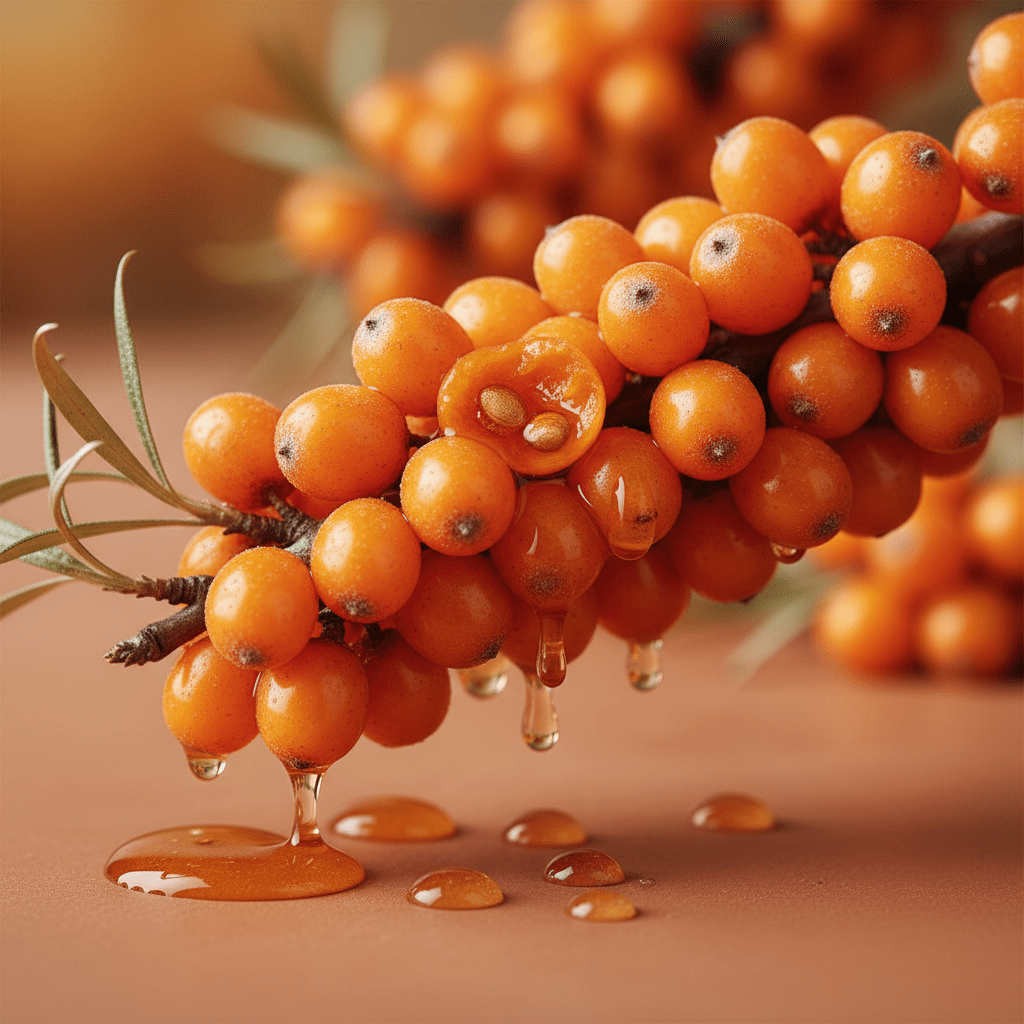
Introduction: Unlocking the Golden Elixir for Your Skin
Ever notice how some oils get a quiet little fan club online, then suddenly everyone’s asking about them? Sea buckthorn oil is doing that right now. And honestly, it makes sense. More people are choosing natural skincare ingredients, and the natural skin care products market was valued at $7.28 billion in 2022 and is still climbing fast, according to Grand View Research.
Sea buckthorn oil for face care is a bright orange, nutrient-rich oil that people use for glow, softness, and help with dry or stressed skin. Some folks reach for it for sea buckthorn oil benefits for skin like extra moisture. Others want help with sea buckthorn oil for acne or sea buckthorn oil for wrinkles. A lot of people are also curious about sea buckthorn seed oil vs berry oil. Fair question. They’re not the same.
Here’s the deal: this guide will show you how to use sea buckthorn oil in skincare the right way, how much to use, what to mix it with, and how to dodge common problems like staining or too much irritation. If you’ve been wondering whether using oil on face skin is a good move, we’ll sort that out too. Plus, if you’re looking at the best sea buckthorn oil for skin, we’ll help you know what to check before you buy.
Simple. Clear. No fluff.
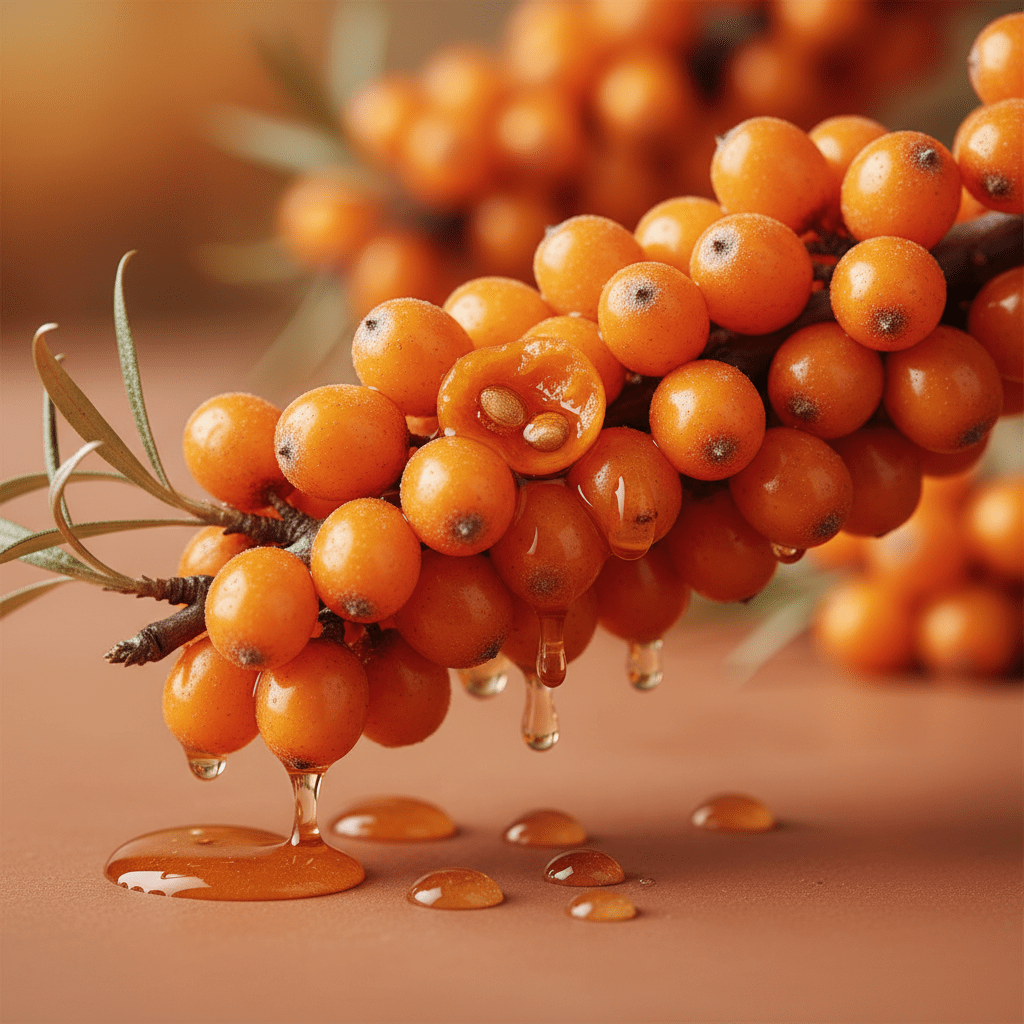
What Exactly Is Sea Buckthorn Oil? (And Why There Are Two Types)
Picture a tiny orange berry doing big work. That’s sea buckthorn.
It comes from the Hippophae rhamnoides plant, and people use different parts of it to make oil. The berries, seeds, and even leaves can all play a role. But for sea buckthorn oil for face care, the big split is between sea buckthorn seed oil vs berry oil. And no, they don’t act the same on skin.
Here’s the simple version:
| Type | Main goodies | Best for |
|---|---|---|
| Sea buckthorn seed oil | Omega-3 and omega-6 fatty acids | Oily, combo, and acne-prone skin |
| Sea buckthorn berry oil | Omega-7, carotenoids, and more color | Dry, dull, or mature skin |
Seed oil is lighter in color and richer in linoleic acid and alpha-linolenic acid. Berry oil is the bright orange one. That color comes from carotenoids, which also help explain why it can stain skin or pillowcases if you go heavy. Weird little detail, but very real.
And the nutrient list? Pretty wild.
Sea buckthorn is known for vitamin C, vitamin E, carotenoids, and that rare omega-7 fatty acid people keep asking about. Some sources say it has about 15 times more vitamin C than oranges. That sounds almost braggy, but the point is clear: this plant packs a lot into a small berry.
That’s why it keeps popping up in talks about sea buckthorn oil benefits for skin. People want help with glow, softness, and a calmer-looking barrier. Some also ask about sea buckthorn oil for acne or sea buckthorn oil for wrinkles. Fair questions. It’s a rich botanical, so a little goes a long way.
If you’re building a sea buckthorn oil routine, start by picking the right type for your skin goal. And if you source natural skincare ingredients for a brand, Aroma Monk’s lab-tested oils, carrier oils, and rose water can be a smart place to compare quality, purity, and bulk supply options.
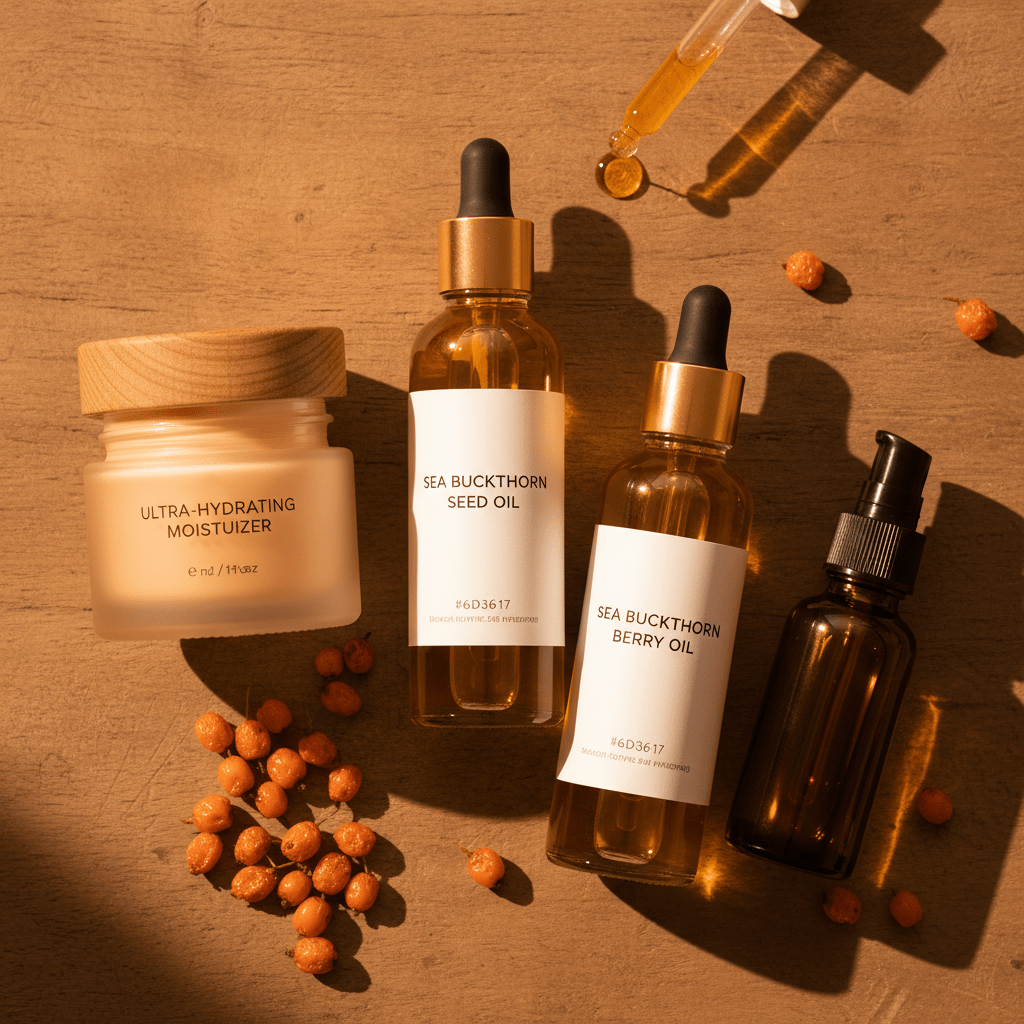
The Science-Backed Benefits of Sea Buckthorn Oil for Your Skin
You know that one ingredient people keep talking about, then they keep talking about it for a reason? Sea buckthorn oil is kind of like that. It’s bright, rich, and packed with stuff your skin can actually use.
And the timing makes sense. The natural and organic beauty space keeps growing because more people want plant-based skincare that does more than just sit on the shelf. For a quick market snapshot, Grand View Research says the natural skin care products market was valued at $7.28 billion in 2022 and is still climbing.
So what does sea buckthorn oil for face care really do?
A lot, actually. But in a calm, skin-friendly way.
1. Helps Skin Hold More Moisture
Sea buckthorn oil benefits for skin start with hydration. The seed oil has lots of omega-3 and omega-6 fatty acids, while berry oil brings omega-7 plus plant antioxidants. That mix helps skin feel softer and less tight.
If your face gets flaky by lunch, this part matters. The fatty acids can support the skin barrier, which is the little shield that helps keep water in and stress out. When that barrier is weak, skin often feels dry, rough, or cranky. Nobody wants that.
2. May Help Calm Redness and Irritation
This oil also has anti-inflammatory plant compounds. That’s a fancy way of saying it may help skin look less angry.
People with stressed skin often look for something gentler than a heavy cream. Sea buckthorn oil can be a nice add-on because it doesn’t just coat the skin. It brings antioxidants, carotenoids, and fatty acids to the party. Small party. But a useful one.
3. Supports a Smoother Look Over Time
A lot of people ask about sea buckthorn oil for wrinkles. Fair question.
Here’s the simple version: the oil is rich in vitamin C, vitamin E, and antioxidants, which help protect skin from outside stress. Vitamin C also plays a role in collagen support, and collagen matters because it helps skin stay firm and bouncy. Not magic. Just steady support.
Berry oil is usually the one people think of for glow and aging skin because it has more carotenoids. Those orange plant pigments can help skin look fresher and more even. So if your face looks a little tired, this oil may help with that dull, flat look.
4. Can Be Helpful for Acne-Prone Skin
Now, this is where people get curious. Sea buckthorn oil for acne gets a lot of search traffic, and the reason is pretty simple: some of its fatty acids and plant compounds may help balance skin instead of smothering it.
Seed oil is lighter and tends to suit oily or combo skin better. It has more linoleic acid, which is often talked about in acne care because acne-prone skin can run low on it. Sea buckthorn oil also has lab-backed antimicrobial activity against acne-causing bacteria, though it’s not a cure and won’t replace your dermatologist’s plan. It’s more like a helpful side player.
5. May Fade the Look of Dark Marks
If you’re dealing with post-acne marks or uneven tone, sea buckthorn oil can also be part of that story. The antioxidants and carotenoids may help skin recover from daily stress, and the oil’s support for cell turnover is one reason people use it for a more even look.
It won’t erase scars overnight. But with steady use, it may help skin look brighter and more awake. That’s usually the goal, right?
| Skin concern | What may help | Best sea buckthorn type |
|---|---|---|
| Dry skin | Fatty acids and barrier support | Berry oil |
| Dull skin | Carotenoids and antioxidants | Berry oil |
| Acne-prone skin | Lighter texture and linoleic acid | Seed oil |
| Fine lines | Vitamin C and vitamin E | Both, used lightly |
| Redness | Anti-inflammatory plant compounds | Seed oil or a light blend |
If you’re figuring out how to use sea buckthorn oil in skincare, keep it simple. Start with a few drops, use it a few nights a week, and pay attention to how your skin reacts. And if you’re sourcing natural skincare ingredients for a brand, Aroma Monk’s lab-tested oils and carrier oils can help you compare purity, consistency, and bulk supply options without the usual guesswork.

Get a quote from Aroma Monk.
Essential Oil Supplier – Bulk pricing • Samples • Fast response
How to Use Sea Buckthorn Oil in Your Skincare Routine
You know that tiny moment at night when your face is clean, your sink is a mess, and you’re staring at your shelf thinking, “OK… what goes on first?” That’s where sea buckthorn oil can fit in nicely.
The trick is to start small. Really small. For most people, 2 to 3 drops is enough for the whole face. More than that can feel heavy, and berry oil can also leave that bright orange tint if you go overboard. Not fun on white pillowcases.
Step 1: Use it after water-based products
Think of your routine like layers. Cleanser first. Then toner, serum, or moisturizer. Sea buckthorn oil for face care usually goes last at night, so it can sit on top and help hold in moisture. If you use it in the morning, put it on before sunscreen. Simple enough.
Step 2: Put it on damp skin
This part gets skipped a lot. But damp skin tends to grab oil better. After washing your face, leave a little water on it or mist it lightly, then press the oil in with clean fingers. Don’t rub like you’re polishing a table. Just press and smooth.
Step 3: Pick the way that feels easiest
There’s more than one way to use it, which is nice because not every face likes the same thing.
| Method | How to do it | Best for |
|---|---|---|
| Last step | Use 2 to 3 drops after moisturizer | Dry or normal skin |
| Mixed in | Blend 1 drop with moisturizer or serum | Beginners |
| Spot treatment | Tap a tiny bit on dry patches or rough spots | Small trouble areas |
If you’re new to using oil on face skin, mixing one drop into your moisturizer is probably the safest starting point. It softens the feel without making your routine feel greasy.
Step 4: Start a few nights a week
Don’t use it every night right away. Start with 3 to 4 times a week at night, then watch how your skin acts. If it feels good after a week or two, you can use it more often.
And if you already use retinol, acids, or other strong products, try sea buckthorn oil on alternate nights. That way your skin doesn’t get overloaded. It’s not about being perfect. It’s about keeping your face calm.
Step 5: Match the oil to your skin goal
This is where sea buckthorn seed oil vs berry oil matters again. Seed oil is lighter and often a better fit for oily or acne-prone skin. Berry oil is richer and more orange, so people with dry or tired-looking skin often like it more.
If you’re looking at the best sea buckthorn oil for skin, check the label for pure oil, a COA, and clear info on whether it’s seed, berry, or a blend. That helps you avoid guessing.
A little goes a long way here. And honestly, that’s part of the charm.## Customizing Application for Your Specific Skin Type and Concerns
Ever put on a face oil and think, “Whoa. That was too much”? Yeah, same. With sea buckthorn oil for face care, the trick is not using more. It’s using the right type, in the right spot, for the right skin need. That’s the whole game.
And skin needs can change fast. One week your cheeks feel dry and tight, then your chin starts acting oily like it has plans of its own. So let’s keep this simple and useful.
For Aging or Dry Skin: Go Richer
If your skin feels thirsty, flaky, or a little flat, berry oil usually makes more sense. That’s the orange one. It’s richer in carotenoids and omega-7, which is why a lot of people reach for it for sea buckthorn oil for wrinkles and dry patches.
Try this: mix 1 drop of berry oil into a plain ceramide cream at night. That combo can feel much kinder than using the oil alone, because ceramides help support the skin barrier while the oil adds softness. If your face gets tight after cleansing, this can be a nice fix. Not fancy. Just solid.
Here’s a simple routine:
| Step | What to do | Why it helps |
|---|---|---|
| Cleanse | Use a gentle face wash | Keeps skin from getting stripped |
| Moisturize | Apply a ceramide cream | Supports the barrier |
| Seal | Add 1 drop of berry oil | Helps hold in moisture |
If you’re dry, start at night. Morning use can work too, but the color may stain a little if you overdo it. And nobody wants orange collar drama on a pillowcase.
For Acne-Prone or Oily Skin: Keep It Light
Now, if your skin leans oily or breakouts are your main headache, use the seed oil instead of berry oil. It’s lighter, has less pigment, and tends to fit better for sea buckthorn oil for acne routines. It also lines up better with the sea buckthorn seed oil vs berry oil question, since seed oil is richer in omega-3 and omega-6 fatty acids and feels less heavy on skin.
The best move? Spot use. Or just one tiny drop mixed into moisturizer.
You do not need to drench your face. Seriously. A little goes a long way, and using too much can make even good skin feel greasy. If you’re nervous about using oil on face skin, start with a dab on one breakout-prone area, like the sides of the nose or the jawline. Then wait and see.
A few easy pairings can help too:
- Niacinamide serum first, then seed oil at night
- Hyaluronic acid under the oil if your skin feels dry but still breaks out
- Retinol on alternate nights so your skin doesn’t get cranky
And yes, patch test first. Even nice ingredients can bug sensitive skin.
For Dark Spots and Old Marks: Use It on Purpose
If your main goal is hyperpigmentation or leftover acne marks, target the spots instead of rubbing oil all over. That’s where sea buckthorn oil for face care gets a bit more strategic.
Use a clean fingertip or cotton swab and tap one drop right on the dark mark after your serum and before or after moisturizer, depending on what feels best. Berry oil is often the pick here because its carotenoids and antioxidants may help skin look brighter over time. It won’t bleach anything. But with steady use, it may help old marks look less dull and stubborn.
A simple way to think about it:
- Clean your skin.
- Use your regular brightening serum if you have one.
- Tap sea buckthorn oil only on the dark spots.
- Finish with moisturizer.
The goal is gentle support, not a full-face slick. If you’re also using vitamin C, that can pair nicely in the morning. If you’re using retinol, keep sea buckthorn oil for acne scars or dark spots for nighttime or alternate days.
A Quick Match-Up Table
| Skin concern | Best pick | How to use it |
|---|---|---|
| Dry or aging skin | Berry oil | Mix 1 drop into ceramide cream |
| Oily or acne-prone skin | Seed oil | Spot treat or blend a tiny amount in |
| Dark spots | Berry oil | Tap directly on marks |
| Sensitive skin | Seed oil | Start with patch testing |
And here’s the thing. The best sea buckthorn oil for skin is the one that fits your routine without making it messy. If you need a bulk supplier for natural skincare ingredients, Aroma Monk’s lab-tested oils and carrier oils can help brands source pure, consistent ingredients for face care formulas without a lot of guesswork.
Small steps. Better skin habits. That’s usually where the wins show up.
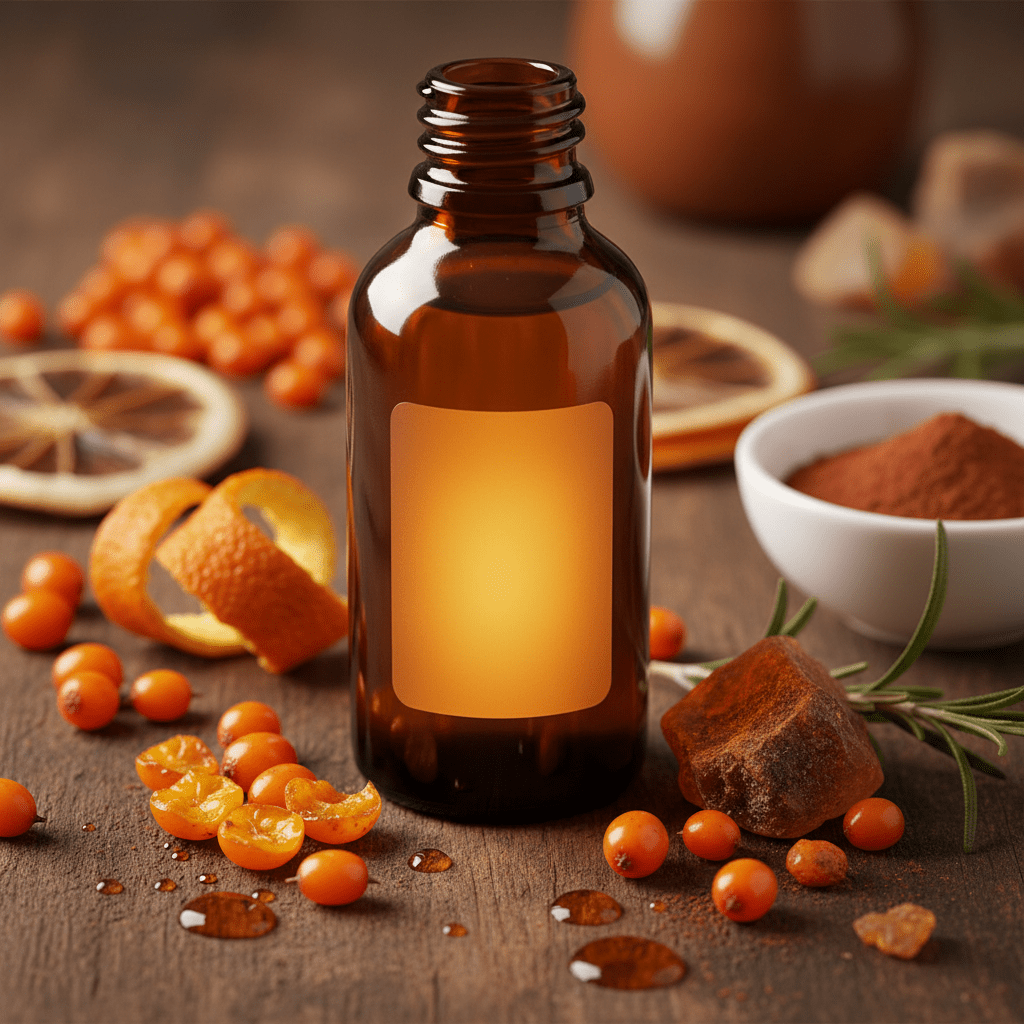
Buyer’s Guide: How to Choose a High-Quality Sea Buckthorn Oil
Not all orange oils are the same. And with sea buckthorn oil for face care, that little label on the bottle can tell you a lot. Or hide a lot. Weirdly enough, both happen all the time.
If you’re shopping for the best sea buckthorn oil for skin, start with the extraction method. Supercritical CO2 extraction is often the top pick because it helps keep more of the oil’s natural carotenoids and fatty acids intact, with no solvent leftovers hanging around. Cold-pressed oil can still work, but it may be a bit more exposed to oxidation. So if you want a fresher, more stable oil, CO2 is usually the safer bet.
Here’s a quick label check:
- Organic certification: Look for USDA Organic, COSMOS, or Ecocert if you want extra trust signals.
- Source location: Tibet, Europe, or other clear origin details are better than a vague “made in” line.
- Seed or berry oil: The bottle should say which one it is. No guessing.
- COA or lab test: A real brand can show a Certificate of Analysis.
| What to check | Good sign | Why it matters |
|---|---|---|
| Extraction method | Supercritical CO2 | Helps protect nutrients |
| Bottle type | Dark glass | Slows oxidation from light |
| Oil type | Seed, berry, or blend listed clearly | Helps you match it to your skin goal |
| Testing | COA or third-party lab report | Shows purity and quality |
Packaging matters too. A good sea buckthorn oil should be in a dark, UV-protective glass bottle. Light can make oils go stale faster. And once that happens, the smell, feel, and skin results can all go sideways. Not ideal.
Price can help, but it’s not the whole story. A 1 oz bottle of premium CO2-extracted oil often runs around $30 to $70, with many good picks landing near $40 to $55. If the price seems weirdly low, pause. That’s usually where quality gets fuzzy.
For brands and buyers sourcing natural skincare ingredients in bulk, Aroma Monk can be a handy place to compare lab-tested oils, carrier oils, rose water, and other natural raw materials with traceability in mind. If you want consistency for your own formula, that kind of sourcing support can save a lot of back-and-forth.
Choose well once, and your skin routine gets easier fast.
Common Mistakes & Potential Side Effects (How to Avoid the Orange Stain!)
Ever opened the jar, used a little too much, and then wondered why your face or pillowcase looks like it went through a pumpkin patch? Yep. That can happen with sea buckthorn oil for face care, especially the bright berry oil.
The orange color comes from carotenoids. Berry oil has a lot more of them than seed oil, so it can tint skin, fabric, and even towels if you get heavy-handed. That does not mean the oil is bad. It just means less is more here. A tiny amount, used at night, is usually the safest way to start.
Here are the biggest mistakes people make:
- Using too much too soon
- Putting it on in the morning before going out
- Skipping a patch test
- Mixing it with too many strong products at once
- Using berry oil all over oily skin
If you’re new to using oil on face skin, try 1 to 2 drops first. Mix it into a plain moisturizer or carrier cream if the color makes you nervous. And if you’re acne-prone, seed oil is often the calmer pick because it’s lighter and less pigmented.
Patch testing matters too. Put a small bit on your jaw or inner arm and wait 24 hours. If you get itching, redness, or extra bumps, that’s your clue to stop. No hero moves needed.
Also, don’t rush it with other active products. Sea buckthorn oil for wrinkles, dry skin, or dark spots can fit into a routine with retinol or acids, but use them at different times if your skin gets annoyed easily. Same with vitamin C or niacinamide. Slow and steady wins here.
For a broader sign that plant-based oils are still on the rise, the natural skin care products market was valued at $7.28 billion in 2022 and keeps growing, according to Grand View Research. People clearly want these kinds of ingredients. But the best sea buckthorn oil for skin is still the one you can use without staining your life orange.
And if you do get a stain? Blot it fast, treat it with dish soap, then wash before it dries. Old-school laundry saves the day again. Funny how that works.
A little caution goes a long way. And that’s usually what keeps sea buckthorn oil helpful instead of messy.
Conclusion: Embrace the Power of Sea Buckthorn Oil in Your Skincare Ritual
Sea buckthorn oil for face care has a lot going for it. It can help with dryness, dullness, acne-prone skin, and the look of fine lines. But the big trick is knowing the difference between sea buckthorn seed oil vs berry oil. Seed oil is lighter. Berry oil is richer and more orange. That one choice can change how your skin feels.
And that’s really the point. Use the oil that fits your skin, not the one that sounds trendy.
If you’re just getting started, go slow. Try 1 to 3 drops, patch test first, and use it a few nights a week. Mix it with moisturizer if that feels safer. Also, pick the best sea buckthorn oil for skin by checking for clear labels, dark glass, and lab-tested quality.
For brands and buyers looking at natural skincare ingredients, this golden oil fits right into a clean, barrier-first routine. Aroma Monk can help with lab-tested oils, carrier oils, and rose water for bulk supply and product development.
Simple steps. Better skin habits. That’s how glow usually starts.
Get a quote from Aroma Monk.
Essential Oil Supplier – Bulk pricing • Samples • Fast response