
Unlocking Nature’s ‘Holy Fruit’: Is Sea Buckthorn Oil the Wellness Supplement You’re Missing?
You know that moment when your skin looks tired, your joints feel cranky, and you just want one simple thing to help? Yeah, a lot of people are there. And that’s part of why the sea buckthorn oil supplement is getting so much buzz right now.
The natural supplement market is huge, too. One recent report pegs it at $68 billion in 2025, with steady growth ahead as more people look for plant-based support for skin, heart health, and daily wellness. Sea buckthorn fits right into that trend. It’s a bright orange oil made from a hardy berry that grows in cold places like the Himalayas, and people have used it for centuries in Tibetan, Chinese, and Mongolian traditions.
So what makes it special? A lot, actually. Sea buckthorn health benefits may include support for radiant skin, dry eyes, gut comfort, and natural inflammation balance. It also stands out because of its omega 7 supplement profile, plus vitamins, antioxidants, and fatty acids that work together in a pretty unique way.
In this guide, we’ll cover what sea buckthorn oil is, what the research says, and how to spot the best sea buckthorn supplement without wasting money on a weak bottle. Plus, we’ll look at sea buckthorn oil for skin, how to use sea buckthorn oil, and what to watch for before you buy. One thing at a time. Nice and simple.
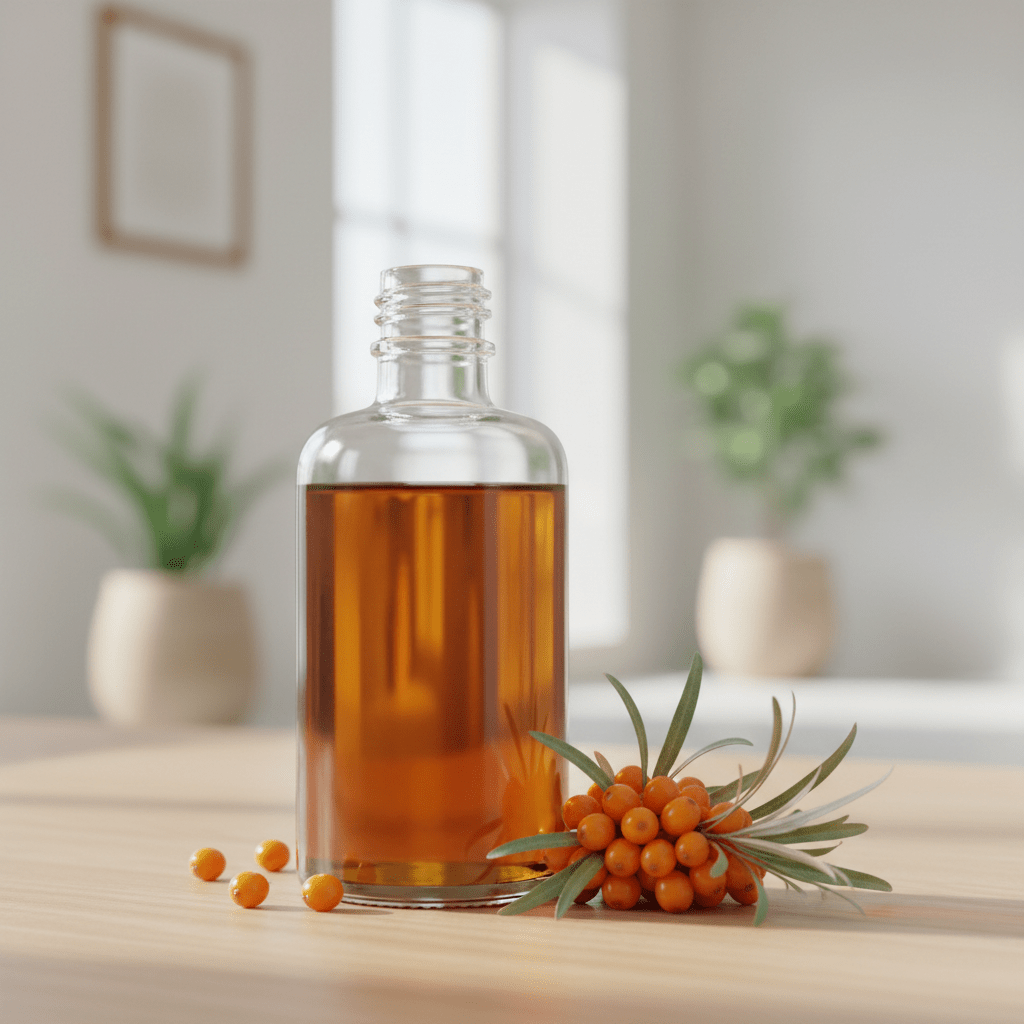
![Sea buckthorn oil bottle with berries]https://i.ibb.co/QvqLh4vd/file.png
What Is Sea Buckthorn Oil? From Ancient Berry to Modern Super-Supplement
Ever seen a plant survive where most others give up? That’s sea buckthorn for you. It grows in cold, rough places across Europe and Asia, including the Himalayas, and the berry has been used for a long time in Tibetan and Chinese healing traditions. People even call it a kind of “holy fruit,” and honestly, the name kind of fits.
Sea buckthorn comes from the plant Hippophae rhamnoides. It’s tough, scrappy, and packed with bright orange fruit. That’s one reason the sea buckthorn oil supplement has caught so much attention in the wellness space. People want plant-based support, and the market is clearly growing fast, with the natural health supplement market expected to hit $68 billion in 2025 market growth data.
Here’s where it gets interesting. Not all sea buckthorn oil is the same.
| Oil type | Main nutrients | Common use |
|---|---|---|
| Seed oil | Omega 3 and Omega 6 | General wellness, skin support |
| Berry or pulp oil | Omega 7 and Omega 9 | Sea buckthorn oil for skin, dryness support |
The berry oil is the one with that deep orange color. It’s rich in omega 7 supplement compounds like palmitoleic acid, plus carotenoids and antioxidants. The seed oil leans more toward fatty acids like omega 3 and 6. So if a bottle just says “sea buckthorn oil,” check the label. You want to know which part of the plant it came from.
And the way it’s made matters too. Supercritical CO2 extraction is a gentle method that helps keep heat-sensitive nutrients in better shape. Cold-pressing can also work, and it skips solvents, but it may leave more room for air exposure and nutrient loss. Tiny detail? Maybe. But in a supplement, tiny details can make a big difference.
A lot of people ask what sea buckthorn oil is good for, and that makes sense. Sea buckthorn health benefits are tied to its unique mix of oils, vitamins, and antioxidants. But before we get to the full list, it helps to know what’s actually in the bottle. That’s the real starting point.
![Sea buckthorn berries and nutrient-rich oil droplets]https://i.ibb.co/YFb0zhwW/file.png
The Nutritional Powerhouse: A Deep Dive into Sea Buckthorn’s Rich Nutrient Profile
Here’s the fun part. Sea buckthorn oil looks simple in the bottle, but it’s doing a lot behind the scenes.
Think of it like a busy little team, not a solo player. The sea buckthorn oil supplement brings together rare fats, bright plant pigments, and protective compounds that seem to work better side by side than on their own.
What’s inside sea buckthorn oil?
The berry oil and seed oil are a bit different, and that matters a lot. The seed oil tends to be richer in omega 3 and omega 6, while berry or pulp oil is where you usually find more omega 7 supplement power, plus the deep orange color that catches your eye.
| Nutrient group | What it does | Where it shows up most |
|---|---|---|
| Omega 7, or palmitoleic acid | Helps support skin and mucous membranes | Berry or pulp oil |
| Omega 3 and omega 6 | Helps round out the fatty acid mix | Seed oil |
| Vitamin C | Supports antioxidant protection | Whole berries |
| Vitamin E, or tocopherols | Helps protect cells | Seed oil and berry oil |
| Carotenoids like beta-carotene | Gives the orange color and adds antioxidant support | Berry or pulp oil |
| Flavonoids and polyphenols | Add more plant defense power | Berries and extracts |
And yes, the vitamin C level is a big deal. Sea buckthorn berries can have about 8 to 16 times more vitamin C than oranges, which is why people keep calling attention to it in sea buckthorn health benefits discussions, sea buckthorn vitamin C comparison.
Why omega-7 gets so much attention
Omega-7, also called palmitoleic acid, is the standout here. It’s less common in foods than omega-3 or 6, so people get curious fast. Some researchers call it a lipokine, which is a fat that may help with how the body sends signals about skin, metabolism, and heart health.
Now, let’s be real. That doesn’t mean sea buckthorn oil is magic. But it does mean the oil has a nutrient mix that feels pretty unique compared with most single-ingredient supplements.
Why the full mix may work better
This is where sea buckthorn gets interesting. A bottle with only vitamin C can’t do what a full berry oil can do. And a lone omega capsule won’t give you carotenoids, tocopherols, and plant flavonoids in the same sip or softgel.
That blend matters because the nutrients can support each other. The fats help carry the antioxidants. The antioxidants help protect those fats. It’s a nice little loop.
So if you’re shopping for the best sea buckthorn supplement, don’t just look for one flashy label claim. Look for the whole picture: source, oil type, omega 7 content, and how the oil was made. If your goal is sea buckthorn oil for skin or daily wellness support, that full nutrient profile is the part worth paying attention to.
And if you’re in the beauty or wellness space, this is also why brands like Aroma Monk focus so much on pure, lab-tested plant oils and traceable sourcing. Good raw material makes a huge difference. Especially when you want a product people can trust.
The short version? Sea buckthorn oil isn’t just one nutrient. It’s a mix. And that mix is the whole point.
Radiant Skin from Within: The Science Behind Sea Buckthorn Oil for Skin Health
Ever have one of those mornings where your skin just looks… tired? Dry patches, a little redness, maybe fine lines that seem louder than they did last month. Yep, I’ve been there too. And that’s a big reason the sea buckthorn oil supplement keeps popping up in skin care chats.
Here’s the deal. Sea buckthorn oil may help skin in a few different ways at once. It can support cell repair, help the skin hold moisture, and improve elasticity. That last one matters more than people think. When skin has more bounce, it tends to look smoother and less creased.
One human study found that after 3 months, oral sea buckthorn seed oil increased skin hydration by 49%, compared with 31% in a topical group. It also helped with elasticity, roughness, and skin thickness clinical trial details. Pretty cool, right?
Why it may help dry, dull skin
Sea buckthorn oil has a mix of omega fats, antioxidants, and plant pigments. That blend may help the skin barrier stay strong. And when the skin barrier is happier, moisture tends to stay in better. Less flaking. Less tight feeling. Less “I need to smear lotion on again before lunch.”
A few people like sea buckthorn oil for skin because it also has omega 7 supplement compounds, especially palmitoleic acid. That fatty acid is part of the skin’s natural makeup, so it makes sense that it gets attention in beauty and wellness circles.
What about redness, acne, and flare-ups?
Sea buckthorn health benefits may also matter for skin that gets angry fast. Some early research points to sea buckthorn’s anti-inflammatory effects, which could help calm redness and support balance in oily skin. That’s why people sometimes bring it up for eczema, rosacea, and acne.
Now, I’m not going to oversell it. We don’t have giant human trials for every skin issue. But lab and small human studies do suggest it may help by calming irritation and supporting normal sebum flow. For acne, that’s a big deal, since clogged pores and extra oil often show up together like annoying roommates.
Can it help with healing and sun stress?
Yep, there’s more. Sea buckthorn oil may support wound healing by helping skin repair itself faster. It may also help protect against UV-induced oxidative stress, which can break down skin over time.
Think of it like backup support. Not a sunscreen replacement. Not a magic fix. But a nice extra layer for people who want to care for skin from the inside, too.
If you’re comparing the best sea buckthorn supplement options, look for clear sourcing, the right oil type, and real omega 7 details on the label. And if you’re in beauty or wellness product development, Aroma Monk’s pure, lab-tested oils and bulk supply options can fit nicely into skin care blends, face oils, and other natural products.
Skin support from the inside? That’s the kind of quiet win people notice after a few weeks.
Get a quote from Aroma Monk.
Essential Oil Supplier – Bulk pricing • Samples • Fast response
A Heart-Healthy Ally: How Sea Buckthorn Supports Cardiovascular Wellness
You know that weird feeling when you’re trying to eat better, move more, and still your numbers don’t look like you hoped? Been there. And that’s part of why the sea buckthorn oil supplement keeps showing up in heart health chats.
Sea buckthorn health benefits go beyond skin care. Early research suggests it may help the heart in a few different ways, especially by supporting cholesterol balance and calming inflammation. That’s a pretty nice combo for one bright orange oil.
What the research says about cholesterol
Some small human studies have found that sea buckthorn oil may help lower LDL, the so-called bad cholesterol, while raising HDL, the good kind. That matters because LDL can build up in arteries, while HDL helps move extra cholesterol out of the way.
It’s not a magic fix. But it is interesting. And if you’re looking at the best sea buckthorn supplement for daily wellness, this is one of the reasons people keep paying attention.
Why inflammation matters for the heart
Here’s the thing. Heart health is not just about cholesterol. Inflammation plays a role too, and one marker doctors often watch is CRP, or C-reactive protein.
Sea buckthorn anti-inflammatory support may help there. Some studies point to lower inflammation after sea buckthorn use, though the human evidence is still a bit mixed. Actually, wait, that’s the honest part: the results are promising, but not set in stone yet. One later study didn’t find a clear drop in hs-CRP, so we’re still in the “looks hopeful” stage.
Antioxidants and blood vessel support
Sea buckthorn oil also brings antioxidants to the table. These compounds may help protect cholesterol from oxidation, which is one of the ways plaque can start to form. They may also support the health and flexibility of blood vessel walls, which is a big deal for smooth blood flow.
That’s where the full mix matters. Omega 7 supplement compounds, carotenoids, tocopherols, and other plant helpers may work together better than a single nutrient by itself. Kind of like a solid kitchen team. One person chops, one stirs, one keeps things from burning.
A quick look at the heart-health angle
| Possible heart support area | What sea buckthorn may do |
|---|---|
| LDL cholesterol | May help lower it |
| HDL cholesterol | May help raise it |
| Inflammation | May support a calmer response |
| Oxidative stress | May help protect fats from damage |
| Blood vessels | May support flexibility and flow |
And if you’re wondering how to use sea buckthorn oil, most supplements are taken in capsule or oil form, often around 500 mg to 1,000 mg a day, though labels can vary. If you already take blood pressure meds, blood thinners, or diabetes medicine, talk with your doctor first. Sea buckthorn may interact with those.
So, is this the right pick for everyone? Probably not. But for people who want a plant-based option with sea buckthorn capsules benefits that go beyond one lane, it’s worth a closer look. And if you’re sourcing ingredients for a wellness brand, Aroma Monk’s bulk supply and lab-tested natural oils can help you build products with cleaner raw materials and better traceability.
Beyond Skin and Heart: Supporting Mucous Membranes, Immunity, and Digestion
You know that dry, scratchy feeling that just won’t quit? Dry eyes at 3 p.m. Dry mouth after coffee. Maybe even that “not right” feeling in your gut after a meal that should’ve been fine. Yep, people talk about sea buckthorn oil for skin a lot, but the sea buckthorn oil supplement has a few other tricks up its sleeve.
The star here is omega 7 supplement support, especially palmitoleic acid. Sea buckthorn oil may help keep mucous membranes moist. That matters for dry eye, dry mouth linked to Sjögren’s syndrome, and vaginal dryness. In one 3-month study, women with Sjögren’s syndrome reported less burning, itching, and dryness, plus improved vaginal tissue comfort. That’s a big relief for something so simple-looking in a capsule.
And that’s not all. Sea buckthorn health benefits also come from its vitamin C and antioxidant mix. Sea buckthorn berries can have about 8 to 16 times more vitamin C than oranges, which gives the fruit a nice boost for daily immune support. Vitamin C helps the body handle stress from the outside world, like long work weeks, poor sleep, and the usual cold-season mess.
A few ways it may help
| Area | Possible support from sea buckthorn |
|---|---|
| Dry eyes | May help comfort and tear film balance |
| Dry mouth | May support moisture in mucous membranes |
| Vaginal dryness | May help ease burning and dryness |
| Immune support | Vitamin C and antioxidants may help the body’s defense |
| Digestion | May protect the stomach lining and calm irritation |
Here’s the part I like most. Sea buckthorn anti-inflammatory compounds may also help the stomach and gut. Early animal and lab research suggests it can protect the stomach lining, support repair, and maybe ease irritation in the digestive tract. It’s not a cure-all. But for people who want a gentler, plant-based option, that’s pretty appealing.
So if you’re shopping for the best sea buckthorn supplement, don’t stop at skin claims. Look at the full picture. Mucous membrane support, immune support, and digestion all matter too. And if you’re building wellness products, Aroma Monk’s pure, lab-tested oils and bulk supply options can help you source clean ingredients for capsules, blends, and personal care lines.
Small bottle. Bigger range. That’s the vibe.
![Person applying sea buckthorn facial oil]https://i.ibb.co/1YCrZ19W/file.png
How to Choose the Best Sea Buckthorn Oil Supplement: A Buyer’s Guide
Picking a good sea buckthorn oil supplement should not feel like online shopping roulette. But honestly, it often does. One bottle says “pure,” another says “premium,” and a third one looks fancy but gives you almost no real details. That’s where a quick label check saves the day.
Start with the source. If the label says Himalayan sea buckthorn oil, that’s a nice sign because sea buckthorn has a long history in cold parts of Asia and Europe. Then look at the oil type. Seed oil and berry or pulp oil are not the same, and the best choice depends on your goal. For sea buckthorn oil for skin, berry oil is usually the one people want because it’s richer in omega 7 supplement compounds. For more general fatty acid support, seed oil can still be useful.
Next, look for supercritical CO2 extraction. That method uses low heat and less air, so it tends to protect fragile nutrients better than rougher processing. If a brand won’t say how the oil was made, I’d skip it. No mystery bottles, please.
Here’s a simple label checklist:
| What to look for | Why it matters |
|---|---|
| Supercritical CO2 extraction | Helps protect sensitive nutrients |
| Clear seed or berry source | Tells you what kind of oil you’re buying |
| Listed omega 7 content | Makes it easier to compare products |
| Third-party testing | Adds trust |
| No fillers or artificial colors | Keeps the formula cleaner |
Now, about dose. There’s no official standard, but many sea buckthorn capsules benefits are usually linked to around 500 mg to 1,000 mg a day. Some studies use more, but that’s a bigger step and probably not where most people should begin. For skin support, people often stick with capsule forms since they’re simple. For liquid oil, some folks mix it into food or take it straight, though the taste can be… well, earthy. Let’s call it an acquired hobby.
If your goal is heart support or dry-eye comfort, talk with a health pro before using it every day, especially if you take blood thinners, blood pressure meds, or diabetes medicine. Sea buckthorn anti-inflammatory support sounds great, but it can also mean it interacts with meds.
And watch out for the usual traps: fillers, fake colors, vague “proprietary blends,” and bottles that don’t list omega 7. Those are the products that look good on the shelf but leave you guessing.
The short version? Choose the bottle that tells you the most. Clear source. Clear oil type. Clear omega 7 amount. That’s the stuff that helps you find the best sea buckthorn supplement without wasting money. And if you’re sourcing clean plant oils for a beauty or wellness line, Aroma Monk’s lab-tested, bulk supply options can fit right into product development without the usual supply-chain headache.
Embrace the Golden Oil: Is a Sea Buckthorn Supplement Right for You?
So, after all that, what’s the real takeaway? Pretty simple. The sea buckthorn oil supplement stands out for three big reasons: it may help skin hold moisture, it may support heart health, and it may help keep dry places like the eyes, mouth, and other mucous membranes more comfortable.
That’s a nice mix. And it’s why people keep asking the same questions again and again: What is sea buckthorn oil good for? Is sea buckthorn oil good for skin? What’s the difference between berry oil and seed oil? Those questions make sense, especially as the natural supplement market keeps growing fast. One recent report puts it at $68 billion in 2025 and climbing from there market growth data.
But here’s the part I’d keep front and center: not every bottle is the same. If you want the best sea buckthorn supplement, look for one that says what part of the plant it uses, how it was made, and how much omega 7 it has. A CO2-extracted product is usually the better pick because it helps protect the good stuff inside.
That matters a lot. Especially if your goal is sea buckthorn oil for skin, sea buckthorn capsules benefits, or simple daily support.
If you’re thinking about trying it, start by asking yourself where it fits in your routine. Morning? With food? For dry skin? For eye comfort? That’s a good place to begin. And if you take medicine, are pregnant, or have a health issue, check with a healthcare provider first. Always. Your body deserves that kind of care.
Sea buckthorn isn’t a miracle. But for the right person, it may be a very handy little ally.
Get a quote from Aroma Monk.
Essential Oil Supplier – Bulk pricing • Samples • Fast response