
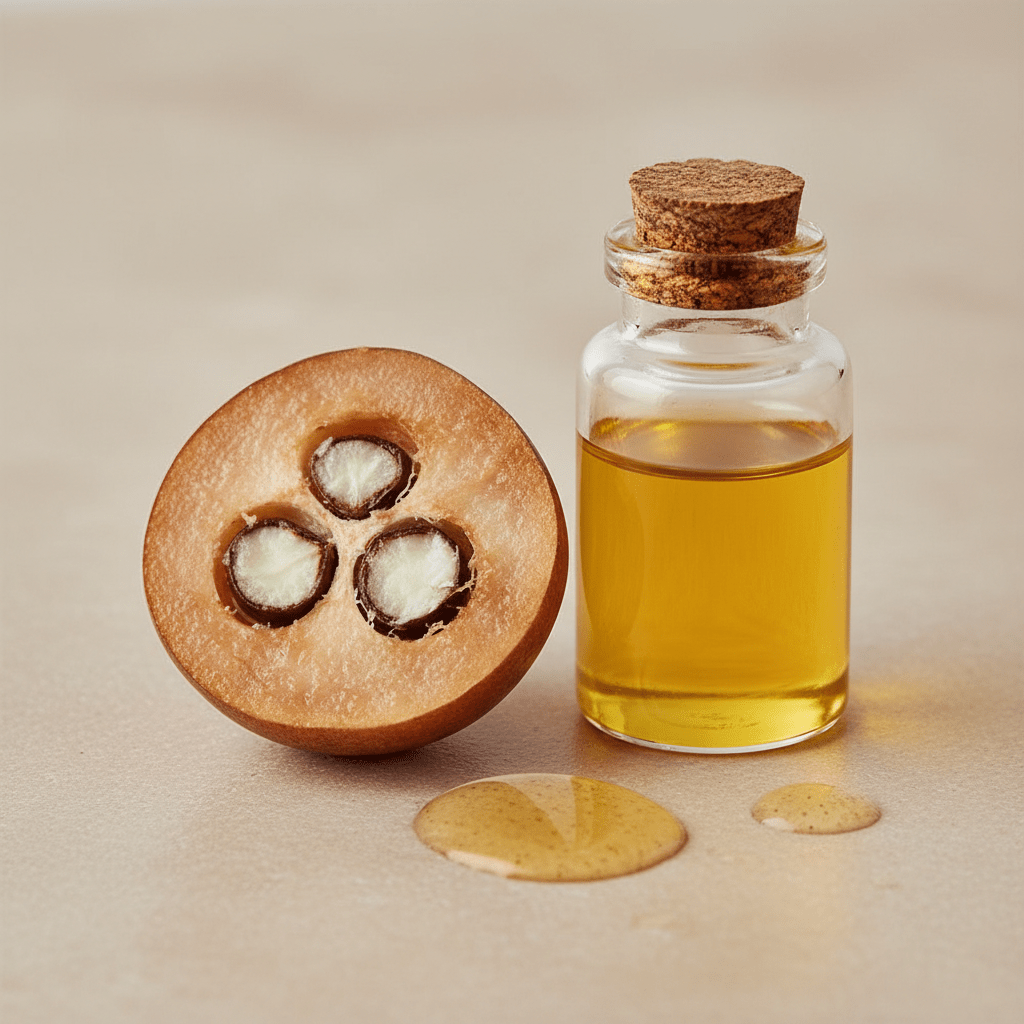
Unveiling the Power Within: Beyond the Amla Fruit to Its Potent Seed Oil
Ever squeezed an amla fruit and thought, “OK, that’s where the good stuff ends”? Not quite.
Amla, also called Indian gooseberry, has been praised for ages in Ayurvedic tradition. People know it for its sharp taste and its vitamin C punch. But there’s another part of the plant that gets less attention: the seed oil.
And that’s where things get interesting.
As clean beauty keeps growing fast, more people want plant oils that do more than just sit on the skin. The natural and organic cosmetics market was valued at USD 45.61 billion in 2025 and is set to keep climbing, which tells us one thing: people are paying attention to ingredient quality, not just pretty labels. But here’s the catch. Not every product sold as amla oil is the same.
Some are just infused oils with dried fruit soaked in a carrier oil. Others are true cold pressed amla oil made from the seeds of Phyllanthus emblica. Big difference. Really big.
A good way to think about it is this: whole-plant ingredients can bring a wider mix of helpful compounds to your routine, not just one famous nutrient. Or, as one cosmetic science source put it, whole-plant skincare can give skin “the full spectrum of protective compounds” it needs to stay healthy and radiant.
In this article, we’ll look at the real amla seed oil nutritional profile, the main fatty acids in amla oil, and what that means for amla seed oil for skin and amla seed oil for hair. We’ll also clear up a few common mix-ups along the way. Because honestly, the label on the bottle doesn’t always tell the full story.
If you’re a brand owner, formulator, or just ingredient-curious, this is the good part. The facts. The fine print. And what makes Indian gooseberry seed oil worth a closer look.
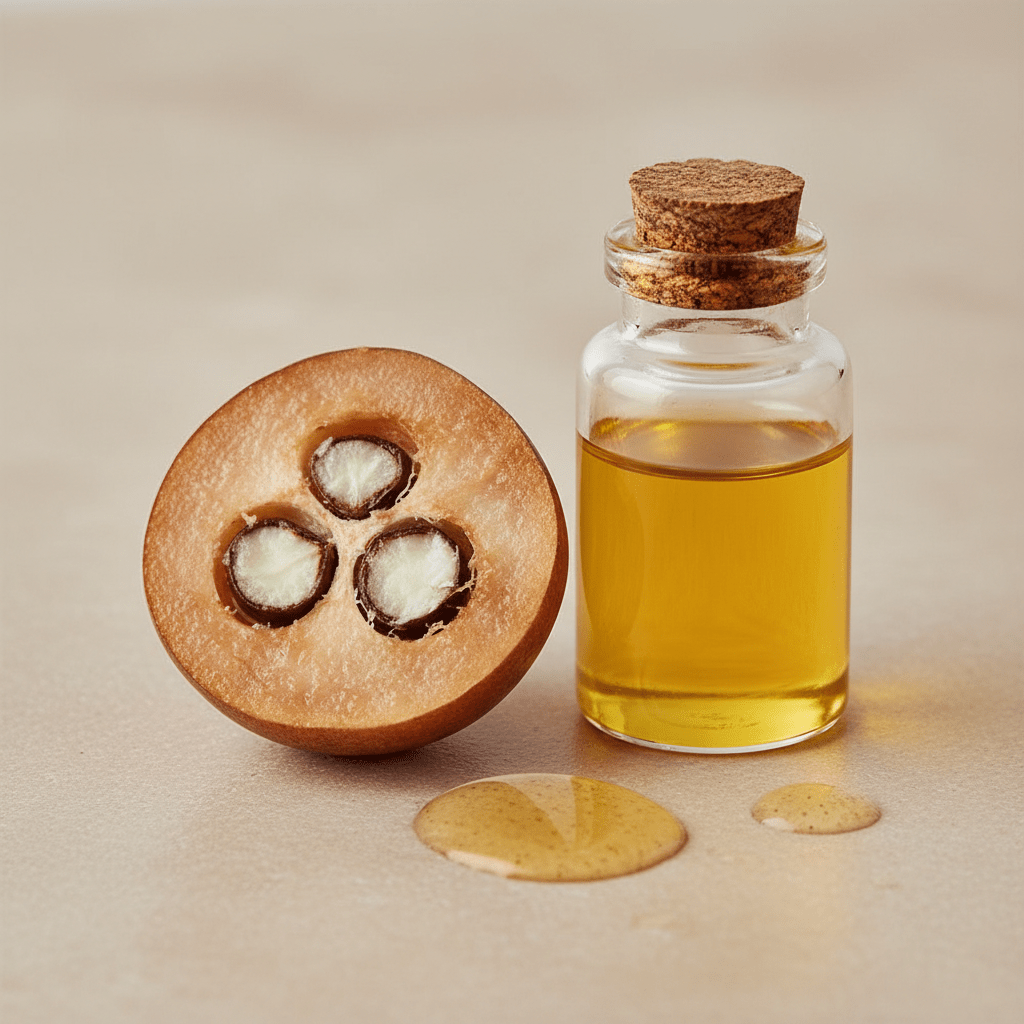
What Exactly is Amla Seed Oil? (And How It Differs from Infused Amla Oil)
You know that moment when a bottle says amla oil and you think, “Cool, same thing, right?” Not always. Actually, that’s where a lot of people get tripped up.
Amla seed oil is oil pressed straight from the seeds of the Phyllanthus emblica fruit. People also call it Indian gooseberry seed oil or Phyllanthus emblica seed oil. In many cases, it’s made with a cold pressed amla oil method, which uses pressure instead of heat. That helps keep the oil’s delicate fats and natural compounds in better shape.
But here’s the twist. A lot of products sold as amla oil are not seed oil at all. They’re usually infused or macerated oils. That means dried amla fruit pulp is soaked in a carrier oil like sesame, coconut, or even mineral oil. So the bottle may say amla, but the base is really something else.
And that matters a lot.
Why? Because the amla seed oil nutritional profile is totally different from fruit pulp oil or a fruit infusion. The seed oil brings its own mix of fatty acids in amla oil, especially linoleic acid, while infused oils mostly carry the traits of the base oil. In other words, a sesame-based amla oil behaves a lot more like sesame oil than pure seed oil.
Here’s a simple way to think about it:
| Product type | What it is | Main oil source | What it usually means for you |
|---|---|---|---|
| Amla seed oil | Oil pressed from seeds | Seed kernel | Pureer lipid profile, no carrier oil dilution |
| Infused amla oil | Amla fruit soaked in carrier oil | Sesame, coconut, or mineral oil | Mostly the carrier oil’s benefits |
So if you’re shopping for amla seed oil for skin or amla seed oil for hair, the label needs a closer look. Pure seed oil can bring a lighter feel and a more specific fatty acid mix. Infused oil may still be useful, sure, but it’s not the same product.
Also, one more thing people miss: fruit pulp and seed oil don’t carry the same nutrients. Vitamin C lives in the fruit pulp, not in the expressed seed oil. So if a brand hints that bottled seed oil is full of vitamin C, that’s a red flag. Different part of the plant. Different makeup.
That whole-plant idea still makes sense, though. As one cosmetic science source puts it, whole-plant skincare gives skin “the full spectrum of protective compounds” it needs to stay resilient, healthy, and radiant. But the plant part matters. A lot.
And for brands like Aroma Monk that care about purity, lab testing, and traceable sourcing, this difference is the big deal. Pure amla seed oil can fit into skincare, hair care, and cosmetic blends in a much cleaner way than a mystery mix in a pretty bottle.
So before you buy, check the ingredient list. If you see sesame, coconut, or mineral oil first, you’re probably looking at an infusion. If you want the real seed oil, look for direct extraction from the seeds themselves.
The Fatty Acid Composition: The Foundation of Its Moisturizing Power
You know that slick, silky feel some oils have right away? That’s not random. It usually comes down to the fatty acids inside the oil, and amla seed oil has a pretty interesting mix.
The star here is linoleic acid, also called omega-6. In Phyllanthus emblica seed oil, it’s the main fatty acid, often landing around 44% to 51%. That matters because linoleic acid helps support the skin barrier and can help cut down transepidermal water loss (TEWL). Simple version? It helps skin hold on to water instead of letting it slip away.
And for amla seed oil for skin, that’s a big deal. A stronger barrier usually means skin feels less dry, less tight, and less cranky. It may also be a nicer fit for oily or acne-prone skin, since high-linoleic oils tend to feel lighter than richer oils.
But linoleic acid isn’t the only player. There’s also:
- Oleic acid: about 11.8% to 28.1%
- Palmitic acid: helps with body and slip
- Stearic acid: adds a fuller, more cushioned feel
- Linolenic acid: present in smaller amounts
Together, these fatty acids in amla oil shape how it spreads, sinks in, and leaves skin feeling after use. Oleic acid can make the oil feel a little richer, while palmitic and stearic acids give it that soft, emollient touch. So the oil doesn’t just sit there. It glides, coats, and helps skin feel smoother.
Here’s a quick comparison:
| Oil | Main feel | Fatty acid style |
|---|---|---|
| Amla seed oil | Light to medium | High linoleic acid |
| Olive oil | Heavier, richer | Higher oleic acid |
| Grapeseed oil | Light, fast-absorbing | Also high in linoleic acid |
So if you’ve used grapeseed oil before, cold pressed amla oil may feel a bit familiar. Both lean light and absorb fairly well. Olive oil, on the other hand, usually feels thicker and more occlusive.
That’s why Indian gooseberry seed oil keeps getting attention in clean beauty. It fits well in skin and hair products that want moisture without a greasy finish. And for brands like Aroma Monk, a pure, lab-tested oil can be a smart raw material for blends, scalp care, or lightweight facial oils.
Quick note: no one should expect magic from one bottle. But if you want an oil with a strong linoleic acid base, amla seed oil nutritional profile gives you a very solid place to start.
Get a quote from Aroma Monk.
Essential Oil Supplier – Bulk pricing • Samples • Fast response
Micronutrients Unpacked: The Antioxidant Might of Vitamin E
You know that little bottle on the shelf that looks plain at first glance? It may be doing more than you think.
In amla seed oil, the main fat-soluble vitamin people care about is Vitamin E, usually in the form of tocopherols. That matters because tocopherols help slow down oxidation. In plain talk, they help the oil stay fresh longer, and they help protect skin and hair from daily stress.
And daily stress is a lot. Sun. City air. Smoke. All that stuff can leave a mark.
For amla seed oil for skin, Vitamin E can help fight oxidative stress from UV rays and pollution. For amla seed oil for hair, it may help support the scalp and reduce that dry, rough feel that shows up after too much heat styling or too much time outside. It won’t fix everything. But it does bring a real antioxidant boost.
A lot of people also expect Vitamin C here. But that’s the mix-up. Vitamin C is water-soluble, so it stays in the fruit pulp, not the pressed seed oil. So if a brand claims bottled seed oil is packed with Vitamin C, that should raise an eyebrow. Different plant part. Different job.
That’s why the amla seed oil nutritional profile is a bit different from the fruit people know from juice shots and powders. The seed oil is more about fats and antioxidants, while the fruit pulp is where the Vitamin C lives.
Here’s the simple version:
| Nutrient | Found in amla seed oil? | What it does |
|---|---|---|
| Vitamin E | Yes, mainly tocopherols | Helps protect the oil, skin, and hair from oxidation |
| Vitamin C | Not in meaningful amounts | Stays in the fruit pulp, not the pressed oil |
So if you’re looking at cold pressed amla oil or Indian gooseberry seed oil for skincare formulas, hair oils, or bulk raw material, Vitamin E is the one to watch. And for brands like Aroma Monk, that kind of purity and traceable sourcing makes a big difference in the final product.
Also, this fits the wider clean beauty shift. The natural and organic cosmetics market was valued at USD 45.61 billion in 2025 and is still growing, which says a lot about what buyers want: real plant ingredients, not just pretty labels. Plus, as one cosmetic science source puts it, whole-plant ingredients can give skin “the full spectrum of protective compounds” it needs to stay resilient, healthy, and radiant.
Pretty nice for a seed, right?
Beyond Vitamins: The Role of Potent Phytochemicals and Polyphenols
Ever open a jar and think, “Why does this smell so alive?” That little spark often comes from plant compounds that don’t get enough credit.
These are called phytochemicals. They’re not vitamins. They’re not minerals. But they still help plants protect themselves, and they can bring that same kind of backup to skin and hair care. In amla seed oil, these compounds add a lot to the story.
Here’s the fun part. Amla oil isn’t just about fatty acids in amla oil. It also carries polyphenols and flavonoids, which are the antioxidant-heavy plant bits people talk about in clean beauty circles. Some studies on Phyllanthus emblica seed extracts point to tannins, gallic acid, and ellagic acid, plus other plant compounds that help fight free radicals and calm irritation. That’s a big deal for formulas aimed at stressed skin.
Think about it like this:
| Plant compound | Why people care |
|---|---|
| Tannins | Help with a tighter, more toned feel |
| Gallic acid | Known for antioxidant support |
| Ellagic acid | Often linked with soothing, protective care |
| Flavonoids | Help the plant handle stress and oxidation |
So what does that mean for amla seed oil for skin? Mostly this: it can be a nice fit for skin that feels hot, dry, or easily annoyed. Antioxidants help protect against daily wear from sun, smoke, and pollution. And anti-inflammatory plant compounds may support a calmer look and feel, which is why brands keep reaching for Indian gooseberry seed oil in face oils and scalp blends.
Actually, wait, there’s a better way to say it. The oil probably won’t act like a quick fix. But in the right formula, it can be a steady helper.
For amla seed oil for hair, those same compounds may support a happier scalp. Less dryness. Less roughness. A bit more comfort. Not magic. Just plant support that makes sense.
And if you’re sourcing for a product line, this is where cold pressed amla oil starts to stand out. Pure seed oil gives you a cleaner base, while lab-tested supply matters if you want repeatable quality in skincare or hair care products. That’s the kind of detail brands like Aroma Monk care about, especially when they need pure raw material they can trust.
Plus, the whole-plant idea still holds up. As Eden Wild Beauty notes, choosing whole-plant ingredients can give skin “the full spectrum of protective compounds it needs to stay resilient, healthy, and radiant.” That’s a pretty lovely way to think about it.
So yes, amla seed oil nutritional profile starts with fats and Vitamin E, but the phytochemicals are where the quiet power lives. Tiny compounds. Big job.
How the Nutritional Profile Translates to Skincare Benefits
Ever put an oil on your face and felt like your skin just sighed? That’s the sweet spot we’re after.
With amla seed oil, the biggest skincare win starts with the fatty acids in amla oil, especially linoleic acid. This one matters a lot for the skin barrier. Think of the barrier like a tiny roof. If it’s weak, water slips out and dryness sneaks in. High-linoleic oils can help patch that roof up, so skin feels calmer, softer, and less tight. That’s why amla seed oil for skin can make sense for both dry skin and oily, acne-prone skin too. Funny enough, oily skin often likes lighter oils better.
And yes, that sounds a little backwards. But it’s true.
Because Phyllanthus emblica seed oil is rich in linoleic acid, it tends to feel lighter than heavy oils like olive oil. That also makes it a smart pick for blemish-prone skin, where heavier oils can sometimes feel like too much. So if you’ve been hunting for cold pressed amla oil that doesn’t leave a greasy film, this is where it starts to shine.
Here’s the simple skin story:
- Linoleic acid helps support the skin barrier
- A stronger barrier helps skin hold water better
- That can mean less dryness and less flaking
- It may also suit oily and acne-prone skin types better than richer oils
Then there’s the antioxidant side. Vitamin E and plant compounds like polyphenols work together like a tiny cleanup crew. They help slow down free radical damage, which is one of the things that can wear down collagen and make fine lines show up sooner. No magic wand here. But a steady hand? Yes.
And that’s where the amla seed oil nutritional profile gets even more interesting. Its plant compounds may also help calm redness and irritation. That’s one reason people look at Indian gooseberry seed oil for skin that feels hot, stressed, or a little moody. For some, that includes skin that leans toward eczema-like dryness or rosacea flare-ups (though of course, everyone’s skin is different).
A dermatologist might call antioxidant-rich oils a “powerhouse addition” to a routine, because they help protect skin from daily stress. And that whole-plant idea fits here too. As Eden Wild Beauty explains, when you choose whole-plant ingredients, you’re giving skin the full mix of protective compounds it can use.
For brands like Aroma Monk, this matters in a very real way. If you’re building a facial oil, scalp blend, or body product, pure and lab-tested amla seed oil gives you a clean raw material with a useful skin feel and a solid ingredient story. Not flashy. Just genuinely useful.
And if you’re shopping for amla oil benefits, don’t stop at the front label. Check whether you’re getting true seed oil or just a carrier oil infusion. Big difference. Really big.
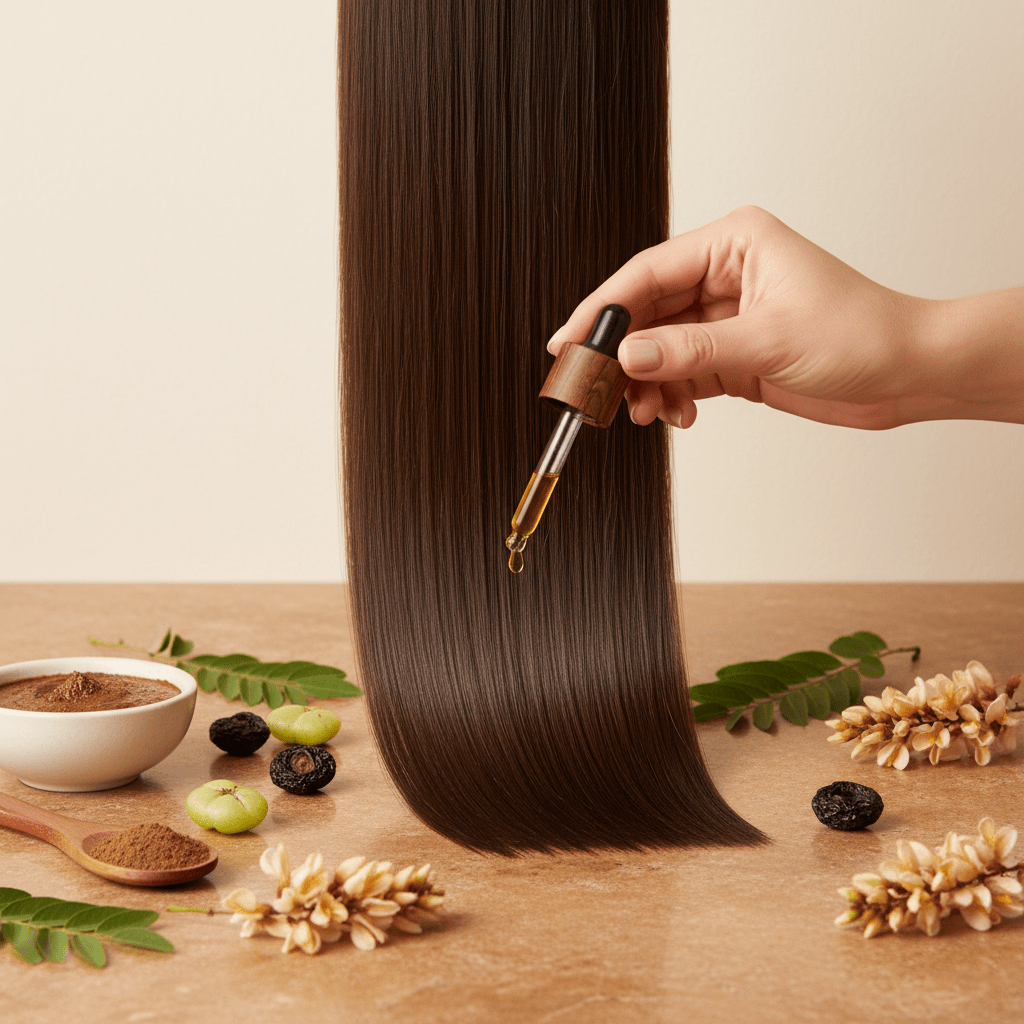
Decoding the Benefits for Strong, Healthy Hair
You know that flat, dry hair day? The one where even a good brush feels rude? This is where amla seed oil starts to make sense.
The hair story begins with the fatty acids in amla oil. The star is linoleic acid, which helps support the scalp barrier and can help with dryness and flaking. A drier scalp often means more itch, more little white flakes, and a less comfy place for hair to grow. So when people use Indian gooseberry seed oil on the scalp, they’re often chasing that softer, calmer feel first. And honestly, that’s a smart place to start.
A cold pressed amla oil can also act like a light coat on the hair shaft. It helps lock in moisture, smooth rough strands, and cut down frizz without the heavy, silicone kind of finish. Nice, right? No fake slip. Just a softer feel and a bit of shine.
Here’s a quick look at how it may help:
| Hair concern | How amla seed oil may help |
|---|---|
| Dry scalp | Adds moisture support and comfort |
| Flaky scalp | Helps soften dryness that can lead to flakes |
| Frizz | Coats the hair shaft and smooths the cuticle |
| Dull hair | Adds a natural shine |
And then there’s the antioxidant side. Plant compounds like polyphenols and tocopherols can help protect hair follicles from oxidative stress. That matters because stress from pollution, sun, and heat can wear hair down over time. Some people also connect oxidative stress with early graying and thinning. I can’t promise one oil fixes that, but it does give the hair and scalp a little more backup.
So if you’re looking at amla seed oil for hair, think of it less like a growth miracle and more like steady support. Healthier scalp. Smoother strands. Less fluff in humid weather. Pretty good trade.
And for brands like Aroma Monk, pure and lab-tested amla seed oil can be a useful raw material for hair oils, scalp blends, and clean beauty formulas. If you’re sourcing for a product line, that purity and traceability matter a lot.
If you want the best results, check the label closely. True seed oil is different from a fruit infusion, and the difference shows up in how it feels and works. Big difference. Really big.
Amla Seed Oil: A Nutrient-Dense Elixir Backed by Science
So what’s the real takeaway here? Simple. Amla seed oil is not just another pretty plant oil.
It stands out because of its mix of linoleic acid, Vitamin E, and protective plant compounds that help skin and hair handle daily wear. That’s why amla seed oil for skin can help support a stronger barrier, and why amla seed oil for hair often feels like a soft, steady helper for the scalp and strands.
And here’s the part people miss. True cold pressed amla oil is very different from the common infused version sold under the same name. If you want the real amla seed oil nutritional profile, look for the seed oil itself, not a carrier oil with amla fruit soaked in it.
That difference matters for brands, too. With the natural and organic cosmetics market valued at USD 45.61 billion in 2025, buyers are asking sharper questions about what’s really in the bottle.
So if you’re choosing Indian gooseberry seed oil, you’re choosing a plant ingredient with a clear story and a useful makeup. Not hype. Not fluff. Just a solid, science-backed oil that brings a lot to the table.
For anyone building skincare, scalp care, or hair care lines, that’s a pretty smart place to start.
Get a quote from Aroma Monk.
Essential Oil Supplier – Bulk pricing • Samples • Fast response