

Chamomile water is showing up everywhere. Toners, face mists, soothing gels, sheet masks. If you build or buy skincare ingredients, you’ve probably been asked for it more than once this year.
The demand makes sense. One recent forecast values the global hydrosol market at $1.5 billion in 2024, with growth of about 6.8% a year through 2030. Chamomile has a calm, gentle reputation, and shoppers love that.
But here’s the thing. People don’t just ask, “is chamomile water good for skin?” They also type in “chamomile water side effects” before they buy. That tells us they want safety answers first, and benefits second.
So let’s tackle it head on. Chamomile water can be lovely for a face product. It can also cause an allergic reaction in some people, especially those sensitive to ragweed and related plants. And a water-based ingredient that isn’t preserved or sourced well? That’s a whole other risk.
If you’re a product developer or procurement manager, this guide is for you. We’ll look at what the evidence really says, where the risks hide, and how to lower them. Honest pros, honest cons, and a few practical checks before you put chamomile water on a label.
First up, what chamomile water actually is (and isn’t).
What Exactly Is Chamomile Water? A Look Beyond the Label

Picture a big steel pot, a pile of fresh chamomile flowers, and a lot of steam. That’s basically where chamomile water starts.
How Chamomile Water Is Made
Chamomile water is also called chamomile hydrosol or floral water. It’s the co-product of steam distillation, the same process used to make chamomile essential oil. Steam passes through the flowers and carries tiny aromatic compounds up with it. Then a condenser cools that vapor back into liquid.
The liquid settles into two layers. A very small oil layer floats on top. The much bigger water layer underneath is the hydrosol. So the oil is the star of the show, and the water is what’s left holding the gentler, water-soluble bits. Typology’s profile of German chamomile hydrosol gives a product-side look at that distillate.
Here’s a detail that surprises people. The deep blue color is in the essential oil, not the water. Chamazulene gives the oil its blue, and it doesn’t dissolve well in water. Most chamomile hydrosols look clear or very pale.
German vs. Roman Chamomile Water
Two plants show up on most spec sheets. Formula Botanica’s comparison of Roman and German chamomile is a handy read if you want more plant background.
| Feature | German Chamomile Water (Matricaria recutita) | Roman Chamomile Water (Chamaemelum nobile) |
|---|---|---|
| Appearance | Usually clear to pale. The essential oil is deep blue. | Usually clear. The essential oil is much less blue. |
| Key compounds in the source plant | α-Bisabolol, bisabolol oxides, chamazulene, apigenin-related compounds | Angelic and tiglic acid esters, farnesene, α-pinene |
| Scent | Sweet, herbal, a little honey-like | Soft, apple-like |
| Common skincare positioning | Soothing, redness-prone skin | Gentle, calming, aromatic |
| Good fit for | Toners, mists, light serums | Mists, gentle lotions, scented-but-mild formulas |
One warning. The table shows what’s in the plant and its oil. Distillation moves only a small, selective slice into the water. So a German chamomile hydrosol isn’t just watered-down blue oil, and the batch report matters more than the plant name.
True Hydrosol vs. Water With Oil or Fragrance
Here’s where labels get slippery. A true hydrosol comes from distillation. A lookalike might be plain water mixed with chamomile essential oil, a solubilizer, or a synthetic scent. It smells right. It isn’t the same thing.
Why does that matter? The water-soluble compounds in a real hydrosol are the whole point. A fragrance mix skips them.
Mislabeling happens, too. The Circle H Institute hydrosol database notes that some tested products were synthetic or poor quality, and one “German” sample turned out to be Roman chamomile. And since hydrosols aren’t regulated as their own category by the FDA, the label alone won’t protect you.
So what does this mean for skin? Next, we’ll look at what the research actually says about benefits.
The Science-Backed Benefits of Chamomile Water for Facial Skin
So, is chamomile water good for skin? Probably, in a gentle, supporting-role kind of way. But I’ll be straight with you. The research is more “promising” than “proven,” and a hydrosol isn’t the same as concentrated extract. Let’s look at what we can say with a straight face.
Calming Redness and Irritation
Chamomile’s soothing reputation comes from a few plant compounds: α-bisabolol, chamazulene, apigenin and luteolin. A 2022 review of chamomile’s therapeutic uses found that topical chamomile oil lowered inflammation markers in animal models of dermatitis.
Now the catch. Those were animal studies, and they used oil, not water. Chamazulene sticks to the oil layer, so a chamomile hydrosol for skin may carry only trace amounts. Calling it “anti-inflammatory” is fair. Calling it a treatment isn’t.
Soothing Sensitive, Acne-Prone, and Stressed Skin
This is where chamomile water for sensitive skin really shines as a product idea. It’s light, mildly scented and easy to layer. Shoppers are asking for that kind of gentleness, too. Mintel noted in August 2024 that beauty buyers in Asia-Pacific were leaning harder into sensitive-skin care and wanting proof behind claims.
For acne-prone skin, keep expectations modest. A 2026 review of acne botanicals said chamomile extracts show antibacterial and anti-inflammatory activity in the lab. But it found no randomized trial showing they clear acne lesions. So it’s a comfort ingredient, not an acne fix.
After wind, sun or a long flight? A cooling mist feels good. That’s real, even if it’s hard to measure.
Antioxidant Support for the Skin Barrier
Chamomile also holds antioxidant compounds, especially apigenin. Antioxidants help calm the free radicals that come from UV light and pollution. Healthline’s rundown of chamomile skin benefits covers this side of the plant, and notes that skin research is still limited.
Hydrosols also tend to sit around pH 4.2 to 5.2 based on supplier data, which fits nicely with the skin’s naturally acidic surface. That’s compatibility, not a proven barrier repair. Worth saying clearly on a spec sheet.
The Top 3 Benefits at a Glance
| Benefit | What it likely means for skin | How strong is the evidence? |
|---|---|---|
| Anti-inflammatory | May calm redness and irritation | Mostly lab and animal work, limited for hydrosol |
| Soothing | Comfortable feel for sensitive or stressed skin | Good consumer demand, few human facial trials |
| Antioxidant | Helps shield skin from free-radical stress | Plant compounds are well known, hydrosol levels vary |
Benefits are only half the story, though. Next, let’s talk about what can go wrong.
Potential Side Effects of Chamomile Water for Face: What to Watch For
Let’s be honest about the downside. Most people tolerate chamomile water just fine. But “most” isn’t “all,” and the people who react can react hard.
The U.S. National Center for Complementary and Integrative Health says chamomile side effects are uncommon. They can include allergic reactions, even severe ones, and using it near the eyes may irritate. So let’s walk through what to watch for.
The Big One: Allergic Reactions and Cross-Reactivity
Chamomile belongs to the Asteraceae family (also called Compositae). That’s a huge plant group. And if someone is allergic to one member, they may react to its cousins too. Scientists call this cross-reactivity. The immune system sees a familiar shape and sounds the alarm, even though the plant is different.
The usual suspects are sesquiterpene lactones, plus pollen proteins that can hitch a ride on poorly filtered plant material. Here’s a rough family tree:
| Plant group | Common members | Why it matters for chamomile water |
|---|---|---|
| Weeds and pollen plants | Ragweed, mugwort | Ragweed allergy is common, so many buyers are already at risk |
| Garden flowers | Daisies, marigolds, chrysanthemums | Same family, similar allergens |
| Herbal plants | Arnica, feverfew, calendula, yarrow | Often found in “soothing” skincare, so exposure can stack up |
| Chamomiles | German and Roman chamomile | The ingredient itself |
Does ragweed allergy mean someone will react to chamomile water? Not automatically. It just raises the odds. A hydrosol is filtered and diluted, which may lower the risk. But nobody should promise that without testing.
Real cases exist, too. One published report described a young woman who developed burning, stinging and a rash after using a facial mask with chamomile extract. Skin testing confirmed it. Another described hay fever patients who got itchy, swollen eyes after using chamomile tea as an eye treatment.
Symptoms of a Possible Allergic Reaction
Stop use and get medical help if you see any of these:
- Redness that spreads or won’t fade
- Itching or burning right after application
- Small bumps or hives
- Swollen eyelids or puffy face
- Watery, red eyes
- Trouble breathing or swelling of the lips or throat (call emergency services right away)
Contact Dermatitis Can Happen Without a True Allergy
Here’s the twist. Someone with zero plant allergies can still get a rash. This is contact dermatitis, and it often looks like red, itchy patches or tiny bumps. Dry, tight skin can show up too.
Why does that happen? Usually it’s the product, not the chamomile. Think impure or poorly filtered material, added fragrance, a harsh preservative, or a stinging dose of alcohol. Using a leave-on mist ten times a day doesn’t help either. Too much of a good thing is still too much.
That’s why “pure” matters so much. We’ll get into that later.
Photosensitivity: A Small, Theoretical Risk
Some plant oils, like certain citrus ones, make skin react to sunlight. Chamomile hydrosol isn’t known for that. The risk looks very low, and I couldn’t find solid reports tying chamomile water to sun reactions. Still, a leave-on face product should be treated with care.
A few sensible habits:
- Patch test on the inner forearm for 24 to 48 hours first
- Keep it out of the eyes
- Wear daily sunscreen, as you should anyway
- Watch for any new redness on sun-exposed areas
So who’s most likely to run into trouble? That’s what we’ll cover next.
Risk Factors: Who Should Be Cautious When Using Chamomile Water?
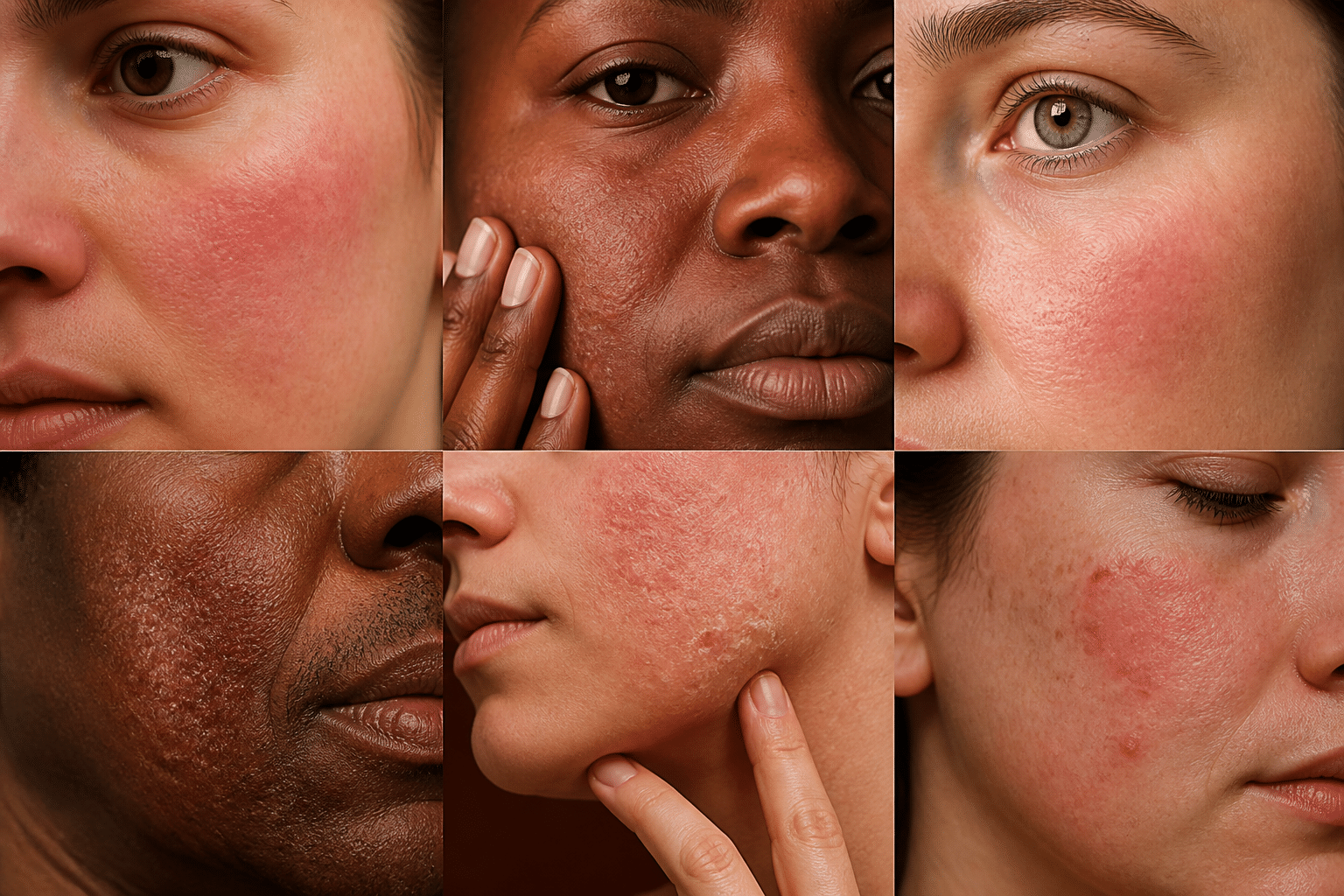
Most shoppers will be fine with chamomile water. Some won’t. Knowing who falls in that second group helps you write better labels and pick better customers to target.
The Highest-Risk Group: Asteraceae Allergies
If one group needs a flashing warning light, it’s people with a confirmed allergy to plants in the Asteraceae family. Ragweed, daisies, chrysanthemums, arnica and feverfew all count. Chamomile is a cousin, so the immune system can mistake it for a familiar enemy.
And this isn’t a tiny crowd. In the U.S., about 26.2% of the general population showed ragweed sensitization in NHANES III data. Sensitization isn’t the same as a true allergy, and it doesn’t prove a reaction to chamomile water. But it does mean a lot of your buyers may be at higher odds.
Sensitive Skin, Rosacea, and Eczema
Next up: people with a weakened skin barrier. Rosacea, eczema, and very reactive skin already sting easily. Even a gentle mist can feel harsh when the barrier is cracked or inflamed.
Here’s the twist. The chamomile may not be the problem at all. It could be the alcohol, the fragrance or the preservative riding along with it. So for these customers, the whole formula matters, not just one botanical. A short, simple ingredient list tends to be safer.
Pregnancy and Breastfeeding
This one is standard advice across the industry. Anyone who is pregnant or breastfeeding should check with a doctor or midwife before starting a new product, chamomile or not. It isn’t a claim that chamomile water is dangerous. It’s just sensible practice, and a short line on your label or product page can say so.
Is Your Customer Base at High Risk?
Use this quick checklist before you finalize a chamomile water product:
- [ ] Do you sell in areas where ragweed allergy is common?
- [ ] Is your product aimed at sensitive, reactive or “redness-prone” skin?
- [ ] Are you marketing to people with eczema or rosacea?
- [ ] Will customers use it around the eyes or on broken skin?
- [ ] Does the formula include fragrance, alcohol or a strong preservative?
- [ ] Is the product marketed to expecting or nursing mothers?
- [ ] Is it meant for infants or young children?
Answered yes to two or more? Add clearer patch-test directions and choose a simpler formula.
Knowing who’s at risk is half the job. The other half is making sure the ingredient itself is clean, and that’s where purity comes in.
Get a quote from Aroma Monk.
Essential Oil Supplier – Bulk pricing • Samples • Fast response
The Critical Link Between Purity and Safety in Chamomile Water
Here’s something that changes how you read those scary “chamomile water side effects” searches. A lot of the time, chamomile isn’t the villain. The bottle is.
Think about it. A rash after a chamomile toner could come from the plant. Or it could come from the fragrance, the alcohol, or a preservative nobody listed. Buyers can’t tell the difference. They just blame the ingredient, and then they blame your brand.
What Actually Sneaks Into “Chamomile” Water
Bulk hydrosol can be tampered with in a few common ways:
- Dilution. Plain water stretches the batch. It looks the same, but the real plant compounds are thinner.
- Fake hydrosol. Chamomile essential oil, water and a solubilizer get mixed and sold as a distillate. It smells right. It isn’t the same thing.
- Synthetic fragrance. Cheap aroma chemicals copy the scent and can add allergens nobody expected.
- Undeclared preservatives, like alcohol. This one matters for sensitive skin. A 2025 pilot study on ethanol and skin found a cream with 12% ethanol was well tolerated, but watery solutions with more than 15% ethanol weakened the skin barrier in lab testing. A thin mist has less cushion than a cream.
There’s also plain mix-ups. A cheaper or wrongly named plant can slip in, and that changes the whole profile.
How Lab Reports Prove Purity
A nice smell proves nothing. A lab report does.
GC-MS (gas chromatography-mass spectrometry) is the test to ask for. It reads the volatile compounds in a sample and matches them to a known profile. So it can spot added synthetic scent, extra essential oil, or the wrong botanical. Look for the plant’s Latin name, batch number, retention times and the actual chromatogram.
But be careful. GC-MS won’t prove a batch is sterile, and it can’t show the water was distilled. So pair it with microbial counts, pH and preservative details. A report that only says “chamomile fragrance” is a red flag.
| Pure, lab-tested hydrosol | Adulterated product | |
|---|---|---|
| Sourcing | Named plant, known origin, batch number | Vague origin, mixed or unclear species |
| Testing | GC-MS, microbial and pH reports | No reports, or one generic sheet |
| Composition | True distillate, declared preservative | Water, oil, solubilizer, fragrance |
| Safety | Fewer surprise allergens or irritants | Hidden alcohol, fragrance or contaminants |
| Efficacy | Real water-soluble plant compounds | Scent without the substance |
Why Your Supplier Shapes Your Brand
Your customer will never see the chromatogram. They’ll only see the result on their face.
That’s why sourcing is a brand decision, not just a purchasing one. Aroma Monk handles its supply chain from raw material to delivery, backs its products with lab testing, certified purity and traceability, and supplies in bulk for cosmetic and personal care makers. Ask any supplier, us included, for a sample report before you order. If they hesitate, that tells you plenty.
A clean ingredient lowers the odds of complaints. It also makes your own safety testing easier to trust.
So purity is settled. Next comes the part that’s on you: how to formulate and label it well.
Best Practices for Safe Formulation and Consumer Guidance
You’ve picked a clean ingredient. Now the real work starts. How you dose it, test it and label it decides whether customers love the finished product or send it back with a rash.
I’ll be upfront: I don’t have one magic number for every formula. Concentration advice varies a lot by supplier. But here’s what formulators commonly use, and what to tell your customers.
How to Recommend a Patch Test
A patch test is cheap, quick and easy to explain. Put these steps on your box, insert or product page. Brands can copy this straight into their own layout.
| Step | What to do | Why it helps |
|---|---|---|
| Step 1: Clean | Wash and dry a small spot on the inner forearm | Removes other products that could confuse the result |
| Step 2: Apply | Dab a small amount of the product on the spot | Mimics normal contact with skin |
| Step 3: Wait | Leave it alone for 24 to 48 hours | Some reactions show up late |
| Step 4: Check | Look for redness, itching, burning, bumps or swelling | Early signs of sensitivity |
| Step 5: Decide | No reaction? Try a small area of the face next. Any reaction? Rinse, stop and don’t use it | Protects the face and the eyes |
One honest note. A clear patch test is a risk-reducer, not a guarantee. A delayed allergic reaction can still appear after repeated use, so tell people to keep watching their skin.
Recommended Concentrations by Product Type
There’s no legal standard for hydrosol levels in cosmetics. These are practical starting points from recent formulator guidance on dosing hydrosols, so treat them as a first draft, not a final answer.
| Product type | Typical chamomile water level | Notes |
|---|---|---|
| Facial toner or mist | Up to 100% (many use 50 to 90%) | Still needs a tested preservative system |
| Creams and lotions | 5 to 30% of the total formula | Often replaces part of the water phase |
| Clay masks | Used as the liquid activator | Mix fresh at use, keep it simple |
| Serums and gels | About 20 to 60% | Start low, then adjust |
A higher percentage doesn’t mean safer or better. And it never replaces preservation. Water-based products can grow microbes, so test the finished formula for pH, stability and preservative strength before selling.
Clear Labeling That Protects Buyers
Labels are where trust gets built (or lost). List every ingredient, use the correct botanical name, and spell out the warnings in plain words. Something like this works:
Contains chamomile. Patch test before use. Avoid contact with eyes. Discontinue use if irritation occurs.
If the formula has fragrance, check whether any allergen needs to be named. In the EU, certain fragrance allergens must be listed once they pass set limits, even when they come from a natural ingredient. Rules differ by market, so check yours.
Also skip words like “hypoallergenic” unless you can prove it. Simple, honest wording wins.
So you’ve dosed it, tested it and labeled it. What’s left is tying it all together.
The Verdict: A Safe and Powerful Ingredient When Sourced with Integrity
So, is chamomile water good for skin? For most people, yes. It’s gentle, light and easy to work into a toner, mist or serum. Real side effects are rare. And when they do happen, they usually trace back to two things: a true plant allergy (think ragweed and its cousins) or an impure, poorly made product.
That second one is the part you can control. Purity isn’t a bonus feature. It’s the whole ballgame.
Here’s a number worth keeping in mind. Only 60% of Gen X and older shoppers trust beauty brands to be open about ingredients and sourcing, compared with 86% of Gen Z and Millennials. Trust is earned, and it starts long before the bottle hits a shelf.
The right supplier turns chamomile water from a marketing word into something you can actually verify: traceable, tested and suitable for responsible cosmetic use. So ask for the batch report. Check the botanical name. Patch test, preserve and label with care.
At Aroma Monk, we manage the supply chain from raw material to delivery, with lab testing, certified purity and full traceability behind every bulk order. If you’re building a chamomile product and want an ingredient you can stand behind, Source Certified Pure Chamomile Water for Your Product Line.
Get a quote from Aroma Monk.
Essential Oil Supplier – Bulk pricing • Samples • Fast response