

Embracing a Natural Remedy: The Popularity and Hidden Risks of Chamomile Water
Ever poured yourself a warm cup of chamomile water and felt your shoulders drop a little? You’re not alone. A lot of people reach for chamomile to calm down, sleep better, or settle an upset stomach. It’s one of those old-school home remedies that still feels comforting today.
And yes, chamomile water is usually safe for most healthy adults. But that does not mean it’s harmless for everyone. That’s the part people skip over.
Here’s the thing. The idea that “natural” always means “safe” can get us into trouble. Chamomile can trigger an allergic reaction, and it can also mix badly with some medicines. So if you’ve ever wondered, is chamomile water safe? the real answer is: sometimes, but it depends on you.
In this guide, we’ll look at the real chamomile benefits and risks, common chamomile tea side effects, chamomile precautions, chamomile drug interactions, and what to know about chamomile during pregnancy. We’ll also talk about safe chamomile dosage and who should probably skip it or check with a doctor first.
Simple. Clear. No fluff. Let’s get into it.
Embracing a Natural Remedy: The Popularity and Hidden Risks of Chamomile Water
Ever poured yourself a warm cup of chamomile water and felt your shoulders drop a little? You’re not alone. A lot of people reach for chamomile to calm down, sleep better, or settle an upset stomach. It’s one of those old-school home remedies that still feels comforting today.
And yes, chamomile water is usually safe for most healthy adults. But that does not mean it’s harmless for everyone. That’s the part people skip over.
Here’s the thing. The idea that “natural” always means “safe” can get us into trouble. Chamomile can trigger an allergic reaction to chamomile, and it can also mix badly with some medicines. So if you’ve ever wondered, is chamomile water safe? the real answer is: sometimes, but it depends on you.
In this guide, we’ll look at the real chamomile benefits and risks, common chamomile tea side effects, chamomile precautions, chamomile drug interactions, and what to know about chamomile during pregnancy. We’ll also talk about safe chamomile dosage and who should probably skip it or check with a doctor first.
Simple. Clear. No fluff. Let’s get into it.
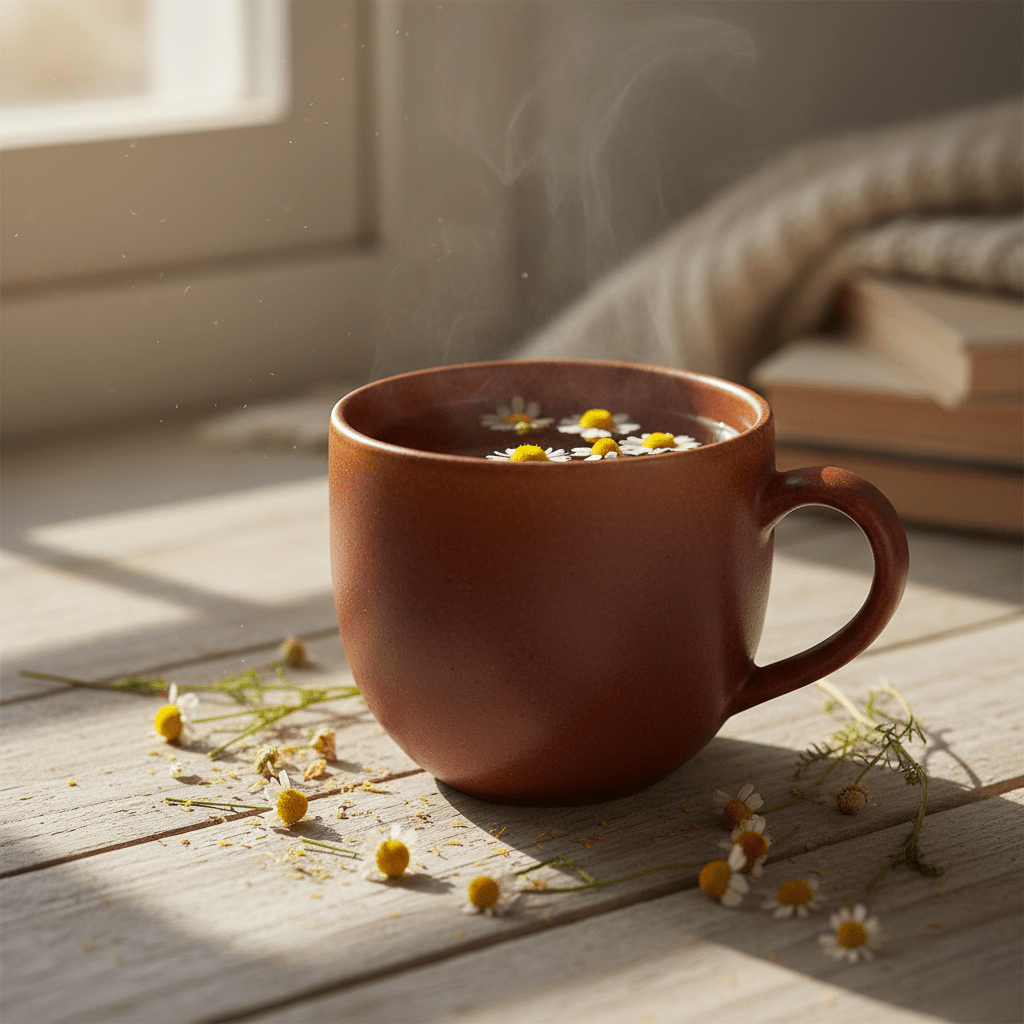
1. What Exactly Is Chamomile Water? (And Why It Matters)
Chamomile water sounds simple. And most of the time, it is.
Usually, it means a tea or infusion made from dried chamomile flowers steeped in hot water. Not fancy. Just flowers and water. But there’s a catch, because not all chamomile is the same, and not every chamomile product on the shelf works the same way.
There are two common types:
| Type | Latin name | Common use | Notes |
| German chamomile | Matricaria recutita | Most often used for tea and home remedies | Usually stronger for internal use |
| Roman chamomile | Chamaemelum nobile | Often used in aromatherapy and blends | Smells a little fruitier and is milder in some uses |
German chamomile is the one most people mean for drinking. It tends to have more of the active compounds tied to calming and anti-inflammatory effects. Roman chamomile can still be used, but it’s more common in oils and fragrance products.
And that brings us to another big difference. Chamomile water is not the same as chamomile essential oil or a commercial hydrosol. Essential oils are much more concentrated. A few drops can carry way more plant material than a cup of tea, so the risk level changes fast. Fast enough to matter.
The calming effect comes from compounds like apigenin and chamazulene. Apigenin is the one often linked to mild sleep support, while chamazulene is tied to the plant’s blue tint and anti-inflammatory action. So when people ask about chamomile benefits and risks, these little plant chemicals are a big part of the story.
Funny enough, chamomile has become a huge part of the herbal tea market, which says a lot about how many people trust it. But trust and safety aren’t the same thing. Not even close.
If you use natural products in your own line, Aroma Monk’s lab-tested essential oils, rose water, and natural attars are a good example of how purity and traceability can make a real difference in what people put on or near their body. And with chamomile, that same idea matters too.
2. Allergic Reactions: The Most Significant Risk
You know what catches people off guard? A cup of something “gentle” can still set off a real allergy.
With chamomile water, that risk matters most for people who react to plants in the same family. Chamomile is part of the Asteraceae family, also called Compositae. Ragweed is in that same group. So are daisies, marigolds, and chrysanthemums. If your nose goes haywire every fall from ragweed pollen, chamomile might not be your friend.
That cross-reaction is the big warning sign here. People with ragweed allergy, hay fever, or other Asteraceae plant allergies have a higher chance of an allergic reaction to chamomile. And yes, it can happen from drinking chamomile tea, not just touching the flowers.
Common symptoms can start small:
- Skin rash
- Hives
- Itchy skin
- Runny nose
- Sneezing
- Itchy or watery eyes
- Mild stomach upset
But some reactions can get much worse. Really worse.
Severe symptoms may include:
- Swelling of the lips, tongue, or throat
- Trouble breathing
- Wheezing
- Dizziness
- Fainting
- Loss of consciousness
That last group points to anaphylaxis, which is a medical emergency. If someone has throat swelling or can’t breathe well after chamomile water, call emergency help right away.
So who should be extra careful? Pretty much anyone with known allergies to:
| Higher-risk allergy history | Why it matters |
| Ragweed | Same plant family, higher cross-reaction risk |
| Daisies | Same family link |
| Marigolds | Same family link |
| Chrysanthemums | Same family link |
And here’s a small but useful reminder: if you’ve had a bad reaction to herbal teas before, don’t treat chamomile like a free pass. Your body doesn’t care that it’s “natural.” It only cares what it sees as a threat.
I’d also be cautious if you’ve got asthma, seasonal allergies, or a long history of skin reactions. That doesn’t mean you’ll react. But it does mean you should go slow, or skip it and ask a clinician first.
Chamomile benefits and risks often get talked about like a simple comfort story. But allergy risk changes the whole picture. If you’re unsure, start with a check-in from your doctor or allergist before making chamomile water part of your daily routine.

Get a quote from Aroma Monk.
Essential Oil Supplier – Bulk pricing • Samples • Fast response
3. Potential Drug Interactions with Chamomile
You know that calm, sleepy feeling chamomile can give you? That part is real. And that same soothing effect is why chamomile water can be a bit tricky with other medicines.
Chamomile has compounds that may act a little like a mild blood thinner. That means it could raise bleeding risk if you take drugs like warfarin. There have even been reports of people on warfarin having a higher INR after drinking chamomile tea often. So if you’re on a blood thinner, this is not a small detail.
It also has a gentle sedative effect. Fine on its own. But mix it with sleep meds, anti-anxiety drugs, barbiturates, opioids, or alcohol, and the drowsiness can stack up fast. Slower reaction time. More fog. Maybe even a bigger fall risk if you’re older or already tired.
Here’s a quick look at the main chamomile drug interactions:
| Medicine or substance | Possible issue |
| Warfarin and other blood thinners | May increase bleeding risk |
| Benzodiazepines like diazepam or alprazolam | Extra drowsiness |
| Sleep aids or barbiturates | Stronger sleepy effect |
| Alcohol | More sedation and slower reflexes |
| Blood pressure drugs | May lower blood pressure too much |
| Diabetes medicines | May add to low blood sugar risk |
| Some liver-metabolized drugs | May change how the body breaks them down |
And yes, there’s a liver angle too. Chamomile may affect enzymes in the cytochrome P450 family, which help process a lot of drugs. That doesn’t mean every cup causes trouble. But it does mean regular use can matter, especially if you take prescriptions every day.
If you’re thinking, “Is chamomile water safe for me?” the honest answer is, maybe. But if you take medicine for sleep, anxiety, blood pressure, diabetes, or clotting, check with your doctor or pharmacist first. That quick chat can save you a headache later.
Also, if you’re pregnant, that’s a separate caution zone. We’ll get into chamomile during pregnancy next, because this herb has a bigger reputation than a lot of folks realize.
And if you want a gentle swap for bedtime, Aroma Monk’s lab-tested essential oils, rose water, and natural attars can be a cleaner fit for some wellness routines, especially if you’re building a personal care product line and want traceable ingredients people can trust.
4. Special Precautions: Pregnancy, Surgery, and Children
Pregnancy is one of those times when people get extra careful, and for good reason. Your body is already doing a lot.
Chamomile water has been used for a long time in home care, but chamomile during pregnancy is a gray area. Some traditional herbal sources treat chamomile as an emmenagogue, which means it may nudge the uterus. That raises concern about possible uterine contractions, and people worry it could add to the risk of miscarriage or early labor. The proof is not strong enough to panic over one sip, but it is strong enough to be cautious.
So what should you do? If you’re pregnant, don’t make chamomile tea a daily habit unless your healthcare provider says it’s OK. A quick check is better than guessing.
Breastfeeding is a similar story. We just don’t have great safety data on how chamomile’s active parts may pass into breast milk. That leaves parents with the same basic advice: ask your doctor, midwife, or lactation consultant first. Tiny humans are not the place for trial and error. Not even a little.
And babies? Extra care there too.
Chamomile tea has been used for colic, gas, and fussiness, but that old home remedy comes with a lot of caution. For infants, dosage has to be very, very diluted if a clinician even suggests it. And for babies under 6 months, herbal tea is usually a no-go unless a pediatrician gives direct guidance. Their systems are small. Their needs are simple. Their risk is not.
A few other groups should pause before using chamomile water:
- People scheduled for surgery, since chamomile may affect bleeding
- Kids with plant allergies, especially ragweed family allergies
- Parents giving herbs for colic without medical advice
- Anyone who has had a strange reaction to herbal tea before
Here’s a simple way to think about it:
| Situation | Best move |
| Pregnant | Ask your OB or midwife first |
| Breastfeeding | Check with a healthcare provider |
| Infant under 6 months | Skip unless a doctor says otherwise |
| Older child with colic | Use only with medical advice and very diluted amounts |
| Surgery coming up | Stop chamomile well before the procedure and ask the surgeon |
If you’re still asking, “Is chamomile water safe?” the answer stays the same here too: sometimes, but not for everyone. And that’s the whole point of looking at chamomile benefits and risks instead of just the nice bedtime stories.
If you want a gentler path for wellness routines, Aroma Monk’s lab-tested essential oils, natural attars, and rose water can be a thoughtful choice for personal care products and bulk sourcing. Just keep the ingredient list clear, the quality checked, and the use case honest.

5. Other Potential Side Effects of Chamomile Water
Chamomile gets a soft reputation. Cozy mug. Sleepy eyes. Calm vibes. But it can still do a few odd things in the body.
The most common one is drowsiness. That’s the part many people actually want at night. A cup before bed may help you wind down a bit, which is why chamomile tea side effects are often mild and easy to miss. But if you’re planning to drive, use tools, or run machinery, that sleepy feeling can turn into a problem pretty fast. Not the best time for a nap, right?
And if you drink a lot of very strong chamomile water, you might feel nausea or even throw up. This is more likely with large, concentrated amounts than with a normal cup. So if your stomach starts to churn after a huge mug, that’s your cue to slow down.
Here’s a quick look at the more common issues:
| Side effect | What it can feel like | What to do |
| Drowsiness | Sleepy, foggy, slow reflexes | Don’t drive or use machines |
| Nausea or vomiting | Upset stomach, queasy feeling | Stop drinking it and rest |
| Eye irritation | Burning, redness, watering | Don’t use chamomile as an eyewash |
That last one matters more than people think. Some folks try chamomile as a homemade eye rinse, but that’s a bad idea. It’s not sterile, and if you’re sensitive to plants in the daisy family, it can irritate the eye or make things worse. Just skip that whole move.
So, is chamomile water safe? For many people, yes, in normal amounts. But chamomile benefits and risks still go together. A little can feel soothing. Too much, or the wrong use, can cause trouble.
If you want more natural care options for wellness, cosmetics, or personal care products, Aroma Monk’s lab-tested essential oils, natural attars, and rose water are worth a look. Clean sourcing matters. So does knowing what goes in the bottle.
6. How to Enjoy Chamomile Water Safely: Best Practices
A warm cup can feel harmless. But small habits make a big difference.
If you want to try chamomile water, start slow. Really slow. Use a weak infusion first, then sip a small amount and wait to see how your body acts. That first cup is basically a test run. If you notice itching, sneezing, a rash, or an upset stomach, stop there and don’t push it.
Here’s a simple guide that works for most healthy adults:
| Step | What to do |
| Start small | Try 1 cup made with a weak infusion |
| Watch your body | Look for rash, swelling, nausea, or drowsiness |
| Keep it modest | 1 to 3 cups per day is the usual safe chamomile dosage |
| Don’t overdo it | Skip giant mugs or super-strong brews |
| Stay alert | Don’t drive if it makes you sleepy |
And yes, the usual safe range is about 1 to 3 cups a day for most adults. More is not better here. If you keep drinking it all day, the chamomile tea side effects can creep in, like extra sleepiness or stomach trouble.
Now, the quality part. This one matters more than people think. Buy dried chamomile from a brand you trust, and look for clear labels, clean packaging, and third-party testing when possible. Poor-quality herbs can be mixed with other plants, dust, or pesticide residue. That can bring its own problems, even before chamomile gets a chance to do anything.
A few smart picks:
- Choose whole flower heads when you can
- Look for organic or pesticide-tested sourcing
- Avoid mystery blends with no plant name on the label
- Buy from sellers who share batch or lab info
Funny enough, this is where a quality-first brand mindset really helps. For product makers, Aroma Monk’s lab-tested essential oils, rose water, and natural attars are built around traceability and purity, which is the same kind of thinking you want in any herbal ingredient you use.
So, is chamomile water safe? For many people, yes. But safe use means small amounts, good sourcing, and a little self-checking. That’s the real win.
Final Thoughts: A Balanced Approach to Using Chamomile
Chamomile water can be a sweet little helper. For many healthy adults, it’s usually fine in normal amounts, and the calming effect is part of why so many people keep coming back to it. But chamomile benefits and risks really do go hand in hand.
If you have a ragweed or daisy-family allergy, take medicine for blood thinning, sleep, anxiety, blood pressure, or diabetes, or you’re pregnant, breastfeeding, or giving herbs to a baby, pause first. Don’t guess. Check with a healthcare professional or pharmacist before you start any new herbal remedy, especially if you’re in a higher-risk group.
That’s the smartest move. Not scary. Just smart.
The good news? Being informed lets you enjoy chamomile water with your eyes open. You can keep the comfort and cut down the risk. And that balance is what safe use looks like.
Get a quote from Aroma Monk.
Essential Oil Supplier – Bulk pricing • Samples • Fast response