

Transitioning from Hobbyist to Pro: Why Sourcing Bulk Essential Oils is Your Next Step
You know that moment when a tiny 10 ml bottle is gone before you’ve even finished a test batch? Yeah. That gets old fast.
If you’re making soap for real customers, those little retail bottles start eating your profit. A small bottle can cost $9 to $18, while bulk essential oils for soap making often drop to about $2 to $10 per ounce. That’s a huge gap, and it’s one reason many makers start looking at wholesale essential oils for soap once orders begin to grow.
But cost is only part of it. When you buy large quantities of essential oils, you usually get better batch consistency, a steadier supply, and more control over your final product. That matters in cold process soap, where scent, quality, and repeat results can make or break a line.
This guide will walk you through the full process. We’ll look at how to find the best bulk essential oil suppliers, what to check before you buy, and how to keep your oils safe and usable for the long run. We’ll also touch on pure essential oils for soap making, cosmetic grade essential oils wholesale, and how to store bulk essential oils without messing up your stock.
Soap making is getting bigger too. One 2023 market report put the handmade soap market at USD 7.915 billion, so there’s real room here for makers who want cleaner ingredients and tighter supply control. And if you’re building a brand, that kind of consistency can be a big deal.

Why bulk changes the game
It’s not just about saving a few dollars. Bulk sourcing helps you build a stronger soap business, batch after batch. Plus, it makes it easier to keep your essential oil quality for cold process soap steady from one run to the next.
That means fewer surprises. Better planning. Less scrambling when a scent sells out.
And honestly? That peace of mind is worth a lot.
The Financial & Quality Case for Buying Essential Oils in Bulk
You know that little sting when you compare carts and see the same oil costing way more in a tiny bottle? That pain gets old fast.
Here’s the math. A 10 ml bottle of lavender, tea tree, or peppermint often runs about $9 to $18. That works out to roughly $40 to $80 per ounce. But bulk essential oils for soap making can drop to about $2 to $10 per ounce. So if you buy a 16 oz bottle of lavender at about $87.50, you’re paying around $5.47 an ounce. That’s a huge gap. Really huge.
| Oil | Small Retail Bottle | Retail $/oz | Bulk Size | Bulk $/oz |
|---|---|---|---|---|
| Lavender | $9 to $18 | $40 to $60 | 16 oz | about $5.47 |
| Tea Tree | $9 to $18 | $50 to $60 | 16 oz+ | about $3 to $8 |
| Peppermint | $9 to $18 | $60 to $80 | 16 oz+ | about $4 to $10 |
So yes, the savings add up fast. And for a soap maker who uses the same scent over and over, that gap can mean the difference between a thin margin and a real profit. Bulk vs. retail essential oil pricing examples
But price is only half the story. When you buy large quantities of essential oils, your batches tend to smell the same from one run to the next. That matters a lot in cold process soap. If your lavender soap smells soft and clean in January, you want it to smell the same in May. Not close. The same.
And there’s another perk. Reputable wholesale essential oils for soap suppliers often give better product details, batch info, and lab paperwork. That makes it easier to spot pure essential oils for soap making instead of rebottled oils from random marketplaces. For busy makers sourcing essential oils for business, that kind of clarity is a big deal.
Aroma Monk fits right into that need, especially for brands that want certified, lab-tested oils with steady supply. If you’re ready to buy large quantities of essential oils, start with suppliers who can show you the lot info, the test docs, and the source. Your soap line will thank you.
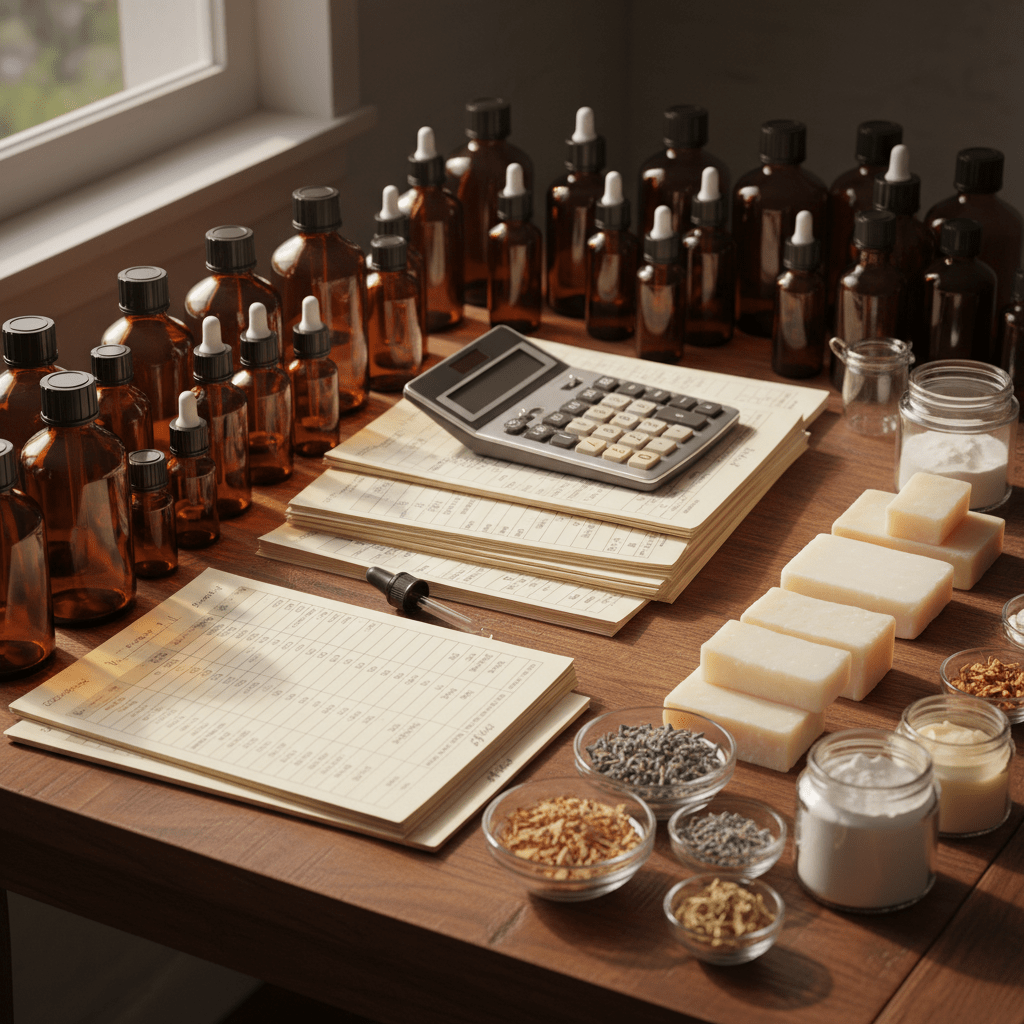
Understanding Essential Oil Quality for Soap Making
Ever bought an oil that smelled amazing in the bottle, then turned flat in soap? Been there. It’s annoying. And it usually comes down to labels, not luck.
A lot of sellers throw around words like “therapeutic grade” or “cosmetic grade.” But those terms are marketing words. They are not official grades. What you really want for soap is 100% pure essential oil with a clear botanical name, a country of origin, and test papers you can trust. That matters way more than a fancy badge on the front of the bottle.
Here’s a simple way to think about it:
| Label term | What it usually means | What soap makers should check |
|---|---|---|
| Therapeutic grade | Seller-made claim | Pure oil, lot number, test report |
| Cosmetic grade | Seller-made claim | Safe use info, INCI name, SDS |
| 100% pure essential oil | Best starting point | Botanical name, origin, CoA |
| Fragrance oil | Man-made scent blend | IFRA info and soap-safe use rate |
| Nature-identical oil | Lab-made scent match | Full ingredient disclosure |
And yes, the plant name matters a lot. Lavender is a good example. Lavandula angustifolia usually smells softer and sweeter than Lavandula x intermedia, which tends to feel sharper and more camphor-like in soap. Rosemary has the same kind of twist. Different chemotypes can change how the scent behaves during saponification. So if you’re sourcing bulk essential oils for soap making, don’t just look at the name. Look at the full botanical ID.
Country of origin helps too. Tea tree from one region can smell a little brighter or more medicinal than tea tree from another. Not wild. Just plants being plants. That’s why the best bulk essential oil suppliers usually share more than a pretty product page.
Also, essential oils are not the same as fragrance oils. Essential oils come from plants. Fragrance oils are blended scents, often made with lab ingredients. Nature-identical oils sit in between, since they copy a natural smell but are still made in a lab. For finished soap, the label has to match what’s inside. If you use a true essential oil, you list the INCI name. If you use a fragrance blend, it may need to be listed as “fragrance” or “parfum,” depending on the formula and local rules. That’s why an essential oil safety data sheet soap making check is a smart move before you pour a thing.
The short version? Skip the hype. Ask for the botanical name, batch info, and lab docs. That’s how you protect your soap, your skin, and your brand.
If you’re building a line and want more confidence in your oils, Aroma Monk’s lab-tested supplies and bulk sourcing support can help you get there without guessing.
Decoding the Paperwork: How to Read a CoA, GC/MS, and SDS
You know that funny moment when a supplier says, “Our oils are pure,” and you’re just sitting there thinking, OK… prove it? Yeah. That’s where the paperwork steps in.
If you buy bulk essential oils for soap making, the docs matter just as much as the scent. Maybe more. A pretty website can’t tell you if an oil was stretched, mixed, or stored badly. But a good paper trail can.
1) CoA: the first sign you’re dealing with a real supplier
A Certificate of Analysis, or CoA, is basically a report that says the oil met certain specs at the time it was tested. It’s not fancy. It’s just proof the supplier did their homework.
For soap makers, a CoA should show things like:
- the botanical name
- batch or lot number
- test date
- basic oil specs
- any key limits the oil needs to meet
If you ask for a CoA and get silence, that’s a bad sign. If you get a blurry file with no lot number, also bad. A professional supplier should be able to hand this over without acting like you asked for their bank password.
2) GC/MS: the big one
GC/MS stands for gas chromatography and mass spectrometry. Long name. Simple idea.
It breaks the oil into parts and shows what’s inside. For bulk essential oils for soap making, this is one of the best ways to check purity. It can help spot odd filler oils, fake scent boosters, or weird chemical leftovers that should not be there.
Here’s what soap makers should look for in a GC/MS report:
| What to check | Why it matters |
|---|---|
| Main compounds | Shows the oil’s natural makeup |
| Total identified % | Higher numbers usually mean better testing coverage |
| Odd peaks | Can hint at adulteration or contamination |
| Batch match | Makes sure the report matches your exact oil |
| Date of test | Older reports may not help much |
With tea tree, for example, you want the key markers to line up with what real tea tree oil should look like. If the profile looks off, trust your eyebrows. Seriously. Weird numbers usually mean something.
GC/MS is also handy if you’re sourcing essential oils for business and want steady results from batch to batch. One bad lot can throw off scent, trace, and even customer trust.
3) SDS: the safety sheet you should not skip
A Safety Data Sheet, or SDS, is about safe handling. This one matters a lot for storage, shipping, and hot process soap making.
It tells you things like:
- flashpoint
- skin and eye warnings
- storage notes
- spill cleanup steps
- shipping hazard info
Why does flashpoint matter? Because some oils are more flammable than others. If you’re making hot process soap, that’s not a detail to shrug off. And if you ship oils or soap kits, the SDS helps you stay on the right side of carrier rules too.
Quick cheat sheet
| Document | What it tells you | Why soap makers care |
|---|---|---|
| CoA | Basic test results and specs | Shows the supplier is legit |
| GC/MS | Chemical makeup of the oil | Helps check purity and adulteration |
| SDS | Safety and handling info | Helps with storage, shipping, and fire risk |
Here’s the thing. You do not need to be a chemist to use these papers well. You just need to check for the basics every time you buy large quantities of essential oils.
And if a supplier won’t share them? That’s your answer.
Aroma Monk keeps this part simple with lab-tested oils, traceable batches, and bulk supply support for makers who want fewer surprises. If you’re comparing the best bulk essential oil suppliers, ask for the CoA, GC/MS, and SDS before you place that first big order. It saves headaches later.
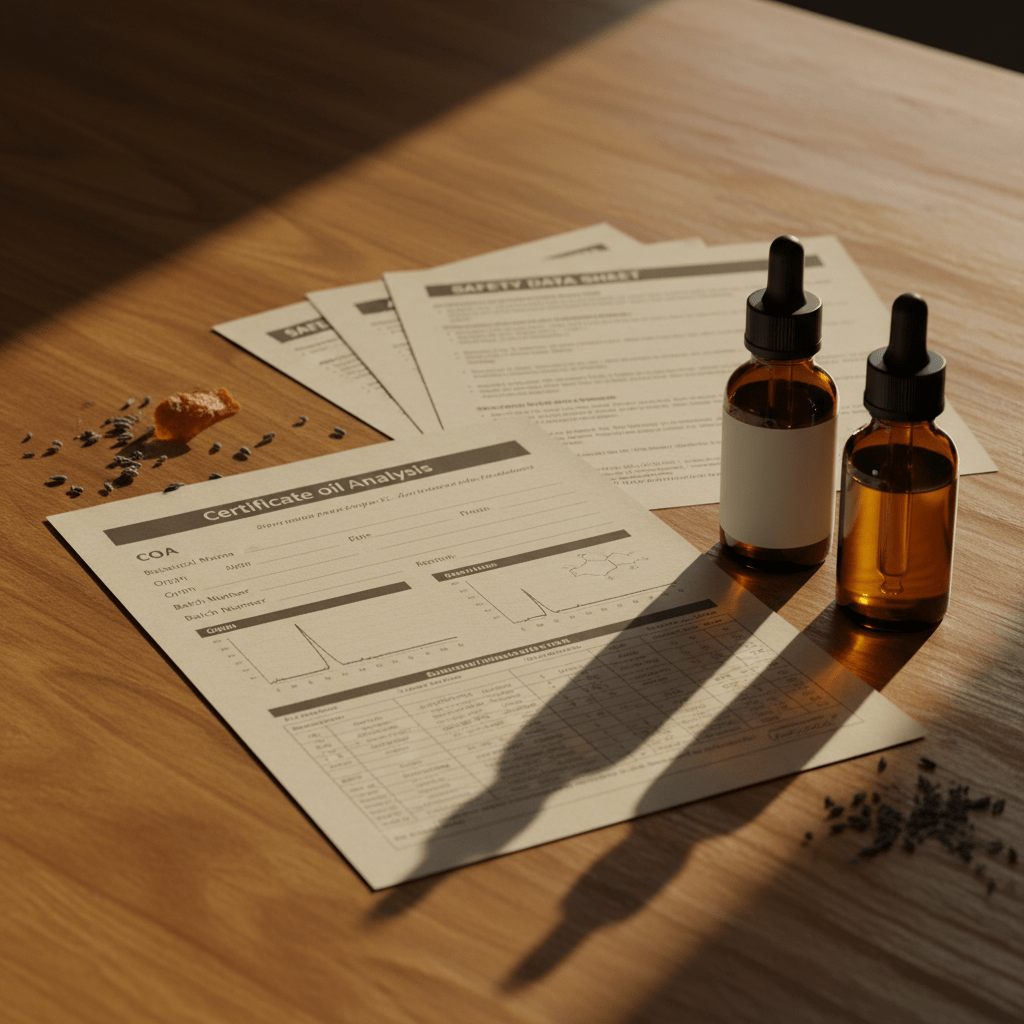
The Vetting Process: A 5-Step Checklist for Choosing a Reliable Supplier
Picking a supplier can feel a little like dating with receipts. Nice photos, big promises, and then… surprise problems later.
So let’s keep it simple. If you’re buying bulk essential oils for soap making, use this 5-step check before you send money. It saves stress, cash, and a whole lot of messy test batches.
Step 1: Verify the paperwork first
Ask for a batch-specific GC/MS report, a CoA, and an SDS. A real supplier should hand these over without a speech. If they stall, dodge, or send a blurry file, that’s your clue.
Look for the exact lot number on every document. And make sure the botanical name matches what you ordered. If you want pure essential oils for soap making, the paper trail should be clean and easy to follow.
Step 2: Check if they know oils, not just selling them
A good supplier usually teaches a little too. That’s a good sign. Their site should have helpful blogs, clear product notes, storage tips, and plain talk about use in soap.
If every product description reads like copy-paste filler, I’d be cautious. The best bulk essential oil suppliers tend to know the difference between rosemary chemotypes, scent fade, and what happens in cold process soap. That kind of detail matters.
Step 3: Look at MOQs and pricing
This part sounds boring, but it’s where budgets live or die.
| What to check | What you want |
|---|---|
| Minimum order quantity | A level that fits your shop size |
| Tiered pricing | Lower cost as you buy more |
| Sample pricing | Reasonable and easy to test |
| Reorder terms | Simple and predictable |
Some suppliers are great for hobby makers. Others are better once you buy large quantities of essential oils every month. If you’re scaling, ask how pricing changes at 1 oz, 4 oz, 16 oz, and 1 kg. The answer tells you a lot.
Step 4: Always order samples
Never skip this part. Seriously. A gorgeous lavender oil can still accelerate trace, discolor your soap, or fade after cure.
Order a small sample and make a test batch. Check the scent in the bottle, then in soap after saponification, and again after 4 to 6 weeks. You want to know how it behaves, not just how it smells on a paper strip.
And yes, this is the step that saves people from buying 25 pounds of regret.
Step 5: Ask the soap crowd
Forums and Facebook groups are gold here. Search the supplier name in Soap Making Forum, Reddit r/soapmaking, and maker groups. You’ll find the real talk fast.
People usually mention:
- customer service speed
- if the oils match the docs
- shipping damage
- scent strength in soap
- how often they reorder
Suppliers like Eden Botanicals, New Directions Aromatics, Bramble Berry, Wholesale Supplies Plus, and Natures Garden come up a lot in maker chats. That doesn’t mean one is perfect. But it does mean people have real opinions, which is more useful than polished ads.
If you’re building a brand, this is where Aroma Monk can fit in nicely too. Their lab-tested, traceable oils and bulk supply support make it easier to compare notes, test with confidence, and keep your essential oil quality for cold process soap steady from batch to batch.
Quick gut-check before you buy
- Do they show batch info?
- Do they answer questions fast?
- Do their prices make sense?
- Do samples behave well in soap?
- Do other makers trust them?
If you can say yes to most of that, you’re probably on the right track. Not perfect. Just solid. And in soap making, solid is a big win.
Get a quote from Aroma Monk.
Essential Oil Supplier – Bulk pricing • Samples • Fast response
How much can you really save by buying bulk?
For most makers, a lot. Small retail bottles often cost about $40 to $80 per ounce once you do the math, while bulk essential oils for soap making can land around $2 to $10 per ounce. That gap gets even wider on busy runs, which is why so many makers move to wholesale essential oils for soap once orders pick up.
What about shelf life?
Good question. Citrus oils usually last 1 to 2 years, floral oils often last 2 to 6 years, and woody oils can hang around for 4 to 8 years or more if stored right. So how to store bulk essential oils matters just as much as what you buy.
Keep them in dark glass, tight caps, cool rooms, and away from direct heat. Small habits. Big difference.
If you want a steady supply of pure essential oils for soap making, Aroma Monk’s bulk sourcing support, lab-tested oils, and direct B2B delivery can help you keep your shelves stocked without the guesswork.
Where to Buy: Reputable Bulk Essential Oil Suppliers for Soap Makers
Picking a supplier can feel a bit like online dating, but with more invoices. You look at a pretty site, read a few glowing claims, and hope the oils inside the bottle match the shine on the page. Not always a fun game.
So let’s make it easier. If you’re sourcing bulk essential oils for soap making, start by looking at the type of supplier, not just the price.
Large, established distributors
These are the names a lot of soap makers already know: Bramble Berry, Natures Garden, and Wholesale Supplies Plus. They usually offer a wide mix of soap-safe products, sample sizes, and plenty of how-to content. That can be a big help if you’re still learning the ropes or testing a new scent blend.
Why people like them:
- lots of product choice
- clear product pages
- beginner-friendly guides
- easy ordering for small to medium shops
What to watch for:
- they may not be the cheapest option
- some oils are better for testing than deep bulk buying
- you still need to check batch docs and scent performance
These suppliers often work well for makers who want wholesale essential oils for soap without chasing five different vendors at once. Handy. Clean. Pretty simple.
Specialty and direct importers
If you care most about purity and traceability, this is where suppliers like Eden Botanicals and New Directions Aromatics stand out. They’re often talked about by makers who want pure essential oils for soap making and don’t mind paying a little more for that peace of mind.
Why people like them:
- strong batch documentation
- wide range of single oils
- more unique or hard-to-find options
- good fit for sourcing essential oils for business
What to watch for:
- higher minimums on some items
- prices can be steeper
- some oils move fast, so stock shifts happen
These are often some of the best bulk essential oil suppliers for makers who are serious about repeat results. If you’re building a line that needs the same lavender or tea tree every month, that matters a lot.
Farms and co-ops
And then there’s the farm route. A lot of makers love buying directly from lavender farms, peppermint farms, or local co-ops. If you want a strong local story on your label, this can be a great fit.
Good points:
- direct farm story for branding
- possible lower middleman costs
- easier to ask how the crop was grown
- sometimes fresher oils, depending on harvest and distillation timing
The tricky bits:
- supply can be small or seasonal
- not every farm has lab reports ready
- shipping from a small farm can be slower
- bulk stock may run out fast
Here’s the thing. Farms can be amazing for limited runs, local product lines, or custom blends. But if you need steady stock for a growing soap business, you’ll want a backup plan too.
Quick supplier comparison
| Supplier type | Best for | Main upside | Main drawback |
|---|---|---|---|
| Large distributors | New and mid-size makers | Easy ordering and education | Not always the lowest price |
| Specialty importers | Quality-first brands | Strong docs and purity focus | Higher MOQs or costs |
| Farms and co-ops | Local or story-driven brands | Direct sourcing and fresh crop feel | Supply can be limited |
A smart move is to test two or three sources before you commit. Order samples, check the smell after cure, and compare how the oil behaves in your soap. That little test batch can save you from a giant headache later.
If you want a supplier with lab-tested oils, traceable batches, and support for larger orders, Aroma Monk fits well here too. Their bulk supply model is a solid match for makers who want dependable sourcing and fewer surprises.
Best Practices for Storing and Handling Your Bulk Oils
Ever opened a bottle and got hit with that weird flat smell? Yeah. That is usually your oil telling you it has been sitting too warm, too bright, or too open for too long.
If you buy bulk essential oils for soap making, storage is not just a side note. It is part of the job. Keep your oils in a cool, dark place, away from heat and sunlight. And keep them in their original airtight containers if you can. Amber glass or lined aluminum works best because those containers help slow down oxidation and scent loss.
Keep the big bottle closed
Here is the thing. The more you open a master container, the faster the oil changes.
So instead of working from the big bottle every day, pour a small amount into a separate working bottle. That way you are not letting air into your whole stock every time you make a batch. Wear gloves too, especially with strong oils like tea tree or cinnamon leaf. Some oils can irritate skin fast, and nobody wants that kind of surprise on a Tuesday afternoon.
A little airflow helps during decanting, but do not leave bottles open. Just crack, pour, close. Simple.
Use weight, not guesses
Soap math gets messy when people eyeball things. Do not do that.
Use a soap calculator and measure oils by weight, not volume. A scale gives you repeatable results, which matters a lot for essential oil quality for cold process soap. A teaspoon can fool you. A gram will not.
Also, write the purchase date on every container. A simple label with the oil name, batch or lot number, purchase date, opened date, and expected shelf life is all you need. That tiny habit saves a ton of stress later.
Shelf life by oil type
Citrus oils go bad the fastest, so use them first. Floral oils usually last longer. Woody oils tend to hang on the longest if you store them well.
| Oil type | Usual shelf life | What to do |
|---|---|---|
| Citrus | 1 to 2 years | Use first, keep extra cool |
| Floral | 2 to 6 years | Store in dark glass |
| Woody | 4 to 8+ years | Still keep caps tight |
A quick rule worth using is first in, first out. Old stock gets used before the new stuff. Not fancy. Just smart.
And if you are sourcing essential oils for business, this tracking habit helps you avoid weak scent batches and wasted inventory. That is a big deal when you are making soap at scale.
Aroma Monk lab-tested oils and bulk supply support make it easier to keep your stock organized, traceable, and ready for production without the usual guesswork.
Empower Your Soap Business with a Smart Sourcing Strategy
If your soap is getting attention, your supply list needs to grow up too. Fast.
That’s the big shift here. Buying bulk essential oils for soap making is not just a money move. It helps you keep scent, quality, and your production schedule steady. And once you start making soap for real customers, that steadiness matters a lot more than cute little retail bottles.
The savings are real. Small bottles often cost way more per ounce, while bulk oils can drop the cost a lot. That means more room in your budget for molds, labels, and maybe even a nicer mixer (because nobody wants to hand stir forever). Plus, you get better control over essential oil quality for cold process soap, which helps your bars smell the same from batch to batch.
The best path is pretty simple:
- Check the paperwork.
- Compare a few best bulk essential oil suppliers.
- Order samples.
- Test them in soap.
- Only then place the bigger order.
That order matters. A lot.
Look for pure essential oils for soap making, clear botanical names, lot numbers, and a real essential oil safety data sheet soap making file. If a supplier can’t share those, keep moving. And when you’re ready to buy large quantities of essential oils, pick a partner who gives you traceable batches and honest answers, not just pretty photos.
Want a smart next step? Start with one oil you use often, compare two suppliers, and make a test batch this week. If you’re ready to grow, Aroma Monk can help with lab-tested oils and bulk supply support so you can build your soap line with way less guesswork.
Get a quote from Aroma Monk.
Essential Oil Supplier – Bulk pricing • Samples • Fast response