
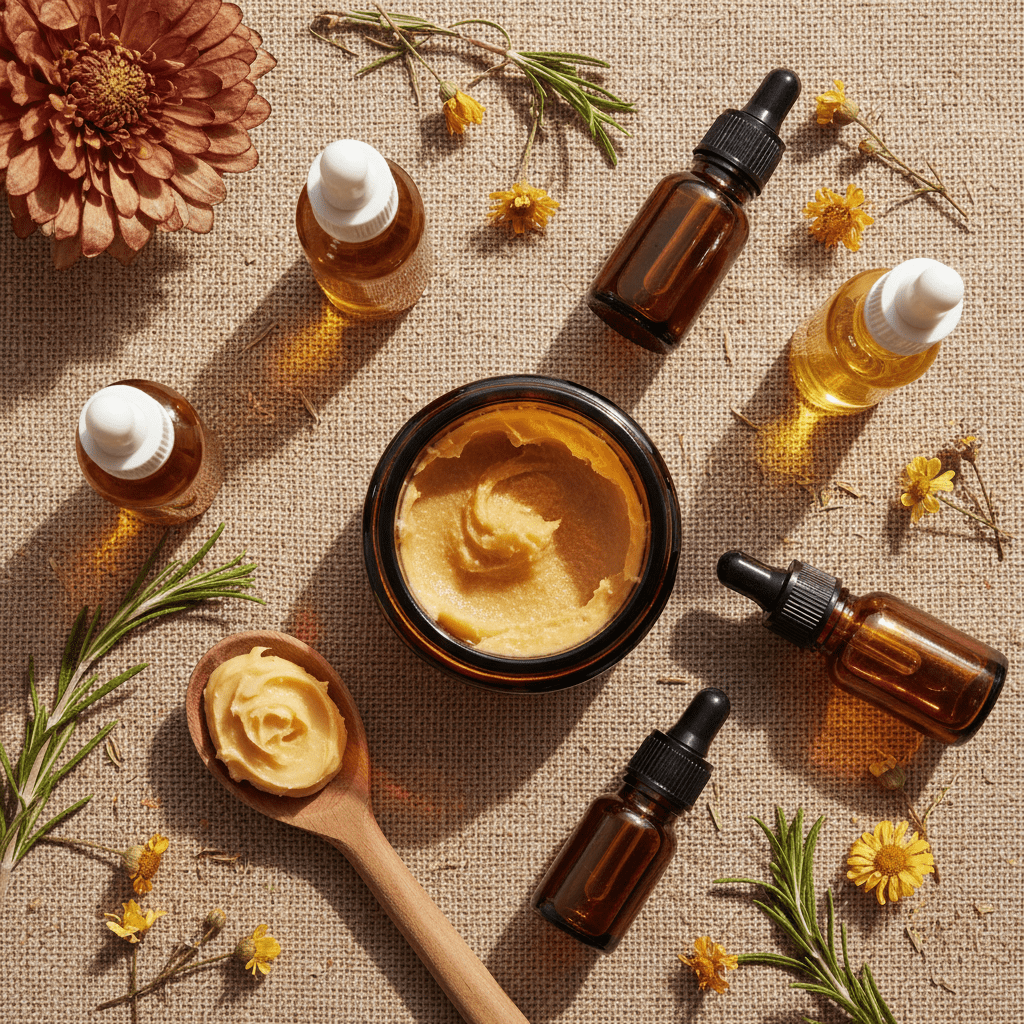
Introduction: The Buzz About Beeswax for Natural Hair Care
You know that moment when your hair feels dry, frizzy, and just plain stubborn? A lot of people reach for one-ingredient fixes now. That’s part of why natural hair care keeps growing, with the clean beauty market and natural hair care products both getting bigger every year.
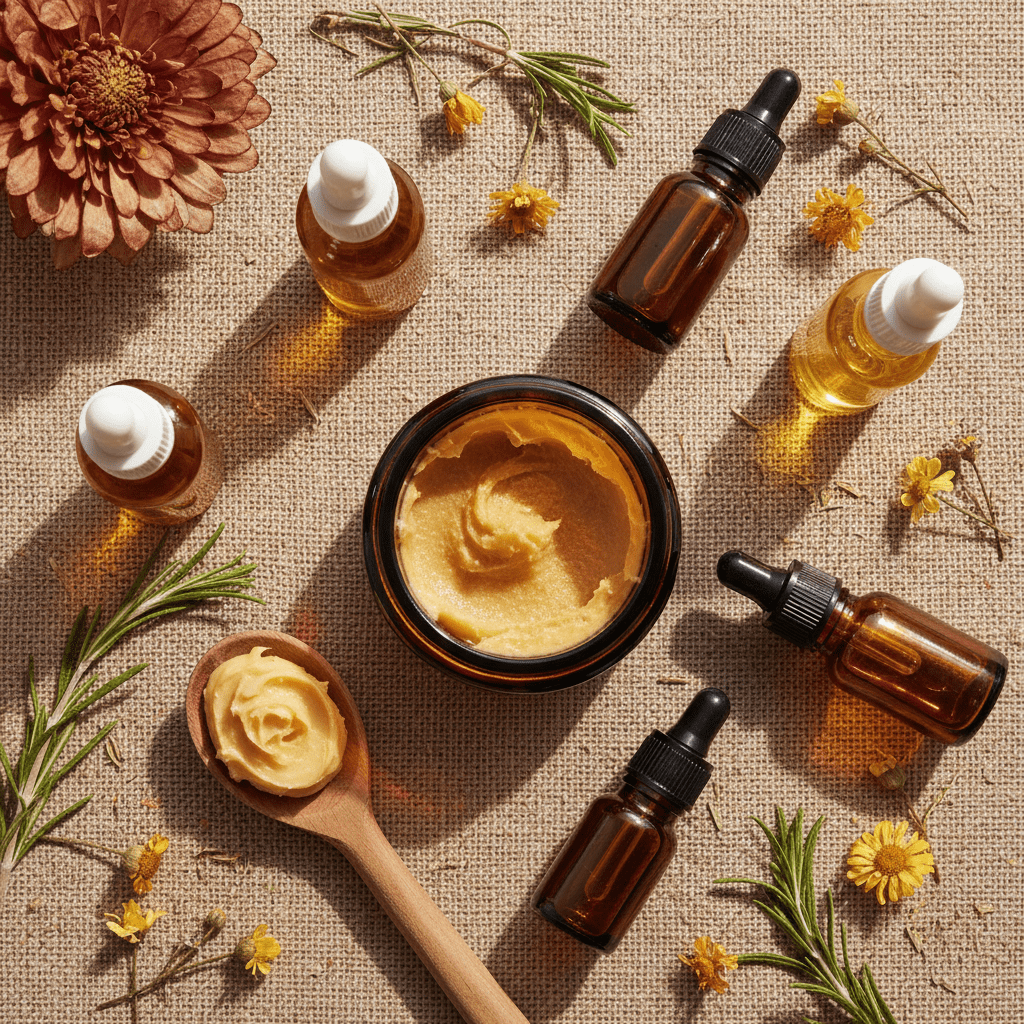
Beeswax for hair has been around for ages, but it still gets mixed up in all kinds of myths. Some folks call it a miracle for growth. Others say it only makes hair greasy. The truth sits somewhere in the middle.
Beeswax, also called cera alba for hair products, is mostly used as a natural hair sealant. It can help hold styles, smooth flyaways, and keep moisture from slipping out of the hair shaft. But it doesn’t magically make hair grow faster.
So in this guide, we’ll keep it simple and honest. We’ll look at beeswax benefits for hair, how using beeswax on hair really works, possible beeswax side effects on hair, and the best ways to remove buildup when it gets too heavy. Plus, we’ll clear up the biggest myths around beeswax for hair growth and scalp health.
What is Beeswax? Unpacking the Composition of Nature’s Protectant
Beeswax starts with busy honey bees. Tiny workers make it in their hives, and people have used it for ages in balms, creams, and old-school salves. Pretty cool for something that comes from a hive, right?
Its other name is cera alba for hair, and that pops up a lot in product labels. Beeswax is not just one thing, either. It’s a mix of fats and waxy parts, mostly esters, hydrocarbons, free fatty acids, and fatty alcohols. That mix gives it its thick, sturdy feel.
Here’s the simple part. Beeswax works in three main ways for hair care:
- Emollient: it helps hair feel softer and smoother
- Humectant: it can help pull in a bit of moisture
- Occlusive: it forms a seal on the hair shaft
That last one is the big deal for beeswax for hair. It does not feed the hair with moisture all by itself. But it can help trap the moisture that’s already there, which is why people use it as a natural hair sealant and for style hold. So if your hair gets puffy in humidity or frays at the ends, using beeswax on hair may help keep things in place.
And this isn’t some new trend. Beeswax has a long history in cosmetics and medicine, from ancient ointments to protective salves. That old use matters because it shows people trusted it for skin and hair care long before modern beauty shelves showed up. Still, beeswax is best seen as a sealing and styling ingredient, not a magic fix for beeswax for hair growth.
For brands and makers, beeswax also fits into the growing natural hair care space. The market is getting bigger year by year, and clean beauty keeps pulling more attention from shoppers who want simple ingredient lists and plant-based formulas.
If you’re making a balm, pomade, or edge product, beeswax can be a smart base. Aroma Monk’s essential oils and carrier oils can also pair well with it for a custom blend, especially in a DIY beeswax hair pomade or a small-batch hair cream. Plus, that gives you more room to shape scent, texture, and slip without overcomplicating the recipe.
One quick note though. Beeswax can build up. So later in this guide, we’ll get into how to remove beeswax from hair when it starts feeling heavy.
The Real Connection: How Beeswax Indirectly Supports Hair Growth
You know that frustrating moment when you’re doing everything right, but your hair still seems stuck? That’s where beeswax gets a little overhyped. It does not make hair follicles grow faster. Not really. Hair growth starts at the follicle, and that’s a body job, not a wax job.
But wait, there’s a better way to think about it. Beeswax helps create a cleaner path for growth by protecting the hair you already have. And that matters more than people think.
1. It Helps Hold in Moisture
This is probably the biggest beeswax benefit for hair. Beeswax is an occlusive, which means it sits on the hair shaft and forms a light barrier. It doesn’t add water into the hair by itself, but it helps keep the moisture you already put there from slipping away.
So if you wash, condition, and then seal with beeswax, your strands may stay softer for longer. That can help with dry ends, frizz, and breakage. And less breakage means you keep more length over time. Simple. Kind of old-school, but it works.
Think about it like wrapping leftovers before putting them in the fridge. The wax doesn’t make the food fresher, but it helps it stay good longer. Same idea.
Here’s why that matters for length retention:
| What beeswax can do | Why it helps hair |
|---|---|
| Seal the hair shaft | Cuts down on moisture loss |
| Smooth the outer layer | Lowers friction and tangling |
| Help tame flyaways | Makes styles last longer |
| Protect dry ends | Reduces split-end trouble |
This is why people like using beeswax on hair in pomades, edge balms, and twist creams. It’s less about growing new hair and more about keeping the hair you have in better shape.
2. It Can Support a Happier Scalp
Now, the scalp part. This one gets ignored a lot.
A dry, itchy, or flaky scalp can make hair care feel miserable, and sometimes it can also lead to more shedding or rough-looking hair. Beeswax itself has been used in skin care for a long time, and its soothing, protective feel can help in formulas made for stressed skin. That said, beeswax works best as part of a full blend, not as a one-ingredient miracle.
So if you’re dealing with scalp dryness, the goal is comfort first. Less scratching. Less irritation. Less messing with the roots all day. That can give your scalp a better shot at doing its job well.
And yes, scalp care does matter for beeswax for scalp health. A calmer scalp often means a better place for healthy hair to grow from, even if the wax itself is not pushing follicles to work faster.
A 2024 review of the natural hair care market put the space at about $10 to $12 billion, with more growth expected over the next decade Grand View Research. So it makes sense that more people are looking for simple ingredients like beeswax, cera alba for hair, and plant oils that do one job well.
So what’s the real takeaway?
Beeswax for hair growth is mostly a myth if you mean faster follicle growth. But if you mean better moisture hold, less breakage, and a calmer scalp, then yes, it can help a lot.
That’s the sweet spot. Not magic. Just smart support.
And if you’re making a DIY beeswax hair pomade, pairing beeswax with quality essential oils, carrier oils, or rose water from Aroma Monk can help you build a cleaner, more balanced formula. That way, you get hold, slip, and a nicer feel without piling on extra stuff your hair doesn’t need.
If your strands are dry or prone to snapping, beeswax might be worth a try. Just use it in a small amount, start slow, and watch how your hair reacts.
How to Use Beeswax on Hair: Practical Methods and DIY Recipes
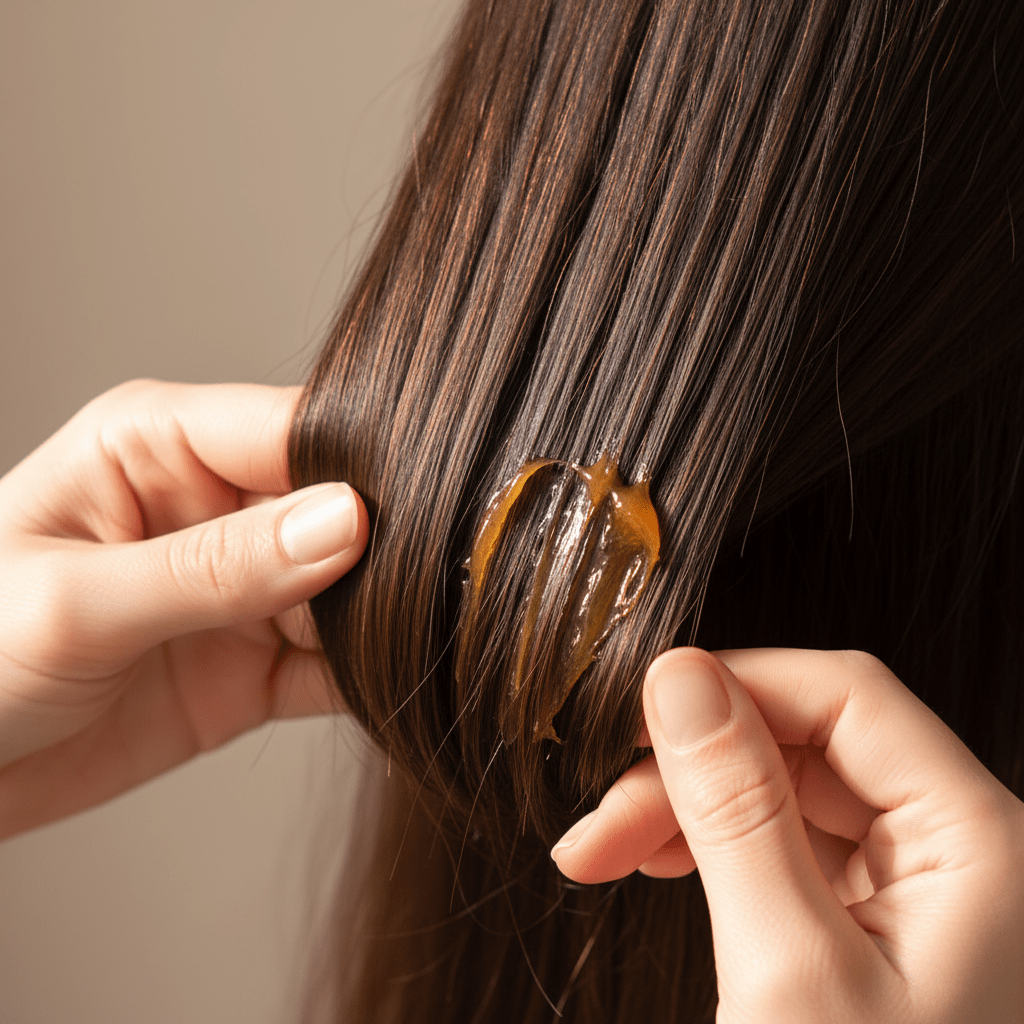
You know that moment when your ends look thirsty no matter what you do? That’s where beeswax can actually help, if you use it the right way. Not a glob. Not a scoop. Just a tiny bit.
The big rule is simple: moisturize first, then seal. Beeswax works best as a top layer, not as the first thing going on your hair. Think of it like a raincoat. It helps keep good stuff in place.
1. Use it as a sealant for dry ends
This is one of the easiest ways to try beeswax for hair.
Take a pea-sized amount of beeswax and warm it between your fingers. Then mix it with a little carrier oil like jojoba or coconut oil. Jojoba feels light, while coconut oil can feel richer, so pick what your hair likes best. Apply it only to damp ends. Not the scalp. Just the ends.
Why this works:
- helps keep moisture from slipping out
- can smooth rough tips
- may lower breakage from dry, split-prone ends
And yes, tiny matters here. Too much beeswax can make hair feel stiff or sticky. A little goes a long way. Really.
2. Use it for styling and frizz control
Beeswax also works well as a natural hair sealant for short styles, edges, locs, braids, and twist-outs that need hold. It can add shine and help flyaways stay down without making the hair look flat.
If you are making a DIY beeswax hair pomade, start with a soft mix first. That gives you hold without turning your hair into a helmet.
Here is a simple ratio guide:
| Hold level | Beeswax | Oils and butters |
|---|---|---|
| Soft hold | 1 part | 3 to 4 parts |
| Medium hold | 1 part | 2 to 3 parts |
| Firm hold | 1 part | 1 to 2 parts |
For fine hair, lighter oils like jojoba or grapeseed usually feel better. For dry or coarse hair, castor oil, avocado oil, or olive oil can bring more slip and comfort.
DIY Beeswax Hair and Scalp Balm
This one is simple, beginner-friendly, and easy to store.
You will need:
- 1 tablespoon beeswax
- 2 tablespoons shea butter
- 2 tablespoons jojoba oil or grapeseed oil
- a clean tin or small jar
Steps:
- Set a heat-safe bowl over a pot with a little simmering water.
- Add the beeswax and shea butter.
- Stir until both melt fully.
- Take the bowl off the heat.
- Stir in the oil slowly.
- Pour into a clean tin or jar.
- Let it cool all the way before closing the lid.
Use a tiny bit on the ends, edges, or dry spots. If you want, you can add one or two drops of a pure essential oil for scent, but keep it light.
A quick heads-up. Beeswax can build up, so do not keep layering it day after day without washing. If your hair starts to feel coated, you may need to look into how to remove beeswax from hair with an oil pre-wash and a clarifying shampoo.
For brands and makers, this is also where good ingredients matter. Quality essential oils, carrier oils, and rose water can fit into small-batch balm recipes or salon products when you want cleaner labels and better control over the final feel.
If your goal is hold, shine, and less frizz, beeswax can be a solid helper. Just keep it light. Keep it simple. And test it first on one section before going all in.

Get a quote from Aroma Monk.
Essential Oil Supplier – Bulk pricing • Samples • Fast response
Potential Risks & Proper Removal: Avoiding Beeswax Buildup
You know that slick, coated feeling hair gets after one too many heavy products? Beeswax can do that fast. And yep, that’s the biggest tradeoff with beeswax for hair.
It’s water-insoluble, so plain water won’t wash it out well. If you keep adding it without a good cleanse, it can sit on the hair shaft, weigh strands down, and make your scalp feel cramped and greasy. Not cute. Not fun.
Here’s the thing though. That doesn’t mean beeswax is bad. It just means you need a reset now and then.
Why buildup happens
Beeswax acts like a natural hair sealant, which is great for hold and frizz control. But the same coating that helps trap moisture can also trap old product, dust, and oil. Over time, that can make hair look dull and feel hard to move. For some folks, it may even make the scalp feel blocked or itchy.
If you’re using a DIY beeswax hair pomade or edge balm, this matters even more. Heavy recipes can pile up fast, especially on fine hair.
How to remove beeswax from hair
The best how to remove beeswax from hair plan is usually a two-step fix:
Step 1: Oil pre-treatment
Rub a little olive oil or coconut oil into the coated parts of your hair. Let it sit for 10 to 15 minutes. The oil helps loosen the wax so it can slide out more easily.
Step 2: Clarifying wash
Wash with a clarifying shampoo. A sulfate shampoo often works best for beeswax buildup because it cuts through waxy residue better than a soft cleanser. If your hair still feels coated, shampoo a second time.
Then follow with a moisturizing conditioner. Your hair will probably feel much better after that.
| Step | What to use | Why it helps |
|---|---|---|
| 1 | Olive oil or coconut oil | Softens and loosens wax |
| 2 | Clarifying or sulfate shampoo | Lifts buildup off hair |
| 3 | Conditioner | Brings back softness |
Other beeswax side effects on hair
Most people handle beeswax just fine. But a few things can go wrong.
- Allergic reaction: Some people with pollen or honey allergies may react to beeswax
- Scalp irritation: Itching, redness, or flaking can show up if your skin doesn’t like it
- Too much stiffness: Fine hair can feel stiff or sticky with only a small amount
So do a patch test first. Always. Put a little product on your inner arm or behind your ear and wait 24 hours. If it stings, itches, or turns red, skip it.
Actually, that tiny test can save you a big headache later.
A simple rule for safer use
Use beeswax lightly. Don’t layer it every day unless your hair really needs that much hold. If you want a calmer routine, mix cera alba for hair with lighter oils, then wash it out before it builds up.
And if you’re making products for clients or selling them through a brand, quality oils matter here too. Aroma Monk’s essential oils, carrier oils, and rose water can help you build cleaner formulas with better balance and less drag.
So yes, beeswax for scalp health can make sense in the right blend. But once it starts to sit too long, it’s time for a wash day. No shame in that.
Beeswax vs. The Alternatives: A Comparative Look
Beeswax gets a lot of attention, but it’s not the only player on the shelf. And honestly, that’s good news. Hair care is not one-size-fits-all, and the best pick usually depends on how much hold you want, how soft you want your hair to feel, and how much cleanup you’re willing to do later.
Here’s the short version: waxes give shape and sealing power. Butters bring softness. Different jobs. Different feel.
Beeswax, Shea Butter, Mango Butter, and Candelilla Wax
| Ingredient | Hold / Stiffness | Moisture or Seal? | Ease of Removal | Best For |
|---|---|---|---|---|
| Beeswax | Strong hold, can feel stiff | Mostly sealing | Harder to wash out | Thick, coarse, textured, or styled hair |
| Shea Butter | Very little hold | Mostly moisturizing | Easier to remove | Dry, curly, coily, or damaged hair |
| Mango Butter | Very little hold | Mostly moisturizing, lighter feel | Easier to remove | Fine to medium hair that wants softness |
| Candelilla Wax | Firm hold, a bit harder than beeswax | Mostly sealing | Slightly easier than beeswax | Vegan formulas, edge control, pomades |
So how do they stack up?
Beeswax for hair is the hold champ here. It helps smooth flyaways, lock in moisture, and keep styles in place. But it can also feel sticky if you use too much. And yes, buildup can be a pain.
Shea butter is more of a comfort ingredient. It softens dry strands and adds slip, but it won’t give much shape. If your hair needs moisture more than structure, this is usually the kinder pick.
Mango butter is similar to shea, just a little lighter. It’s nice for people who want softness without that heavy, buttery feel. It doesn’t act like a natural hair sealant the way beeswax does, though.
Candelilla wax is the vegan swap people often ask about. It gives strong hold too, sometimes even firmer than beeswax, and it’s a good fit for folks who want a plant-based option. The tradeoff? It still acts like a wax, so it’s not a moisture booster.
Which one should you choose?
- Choose beeswax if you want hold, edge control, or a DIY beeswax hair pomade.
- Choose shea butter if your hair feels dry and needs softness.
- Choose mango butter if you want a lighter, creamier feel.
- Choose candelilla wax if you want a vegan wax with firm shape.
For a lot of people, the best recipe is a mix. For example, beeswax plus shea butter can give you hold and softness at the same time. That’s why so many small-batch makers pair it with quality carrier oils, essential oils, or rose water from Aroma Monk. It helps balance the texture without making the product feel too heavy.
Actually, that’s the real trick. Don’t just ask, “What holds best?” Ask, “What will my hair like enough to keep using?” Big difference.
If you’ve been experimenting with using beeswax on hair and it feels too strong, try swapping in more butter next time. Or if you need more control, nudge the wax up a little. Small changes. Better results.
Conclusion: Is Beeswax the Right Choice for Your Hair Care Routine?
So, is beeswax for hair worth it? For a lot of people, yes. But not because it makes hair grow faster. That part is still mostly hype.
What beeswax can do is pretty handy. It acts like a natural hair sealant, helping lock in moisture, cut down on breakage, smooth flyaways, and give styles a bit more stay-put power. It can also support beeswax for scalp health when it’s used in a light, thoughtful blend that doesn’t crowd the scalp or leave it coated.
But here’s the thing. Beeswax works best when you keep it simple. Use sparingly, apply correctly, and cleanse thoroughly. That’s the whole game. A tiny amount on damp hair, usually after moisturizing, can go a long way. And when buildup starts showing up, don’t fight it. Wash it out with an oil pre-treatment and a clarifying shampoo.
If you’re trying to build healthier hair habits, beeswax can fit right in alongside the basics: enough water, good food, gentle handling, and low-tension styles. It’s not a miracle. Just a solid tool.
And honestly, that’s probably why people keep coming back to it.
If you want to try it, start small. Test one section first. See how your hair reacts. Then build from there with products that suit your routine, whether that’s a simple balm, a DIY beeswax hair pomade, or a custom blend with pure oils and rose water from Aroma Monk.
Healthy hair isn’t about one magic ingredient. It’s about the whole routine. Bee wax can help… but only when the rest of the care is doing its part too.
Get a quote from Aroma Monk.
Essential Oil Supplier – Bulk pricing • Samples • Fast response