
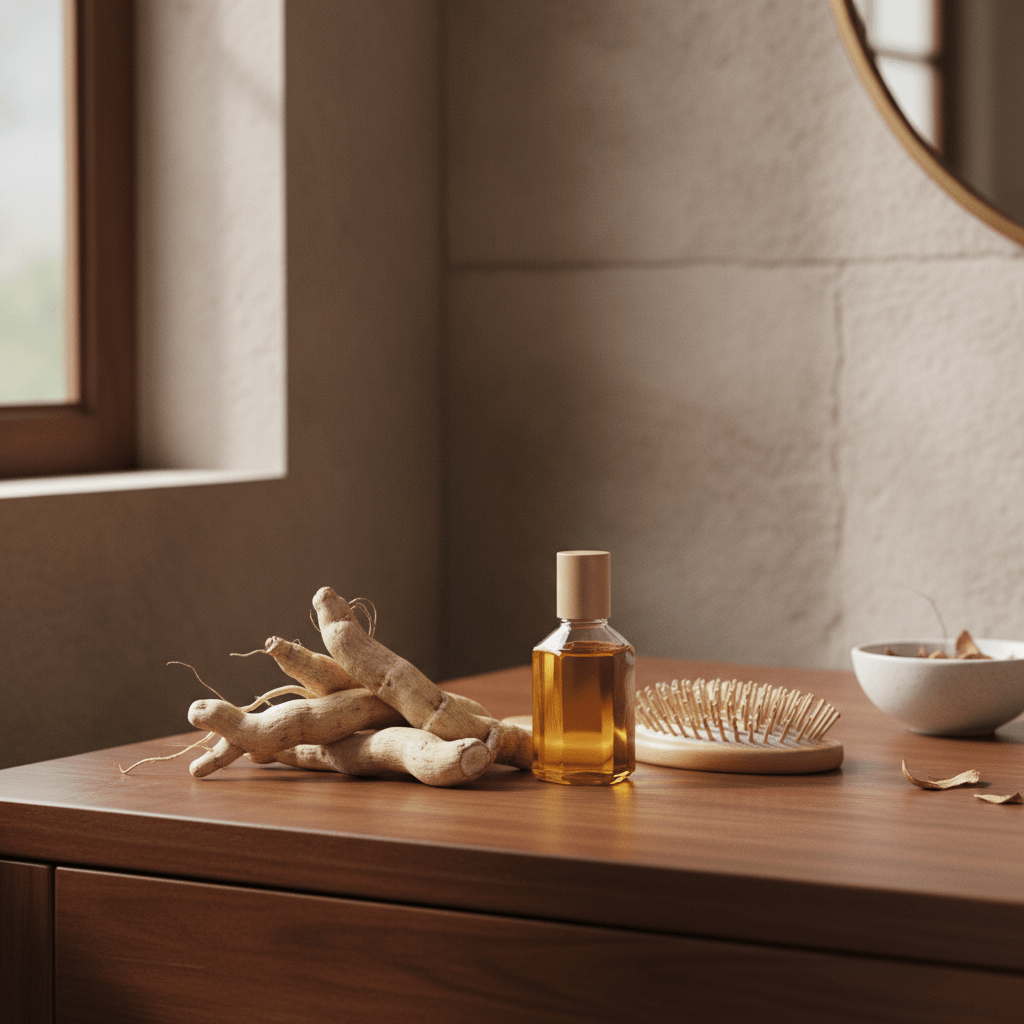
Harnessing an Ancient Herb for Modern Hair Woes
You know that sinking feeling when you spot more hair in the drain than on your head? Yeah, that one. Thinning strands, stress shedding, and flat, tired hair can feel like they show up out of nowhere, and fancy shampoos don’t always fix the deeper problem.
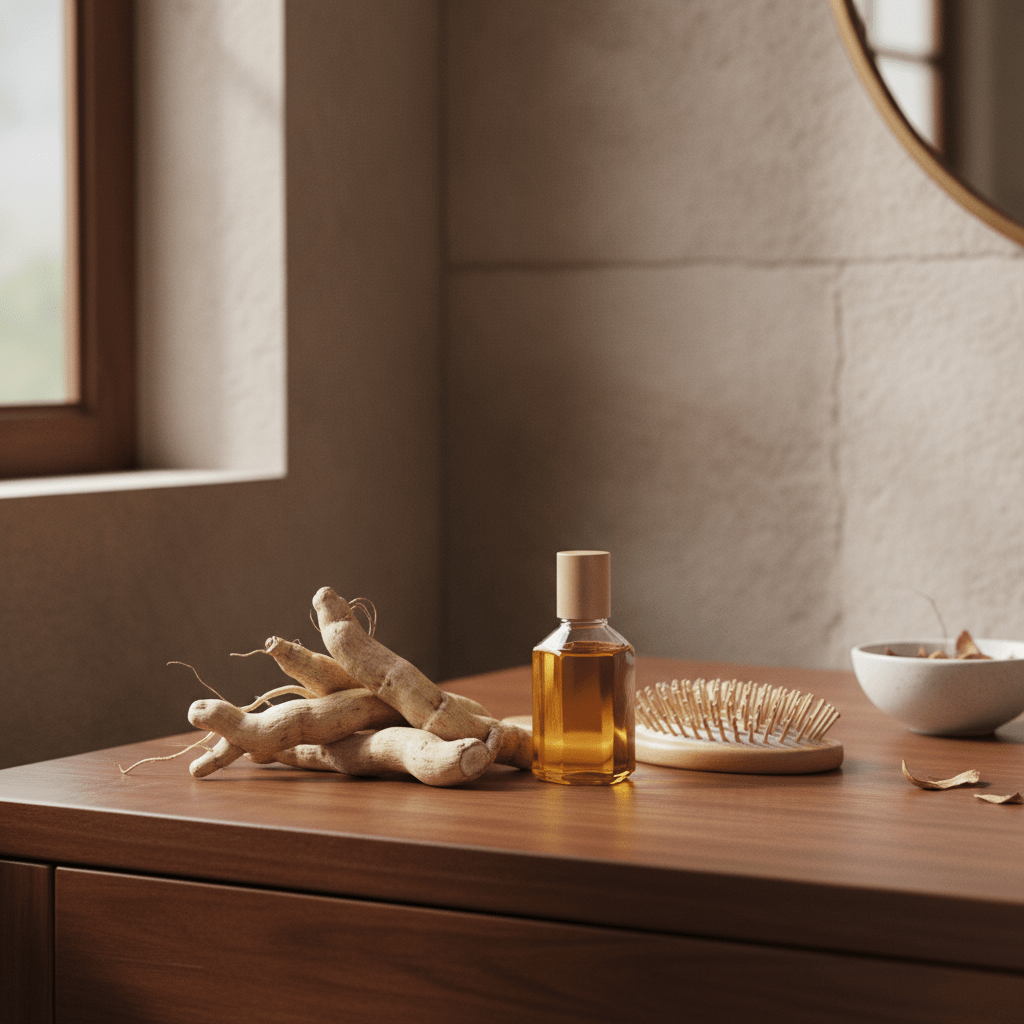
That’s where ashwagandha oil for hair starts sounding pretty interesting. Ashwagandha, or Withania somnifera for hair care, comes from Ayurveda, a 5,000-year-old Indian system that looks at body, mind, and daily habits together. It’s been used for stress relief and rejuvenation for a long time, and that matters because stress can push hair into a resting phase and slow growth for months (telogen effluvium review).
And that stress link is not just talk. Emotional strain and higher cortisol levels are tied to hair cycle disruption, which is why people often look for calm-first fixes, not just surface-level ones.
In this guide, we’ll look at the real ashwagandha benefits for hair, what the herb may do for the scalp, and how to use ashwagandha for hair in simple DIY ways. Plus, you’ll get easy ashwagandha oil recipe ideas, including a gentle ashwagandha hair mask diy if you want to test it at home first.
If you’ve been curious about ashwagandha for hair growth or ashwagandha for hair loss, you’re in the right spot. Let’s keep it simple and useful.
What is Ashwagandha and How Does It Benefit Hair?
Ashwagandha sounds fancy, but the idea is pretty simple. It’s a root herb that has been used in ayurvedic hair care for a long time, mostly because it helps the body handle stress better. And stress? Hair really feels that. When your body is under strain, hair can shift into a resting phase and start shedding for weeks or even months.
That’s why people talk about ashwagandha for hair loss and ashwagandha for hair growth in the same breath. It’s not magic. It’s more like helping the body calm down so the hair cycle can get back on track.
Ashwagandha, or Withania somnifera for hair, is known as an adaptogen. That just means it may help your body deal with stress in a steadier way. In simple terms, it’s a “calm the system” herb. Less stress can mean less cortisol, and high cortisol is one of the things linked to hair shedding and a messed-up growth cycle. Weird, right? But that’s how the body works.
The herb also has withanolides, which are its main active compounds. These natural plant parts have antioxidant and anti-inflammatory effects, so they may help protect hair follicles from damage caused by stress and irritation. Think of it like giving the scalp a little backup crew.
Here’s the deal: when the scalp is under less stress, follicles can do their job better. That may support stronger strands and a healthier scalp over time. Not overnight. Hair is slow. Annoyingly slow.
And if you’re wondering how this fits into real life, it’s the same reason so many people look for calming routines before they look for expensive serums. A stressed-out scalp and a stressed-out body often show it.
For brands and buyers who work with natural ingredients, this is also why pure, lab-tested oils matter so much. Aroma Monk’s essential oils and carrier oils are made for clean beauty and personal care blends, so they can fit right into DIY hair oil recipes or larger product lines.
Quick look at why people use it
| Part of ashwagandha | Why it matters for hair |
|---|---|
| Adaptogen | May help the body handle stress better |
| Withanolides | Offer antioxidant and anti-inflammatory support |
| Cortisol support | May help lower stress signals tied to shedding |
| Ayurvedic use | Long history in body and hair wellness routines |
So if you’ve been asking yourself how to use ashwagandha for hair, the first step is understanding what it’s doing in the background. It’s not just about the strand. It’s about the stress behind the strand. And that shift in thinking can change the whole routine.

From Powder to Oil: Creating Your Base Ashwagandha Infusion
OK, this is where the fun starts.
If you want ashwagandha oil for hair that actually feels worth the effort, the base matters. A lot. You’re not just mixing things in a jar and hoping for the best. You’re building the part that carries the herb to your scalp, so the oil choice and the powder quality both count.
Step 1: Pick a good powder
Start with ashwagandha powder for hair that’s organic, clean, and made from the root. Root powder is the usual pick for Withania somnifera for hair care because that’s where most of the traditional use comes from. If the powder looks dusty, old, or weirdly clumpy, skip it. Seriously. Fresh matters here.
Step 2: Choose your carrier oil
Here’s the deal. Different oils do different jobs.
| Carrier oil | Best for | Hair feel |
|---|---|---|
| Coconut oil | Dry or frizzy hair | Light, cooling, penetrates well |
| Sesame oil | Thick, weak, or stressed hair | Warm, rich, nourishing |
| Olive oil | Very dry hair | Heavy moisture and softness |
Coconut oil is a popular base because it sinks into the hair better than many other oils. Sesame oil feels warmer and more grounding, which fits ayurvedic hair care really well. Olive oil is the softie in the group. It’s nice if your hair feels thirsty all the time.
Step 3: Make the infusion
A simple ashwagandha oil recipe goes like this:
- Add 2 tablespoons of ashwagandha powder to a clean glass jar.
- Pour in 1/2 cup of carrier oil.
- Stir well so the powder is coated.
- Set the jar in a warm spot for 2 to 4 weeks, or warm it gently in a double boiler for a few hours on low heat.
- Strain through a fine cloth or coffee filter.
- Store in a dark bottle.
If you use heat, keep it low and slow. Around 98°F to 113°F is the sweet spot. Hotter than that, and you can damage the good plant bits.
Step 4: Use it the simple way
Massage the oil into your scalp for 5 to 10 minutes. Not a hard scrub. Gentle circles. Then leave it on for about 30 minutes before washing it out. That gives your scalp time to soak it up without feeling greasy for half the day.
And if you’re making this for a brand or bulk line, purity is a big deal. Aroma Monk’s lab-tested essential oils, carrier oils, and natural attars fit well for clean beauty and personal care blends, especially if you want steady quality for DIY hair products or larger runs.
A quick note on what to expect
This won’t fix everything overnight. Hair is slow. But if stress is part of the problem, a calm routine can help more than a flashy bottle that smells nice and does nothing.
If you’re testing ashwagandha oil for hair loss or ashwagandha for hair growth, start with one small batch first. Then watch how your scalp feels. That’s the real clue.
DIY Recipe 1: Ashwagandha Growth-Boosting Scalp Treatment
You know that moment when you’re rubbing your scalp and thinking, “Please, just do something”? This is the kind of recipe for that mood.
This ashwagandha oil for hair blend mixes calm-supporting herbs with oils that help the scalp feel nourished and awake. The idea is simple. Ashwagandha may help with stress-related shedding, while castor oil and rosemary oil bring in a little extra scalp pep. And yes, that combo is a pretty common one in ayurvedic hair care.
Here’s the quick version:
| Ingredient | Amount | What it does |
|---|---|---|
| Ashwagandha-infused oil | 1/4 cup | Base oil that carries the herb to the scalp |
| Castor oil | 1 tbsp | Thickens the mix and helps coat roots |
| Rosemary essential oil | 5 drops | Adds a scalp-stimulating boost |
How to mix it
- Pour 1/4 cup ashwagandha oil into a small glass bowl.
- Add 1 tbsp castor oil.
- Drop in 5 drops rosemary essential oil.
- Stir well for 20 to 30 seconds.
- If your oil smells strong or feels extra thick, add a tiny bit more ashwagandha oil.
That’s it. No fancy tools. No weird kitchen science.
How to use it
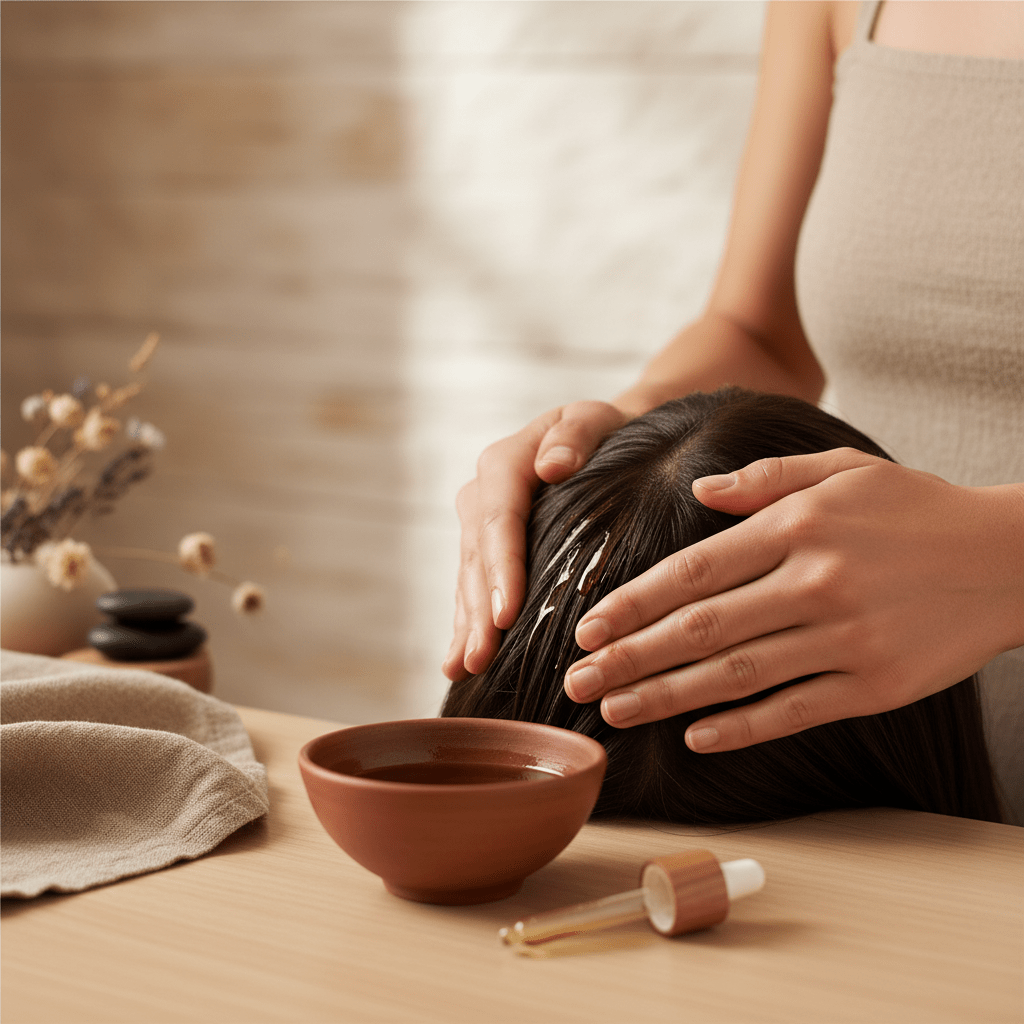
Massage the blend into your scalp with your fingertips for 5 to 10 minutes. Use small circles. Be gentle. You’re waking up the scalp, not sanding wood.
Then leave it on for about 30 minutes before washing it out with a mild shampoo. If your hair is very dry, you can leave it on a little longer, but don’t make it a full-night mess unless your scalp already likes heavier oils.
Why this blend gets attention
Ashwagandha is used in Withania somnifera for hair routines because it may help calm stress signals tied to shedding. Castor oil brings ricinoleic acid, which is often linked to a healthier scalp feel and better circulation. Rosemary oil gets used a lot in ashwagandha for hair growth blends because people like it for scalp stimulation and root support.
So what are we really after here? Stronger roots. Less breakage. A scalp that feels a bit less cranky.
Now, I’m not saying this oil will fix every hair problem. It won’t. But if stress is part of your ashwagandha for hair loss story, this kind of treatment can be a nice place to start. And if you’re testing a small batch at home, that’s smart. Tiny trial first. Always.
If you want to go one step further, pair this with a simple ashwagandha hair mask diy once a week and keep the rest of your routine gentle. Hair likes consistency more than drama.
DIY Recipe 2: Soothing Ashwagandha Hair Mask for Scalp Health
You know that itchy, flaky scalp day? The one where you keep scratching and then feel a little annoyed with yourself? Yep, this mask is for that.
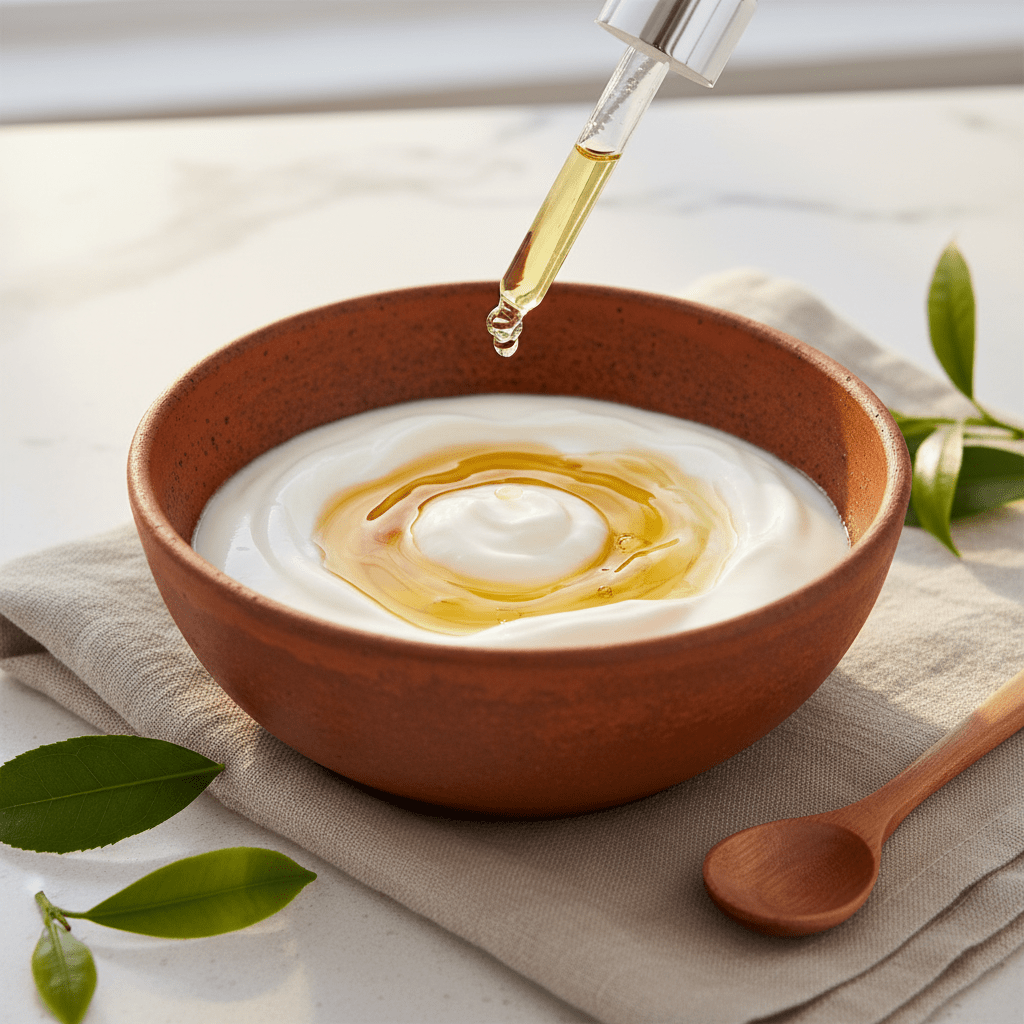
An ashwagandha hair mask diy can be a nice next step if your scalp feels dry, irritated, or just plain tired. This one mixes your infused ashwagandha oil for hair with plain yogurt and a tiny bit of tea tree oil. The combo is simple, but it covers a lot of ground. Yogurt brings lactic acid and moisture, which can help loosen buildup a bit and soften the scalp. Tea tree oil is known for helping with dandruff and flaky skin, and a study on dandruff found a 5% tea tree oil shampoo improved severity a lot more than placebo (tea tree oil dandruff study).
And yes, that matters for ashwagandha for hair loss routines too, because a calm scalp is usually a happier scalp. Stress can push hair into the resting phase, and scalp irritation can make the whole thing feel worse. The mask won’t fix everything, but it can help with itchiness, inflammation, and that dry, cranky feeling.
You’ll need
| Ingredient | Amount | Why it’s here |
|---|---|---|
| Ashwagandha-infused oil | 2 tbsp | Helps calm and nourish the scalp |
| Plain yogurt | 2 tbsp | Adds moisture and mild exfoliation |
| Tea tree oil | 2 drops | Helps with dandruff and scalp buildup |
How to make it
- Put 2 tbsp yogurt in a small bowl.
- Add 2 tbsp ashwagandha oil.
- Drop in 2 drops tea tree oil.
- Stir until it looks smooth.
- Do a quick patch test first if your skin gets fussy.
Keep the tea tree oil low. Really low. More is not better here.
How to use it
Massage the mask into your scalp with your fingertips. Use gentle circles. Don’t scrub like you’re cleaning a pan. Leave it on for 20 to 30 minutes, then rinse well with lukewarm water and wash with a mild shampoo.
If your scalp is very sensitive, start with tea tree oil only once a week. And if yogurt isn’t your thing, you can swap in aloe vera gel for a softer, plant-based option. It’s a nice pick for people who want a gentler ayurvedic hair care routine.
I like this recipe because it feels practical. No fancy tools. No long wait. Just a simple ashwagandha oil recipe that fits real life, even on a busy Tuesday.
Get a quote from Aroma Monk.
Essential Oil Supplier – Bulk pricing • Samples • Fast response
DIY Recipe 3: Deep Conditioning Ashwagandha Treatment for Shine and Strength
Dry hair can get grumpy fast. It frizzes. It snaps. It just looks tired.
And if stress has been part of your story lately, that can show up in your strands too. Hair loss linked to stress is often tied to telogen effluvium, where hairs shift into a resting phase for a while and stop growing for months. The medical overview on telogen effluvium also points out that emotional strain can trigger it, which is why a soothing hair routine can feel like a small win.
This is where a deep conditioning ashwagandha oil for hair treatment can help. It’s a simple mix for dry, brittle hair that needs more slip, more shine, and a little less drama.
You’ll need
| Ingredient | Amount | Why it’s here |
|---|---|---|
| Ashwagandha-infused oil | 2 tbsp | Brings the herb into your hair routine |
| Argan oil | 1 tbsp | Adds vitamin E, smoothness, and shine |
| Lavender essential oil | 3 drops | Gives a calm scent and a soft feel |
Argan oil is a nice pick here because it coats the hair shaft, helps smooth the cuticle, and can make split ends look less rough. Lavender oil just makes the whole thing feel a bit more spa-like. Which, honestly, we all need sometimes.
How to mix it
- Add 2 tbsp ashwagandha oil to a small bowl.
- Pour in 1 tbsp argan oil.
- Add 3 drops lavender essential oil.
- Stir until the blend looks even.
That’s it. No fuss. No weird gadgets.
How to use it
Use this blend as a pre-shampoo treatment if your hair feels dry but you still need to get moving soon. Massage it into the mid-lengths and ends, then leave it on for 30 to 45 minutes before washing with a gentle shampoo.
If your hair is really parched, you can use it as an overnight mask. Just wrap your hair in a soft towel or a silk bonnet so your pillow doesn’t get oily. Been there. Not cute.
Why this works so well
This kind of ashwagandha oil for hair treatment helps by adding moisture and softness while the herb supports the calmer, stress-friendly side of ayurvedic hair care. The oils help seal the cuticle, which can cut down on breakage and make hair look shinier. Less frizz. Less roughness. More smooth.
And if you’re using ashwagandha for hair growth as part of a bigger routine, this step helps protect the hair you already have. That matters just as much.
Before you go all in, do a small patch test. A little bit on the inner arm for 24 hours is smart, especially if your skin gets picky. Then start with one treatment a week and see how your hair feels.
For brands or bulk buyers, this kind of blend is also where pure raw materials matter. Aroma Monk’s lab-tested essential oils, carrier oils, and rose water fit nicely into clean beauty and personal care formulas, whether you’re making DIY products at home or building a product line at scale.
How to Use Ashwagandha Oil for Hair: Application and Frequency
You know what trips people up? The oil itself is only half the story. The other half is how you put it on, how long you leave it, and how often you use it. Mess that up, and even a nice ashwagandha oil for hair blend can feel like a sticky chore.
Here’s the simple way to do it:
- Start with dry or slightly damp hair.
- Part your hair into 4 to 6 sections.
- Put a few drops on your fingertips or palms.
- Rub the oil into your scalp with small circles.
- Move from the hairline to the crown.
- Add a little to the ends if they feel dry.
- Leave it on for 30 minutes, then wash it out.
And don’t go hard on the scalp. Gentle pressure works better. Think massage, not scrub brush. A light scalp massage for 5 to 10 minutes can help blood flow, which is one reason many people pair ayurvedic hair care with this kind of routine.
How often should you use it?
| Hair goal | How often |
|---|---|
| Ashwagandha for hair growth support | 1 to 2 times a week |
| Ashwagandha for hair loss support | 1 to 2 times a week |
| Deep conditioning | About once a month |
| Sensitive scalp | Start with once every 2 weeks |
For washing, here’s the trick that saves a lot of hassle: apply shampoo to dry, oiled hair first. Yup, dry hair. That helps break down the oil before water hits it. Then rinse, shampoo again if needed, and finish with a gentle cleanser so you don’t strip your strands raw.
If your hair feels fine after that first wash, don’t keep shampooing just because you think you should. Less can be more here. Weird, but true.
And if you’re using a homemade ashwagandha hair mask diy or a heavier ashwagandha oil recipe, patch test first. Put a little on your inner arm for 24 hours. If it stings or gets red, skip it.
For brands looking for clean, steady ingredients, Aroma Monk’s lab-tested essential oils, carrier oils, and rose water can fit into DIY hair blends or larger product lines. Pure input materials matter. A lot.
Potential Side Effects and Important Precautions
You know the part people skip? The safety part. And that’s usually where mistakes happen.
Even ashwagandha oil for hair can cause a reaction, especially if your skin is sensitive or you mix it with other strong ingredients. So before you put it all over your scalp, do a 24-hour patch test. Put a small dab on the inner arm or behind the ear, then wait. If you see redness, itching, burning, or swelling, don’t use it.
Also, natural doesn’t always mean safe. Not even close. A plant can still bother your skin, and some people should check with a doctor first, including:
- Pregnant women
- Breastfeeding women
- People with autoimmune conditions like lupus, MS, or rheumatoid arthritis
- People with hyperthyroidism
- Anyone getting ready for surgery
If you’re using ashwagandha powder for hair or a stronger ashwagandha oil recipe, keep the mix gentle. More drops won’t help. They can backfire. Especially with tea tree oil or essential oils. Use small amounts, and if you’re unsure, ask a doctor or skin pro first.
That’s the smart way to use Withania somnifera for hair in ayurvedic hair care. Calm, simple, and careful. Plus, your scalp will probably thank you.
Integrate Ashwagandha into Your Holistic Hair Care Ritual
Ashwagandha isn’t a magic fix. But it can be a smart part of a calmer hair routine.
If stress is nudging your hair into shedding mode, ashwagandha oil for hair may help support a better balance from the outside in. That matters because stress-related shedding, or telogen effluvium, can kick hairs into a resting phase for 1 to 6 months, and emotional strain is one of the known triggers (telogen effluvium review).
And that’s really the big takeaway. Ashwagandha benefits for hair are best seen as part of a bigger picture. Use it with good sleep, less stress, and a steady diet with enough protein, iron, and healthy fats. Topical care helps. So does how you live.
Here’s the simple path:
- Try one ashwagandha oil recipe this week.
- Use gentle scalp massage.
- Keep your mask or oil treatment to once or twice a week.
- Watch how your scalp feels, not just how fast your hair grows.
If you want to start small, pick the recipe that fits your hair best. A scalp oil. A soothing mask. Maybe a deep conditioning mix. Then build from there.
Hair care doesn’t have to be loud. It just has to be steady. And honestly, that’s where ayurvedic hair care shines.
So go ahead and give Withania somnifera for hair a try. Your routine might feel a little calmer… and your strands may like that a lot.
Get a quote from Aroma Monk.
Essential Oil Supplier – Bulk pricing • Samples • Fast response