
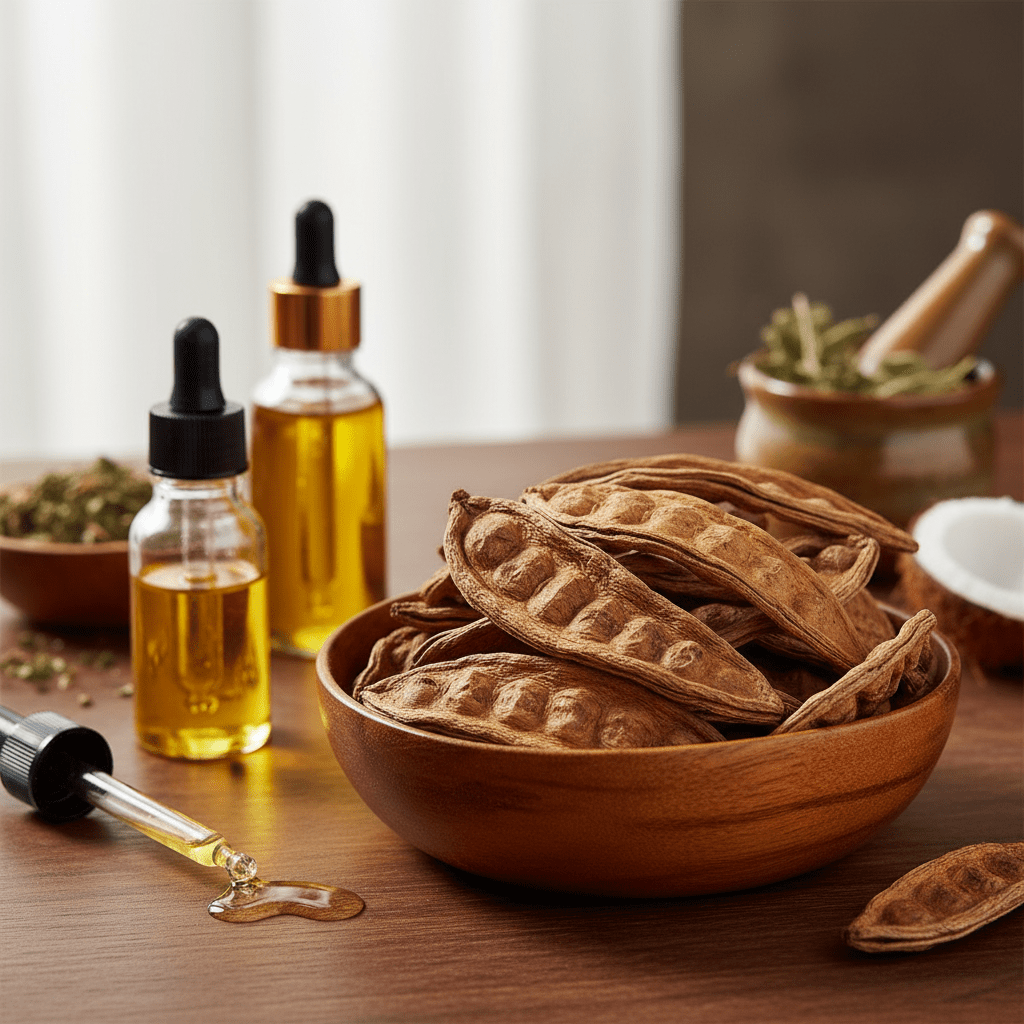
Rediscover an Ancient Hair Care Secret: Why Shikakai Oil is Making a Comeback
You know that tired feeling when your hair looks dull no matter what you do? Or when breakage shows up in the brush again and again, and the bottle under your sink keeps changing every month? Yeah, we’ve all been there.
That’s one reason shikakai oil benefits are getting so much attention right now. More people are moving toward natural hair care, and the market shows it. One recent report says the natural hair care products market was worth billions in 2024 and is still growing fast, with women making up most of the sales market growth data.
Shikakai, also called Acacia concinna for hair, isn’t new at all. It’s a time-tested herb from traditional Indian hair care and Ayurveda, where it has long been used for cleansing the scalp, easing dandruff, and supporting stronger-feeling hair. And here’s the cool part: today, people are using it in oil form, not just powder.
In this guide, we’ll look at what shikakai oil is, the main benefits of shikakai, how it may help with scalp comfort and breakage, how to use shikakai oil, and even a simple DIY shikakai oil method if you want to make your own at home. Plus, we’ll touch on what to look for if you buy a ready-made ayurvedic hair oil. Nice and simple. No fluff.
What Exactly is Shikakai? From the ‘Fruit for Hair’ to Potent Oil
A lot of people hear “shikakai” and think it’s some new trend. It’s not. Not even close.
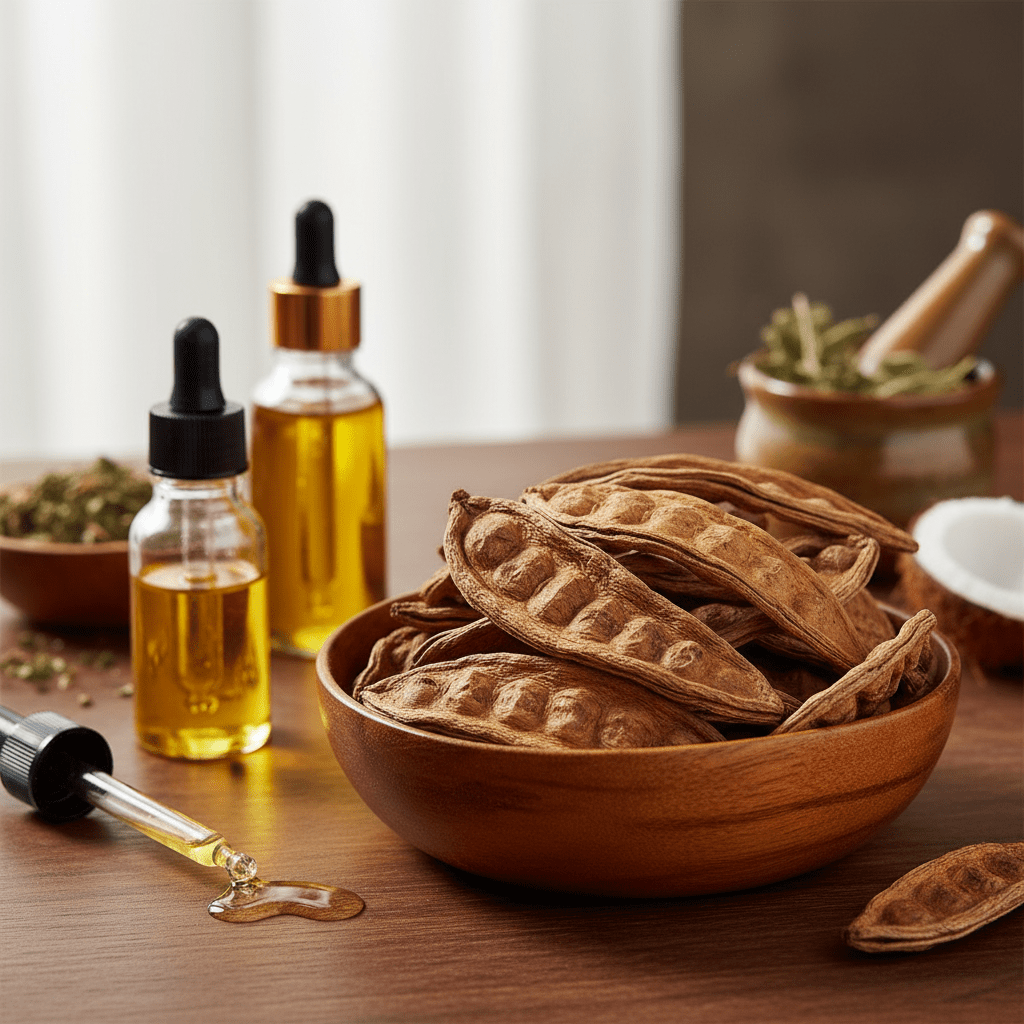
Shikakai comes from the Acacia concinna plant, a climbing shrub that grows in parts of Asia, especially central and southern India. In traditional Indian hair care, people have used its dried pods for ages. Folk names even call it the “fruit for hair,” which honestly fits pretty well.
Back then, people didn’t need a fancy bottle or a long ingredient list. They dried the pods, crushed them, and mixed the powder with water, or with herbs like amla and reetha, to wash the scalp and hair. That old-school powder is still the classic form. But shikakai oil is different. It’s made by infusing shikakai into a base oil like sesame or coconut, so it works more like a massage oil and pre-wash treatment than a wash itself.
Here’s the simple split:
| Form | What it is | How people use it |
|---|---|---|
| Shikakai powder | Dried pods ground into powder | Mixed with water for cleansing |
| Shikakai-infused oil | Shikakai soaked into carrier oil | Massaged into scalp before washing |
Ayurveda has long described shikakai as a hair-loving herb, or keshya. It’s known for helping cleanse the scalp without being harsh, which is one reason many people look at it as a more gentle part of natural hair care with shikakai. The idea is simple: clean the scalp, keep it comfy, and don’t strip away too much of its natural moisture.
And that matters now more than ever. In one market report, women made up 71.4% of revenue in the natural hair care market, and the category was valued at USD 10.17 billion in 2024 natural hair care market data. So yeah, people are paying attention.
If you’ve been curious about shikakai oil benefits, this is the place to start. It’s old wisdom, just showing up in a new bottle.
The Science of Shine: Deconstructing the Nutritional Power of Shikakai
Ever notice how some hair feels clean, but not stripped? That’s the sweet spot people keep chasing. And shikakai is one of the old-school ingredients that tries to live right there.
Shikakai pods are packed with natural saponins. That sounds fancy, but here’s the simple version: saponins help lift away dirt and extra oil while making a light lather. So you get cleansing without the harsh, squeaky-clean feeling that synthetic sulfates can leave behind. That’s a big reason shikakai oil benefits get so much love in natural hair care with shikakai.
Actually, wait, there’s more going on than just cleansing.
Shikakai also contains plant compounds like flavonoids, tannins, and phenols, plus vitamins A, C, D, E, and K. These nutrients are often linked with scalp comfort, healthy-looking follicles, and less dullness. Vitamin C helps support collagen, vitamin E is known for its skin-loving feel, and the other vitamins help round out the formula in a quiet, steady way. No magic. Just plant support.
Here’s a quick look at what people usually want from shikakai for hair growth and scalp care:
| Plant part | What it may help with | Why people care |
|---|---|---|
| Natural saponins | Gentle cleansing | Less oil buildup, less rough feeling |
| Vitamins A, C, D, E, K | Scalp and follicle support | Helps hair feel nourished |
| Antioxidants | Free-radical defense | May help protect hair and scalp from daily stress |
And those antioxidants matter. Pollution, sun, heat styling, and plain old stress can leave hair looking tired. Lab work on Acacia concinna has shown antioxidant activity, which means it may help fight free-radical damage before your hair starts looking fried and flat. That’s one reason people call it a smart pick in an ayurvedic hair oil routine.
For folks who buy ingredients in bulk, this is also why a lab-tested, pure oil matters. Aroma Monk, for example, focuses on pure natural oils and traceable supply, which is handy if you’re making your own formulas or building a product line. And if you’re curious to try it yourself, a simple DIY shikakai oil recipe starts with a good carrier oil and a slow infusion. Nothing wild. Just steady, clean ingredients.
So yes, shikakai oil benefits are about more than shine. It’s the mix of gentle cleansing, plant nutrients, and antioxidant support that keeps people coming back.
7 Proven Shikakai Oil Benefits for Transformative Hair Health
You know that moment when your hairbrush looks like it won a fight? Not fun. And if you’ve been flipping between serums, masks, and miracle bottles that promise a lot but do very little, you’re not alone.
That’s why shikakai oil benefits keep getting more love. People want hair care that feels gentle, works with the scalp, and doesn’t leave hair dry or stiff. The interest is real too. Natural hair care is still growing fast, and women make up most of the buyers in this space natural hair care market data.
Here are 7 ways shikakai oil may help your hair feel better, look shinier, and act a little less dramatic.
1. May help hair feel stronger and shed less
This is the big one. A lot of people look up shikakai for hair growth because they want roots that feel supported, not weak and slippery.
Shikakai, or Acacia concinna for hair, has long been used in traditional Indian hair care for hair strength and scalp comfort. Old Ayurvedic writings describe it as a hair-loving herb, and many users still reach for it for that same reason. The idea is simple. A clean scalp, less buildup, and a nourished-feeling root area can make hair seem fuller over time.
I can’t promise overnight magic. No oil can. But if your hair breaks easily, a gentler routine can help you keep more of what you grow.
2. Helps with dandruff and scalp itch
You know that annoying flake-on-the-shoulder situation? Yeah, shikakai oil is often picked for that too.
Lab studies on Acacia concinna have shown antifungal activity against Malassezia, one of the main fungi linked to dandruff, and some extracts have also shown antibacterial and antifungal action in testing. That’s one reason people use shikakai oil for dandruff as part of a calmer scalp routine. Not a cure-all. But a solid helper.
It may also be a nice fit if your scalp gets itchy after harsh shampoos. The gentler cleansing feel can be a relief, especially if you’ve been over-washing or using heavy styling products all week.
3. Works like a natural conditioner
Honestly, this is where shikakai gets fun.
Shikakai pods contain natural saponins. That means they can help lift away dirt and oil without the super squeaky feeling some shampoos leave behind. But here’s the nice part: in oil form, shikakai can also leave hair feeling softer and easier to comb through after washing.
That softer feel matters. Less tugging means less breakage. And less breakage means your hair keeps more length, which is usually what we want anyway.
If your hair tangles fast, this may be one of the most practical shikakai oil benefits of all.
4. Adds a healthy shine
Dull hair can make you feel like you haven’t slept in a week, even if you did. Weird, right?
A shikakai-infused oil can help hair look glossier by smoothing the outer layer and reducing that rough, frayed look. When hair lies flatter and feels less dry, light bounces off it better. Simple but nice.
This is one reason many people add it to a weekly ayurvedic hair oil routine. A little scalp massage. A little patience. Then wash it out and see how the hair behaves after.
5. May calm rough, dry-feeling hair
If your ends feel crunchy or your strands feel fuzzy by noon, shikakai oil can fit into a dry-hair care plan.
Used as a pre-wash treatment, it may help hair feel more flexible and less brittle. That’s especially true when it’s blended with a good carrier oil like coconut, sesame, or almond. Coconut often suits dry or coarse hair, while almond may feel lighter on fine hair.
And yes, a quick patch test is smart. Always.
6. Supports a cleaner scalp without harsh stripping
Some shampoos clean so hard they leave your scalp feeling tight. You know that weird “too clean” feeling? Not great.
Shikakai is often used in natural hair care with shikakai because it can cleanse without that harsh strip-down. Its natural saponins help emulsify oil and dirt in a gentler way than many synthetic cleansers. That makes it a helpful option if your scalp gets oily, but your hair still needs moisture.
7. Fits easily into a simple oil routine
This one’s less glamorous, but honestly, it matters a lot. If a product is hard to use, people stop using it.
Shikakai oil is easy to fit into a weekly routine. Massage it into the scalp for 5 to 10 minutes, leave it on for a bit, then wash it out. That’s it. No 12-step ceremony. For many people, that makes it easier to stay consistent.
Here’s a quick look at the main benefits:
| Benefit | What it may help with | Why people like it |
|---|---|---|
| Hair strength support | Breakage and weak-feeling strands | Hair may feel fuller and less fragile |
| Dandruff help | Flakes and scalp itch | Gentle scalp care |
| Softness and shine | Rough, dull hair | Easier detangling and smoother look |
| Scalp comfort | Tight, dry-feeling scalp | Less harsh than some cleansers |
If you want to try it yourself, look for a pure ayurvedic hair oil with a short ingredient list. Or make your own DIY shikakai oil at home if you like hands-on stuff. Keep it simple, warm, and slow. That usually works best.
And if your brand makes natural hair care products, Aroma Monk’s pure carrier oils and lab-tested ingredients can help with clean, bulk-ready formulas. That matters when you want reliable quality, not mystery oil in a fancy bottle.
Get a quote from Aroma Monk.
Essential Oil Supplier – Bulk pricing • Samples • Fast response
How to Integrate Shikakai Oil into Your Hair Care Routine
You don’t need a giant routine to get results. Thank goodness for that.
With shikakai oil, a little goes a long way. The trick is using it in the right spot, at the right time. And that’s usually before shampoo day, not after you’ve already styled your hair and sprayed on half the bathroom shelf.
1. Use it as a pre-shampoo scalp massage
This is the best place to start if you want to try shikakai oil benefits without making things messy.
Warm a small amount of oil between your hands. Then massage it into your scalp for 5 to 10 minutes using small circles with your fingertips. Go slow. Cover the whole scalp, from the hairline to the back of your head. The goal is to help your scalp feel relaxed and coated, not soaked like a salad.
Leave it on for 30 minutes to 1 hour before washing. If your hair is very dry, you can leave it on a bit longer, but don’t sleep in it the first time. That gets gooey fast. This kind of weekly hot oil ritual fits well with natural hair care with shikakai, especially if you’re dealing with breakage or dryness.
2. Mix a few drops into your shampoo or conditioner
This one is easy. And honestly, easy usually wins.
If your shampoo is mild, add 2 or 3 drops of shikakai-infused oil to your palm before lathering. You can do the same with conditioner if your hair likes extra softness. Just don’t pour it into the whole bottle unless you really know the formula. That can throw things off.
This is a nice option if you want the feel of ayurvedic hair oil without changing your whole routine. It works especially well for people who already use gentle products and just want a little more slip, shine, and scalp comfort.
3. Smooth a tiny bit on dry ends
Frizz happens. Even on good hair days. Ugh.
Use just 1 drop, maybe 2 if your hair is thick, and rub it between your palms. Then press it onto dry ends only. Not the roots. Not the scalp. Just the parts that look rough or puffy. This can help tame flyaways and add shine without weighing hair down.
If you’ve got fine hair, start small. Really small. I’m talking one pea-sized dab, maybe less. That’s usually enough.
A simple routine that works
Here’s a quick way to use it across the week:
| Step | How to use shikakai oil | Best for |
|---|---|---|
| Pre-shampoo | Scalp massage before washing | Dry scalp, breakage, buildup |
| Mixed with products | A few drops in shampoo or conditioner | Extra softness and comfort |
| Finishing serum | Tiny amount on dry ends | Frizz, dullness, flyaways |
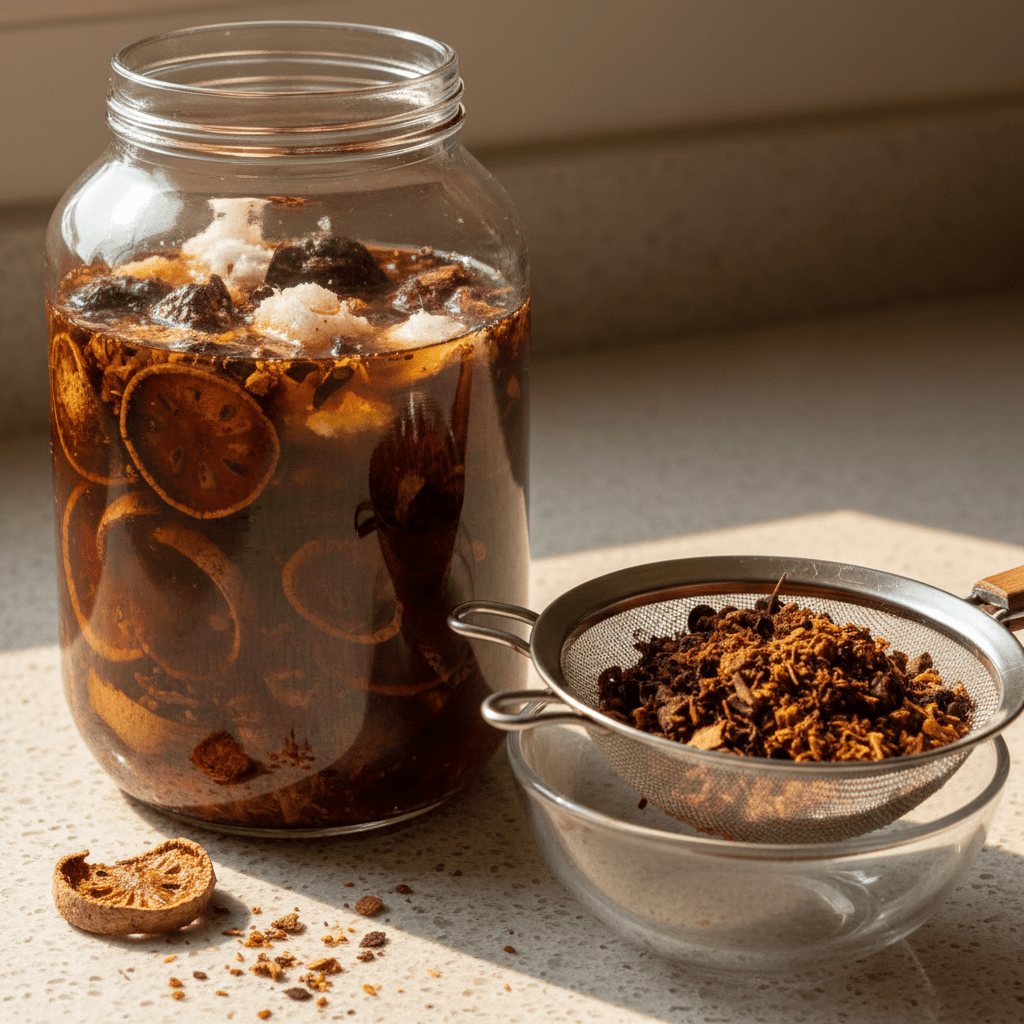
If you want to make your own, a DIY shikakai oil blend is pretty simple. Use a clean base oil like sesame, coconut, or almond, then infuse crushed shikakai slowly on low heat. A lot of people start with a 1:4 ratio by weight, like 50 grams of shikakai to 200 ml of oil. Keep it gentle. No frying. No rushing.
And if you’re buying instead, check the label closely. Look for a short ingredient list, a named carrier oil, and lab-tested purity. That matters a lot if you want a real shikakai oil recipe in bottle form, not some vague blend with almost no shikakai at all.
For brands and makers, Aroma Monk’s pure carrier oils can be a smart base for bulk formulas, custom blends, or private-label products. Clean ingredients make life easier. For you and for your customers.
A small habit can go a long way. Especially with hair care.

The Alchemist’s Corner: A Simple DIY Recipe for Infused Shikakai Oil
Ever made something in your kitchen and thought, hey… that actually worked? This is one of those moments.
If you want to try a DIY shikakai oil at home, keep it plain and calm. No fancy gear. No weird steps. Just a good base oil, shikakai, and a little patience. That’s the nice part about shikakai oil benefits. You can make the blend fit your hair, not the other way around.
What you’ll need
- 2 tablespoons crushed shikakai pods or 1 tablespoon shikakai powder
- 1/2 cup carrier oil like coconut, sesame, or almond
- A clean glass jar or small pan
- A strainer or cheesecloth
Easy step-by-step method
- Warm the oil on very low heat.
- Add the shikakai.
- Let it sit for 20 to 30 minutes. Don’t let it smoke.
- Turn off the heat and cool it fully.
- Strain it well.
- Pour it into a clean bottle.
That’s it. Really. If you want a simple ratio, a 1:4 mix by weight usually works well, like 50 grams of shikakai to about 200 ml of oil. Coconut oil tends to suit dry hair, sesame is a classic pick for an ayurvedic hair oil, and almond feels lighter if your hair gets weighed down fast.
Want to boost it a bit? Try these add-ins:
- Amla powder for a vitamin C boost
- Fenugreek seeds for a richer feel and a traditional strength blend
- A few dried hibiscus petals if you like a softer, smoother oil
A tiny caution here. More is not better. If you pack in too many herbs, the oil can get gritty or spoil faster. Also, keep the heat low. High heat can ruin the nice parts of the blend.
How to store it
Pour your finished oil into a dark glass bottle if you can. Then keep it in a cool, dark place. A cabinet works fine. The fridge can work too, but it may thicken the oil.
Most homemade infused oils stay good for about 3 to 6 months, depending on the carrier oil and how clean your tools were. If it smells off, looks cloudy in a strange way, or changes color fast, toss it. Not worth the risk.
If you’re making a bigger batch for yourself, or even for a small product line, Aroma Monk’s pure carrier oils can give you a cleaner starting point. That matters when you want a steady DIY shikakai oil recipe that actually feels good on hair.
Simple. Old-school. Pretty satisfying.
Buyer’s Guide: How to Choose a High-Quality Shikakai Oil & Use It Safely
You know that moment when a bottle looks fancy, but the back label reads like a guessing game? Yeah. Hair care can get weird fast.
If you want real shikakai oil benefits, start with the label. Look for words like cold-pressed, infused, or shikakai-infused oil. A short ingredient list is a good sign too. The best bottles usually name the carrier oil first, like coconut, sesame, or almond, then list shikakai clearly. If you see mineral oil, artificial fragrance, parabens, or a long list of stuff you can’t pronounce, I’d pause.
Here’s the sneaky bit. Some products only tuck in “shikakai extract” at the very end. That usually means there’s barely any in there. Barely counts. If shikakai oil for dandruff or scalp comfort is the goal, you want a formula that looks honest, not one that hides the main herb in tiny print.
A quick label check can help:
| What to look for | Why it matters |
|---|---|
| Cold-pressed or infused | Usually means a gentler process |
| Short ingredient list | Easier to trust and read |
| Named carrier oil first | Shows the oil base is real |
| No mineral oil or fake fragrance | Better for sensitive scalps |
Also, do a patch test before first use. Always. Put a small amount on your inner arm or behind your ear and wait 24 hours. If you feel itching, redness, or burning, skip it. If you’ve got a known plant or legume allergy, be extra careful.
One more thing. If your scalp is already sore, irritated, or broken, give it a rest before adding any new oil. Good hair care should feel calm, not like a science experiment.
For shoppers, a trusted ayurvedic hair oil can be a nice pick if it uses clean ingredients and clear sourcing. And if you’re making products for sale, Aroma Monk’s lab-tested carrier oils and bulk supply options can help you build a cleaner formula from the start.
The natural hair care market keeps growing too. Recent reports put it at USD 10.17 billion in 2024, with women making up 71.4% of revenue, so people really are paying attention to what goes on their scalp market data.
So yes, shikakai oil benefits can be worth it. Just buy smart, test first, and keep your routine simple.
Embrace Natural Radiance: Your journey to Healthier Hair Starts Now
So here’s the honest part. Good hair care doesn’t have to feel complicated.
If your strands are tired, frizzy, or just plain hard to manage, shikakai oil gives you a simple place to start. It works like a gentle cleanser, a natural conditioner, and a scalp-friendly oil in one. Pretty handy, right?
People have trusted acacia concinna for hair for generations in traditional Indian hair care, and that old wisdom still makes sense today. The benefits of shikakai are easy to see in a weekly routine. Less harsh cleansing. More softness. Better scalp comfort. And for many people, a calmer path toward stronger-looking hair.
I like that it skips the drama. No heavy formulas. No mystery ingredients. Just a time-honored herb that fits right into natural hair care with shikakai.
Also, the market keeps showing that people want this kind of switch. Natural hair care is still growing fast, and more buyers are looking for simple options that feel kind to the scalp and hair natural hair care market data.
If you want to start small, try this:
- Use a weekly shikakai oil massage before wash day
- Keep it on for 30 to 60 minutes
- Focus on the scalp first, then the dry ends
- Stay consistent for a few weeks and watch how your hair responds
That’s it. No fancy routine needed.
If you’ve been waiting for a sign, this is probably it. Try a simple DIY shikakai oil blend or pick a clean ayurvedic hair oil with a short ingredient list. Start now, keep it gentle, and let your hair tell you the rest.
Get a quote from Aroma Monk.
Essential Oil Supplier – Bulk pricing • Samples • Fast response