
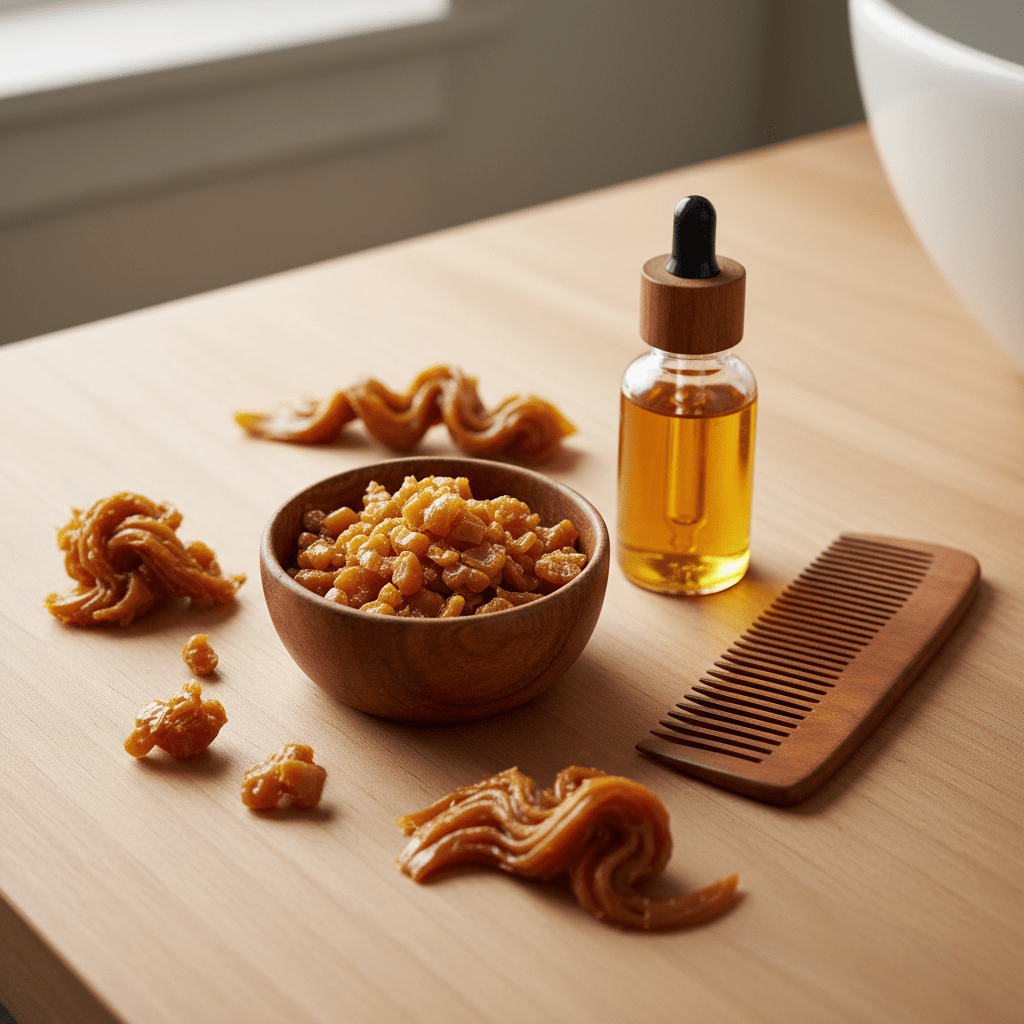
Unlock Natural Hold and Shine: Is Beeswax the Secret to Your Best Hair?
Frizz has a way of showing up right when you don’t want it. Same with flyaways. You fix your hair, step outside for five minutes, and boom… it has other plans.
That’s why so many people are looking at beeswax for hair again. Not as a trendy trick, but as an old-school, natural styling option that can help smooth, shape, and protect hair without the heavy chemical feel some products leave behind. The clean beauty market keeps growing too, with more people reaching for simple ingredients that feel closer to home than a big plastic bottle full of mystery stuff.
And beeswax fits that mood. It’s been used for years in balms, pomades, and hair dressings. Today, people use it for frizzy hair, short styles, curls, edges, and even beeswax for locking hair in some natural hair routines.
In this guide, we’ll cover what beeswax is, the real benefits of beeswax for hair, how to apply beeswax to hair the right way, and how to clean it out without making a mess of your shower. We’ll also talk about using beeswax on hair safely, so you know what works, what doesn’t, and what to skip.
If you’ve been wondering, is beeswax good for your hair? Let’s figure it out together.
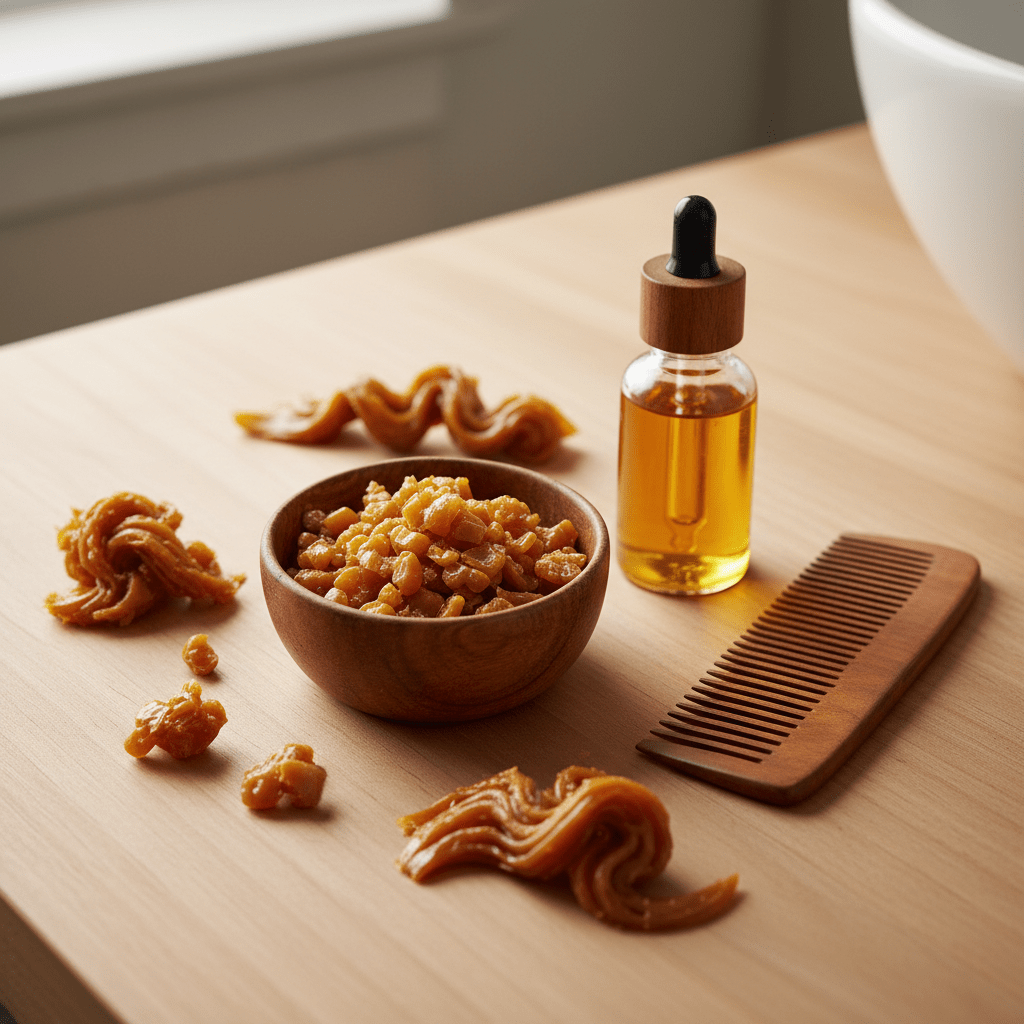
Section 1: The Protective Power of Beeswax for Hair Health
You know that slick, smooth look that stays put all day? A lot of people want that, but without the stiff, crunchy feel. That’s where beeswax for hair starts to make sense.
Beeswax is made by bees, and it’s a mix of wax esters, fatty acids, and natural hydrocarbons. That sounds a bit science-y, but here’s the simple part: those pieces work together to form a soft, water-resistant coating on hair. So your strands can hold shape, feel smoother, and lose less moisture during the day.
That coating matters. It can help with beeswax for frizzy hair by calming flyaways and giving hair a little shield against dry air, wind, and other outside mess. It also gives a flexible hold, which is why people use it for short styles, edges, curls, and even beeswax for locking hair in some natural hair routines.
And if you’ve been asking, is beeswax good for your hair? For many people, yes, if it’s used the right way. It acts like a humectant helper and sealant, so it can help keep moisture in after you’ve already added water or a leave-in. But wait, there’s a catch: too much can weigh hair down fast.
That’s one reason people are moving toward natural styling options. The clean beauty market is still growing, and lots of shoppers now want products with fewer harsh extras. Beeswax fits that mood because it’s simple, plant- and hive-based, and usually feels less harsh than synthetic styling blends.
Compared with petroleum jelly, silicones, or drying alcohols, beeswax is often a gentler pick for people who want a natural hair wax with fewer mystery ingredients. It won’t dissolve in water, which is part of why it gives grip and shine, and it’s also why a little goes a long way. Use it lightly. Really lightly.
If you’re making your own mix, a DIY beeswax hair pomade with carrier oils like jojoba or coconut can give you control over the texture and hold. And if you’re buying ingredients in bulk for a brand or salon line, Aroma Monk’s lab-tested essential oils and carrier oils can help you build cleaner hair care blends with more confidence.
Section 2: Choosing and Preparing Your Beeswax for Safe Application
Picking the right beeswax sounds simple. It isn’t always. One block can be great for the kitchen, but a real pain for hair. So let’s keep this easy.
For beeswax for hair, cosmetic-grade pellets are usually the cleaner pick. They melt faster, measure more neatly, and are easier to mix into a DIY beeswax hair pomade. Blocks work too, but you’ll need to grate or chop them first, which adds a little mess. If you’re making products for home use or for a small brand, that extra time can be annoying. Nobody wants wax shards all over the counter.
You’ll also see yellow and white beeswax. Yellow beeswax is the more natural-looking kind, with a warmer color and a light honey scent. White beeswax is filtered, so it looks cleaner and can have a softer smell. Yellow beeswax often feels more traditional, while white beeswax can blend better if you want a lighter finish in your styling mix.
But here’s the big rule: never slap hard, pure beeswax straight onto hair. It’s too sticky and can turn into a buildup mess fast. Instead, melt it first with a double boiler. Use a heat-safe bowl over simmering water, not boiling water. Keep the heat gentle. Once the wax is fully melted, stir in a carrier oil.
That oil matters a lot. Coconut oil gives a richer, firmer feel. Jojoba oil makes the mix lighter and less greasy. Olive oil makes it softer and more conditioning, but it can feel heavy if you use too much.
Try these rough blends:
| Goal | Beeswax: Oil |
|---|---|
| Soft balm | 1:3 to 1:2 |
| Medium pomade | 1:1 |
| Firm styling wax | 2:1 to 3:1 |
For most people, I’d start with a soft balm first. Then adjust next time. That’s usually smarter than making a super stiff mix and regretting it later.
A quick note for using beeswax on hair: warm the final blend between your fingers before applying. That makes it spread easier and helps you avoid clumps. If you’re buying ingredients for salon or bulk use, Aroma Monk’s lab-tested essential oils and carrier oils can also fit right into cleaner hair care formulas.
Section 3: How to Apply Beeswax to Tame Frizz and Style Hair
You know that little moment of panic before you walk out the door? Hair looks fine. Then one mirror check later, the flyaways are doing their own thing. Annoying. But beeswax can help.
The trick is to start small. Really small. For using beeswax on hair, take about a pea-sized amount first. Warm it between your palms until it looks almost clear, then smooth it onto dry hair. Dry hair gives you more control, while damp hair can make beeswax feel heavier than you want.
Here’s a simple way to think about how to apply beeswax to hair:
- Scoop a tiny bit.
- Rub it between your hands until translucent.
- Tap, don’t slap, it onto the spots that need help.
- Add more only if you truly need it.
That last part matters a lot. Less is more with beeswax for hair. If you use too much, your style can look greasy, flat, or stiff. Nobody wants helmet hair. Nobody.
For beeswax for frizzy hair, focus on the top layer and the ends that stick out. Use your fingertips to smooth flyaways on a ponytail, especially around the crown and hairline. That tiny bit of hold can make a plain ponytail look cleaner in about 30 seconds.
Got braids or curls? Use a light touch. For curls, press a little warmed wax onto the ends so they stay shaped without getting crunchy. For braids, brush a small amount over the loose ends to keep them neat. And if you’re styling short hair, beeswax can add texture and separation fast, which is why a lot of people treat it like a natural hair wax for quick everyday looks.
A quick tip I like: put the warmed product on a comb first, then work it through. It spreads better that way and keeps clumps away. That matters if you’re making a DIY beeswax hair pomade too, because even a good mix can go wrong if you pile it on.
One more thing. If you’re thinking about beeswax for locking hair, many people in the natural hair community use very little, if any, because buildup can be a real headache. So if locs or twists are your thing, go slow and keep your wash routine strong.
And yes, beeswax can help with shine. A little. Not “glossy magazine cover” shine, more like a healthy sheen that makes hair look cared for. If you want to take it further, Aroma Monk’s lab-tested essential oils and carrier oils can be a nice base for clean hair blends at home or for product making.
If you’ve been asking, is beeswax good for your hair? It can be, as long as you treat it like a finisher, not a heavy coating. Tiny amount. Warm hands. Light touch. That’s the whole game.
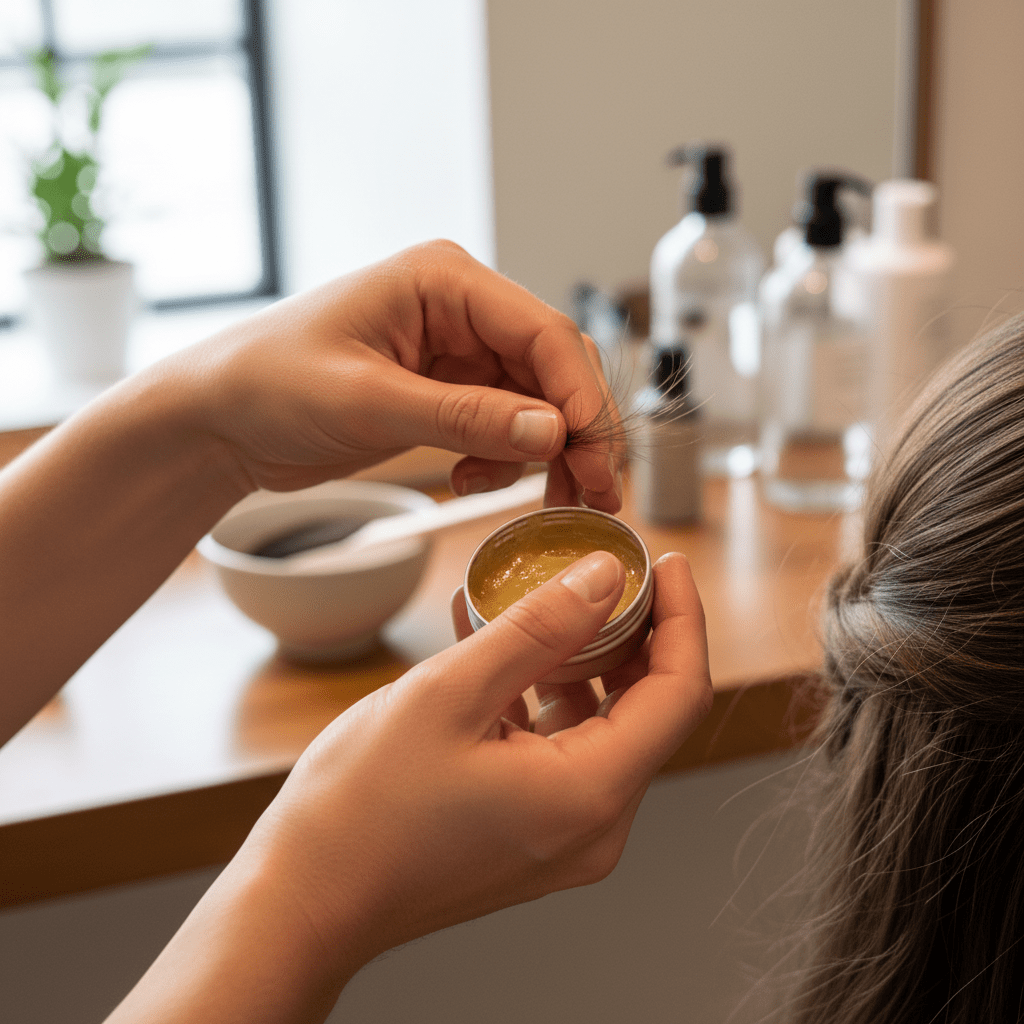
Section 4: Advanced Use Cases: Beeswax for Dreadlocks, Twists, and Edges
You know that clean, finished look people chase for hours? Sometimes it comes down to a tiny bit of wax and a steady hand.
For beeswax for locking hair, the big idea is simple: use a very small amount to help new locs stay together while they form. It can also help tame frizz on mature locs, especially around the roots and loose ends. But here’s the catch. A lot of locticians warn against too much wax because it can cling to lint, trap residue, and make wash day a pain. So if you use it at all, think sealant, not conditioner. That mindset matters.
For starter locs, some people mix beeswax with shea butter or cocoa butter and a carrier oil to get a softer hold. A common light mix is:
| Use | Simple Mix |
|---|---|
| Starter locs | 2 parts beeswax, 1 part butter, 4 parts oil |
| Two-strand twists | Soft beeswax balm with more oil than wax |
| Edges | Tiny dab of soft balm only |
For twists and braid-outs, a DIY beeswax hair pomade can give shape and a little shine without making hair feel crunchy. Warm a small amount in your hands, then smooth it over each section before twisting. Not a lot. Just enough to help the style stay neat and sit in place. If your mix is too firm, it can fight your curls instead of helping them.
And for edges? Use the smallest dab you can manage. Seriously. A soft natural hair wax can work as a gentle edge control for flyaways and baby hairs, especially if you want less flaking than some gels leave behind. Press it in with your fingertip or a clean edge brush, then stop. More product usually makes the hair look heavy, not polished.
Actually, wait, there’s one more thing people should know. Beeswax has a long history in old-school pomades and balms, and the natural beauty market keeps growing as more people ask for simpler ingredients in their hair care. That helps explain why beeswax for hair keeps showing up in so many DIY routines.
If you’re trying this at home, keep the mix soft, start small, and wash it out well later. If you’re making products for a brand, Aroma Monk’s lab-tested essential oils and carrier oils can be a good base for cleaner hair formulas that feel thoughtful, not overdone.
Get a quote from Aroma Monk.
Essential Oil Supplier – Bulk pricing • Samples • Fast response
Section 5: The Ultimate DIY Beeswax Hair Pomade Recipe
You know that feeling when your hair just needs a little help, not a full-on rescue mission? This is that kind of fix.
A simple DIY beeswax hair pomade can give you control, shine, and a soft hold without a bunch of extras. And with the clean beauty market growing fast, lots of people are turning to homemade hair care again. One industry report pegs the natural cosmetics market at tens of billions of dollars in 2025, which makes sense if you’ve ever stood in a store aisle wondering why every jar has 18 hard-to-pronounce ingredients.
Here’s a basic recipe:
- 2 tbsp beeswax pellets
- 4 tbsp shea butter
- 4 tbsp coconut oil
- 10 to 15 drops essential oil, like rosemary or peppermint
How to make it
- Add the beeswax, shea butter, and coconut oil to a double boiler.
- Melt slowly over simmering water. Don’t rush it.
- Stir until smooth and fully mixed.
- Take it off the heat and add the essential oil.
- Pour into a clean tin or small jar.
- Let it cool completely before using.
That’s it. Pretty simple.
If you want a lighter cream, use more oil and less beeswax. A 1:3 wax-to-oil ratio usually feels softer and works better for conditioning or frizz control. If you want firmer hold, move closer to a 1:1 mix. For stronger shape, you can go a bit waxier, but don’t overdo it. Too much beeswax can turn your hair into a sticky science project. And nobody wants that.
A few quick tweaks:
| Goal | Best Mix |
|---|---|
| Soft cream | More oil, less wax |
| Medium pomade | Equal parts wax and oil |
| Firm hold | More wax, less oil |
Rosemary is a great pick if you want a fresh, woodsy scent. Peppermint feels cool on the scalp. Lavender is softer and calmer. Pick what fits your routine.
Use a tiny amount first. Warm it in your hands, then smooth it on dry hair or lightly damp hair. If you’re buying clean oils for your own blends, Aroma Monk’s lab-tested essential oils and carrier oils can be a smart place to start.
And one last thing. Store your pomade in a cool, dry spot, and it should usually stay good for about 6 to 12 months.
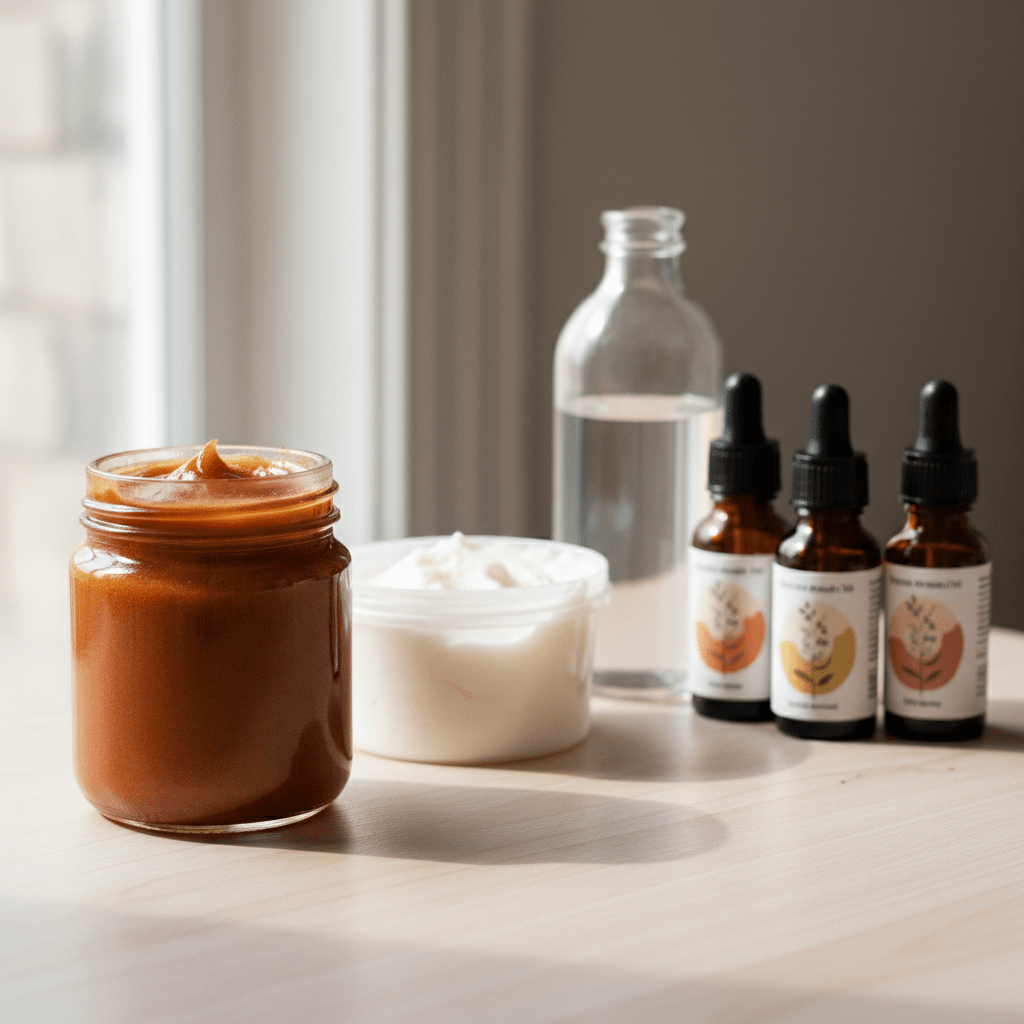
Section 6: How to Properly Remove Beeswax Buildup from Hair
You know that sinking feeling when your hair feels coated, heavy, and a little too shiny? Yeah. That can happen with beeswax if you use too much. And unlike a light cream or a watery gel, wax does not just rinse away and wish you luck.
Removing beeswax from hair can be a bit tricky, especially if it’s been layered on more than once. Water alone won’t do much. Beeswax is made of nonpolar stuff, so it clings tight while water just slides past it. That’s why the oil-cleansing method usually works best.
Here’s the simple fix:
- Saturate the hair with warm oil. Olive oil or coconut oil both work well.
- Let it sit for 20 to 30 minutes so the oil can loosen the wax.
- Wash with a clarifying shampoo to lift away the oil and wax mix.
- Repeat if needed, then follow with a deep conditioner.
That last step helps a lot. Hair can feel a little dry after a strong wash, so don’t skip it if you can help it.
If the buildup is stubborn, a small amount of gentle dish soap can help cut through the residue. Small amount being the key part here. Use it only on the problem spots, then follow with a deep conditioner right away so your hair doesn’t feel stripped.
And for light buildup, an apple cider vinegar rinse now and then can help keep things from getting out of hand. It won’t melt wax on its own, but it can help clear away leftover product and keep the scalp feeling fresher.
A lot of people turn to beeswax for hair because they want a more natural hair wax and fewer harsh extras. That makes sense. But if you’re using it often, you need a removal routine just as much as a styling routine. That’s the part people forget.
If you’re making your own DIY beeswax hair pomade, keep the mix lighter so cleanup stays easier. And if you’re sourcing clean oils for your formulas, Aroma Monk’s lab-tested essential oils and carrier oils can help you build products with better consistency and quality control.
So yes, is beeswax good for your hair? It can be. Just don’t let it sit there forever. Clean it out well, keep the buildup low, and your hair will thank you later.
Embrace Natural Control: Making Beeswax Work for You
Beeswax can be a big help. But only if you treat it right.
Used the right way, beeswax for hair can smooth frizz, add shine, and give you hold without a lot of fuss. That’s why it keeps showing up in old pomades, modern styling balms, and homemade mixes. People want simple stuff that works. And honestly, I get it.
The trick is easy to remember: melt it gently, mix it with oil, apply a tiny bit, and wash it out well later. That’s the whole rhythm. If you skip the small steps, buildup can turn into a mess fast.
So if you’ve been asking is beeswax good for your hair, the answer is yes for many styles, especially when you want moisture support, protection, and control in one jar. Try the DIY beeswax hair pomade from this guide, start light, and see how your hair reacts. Then adjust from there. Your hair will tell you pretty quick.
And if you make your own blend, share what worked. What oil did you use? Did it help with beeswax for frizzy hair or beeswax for locking hair? That kind of real-life feedback helps all of us get better at using beeswax on hair without overdoing it.
Get a quote from Aroma Monk.
Essential Oil Supplier – Bulk pricing • Samples • Fast response