
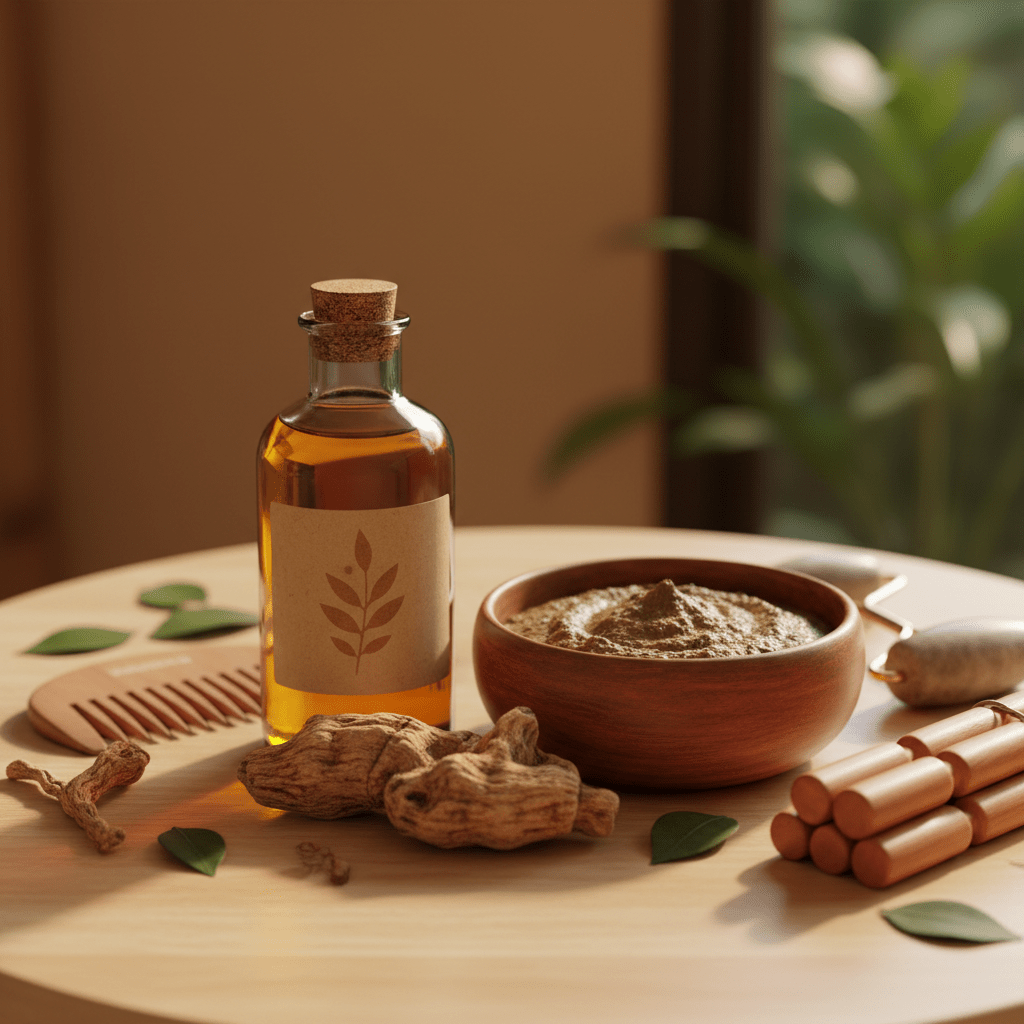
Why Ancient Wisdom Holds the Key to Modern Hair Problems
You know that sinking feeling when you find more hair in the drain than usual? Or when your scalp feels itchy, dry, and kind of mad at you for no clear reason? Yeah, we’ve all seen that movie.
Hair thinning, stress-related shedding, and scalp irritation are showing up more often in modern life. Late nights, nonstop screens, bad sleep, and that too-much-coffee, not-enough-rest combo can all push hair into a rough spot. One review puts the global prevalence of telogen effluvium, a common stress-linked hair loss pattern, at about 5.41% according to recent research.
That’s where ashwagandha comes in. Also called Withania somnifera, it’s a classic Ayurvedic herb known for calm, balance, and renewal. Not magic. Just a long history of use, plus some pretty interesting modern science.
In this article, we’re not going to chase hype. We’re going to look at the nutritional properties of ashwagandha oil, how ashwagandha oil for hair may support the scalp, and why stress, hormones, and hair health are all linked. Plus, we’ll keep it practical. Because if you’re trying to figure out what actually helps, that matters more than fancy claims.
A lot of people are asking about ashwagandha for hair growth, benefits of ashwagandha for hair, and even ashwagandha and cortisol hair loss. Fair questions. Let’s sort through them together.
What is Ashwagandha Oil? From Ancient Root to Modern Elixir
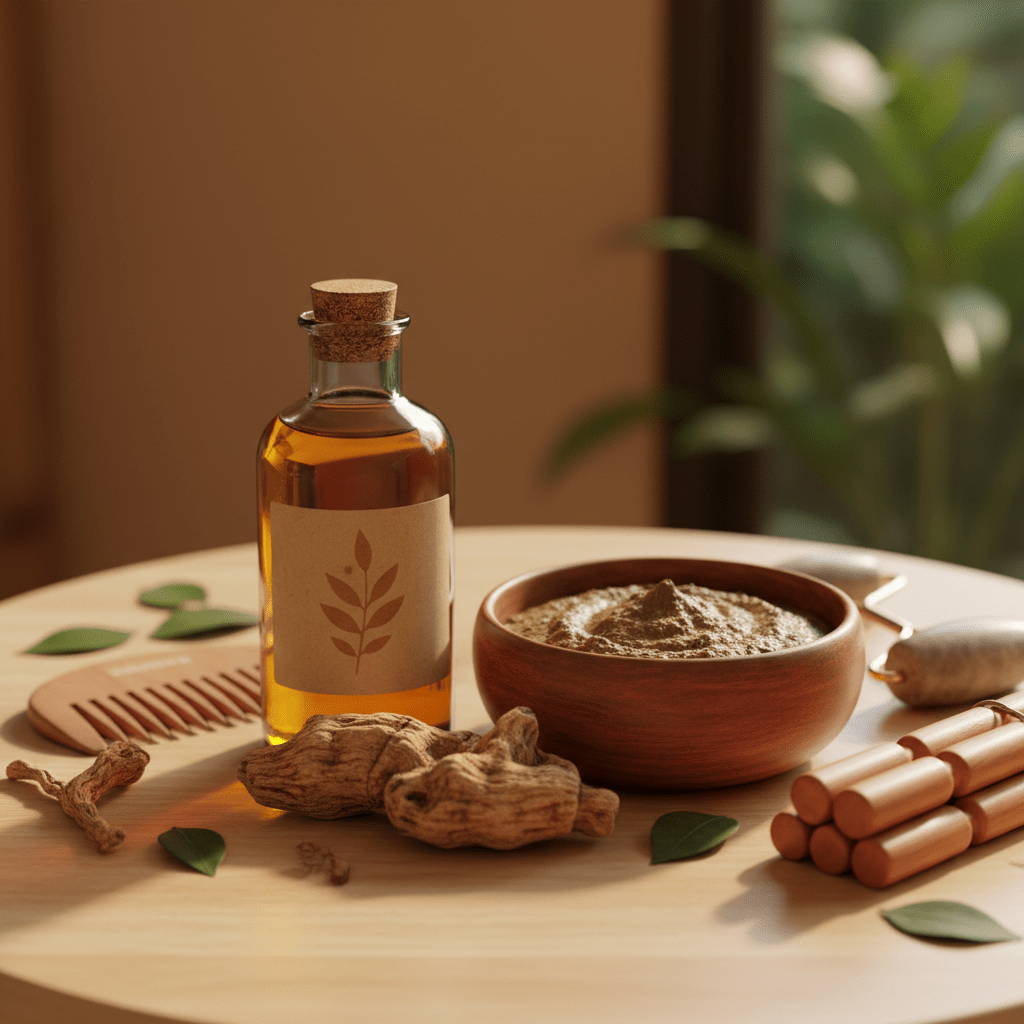
Ever opened a bottle and thought, “Wait… is this really the thing people keep talking about?” I’ve been there. Ashwagandha oil sounds simple, but it’s usually not a pure oil from the plant itself. It’s more like a herbal infusion.
Most ashwagandha oil for hair is made by soaking ashwagandha root or extract in a carrier oil like sesame, coconut, jojoba, or sweet almond oil. That matters, because the carrier oil does a lot of the heavy lifting. It helps spread the herb across the scalp and adds its own nourishing feel. Sesame and olive oil are often used for deeper absorption, while jojoba and coconut are popular in hair care because they work well on skin and scalp.
Here’s the thing though… the way it’s made can change the final product. Cold infusion, gentle heat, and long soak times may keep the oil closer to its natural state. Hot processing can pull out more plant compounds faster, but too much heat can mess with the quality. So if you’re buying a pre-made bottle, look for cold-pressed or unrefined oils, a clear ingredient list, and dark glass packaging.
Also, ashwagandha powder and ashwagandha oil are not the same thing. Powder is usually taken inside the body, where it may support stress balance. Oil is used on the scalp, where it can help with local dryness, massage, and comfort. Different jobs. Same herb family vibe.
That’s why people talk about ashwagandha for scalp health, not just hair growth. It fits into an Ayurvedic hair treatment routine, especially when stress seems to be part of the hair-loss story. And with that stress link in mind, it makes sense why some people pair withania somnifera for hair with calm, steady scalp care instead of expecting instant magic.
If you’re shopping for bulk oils or private-label blends, brands like Aroma Monk can be a useful place to start, especially if you want lab-tested, pure carrier oils and clean ingredient sourcing for hair and wellness products.
The Core Nutritional Makeup: Unpacking Ashwagandha’s Powerhouse Components
You know what’s funny? A lot of people think one plant part does all the work. But with ashwagandha oil for hair, the story is a little messier, and way more interesting.
The herb’s main helpers are withanolides, alkaloids, and sitoindosides. Those are the plant compounds people talk about most. In plain words, they help the body deal with stress, calm irritation, and fight damage from things like pollution and daily wear. Withanolides, including withaferin A, are the best known. They’re linked to anti-inflammatory and antioxidant action. That matters because an angry scalp usually doesn’t feel great, and a stressed body can send hair into shedding mode faster than we’d like.
And here’s a big one. Ashwagandha is known as an adaptogen, which means it may help the body handle stress better. That stress piece connects straight to ashwagandha and cortisol hair loss. When cortisol stays high for too long, hair follicles can get pushed out of their growth phase too soon. Not ideal. So while ashwagandha oil hair loss support won’t fix every cause of thinning, it may help when stress is part of the picture.
The oil itself also brings in more than the herb alone. Since it’s usually mixed with a carrier oil, you’re getting fatty acids, a bit of antioxidant support, and sometimes a smoother feel that helps with massage. That’s one reason people like it for ashwagandha for scalp health and as part of an Ayurvedic hair treatment routine.
A few other notes worth knowing:
- Essential amino acids: ashwagandha root isn’t a big source of keratin-building amino acids like cysteine.
- Carrier oil matters: sesame, jojoba, coconut, and sweet almond are common because they work well on scalp skin.
- Topical use is local: on the scalp, it acts mostly where you put it. It’s not the same as taking it by mouth.
So if you’re looking at the nutritional properties of ashwagandha, think of it less like a miracle and more like a support tool. It may help calm the scalp, support the skin barrier, and give your routine a stress-soothing edge.
For buyers who want clean, lab-tested base oils for hair and wellness products, this is also where a supplier like Aroma Monk can fit in nicely. Their pure carrier oils and bulk supply options make it easier for brands to build consistent blends without guessing what’s in the bottle.
If you’re wondering how to use ashwagandha oil on scalp, a patch test first is the smart move. Then use it as a warm oil massage or mix it into a hair mask. Simple. Low fuss. And usually the best place to start.
How Ashwagandha Oil for Hair Growth Works: A Scientific Breakdown
You know that moment when your hairbrush starts looking a little too full? Yep. That can feel scary fast. But here’s the thing: hair loss is not always about the hair itself. Sometimes it starts with stress, a cranky scalp, or both.
Ashwagandha oil for hair works in a few simple ways. First, it may help calm the stress response. High stress can push more hair into the resting phase, which is part of telogen effluvium, a stress-linked shedding pattern. Lower stress can help keep more strands in the growth phase, also called anagen, for longer. That’s why people talk about ashwagandha and cortisol hair loss in the same breath.
Also, the herb has withanolides, which are plant compounds known for their soothing and antioxidant action. These may help with scalp comfort. If your scalp gets dry, flaky, or irritated, that matters. A calmer scalp can be a better place for hair to grow. And yes, that includes issues like dandruff, eczema, and psoriasis flare-ups that make the scalp feel off.
Here’s a simple look at the main ways ashwagandha oil may help:
| Support area | How it may help | Why it matters |
|---|---|---|
| Stress balance | May help lower cortisol | Less stress can mean less shedding |
| Scalp care | May soothe irritation | A calmer scalp feels better for hair |
| Massage effect | Can boost blood flow | Follicles get more oxygen and nutrients |
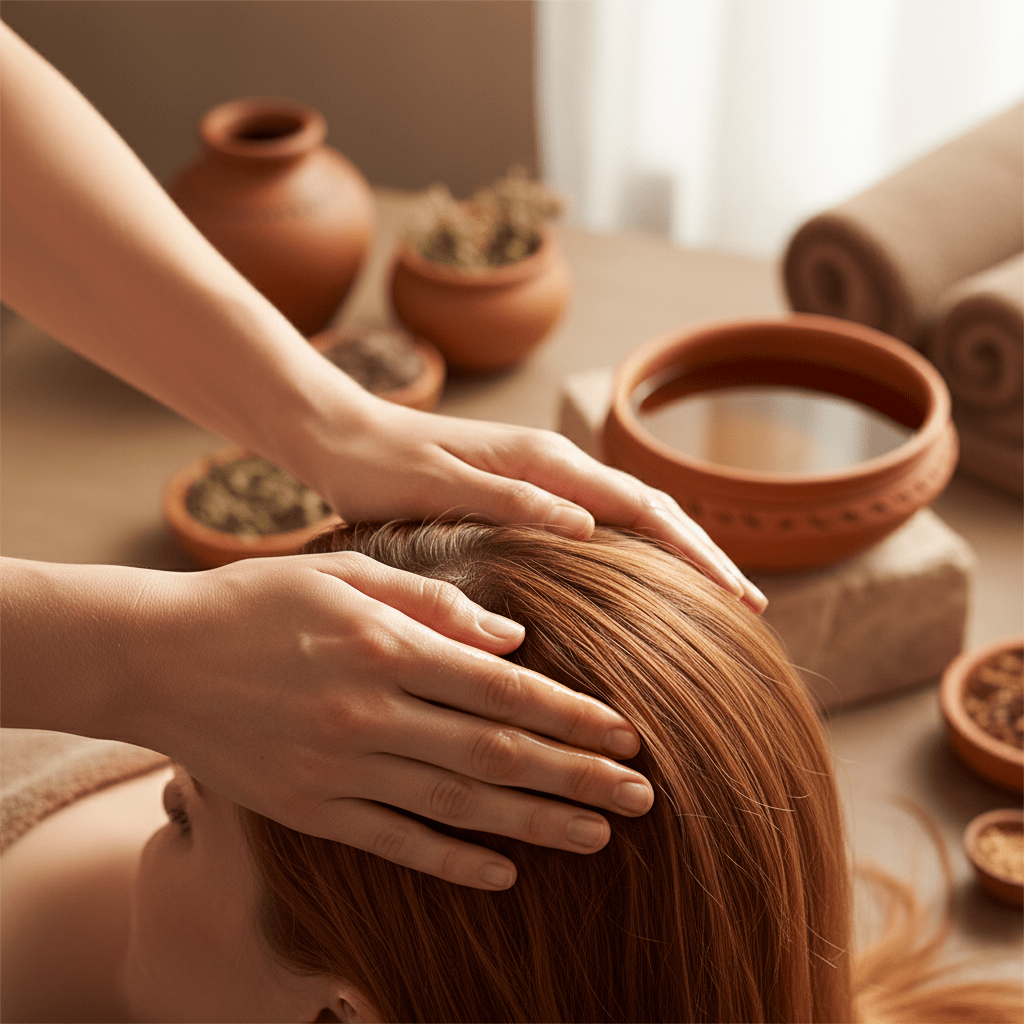
Now, about scalp massage. That part is old-school, but it works nicely. When you apply ashwagandha oil on scalp and massage it in, you may help blood move better through the area. More flow means more oxygen and nutrients reaching the follicles. Not magic. Just good basics.
Actually, wait, there’s a better way to think about it. Ashwagandha oil is not a hair-loss cure. It’s more like support for the whole setup around the hair. Better stress balance. A healthier scalp. A nicer oil massage. Put together, those pieces can make a real difference over time.
If you’re trying it at home, start with a patch test and use it 1 to 2 times a week. For brands and makers, clean base oils matter too. That’s where a supplier like Aroma Monk can help with pure, lab-tested carrier oils for an Ayurvedic hair treatment line.
And if you want to go deeper into the benefits of ashwagandha for hair, this is the part that matters most: calm the scalp, support the follicles, and give the hair a better place to do its thing.

Get a quote from Aroma Monk.
Essential Oil Supplier – Bulk pricing • Samples • Fast response
Fighting Follicle Damage and Premature Graying
Ever looked in the mirror and thought, “Wait, when did that one gray hair move in?” It can feel random. But a lot of the time, hair is reacting to stress, age, and tiny bits of daily wear.
This is where ashwagandha oil for hair gets interesting. The herb is packed with plant compounds like withanolides, which act like little bodyguards against free radical damage. Free radicals can weaken hair follicles over time. They can also make hair look older before its time. Not fun.
That’s why people talk about ashwagandha for hair growth and ashwagandha for scalp health in the same breath. A calmer scalp may handle stress better, and less oxidative stress can mean less follicle strain. Some traditional wellness views also connect ashwagandha with DHEA support, which could play a role in melanin production. But let’s be honest… that gray-hair part is still more theory than proven fact.
So what can the oil actually do? A lot of formulas use carrier oils like sesame, jojoba, coconut, or sweet almond oil. Those bring fatty acids to the table. Fatty acids help coat the hair shaft, so strands feel softer and less likely to snap. And while ashwagandha root itself is not a big source of keratin-building amino acids like cysteine, the oil blend can still support hair by reducing dryness and improving slip during combing. Less tugging. Less breakage. Fewer split ends.
Here’s a quick look:
| Hair concern | How ashwagandha oil may help |
|---|---|
| Follicle stress | Antioxidants may fight free radical damage |
| Premature gray strands | DHEA support is a theory, not proven |
| Breakage and split ends | Fatty acids can improve softness and flexibility |
| Rough, dry hair | Oil can help with moisture loss and easier detangling |
If you want to try it, use a warm oil treatment, not a hot one. Lukewarm is best. Around 30 to 40°C works well. Then massage it in and leave it on for 7 to 15 minutes. That’s usually enough for a simple Ayurvedic hair treatment at home.
And if you’re a brand owner or product maker, clean base oils matter a lot here. Aroma Monk offers 100% pure, lab-tested essential oils and carrier oils in bulk, which makes it easier to build a steady hair-care blend without guessing what’s inside the bottle.
One last thing. Hair changes don’t happen overnight. Give your routine a few months, and watch for less breakage, better feel, and a calmer scalp. That’s the real win.
How to Use Ashwagandha Oil for Maximum Hair Benefits: A Practical Guide
You know that feeling when you want hair help now, but your bathroom shelf is already full of half-used stuff? Yeah. Same.
The good news is that ashwagandha oil for hair is pretty easy to work into a routine. And you don’t need a fancy spa setup. Just a few simple steps, a little patience, and a bottle you trust.
1. Warm it up, but keep it gentle
Use a double boiler or place the bottle in warm water for a few minutes. Aim for lukewarm, around 30 to 40°C. Not hot. Not “ouch, that’s too much.” Test it on your wrist first.
2. Section your hair
Part your hair into 4 to 6 sections. This helps the oil reach the scalp instead of sitting on top like a shiny helmet. Nobody wants that.
3. Massage it in
Put a few drops on your fingertips and rub it into your scalp with small circles. Go slow. Spend about 5 minutes massaging. Focus on the crown, sides, and any dry spots. If you’re asking how to use ashwagandha oil on scalp, this part matters most.
4. Let it sit
Wrap your hair in a warm towel or shower cap for 7 to 15 minutes. That’s usually enough for a hot oil treatment. After that, wash with a mild shampoo.
5. Keep the rhythm steady
Use it 1 to 2 times a week. More is not always better. Hair usually likes consistency more than drama.
Easy DIY hair mask ideas
Here are a few simple blends you can try at home:
| Mask mix | Why people use it |
|---|---|
| Ashwagandha oil + yogurt | Adds protein and a soft, creamy feel |
| Ashwagandha oil + amla powder | Good for strengthening and shine |
| Ashwagandha oil + hibiscus paste | Popular for scalp care and a fresh feel |
If you want to make your own oil, use a clean jar, dry herbs, and a carrier oil like sesame, jojoba, or coconut. Let it sit in a cool, dark place. Or, honestly, buy a ready-made blend if you’d rather skip the guesswork.
How to pick a good product
A quality commercial oil should have:
- a clear label that names ashwagandha root extract
- cold-pressed or unrefined carrier oil
- no fake fragrance or mineral oil
- dark glass packaging
- maybe vitamin E for freshness
If you’re a brand owner, this is where a supplier like Aroma Monk can help with 100% pure, lab-tested oils and bulk supply for personal care lines. That makes product building a lot less messy.
And one more thing: hair changes take time. Give it 3 to 6 months of steady use before you judge the results. Hair moves slow. Annoyingly slow, sometimes. But it does respond when you stay consistent.
If your scalp gets irritated or itchy, stop and patch test next time. Better safe than sorry.
Potential Side Effects and Who Should Be Cautious
You know that happy little moment when a new hair product smells amazing… and then your scalp starts acting weird? Yeah, that’s the part nobody likes to talk about.
Ashwagandha oil for hair is usually gentle, but skin can be fussy. So before you put it all over your scalp, do a patch test first. Put a tiny bit behind your ear or on your inner arm and wait 24 hours. If you see redness, itching, or a rash, skip it. That goes for new carrier oils too, since coconut, jojoba, sesame, and sweet almond can all feel different on different skin.
Also, a quick note for people using ashwagandha by mouth. If you take thyroid medicine, have an autoimmune condition, are pregnant, or are breastfeeding, talk with a doctor first. That part matters more than people think. And if you’re hoping for instant hair growth… well, that’s just not how hair works. Most people need steady use for 3 to 6 months before they notice less shedding or a calmer scalp.
So be patient. Gentle routine. Clean product. Small test first. That’s the smart play.
Embrace the synergy of Nature and Science for Resilient Hair
So, what’s the real takeaway here? Ashwagandha oil for hair isn’t a miracle bottle. It’s a steady helper. It may support hair by calming stress, easing scalp irritation, fighting oxidative damage, and adding a bit of nutrient-rich oil support to your routine.
That matters more than it sounds. Stress and hair health are tied together, and hair often shows the strain before we do. Ayurveda has said that for a long time, and modern research keeps circling back to the same idea: when the body feels better, hair often looks better too. That’s the quiet power of an Ayurvedic hair treatment.
Ashwagandha for hair growth works best as part of the bigger picture. Think sleep, stress, scalp care, and consistency. Not hype. Not instant results. Just a simple habit that can help support ashwagandha for scalp health over time.
If you want one easy first step, try a gentle scalp massage with ashwagandha oil on scalp 1 to 2 times a week. Keep it lukewarm. Keep it calm. And give it a few months before judging what it can do.
Small routine. Real care. That’s where the benefits of ashwagandha for hair usually start to show.
Get a quote from Aroma Monk.
Essential Oil Supplier – Bulk pricing • Samples • Fast response