
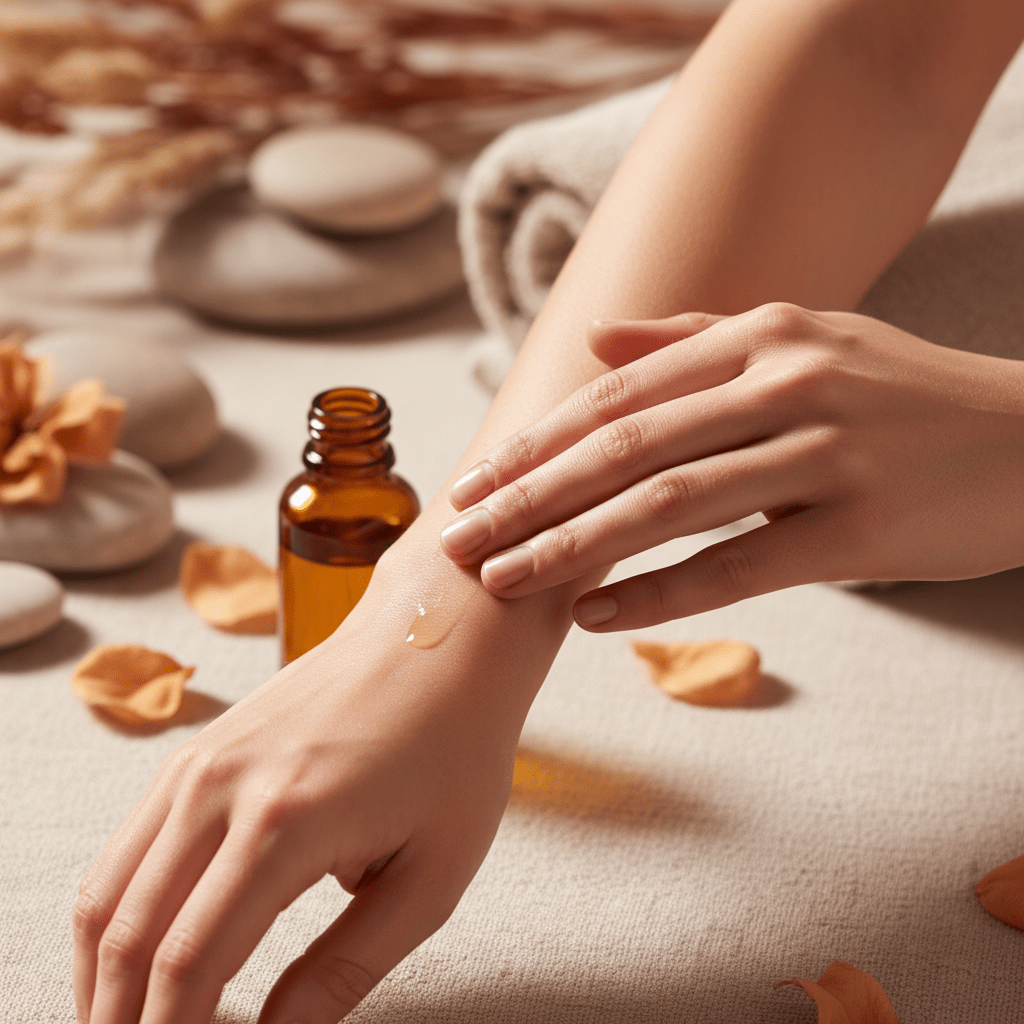
Harnessing an Ancient Remedy for Modern Stress
You know that tight-shoulders, short-breath, can’t-sit-still feeling? A lot of us do. And the numbers back that up. In a 2024 poll, 43% of U.S. adults said they felt more anxious than the year before, up from 37% in 2023. That’s a pretty big jump, and it explains why so many people are looking for gentler, more natural ways to calm down.
That’s where ashwagandha oil comes in. Ashwagandha, or Withania somnifera, has been used in Ayurveda for a long time as one of the classic adaptogenic herbs for relaxation. People often know it for stress support taken by mouth, but topical use is getting more attention too. An ashwagandha massage oil gives you a hands-on way to make self-care feel a little more real. Warm oil. Slow breathing. Less rush.

Now, quick truth check: the strongest research is on oral ashwagandha, not skin use. But that doesn’t mean topical care is pointless. Not at all. A good Ayurvedic oil for stress routine can still feel grounding, soothing, and easy to fit into a busy day. In this guide, we’ll look at how to use ashwagandha oil, what the science says, what to watch for, and how to choose a quality product that fits your needs.
If you’re curious about ashwagandha for stress, how to use ashwagandha for anxiety, or even ashwagandha oil for sleep, you’re in the right place.
Understanding the Science: How Ashwagandha Fights Stress
Ever notice how stress shows up in your body before your brain catches up? Tight jaw. Rushed thoughts. A stomach that feels weird for no reason. That’s often cortisol at work.
Cortisol is the body’s main stress hormone. A little is normal. It helps you wake up and deal with hard stuff. But when stress stays high for too long, cortisol can stay up too. That can leave you feeling tired, edgy, foggy, and worn out. No fun.
Ashwagandha, also called Withania somnifera, may help calm that loop. Research on the herb shows it can lower cortisol and ease the body’s stress response. One review from the American Psychiatric Association also shows how common stress and anxious feelings have become, which is why so many people are looking at adaptogenic herbs for relaxation.
Here’s where it gets interesting. The active compounds in ashwagandha are called withanolides. They seem to help the HPA axis, which is the body’s stress control system, settle down a bit. The HPA axis tells the brain and adrenal glands when to make cortisol. When that system gets overworked, ashwagandha may help bring the signal back into balance. In human studies, root extract has been linked with real drops in cortisol, not just a vague “feels better” effect.
And there’s more. Ashwagandha may also have a GABA-like effect. GABA is the brain’s calm-down messenger. When it’s supported, people often feel less keyed up and more settled. That may help explain why some people use ashwagandha for stress, how to use ashwagandha for anxiety, and even ashwagandha oil for sleep as part of a night routine.
Now, a quick reality check. The science is strongest for oral ashwagandha, not skin use. So if you’re using ashwagandha oil, think of it as a soothing ritual first. It can still fit into an Ayurvedic oil for stress routine, especially when paired with slow breathing, massage, and a quiet minute before bed. That combo? Pretty nice.
For brands and makers, this is also why sourcing matters. A well-made ashwagandha massage oil should use quality carrier oils and clean ingredients. If you’re building wellness products, Aroma Monk’s lab-tested essential oils, fragrance oils, and carrier oils can support product lines where purity and traceability matter. Simple, clean, and ready for real use.
Why Topical Application? The Unique Benefits of Ashwagandha Oil
Ever rub your neck at 4 p.m. and think, “Yep, I’ve had enough for today”? Same.
That’s one reason ashwagandha oil feels so appealing. It gives you a slow, hands-on way to work with stress, instead of just swallowing a capsule and moving on with your day. And in a time when stress is climbing fast, that slower approach matters. A 2024 poll found 43% of U.S. adults felt more anxious than the year before American Psychiatric Association poll. That’s a lot of tense shoulders.
But here’s the big thing: topical ashwagandha is different from pills or powders. With capsules, the herb goes through digestion first. With Withania somnifera oil, you apply it right where your body holds tension. Neck. Shoulders. Feet. Wrists. Nice and simple. It may not replace oral use, but it can turn self-care into a real pause, not just another task.
What topical use can do
- Targets sore spots fast: A gentle ashwagandha massage oil can be rubbed into the neck, shoulders, lower back, or feet after a long day.
- Supports skin care: Since it’s usually blended with carrier oils like sesame or coconut, it can also leave skin feeling soft and nourished.
- Skips the stomach: If you don’t like taking herbs by mouth, topical use avoids that whole digestive route.
That last part is a big deal for some people. Not everyone wants another supplement bottle on the counter. Plus, some folks just like a ritual. Warm oil. Slow breathing. A few quiet minutes. It sounds small, but it can change the mood of the whole evening.
In Ayurveda, this kind of self-massage is called Abhyanga. Think of it as daily or weekly oiling for the body and mind. It’s often used as an Ayurvedic oil for stress routine because the touch itself helps people feel more grounded. You’re not just putting oil on skin. You’re telling your nervous system, “Hey, we’re safe now.”
That’s also why people reach for ashwagandha oil for sleep at night. The oil, the massage, and the quiet all work together. And if you’re exploring adaptogenic herbs for relaxation, this is a calm, low-effort place to start.
For brands and makers, this is where clean sourcing matters too. Aroma Monk’s lab-tested essential oils, fragrance oils, and carrier oils can support wellness and personal care products that need purity, traceability, and reliable bulk supply. If you’re building a product line around stress support, that kind of ingredient quality makes life easier.## How to Use Ashwagandha Oil: 3 Practical Methods for Stress Relief
You know that moment when your shoulders are up by your ears and you don’t even notice? That’s usually the sign. Not the big alarm. The small one. And with more people feeling on edge lately, it makes sense to want a calm-down routine that actually feels nice.
So let’s keep this simple. If you’re using ashwagandha oil, there are three easy ways to work it into your day: massage, spot use, and a bath. No fancy setup. No long checklist. Just a few quiet minutes.
Method 1: The Calming Self-Massage
This one is my favorite, honestly. It feels like hitting pause.
Try a 10-minute self-massage with warm ashwagandha massage oil. Start with your feet, since they carry a lot more tension than we give them credit for. Rub the oil in slow circles on the soles, then move to the arches and heels. Spend about 2 minutes there.
Next, massage your temples with very light pressure. Just tiny circles. Don’t press hard. Then glide the oil along the sides of your neck and across your shoulders using long, slow strokes. If your upper back is tight, lean into a wall and work that area too.
Here’s a simple flow:
- Warm a small amount of oil in your hands.
- Start with the feet.
- Move to the temples.
- Stroke the neck and shoulders.
- Breathe slowly for a few extra seconds at the end.
That last part matters. A lot. The massage itself is nice, but the slow breathing is what helps your body settle.
Method 2: Targeted Local Application
This is the low-effort option. Great for busy nights.
Put a tiny amount of Withania somnifera oil on your pulse points or the soles of your feet before bed. That can be wrists, temples, the back of the neck, or behind the ears. People often use this kind of Ayurvedic oil for stress as part of a sleep routine because it feels soothing and easy.
A few tips:
- Use just a little. A few drops is enough.
- Apply it 15 to 20 minutes before sleep.
- Keep the lights low if you can.
- Pair it with slow breathing or a short stretch.
It’s a small thing, but small things add up. Especially at night, when your brain likes to replay every awkward email from Tuesday.
Method 3: The Restorative Ashwagandha Bath
OK, this next part is kind of lovely.
Add ashwagandha oil to a warm bath for a full-body reset. Since oil floats, mix 3 to 5 tablespoons with a dispersing agent like full-fat milk or honey in a separate bowl first. Then pour it into running water so it spreads better. Some people also add Epsom salts for an extra relaxing feel.
So the flow looks like this:
- Fill the tub with warm water.
- Mix the oil with milk or honey.
- Add Epsom salts if you like.
- Pour the blend into the bath while the water is still running.
- Soak for 15 to 20 minutes.
This is a good fit if you want a deeper ashwagandha oil for sleep routine or just need a slow evening. The warmth, the scent, the quiet… it all works together. And if you’re already using adaptogenic herbs for relaxation, this is a very easy place to begin.
If you want to get more from your routine, look for a clean, lab-tested oil blend from a trusted supplier like Aroma Monk. Their pure carrier oils and plant-based products fit well into wellness and personal care lines, especially when quality and traceability matter.
How to Choose a High-Quality Ashwagandha Oil
You know that feeling when a label looks fancy, but the bottle still feels a little… off? Yeah. We’ve all been there. And with stress climbing for so many people, it makes sense to be picky about what you bring into your calm-down routine.
The good news is that choosing a solid ashwagandha oil is pretty simple once you know what to look for. Start with the herb itself. For ashwagandha for stress, root extract is the version most often used in studies and in Ayurveda. Root-only products are the safer bet if you want something closer to the traditional use of Withania somnifera oil. Leaf-based blends usually have less human research behind them, so I’d pass on those unless the brand explains why they used them.
What to read on the label
Look for these basics:
- Organic ashwagandha root or root extract
- A cold-pressed carrier oil like sesame, coconut, or almond
- No artificial fragrance
- No vague filler oils
- Clear batch or lot details
- Third-party test info, if you can find it
That last one matters a lot. A company that shares testing is usually more open about what’s inside the bottle.
Green flags
| Green flag | What it means |
|---|---|
| Root-only ingredient list | Better match for traditional stress support |
| Clear source info | You know where it came from |
| Third-party tested | Helps check purity and safety |
| Cold-pressed carrier oil | Usually gentler and better for skin |
| No fake scent | More likely a real herbal oil, not a perfume-style mix |
Red flags
- “Fragrance oil” instead of herbal infusion
- No ingredient list, or a super vague one
- Leaf-only extract with no explanation
- Big claims like “instant stress cure”
- No testing info at all
- Added colors or odd synthetic smells
Also, if a bottle says “ashwagandha” but smells like a mall candle, that’s a clue. Not a good one.
For brands and makers, this is where a trusted ingredient source matters too. Aroma Monk’s lab-tested essential oils, carrier oils, and natural attars can help product teams build cleaner wellness or personal care blends with better traceability and bulk supply support. If you’re making your own ashwagandha massage oil line, that kind of sourcing can save you a lot of back-and-forth later.
And one last thing: quality doesn’t always mean the fanciest bottle. Sometimes it just means honest labeling, simple ingredients, and a supplier that can tell you exactly what’s in the drum.
Safety, Precautions, and Best Practices
You know that nice, sleepy feeling after a warm oil massage? Lovely. But before you make ashwagandha oil part of your nightly routine, it’s smart to do a little check-in first.
Start with a patch test. Put a tiny amount on the inside of your arm or behind your ear, then wait 24 hours. If you get redness, itching, or a rash, don’t keep using it. Simple. Boring? Maybe. But your skin will thank you.
A few people should be extra careful with Withania somnifera oil:
- Pregnancy and breastfeeding
- Autoimmune conditions, since ashwagandha may stir immune activity
- People sensitive to the nightshade family
- Anyone taking medicine for sleep, thyroid, blood pressure, or blood sugar
If you’re using ashwagandha for stress and you take meds already, ask a healthcare pro first. That goes for how to use ashwagandha for anxiety too. We don’t all react the same way, and that’s just real life.
As for how often to use it, a daily evening ritual can work well for many people. A little massage after a shower. Or a few drops on the feet before bed. But listen to your body. If your skin feels off, or you have an ongoing health issue, slow down and get advice.
Also, topical use may feel gentler than taking capsules, but it still deserves care. Keep the bottle clean, store it away from heat, and choose a trusted Ayurvedic oil for stress with clear ingredients. If you’re building a product line, Aroma Monk’s lab-tested oils and carrier oils can help you keep quality steady from batch to batch.
Small ritual. Good habits. Better nights. And honestly, that’s a pretty nice place to start.
Integrate Calm into Your Routine
So here’s the real win: ashwagandha oil works best as a habit, not a one-time fix. Think massage, a few drops on the feet, or a warm bath before bed. Small stuff. But it adds up.
And that matters, because stress is not going away. In the APA’s 2024 poll, 43% of U.S. adults said they felt more anxious than the year before (American Psychiatric Association poll). People need calm they can actually keep doing.
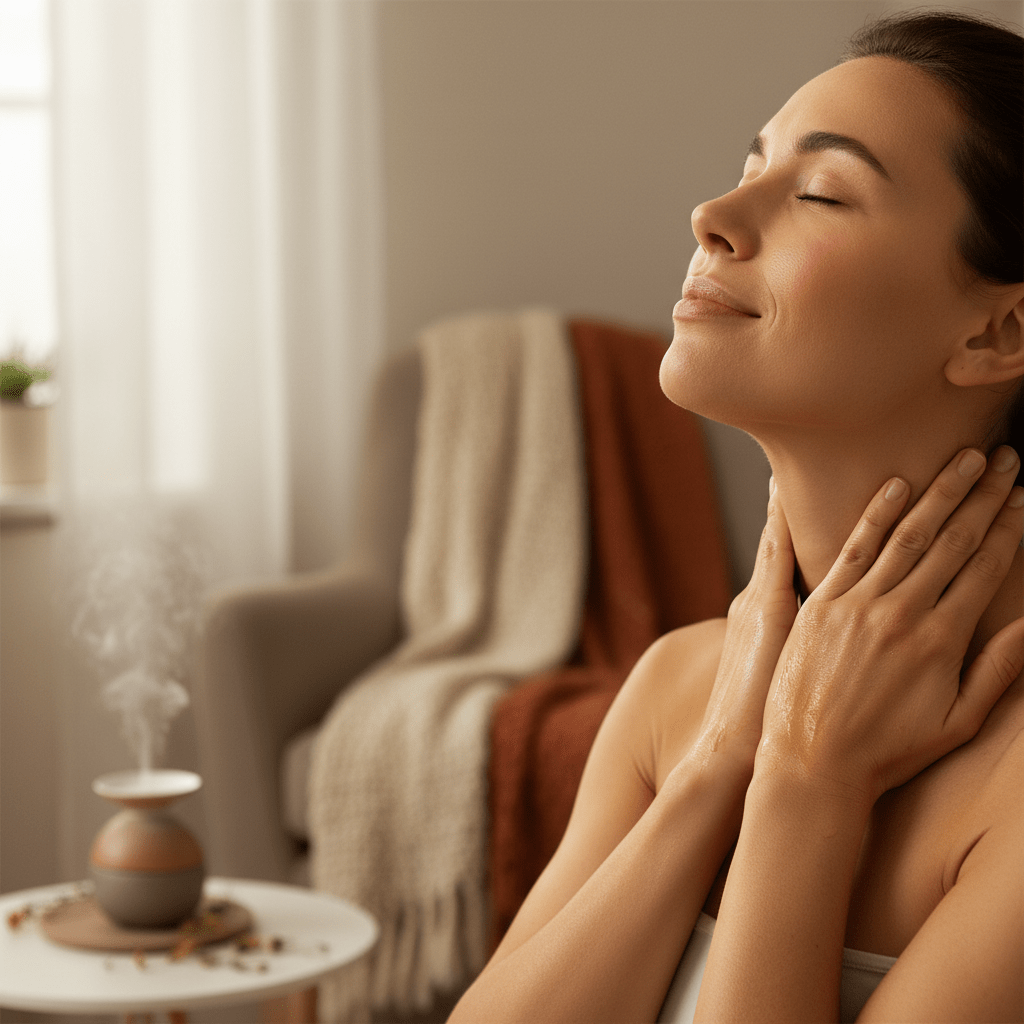
If you want to try ashwagandha for stress, start with just one ritual:
- a 10-minute ashwagandha massage oil routine
- a few drops on the soles of your feet at night
- a warm bath with oil mixed in
That’s it. Don’t make it fancy. Make it repeatable.
The nice part is that topical ashwagandha benefits are easy to fold into real life. It can feel grounding, gentle, and pretty peaceful when paired with slow breathing. Plus, it fits well with adaptogenic herbs for relaxation and a simple Ayurvedic oil for stress routine.
I’d start small, stay steady, and see what your body likes. And if you’re building a wellness line, Aroma Monk’s lab-tested carrier oils and plant-based ingredients can help you make clean, dependable products people can trust.
One calm step. Then another. That’s how change usually starts.

Get a quote from Aroma Monk.
Essential Oil Supplier – Bulk pricing • Samples • Fast response