
Glycerine: The Skincare Staple You’re Using (Even if You Don’t Know It)
Ever look at your face wash and think, “Wait… what is this stuff doing in here?” You’re not alone. Glycerine for skin shows up in all kinds of products, from cleansers to moisturizers to serums, and a lot of us use it without even noticing. It’s one of those quiet ingredients that just shows up and gets to work.
And here’s the funny part. Even though glycerine is everywhere, people still ask the same big questions: Is glycerine safe for skin? Can it cause side effects? What about putting pure glycerine on skin from a DIY bottle? Those are fair questions.
This guide breaks it all down in plain language. We’ll look at how glycerine works as a humectant, what the skin barrier has to do with it, the real dangers of using pure glycerine on skin, and how to use glycerine on face safely without making your skin feel sticky or weird. Plus, if you’ve seen the TikTok tips and wondered whether they’re smart or just internet chaos… we’ll get into that too.
For brands and makers, this matters even more. Clean, well-made formulas can change how a product feels and performs. That’s why trusted ingredient sources, like Aroma Monk’s lab-tested natural oils and rose water for personal care blends, often matter behind the scenes.
What Exactly is Glycerine? Unpacking the Skin’s Favorite Humectant
Ever notice how the same little ingredient keeps popping up in your cleanser, lotion, and serum? That quiet helper is often glycerine. Or glycerol, if you want the fancier name. Same stuff.
Glycerine for skin is a simple compound that helps pull water toward the skin’s top layer. It’s part of the skin’s own moisture system, too. So this isn’t some random add-on that showed up out of nowhere. Your skin already knows it.
Most skincare uses vegetable glycerin. That usually comes from soy, coconut, or palm oils, and it’s the standard choice because it’s pure, stable, and easy to work with. For brands making lotions, serums, or face washes, that matters a lot. Clean texture. Better feel. Less guesswork.
Here’s the basic glycerin humectant mechanism: it grabs water like a magnet. On humid days, it pulls moisture from the air. On drier days, it helps slow water loss from the skin barrier by holding water near the outer layer, called the stratum corneum. That’s the part that gets flaky first when your skin is thirsty.
And honestly, that’s why glycerine is in so many products. A cosmetic ingredient guide notes it shows up in an estimated 65 to 70% plus of skincare products, including moisturizers, cleansers, and serums CosmeticsInfo on glycerin. Pretty wild for something so plain, right?
Quick look at glycerine in skincare
| What it is | Why it matters |
| Simple polyol compound | Helps skin hold water |
| Vegetable-derived ingredient | Common in skincare formulas |
| Humectant | Draws moisture into the outer skin layer |
| Skin-friendly base ingredient | Works well in face creams, gels, and cleansers |
A lot of people ask, “is glycerine safe for skin?” For most folks, yes. The bigger question is how it’s used. Pure glycerine on its own can feel sticky or strange, and in very dry air it can even work against you. But in a good formula, it’s one of the most familiar moisture helpers out there.
So if you’ve been staring at a label and wondering what glycerine is doing there… now you know. It’s the quiet hydration piece. The unglamorous one. And sometimes, that’s exactly what skin needs.
The Dermatologist’s Verdict: Is Glycerine Truly Safe for Skin?
You know that moment when a product feels almost too simple to trust? That’s glycerine for skin. It doesn’t have the flashy glow-up of retinol or the hype of vitamin C, but skin pros usually give it a thumbs-up for a reason.
For most people, glycerine is non-toxic, low-risk, and pretty gentle. It’s also widely seen as hypoallergenic in normal skincare use. That means it rarely causes trouble for everyday users, even folks with sensitive skin, as long as it’s used in a real formula and not slathered on straight from a bottle.
And yes, there’s solid backing behind that. The Cosmetic Ingredient Review Expert Panel said glycerin is safe in cosmetics in the present practices of use and concentration described in its safety review, and the FDA lists glycerin as Generally Recognized as Safe for food use, which adds another layer of confidence.
That safety story makes sense once you look at the ingredient itself. Glycerine is already biocompatible with skin because the body naturally makes glycerol as part of its own moisture system. It fits right into the skin’s Natural Moisturizing Factors, so it tends to feel familiar rather than harsh.
Here’s the simple version:
| Question | Short answer |
| Is glycerine safe for skin? | Usually yes |
| Can it irritate skin? | Not often, but it can if used wrong |
| Is pure glycerine safe on face? | Not by itself, especially in dry air |
| Is it good for sensitive skin? | Often, in a proper formula |
The main thing to watch is not glycerine itself. It’s the way people use it. Pure glycerine can feel sticky, and in very dry weather it may pull water the wrong way and leave skin feeling tight. So if you’re wondering about glycerine on face side effects, the bigger issue is overuse or bad DIY mixing, not the ingredient being some scary villain.
But in a balanced product, it’s one of the calmest ingredients in the bunch. No drama. Just hydration.
For brands, that’s part of why glycerine shows up in so many moisturizers, cleansers, and serums. And if you’re building a skincare line, pairing glycerine with clean botanicals like Aroma Monk’s rose water or lab-tested carrier oils can give you a gentler, more skin-friendly feel without making the formula fussy.
So the dermatologist-style answer is pretty simple: yes, glycerine for skin is safe for most people. Use it in a good formula, keep it diluted, and don’t treat pure glycerine like a face mist miracle. That’s where trouble starts.
Potential Side Effects of Glycerine: When Good Skincare Goes Wrong
You know that moment when a product sounds so gentle that you almost trust it too much? That’s where glycerine gets tricky. Most of the time, glycerine for skin is calm and helpful. But use it the wrong way, and it can turn into a sticky little headache.
The biggest issue is pure glycerine on skin. Straight glycerine is very thick and highly water-loving. In a dry room, or on a dry face, it can pull water from deeper skin layers instead of helping the surface hold onto moisture. So instead of feeling soft, your skin may feel tight, dry, or irritated. In rare cases, long contact with 100% glycerol can even cause small blisters. Not cute. Not worth it.
That’s why the dangers of using pure glycerine on skin are talked about so much online. It’s not that glycerine itself is “bad.” It’s that concentration matters. A lot. If you’ve seen TikTok videos of people spraying straight glycerine like it’s a magic mist, yeah… that’s where things can go sideways fast.
What can go wrong?
| Possible issue | What it can feel like |
| Too much pure glycerine | Sticky, tacky, heavy |
| Low-humidity use | Dryness or tight skin |
| Long direct use | Irritation or tiny blisters |
| Poor DIY mixing | Uneven feel and discomfort |
Stickiness is another complaint. And honestly, I get it. Even when glycerine works well, it can feel a bit grabby on the skin. That doesn’t mean it clogs pores on its own. Glycerine is generally non-comedogenic, so it’s not a pore-clogger in the usual sense. But if a formula is too heavy or too tacky, it can feel like it’s sitting on top of the skin and trapping dirt or oil, especially for acne-prone folks.
So if your face starts feeling gross after a glycerine-heavy product, the issue may be texture, not pore blockage. Weird but true.
Rarely, some people can get glycerin allergy symptoms like contact dermatitis. That can show up as redness, intense itching, hives, or a rash that won’t quit. True glycerine allergy is uncommon, though. Most people will never deal with it. But if your skin keeps reacting every time you use a product with glycerine, stop using it and check with a dermatologist.
Here’s the simple version:
- Safe for most people: yes
- Best used straight from the bottle: no
- Can feel sticky: absolutely
- Can bother very dry or sensitive skin: yes, if used wrong
- Can cause allergy-type reactions: rare, but possible
So how do you use glycerine on face safely? Keep it in a proper formula, or dilute it well in water-based products. And if you’re using it at home, less is usually better. A good moisturizer with vegetable glycerin for skin often works much better than a DIY mix that sounds clever on paper but feels awful by noon.
For brands, this is where thoughtful formulas matter. Pairing glycerine with gentle ingredients like rose water, light carrier oils, or other skin-friendly botanicals can make the texture feel smoother and help reduce that sticky finish. That’s one reason clean ingredient sources matter so much in product development.
Bottom line? Glycerine for skin is usually a friend. But like that one friend who’s great in small doses and exhausting in large ones, it works best when you don’t overdo it.
Get a quote from Aroma Monk.
Essential Oil Supplier – Bulk pricing • Samples • Fast response
How to Use Glycerine for Skin Safely: A Practical 4-Step Guide
Want the glow without the gooey mess? Good. Because glycerine for skin works best when you keep it simple. I’ve seen people love it, then hate it, all because they used it the wrong way. Weird, right?
Step 1: Dilute it correctly
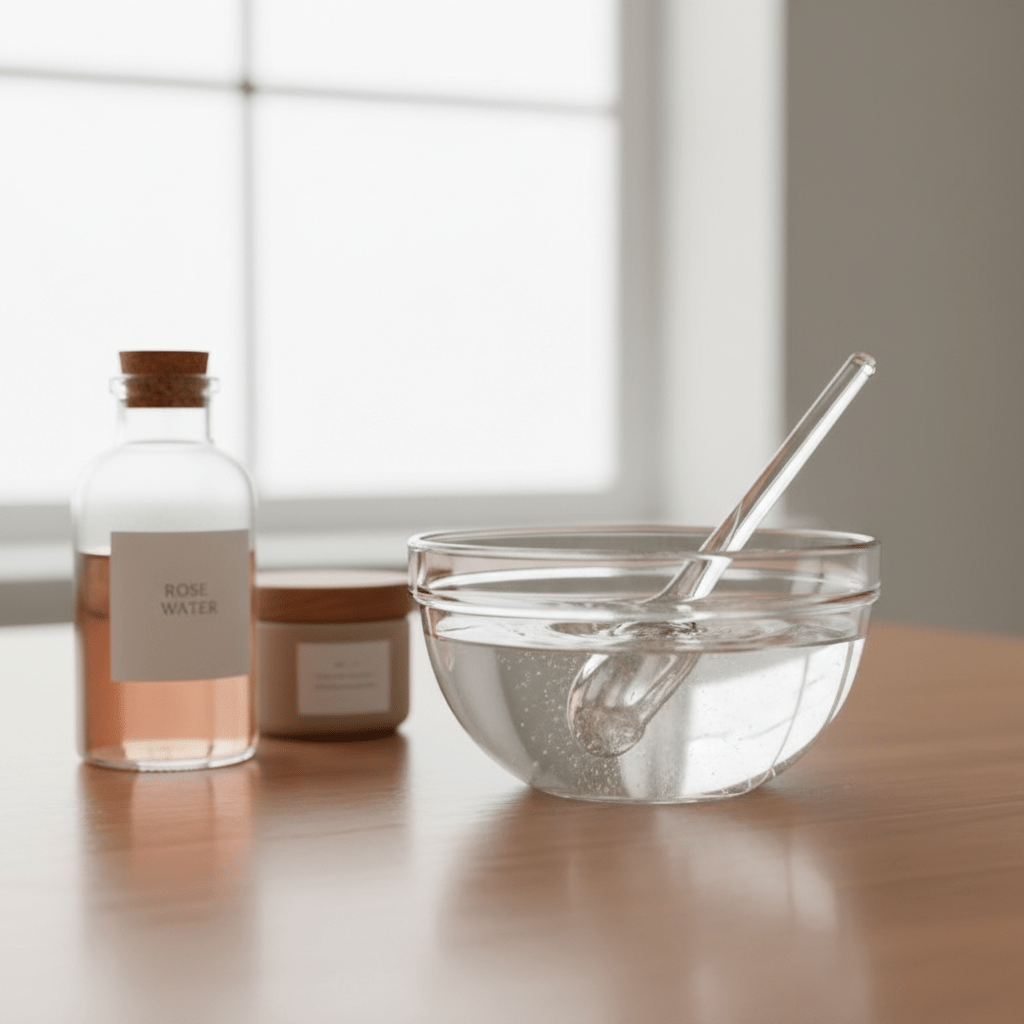
This part is non-negotiable. Pure glycerine on skin can feel sticky and, in dry air, it can even pull water the wrong way. So for a DIY mix, keep it to 1 part glycerine to 4 parts water or rose water. That gives you a gentler blend that’s much safer for face use.
If your skin is very dry, you can even go a bit lighter. A few drops can go a long way. And if you’re using a ready-made product, look for glycerine in a formula that already has water mixed in.
Step 2: Pair it with an occlusive
Here’s the deal. Glycerine is a humectant, so it pulls water in. But you need something to hold that water there. That’s the humectant-occlusive trick.
Try this order:
- Cleanse your face
- Apply a glycerine toner, serum, or diluted mix on damp skin
- Seal it with a moisturizer, squalane, shea butter, or another light occlusive
That combo helps support the glycerin for skin barrier effect without leaving your face tacky. For oily skin, a light gel moisturizer usually works better. For dry skin, a richer cream can help more.
Step 3: Choose quality products
Not all glycerine products are the same. When you read a label, look for glycerine or glycerin in the top 5 ingredients. That usually means it’s doing real work, not just showing up for the label.
If you’re buying pure glycerine, check for:
| What to look for | Why it matters |
| USP Grade | Helps show the glycerine is clean and well-made |
| Vegetable-derived | Common choice for skincare |
| Clear or slightly yellow liquid | Normal look for pure glycerine |
| No added scent or color | Better for sensitive skin |
Aroma Monk’s lab-tested rose water can be a nice partner here for DIY blends or small-batch skincare, since it gives you a gentler water base than plain tap water. For brands, that kind of ingredient sourcing can make a formula feel a lot more polished.
Step 4: Always patch test
Please don’t skip this. Even a gentle product can bug your skin.
Try this:
- Put a small amount on the inner arm
- Leave it there for 24 hours
- Watch for redness, itching, bumps, or hives
- If nothing happens, try a small spot near the jawline next
If you get glycerin allergy symptoms like a rash or itching, stop using it. And if your skin feels tight or stings, that may be a sign the mix is too strong or too dry for your face.
Honestly, this is the safest way to think about how to use glycerine on face safely: dilute it, pair it, check the label, then test it. Simple. No viral drama needed.
And if you want to build a skin-friendly product line, this is where clean ingredients matter. A good formula with vegetable glycerin for skin, plus rose water or other gentle botanicals, usually feels better than a DIY guess. That’s the boring answer. And the boring answer is often the one that works.
Glycerine Myths vs. Facts: Debunking Common Misconceptions
Ever heard someone say glycerine will darken your skin? Or that it’s some harsh chemical you should run from? Yeah, skincare comment sections can get weird fast.
Let’s clear the air.
Myth 1: Glycerine darkens the skin
False. There’s no good science behind that claim. Glycerine does not change melanin production, so it does not make skin darker. When people think it did, the real cause is often something else. Sometimes it’s dirt sitting on sticky skin. Sometimes it’s a bad mix with other ingredients. Sometimes it’s just a weird internet rumor that keeps getting copied.
And honestly, that’s how a lot of glycerine on face side effects stories start. The stickiness gets blamed for everything.
Myth 2: Glycerine is a harsh chemical
Not really. Glycerine is a natural alcohol compound found in fats and oils, and your body makes a form of it too. That’s why it fits so well into the skin’s own moisture system. It’s biocompatible. Pretty skin-friendly. Not some scary lab monster.
This is also why the glycerin humectant mechanism works so well. It helps water stay near the outer skin layer, which supports the skin barrier instead of fighting it.
Myth 3: Oily skin should skip glycerine
This one trips people up a lot. If your skin is oily, you might think more moisture means more grease. But dehydrated skin often tries to fix itself by making extra oil. Annoying, right?
So a light glycerine-based hydrator can actually help oily skin feel calmer and more balanced. That’s why lots of water gels and light lotions use vegetable glycerin for skin. They give moisture without the heavy feel.
| Myth | Fact |
| Glycerine darkens skin | No proof of that |
| Glycerine is harsh | It’s gentle for most people |
| Oily skin should avoid it | Light hydration can help |
The real takeaway? Glycerine for skin is usually plain, steady, and helpful. It’s one of those ingredients that does its job without making a big scene. And for brands, that matters too. A clean formula with glycerine, rose water, or other gentle ingredients can feel a lot nicer than a messy DIY blend.
So if you’ve been worrying about the dangers of using pure glycerine on skin, or wondering is glycerine safe for skin at all, the answer is still pretty simple: in the right formula, yes. Don’t believe every viral claim you see. Some of them are just sticky stories.
The Final Word: Making Glycerine Work for Your Skin
Glycerine for skin is a quiet little hero. It’s cheap, easy to find, and it usually works well for hydration and skin barrier support. No big drama. Just solid results.
But here’s the one rule that matters most: don’t use it straight from the bottle on your face. Always dilute it or choose a well-made product that already has it mixed in the right way. That’s the difference between smooth skin and a sticky mess.
So if you’ve been wondering, is glycerine safe for skin? For most people, yes. Use vegetable glycerin for skin care the smart way, and it can fit right into your routine without much fuss.
Choose good formulas. Patch test when you can. And if you’re making DIY blends, keep them light. Simple wins here.
That’s how glycerine for skin stays helpful, calm, and skin-friendly.
Get a quote from Aroma Monk.
Essential Oil Supplier – Bulk pricing • Samples • Fast response