
Why This Old-School Ingredient Might Be the Best Thing for Your Skin
Ever look at a fancy serum and think, “Wait… do I really need this $48 bottle?” You’re not alone. A lot of us are trying to figure out if the pricey new thing is actually better than the plain, old ingredient that’s been sitting in moisturizers for years.
That’s where glycerine for skin gets interesting. It’s one of those quiet stars that doesn’t get much hype, but it shows up in tons of glycerine in skincare products for a reason. It pulls water into the skin, helps keep it soft, and works well for glycerine for dry skin without needing a big marketing story.
And here’s the funny part. Even with all the buzz around clean beauty and simple formulas, many people still miss the basics. The clean beauty market was valued at about $5.44 billion in 2023, and over 60% of U.S. shoppers say skincare feels too expensive now, according to Mintel. So yeah, people are asking real questions: is glycerin good for your face, or should we keep chasing the next big thing?
This article is here to sort that out. We’ll look at glycerin benefits, compare glycerin vs hyaluronic acid, and talk through squalane vs glycerin, plus other humectants for skin. No hype. Just a clear look at what actually helps your skin feel better.
And if you’re building skincare products, this stuff matters even more. Brands like Aroma Monk, which supply rose water, essential oils, and other natural ingredients for cosmetics and personal care, know that buyers want pure, traceable raw materials that can fit into simple, skin-friendly formulas. That’s the kind of thinking behind great products.
The 3 Pillars of Moisturization: Humectants, Emollients, and Occlusives
Ever put on a moisturizer and still felt dry an hour later? Yeah. Annoying. That usually means the formula is missing one of the three skin helpers we’re talking about here.
Think of moisturizers like a little repair crew. Each one does a different job. And when they work together, your skin tends to feel softer, calmer, and less thirsty.
1) Humectants pull water in
Humectants are ingredients that grab water and hold it in the skin. This is where glycerine for skin really shines. It’s one of the best-known humectants for skin, and it’s why people ask, is glycerin good for your face? Usually, yes, if it’s used the right way.
Other humectants for skin include hyaluronic acid, urea, and propylene glycol. Glycerin benefits are pretty simple: it helps skin stay hydrated, and it’s cheap, steady, and easy to formulate with. That’s also why glycerin in skincare shows up in so many serums and creams.
2) Emollients smooth the surface
Emollients don’t pull in water. They soften the top layer of skin and help fill tiny gaps between skin cells. Nice job, honestly.
Common examples include squalane, ceramides, lanolin, and fatty ingredients like glycerol stearate. If you’ve ever wondered about squalane vs glycerin, the short answer is this: glycerin draws water in, while squalane helps skin feel smoother and less rough.
3) Occlusives lock moisture in
Occlusives form a light barrier on top of the skin. That barrier helps stop water from escaping. Petrolatum and shea butter are common examples, and petrolatum is the strongest of the group for sealing in moisture.
This is why slugging works for some people. Put a humectant like glycerine on damp skin first, then add an occlusive on top. Water in, water held. Simple. Messy skin day? Maybe not anymore.
| Skin helper | Main job | Common examples |
| Humectant | Pulls water into skin | Glycerine, hyaluronic acid, urea |
| Emollient | Softens and smooths | Squalane, ceramides, lanolin |
| Occlusive | Seals moisture in | Petrolatum, shea butter, beeswax |
A lot of skin pros like this three-part setup because it covers more ground than one ingredient alone. Glycerine may get the spotlight here, but it works best with the other two.
For brands making products, that matters a lot. If you’re building a moisturizer, toner, or serum, think about the full moisture story, not just one trendy ingredient. And if you need pure raw materials like rose water, carrier oils, or essential oils for your formulas, Aroma Monk can help with bulk supply and lab-tested quality.
Deep Dive: What is Glycerine and How Does It Work?
Ever wonder why some skin products feel fancy but do very little? And then there’s this plain little ingredient that keeps showing up in the best ones. That’s glycerine for skin. Not flashy. Not trendy. But pretty tough to beat.
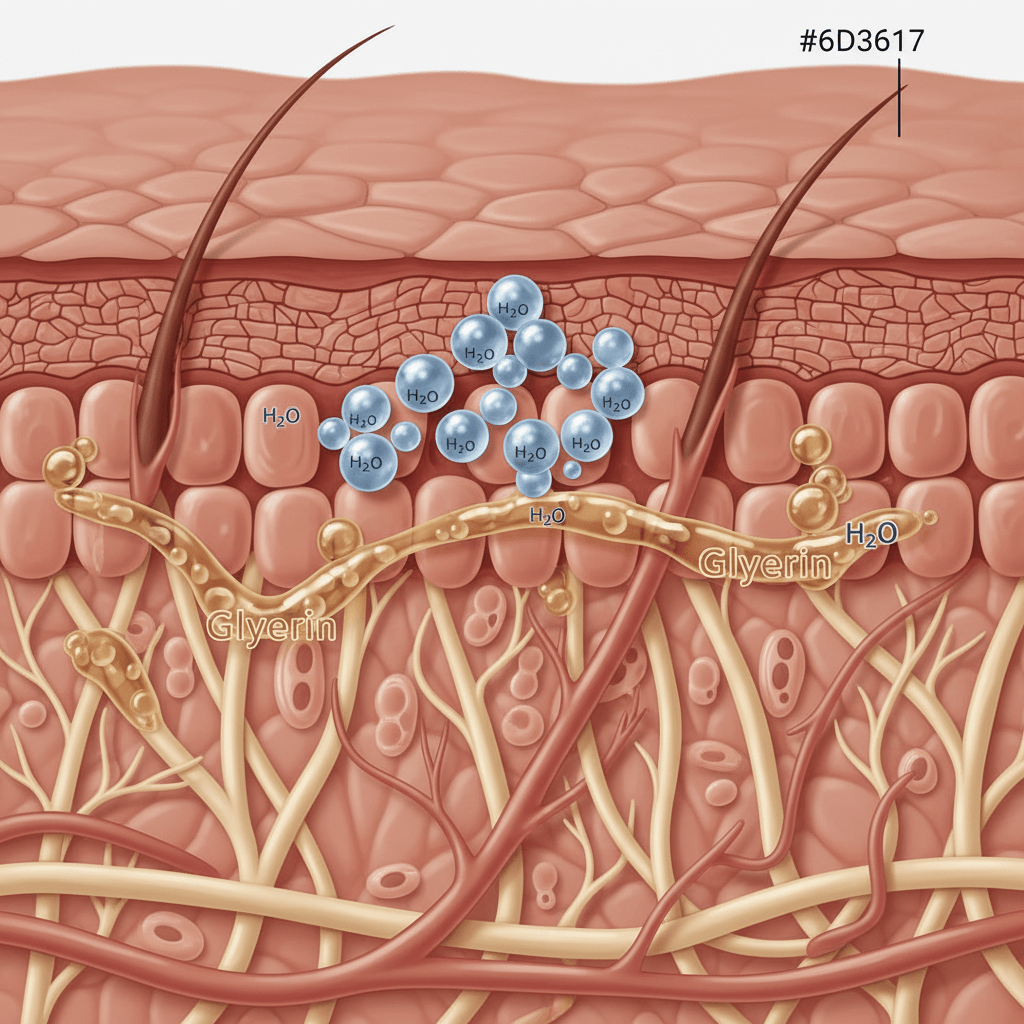
Glycerine, also called glycerin or glycerol, is a natural sugar alcohol. Your skin already knows it. In fact, it’s part of the skin’s Natural Moisturizing Factor, or NMF, which helps keep the outer layer soft and flexible. So when people ask, is glycerin good for your face, the short answer is usually yes. It’s already playing a role your skin likes.
Here’s how it works. Glycerine acts like a humectant for skin. That means it pulls water toward the stratum corneum, which is the outermost layer of skin. It can draw moisture from the air and also from deeper skin layers. That extra water helps skin feel less tight and look smoother. Simple idea. Big payoff.
And the best part? Glycerine benefits go beyond hydration. Studies and skin experts point to better barrier support, less irritation, and help with wound healing. A recent review in PubMed also found that glycerol helps the skin barrier lipids stick together better, which is a nice way of saying it helps your skin hold itself together a little better.
Why formulators still love it
I know, I know. Hyaluronic acid gets all the attention. But glycerine in skincare keeps showing up for a reason. It works well in lots of formulas, usually at about 2% to 10%, and sometimes higher in barrier creams. It also plays nicely with other humectants for skin, plus emollients like ceramides and squalane.
That’s why you’ll see it in moisturizers, toners, and serums. Especially in products made for glycerin for dry skin or stressed skin. It helps with the water part. Then the rest of the formula can do its job too.
| Glycerine benefit | What it helps with |
| Humectant action | Pulls water into the skin |
| Barrier support | Helps skin stay strong |
| Comfort | Can ease tight, dry skin |
| Repair support | May help skin heal faster |
A quick note on using it
Using glycerin on face works best in a formula or diluted mix, not straight from the bottle. Straight glycerine can feel sticky. And in very dry air, it may not behave the way you want. So most people do better with products that already blend it with water, rose water, aloe, or other soothing ingredients.
That’s also where brands like Aroma Monk fit in for product makers. If you’re building skincare with simple, clean ingredients, pure rose water, essential oils, and other natural raw materials can help shape a formula people actually want to use. Clean, clear, and not overcomplicated. Honestly, that’s kind of refreshing.
So yes, glycerine for skin may be old-school. But old-school isn’t a bad thing. Sometimes it just means a thing has already earned its spot.
The Main Event: Glycerine vs. Hyaluronic Acid
You know that moment when two products seem to promise the same thing, but one costs way more? Yeah, that’s the glycerine vs hyaluronic acid question in a nutshell.
Both are humectants for skin. Both help pull water into the skin. But they do it a little differently, and that’s where things get interesting. Glycerine for skin is tiny, simple, and stays busy in the background. Hyaluronic acid gets more of the spotlight because it sounds fancy and feels light. But fancy doesn’t always mean better.
A 2016 head-to-head study found glycerine beat hyaluronic acid, urea, and a few other humectants for increasing skin hydration. And that matters, because glycerine is a very small molecule at just 92 Da, so it can move through skin more easily than HA, which is much larger. Actually, wait, there’s a catch. Hyaluronic acid can still be great for that soft, bouncy surface feel people like. So this isn’t a winner-takes-all thing.
So which one feels better?
That part is pretty personal.
- Hyaluronic acid often feels lighter and more “cosmetic.”
- Glycerine can feel a little tacky if it’s too strong or not blended well.
- Both together usually give a nicer balance.
If you’ve ever used a product with too much glycerine on a dry winter day, you know what I mean. It can get a bit sticky. Not a disaster. Just… not lovely. But in a well-made formula, glycerin in skincare usually feels fine and does its job without drama.
What about cost?
This is where glycerine really shines.
It’s way cheaper to use in formulas, which is a big deal for brands and shoppers alike. A lot of premium skincare leans on hyaluronic acid because it sounds premium. But glycerine for dry skin keeps showing up in the best-selling basics for a reason. It works, it’s stable, and it doesn’t blow up the price tag.
| Ingredient | Skin feel | Main strength | Cost to formulate |
| Glycerine | Can feel slightly tacky in high amounts | Deep hydration support | Low |
| Hyaluronic acid | Light, silky, often more elegant | Surface plumping and moisture feel | Higher |
And here’s the part many people miss: you don’t always have to pick one. A lot of brands combine glycerine in skincare with hyaluronic acid because they do different jobs. Glycerine helps hydrate more deeply, while HA helps hold water near the surface. Kind of like a team, not a rivalry.
If you’re making products, that combo can be smart. And if you source raw materials for cosmetics or personal care, ingredients like rose water, carrier oils, and pure essential oils from Aroma Monk can fit nicely into those kinds of formulas. Simple, clean, and built for real use.
So, is glycerin good for your face? Usually yes. Is hyaluronic acid good too? Also yes. But if you want a budget-friendly humectant with a long track record, glycerine for skin is hard to beat.
And honestly, that old-school reputation? It’s earned.
Get a quote from Aroma Monk.
Essential Oil Supplier – Bulk pricing • Samples • Fast response
A Supporting Role: How Glycerine Complements Emollients like Squalane & Ceramides
Ever notice how one skin product feels nice for a bit, but your face still wants more? That’s usually a clue that one ingredient is doing its job, but not the whole job. And that’s where glycerine for skin teams up with emollients like squalane and ceramides.
This is not a contest. Glycerine is a humectant for skin, so it pulls water in. Squalane and ceramides are emollients, so they smooth the surface and help fill in tiny gaps between skin cells. Different jobs. Same goal. Softer skin that feels less cranky.
Here’s the simple version:
| Ingredient type | What it does | Common examples |
| Humectant | Pulls water into skin | Glycerine, hyaluronic acid, urea |
| Emollient | Softens and smooths | Squalane, ceramides, lanolin |
| Occlusive | Helps seal moisture in | Petrolatum, beeswax, mineral oil |
When these three show up together, they usually work better than one alone. Glycerine helps with hydration, while ceramides help support the skin barrier and squalane makes the skin feel less rough. It’s a nice little team. Honestly, a pretty smart one.
That’s why you’ll see glycerin in skincare products like CeraVe Moisturizing Cream, Vanicream Moisturizing Skin Cream, and other simple moisturizers that aim for more than just surface shine. If you’ve ever compared glycerin vs hyaluronic acid, this is the part people miss. You don’t always need the fanciest humectant. Sometimes you need the full mix: water, lipids, and a way to keep it all from escaping.
And for dry or sensitive skin, that combo can feel like a relief. Glycerin for dry skin helps bring in moisture, then ceramides and squalane help keep the surface calmer and smoother. It’s also why slugging can work so well when you put a humectant on damp skin first and then seal it with petrolatum. Water in. Moisture held. Done.
If you’re choosing a moisturizer, check the label for more than one moisture helper. A good formula often blends glycerine, ceramides, or squalane instead of picking sides. And if you’re a product maker, that’s a useful clue too. Strong formulas usually don’t rely on one hero ingredient. They let a few good ones do their thing together.
Plus, that fits what shoppers want right now. Clean, simple skincare keeps growing because people are tired of paying extra for fluff. So yes, glycerine for skin still matters. But it shines brightest when it’s paired with the right support crew.
Locking It In: Glycerine’s Partnership with Occlusives (Petrolatum, Shea Butter)
You know that annoying moment when your skin feels soft for about 10 minutes, then the dryness sneaks right back? Yeah. That usually means moisture got in, but it didn’t stay put.
That’s where glycerine for skin gets even better. On its own, glycerine acts like a humectant for skin. It pulls water in. But if you stop there, some of that water can still escape. So the real trick is pairing it with an occlusive.
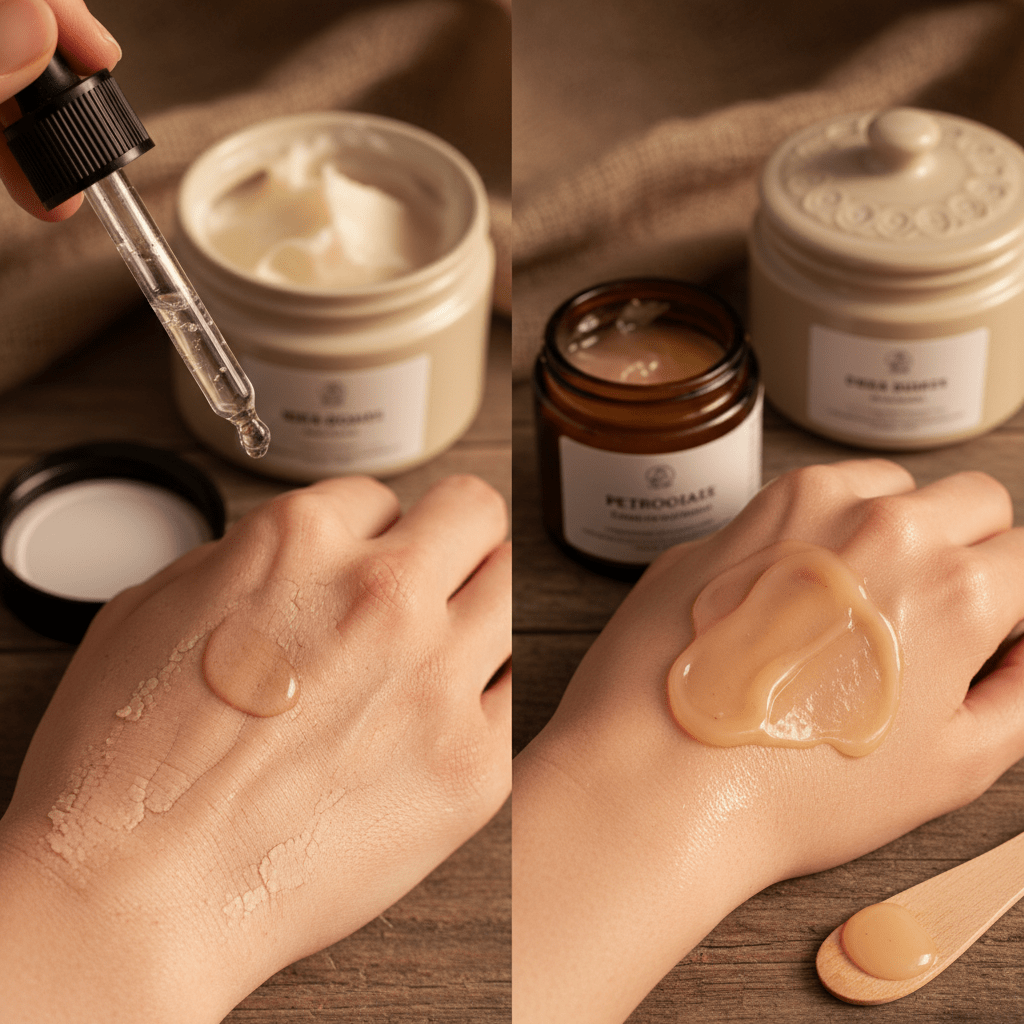
Occlusives are the seal on top. They form a barrier that slows transepidermal water loss, or TEWL. Fancy term, simple idea. Put glycerin on damp skin first, then add petrolatum or shea butter on top, and you’ve got a much better hydration setup. Water in. Water held. Skin less grumpy.
Petrolatum gets a bad rep sometimes, which is odd because it’s one of the best occlusives out there. Dermatology sources show it can cut TEWL by about 98% to 99% in controlled testing, and it’s also non-comedogenic for most people. So no, it’s not this scary pore-clogging villain people make it out to be. It just works.
Shea butter does a similar job in a softer, richer way. It’s not as airtight as petrolatum, but it still helps slow moisture loss and makes skin feel cushioned. Nice for dry patches. Nice for winter. Nice for anyone tired of their face feeling tight by 3 p.m.
This is why slugging took off. The idea is simple: apply a humectant like glycerine first, then seal it with an occlusive as the last step. That way the skin gets hydration, and then it keeps it. Usually people do this at night, because no one wants a shiny face at a work meeting unless that’s the look they’re going for.
| Step | Product type | What it does |
| 1 | Glycerine or glycerin serum | Pulls water into skin |
| 2 | Shea butter or petrolatum | Slows water loss |
| 3 | Sleep | Lets the combo do its thing |
And honestly, this is the part people miss in glycerin in skincare. A great formula is rarely just one star ingredient. It’s the whole moisture chain working together. That’s why glycerine for dry skin often shows up in creams with petrolatum, shea butter, or ceramides.
If you’re choosing products, check the label for both sides of the story: a water-grabber and a moisture-sealer. And if you’re building skincare products, that same logic matters even more. Brands that source simple, pure ingredients like rose water, essential oils, and carrier oils from suppliers such as Aroma Monk can build formulas that feel clean, steady, and easy to use. No fluff. Just skin that stays happier for longer.
So yes, is glycerin good for your face? Usually. But paired with the right occlusive, it gets a whole lot better.
Putting It All Together: How to Use Glycerine in Your Skincare Routine
You know that nice-feeling product you buy, then forget why you loved it? A lot of the time, glycerine for skin is the quiet reason.
The easiest way to spot it is on the label. Look for glycerin high up on the ingredients list in cleansers, serums, and moisturizers. If it shows up near the top, that usually means it’s doing real work, not just hanging around for show. And with more people shopping for simple formulas, that makes sense. The clean beauty market hit about $5.44 billion in 2023, and over 60% of U.S. shoppers say skincare feels too expensive now, according to Mintel.
Here’s the basic order:
- Cleanse your skin.
- Apply a glycerine-based serum or toner while skin is still damp.
- Seal it in with a cream, oil, or balm.
That middle step matters a lot. Using glycerin on face works best after cleansing and before heavier products. If you put it on dry skin, it may not feel as nice. If you use it under a cream, though, it can help hold water in where your skin wants it.
| Step | What to look for | Why it helps |
| Cleanser | Glycerin in the formula | Keeps skin from feeling stripped |
| Serum/Toner | Glycerine near the top | Adds hydration while skin is damp |
| Moisturizer/Oil | Squalane, ceramides, or petrolatum | Locks the water in |
One big caution: don’t use pure glycerine straight on your skin. That’s a DIY mistake people make all the time. In a very dry room, pure glycerine can feel sticky and may even pull moisture the wrong way. Not ideal. If you want to mix it at home, keep it diluted with water, rose water, or aloe. Better yet, use a finished product that already balances it well.
So yes, glycerine for dry skin can be a real helper. Just use it the smart way. And if you’re a product maker, that same logic applies to formulas too. Simple, well-balanced ingredients usually work better than trying to cram everything into one bottle.
The Verdict: Glycerine Is a Skincare Staple for a Reason
So, after all that… is glycerine for skin worth the hype? Yeah. Quietly, yes.
It may not have the shiny name of hyaluronic acid, but glycerine benefits are hard to ignore. It’s a science-backed humectant for skin, it plays nicely with emollients like squalane and ceramides, and it works even better when you seal it in with an occlusive like petrolatum. That combo is the real deal. Water in, softness in, moisture held.
And the price? That’s part of the charm. In a market where over 60% of U.S. shoppers say skincare feels too expensive, Mintel shows why simple ingredients keep winning. Glycerin in skincare gives you a lot without asking for a luxury budget. For a lot of people, it’s the calm, boring ingredient that just works.
If you’re checking labels, look for glycerin in moisturizers, serums, toners, and cleansers. If you’re building a routine, try using glycerin on face while skin is still damp, then lock it in. And if you make products, don’t sleep on vegetable glycerin for skin or the way it pairs with rose water, carrier oils, and other gentle ingredients.
One last thing. Don’t underestimate the plain bottle on the shelf. Sometimes the best answer isn’t the loudest one. It’s the ingredient that’s been helping skin stay soft for years.
Get a quote from Aroma Monk.
Essential Oil Supplier – Bulk pricing • Samples • Fast response