
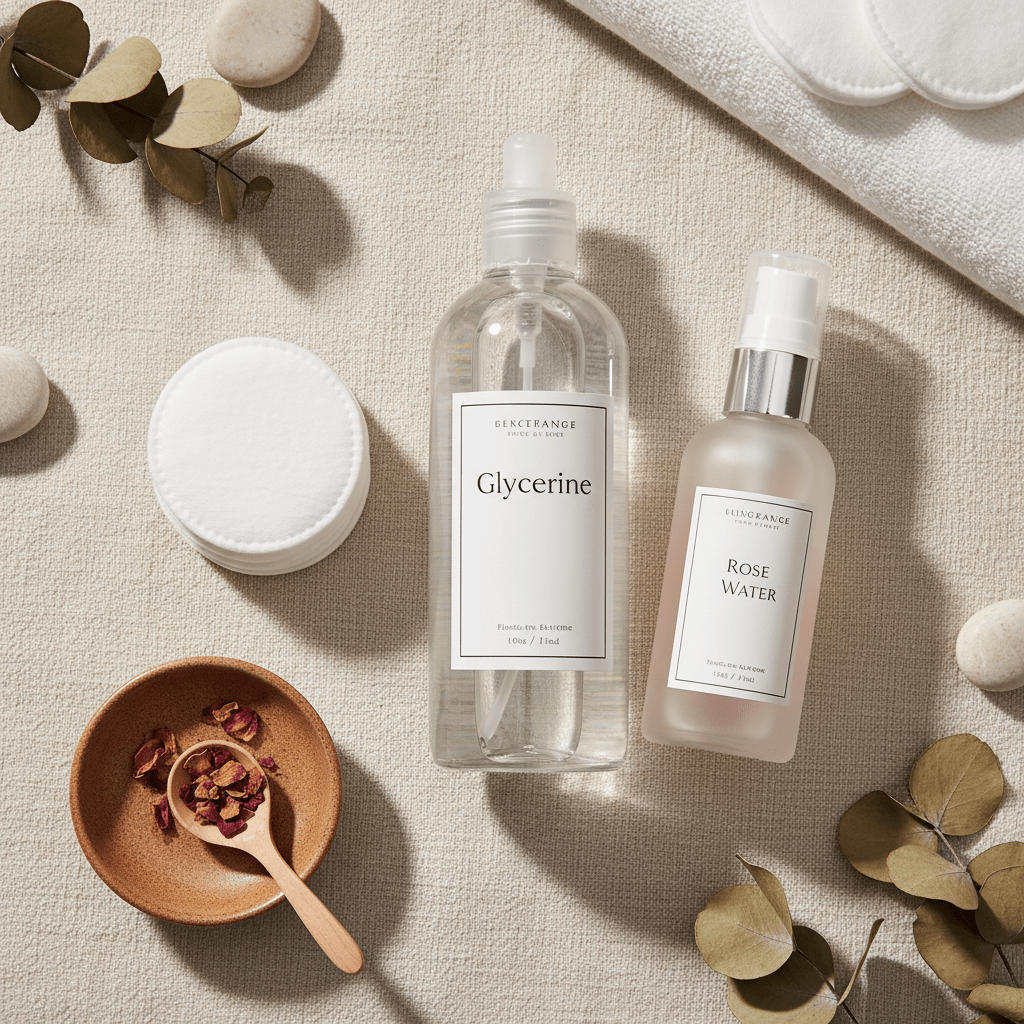
The Humble Ingredient Your Dry Skin Has Been Missing
Ever buy a pricey face cream and still feel dry by lunch? Ugh. Been there.
Dry skin is a huge pain point, and it’s not rare at all. One review says xerosis affects about 29% to 40% of people, and that number climbs with age. So if your skin feels tight, flaky, or just plain thirsty, you’re in very crowded company. Plus, some fancy moisturizers cost $80 to $150 for a tiny jar, which feels a little rude. A lot of the time, the real star is way cheaper: glycerine for skin.
Glycerine is a natural humectant, which just means it acts like a water magnet. It pulls moisture in and holds it near the skin. Simple idea. Big help. And funny enough, this humble ingredient shows up in a ton of high-end products because it works so well.
So yes, this guide is here to help you figure out what glycerine is, how to use glycerine on skin, and whether it fits your routine. We’ll also look at glycerine benefits for skin, glycerine for dry skin, glycerine for oily skin, and a few easy DIY ideas like a DIY glycerine toner or glycerine and rose water for face.
If you’ve been hunting for a cheaper, gentler way to keep skin soft, you’re in the right place.
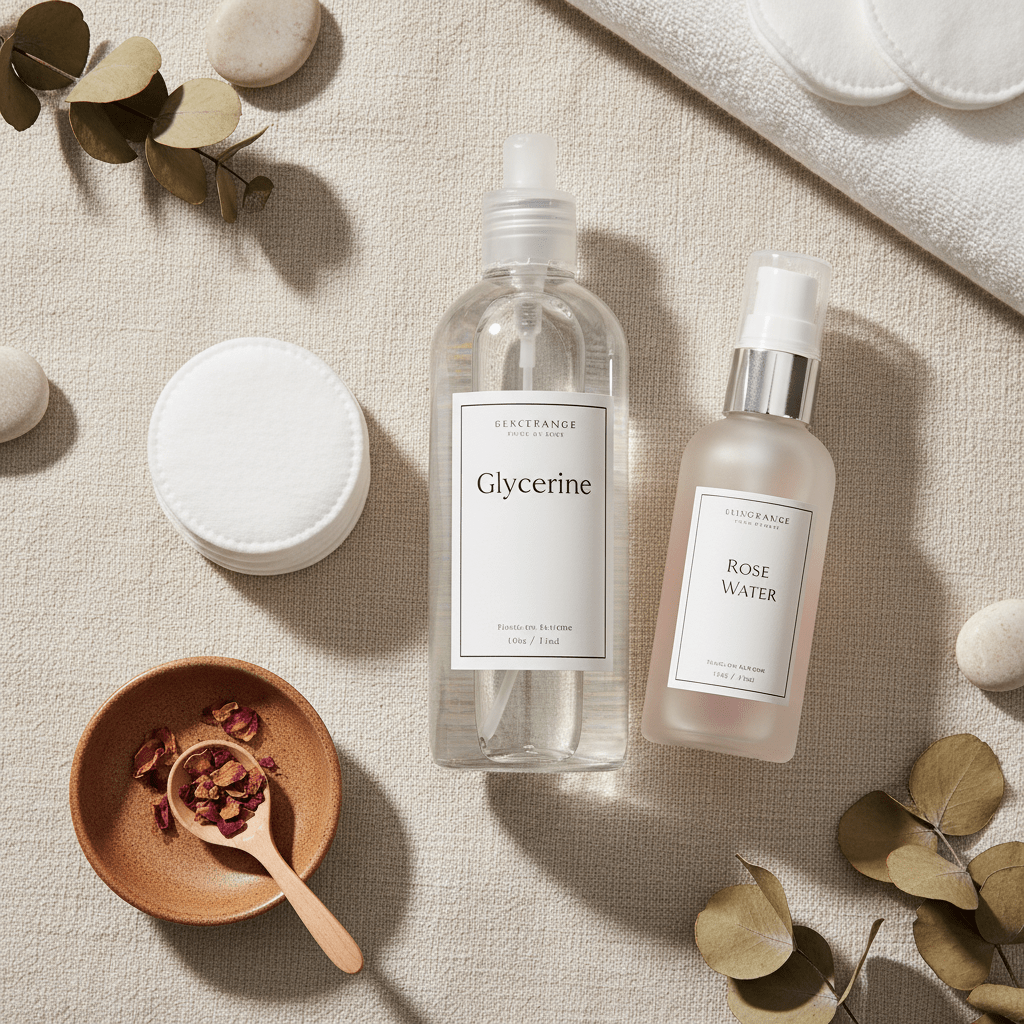
1. What is Glycerine? Decoding the Skincare Powerhouse
Ever looked at a skin cream label and thought, “Wait… why is this tiny ingredient doing all the work?” That’s glycerine for skin in a nutshell.
Glycerine, also called glycerol, is a natural sugar alcohol. That sounds fancy, but the idea is simple. It grabs water and holds onto it. That’s why people call it a humectant, or in plain language, a water magnet. It helps pull moisture to the skin’s top layer so skin feels softer and looks a bit more plump.
And here’s the cool part. Glycerine already plays a role in your body’s own hydration system. Your skin likes water. Glycerine just helps keep it around longer.
There are a few kinds you might see:
| Type | Where it comes from | Why people use it |
| Vegetable glycerine | Plant oils like coconut, soy, palm, or sunflower | Popular for skincare and vegan formulas |
| Animal-derived glycerine | Animal fats | Less common in personal care |
| Synthetic glycerine | Made from industrial sources | Often chemically similar, but not always the first pick for natural products |
For face care, vegetable glycerine for face is usually the crowd favorite. It fits cleaner, plant-based routines, and it’s easy to find in skincare blends and DIY recipes.
Glycerine is clear, odorless, and thick. Kind of syrupy. Not glamorous, but it gets the job done. And because it’s so gentle, it shows up in everything from lotion to a DIY glycerine toner or glycerine and rose water for face mixes.
If you’re shopping for it, look for USP-grade or cosmetic-grade glycerine. That helps you avoid junky stuff you don’t want on your skin.
Plus, for brands like Aroma Monk that work with natural ingredients, glycerine pairs well with rose water and other plant-based skincare basics. Simple ingredients. Better routines.## 2. The Science of Hydration: How Glycerine Magically Moisturizes Your Skin
Ever put on a moisturizer and still felt dry an hour later? So annoying. And that sticky, tight feeling? Yeah, nobody’s fan of that.
Here’s the deal. Glycerine for skin works because it acts like a water magnet. It pulls water from the air when the air is damp enough, and it also draws water up from the deeper layers of your skin to the top layer. That top layer is the epidermis. The result is skin that looks smoother and feels less parched.
That’s why glycerine as a natural moisturizer gets so much love in face creams, serums, and even a DIY glycerine toner. It’s not flashy. It just works.
But glycerine does more than add moisture. It also helps support the skin barrier. Think of your barrier like a tiny brick wall. When it’s in good shape, it helps keep water in and outside irritants out. Glycerine helps the skin’s lipids stay organized, which can lower transepidermal water loss, or TEWL. Fancy name, simple idea. Less water escaping.
A study found that a 5% glycerin fluid cut TEWL fast and kept helping for 24 hours. Another study showed a 20% glycerin cream boosted skin hydration after 10 days. Pretty solid for one plain-looking ingredient. You can read more in the clinical findings on glycerine and skin hydration.
And there’s one more nice trick. Glycerine helps with desquamation, which is the skin’s natural shedding process. That means old skin cells come off in a smoother way, so skin can look softer and less rough. No scrubby drama needed.
If you’re shopping for glycerine for dry skin, or even glycerine for oily skin, this is why it earns a spot. It hydrates without feeling greasy, and it’s usually well liked by sensitive skin too. Just keep in mind that in very dry air, it can work better when you seal it in with a cream or a light oil on top. That part matters.
A quick cheat sheet:
| What glycerine does | What that means for your skin |
| Pulls water in | Skin feels plumper |
| Helps barrier lipids stay steady | Less water loss |
| Supports cell turnover | Smoother texture |
| Works in damp skin | Less sticky, better feel |
So if you’ve been wondering how to use glycerine on skin, start simple. Use a diluted mix, apply it to damp skin, and follow with a moisturizer. Easy. No overthinking.
And if you’re building products for a brand, this is also why glycerine pairs so well with rose water and other gentle ingredients in clean skincare lines. For B2B buyers, Aroma Monk’s rose water and natural blends can fit right into formulas that need a calm, hydrating base.
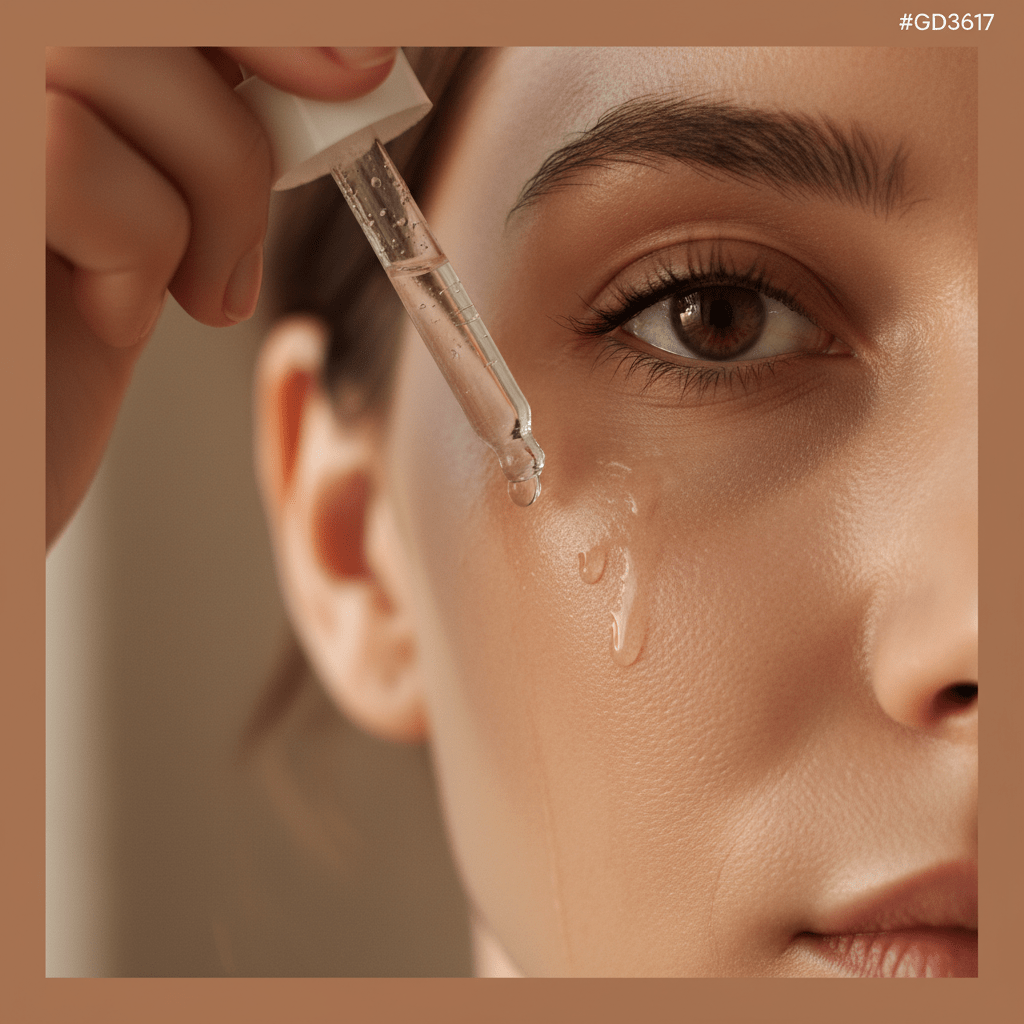
2. 5 Science-Backed Benefits of Using Glycerine for Skin
Dry skin can be such a drag. You moisturize, then two hours later your face feels tight again. Weird, right? And if you’ve ever stood in the skincare aisle staring at a $120 jar, you already know the pain.
That’s why glycerine for skin keeps showing up in so many formulas. It’s cheap, gentle, and it does a lot more than people think. Let’s break down the big wins.
1. Deep, Long-Lasting Moisture
Glycerine works like a water magnet. It pulls moisture into the top layer of skin and helps hold it there. That means skin feels less tight right away, but it also keeps helping after you apply it.
A clinical review on glycerine and skin hydration found that even a 5% glycerin fluid lowered water loss fast and kept helping for a full day. Pretty nice for one simple ingredient.
This is why glycerine for dry skin gets so much love. It gives that soft, plump feel without the greasy mess.
2. A Stronger Skin Barrier
Here’s the thing. Healthy skin isn’t just about adding water. It’s also about keeping that water from slipping away.
Glycerine helps support the skin barrier, which is the outer layer that protects you from dry air, pollution, and everyday irritants. When that barrier is working well, skin usually feels calmer and looks less rough.
A stronger barrier also means less transepidermal water loss, or TEWL. That’s just a fancy way of saying less moisture escapes. And less escaping is a very good thing.
3. Smoother Texture and a Healthier Glow
You know that dull, bumpy look skin gets when it’s parched? Glycerine can help with that too.
By drawing water into the skin and helping old cells shed more smoothly, it can make skin look softer and a little more even. Fine lines may look less noticeable for a bit, too. Not erased. Just softer around the edges.
If you’re using a DIY glycerine toner or glycerine and rose water for face recipes, this is one reason people like them so much. The skin just looks happier.
4. It Can Calm Irritated Skin
Glycerine is gentle. That’s a big deal for skin that gets red, itchy, or cranky fast.
It has no strong scent, no heavy oil feel, and it usually plays well with sensitive skin. Research and skin-care experts often point to glycerine as a good pick for dry, reactive, or eczema-prone skin because it helps the barrier hold on to water and stay steadier.
If your face gets annoyed easily, this kind of simple hydration can feel like a sigh of relief. Not magic. Just kind.
5. It Won’t Clog Pores
A lot of people see the syrupy texture and think, “Nope, that’ll break me out.” But pure glycerine is oil-free and has a comedogenic rating of 0, which means it does not clog pores.
That makes glycerine for oily skin a smart pick, not a weird one. Sometimes oily skin is just thirsty skin wearing a trench coat. Give it light hydration, and it may calm down a bit.
This is also why glycerine often shows up next to niacinamide in modern formulas. The two get along well. One helps with hydration, and the other can help with oil control and the look of pores.
Quick Look: Why People Use It
| What glycerine does | What that means for your skin |
| Pulls water in | Skin feels plumper |
| Helps barrier lipids stay steady | Less water loss |
| Supports cell turnover | Smoother texture |
| Works in damp skin | Less sticky, better feel |
How to use it without making a mess
The best way to use glycerine on skin is to dilute it. Start small. A common mix is 1 part glycerine to 4 parts distilled water or rose water. Apply it to damp skin, then seal it in with a moisturizer.
And yes, patch test first. Put a small amount on your inner arm for 24 to 48 hours. If your skin stays calm, you’re probably good.
One last thing: pure glycerine is often a win, but if you’re shopping for ingredients, look for USP-grade vegetable glycerine for face use. That’s the kind you want in a DIY routine or in a brand formula.
For brands making calm, skin-friendly products, glycerine pairs nicely with rose water and other gentle ingredients from suppliers like Aroma Monk. That combo can work well in clean skincare lines, spa products, and bulk personal care formulas that need a soft, hydrating base.
Get a quote from Aroma Monk.
Essential Oil Supplier – Bulk pricing • Samples • Fast response
4. How to Use Glycerine on Your Face and Body: The Complete DIY Guide
You know that weird moment when your skin feels dry, but every product seems too heavy? Yep, that’s where glycerine gets interesting.
But here’s the big safety bit first: never use pure, undiluted glycerine straight on your skin. Not on your face. Not on a dry patch. Not as a little “let me see what happens” test. In the wrong setup, it can pull water the wrong way and leave skin feeling more irritated, not less. And on very sensitive skin, it can sting or even cause blister-like irritation. Not fun.
The fix is simple. Dilute it.
The easy starting mix
A good starter ratio is:
| Ingredient | Amount |
| Glycerine | 1 part |
| Distilled water or rose water | 4 parts |
That gives you a gentle mix that works well for most DIY face and body uses. If you want a quick face mist, pour it into a clean spray bottle, shake it up, and use it on damp skin. Then follow with your regular moisturizer.
And yes, use distilled water if you’re not using rose water. Tap water sounds harmless, but it can add extra stuff you don’t want sitting on your face for weeks.
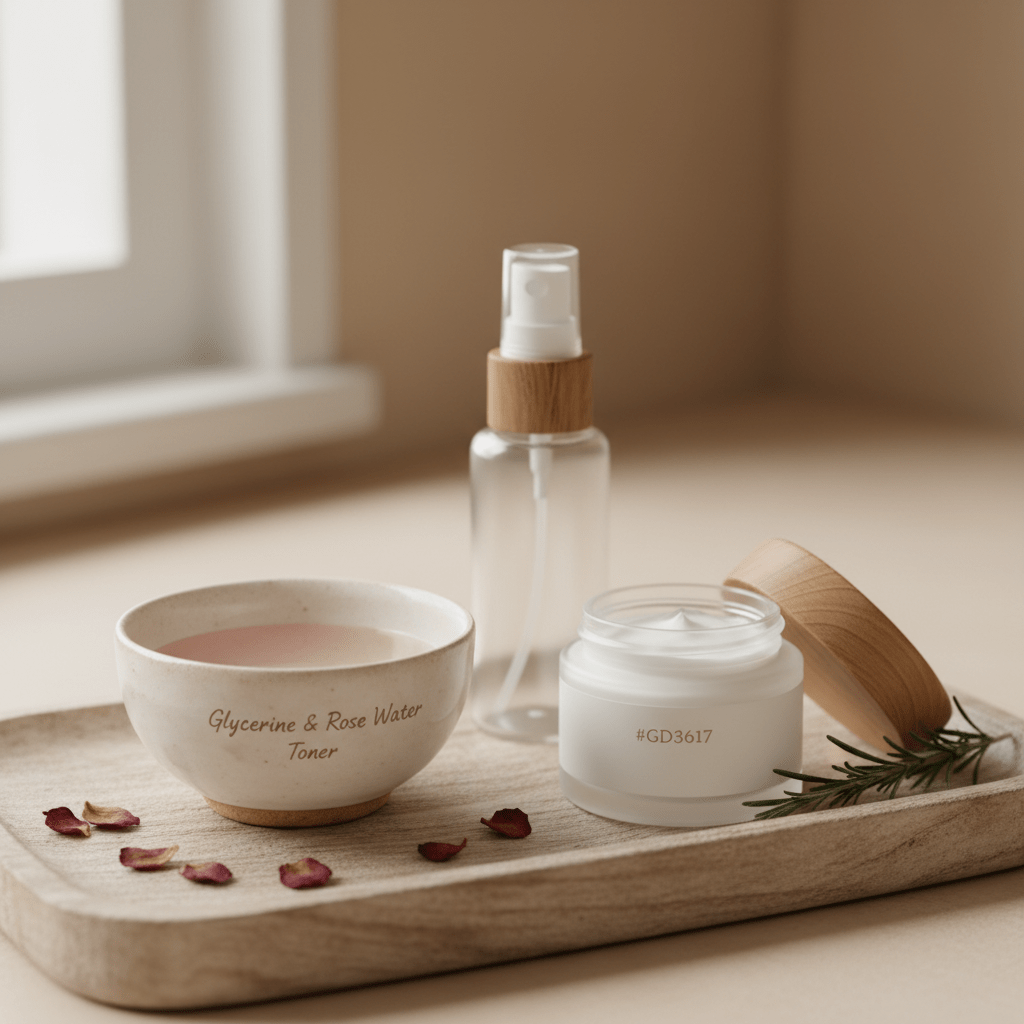
Recipe 1: Glycerine and Rose Water Toner
This one is probably the easiest place to start.
You’ll need:
- 1 tablespoon glycerine
- 4 tablespoons rose water
- 1 clean spray bottle
How to make it:
- Pour the glycerine into the bottle.
- Add the rose water.
- Shake gently.
- Spray 2 to 3 times on damp skin.
- Pat it in, then seal it with cream.
This kind of glycerine and rose water for face mix feels light, soft, and simple. Great for dry skin days. Also nice if you just want a basic glow without buying a dozen things you’ll forget in a drawer.
Recipe 2: Moisturizer Booster
This one is for people who already have a lotion they like.
Add 1 to 2 drops of glycerine to a small blob of moisturizer in your palm. Mix it there first, then smooth it on. That tiny amount can make your lotion feel a little richer without turning it into a sticky mess.
This works well for:
- Dry cheeks
- Hands that get rough fast
- Legs after a shower
- Winter skin that feels cranky
Just don’t dump a lot in. More is not better here.
Recipe 3: Hydrating Body Spray
Want something easy for arms, legs, or your neck? Try this.
Mix:
- 1 part glycerine
- 4 parts distilled water or rose water
- Optional: a few drops of a gentle essential oil if your skin tolerates it
Spritz it on after a shower while your skin is still a little damp. Then rub in body lotion or body oil on top. That layering step helps lock things in.
A few smart tips
- Patch test first. Always. Put a little on your inner arm for 24 to 48 hours.
- Use it on damp skin, not bone-dry skin.
- Store DIY mixes in a clean bottle.
- Keep batches small unless you’re using a proper preservative.
- If your bathroom is super dry, follow glycerine with a cream or oil so it doesn’t feel tacky.
Here’s the thing. Glycerine for skin is simple, but simple doesn’t mean boring. It’s one of those ingredients that quietly does a lot, whether you’re making a DIY glycerine toner, a body mist, or just giving your lotion a boost.
And for brands building gentle products, it pairs nicely with rose water and other plant-based ingredients from suppliers like Aroma Monk. That combo can work well in clean skincare lines, spa products, and bulk personal care formulas that need a soft, hydrating base.
If you’ve been wondering how to use glycerine on skin without messing it up, this is the safe, easy place to begin.
5. Is Glycerine Good for Your Skin Type? (Dry, Oily, Sensitive, & Mature)
Dry skin folks usually spot glycerine first. And honestly, no surprise there.
If your face feels tight by noon, glycerine for dry skin can be a big help. It pulls in water, helps skin hold onto it, and works best when you put it on damp skin. Then, layer a cream or light oil on top. That seal matters. Without it, the moisture can slip away faster, especially in dry rooms or winter air.
For oily and acne-prone skin, the myth is that glycerine is greasy. But it’s not oil at all. It’s a water-based humectant, so it gives hydration without that heavy, slick feel. That can help calm the “my skin is dry, so let me make more oil” loop. Funny how skin does that, right? Many people asking “is glycerine comedogenic” will be glad to hear it has a comedogenic rating of 0.
Sensitive skin often likes glycerine too. It’s plain, fragrance-free, and gentle. Plus, it supports the skin barrier, which can help with redness and that prickly, easily annoyed feeling. If your skin gets fussy with strong actives, glycerine as a natural moisturizer is often a calmer pick.
Mature skin can benefit from the plump look glycerine gives. It won’t erase fine lines. But it can make them look softer for a while by filling skin cells with water. That’s why glycerine benefits for skin show up in so many daily creams and serums.
Here’s the simple cheat sheet:
| Skin type | How glycerine helps | Best tip |
| Dry | Deep, lasting hydration | Use under a moisturizer |
| Oily | Light, oil-free hydration | Pair with niacinamide |
| Sensitive | Soothing and barrier support | Patch test first |
| Mature | Temporary plumping look | Apply on damp skin |
If you’re building a routine, start small. A DIY glycerine toner or glycerine and rose water for face mix can work well for many skin types, as long as you dilute it right. And if you want to shop smart, look for vegetable glycerine for face use and keep it simple. Sometimes boring ingredients are the ones your skin likes most.
6. Common Mistakes and Potential Side Effects of Glycerine
You know what trips people up the most? It’s not glycerine itself. It’s how they use it.
The biggest mistake is putting pure glycerine straight on skin. Don’t do that. In dry air, it can pull moisture from deeper skin layers instead of the air, which can leave your face feeling tighter, stingy, or just plain annoyed. That gets even more likely in very dry climates or heated rooms.
And yes, sticky skin can happen. That tacky feel usually means there’s too much glycerine in the mix. Try this instead:
- Apply it to damp skin
- Use a more diluted mix
- Layer a light cream or facial oil on top
Simple stuff. Works better too.
There’s also a small chance of a skin reaction. Rare, but real. If you notice redness, itching, burning, or little bumps, stop using it and patch test before trying again. I’d also stick with high-quality vegetable glycerine for face use so you’re not bringing in junk you don’t want near your skin. That matters more than people think.
For DIY mixes like a DIY glycerine toner or glycerine and rose water for face recipe, keep batches small and clean. If it smells off or looks cloudy too fast, toss it. No hero moves needed.
A little care goes a long way. And when glycerine is used right, it can be one of the easiest glycerine benefits for skin to enjoy.
Embrace the Power of Simple Hydration
So there it is. Glycerine for skin is one of those plain little ingredients that can do a lot of heavy lifting. It’s affordable, gentle, and great for glycerine for dry skin, glycerine for oily skin, and even sensitive skin when you use it the right way. That’s the catch. Always dilute glycerine before putting it on your face. No shortcuts there.
If you want to try it tonight, mix a simple DIY glycerine toner with rose water and apply it to damp skin. Or, take a minute to check your current products. You might already be using glycerine as a natural moisturizer without even knowing it. Funny how the quiet ingredients are often the stars.
And if you’re a brand looking for clean, plant-based ingredients, Aroma Monk’s rose water and natural blends can pair nicely with glycerine in skincare formulas. Simple, honest, useful stuff.
Get a quote from Aroma Monk.
Essential Oil Supplier – Bulk pricing • Samples • Fast response