
Introduction: The Unsung Hero for Chronically Dry Skin
You know that itchy, tight, flaky feeling that shows up right after a shower? Or the way your skin looks fine in the morning, then suddenly feels rough by lunch. Yeah, that. A lot of us are dealing with dry or sensitive skin, and it’s not just a tiny group. Around 71% of adults worldwide say they have some degree of sensitive skin, and about half the global population is thought to have dry skin.
So if you’ve been hunting for something that actually helps, you’re not alone.
That’s where glycerine for skin comes in. Not as a flashy new trend. Not as some pricey miracle in a fancy bottle. Just a simple, time-tested ingredient that works like a little water magnet. Glycerine humectant properties help pull moisture in and keep skin feeling softer, calmer, and less cranky. And honestly? That’s kind of the whole point.
In this guide, we’ll look at what is glycerine, how it helps with dry skin, how to use glycerine on face safely, and when it makes sense to pick a glycerine-rich moisturizer instead of mixing it yourself. We’ll also talk about glycerine vs hyaluronic acid, possible side effects of glycerine on skin, and whether glycerine for eczema might be worth a closer look.
Simple. Clear. No hype. Just the stuff you actually need.
What Exactly is Glycerine? Demystifying the Skincare Staple
Ever looked at a lotion label and thought, “Wait… what even is this stuff?” You’re not alone. Skincare labels can feel like a secret code, and glycerine is one of those quiet little ingredients that shows up again and again.
Glycerine, also called glycerol, is a natural compound found in plant oils and animal fats. It can also be made in a lab. Same molecule either way. The source changes, but the basic makeup does not. In skincare, that matters less than you might think.
Here’s the simple version: glycerine is a clear, odorless, sweet-tasting, thick liquid that loves water. It’s a glycerine humectant, which means it helps pull moisture into the skin and hold onto it. Kind of like a tiny moisture magnet. Weirdly boring. Very useful.
You’ll also see vegetable glycerine for skin a lot more often than the other kinds. That version usually comes from plant oils like coconut, soybean, or palm oil. It’s common in skincare because brands and shoppers often prefer plant-based ingredients, and it fits better with clean beauty and vegan products. But chemically, plant-based and synthetic glycerine are the same. No real skincare difference there.
Why does that matter for dry skin?
Because the ingredient itself is doing the heavy lifting, not the story on the bottle. If you’re shopping for glycerin for dry skin, look for formulas that place it near the top of the ingredient list. That usually means there’s enough of it to actually help, not just sit there for show.
And if you’re building products, a lot of best glycerin moisturizer picks lean on this ingredient because it plays well with other basics like rose water and carrier oils. That’s one reason simple formulas keep coming back. They just work.
Quick cheat sheet
| Type | Where it comes from | What it’s like |
| Vegetable glycerine | Coconut, soy, palm oils | Most common in skincare |
| Animal-derived glycerine | Animal fats | Less common in modern skincare |
| Synthetic glycerine | Petroleum-based starting materials | Chemically the same as other forms |
So if you’ve been asking, what is glycerine really doing in your cream or serum? It’s helping skin stay soft, smooth, and less thirsty. Not flashy. Not loud. But very much the kind of ingredient you notice when it’s missing.
And that’s exactly why it shows up in so many moisturizers, face mists, and gentle formulas. Simple stuff. Good stuff.
The Science of Hydration: How Glycerine Transforms Your Skin
Ever put on a cream and thought, “OK… why does this one actually feel good?” That little bit of skin relief usually comes down to how the formula holds water. And glycerine for skin is one of the quiet MVPs here.
Glycerine works as a glycerine humectant. That means it pulls water toward the outer layer of skin, called the stratum corneum. It can draw moisture from the air, but it also helps move water from deeper skin layers upward, so the surface feels softer and less rough. That’s why glycerin for dry skin shows up in so many lotions and creams. It’s doing the water-moving work behind the scenes.
But wait, there’s more to it than just “hydration.” Glycerine also helps skin barrier function. Skin cells need to mature the right way, and glycerine seems to help with that process. It supports the little spaces between cells too, which helps the skin hold together better instead of getting dry and cranky. In one study, a cream with 20% glycerin improved skin hydration over 10 days, and another found that a mix of 1% hyaluronic acid plus 5% glycerin gave lasting moisture for up to 24 hours study details. Pretty handy for something so plain-looking.
OK, so here’s where it gets really interesting. Skin cells have water channels called aquaporins. Think of them like tiny doors for water and glycerol. Glycerol can move through aquaporin-3, or AQP3, and studies show that when this pathway works well, skin hydration, elasticity, and barrier repair all improve. In mice lacking AQP3, giving glycerol helped fix those problems. So yeah, glycerine isn’t just sitting on top of skin. It’s helping water move where it needs to go.
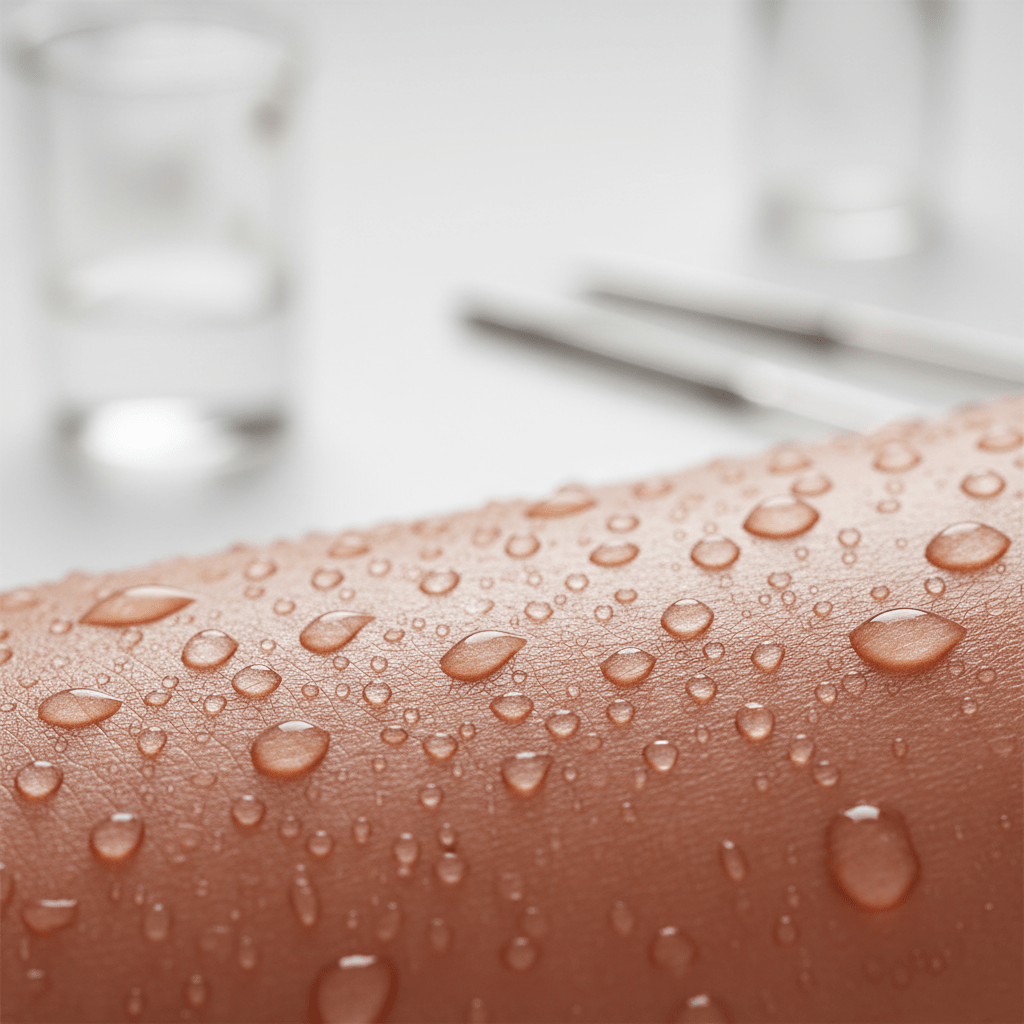
Here’s a quick look at what glycerine tends to do:
| Skin job | What glycerine helps with |
| Pulling in water | Draws moisture into the outer skin layer |
| Softening dry skin | Helps the stratum corneum feel smoother |
| Barrier support | Helps skin cells mature and stick together better |
| Water transport | Supports aquaporin-3 movement inside skin cells |
And this is why people keep coming back to it. Not because it sounds fancy. Because it works.
If you’re comparing glycerine vs hyaluronic acid, think of glycerine as the small, steady worker and hyaluronic acid as the surface-level plumper. They’re often better together than apart. Plus, if you’re building a formula, glycerine blends nicely with gentle extras like rose water or carrier oils. That’s one reason a simple moisturizer can feel so much better than a complicated one with 14 claims and a weird sticky finish.
For brands and makers, this is where a good base ingredient matters. If you’re sourcing rose water, carrier oils, or other natural skincare supports, a supplier like Aroma Monk can help with bulk ingredients that fit clean, skin-friendly formulas without the nonsense.
7 Key Benefits of Using Glycerine for Dry and Sensitive Skin
You know that feeling when your face feels fine in the morning, then by afternoon it’s acting like it’s personally offended by the weather? Yeah. Dry and sensitive skin can be a real hassle.
And a lot of people are dealing with it. Around 71% of adults worldwide say they have some level of sensitive skin, and about half the global population is thought to have dry skin. So if you keep reaching for another lotion, you’re in very normal company.
Here’s why glycerine for skin keeps showing up in so many formulas.
1. It gives dry skin a real drink
This is the big one. Glycerine is a glycerine humectant, which means it pulls water toward the skin and helps keep it there. For skin that feels tight, flaky, or rough, that can make a fast difference. Not magic. Just smart chemistry that skin actually likes.
If you’ve been searching for glycerin for dry skin, this is usually the first reason people stick with it. It helps the top layer of skin hold more water, so the surface feels softer and smoother. Less sandpaper. More comfort.
And yes, it can feel plain. But plain works.
2. It helps the skin barrier stay stronger
When your skin barrier is weak, everything feels worse. Water escapes faster. Irritation shows up sooner. Even a gentle face wash can feel like too much.
That’s where glycerine earns its keep. Studies have linked glycerol use with better barrier function and lower transepidermal water loss, or TEWL, which is just a fancy way of saying less water leaking out of skin. In one clinical study, a cream with 20% glycerin improved hydration over 10 days, and another formula with 1% hyaluronic acid plus 5% glycerin helped hydration and barrier support for up to 24 hours study details.
For people with eczema or very dry patches, that matters a lot. Glycerine for eczema isn’t a cure, but it can be a helpful part of a calm, barrier-friendly routine.
3. It helps soothe itch and irritation
Dry skin often comes with itchy skin, red patches, and that annoying sting you get when your skin is just done with life.
Glycerine can help here because better hydration usually means less friction and less surface stress. When skin cells have more moisture, they tend to act a little less dramatic. That’s the goal, really.
It’s one reason people with sensitive skin often do well with glycerine-rich creams and lotions. The ingredient is generally gentle, and it works nicely in formulas made for daily use. If you’re building your own routine, a best glycerin moisturizer is usually one that keeps things simple and doesn’t overload skin with too many extras.
4. It works well with other humectants
Here’s the fun part. Glycerine doesn’t need to work alone.
It often pairs nicely with hyaluronic acid, rose water, and light emollients. So if you’re comparing glycerine vs hyaluronic acid, think of them as teammates. Glycerine gets into the upper skin layers more easily, while hyaluronic acid helps add surface moisture and a smoother feel. Together, they can make a routine feel way more balanced.
And if you’re wondering about how to use glycerine on face, that usually means using it in a diluted product, not straight from the bottle. More on that later, but yes, balance matters.
5. It may help skin feel softer and more flexible
Dry skin often looks and feels stiff. You rub your cheek and it doesn’t move the way you want. Annoying, right?
Glycerine can help skin feel more supple because it supports water content in the outer layer and may help skin cells mature the right way. Some studies have also linked glycerol use with better skin elasticity. So this isn’t just about comfort. It’s about how skin behaves, too.
That’s one reason people keep reaching for glycerine for skin in lotions, face mists, and simple creams. It has a quiet way of making skin feel more normal again.
6. It’s usually easy to tolerate
This one is big for people who react to everything.
Glycerine is generally non-irritating and works for many skin types, including acne-prone, rosacea-prone, and dry skin. It has a comedogenic rating of 0, which means it does not clog pores. Nice, right?
But there is one catch. Pure glycerine should not be used straight on the face. In low-humidity air, it can feel sticky and may even pull water the wrong way if used in the wrong setup. So if you want to mix it at home, a common guide is 1 part glycerine to 4 parts water or rose water for the face. That’s where ingredients like Aroma Monk rose water can fit nicely into a simple, gentle routine.
7. It’s a steady, budget-friendly ingredient
Sometimes the best stuff is boring. And boring can be a big deal.
Glycerine shows up in lots of affordable moisturizers because it just works. You’ll find it near the top of ingredient lists in products like CeraVe Moisturizing Cream, Vanicream Moisturizing Skin Cream, and Eucerin Original Healing Cream. That’s part of why the gentle skincare market keeps growing. People want formulas that do the job without all the fluff.
If you like simple routines, glycerine is a good place to start. If you like making products, it’s also a strong base ingredient to build around.
| Benefit | What it helps with |
| Deep hydration | Reduces dryness and flaking |
| Barrier support | Helps lower TEWL |
| Less irritation | Calms itchy, tight skin |
| Better feel | Softens rough, stiff skin |
| Easy pairing | Works with HA, rose water, and creams |
| Skin tolerance | Often suits sensitive skin |
| Budget-friendly | Found in many everyday moisturizers |
If you want a simple next step, look for a glycerine-rich moisturizer with a short ingredient list. Or, if you make skincare products, check your supplier quality for glycerine, rose water, and carrier oils that fit clean, gentle formulas.
How to Use Glycerine for Skin: A Practical Guide for Maximum Efficacy
You know that moment when you buy a shiny new skincare bottle, use it once, and your face still feels dry? Annoying. And with glycerine for skin, the trick is usually not the ingredient itself. It’s how you use it.
Rule #1: Don’t use it straight
Pure glycerine is super thick and water-loving. Sounds nice, right? But on its own, it can feel sticky, and in very dry air, it may pull water from your skin instead of helping it. That’s why dilution matters.
The easy fix is to mix it with water, rose water, or put a few drops into your lotion. A good face mix is 1 part glycerine to 4 parts rose water or water. For the body, some people can handle a little more, but keep it light at first.
A simple DIY toner
If you want to try it at home, here’s a basic hydrating toner:
- 1 teaspoon glycerine
- 4 teaspoons rose water
- A clean small bottle
Shake it gently. Use it on damp skin after cleansing. Not soaking wet. Just damp.
And if you’re already using a gentle moisturizer, you can mix in 1 or 2 drops in your palm before applying it. That’s often enough to boost hydration without making things tacky.
How to spot it in products
If you’d rather skip DIY, check the label. On ingredient lists, you’ll usually see glycerin near the top 5 ingredients in a good moisturizer. That usually means there’s enough there to help with dry skin.
Look for formulas with:
- A short ingredient list
- Glycerin plus other gentle hydrators
- No heavy scent if your skin gets reactive
- Creams or lotions, not super thin products that disappear fast
Some people like to compare glycerine vs hyaluronic acid too. I get it. They both help with moisture. But glycerine is the steadier one here. It often works well inside creams, while hyaluronic acid can add a light surface feel.
A quick cheat sheet
| What you want | What to do |
| Less dryness | Use diluted glycerine on damp skin |
| Softer feel | Mix it into a moisturizer |
| Face use | Stick to 1:4 dilution |
| Easy shopping | Check for glycerin in the top 5 ingredients |
| Less irritation | Choose simple, fragrance-free formulas |
And yes, side effects of glycerine on skin are usually mild when it’s used the right way. But straight-up glycerine on the face? Not the move. That’s where people get the sticky mess and the weird tight feeling.
For dry or sensitive skin, a best glycerin moisturizer is often the simplest path. Or, if you make products, this is where a clean base matters. Aroma Monk’s rose water and carrier oils can fit nicely into gentle skincare blends, especially if you’re building a calming toner or moisture-first formula.
If your skin has been throwing a tantrum, start small. Patch test first. Then build from there. Slow wins here.
Get a quote from Aroma Monk.
Essential Oil Supplier – Bulk pricing • Samples • Fast response
Glycerine vs. Hyaluronic Acid: Which Hydrator is Right for You?
Ever stood in the skincare aisle, staring at two tiny words and thinking, “Why are there so many moisturizers that sound the same?” Yep, been there. Glycerine for skin and hyaluronic acid get compared a lot, and for good reason. They both help dry skin hold onto water. But they don’t work in exactly the same way.
Here’s the simple version: glycerine is a very small molecule, so it can move into the top layers of skin more easily. It’s a classic glycerine humectant, which means it pulls water in and helps skin stay soft. Hyaluronic acid is bigger. Some forms sit more on the surface and help create a smooth, plump feel. So if you want deeper, steady hydration, glycerine often has the edge. If you want that slick, cushiony surface feel, hyaluronic acid can be lovely.
And dry weather changes the game a bit. Glycerine is usually less fussy about humidity than hyaluronic acid, which can make it a better pick in dry climates or during winter months. That’s one reason many people with glycerin for dry skin keep coming back to it. It just keeps showing up and doing the job.
But here’s the fun part: you don’t always have to pick a side. In a clinical study, a formula with 1% hyaluronic acid plus 5% glycerin gave moisture and barrier support for 24 hours study details. So the best products often use both. Think of it like a tag team, not a fight.
| Ingredient | Best known for | Best use case |
| Glycerine | Deep, steady water support | Dry, sensitive, flaky skin |
| Hyaluronic acid | Surface plumping and a lighter feel | Layering under creams or makeup |
| Both together | Multi-level hydration | Everyday moisturizers and serums |
If you’re building a routine, start with a simple best glycerin moisturizer and see how your skin feels. Then, if you want more bounce on top, add hyaluronic acid. And if you make products, this is where clean formulas shine. A gentle base with rose water or carrier oils, like the ones Aroma Monk supplies in bulk, can pair nicely with either hydrator.
So no, it’s not glycerine vs hyaluronic acid like some skincare cage match. It’s more like choosing the right teammates. And honestly, your skin probably likes both.
Potential Side Effects and How to Avoid Them
You know that weird moment when a product sounds perfect, but your skin still says, “Nope”? Yeah. That can happen with glycerine for skin too, even though it’s usually a very gentle choice.
The most common complaint is stickiness. That usually shows up when glycerine is used in too high a concentration, or when it’s put on skin that’s dry and thirsty without any water around it. Pure glycerine can feel tacky, especially in low-humidity air. It can also leave that shiny, grabby feel nobody asked for. Not cute.
The fix is simple. Use it diluted, or pick a finished formula that already blends it well. A good rule for how to use glycerine on face is about 1 part glycerine to 4 parts water or rose water. That’s one reason a well-made toner or the best glycerin moisturizer often feels so much better than a DIY mix that’s too strong.
And yes, side effects of glycerine on skin are usually mild. It’s generally non-allergenic, non-irritating, and non-comedogenic, so it won’t clog pores. That makes it a solid pick for oily, dry, sensitive, and even eczema-prone skin. But don’t use it undiluted on your face. Ever. That’s the big rule.
| Problem | What usually causes it | Easy fix |
| Sticky feel | Too much glycerine | Use a lower amount |
| Dryness or pulling | Undiluted use in dry air | Always dilute it |
| Irritation | Direct face use | Start with a finished product |
| Heavy residue | Bad formula balance | Choose a well-made moisturizer |
So if you want the benefits of glycerin for dry skin without the mess, keep it simple. Use a diluted mix, apply it to damp skin, or choose a product where the formula is already balanced. That’s the sweet spot. And honestly, that’s where glycerine for skin works best.## Conclusion: Embrace Glycerine for Healthy, Hydrated Skin
Dry skin can make a whole day feel off. Tight. Itchy. A little cranky. But glycerine for skin keeps showing up for a reason. It’s a simple glycerine humectant that helps skin hold water, feel softer, and stay calmer. And it does that without a big price tag or a fancy story.
If you’re wondering what is glycerine really doing in your routine, the answer is pretty plain: it helps with moisture and supports the skin barrier. That makes it a smart pick for glycerin for dry skin, glycerine for eczema, and everyday sensitive skin care. Studies and market data back up what many people already know from experience: lots of people deal with dry or sensitive skin, and simple ingredient-focused skincare keeps growing for a reason.
A few easy takeaways:
- Check your current moisturizer and look for glycerin near the top of the list.
- If your skin needs extra help, try a diluted glycerine and rose water mist on damp skin before cream.
- Don’t be scared off by plain ingredients. Sometimes boring is brilliant.
And if you’re still comparing glycerine vs hyaluronic acid, you don’t have to pick a winner every time. They often work well together. So instead of chasing hype, look for a best glycerin moisturizer or a simple routine that your skin can actually use.
That’s the real win. Less noise. More comfort. Better skin, one steady step at a time.
Get a quote from Aroma Monk.
Essential Oil Supplier – Bulk pricing • Samples • Fast response