
The Hydrating Powerhouse Hiding in Plain Sight
Ever put on cream after cream and still felt that tight, papery skin? Yeah, we’ve all been there. You wash your face, add a serum, maybe even splurge on the fancy jar, and somehow your skin still feels thirsty by noon. Weird, right?
Here’s the thing. A lot of people deal with dry or sensitive skin every day. Skin care surveys show that about half of people say their skin reacts easily, and dry skin is common in lots of age groups and climates skin care market overview. So if your face feels thirsty no matter what you try, you’re not alone.
That’s where glycerine for skin quietly does its best work. It shows up in tons of moisturizers, cleansers, and serums, but most people barely notice it on the label. It’s one of those humectants for skin that sounds plain, but it pulls in water like a tiny moisture magnet.
In this article, we’re going to break down what glycerine does for skin, why it keeps popping up in glycerine in skincare products, and how to use glycerine the smart way. Plus, we’ll clear up the whole glycerine vs hyaluronic acid question, so you can figure out what actually helps your face feel soft, calm, and hydrated.
And yes, we’ll talk about glycerine for dry skin too. Because dry, tight, cranky skin? Nobody has time for that.
What Exactly is Glycerine? The Science Explained Simply
You’ve probably seen it on a label and skipped right past it. Glycerine. Plain little word. Quiet little ingredient. But it’s doing more than people think.
Glycerine, also called glycerol, is a sugar alcohol that naturally shows up in healthy skin. Your skin already knows it well. Kind of nice, right? It’s not some weird add-on. It’s part of the skin story already.
Here’s the simple version: glycerine is one of the humectants for skin. That means it attracts water and helps hold onto it. Think of it like a tiny sponge or moisture magnet. It pulls water in, then keeps it near the skin’s outer layer so your face feels softer and less tight.
That’s why glycerine for skin keeps showing up in moisturizers, cleansers, and serums. It works in a lot of glycerine in skincare products because it plays nicely with other ingredients. And unlike some fancy actives that act picky and dramatic, glycerine just gets to work.
There are a few common sources too:
| Type | Where it comes from | Common use |
|—|—|—|
| Vegetable glycerine for skin | Plant oils like soy or coconut | Skincare, personal care, natural formulas |
| Animal-based glycerine | Tallow | Some traditional products |
| Synthetic glycerine | Petroleum-based sources | Cosmetics and industrial uses |
For most people, the source matters less than the formula around it. What does glycerin do for skin? Mostly this: it helps draw in moisture, supports hydration, and can make skin feel calmer and more comfortable. That’s also why people ask, is glycerin good for your face? In a well-made product, yes. Usually, it is.
And if you’re shopping for glycerin for dry skin, look for it near the top of the ingredient list. That usually means it’s doing real work, not just sitting there for show.
Plus, if you make skincare products, glycerine is a solid ingredient to keep on your radar. Aroma Monk’s bulk natural oils, rose water, and carrier oils can fit nicely into formulas that pair well with humectants like glycerine, especially if you’re building gentle, skin-friendly blends.
No drama. Just hydration that works.
How Glycerine Works to Hydrate and Protect Your Skin
You know that weird moment when your skin feels fine for an hour, then suddenly tight again? That bounce-back dryness usually means your skin is losing water faster than it can hold onto it. Annoying. Super common too.
Glycerine for skin helps on a few levels at once. First, it pulls water from the air and from the deeper parts of the skin into the outer layer, which is where dry skin usually starts to show. That outer layer is called the epidermis. Think of glycerine like a tiny magnet with a job to do. It grabs moisture and keeps it close.
And here’s the part people miss. Glycerine doesn’t just add water. It also helps support the skin’s moisture barrier, which is the lipid layer that acts like a shield. When that barrier is doing its job, less water escapes. That’s the transepidermal water loss people talk about, or TEWL for short. Less TEWL usually means skin feels calmer, softer, and less itchy.
That matters a lot for glycerine for dry skin. When your barrier is weak, your face can get flaky, rough, and stingy fast. Glycerine helps by keeping the skin cells in the top layer, the corneocytes, moving through their normal maturing process. When that process goes well, dead skin sheds more smoothly instead of piling up in little dry patches. Fancy term, simple result: smoother skin.
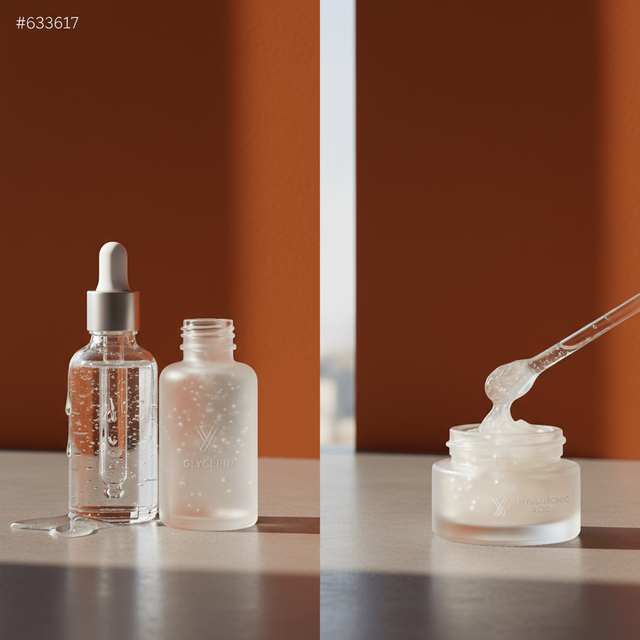
Here’s a quick look at what glycerine is doing behind the scenes:
| What glycerine does | What that means for your skin |
|—|—|
| Pulls in water | Skin feels more hydrated |
| Helps slow water loss | Less tight, dry feeling |
| Supports cell maturation | Fewer flakes and rough spots |
| Works well in formulas | Easy to mix with other ingredients |
If you’re asking, what does glycerin do for skin in real life? This is it. It helps skin hold water, stay comfy, and look a little more polished without acting loud about it.
And no, this isn’t just skincare marketing fluff. Research has shown glycerine can improve hydration and help the skin barrier, especially when skin is already irritated or stressed. It also works well with other ingredients, which is one reason it keeps showing up in glycerin in skincare products.
Plus, if you’re comparing glycerin vs hyaluronic acid, here’s the short version: both help with water, but glycerine tends to work more steadily inside the upper skin layers, while hyaluronic acid often gives that quick plump look on top. A lot of formulas use both for a reason.
If you’re shopping for a moisturizer or serum, check the label. Glycerine near the top usually means it’s doing real work. And if you’re a brand or product maker, it pairs nicely with gentle ingredients like rose water, carrier oils, and other skin-friendly blend components from suppliers like Aroma Monk.
Simple ingredient. Strong results. That’s the whole thing.## Glycerine vs. Hyaluronic Acid: Which Hydrator is Right for You?
Ever stood in the skincare aisle and thought, “Wait… don’t these two things do the same job?” Yep. Glycerine and hyaluronic acid both get called hydrators, and both show up in tons of products. So the confusion makes sense.
But they don’t work quite the same way.
Glycerine for skin is a smaller molecule, around 92 g/mol, so it can move into the upper skin layers more easily. Hyaluronic acid is much bigger. It usually sits closer to the surface and gives that bouncy, plump feel people love. Think of HA as a soft cushion on top, while glycerine gets a little deeper into the outer skin and helps keep water there longer.
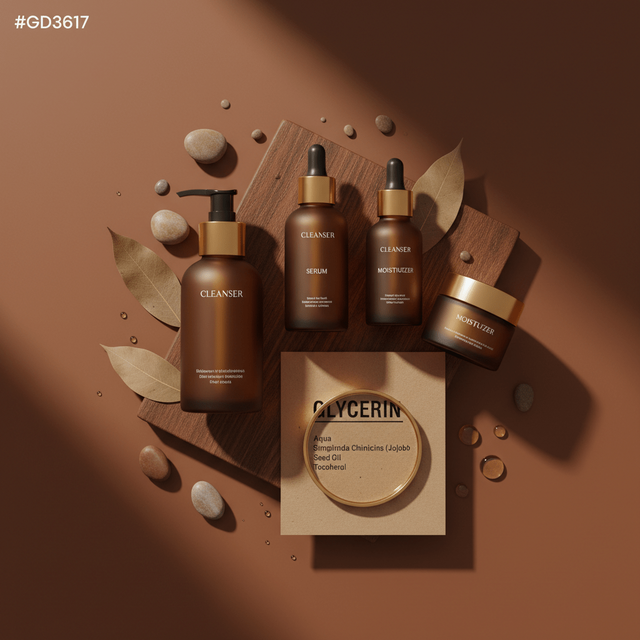
Here’s the short version:
| Ingredient | Main job | Where it tends to work best |
|—|—|—|
| Glycerine | Pulls in water and helps hold it in skin | Upper skin layers, steady hydration |
| Hyaluronic acid | Gives a quick plumping look | Skin surface, instant feel-good moisture |
| Both together | Best of both worlds | Everyday hydration routines |
And honestly, many good formulas use both. That’s not lazy. That’s smart.
A head-to-head study found that a combo of 1% hyaluronic acid and 5% glycerine lowered water loss and boosted skin hydration after 24 hours. That lines up with what a lot of skin pros already say: glycerine tends to give more stable hydration, while hyaluronic acid gives that fast, fresh look. Nice pairing. Different jobs.
Now, here’s the part people argue about online. Hyaluronic acid can feel less helpful in very dry air, because it may pull water from wherever it can find it. In a super dry room, that can mean less comfort on the skin surface. Glycerine usually holds up better in low-humidity spaces, which is one reason it stays so popular in glycerine in skincare products. It’s less fussy. A little more chill.
If your skin gets dry in winter, or you live in a place with cranky weather and blasting heaters, glycerine for dry skin is often a safer pick. But if you want that fast, fresh, cushiony feel, HA still has a place. You do not have to pick a team forever. Most people don’t need to.
Here’s how I’d think about it:
- Want steady, no-drama hydration? Go with glycerine.
- Want quick surface plumpness? Hyaluronic acid can help.
- Want both? Use a product that blends them.
And that’s probably the smartest move. A good moisturizer or serum with glycerine, HA, and a sealing layer like ceramides or oils can work better than chasing one magic ingredient. If you’re checking labels, look for glycerine near the top and a formula that feels comfortable on your face, not sticky or tight.
Plus, if you’re building products for your own brand, ingredients like glycerine pair nicely with gentle botanicals such as rose water and carrier oils from suppliers like Aroma Monk. That combo gives you room to make formulas that feel soft, simple, and easy to use.
So, glycerine vs hyaluronic acid? It’s not really a fight. It’s more like a tag team.
Beyond Hydration: 4 More Surprising Benefits of Glycerine for Skin
Dry skin is the headline act here, sure. But glycerine has a few more tricks up its sleeve.
First, it can help calm skin that feels mad at everything. If your face gets red, stingy, or touchy after washing, glycerine for skin often shows up in gentle formulas for a reason. It helps hold water in the top layer, which can make skin feel less raw and less easily annoyed. That’s one reason it’s common in products for sensitive or compromised skin.
And yep, people notice the change. In studies on irritated skin, glycerine helped lower dryness and support a better skin barrier. That matters because a strong barrier keeps out stuff that can trigger more redness. Simple. Helpful. No fuss.
Second, it may help skin feel bouncier. When skin stays well hydrated, it usually looks and feels more supple. Not fake-plump. Just healthier. Think of a dry sponge versus one that’s slightly damp. Same sponge, very different feel. Glycerine helps with that soft, springy vibe by keeping water where your skin can use it.
Third, it can help other ingredients do their job. Glycerine is often used as a little helper in glycerin in skincare products because it can make a formula feel smoother and help active ingredients spread more evenly. It’s not magic, but it does act like a friendly ride-along for the rest of the formula.
Here’s a quick cheat sheet:
| Bonus benefit | What it can mean for your skin |
|—|—|
| Soothing support | Less tight, less cranky skin feel |
| Better elasticity | Skin feels softer and more springy |
| Formula helper | Other ingredients may absorb more evenly |
| Mild antimicrobial action | Used in some wound and medical products |
Fourth, glycerine has mild antimicrobial and antiviral properties at higher levels, which is part of why it shows up in some wound care and medical prep formulas. That doesn’t mean it’s a skin disinfectant. It just means it can help create an environment that’s less friendly to unwanted microbes in certain uses.
So, what does glycerin do for skin beyond hydration? A lot, actually. It soothes, supports bounce, helps formulas work better, and has a long track record in skin care and wound care.
If you’re asking is glycerin good for your face, the short answer is still yes, especially in a well-made product. And if you’re shopping for glycerin for dry skin, look for it in moisturizers that also include oils, ceramides, or rose water for a more complete feel.
For product makers, this is where ingredients get fun. Aroma Monk’s rose water, carrier oils, and essential oils can pair nicely with humectants like glycerine in skin care blends, especially when you want formulas that feel gentle and polished.
A simple ingredient. A lot of jobs. That’s glycerine.
How to Find and Use Glycerine in Your Skincare Routine
Ever stared at an ingredient label and thought, “Okay… what am I even looking at?” Same. Skincare labels can feel like a tiny spelling bee nobody signed up for.
The good news? Glycerine is usually easy to spot once you know the trick. Look for “glycerin” or “glycerol” on the list. And here’s the handy part: if it shows up in the top 5 ingredients, that usually means there’s a pretty good amount in the formula. That’s a strong clue it’s there to do real work, not just sit around for the marketing photo.
Glycerine shows up a lot in hydrating cleansers, toners, essences, serums, and moisturizers. You’ll also see it in glycerine in skincare products made for dry or sensitive skin, because it fits right in with other humectants for skin.
Here’s a simple way to use it:
- In a cleanser: choose one with glycerine if your skin feels stripped after washing
- In a toner or essence: apply it to slightly damp skin
- In a serum: layer it under moisturizer to hold in water
- In a moisturizer: look for glycerine near the top for steady hydration
That last step matters. A glycerine-based serum can work even better when you seal it with a cream on top. Think of it like watering a plant and then putting a lid on the pot so the moisture doesn’t vanish right away. Weird image, but it works.
If you live in a dry place or your skin gets cranky in winter, that combo can be a big deal. And if you’re asking, is glycerin good for your face? In most well-made formulas, yes. It’s one of the simplest ways to help your skin feel softer without piling on a bunch of extra steps.
One more quick tip: don’t use pure glycerine straight from the bottle on your face. Not a cute idea. It can feel sticky and may pull too much water if it’s not mixed right. Better to use it inside a finished product that already blends it with other skin-friendly ingredients.
So if you want a low-fuss routine, start here:
- Pick a gentle glycerine cleanser
- Add a serum or essence with glycerine
- Finish with a moisturizer that seals everything in
That’s it. Simple, steady, and much less dramatic than your skin acting up at 3 p.m. again.
For brands and product makers, glycerine also plays nicely with calm, natural ingredients like rose water and carrier oils. Aroma Monk’s bulk essential oils, rose water, and natural ingredient options can fit into skincare formulas that need a gentle, clean-feeling base.
And if you spot glycerine on the label? Nice. You’ve already found one of skincare’s quiet little helpers.
Debunking Common Myths About Glycerine
You know what’s funny? Some of the loudest skincare rumors spread faster than the facts. And glycerine gets blamed for stuff it really didn’t do.
Myth one: glycerine clogs pores. Nope. Glycerine has a comedogenic rating of 0, which means it does not clog pores. That’s one reason it shows up in so many products for oily, acne-prone, and sensitive skin. So if you’ve been asking, “is glycerin good for your face?” the answer is usually yes, especially in a good formula.
Myth two: glycerine will dry you out in dry weather. This one pops up a lot in winter. But the real issue is usually how the product is made. In a finished skincare formula, glycerine works best when it’s paired with emollients and occlusives like oils, ceramides, or dimethicone. Then it helps pull and hold water in the skin instead of just sitting there doing nothing. On its own, in a super dry room, pure humectant layers can feel weird… but in a moisturizer, glycerine for skin does its job well.
Myth three: pure vegetable glycerin from the store is the best way to use it. Honestly? Not really. Pure glycerine can feel sticky and too strong on bare skin. It may sting or leave your face tacky, especially if you use too much. That’s why formulated glycerine in skincare products is safer and usually works better. The right mix matters. Always.
Here’s the quick truth:
| Myth | What’s actually true |
|—|—|
| Glycerine clogs pores | It’s non-comedogenic and usually fine for most skin types |
| Glycerine dries skin | In a good formula, it helps hold moisture in |
| Pure glycerine is best | Pre-made skincare blends are the smarter pick |
So if you want glycerin benefits for skin without the drama, look for products that mix it with other humectants for skin, plus a sealing layer. That’s the sweet spot. And if you’re making products for your own brand, Aroma Monk’s rose water, carrier oils, and essential oils can work nicely in gentle formulas that pair well with glycerine for dry skin and everyday hydration.
Embrace Glycerine: Your Key to Lasting Hydration
So here’s the big takeaway. Glycerine for skin isn’t flashy, but it works. It pulls water in, helps keep it there, and supports a calmer skin barrier when your face feels dry, rough, or just plain annoyed.
And that matters. Dry and sensitive skin are super common, and glycerine keeps showing up in glycerine in skincare products for a reason. It’s one of those humectants for skin that does a lot without making a big scene.
Compared with trendier picks, glycerine is usually more steady and more affordable. Glycerin vs hyaluronic acid? Honestly, they’re better as teammates than rivals. One gives that quick fresh feel, and the other helps with lasting hydration.
If you’ve been wondering is glycerin good for your face, the answer is usually yes, as long as it’s in a good formula. So take a quick look at your cleanser, serum, and moisturizer labels. If glycerine is already there, nice. If not, it might be worth making space for it next time you shop.
Simple ingredient. Big comfort. That’s the whole story.