
The Unsung Hero in Your Moisturizer: Why Glycerine Deserves a Spotlight
You know that weird tight feeling after washing your face? The one where your skin looks fine for five minutes, then starts acting like it wants a glass of water? Yeah, that. Dry and thirsty skin can show up even if you’re using pricey creams and fancy serums.
That’s where glycerine for skin comes in. It’s a simple, low-cost humectant that pulls water into the skin and helps hold it there. And odds are, it’s already sitting in a product you use every day. In fact, glycerine shows up in a huge share of moisturizers, cleansers, and serums because it works, and brands trust it. Industry notes on glycerine in skincare.
But what does it actually do? Is glycerine good for skin? How do you use it on your face without making things sticky? And how does it compare with hyaluronic acid? We’re getting into all of that, plus the pros, the side effects of glycerine on face, and the best ways to use glycerine moisturizer ideas at home or in store-bought products.
If you’ve been looking for glycerine benefits for face, let’s make this easy. Real skin help. No fluff.
What Exactly is Glycerine? The Science Behind the Skincare Staple
Glycerine sounds a little plain, right? Kind of like something you’d find in a lab bottle with a boring label. But this stuff pulls serious weight in skin care.
Also called glycerol, glycerine is a sugar alcohol and a humectant. That just means it grabs water and helps hold it near your skin. Think of it like a tiny water magnet. It pulls moisture from the air and from deeper layers of the skin into the outer layer, called the stratum corneum. That’s the dry, flaky bit that needs help most.
And that’s why glycerine for skin shows up everywhere. It’s not flashy, but it works. A lot of moisturizers, cleansers, and serums use it because skin likes it and formula makers trust it. One industry summary notes that glycerine keeps appearing in a huge share of skincare products, especially new moisturizer launches.
Now, here’s a small twist. Glycerine can come from different places, but the skin doesn’t care much about the source. Cosmetic-grade glycerine may come from plant oils like coconut, soybean, corn, sunflower, or olive. That’s why you’ll often see vegetable glycerine for skin on ingredient labels. It can also be made synthetically. Either way, once it’s purified, the skin sees the same glycerol molecule.
So, does source matter at all? A little. Mostly for labeling, sourcing, and sustainability. Not for how it feels on your face.
Here’s the simple version:
| What glycerine does | Why it helps skin |
| Pulls in water | Adds moisture to dry skin |
| Helps hold water in place | Keeps skin from feeling tight |
| Supports the outer skin layer | Helps skin feel softer and calmer |
If you’re dealing with glycerine for dry skin, this is the part to remember. It does not just sit on top like a gloss. It sinks into the outer skin layer and helps that layer stay hydrated longer. Nice, right?
And if you’re building a glycerine moisturizer at home or picking one off the shelf, the sweet spot is usually in a well-balanced formula, not a super-heavy one. Pure glycerine can be too strong on its own. But in the right mix, it’s one of the most dependable hydration helpers out there.
The Top 5 Science-Backed Glycerine Benefits for Your Face and Body
Ever put on a cream and thought, “Why does my skin still feel dry?” You’re not alone. Dry skin is one of the biggest skin gripes people talk about, and glycerine keeps showing up in products because it actually helps.
Here’s the deal. Glycerine for skin works in a few smart ways at once. It pulls in water, helps hold it there, and gives skin a softer feel pretty fast. That’s why people ask, is glycerine good for skin? For a lot of us, yep.
1. Deep hydration that lasts
Glycerine is a humectant, so it draws water to the outer skin layer. That can help with that tight, papery feeling after washing your face. In one in-vivo study, 40% glycerol gave the biggest jump in skin hydration and cut water loss by about two times. PubMed study on glycerol and hydration
Simple version? It helps dry skin look more supple and feel less cranky.
2. Helps the skin barrier stay strong
Your skin barrier is like a little shield. When it gets weak, skin can feel rough, stingy, or just off. Glycerine helps the outer layer keep its shape and moisture balance, which means your skin may handle wind, dry air, and washing better. That’s a big deal in winter or in air-conditioned rooms.
3. Supports smoother skin cell turnover
OK, this next part is actually pretty cool. Glycerine can help skin cells mature in a healthier way, so the surface looks smoother and less flaky. That doesn’t mean magic overnight results. But over time, skin often looks more even and feels less rough.
4. Helps a formula work better
Glycerine isn’t just a solo act. In a well-made glycerine moisturizer, it can help other ingredients spread better and stay comfortable on skin. It also plays nicely with ingredients like hyaluronic acid, which is why glycerine vs hyaluronic acid is less of a fight and more of a team-up. Glycerine handles the deep water binding, while HA adds a plump, cushiony feel on top.
| Benefit | What it can do |
| Hydration | Helps dry skin feel softer |
| Barrier support | Helps skin hold moisture |
| Smoother look | Supports healthier surface texture |
| Better formula feel | Works well with other ingredients |
| Gentle care | Often suits sensitive skin |
5. Gentle enough for sensitive skin
This is where glycerine really wins points. It’s usually well tolerated, even for people with sensitive, eczema-prone, or stressed-out skin. And because it’s non-comedogenic, it’s also a common pick for acne-prone skin.
But here’s the catch. Using pure glycerine on skin without diluting it can be too much, especially in very dry air. That can lead to stickiness or irritation. So if you’re wondering how to use glycerine on face, the better move is a finished product or a properly diluted mix.
If you’re shopping, look for formulas with glycerine for dry skin plus an occlusive like squalane or petrolatum. And if you’re a brand or maker, rose water from Aroma Monk can be a nice fit in soothing facial mists and gentle skincare blends.
For most people, glycerine benefits for face are easy to appreciate: more comfort, less dryness, and a skin feel that just makes sense.
Get a quote from Aroma Monk.
Essential Oil Supplier – Bulk pricing • Samples • Fast response
How to Use Glycerine on Your Face: A Step-by-Step Routine Guide
Ever bought a product because the bottle looked calm and fancy, then realized your skin still felt like a desert? Been there. The good news is, glycerine for skin usually works best when it’s already mixed into a real product, not sloshed on by itself.
Start with pre-made products first
If you want the easiest path, look for glycerine in cleansers, toners, essences, serums, and moisturizers. On labels, it’s often near the top five ingredients, which usually means the formula uses enough to matter. That’s a pretty handy clue.
Here’s a quick cheat sheet:
| Product type | What to look for | Why it helps |
| Cleanser | Glycerin near the top of the list | Helps stop that stripped feeling |
| Toner or essence | Light, watery texture with glycerin | Adds a first layer of hydration |
| Serum | Glycerin plus soothing ingredients | Gives skin a moisture boost |
| Moisturizer | Glycerin with oils or creams | Helps seal in water |
A good glycerine moisturizer usually feels soft, not sticky. And if you see rose water, squalane, or petrolatum alongside glycerine, that’s often a nice sign the formula was built to hold moisture instead of just attract it.
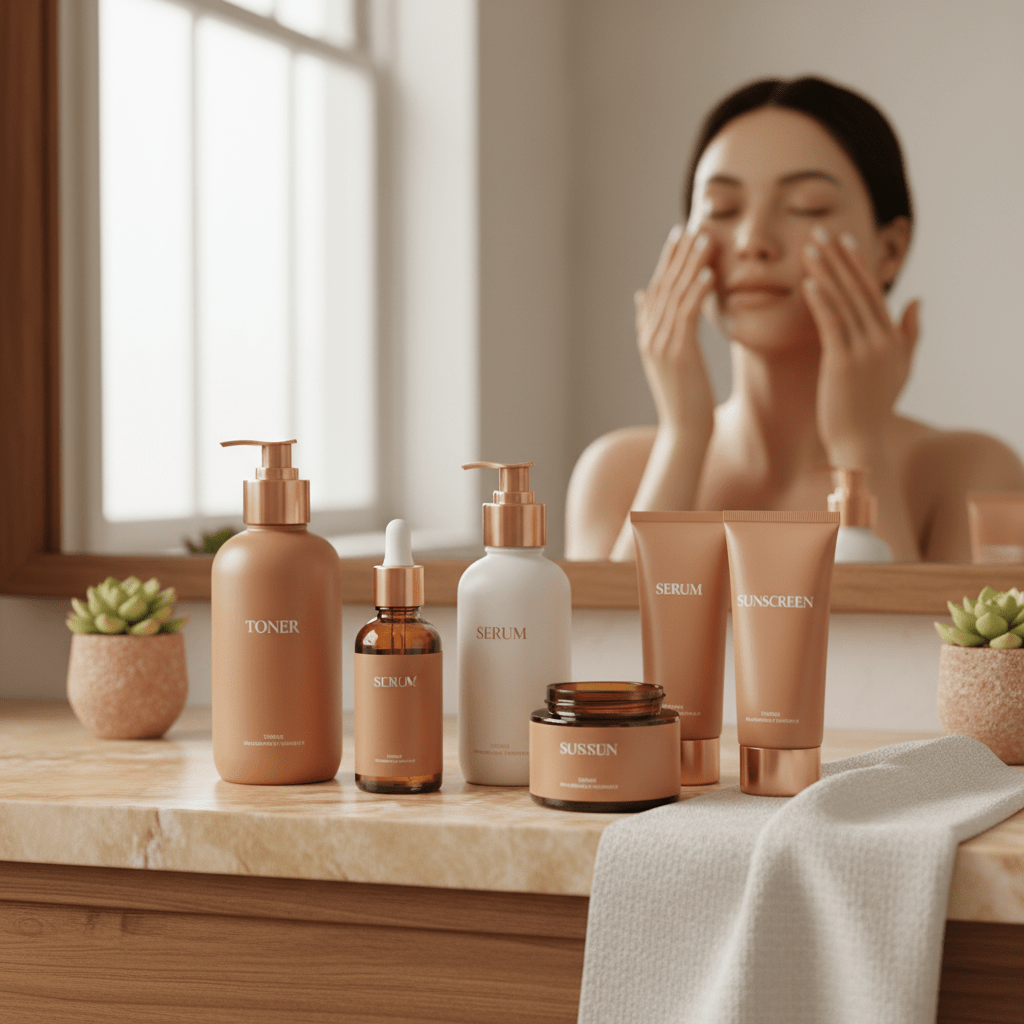
A simple AM routine
- Cleanse with a mild face wash that has glycerin.
- Pat skin damp, not dripping.
- Apply a glycerin toner or essence.
- Add a serum if your skin feels thirsty.
- Finish with a moisturizer that has glycerine plus an occlusive.
- Use sunscreen.
That last step matters. A lot.
A simple PM routine
- Wash your face.
- Use a glycerin-rich toner or essence.
- Layer a serum if you like one.
- Seal it with a richer moisturizer.
If your skin is extra dry, this is where glycerine for dry skin really shines. You can build a soft, layered routine without piling on a heavy feel.
How much glycerine is enough?
For leave-on products, the sweet spot is usually about 3 to 10 percent. Most everyday serums and creams work well around 2 to 5 percent. Higher isn’t always better. Around 7 to 8 percent, stickiness can start to show up, especially in dry air. And once formulas get too high, they can feel tacky fast.
So no, more glycerine does not always mean more glow. Sometimes it just means your face feels a little weird. Not ideal.
If you’re shopping, look for finished formulas first. If you’re a brand maker, a balanced blend with glycerine plus rose water from Aroma Monk can work nicely in mists and gentle skincare products. That combo gives you hydration without the heavy, greasy feel people usually try to avoid.
And if you’ve ever wondered how to use glycerine on face without messing it up, the answer is pretty simple: use it in a well-made product, keep the layers light, and let the formula do the work.
The DIY Approach: Using Pure Glycerine Safely and Effectively
You’ve probably seen it on TikTok or in a late-night skincare thread: “Just use pure glycerine.” Sounds simple. Maybe a little too simple.
But here’s the deal. Never apply undiluted glycerine to your skin. Not on your face. Not as a quick fix. Pure glycerine is super sticky and can pull water the wrong way in very dry air, which can lead to irritation or even blistering. That’s one of the nastiest side effects of glycerine on face when people skip dilution and just wing it. A face should not feel like it got glued to the sink.
So what works better? A safe mix.
A common DIY ratio is 1 part glycerine to 4 parts distilled water or rose water. That gives you a light hydrating mist or toner that feels much kinder on skin. If you want a softer, more calming feel, rose water is a nice pick. That’s also where Aroma Monk’s rose water fits in well for makers and small brands that want a gentle base for cosmetic blends.
Easy ways to use a DIY glycerine spray
| Use | How it helps |
| After cleansing | Adds moisture before the rest of your routine |
| During the day | Gives dry skin a quick refresh |
| Before hyaluronic acid serum | Helps dampen skin so HA can hold more water |
A little tip. Spray it on damp skin, not dry skin. That’s where glycerine for skin tends to feel best. Then seal it in with a moisturizer so the water stays put.
And yes, you can pair it with glycerine vs hyaluronic acid routines too. Glycerine comes first as the water-grabber, then hyaluronic acid can sit on top and add that plump, cushiony feel.
If you’re making your own mix, keep it in a clean bottle, make small batches, and use it fast. Water-based DIY blends can spoil if they sit around too long. So think fresh, simple, and low-fuss.
For most people, that’s the sweet spot. Not pure glycerine. Not a complicated lab setup. Just a basic, diluted spray that gives glycerine benefits for face without the sticky drama.
Glycerine vs. Hyaluronic Acid: Which Hydrator Reigns Supreme?
Ever stared at two skin products and thought, “Wait… aren’t these doing the same thing?” You’re not alone. Glycerine and hyaluronic acid get grouped together a lot because both help skin hold water. But they don’t work in quite the same way.
Here’s the simple truth: this is not a fight with one winner. It’s more like a good tag team.
Glycerine for skin is tiny. Really tiny. At about 92 daltons, it can move into the outer skin layer fast and help water stay there longer. Hyaluronic acid is much bigger, so it tends to sit more on the surface or in the upper layers, where it gives that bouncy, plump feel. So if you’re asking about glycerine vs hyaluronic acid, the answer is usually both, not either-or.
| Ingredient | Size | How it feels | Main job |
| Glycerine | Very small | Light, soft, sometimes a little slick | Pulls water into skin and helps hold it there |
| Hyaluronic acid | Much larger | Cushiony, plumping, a bit more silky | Helps skin look fuller at the surface |
And yes, cost matters too. Glycerine is way cheaper, which is one reason it shows up in so many moisturizers and cleansers. HA can be great, but it costs a lot more to use well in a formula. That’s why so many brands build a glycerine moisturizer first, then add hyaluronic acid on top for extra surface comfort.
Actually, wait, there’s a better way to think about it. Glycerine does the deeper water work. Hyaluronic acid gives the top layer a fresh, dewy look. Together, they can feel better than either one alone.
That combo shows up a lot in smart formulas because skin usually wants more than one kind of hydration. A cream with both often feels less flat, less tight, and more balanced on the face. For dry skin, that can be the difference between “meh” and “oh, that’s nice.”
If you’re shopping for glycerine benefits for face, look for products that pair it with HA plus an occlusive like squalane, shea butter, or petrolatum. And if you make skincare products, Aroma Monk’s rose water can fit nicely in soothing mists and gentle blends where you want a soft, fresh finish.
So, is glycerine good for skin? Yes. Is hyaluronic acid good for skin? Also yes. But the real win is knowing how they work together. That’s where the magic usually is…
Potential Side Effects & Myths: Is Glycerine Good for All Skin Types?
You know that moment when a skincare ingredient gets blamed for everything? Breakouts, stickiness, weird texture… it happens fast. And glycerine for skin gets dragged into that drama a lot.
First myth: glycerine is pore-clogging. Nope. In proper formulas, glycerine is considered non-comedogenic, which means it does not have a known pore-clogging tendency. That’s why it often shows up in products for acne-prone and oily skin, not just dry skin.
Second myth: if a product feels sticky, glycerine must be bad. Not really. Stickiness usually means the formula has too much glycerine, or it’s not balanced with other ingredients. Around 2 to 5 percent is common in leave-on products, while higher levels can start to feel tacky. So if a toner or serum feels grabby, that’s more of a formula problem than a glycerine problem.
Third myth: humectants are bad in dry climates. This one gets people confused. In very dry air, humectants can pull water upward, but if there’s nothing to seal that water in, it can evaporate fast. That’s why a glycerine moisturizer works best with an occlusive like squalane, shea butter, or petrolatum on top. Seal it in. Done.
| Common worry | What’s really going on |
| “Glycerine clogs pores” | Not in normal skincare formulas |
| “It always feels sticky” | Usually a high-concentration or unbalanced product |
| “It’s bad in dry weather” | It needs an occlusive layer on top |
So, is glycerine good for skin? For most people, yes. Even sensitive and acne-prone skin usually handles it well. But like with any ingredient, the formula matters. Using pure glycerine on skin by itself is where trouble starts, especially if the air is very dry.
If you want the safest path, pick a finished product with glycerine for dry skin, then lock it in with a cream or balm. And if you make skincare products, Aroma Monk’s rose water can be a nice match in gentle sprays and mists that help keep the feel light, fresh, and not sticky.
Final Thoughts: Make Glycerine Your Go-To for Lasting Hydration
Dry skin can feel like it shows up out of nowhere. One minute your face is fine, and the next it feels tight, cranky, and hard to calm down. But glycerine for skin has stayed in the spotlight for a reason. It’s simple. It works. And it won’t empty your wallet.
Glycerine is a safe, well-loved humectant that helps draw water into the skin and support the skin barrier. It’s a smart pick for glycerine for dry skin, sensitive skin, and even acne-prone skin. Plus, it shows up in lots of moisturizers, cleansers, and serums because brands keep coming back to it. As one industry review notes, glycerine remains a common choice in new skincare formulas and moisturizers (industry notes on glycerine in skincare).
So what should you do next? Check your labels. Look for glycerine high on the ingredient list. If you try DIY, keep it diluted and never use pure glycerine on skin by itself. And in dry weather, pair it with an occlusive so the moisture stays where you want it.
Honestly, that’s the whole game. Gentle. Affordable. Reliable. That’s why glycerine benefits for face still make so much sense.
If you want a routine that feels calm and low-fuss, glycerine deserves a spot in it.
Get a quote from Aroma Monk.
Essential Oil Supplier – Bulk pricing • Samples • Fast response