
The Search for Acne Solutions That Don’t Strip Your Skin
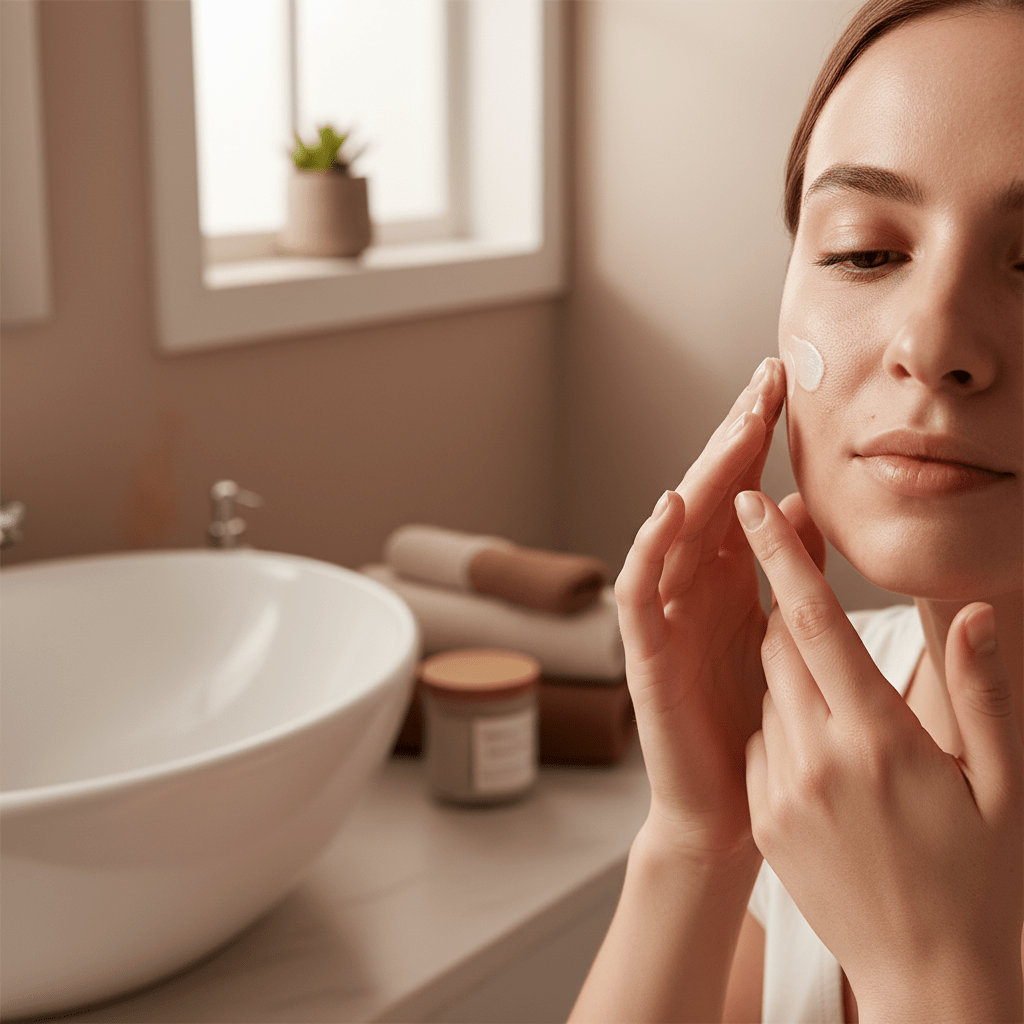
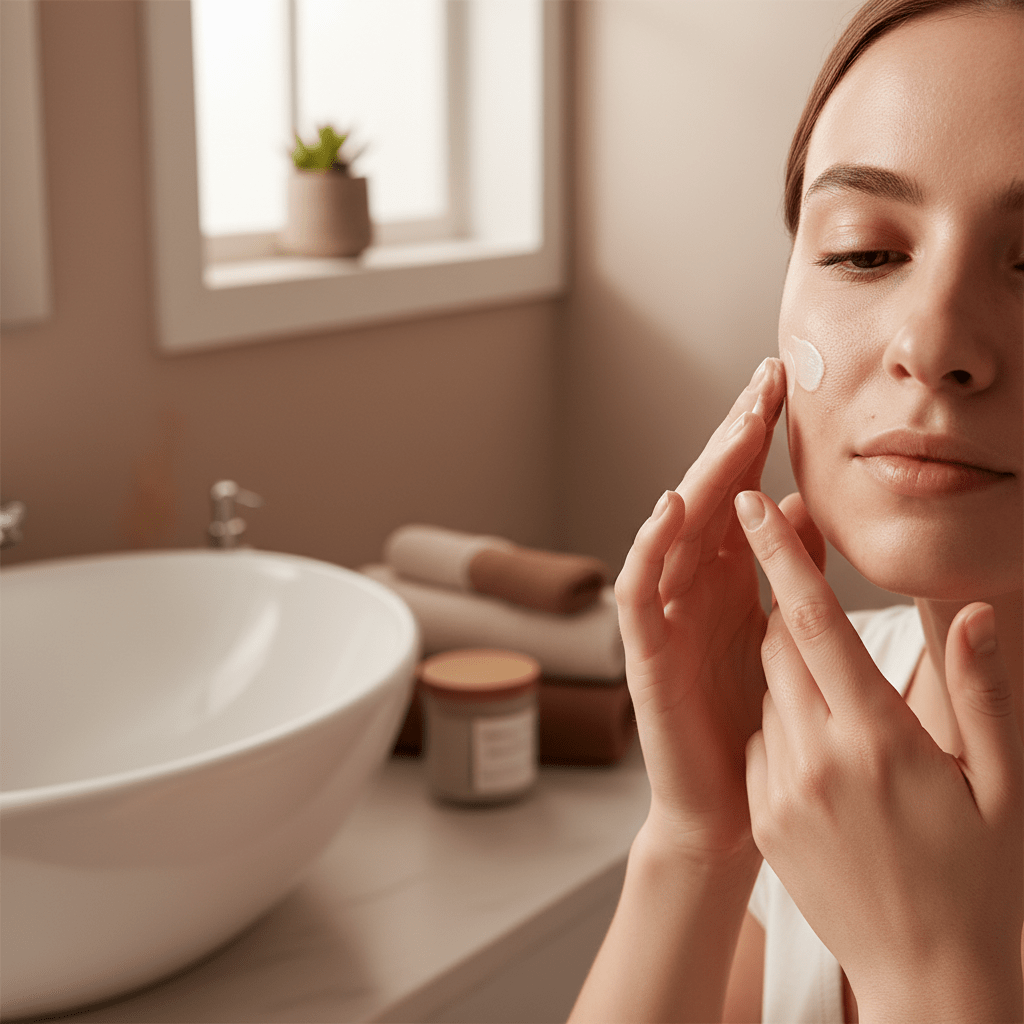
You know that awful tight, stingy feeling after acne cream goes on? Yeah. We’ve all been there.
One minute you’re trying to calm a breakout, and the next your face feels dry, flaky, and kind of mad at you. Benzoyl peroxide and salicylic acid can help with acne, sure, but they can also leave skin irritated, peeling, or just plain uncomfortable. That’s a big reason people quit using them.
And acne is not just a teen thing. It shows up for a lot of adults too, which makes the whole skincare juggling act even more annoying.
That’s where glycerine for skin comes in. Not as a magic fix. Not as the hero that clears every pimple overnight. But as a simple helper that keeps skin hydrated and supports the skin barrier, which matters a lot if you’re using acne treatments. Glycerine benefits for skin are mostly about moisture, comfort, and balance.
So in this guide, we’ll look at the science behind glycerine for acne, how it works as one of the best humectants for acne-prone skin, and how to use glycerine for pimples the right way without making things worse. We’ll also talk about glycerine and rose water for acne, plus what to look for in a non-comedogenic moisturizer.
If you’ve been hunting for something gentler, you’re in the right place.
What Exactly Is Glycerine? The Unsung Hero of Hydration
Ever put on a face product and thought, “Wait… why does my skin feel better already?” That’s the kind of quiet help glycerine gives.
Glycerine, also called glycerol, is a small sugar alcohol. Fancy name, simple job. It pulls water toward the top layer of your skin, which is why it’s called a humectant. Think of it like a tiny moisture magnet for the skin surface. Not dramatic. Just useful.
Here’s the cool part. Glycerine for skin comes from a few places:
| Source | What it means | Why it shows up in skincare |
| Vegetable glycerine | Made from plant oils like coconut, soy, or palm | Common in lotions, cleansers, and mists |
| Animal glycerine | Made from animal fats | Used less often in modern skincare |
| Synthetic glycerine | Made through lab-based processes | Gives the same glycerol molecule |
Most skincare brands lean toward vegetable glycerine for face products because it fits clean-label formulas and plant-based product lines. But the skin doesn’t care where the molecule came from. The glycerol for skin barrier work is the same either way.
And for acne-prone skin, that matters a lot.
Why? Because glycerine is non-comedogenic, which means it hydrates without clogging pores. So if you’re looking for humectants for acne-prone skin, this one is a pretty safe bet. It won’t clear acne on its own, but it can help skin stay calm while you’re using stronger treatments. That makes a real difference when your face is already annoyed.
I’d call it the steady friend in the routine. Not flashy. Just reliable.
If you’re building a gentler acne routine, look for a non-comedogenic moisturizer with glycerine near the top of the ingredient list. And if you make skincare products, Aroma Monk’s lab-tested rose water and natural carrier oils can fit nicely into mild, skin-friendly formulas where moisture and comfort both matter.
The Science: How Glycerine Benefits Acne-Prone Skin
You know that weird loop? Your skin gets dry, so it makes more oil. Then the oil sits on top, and boom, things get messier. Acne treatment can make that loop even worse if it strips too hard.
That’s one reason glycerine for skin gets so much attention. It doesn’t try to dry out pimples. It tries to keep skin steady.
And steady skin usually behaves better.
1. It helps repair the skin barrier
Your skin barrier is like a thin wall. When that wall gets cracked, water escapes faster and outside irritants get in easier. That can leave acne-prone skin red, sore, and more reactive.
Glycerine for acne helps by pulling water into the top layer of skin and supporting barrier repair. In lab and human studies, glycerol has been shown to speed up barrier recovery after skin damage and cut down water loss from the skin surface. That matters because a calmer barrier can handle acne routines with less drama.
Think of it this way: if your skin is already upset from a benzoyl peroxide wash or a tretinoin cream, adding a humectant for acne-prone skin can make the whole routine feel less harsh. Less flaking. Less sting. More tolerance.
2. It gives deep hydration without the greasy feel
This is the part people usually love. Glycerine holds water really well, but it doesn’t feel heavy or oily on the skin. So you get moisture without that slick film some creams leave behind.
That can matter for breakouts, too. When skin feels dry all the time, it often reacts by making more sebum. Then people slap on harsher products, which dry the skin out again. Kind of a cycle. A very annoying cycle.
Glycerine benefits for skin show up here in a simple way: hydrated skin tends to feel smoother, look less flaky, and stay more balanced. It won’t stop acne by itself, but it can help break that dry-and-oily tug-of-war that leaves your face confused.
3. It may help calm irritation and support a healthier skin surface
Here’s the deal. Glycerine isn’t a classic acne medicine, and I wouldn’t call it a cure for inflamed breakouts. But it can help soothe skin that’s been stressed by treatment or over-washing. That alone is a big win.
Some research also suggests glycerol supports a skin surface that’s less reactive and easier to recover after irritation. And when the skin barrier works better, the skin microbiome tends to have a friendlier place to live. That’s not the same as killing acne bacteria outright, but it may help create a less cranky skin environment.
Funny enough, this is why a lot of dermatologists recommend moisturizers with active acne products. People often stop tretinoin because of dryness or irritation, not because it never had a chance to work. A simple moisturizer can keep treatment going long enough to matter.
Why this matters if you’re using acne treatments
If you’re using benzoyl peroxide, tretinoin, or another retinoid, your skin may need backup. Not a heavy cream that clogs pores. Just a light, non-comedogenic moisturizer with glycerine near the top of the list.
That’s where vegetable glycerine for face products fits in nicely. It’s gentle, it’s non-comedogenic, and it plays well with other acne-safe ingredients like niacinamide, ceramides, and hyaluronic acid.
Here’s a quick cheat sheet:
| Skin need | How glycerine helps | What to pair it with |
| Dry, tight skin | Draws water into the skin | Ceramides or squalane |
| Flaky acne treatment skin | Supports barrier recovery | Fragrance-free moisturizer |
| Oily but dehydrated skin | Adds moisture without grease | Niacinamide or hyaluronic acid |
| Irritated skin | Helps skin feel calmer | Mild, non-comedogenic formula |
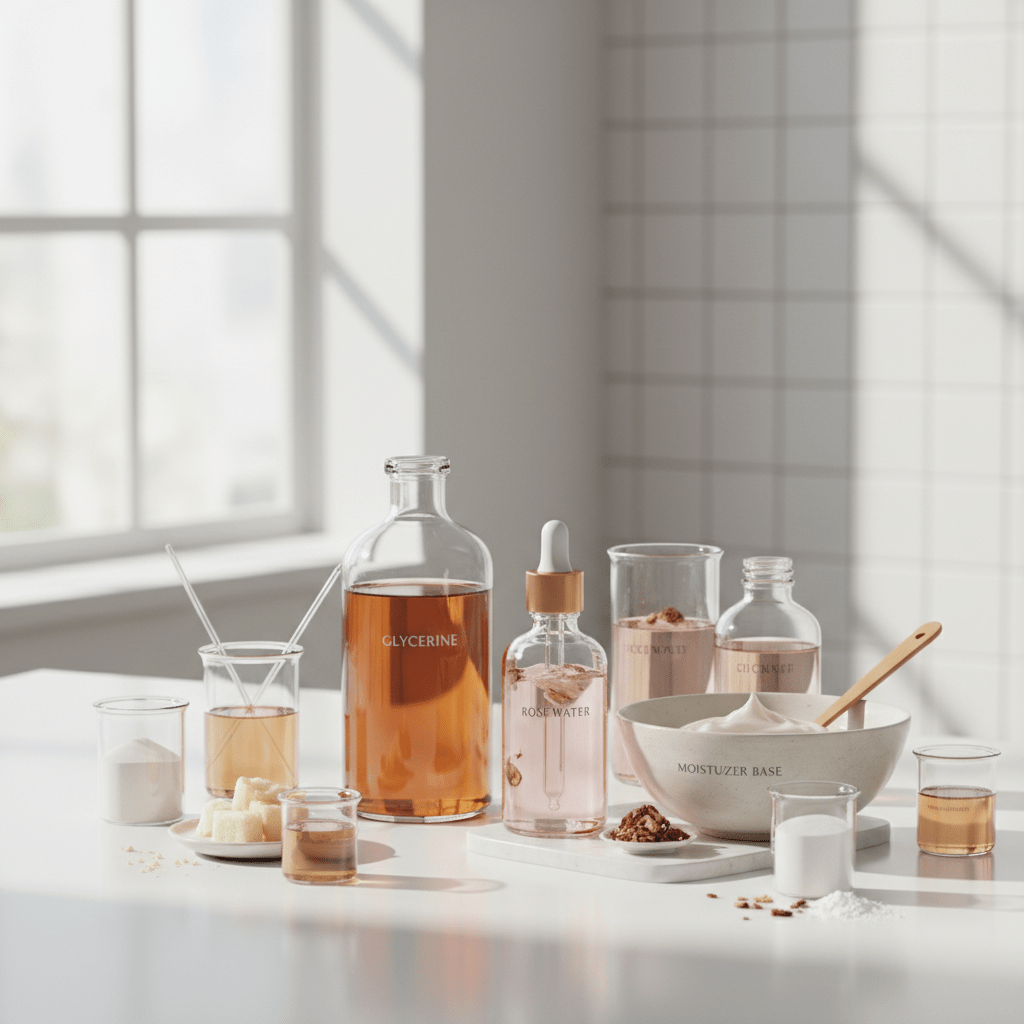
And one quick note: pure glycerine straight on skin can be too much. It works best when diluted in a proper formula or mixed with something like rose water for acne, then sealed with a light moisturizer if needed. That’s the safer route.
If you’re building a skincare line or testing gentle formulas, Aroma Monk’s lab-tested rose water and natural carrier oils can help you create skin-friendly blends that fit acne-prone users without feeling heavy.
Glycerine for Acne: A Realistic Look at Its Role
Here’s the thing. Glycerine for skin is helpful, but it’s not the main acne fighter in the routine. It won’t unclog pores like a retinoid, and it won’t act like benzoyl peroxide that targets acne-causing bacteria. So if you’re hoping for a one-ingredient miracle… yeah, that’s not it.
But that does not mean it’s a sidekick with no job. Far from it.
Think about what happens when acne care gets too harsh. Skin gets dry. It starts to sting. It may peel, feel tight, and look extra red. In one review of common acne treatments, benzoyl peroxide caused dryness in up to 19.2% of users, peeling or scaling in up to 20.6%, and irritation in up to 19%. Tretinoin products can be even rougher at first, with dryness up to 28% and redness or warmth reported in up to 40.1% of users. That’s a lot of unhappy faces.
And this is where glycerine for acne steps in as support.
It helps keep the skin barrier from getting wrecked. A stronger barrier means less water loss, less cracking, and usually less irritation from active acne products. That can make your routine easier to stick with, which matters because people quit tretinoin for side effects all the time. If your skin feels less stripped, you’re more likely to keep going long enough to see results.
That “stripped” feeling has a look, too. Think tight skin, flaky patches, and that weird shine that comes from dehydration, not real moisture. Sometimes people mistake that for acne getting worse and then start over-washing or layering on harsher products. Bad loop. Really bad loop.
A glycerine-based product can help pull the skin back toward balance. It adds water, supports comfort, and gives your skin a better shot at handling treatment without freaking out. And no, it’s not a cure for acne. But it can make your acne products work better in the long run because you can actually keep using them.
That’s the quiet magic here.
If you’re building a routine, pair glycerine for skin with a light, non-comedogenic moisturizer and avoid anything heavy or pore-clogging. If you’re formulating products, Aroma Monk’s lab-tested rose water can also be a nice partner for gentle blends, especially in skincare made for acne-prone users.
| Skin problem | What usually happens | How glycerine helps |
| Dry, tight skin | Feels itchy and uncomfortable | Adds water back in |
| Over-exfoliated skin | Looks red, flaky, and raw | Helps calm the surface |
| Rebound oiliness | Skin gets oily after stripping | Supports a better moisture balance |
| Acne treatment irritation | Burning or peeling shows up | Makes products easier to tolerate |
And if you’ve ever felt like your skin was fighting you, you’re not imagining it. Sometimes the best move is not a stronger product. It’s a gentler one.
Get a quote from Aroma Monk.
Essential Oil Supplier – Bulk pricing • Samples • Fast response
How to Safely Incorporate Glycerine Into Your Skincare Routine
You know that moment when a product sounds simple, but then suddenly you’ve got 12 tabs open and you’re wondering if you’re about to ruin your face? Yep. That’s glycerine stuff for a lot of people.
The good news: using glycerine for skin does not have to be fussy.
The best place to start is with products that already mix glycerine into a proper formula. Think cleansers, serums, and moisturizers made for acne-prone skin. That way, the glycerine is balanced with other helpful ingredients, and you don’t have to guess your way through a DIY science experiment in the bathroom.
A well-made non-comedogenic moisturizer with glycerine near the top of the ingredient list can be a smart everyday pick. Even better if it includes niacinamide, ceramides, or hyaluronic acid. Those play nicely with humectants for acne-prone skin and help keep the skin barrier calmer.
The easy route: buy it already mixed
This is the route I’d pick first. Honestly.
Look for:
- A fragrance-free glycerine serum
- A light non-comedogenic moisturizer
- A gentle cleanser with glycerine
- A toner or mist that uses glycerine in a low amount
And if you’re using acne treatments already, this setup is usually less messy than mixing things yourself. It also fits better with actives like benzoyl peroxide or tretinoin, which can leave skin dry, red, or flaky, especially in the first few weeks.
The DIY route: glycerine and rose water for acne
OK, this next part is actually pretty popular. Glycerine and rose water for acne shows up in a lot of home skincare chats for a reason. It can feel light, soft, and a little soothing.
But wait, there’s a catch. Pure glycerine straight on the face is not the move.
Use a diluted mix instead. A simple starting ratio is:
| Ingredient | Safe starting amount |
| Glycerine | 1 part |
| Rose water | 4 parts |
So if you use 1 teaspoon of glycerine, mix it with 4 teaspoons of rose water. Shake it well. Then patch test it on a small spot, like behind your ear or along your jaw, and wait 24 hours. If your skin gets itchy, red, or stingy, skip it.
Why the caution? Because undiluted glycerine can feel sticky, and in very dry air it may even pull water from your skin instead of helping it. Not exactly the glow-up anyone wants.
If you try this mix, use it on damp skin and follow with a light moisturizer if needed. That helps lock things in.
Pairing glycerine with stronger acne products
This is where glycerine for acne gets extra helpful.
If you use retinoids, tretinoin, or benzoyl peroxide, try the buffer approach. That means you put a gentle glycerine product on first, then your acne treatment, then a moisturizer if your skin still feels dry. Some people call this the sandwich method. Fancy name. Simple idea.
Here’s a basic example:
- Cleanse with a gentle face wash
- Apply a thin glycerine serum or hydrating layer
- Wait a minute or two
- Use your retinoid or tretinoin
- Follow with a non-comedogenic moisturizer
This can help reduce the dry, tight, “my face hates me” feeling that makes people quit treatment too early. And that matters, because a lot of tretinoin users stop because of irritation, not because the product never had a chance to work.
A few quick do’s and don’ts
- Do use glycerine in formulas made for skin
- Do patch test new products
- Do keep the routine light if you break out easily
- Don’t use pure glycerine by itself on your face
- Don’t stack too many strong actives at once
- Don’t forget sunscreen in the morning
If you’re a brand owner or product maker, this is also where good ingredient sourcing matters. Aroma Monk’s lab-tested rose water and natural carrier oils can fit into gentle skincare blends for acne-prone users, especially if you’re building a line that needs clean, reliable raw materials in bulk.
Simple works. Usually best, too.
And if your skin has been feeling overworked lately, that’s not you failing. It just means your routine needs a softer touch.
Choosing the Right Glycerine Product for Your Skin Type
Ever stared at a label and thought, “Wait, is this the good stuff or just fancy filler?” Yeah, skincare can feel like that. But with glycerine for skin, the label actually gives you a pretty solid clue.
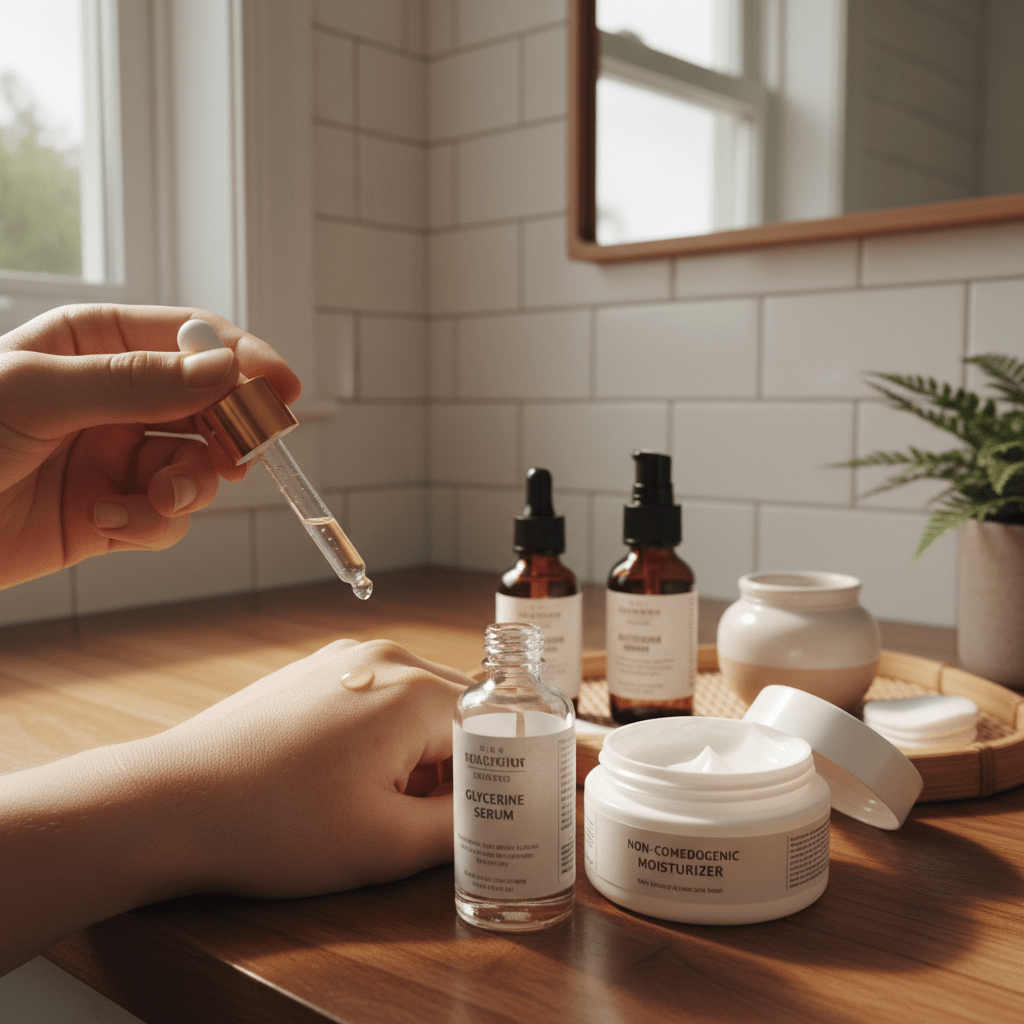
The first thing to check is the ingredient list. Look for Glycerin near the top, usually in the top 5 ingredients if you want a product that really leans on it. If it’s buried way down the list, it’s still fine, but you probably won’t feel much from it. That’s the deal.
And for acne-prone skin, the type of product matters too. A light gel-cream or fluid moisturizer usually works better than a rich balm, especially if your face gets shiny fast. For a quick read on acne treatment side effects, benzoyl peroxide can cause dryness in up to 19.2% of users and peeling in up to 20.6%, while tretinoin-based products can cause redness or warmth in up to 40.1% of users, so a gentle support product is a pretty smart move. Acne treatment side effects and irritation rates
Here’s a simple guide:
| Skin type | Best product type | What to look for |
| Oily or acne-prone | Lightweight gel-cream | Glycerin, niacinamide, no heavy oils |
| Dry but break-out prone | Hydrating serum | Glycerin, ceramides, hyaluronic acid |
| Sensitive skin | Gentle foaming cleanser | Low fragrance, no harsh alcohol |
| Combo skin | Non-comedogenic moisturizer | Light feel, barrier support |
If you want the best mix, pair glycerine with niacinamide, ceramides, and hyaluronic acid. Those ingredients help skin feel calm, held together, and less flaky. That matters a lot if you’re using acne actives or your skin gets cranky after washing.
But watch for the stuff that can make things worse. High amounts of drying alcohol, heavy pore-clogging oils like coconut oil or isopropyl myristate, and strong perfume can be rough on acne-prone faces. Not always, but often enough that I’d be cautious.
A simple rule? If your skin breaks out easily, keep the formula light, fragrance-free, and alcohol-free. And if you’re shopping for a moisturizer, check that it says non-comedogenic moisturizer right on the pack or in the product details.
For brands and product makers, this is where good raw ingredients matter too. Aroma Monk’s lab-tested rose water and natural carrier oils can be a helpful fit for gentle skincare lines, especially if you’re building products for acne-prone users who want softness without the greasy feel.
So yes, glycerine for skin can be a really good pick. But the best product is the one that matches your skin, not the one with the loudest label.
The Final Verdict: Glycerine is a Friend to Acne-Prone Skin
So, here’s the short version. Glycerine for skin won’t chase away every pimple on its own, but it can make your whole acne routine work better because your skin stays calmer, softer, and less wrecked by dryness.
And that matters more than people think. Acne treatment often comes with side effects like dryness, peeling, and irritation, and a lot of folks quit early because their skin feels too angry to keep going. Glycerine helps by holding water in the skin and supporting the skin barrier, which makes active products easier to stick with.
That’s the real win. Not hype. Just help.
If you’ve been looking at glycerine benefits for skin, think of it as a support player, not the star striker. It works best in a well-made, non-comedogenic moisturizer or serum, often alongside niacinamide, ceramides, or hyaluronic acid. That’s a much smarter move than using pure glycerine straight on your face.
So instead of chasing a pure glycerine fix, upgrade your routine with a light, non-comedogenic moisturizer or serum where glycerine is a star ingredient. If your skin is acne-prone, that small change can make a big difference.
Get a quote from Aroma Monk.
Essential Oil Supplier – Bulk pricing • Samples • Fast response