
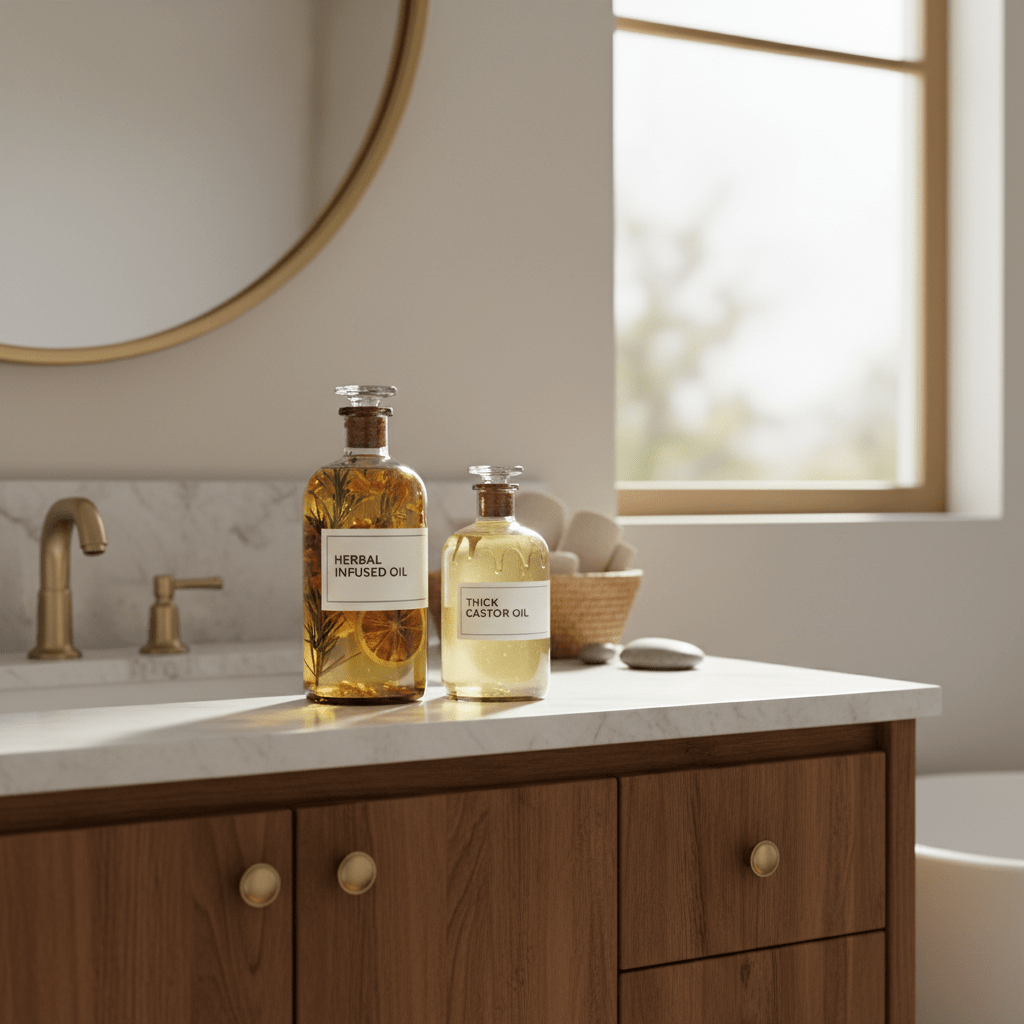
The Natural Hair Care Dilemma: Choosing Between Ancient Wisdom and a Modern Staple
You know that moment when you look in the mirror and think, “Why is my hair doing this now?” Thinning, extra shedding in the shower drain, dull ends… it can make anyone start hunting for natural hair loss solutions fast.
That search is a big reason the natural hair care market keeps growing. One report pegs it at about $12.7 billion in 2025, with people often moving away from harsh formulas because they worry about synthetic ingredients natural hair care market data. And honestly, that lines up with real life. We want stuff that feels safer, simpler, and a little more old-school.
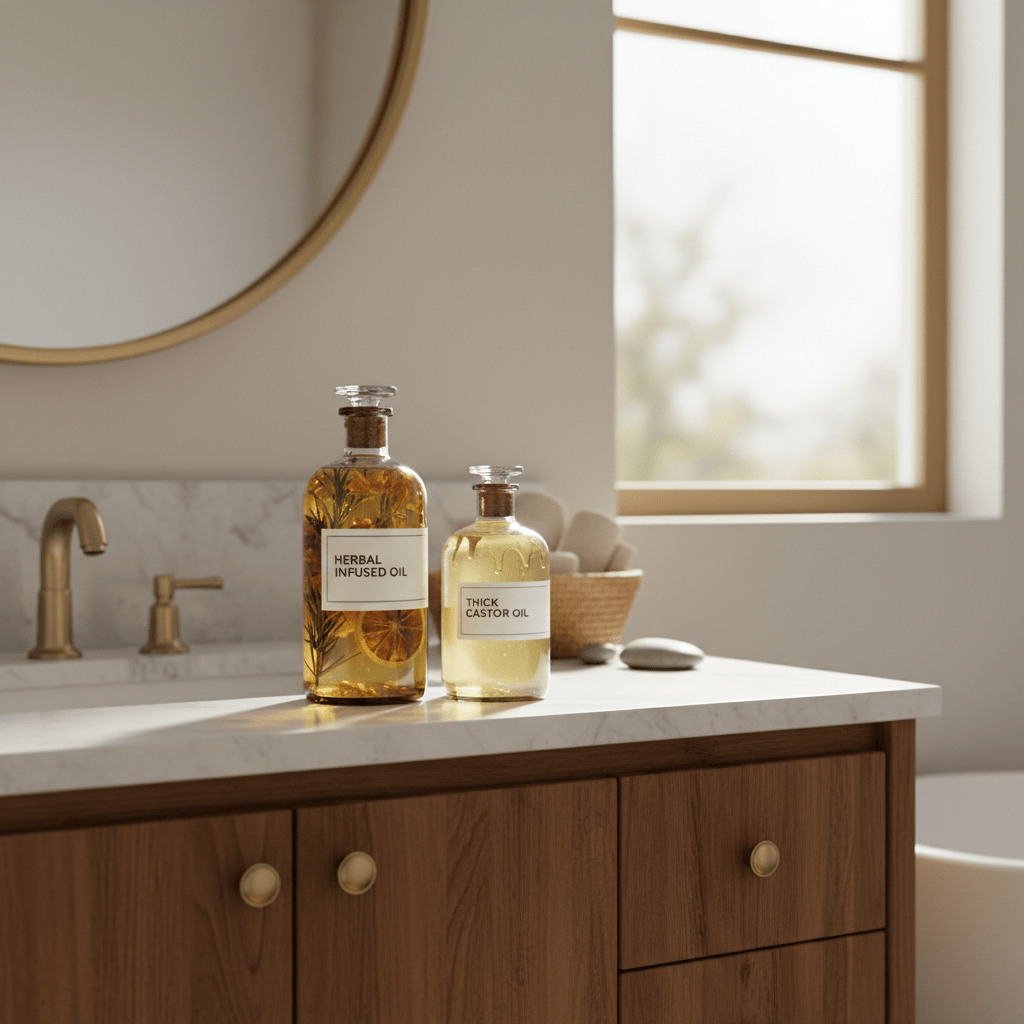
So here are the two oils a lot of people keep comparing: ashwagandha oil for hair, a classic Ayurvedic hair oil idea tied to stress support and scalp care, and castor oil for hair growth, the thick, sticky staple many of us have seen on bathroom shelves for years.
But which one actually fits your hair goals? That’s what we’re sorting out here. We’ll look at ashvagandha oil benefits for hair, how castor oil works, where each one shines, and where the hype gets ahead of the facts. No fluff. Just a clear, science-backed comparison so you can pick the better match for your scalp, strands, and routine.
And if you’re a brand or buyer looking for pure natural oils, blends, or bulk supply for personal care lines, Aroma Monk’s lab-tested essential oils and carrier oils can be a smart place to start.
Understanding Ashwagandha Oil: The Adaptogenic Approach to Hair Wellness
Ever had one of those weeks where your scalp seems to know your stress better than you do? Yeah, same. And that’s part of why ashwagandha oil for hair keeps showing up in natural hair care talks. People aren’t just looking for shine anymore. They want calm, too.
Ashwagandha, or Withania somnifera, is a classic Ayurvedic herb. It’s known as an adaptogen, which is just a fancy way of saying it may help the body handle stress better. That matters because stress is a big trigger for shedding, especially the kind that shows up after a rough few months. Ashwagandha is often discussed as a stress support herb, and research has found it can lower cortisol, the stress hormone, in adults. That’s one reason it gets attention in natural hair loss solutions, even though direct hair regrowth studies are still missing.
The herb’s key compounds are called withanolides. These plant compounds are linked to anti-inflammatory and antioxidant action in the body. So for the scalp, the idea is pretty simple: less irritation, less oxidative stress, and a healthier place for hair to grow. Sounds nice, right? But there’s a catch. Most of that scalp talk is based on general herb research, not direct hair trials.
Here’s the thing. Ashwagandha oil benefits for hair usually come from how the oil is made. It’s not often a pure oil on its own. More often, the herb is infused into a carrier oil like sesame, coconut, or almond oil. That gives you a blend with a smoother feel and added moisture. Depending on the base oil, it may feel light or a bit richer on the scalp.
What ashwangandha oil is usually like
| Part | What it means |
|---|---|
| Herb | Withania somnifera |
| Main role | Stress support, scalp care |
| Key compounds | Withanolides |
| Common form | Herb infused in carrier oil |
| Texture | Usually light to medium, depending on the base oil |
If you’re wondering how to use ashwagandha oil on hair, most people use it as a pre-wash scalp treatment. Massage it in, let it sit for 20 to 30 minutes, then wash it out. Nice and simple.
And if your brand makes natural hair care products, this is the kind of ingredient that fits well in a calm, herbal line. Aroma Monk’s pure essential oils and carrier oils can also help when you’re building custom blends for scalp care or wellness products.
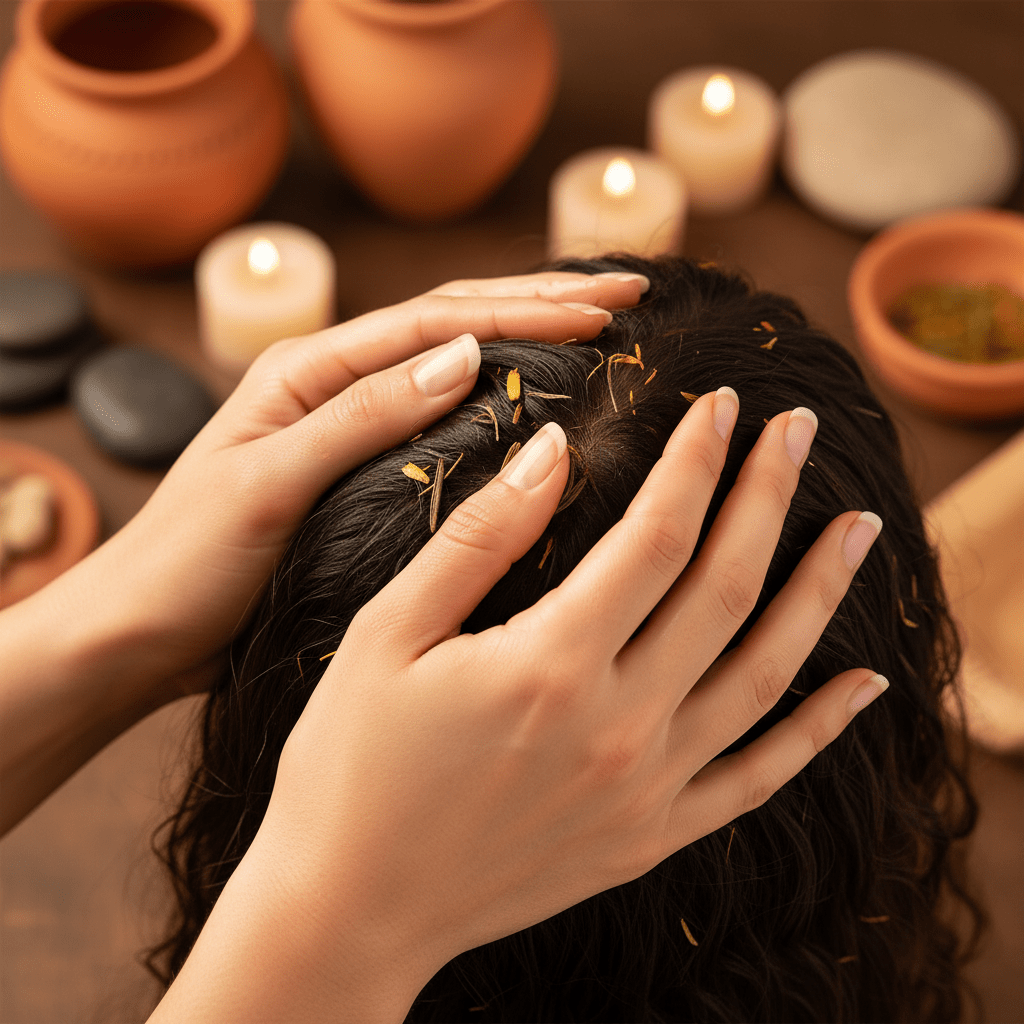
Decoding Castor Oil: The Power of Ricinoleic Acid
Castor oil has been hanging around bathroom shelves for ages, and funny enough, it still starts arguments. Some people swear it made their hair feel thicker. Others say it’s just a sticky mess. Both can be true, honestly.
Here’s the deal. Castor oil comes from the seeds of the Ricinus communis plant. It’s a thick plant oil, and it stands out because of one star ingredient: ricinoleic acid. This fatty acid makes up about 90% of the oil, which is wild when you think about it. Most oils don’t have one compound doing so much heavy lifting.
Ricinoleic acid is talked about a lot in castor oil for hair growth circles because it may help with scalp comfort. Some research points to antimicrobial and anti-inflammatory activity, which is why people use castor oil in natural hair loss solutions and dry scalp routines. That sounds promising, but let’s be real. It’s not magic. It may help create a better-feeling scalp, which is different from proving new hair grows.
Also, castor oil acts like a humectant. That means it helps hold moisture on the hair and scalp. So if your ends feel like straw, a little castor oil can coat the hair shaft and keep water from slipping away too fast. That’s why it’s often called one of the best oils for hair thinning and dry, brittle strands.
Some fans also say it helps circulation and may work with prostaglandin E2 receptors, which are tied to hair growth signals. But that part is still more theory than fact. Still, if you’re weighing ashwagandha vs castor oil, castor usually wins for heavy sealing and moisture support, while ashwagandha oil for hair gets more attention for stress-related scalp care.
Castor oil at a glance
| Part | What it means |
|---|---|
| Plant source | Ricinus communis |
| Main compound | Ricinoleic acid |
| Main use | Sealing moisture, scalp care |
| Texture | Very thick and sticky |
| Best for | Dry hair, rough ends, protective routines |
One quick note: castor oil is much thicker than coconut or olive oil. So a little goes a long way. If you use too much, your hair can feel greasy fast. And nobody wants that crunchy, weighed-down look.
If you’re building a hair line or looking for pure base oils, Aroma Monk’s lab-tested carrier oils can be a smart place to source clean ingredients for custom blends, scalp oils, and personal care products.
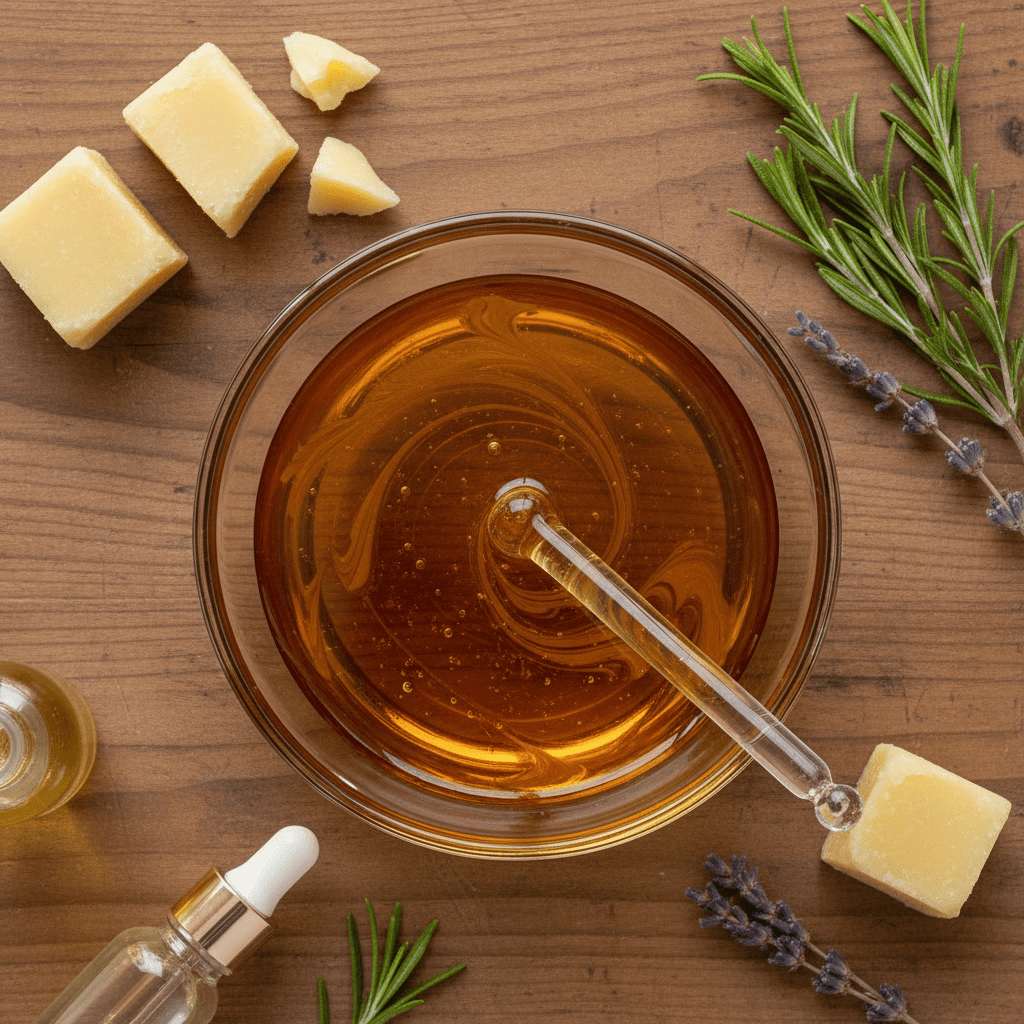
Head-to-Head: Ashwagandha Oil for Hair vs. Castor Oil
So now we get to the fun part. The real match-up.
If you’ve got hair fall, a tender scalp, or ends that snap just by looking at them, you probably want one simple answer. But hair care rarely hands us one. Some oils help with stress support. Some just sit on top and seal things in. That’s where ashwagandha oil for hair and castor oil for hair growth start to split apart.
1) Hair growth and follicle support
Let’s start with the big question. Which one has more promise for growth?
Ashwagandha has the stronger stress angle. A lot of hair shedding ties back to stress, sleep loss, and long rough stretches that leave your body in recovery mode. Ashwagandha is known for helping lower cortisol, and that matters because high stress can push more hair into shedding mode. So if your hair loss feels linked to burnout, an ashwagandha scalp treatment may fit your routine better as a calming support step.
Castor oil takes a different path. People love castor oil for hair growth because it feels rich and “active” on the scalp. Its main fatty acid, ricinoleic acid for hair, may help with comfort and scalp circulation. Some folks also talk about prostaglandin support, but that part still sits in the maybe pile, not the proven pile. Real talk: neither oil has strong human trial proof for new hair growth. But they may support the scalp in different ways.
| Hair goal | Ashwagandha oil | Castor oil |
|---|---|---|
| Stress-related shedding | Better match in theory | Not a direct fit |
| Scalp comfort | Calming support | Soothing, thick coating |
| Follicle support | Indirect, through stress support | Indirect, through scalp feel |
| Growth proof in humans | No direct proof | No direct proof |
And that’s the key point. Ashwagandha is more about the stress story. Castor oil is more about the surface story.
2) Scalp health and inflammation
You know that itchy, tight, “my scalp is mad at me” feeling? Yeah, that one.
Ashwagandha gets attention for its adaptogenic and anti-inflammatory traits. Since it’s usually used as an infused oil, the real value is often in the carrier base too. A lighter ayurvedic hair oil blend can feel soothing without leaving too much residue. That’s helpful if your scalp gets cranky after washing, styling, or just existing in dry weather.
Castor oil works more on the outside. It’s thick, and it can coat the skin well. That coating may help lock in moisture and create a calmer feel on dry spots. Some research also points to antimicrobial action from ricinoleic acid, which is why it shows up in talks about dandruff and scalp balance. But let’s keep it honest. That doesn’t mean it kills dandruff for sure. It just means the oil has some biology behind the buzz.
Also, castor oil can be a little much for oily scalps. Heavy. Sticky. A bit clingy, honestly. If your scalp gets greasy fast, you might like ashwagandha oil more, especially in a lighter carrier like sesame or almond.
3) Hair strength, breakage, and texture
This part matters more than people admit.
If your hair is snapping, tangling, or getting frizzy at the ends, castor oil usually wins the feel test. Why? Because it coats the hair shaft really well. That can help reduce friction, slow moisture loss, and make strands feel smoother. For dry curls, rough ends, and protective styles, that thick seal can be a big deal. It’s one reason castor oil keeps showing up on lists of the best oils for hair thinning and breakage-prone hair.
Ashwagandha is a bit different. It’s not known as a heavy coating oil. It’s more of a support player for the scalp and follicle environment. So while it may not make hair feel slick and sealed right away, it fits better if your main concern is stress-related shedding and scalp balance.
Here’s the simplest way to think about ashwagandha vs castor oil:
- Ashwagandha oil may help the scalp feel calmer and less stressed.
- Castor oil may help hair feel protected, coated, and less likely to break.
That’s the trade-off.
Quick pick by hair goal
| If you want… | Try this first |
|---|---|
| Less stress-linked shedding support | Ashwagandha oil for hair |
| More moisture sealing | Castor oil |
| Softer ends and less breakage | Castor oil |
| A lighter scalp treatment | Ashwagandha-infused oil |
| A richer pre-wash mask | Castor oil blend |
If you’re using how to use ashwagandha oil on hair as your starting point, keep it simple. Massage it into the scalp for 5 to 10 minutes, let it sit for 20 to 30 minutes, then wash it out. For castor oil, don’t go wild. Mix it with a lighter oil so it doesn’t sit there like glue. Jojoba, grapeseed, sweet almond, and avocado are common pairings, depending on your hair type.
And if you’re building products instead of just using them at home, this split matters a lot. A calm, herbal ashwagandha oil for hair blend may suit a stress-care line, while castor-based mixes fit thicker, moisture-first formulas. Aroma Monk’s lab-tested essential oils and carrier oils can help with both styles, especially if you’re making bulk personal care products and need clean, traceable ingredients.
So which one should you choose?
Honestly? It depends on the problem sitting on your head right now.
If your hair loss seems tied to stress, poor sleep, or a rough life season, ashwagandha is the more interesting option. If your hair is dry, frizzy, or breaking off at the ends, castor oil usually gives you more obvious day-to-day payoff. And if you’re wondering whether either one can beat true medical hair loss, the answer is no. They can support care. They can’t replace a dermatologist or proven treatment.
Still, for many people, a simple oil routine is a good place to start. Small steps. Consistent use. Patience. Hair care is annoyingly slow like that.
If you want to keep going, talk with a skin or hair pro, patch test first, and choose the oil that matches your real issue instead of the trendiest jar on the shelf.
Get a quote from Aroma Monk.
Essential Oil Supplier – Bulk pricing • Samples • Fast response
How to Effectively Use Ashwagandha Oil for Hair
You know that quiet little panic when your hair brush starts looking like it has its own hair on it? Yeah. That’s usually the moment people start trying ashwagandha oil for hair and other natural hair loss solutions that feel gentler than harsh stuff from the drugstore shelf.
The good news is that an ashwagandha scalp treatment is pretty simple at home. Most blends use carrier oils like sesame or coconut, since pure ashwagandha oil is not usually sold on its own. In a recent look at natural hair care trends, concerns like hair fall, dandruff, and scalp sensitivity were the top reasons people switch to botanical products, and that makes this kind of routine easy to understand (natural hair care market data).
Simple scalp massage routine
Warm the oil a little.
Put a small amount in your palms or sit the bottle in warm water for a minute.Part your hair into sections.
This helps you reach the scalp instead of just coating the surface.Massage with your fingertips for 5 to 10 minutes.
Use small circles. Don’t scratch with your nails. Your scalp is not a frying pan.Leave it in for 20 to 30 minutes.
Then wash it out with a gentle shampoo.
Most people do this 1 to 2 times a week. That’s usually enough to stay consistent without making your scalp feel heavy.
Quick DIY ashwagandha hair mask
If you want something richer, mix:
- 2 tablespoons ashwagandha-infused oil
- 1 tablespoon yogurt
- 1 tablespoon amla powder
Stir it into a smooth paste, apply it to the scalp and roots, then leave it on for 20 minutes before rinsing. Yogurt can help the mask feel soft and creamy, while amla adds a tangy herbal twist people already know from ayurvedic hair oil routines.
A few easy tips
- If your scalp gets oily fast, use less oil.
- If your hair is dry, sesame-based blends often feel richer.
- Coconut-based blends can feel nice too, but they may be a bit heavier.
- Always patch test first, especially if your skin is sensitive.
And if you’re making hair care products for a brand, this is the kind of formula that fits clean, simple, plant-based lines. Aroma Monk’s lab-tested carrier oils and essential oils can help with bulk blends, custom scalp oils, and other personal care products that need a pure, natural feel.
Best Practices for Applying Castor Oil for Hair
Castor oil sounds easy until you open the bottle. Then you remember why people joke about it. Thick. Sticky. Slow-moving. Still, it’s a go-to for lots of folks who want castor oil for hair growth support and a better feel on dry ends.
Here’s the trick. Don’t use it straight unless your hair really loves heavy oils. Mix castor oil with a lighter carrier oil like jojoba or sweet almond oil in a 1:1 ratio. That makes it easier to spread and less likely to leave your hair looking flat and greasy. For fine hair, some people even go lighter with the castor side, but 1:1 is a solid place to start.
Castor oil works best as a spot treatment, not a full-head soak. Try it on thinning edges, brows, or the very ends of your hair where splits like to show up first. It can act like a sealing oil, helping lock in moisture and smooth rough strands. That’s why it keeps showing up in chats about the best oils for hair thinning.
Washing it out matters too. Big time. Put shampoo on the dry, oiled hair first, then add water and work it through before rinsing. That helps break up the oil before it gets all over the place. Sometimes one wash isn’t enough, so a second gentle shampoo can help.
Quick castor oil tips
| Use case | Best move |
|---|---|
| Thin edges | Apply a tiny amount with a cotton swab |
| Brows | Use sparingly at night |
| Dry ends | Smooth on a pea-sized amount |
| Full scalp use | Dilute with jojoba or almond oil |
| Washout | Shampoo before wetting hair |
And a small warning. Castor oil can build up fast, especially on oily scalps. So patch test first, go light, and keep it simple. If you’re making products for a hair line, Aroma Monk’s lab-tested carrier oils can help you build cleaner castor blends that feel better on the scalp and still fit a natural routine.
The Power Combo: Can You Mix Ashwagandha and Castor Oil?
You know that sweet spot when one oil feels too light and the other feels like glue? That’s exactly why some people blend ashwagandha oil for hair with castor oil for hair growth. And yes, you can mix them.
This combo makes a lot of sense for people dealing with more than one hair issue at once. Ashwagandha-infused oil can bring a calmer feel to a stressed scalp, while castor oil helps seal in moisture and may support a healthier scalp surface. So you get a two-part routine in one bottle. Pretty handy.
A simple blend recipe:
- 2 parts ashwagandha-infused oil
- 1 part castor oil
- 2 to 4 drops rosemary or peppermint essential oil
Rosemary is a smart pick if you want a fresh scent and a scalp-friendly boost. Peppermint feels cool and tingly. Nice, but use it lightly. A little goes a long way.
Who this blend may fit best
| Hair concern | Why the combo helps |
|---|---|
| Stress-related thinning | Ashwagandha supports the stress side |
| Dry, flaky scalp | Castor oil helps lock in moisture |
| Frizzy, rough ends | Castor oil coats and smooths |
| Sensitive scalp | Ashwagandha-infused blends can feel gentler |
If your hair feels stressed and dry at the same time, this combo may be a good middle ground. Start with a patch test, keep the castor oil low if your scalp gets oily fast, and use it as a pre-wash treatment for 20 to 30 minutes.
And if you’re sourcing oils for a personal care line, this is also a nice formula idea for custom blends. Aroma Monk’s lab-tested essential oils and carrier oils can help you build clean, natural hair care products with a more traditional feel.
Potential Side Effects and Important Precautions
A little oil can feel harmless. But your skin may disagree. And that’s where a quick patch test saves you a lot of trouble.
Before you put ashwagandha oil for hair or castor oil for hair growth all over your scalp, test a small spot first. Put a drop on your inner arm or behind your ear and wait 24 hours. If you see redness, itching, or swelling, skip it. Simple. No guesswork.
Castor oil can also be a bit much for fine hair. It’s thick, heavy, and can weigh strands down fast if you use too much. If your hair gets flat easily, dilute it with a lighter oil and keep the amount small. A pea-sized amount is often enough. Really. More is not better here.
Ashwagandha deserves one more caution. Even though topical use is usually gentle, ashwagandha can affect hormones like thyroid and testosterone when it’s used often or taken in other forms. If you have a thyroid issue, are pregnant, have an autoimmune condition, or take regular medicine for hormones, talk with a doctor before using it a lot. That’s especially true if you’re exploring natural hair loss solutions and want to stay on the safe side.
| Oil | Main caution | Best first step |
|---|---|---|
| Ashwagandha oil | Hormone-related concerns in some people | Ask a doctor if you have thyroid or hormone issues |
| Castor oil | Heavy feel, buildup, greasy look | Dilute before using |
| Both oils | Possible skin reaction | Patch test for 24 hours |
If you’re trying either one as part of an ayurvedic hair oil routine, start slow. Small amount. Small area. Then watch how your scalp acts. That’s the smartest move.
And if you’re sourcing oils for product work, Aroma Monk’s lab-tested essential oils and carrier oils can help you build cleaner blends with more peace of mind.
The Verdict: Your Personalized Prescription for Natural Hair Health
So, here’s the plain answer. If your hair loss seems tied to stress, bad sleep, or a rough season that just won’t quit, ashwagandha oil for hair is the better first pick. It’s the one that fits the stress story. And that matters, because the natural hair care market keeps growing for a reason. People are looking for gentler options, especially with hair fall, dandruff, and scalp sensitivity all pushing demand for plant-based care (natural hair care market data).
But if your main problem is dryness, breakage, or a scalp that feels a little flaky and upset, castor oil for hair growth usually gives more obvious day-to-day help. It’s thick, sealing, and good at coating rough strands. That’s why it stays popular in best oils for hair thinning lists, even if the growth claims are bigger than the proof.
Quick choice guide
| If your main issue is… | Start with… |
|---|---|
| Stress-linked shedding | Ashwagandha oil for hair |
| Dry ends and breakage | Castor oil |
| Scalp comfort and calm | Ashwagandha-infused oil |
| Moisture sealing | Castor oil |
| A mix of both | Try both, in a blend |
Honestly, the best hair routine is the one that matches your body, not the trend on your feed. If you want a lighter ashwagandha scalp treatment, use it as a pre-wash step. If you want more coating and softness, reach for castor oil. And if you like both benefits, mix them and keep the castor amount low.
I’d say this much: neither oil is a magic fix. But both can be useful parts of a smarter ayurvedic hair oil routine. Start small. Watch how your scalp reacts. Give it time. Hair care moves slow, weirdly slow, but it does respond when you stay consistent.
If you’re still unsure, think about the last 3 months. Stress? Go ashwagandha. Dryness or breakage? Go castor. And if you’re building natural hair products for a brand, Aroma Monk’s lab-tested essential oils and carrier oils can help you create clean blends with a more personal, traditional feel. That’s the move.
Get a quote from Aroma Monk.
Essential Oil Supplier – Bulk pricing • Samples • Fast response