

The Ancient Secret to Modern Hair Worries: Is Ashwagandha the Answer?
You know that moment when your brush fills up faster than usual? Or when the shower drain starts looking scary? Yeah, we’ve all been there. Stress-related hair shedding can feel like a bad joke, especially when you’re trying to keep your hair strong and healthy.
And it’s not just in your head. Telogen effluvium, the kind of hair loss tied to stress, is pretty common in adults, and doctors say stress is one of the leading causes. Stress can push more hairs into the resting phase too soon, which means more shedding than you’d like.
That’s where ashwagandha oil for hair starts getting interesting. Ashwagandha isn’t just some trendy add-on from a pretty bottle. It’s a long-used herb in Ayurvedic medicine, known as an adaptogen, which means it helps the body handle stress without trying to force everything into a weird overdrive. Kind of like a calm friend who talks you down before you spiral.
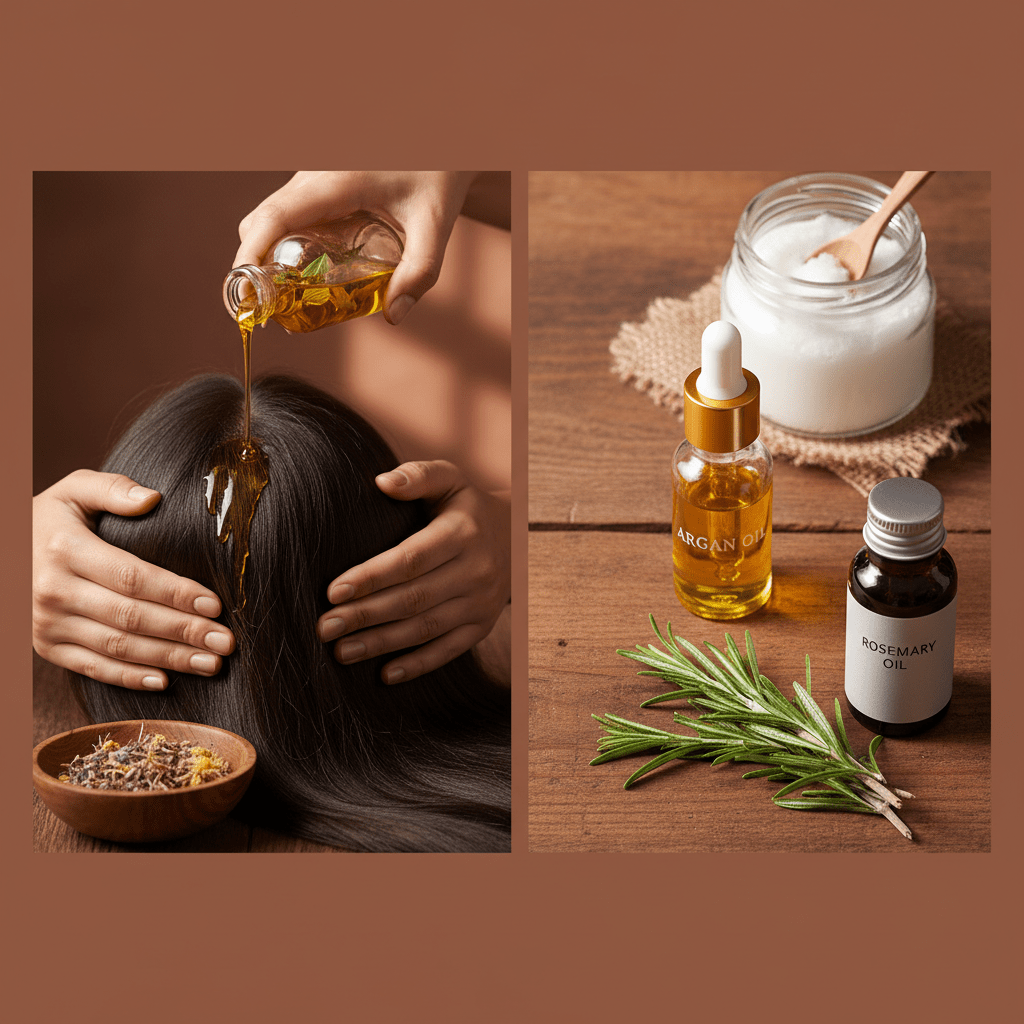
So in this article, we’re going to compare ashwagandha oil benefits hair with coconut, argan, and rosemary oil. We’ll look at what each one does, where it helps, and where it falls short. If you’ve been wondering about ashwagandha for stress-related hair loss or how to use ashwagandha oil for hair growth, you’re in the right place.
One more thing. If you make hair products or natural wellness blends, this kind of comparison also matters for sourcing. Pure carrier oils and essential oils can change the whole feel of a formula, and that’s exactly the kind of quality-focused ingredient work brands like Aroma Monk support with lab-tested natural oils and bulk supply options.
What is Ashwagandha Oil and Why is it a Hair Care Powerhouse?
Here’s the funny part. A tiny herb from old Ayurvedic books is showing up in modern hair care chats, and people are asking if it can help with shedding, stress, and tired-looking strands. Not magic. Just a plant with a long history.
Ashwagandha, or Withania somnifera, is an adaptogen. That means it helps the body handle stress better, kind of like a steady hand on the wheel when life feels a little too loud. And stress matters for hair more than most of us want to admit. Stress can push hairs into the resting phase too soon, which is part of why telogen effluvium shows up after hard seasons.
The plant’s active compounds are called withanolides. The best known one is Withaferin A, which researchers link to anti-inflammatory and antioxidant action. In plain words, it may help calm the kind of stress response that can be rough on the scalp and hair follicles. That’s why people talk about ashwagandha oil benefits hair in the same breath as adaptogens for hair health.
But here’s the part lots of people miss: ashwagandha oil for hair is usually not a pure oil pressed straight from the herb. It’s more often an infusion. That means ashwagandha root or powder is soaked into a carrier oil like sesame, almond, or coconut oil. The carrier oil is what makes it safe and smooth for topical use. Without that base, it’d be a mess on your scalp. Honestly, a pretty awkward one.
In Ayurvedic care, this kind of blend is often used for an ashwagandha scalp treatment or an Ayurvedic hair oil for thinning hair routine. So if you’ve been wondering how to use ashwagandha oil for hair growth, think of it as a gentle, earthy oil blend that fits into a wider stress-care routine, not a one-step fix.
For brands making natural hair growth oils, this is where ingredient quality matters a lot. A clean carrier oil, good plant material, and lab-tested sourcing can change the whole feel of the product. That’s why B2B buyers often look for trusted suppliers like Aroma Monk for pure essential oils, carrier oils, and bulk natural blends.
The Science-Backed Benefits of Ashwagandha Oil for Hair & Scalp
You know that frustrating thing where your hair seems to have a mind of its own? One week it looks fine, and the next week it’s on your pillow, in the drain, and somehow on your black hoodie too. Weird. But stress can really do that.
That’s where ashwagandha oil for hair starts to make sense. The big idea is cortisol. When stress stays high for too long, hair follicles can get nudged into the shedding phase early, which is part of what happens in telogen effluvium. The Cleveland Clinic says stress is one of the leading causes of this kind of hair loss, and the hairs usually start dropping after a stressful stretch, not during it.
Ashwagandha is often called an adaptogen, which is a plant that helps the body handle stress without pushing it into overdrive. So instead of acting like a miracle fix, it works more like a brake pedal. Slower stress response. Calmer system. And for hair, that matters because less stress can mean less shedding over time.
Also, ashwagandha brings antioxidant and anti-inflammatory support to the table. That sounds fancy, but it really just means it may help calm scalp irritation and cut down on oxidative stress, which can wear follicles down. One of its best-known compounds, Withaferin A, has been studied for those effects. In plain terms, it may help create a friendlier scalp environment for hair that’s trying to stay put.
Here’s a quick look at how people usually think about the main benefits:
| Benefit | What it may help with |
|---|---|
| Lower cortisol | Stress-related shedding |
| Antioxidant support | Follicle stress from free radicals |
| Anti-inflammatory support | Itchy, irritated scalp |
| Hormone balance support | Hair vitality and age-related thinning |
Now, the DHEA piece gets interesting. DHEA is a hormone precursor that can feed into other hormones, including androgens. Since androgen-sensitive hair loss is tied to DHT activity, keeping that stress-hormone chain calmer may help some people. I’m not saying ashwagandha blocks hair loss on its own. But as part of a wider routine for ashwagandha hair loss support, it can be a smart add-on.
And that’s really the point. Ashwagandha for stress-related hair loss is best seen as support, not a stand-alone cure. If you’re building a routine with natural hair growth oils, a gentle ashwagandha scalp treatment can fit in nicely next to good sleep, food, and less heat styling. Boring advice, maybe. But it works.
For product makers, this is also why ingredient quality matters. A clean, lab-tested oil blend can make a big difference in how a formula feels and performs. That’s where suppliers like Aroma Monk come in with pure carrier oils, essential oils, and bulk natural ingredients for brands that want dependable sourcing.

Comparative Analysis: Ashwagandha Oil vs. Other Popular Hair Oils
Not every hair oil is trying to do the same job. That’s where people get tripped up. You grab one bottle, expect a miracle, and then wonder why your scalp feels greasy but your shed hair didn’t get the memo.
So let’s keep this simple. If you’re looking at ashwagandha oil for hair, coconut, argan, and rosemary oil, the real question is not “Which one is best?” It’s “Which one fits this hair problem?” Big difference.
Ashwagandha Oil: Best for stress-related shedding
If your hair worry started after a rough stretch, this is where ashwagandha oil benefits hair in a pretty unique way. Ashwagandha is an adaptogen, which means it helps the body handle stress better. It’s not a magic fix. But it may help calm the stress response that can push more hairs into the resting phase too soon.
That matters because telogen effluvium is often tied to stress, and it’s pretty common in adults. The body can shift lots of hairs from growing to shedding after a stressful period. Ashwagandha is also linked to lower cortisol in studies, which is why people talk about ashwagandha for stress-related hair loss in the first place.
What it’s best for:
- Stress-related hair shedding
- Scalp care in a dry routine
- People who like Ayurvedic hair oil for thinning hair blends
- A calm, massage-friendly oil ritual
What it’s not best for:
- Fast cosmetic shine
- Deep frizz smoothing on its own
- Replacing medical care for heavy hair loss
And here’s the thing. Ashwagandha oil for hair is usually an infused oil, not a pure pressed oil from the herb. That means the carrier oil does a lot of the actual work on the scalp and strands. So if you’re asking how to use ashwagandha oil for hair growth, think of it as part of a whole routine, not a solo act.
Coconut Oil: Best for protein loss and pre-wash care
Coconut oil is the old reliable one. It’s not fancy. It just works for a very specific job.
Its main claim to fame is that it can help reduce protein loss from hair. That’s a big deal if your strands break easily or feel rough after washing. Coconut oil has lauric acid, which lets it get into the hair shaft better than many other oils. A classic study found it was the only oil tested that lowered protein loss in both damaged and healthy hair.
Best for:
- Dry, damaged, or overwashed hair
- Pre-wash oiling
- Breakage-prone strands
- People who want stronger-feeling hair, not just shinier hair
Not so great for:
- Fine hair that gets flat fast
- Low-porosity hair that hates heavy buildup
- People who don’t like a greasy feel
Coconut oil can be a little much if you overdo it. Fine hair can go limp. Low-porosity hair can feel coated. And if you use too much, you may end up doing a second shampoo anyway. Fun, right?
Argan Oil: Best for shine, softness, and frizz control
Argan oil is the pretty one in the group. That sounds shallow, but it’s true.
It’s rich in tocopherols, which are forms of vitamin E. That gives it antioxidant support, and it also helps smooth the outer layer of hair. Argan oil does more than just sit on top. It can also help condition the hair shaft, which is why people like it for softness and shine.
Best for:
- Frizz-prone hair
- Dull or rough-looking ends
- Post-wash smoothing
- Medium to thick hair that likes a richer finish
Not so great for:
- Scalp-heavy routines
- Very oily hair that gets weighed down easily
- People looking for a stress-focused option like ashwagandha scalp treatment
If coconut oil is the pre-wash worker, argan oil is the finish coat. It helps hair look polished. Clean. Soft. Like you did more work than you actually did (which, honestly, we all enjoy sometimes).
Rosemary Oil: Best for scalp stimulation and hair density support
Rosemary oil gets a lot of buzz, and for good reason.
A 2015 study found rosemary oil performed about as well as 2% minoxidil for androgenetic alopecia after 6 months, with less scalp itching in the rosemary group. That’s why people often bring up ashwagandha vs rosemary oil for hair in the same conversation. They both have a stress and scalp angle, but they work differently.
Rosemary oil is mostly used for scalp stimulation. It may help with circulation and may have 5-alpha reductase activity in lab studies, though human proof for DHT blocking is still limited. So I’d call it promising, but not a sure thing.
Best for:
- Pattern thinning
- Scalp massage routines
- People who want a more stimulating feel
- Those comparing natural hair growth oils for density support
Not so great for:
- Sensitive skin if undiluted
- Pregnancy without medical advice
- People who want a gentle, calming oil rather than a strong scent and tingle
Quick side-by-side look
| Oil | Main job | Best for | Key upside | Main drawback |
|---|---|---|---|---|
| Ashwagandha oil | Stress support and scalp care | Stress-related shedding | Fits adaptogens for hair health | Less direct hair-shaft data |
| Coconut oil | Protein protection | Breakage and dryness | Penetrates hair well | Can feel heavy |
| Argan oil | Shine and softness | Frizz and dull ends | Rich in vitamin E | Mostly cosmetic unless used often |
| Rosemary oil | Scalp stimulation | Thinning and density goals | Strong scalp-focused option | Must be diluted well |
So which one should you pick?
That depends on your hair story.
If stress hit first, ashwagandha oil for hair may be the better starting point. If breakage is the big issue, coconut oil usually makes more sense. If your hair just looks tired and frizzy, argan oil is probably the easier win. And if you want a scalp massage oil with a more active feel, rosemary oil belongs in the chat.
You can also mix roles a bit. For example, some people use coconut oil as a pre-wash step, then finish with a tiny drop of argan oil on the ends. Others use rosemary oil in a diluted carrier oil for the scalp and keep ashwagandha hair loss support as part of a calmer nighttime routine.
Actually, wait, there’s a better way to say it. Don’t build your routine around hype. Build it around the problem.
How to use each oil without making a mess of it
A simple routine can go a long way:
- Ashwagandha oil: Massage into the scalp 2 to 3 times a week. Leave it on for 30 minutes or overnight if your scalp likes it.
- Coconut oil: Use before washing, especially on dry ends or damaged hair.
- Argan oil: Use 1 to 3 drops on damp hair after washing.
- Rosemary oil: Always dilute it in a carrier oil before scalp use.
And yes, patch test first. Even natural oils can irritate skin. Hair care should not turn into an itchy science fair.
A note for brands and product makers
If you’re creating natural hair growth oils or an Ayurvedic hair oil for thinning hair, this comparison helps with product planning too. Ashwagandha brings the stress-care angle. Coconut brings protein support. Argan brings finish and softness. Rosemary brings scalp stimulation.
That mix is why ingredient quality matters so much. Clean carrier oils, pure botanicals, and lab-tested sourcing can change how a formula feels and performs. For B2B teams building hair and wellness products, suppliers like Aroma Monk can support bulk natural oils, essential oils, and custom blends with traceable sourcing.
So the real win isn’t picking one oil forever. It’s picking the one that matches the job today.
And that’s a lot less confusing, right?
Ashwagandha Oil vs. Coconut Oil: The Root Treatment vs. The Moisture Sealant
You know that weird moment when your hair feels dry, but your scalp feels tired too? That’s where these two oils split up and do very different jobs. And honestly, mixing them up is where a lot of hair care frustration starts.
Ashwagandha oil for hair is more of a scalp-first blend. It’s usually used as an ashwagandha scalp treatment for stress-related hair loss, since ashwagandha is an adaptogen that helps the body handle stress better. Stress matters here because telogen effluvium, the shedding linked to stress, is pretty common in adults, and doctors say stress is one of the main triggers.
Coconut oil plays a different role. It’s not trying to calm stress. It’s trying to stop protein loss from the hair shaft. A classic study found coconut oil was the only one tested that reduced protein loss in hair, which is why it shows up so often in pre-wash routines. Its lauric acid helps it move into the hair shaft better than many other oils.
So here’s the simple split:
| Oil | Main job | Best for | Watch out for |
|---|---|---|---|
| Ashwagandha oil | Stress support and scalp care | Ashwagandha for stress-related hair loss, thinning, tired scalps | Less direct help for shine and slip |
| Coconut oil | Moisture seal and protein protection | Dry, damaged, protein-hungry hair | Can feel heavy on fine or low-porosity hair |
Ashwagandha’s benefits come from withanolides, like Withaferin A. That’s the compound people point to for antioxidant and anti-inflammatory support. Coconut oil, on the other hand, works mostly through fatty acids, especially lauric acid. Different tools. Different jobs.
If your hair breaks a lot, coconut oil may be the better pick. If your shedding seems tied to a rough season, poor sleep, or too much stress, ashwagandha oil for hair makes more sense as a gentle support step. That’s why people asking how to use ashwagandha oil for hair growth usually get told to think scalp first, not strand first.
But there’s a catch. Coconut oil can be too much for low-porosity hair or hair that gets stiff fast. It can sit on top, make strands limp, and leave you reaching for shampoo again. Been there. Not fun.
So if you want a quick rule, use ashwagandha for the root issue and coconut for the moisture seal. Simple. Clean. Less guesswork.
And if you’re building an Ayurvedic hair oil for thinning hair or other natural hair growth oils for a brand line, this split matters a lot. Clean carrier oils, lab-tested botanicals, and the right base oil can change the whole feel of the product. That’s why quality-focused suppliers like Aroma Monk are a good fit for bulk carrier oils, essential oils, and custom natural blends.
Get a quote from Aroma Monk.
Essential Oil Supplier – Bulk pricing • Samples • Fast response
Ashwagandha Oil vs. Argan Oil: Scalp Health vs. Surface Shine
You know that day when your hair looks fine from far away, but up close it’s doing its own drama? Frizzy ends. Flat roots. A little halo of fuzz that won’t quit. Yeah, that’s usually not one single problem. It’s more like your scalp and your strands need different kinds of help.
That’s where this pairing gets smart. Ashwagandha oil for hair works more like a treatment oil. It’s the kind you use on the scalp and leave in for a bit before shampooing. Argan oil is more of a finishing oil. It helps smooth the surface, tame frizz, and add shine after washing. They’re not rivals. They’re teammates.
Ashwagandha oil benefits hair in a deeper way because ashwagandha is known as an adaptogen, which helps the body handle stress better. That matters for ashwagandha for stress-related hair loss, since stress can push more hairs into the resting phase too soon. So if you’re dealing with shedding that started after a rough season, this oil makes more sense as a scalp-first step.
Argan oil has a different job. It’s rich in vitamin E, plus oleic and linoleic acids, which help soften hair and protect the outer layer. It can even reach into the hair shaft a bit, but its biggest win is how it leaves hair looking smooth and shiny. Think of it like the last touch before you walk out the door. Nice. Polished. Less puffball, more finished.
Here’s a quick side-by-side look:
| Oil | Main job | Best for | Best time to use |
|---|---|---|---|
| Ashwagandha oil | Scalp support and stress care | ashwagandha scalp treatment, thinning, stress shedding | Before shampoo |
| Argan oil | Surface shine and frizz control | Dry ends, dull hair, flyaways | After washing |
So if you’re wondering how to use ashwagandha oil for hair growth, start with the scalp. Use it as a pre-wash massage oil, then rinse it out with a gentle shampoo. After that, use just a drop or two of argan oil on damp ends. That’s the simple version. And honestly, it works well for a lot of people.
For brands making natural hair growth oils or an Ayurvedic hair oil for thinning hair, this split matters too. Ashwagandha supports the “treatment” side. Argan supports the “finish” side. Together, they make a better story for customers who want both calm scalp care and pretty-looking hair.
If you’re building formulas, Aroma Monk can help with pure, lab-tested carrier oils and essential oils in bulk. That kind of sourcing makes a real difference when you want a product that feels clean, stable, and ready for your own brand line.

Ashwagandha Oil vs. Rosemary Oil: The Battle of Growth Stimulators
You know that moment when the shedding feels sudden? One week your hair seems okay, and then boom, your brush tells a different story. That kind of change can feel pretty jarring.
This is where ashwagandha oil for hair and rosemary oil start to split apart. They both get talked about in hair care, but they do very different jobs. Rosemary oil is mostly a scalp stimulator. It may help wake up follicles by increasing blood flow, and a 2015 study found it worked about as well as 2% minoxidil for androgenetic alopecia after 6 months, with less itching in the rosemary group.
Ashwagandha takes a calmer route. It’s one of the better-known adaptogens for hair health, which means it helps the body handle stress without pushing it harder. That matters because stress-related hair loss, or telogen effluvium, is pretty common in adults. Stress can push lots of hairs from the growing phase into the resting phase too soon, and doctors say identifying the stressor is the first step in care.
So think of it like this:
| Oil | Main lane | Best for |
|---|---|---|
| Ashwagandha oil | Stress support and scalp calm | Sudden shedding, scalp irritation, ashwagandha for stress-related hair loss |
| Rosemary oil | Scalp stimulation | Gradual thinning, pattern hair loss, people comparing ashwagandha vs rosemary oil for hair |
Ashwagandha oil benefits hair more through the inside-out route. It may help lower cortisol, calm inflammation, and support a less stressed scalp. Rosemary oil works more like a local nudge. It’s the one people often reach for when they want a more active feel during scalp massage.
And yes, they can be used together. Actually, that’s probably the smartest move for some people. Use ashwagandha oil as a soothing base, then add rosemary in a well-diluted blend if your skin tolerates it. That gives you a two-pronged routine: stress care plus scalp stimulation.
Here’s the simple rule I’d use:
- Pick ashwagandha oil first if your hair loss came after stress, poor sleep, a hard season, or scalp redness.
- Pick rosemary oil if your hair loss is slow, pattern-like, and you want a scalp-focused option.
- Try both if you want a calmer scalp plus a more active growth routine.
One quick caution. Rosemary oil should always be diluted, and it’s not a great fit for everyone, especially during pregnancy or for very sensitive skin. So patch test first. No one wants a shiny new hair routine that turns into an itchy mess.
If you’re building an Ayurvedic hair oil for thinning hair, this combo also makes sense from a product side. Ashwagandha brings the adaptogens for hair health angle, while rosemary gives the more classic scalp-stimulation story. And if your brand needs pure carrier oils, essential oils, or bulk natural ingredients, Aroma Monk can help with lab-tested, quality-focused sourcing for personal care blends.
That’s the real takeaway. If the problem feels stress-shaped, start gentle with ashwagandha. If it feels pattern-shaped, rosemary is a strong contender. And if you want both? Mix the job, not the hype.
How to Choose and Use Ashwagandha Oil for Maximum Hair Benefits
Look at the label first. Seriously. A pretty bottle can hide a weak blend, and hair care is not the place for guesswork.
If you’re buying ashwagandha oil for hair, here’s what to look for:
| What to check | Why it matters |
|---|---|
| Cold-pressed or gently infused | Helps keep the oil closer to its natural state |
| Organic ashwagandha root or powder | Better for people who want fewer extra chemicals |
| Carrier oil listed clearly | Sesame, almond, or coconut oil are common bases |
| Ashwagandha amount | More herb usually means a richer infusion |
| Dark glass bottle | Helps protect the oil from light |
| Patch-test note | A good sign the brand cares about skin safety |
If the label just says “herbal hair oil” and nothing else, that’s a small red flag. You deserve better than mystery soup.
How to use it the easy way
Warm 1 to 2 tablespoons in your hands. Not hot. Just warm enough to feel nice.
Then part your hair into sections and apply the oil to the scalp. Use the pads of your fingers, not your nails. Small circles work best. Start near the crown, then move to the sides and back. Slow is good here. You’re coaxing the scalp, not scrubbing a pan.
Massage for 5 to 10 minutes. If you’ve got time, leave it on for 30 minutes. Some people keep it overnight, but only if their scalp likes that. Then wash with a mild shampoo.
This is pretty close to a traditional ashwagandha scalp treatment and fits well into a Shiro Abhyanga style routine.
Simple DIY ashwagandha oil at home
Want a budget-friendly version? You can make one.
You’ll need:
- 1 cup sesame oil or almond oil
- 2 to 3 teaspoons ashwagandha powder
- A small glass jar
- A fine strainer or cloth
Steps:
- Put the oil and powder in a jar.
- Warm it very gently in a double boiler for 1 to 2 hours, or leave it in a sunny spot for a few weeks.
- Stir or shake it a little each day if you’re doing the sun method.
- Strain out the powder.
- Store it in a clean bottle.
That’s it. Simple, a little old-school, and honestly kind of satisfying.
If you’re making an Ayurvedic hair oil for thinning hair at home, this can be a nice starting point. Just remember: home infusions won’t act like a drug. They’re more of a calm, steady support.
A quick note on pairing it well
Ashwagandha oil often works best with sleep, less heat styling, and a calmer routine overall. For some people, that matters just as much as the oil itself. And if you’re building a natural hair care brand, this is where clean sourcing counts. Pure carrier oils, essential oils, and lab-tested ingredients make the finished product feel much more trustworthy. That’s the kind of quality many buyers look for in bulk supply from Aroma Monk.
And if your shedding is heavy or sudden, don’t just guess. Talk to a doctor or dermatologist. Hair loss has lots of causes, and a good plan beats random oil swapping every time.
Integrating Ashwagandha Oil into Your Holistic Hair Wellness Ritual
So here’s the big takeaway: ashwagandha oil for hair is not just another pretty bottle on the shelf. It’s a scalp treatment with a very specific job. It’s there for stress-related hair loss, tired scalps, and the kind of shedding that shows up after life gets a little too loud.
That matters. Stress can push hairs out of the growing phase too soon, which is why telogen effluvium is so common in adults and often shows up after hard seasons. Ashwagandha fits into the hair care picture as one of the adaptogens for hair health, helping the body handle stress in a calmer way. Not a cure. More like support with a purpose.
And that’s where the oil comparison really helps. Coconut oil is great for protein loss and breakage. Argan oil is a nice finishing oil for shine and softness. Rosemary oil brings a scalp-stimulating feel for people who want a more active routine. But ashwagandha oil benefits hair in a different lane. It’s the one you reach for when the root issue feels tied to stress, not just dryness.
If you’ve been wondering how to use ashwagandha oil for hair growth, keep it simple. Use it once a week as an ashwagandha scalp treatment, massage it in with your fingertips, and let it be part of a wider routine that includes sleep, decent food, and a little less heat styling. That combo usually does more than any one oil on its own.
And if you’re making an Ayurvedic hair oil for thinning hair or building natural hair growth oils for a brand, this is where quality sourcing matters too. Clean carrier oils, pure botanicals, and lab-tested ingredients make a real difference in the final product. Aroma Monk supports that kind of ingredient work with 100% pure essential oils, natural attars, rose water, and bulk supply for personal care and wellness brands.
So the simple move is this: use ashwagandha oil weekly as a steady hair wellness habit. Keep it as your foundation. Then layer in coconut, argan, or rosemary only when they fit the job your hair actually needs.
Get a quote from Aroma Monk.
Essential Oil Supplier – Bulk pricing • Samples • Fast response