

Introduction: The Quest for Natural Heart Support in a High-Stress World
Ever notice how so many people are trying to do everything right, yet their hearts are still getting hit hard? Long work days, bad sleep, too much screen time, and stress that just won’t quit… it adds up fast. Heart disease is still the top cause of death around the globe, and the numbers keep getting louder. The World Health Organization says cardiovascular diseases take about 17.9 million lives each year. That’s a big deal.
And in the U.S., heart disease deaths have gone up too. So it makes sense that more people are looking for natural support for heart health, not as a swap for medical care, but as one more thing in the tool kit.
That’s where ashwagandha comes in. Also called Withania somnifera, this old Ayurvedic herb has been used for ages as an adaptogen, which is a fancy word for a plant people use to help the body handle stress better. People often talk about ashwagandha for stress reduction, but the real question here is a little bigger.
Can ashwagandha oil benefits reach ashwagandha for heart health too? And if so, what does the science actually say about ashwagandha and blood pressure, ashwagandha and cholesterol, and the broader withania somnifera cardiovascular benefits? Let’s look at the facts, then keep it simple.

1. Understanding Ashwagandha: From Ancient Herb to Modern Oil
Ashwagandha has been around a long time. Long enough that your great-great-grandparents probably didn’t call it a “wellness trend.” They just knew it as a plant that helped the body cope.
The herb is Withania somnifera, a small evergreen shrub from places like India and parts of the Middle East. In Ayurvedic medicine, it’s used as an adaptogen. That just means it may help the body handle stress better, instead of letting stress run the show.
And that matters for heart health. Stress and heart problems often travel together, which is why people look at adaptogens for cardiovascular system support. Not as a magic fix. Just a possible helper.
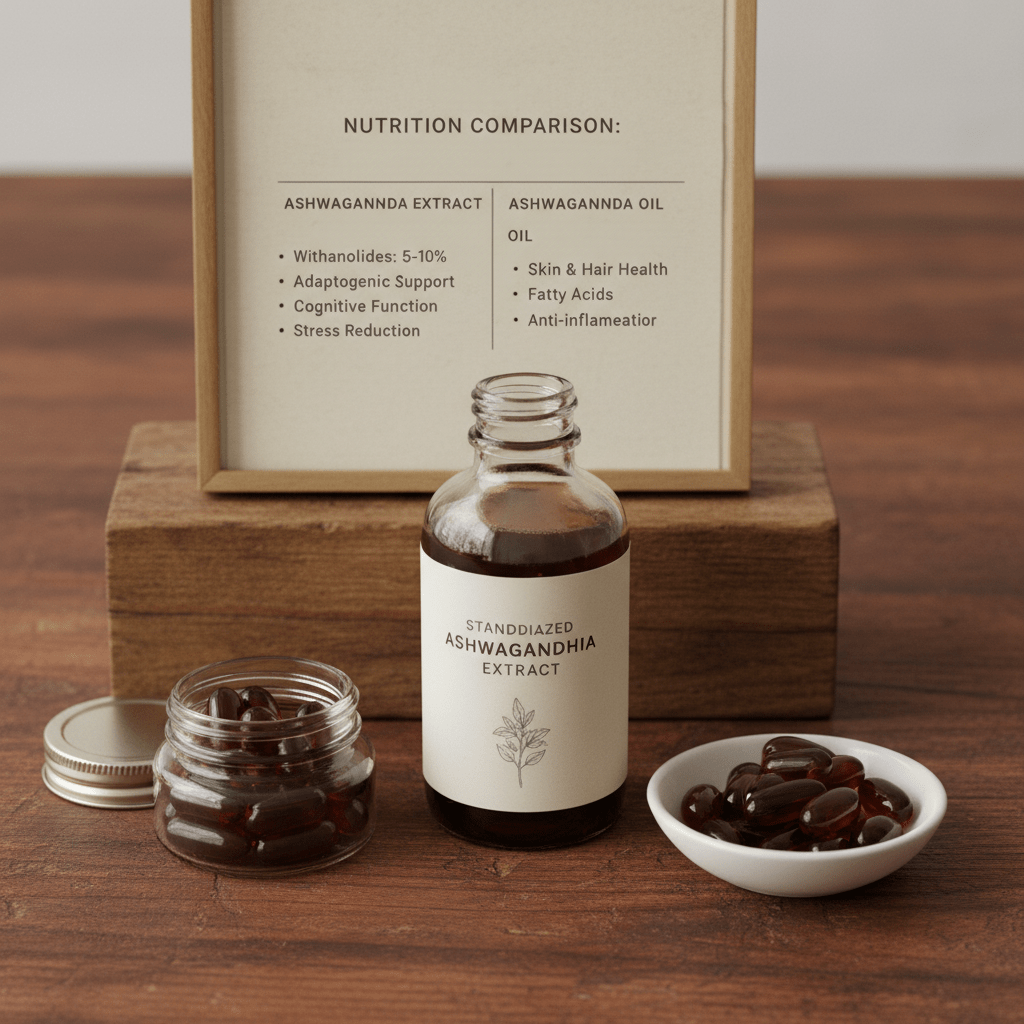
There’s also a big difference between ashwangandha powder, extract, and ashwagandha oil. Powder is the dried root, ground up. Extract is more concentrated and usually used in capsules. Ashwagandha oil is often made by infusing the herb into a carrier oil, like coconut or sesame, or by using a stronger extraction process. So if you see “oil,” it may not be the plant oil itself. It’s often an infused product.
That’s a pretty common mix-up. Easy one to make.
The real star compounds here are called withanolides. These are the plant’s active parts, and they do a lot of the heavy lifting. They’re linked to stress support, calming effects, and some of the withania somnifera cardiovascular benefits people talk about in studies.
Here’s the simple version:
| Form | What it is | Common use |
|---|---|---|
| Powder | Ground root | Teas, mixes, home use |
| Extract | Concentrated plant form | Capsules, tablets |
| Oil | Herb infused in carrier oil | Massage, aromatherapy, skin care |
For people looking at ashwagandha for heart health, the form matters a lot. Most research uses standardized extracts, not oils. So if you’re comparing products, check what’s actually inside. And if you’re buying natural oils or carrier oils for wellness blends, quality and purity matter there too. That’s where trusted suppliers like Aroma Monk can help with lab-tested essential oils, carrier oils, and bulk natural ingredients for product makers.
If you’re wondering how to use ashwagandha oil, the short answer is to read the label carefully and know the goal. Topical use, massage blends, and aromatherapy are common. But for blood pressure, cholesterol, or stress studies, the evidence usually points to oral extract forms, not oil.
2. The Critical Link: How Chronic Stress Impacts Your Heart
You know that wired, exhausted feeling? The one where your jaw is tight, your sleep is messy, and your brain won’t shut off even after dinner. Yeah, that stuff doesn’t just stay in your head. It shows up in your body.
When stress sticks around too long, your body keeps pumping out cortisol. That’s the stress hormone. A little bit helps in a pinch. Too much for too long? Not so cute.
Here’s what usually happens next:
- Blood pressure climbs
- Heart rate stays high
- Blood vessels stay tense
- Inflammation builds up
And that combo can wear down the cardiovascular system over time. It can push toward hypertension, help plaque form in the arteries, and raise the chance of a heart attack. Not overnight. But slowly, and then all at once, which is the annoying part.
A Yale Medicine cardiology note explains that long-term stress can raise inflammation and add to plaque buildup in the arteries, which can lead to coronary artery disease. That’s one reason people keep asking about stress and heart health. The connection is real.
So where do adaptogens fit in? That’s the interesting bit. If a plant like ashwagandha may help the body calm down, then it makes sense to look at it as part of natural support for heart health. Not as a cure. Not as a swap for meds or doctor care. Just a possible helper in the stress loop.
That’s why the talk around ashwagandha for heart health keeps growing. If stress is part of the problem, then anything that helps lower the load may matter. Especially for people already watching ashwagandha and blood pressure or thinking about ashwagandha and cholesterol.
And honestly, that’s the whole bridge. Stress hits the heart. Calm support may help soften the blow. That’s why this herb keeps coming up in talks about adaptogens for cardiovascular system support and the broader withania somnifera cardiovascular benefits.

3. The Primary Ashwagandha Oil Benefit: Mitigating Stress and Cortisol
You know that feeling when your body acts tired, but your brain keeps buzzing like a phone on 2%? That mix of stress, poor sleep, and a fast heart is where ashwagandha starts getting attention.
The biggest win here is stress support. In human studies, ashwagandha extract has helped lower serum cortisol, which is the main stress hormone. One 2019 double-blind trial in 120 adults with chronic stress used 300 mg twice a day and saw a 27.9% drop in cortisol, compared with 7.9% in the placebo group. That’s not a tiny blip. That’s a pretty real shift.
And here’s why that matters for ashwagandha for heart health. When cortisol stays high for too long, the body tends to stay in a “go, go, go” state. Heart rate can stay up. Blood pressure can creep higher. Blood vessels stay tight more often than they should. Over time, that extra strain can wear on the cardiovascular system.
A 2024 review found that ashwagandha lowered cortisol across 7 clinical trials, with the strongest effects usually showing up after 8 to 12 weeks. The daily dose in the best-studied forms was often 300 to 600 mg of standardized root extract. So if you’re looking at ashwagandha oil benefits, the big thing to know is this: the heart-related research mostly points to oral extract, not topical oil.
Here’s the simple chain:
| Stress factor | What can happen | Where ashwagandha may help |
|---|---|---|
| High cortisol | Higher blood pressure | Calmer stress response |
| Constant tension | Faster heart rate | Lower physical strain |
| Poor stress recovery | Low heart rate variability | Better balance in the nervous system |
That last part, heart rate variability, is a nerdy-sounding term, but the idea is simple. Higher HRV usually means your body can switch between stress and rest more smoothly. Lower stress load often helps the heart feel less trapped in alarm mode.
Actually, wait, there’s a better way to say it. Ashwagandha does not “fix” the heart. But by helping modulate the HPA axis, the body’s stress-response system, it may lower the chronic pressure that pushes the heart and blood vessels around all day long.
Some studies have also linked ashwagandha use to lower resting pulse, modest blood pressure improvements, and better stress recovery. That’s why people talk about it as one part of natural support for heart health, especially for folks whose stress shows up in their chest, sleep, and blood pressure readings.
And if you’re already using it, keep dosage and form in mind. Standardized capsules are the form most often studied. Oils can still have a place for massage or aromatherapy, but they’re not the same thing as the research-backed extracts used for cortisol support. For many people, that small detail makes a huge difference.
4. Direct Cardiovascular Support: Beyond Stress Reduction
OK, so stress gets a lot of the attention. Fair. But that’s not the whole story.
Ashwagandha may also help the heart in a few more direct ways, and this is where things get pretty interesting. Some human studies suggest it can improve blood fats, lower inflammation, and even help exercise performance. Not bad for one herb.
Can it help cholesterol and triglycerides?
A few small human trials have looked at ashwagandha and cholesterol. The results aren’t huge, but they do point in one direction. In one study, adults who took ashwagandha saw lower LDL, which is the so-called “bad” cholesterol. Other studies found drops in triglycerides too, which matters because high triglycerides can add to heart risk.
Here’s a quick look:
| Area | What some studies found |
|---|---|
| LDL cholesterol | May go down |
| Triglycerides | May go down |
| HDL cholesterol | May go up a little in some studies |
The good news is that these changes seem to fit with the bigger picture of ashwagandha for heart health. But I’d keep the mood here realistic. The studies are still small, and the results aren’t the same in every trial. So, think of it as a possible helper, not a miracle shortcut.
What about inflammation and blood vessel health?
This part matters a lot. Your blood vessels have a thin inner lining called the endothelium. It helps blood flow smoothly. When that lining gets hit by oxidative stress and long-term inflammation, plaque can build up more easily.
Ashwagandha has antioxidant and anti-inflammatory properties that may help with that. In simple terms, it may help calm down the little daily damage that piles up in the arteries. That’s one reason people include it in talks about adaptogens for cardiovascular system support.
And yes, that sounds a bit fancy. But the idea is simple. Less oxidative stress. Less inflammation. Better support for the body’s own repair work.
A 2024 review in Frontiers in Nutrition noted that withanolides may help protect cells, lower inflammatory signals, and support blood vessel function review on ashwagandha and vascular effects. That lines up with the broader idea of withania somnifera cardiovascular benefits.
Can it help stamina too?
Turns out, maybe yes.
A few studies have looked at exercise performance and found that ashwagandha may improve cardiorespiratory endurance. One common marker is VO2 max, which is basically how well your body uses oxygen during hard activity. Better VO2 max usually means your heart and lungs are working more smoothly.
This is not just for athletes, either. If you get winded climbing stairs, or you feel wiped out after a brisk walk, this kind of support may matter more than you’d think.
Some trials found better treadmill endurance and improved VO2 max after a few weeks of standardized ashwagandha extract. That doesn’t mean you’ll turn into a marathon runner overnight. But it does suggest the herb may support the heart and lungs together, which is a nice bonus.
A quick reality check
Here’s the deal: most of the direct heart research uses capsules or standardized extracts, not oil. So if you’re wondering how to use ashwagandha oil, that usually points more toward massage, skin care, or aromatherapy. Nice uses. Just not the same as the oral studies on cholesterol, inflammation, or endurance.
If you’re shopping for plant-based products, Aroma Monk’s lab-tested essential oils, carrier oils, natural attars, and rose water can fit nicely into wellness blends, cosmetic lines, and bulk product development. That’s a different lane, but still part of the bigger natural wellness picture.
Bottom line on direct heart support
Ashwagandha may do more than calm stress. It may also:
- help lower LDL and triglycerides
- support healthier HDL levels in some people
- calm oxidative stress and inflammation
- protect blood vessel lining
- improve VO2 max and exercise stamina
But the best results usually show up with standardized oral extracts, not oil. So if your main goal is ashwagandha oil benefits for heart support, it helps to know the form you’re using and what you want it to do.
And if you’re on heart meds, blood pressure meds, or blood thinners, talk with a clinician first. Ashwagandha oil side effects are usually mild in topical use, but oral forms can interact with meds and may not be a fit for everyone. That part matters.
Get a quote from Aroma Monk.
Essential Oil Supplier – Bulk pricing • Samples • Fast response
5. How to Choose and Use Ashwagandha Oil for Heart Health
You know that moment when you’re staring at a bottle and thinking, “OK… but what am I actually supposed to do with this?” That’s where a lot of people get stuck with ashwagandha oil. Fair enough. The label can be fuzzy, and the internet does not help.
Here’s the deal. For heart support, most human studies use standardized oral extract, not massage oil. The common range is 300 to 600 mg a day, often split into two doses. A lot of research also uses it for 8 to 12 weeks before judging the results. So if you’re starting out, keep it low and simple. And talk with a healthcare provider first, especially if you take blood pressure meds, statins, or blood thinners.
What to look for on the label
Not all products are built the same. Actually, some are pretty sketchy.
Look for:
- Standardized withanolide content so you know what you’re getting
- Organic certification if you want cleaner sourcing
- Third-party testing for purity and potency
- Clear dosing info on the bottle
- Root extract if your goal is stress support
| What to check | Why it matters |
|---|---|
| Withanolides listed | Helps with consistency |
| Third-party testing | Cuts down on guesswork |
| Organic seal | Good for cleaner sourcing |
| Root extract | Most studied for stress support |
If you see words like KSM-66 or Sensoril, those are branded extracts with set amounts of withanolides. That’s handy. It gives you a better shot at steady results than plain root powder, which can vary a lot from one batch to the next.
How to use ashwagandha oil
For how to use ashwagandha oil, there are a few common paths:
- Oral use: Some people take drops in water, tea, or under the tongue, but only if the label says it’s made for that
- Topical use: Great for massage or relaxation blends
- Aromatherapy use: Sometimes mixed with carrier oils for calming routines
But here’s the key point. If your goal is natural support for heart health, the research backs oral standardized extract more than topical oil. Oil can still be nice for winding down at night. It just hasn’t been studied the same way for blood pressure, cholesterol, or cortisol.
A quick safety note
Ashwagandha oil side effects are usually mild with skin use, but oral forms can be a different story. They may lower blood pressure too much in some people, and they can also interact with medicines. So if you’re already on a care plan, don’t wing it.
If you’re shopping for natural ingredients for wellness products, Aroma Monk offers lab-tested essential oils, carrier oils, natural attars, and rose water in bulk. That can be helpful for brands that want clean, traceable materials for product lines, blends, and personal care items.
Little steps. Better habits. That’s usually how heart support starts.
6. Safety, Side Effects, and Important Considerations
You know that feeling when something sounds helpful, but your brain goes, “OK… what’s the catch?” Fair question. With ashwagandha oil benefits, the catch is mostly about the form you use, your health history, and any meds you already take.
For many people, side effects are mild. Stuff like drowsiness, an upset stomach, loose stools, or a headache can happen. Not fun, but usually not a huge drama. Still, if your body is already sensitive, even mild ashwagandha oil side effects can feel like a big deal.
But there are some people who should skip it or be extra careful:
- Pregnancy and breastfeeding: best to avoid
- Autoimmune diseases like rheumatoid arthritis or lupus: use extreme caution
- Thyroid disorders: it may affect thyroid hormone levels
- Blood pressure issues: it can add to blood pressure lowering
- Blood sugar problems: it may also affect glucose levels
That last part matters a lot. If you take medicine for blood pressure, blood sugar, or thyroid function, talk with your doctor before starting ashwagandha. Really. Ashwagandha for heart health may sound gentle, but gentle doesn’t mean harmless, especially if it mixes with other treatments.
And if you’re using it for natural support for heart health, remember this: most research is on oral standardized extract, not oil. So how to use ashwagandha oil matters just as much as why you’re using it. Topical use may be fine for massage or relaxation blends, but it’s not the same as the studied forms behind most withania somnifera cardiovascular benefits.
If you want to explore wellness products like essential oils, carrier oils, or rose water for personal care or product development, Aroma Monk offers lab-tested, bulk supply options with purity and traceability in mind. That can matter a ton for brands and makers who want clean ingredients they can trust.
Little steps. Smart checks. And a quick chat with your doctor can save a lot of trouble later.

Conclusion: Integrating Ashwagandha into a Heart-Healthy Lifestyle
So here’s the simple truth. Ashwagandha can be a helpful part of heart support, but mostly because it may calm chronic stress first. And that matters, a lot. Stress can push up blood pressure, strain the heart, and wear on the body over time. Plus, some studies also point to possible help with cholesterol, inflammation, and antioxidant defense.
But ashwagandha oil benefits are not a cure-all. Not even close. Think of it like one calm voice in a noisy room, not the whole solution. If you want real support for heart health, it still comes down to the basics too. Good food. Regular movement. Better sleep. Medical care when you need it.
| Best use | What it may help with |
|---|---|
| Stress support | Lower cortisol, calmer body response |
| Heart support | Less strain from chronic stress |
| Wellness routine | A small add-on, not a replacement |
If you’re curious about ashwagandha for heart health, talk with your healthcare provider first. That’s the smart move, especially if you already take blood pressure meds, statins, or blood thinners. Ask about dosage, safety, and how to use ashwagandha oil the right way for your body.
I’d say the best approach is simple: use ashwagandha as part of a bigger plan, not a solo act. And if you’re building a wellness routine, even small steps can matter when they’re done day after day.
Get a quote from Aroma Monk.
Essential Oil Supplier – Bulk pricing • Samples • Fast response