
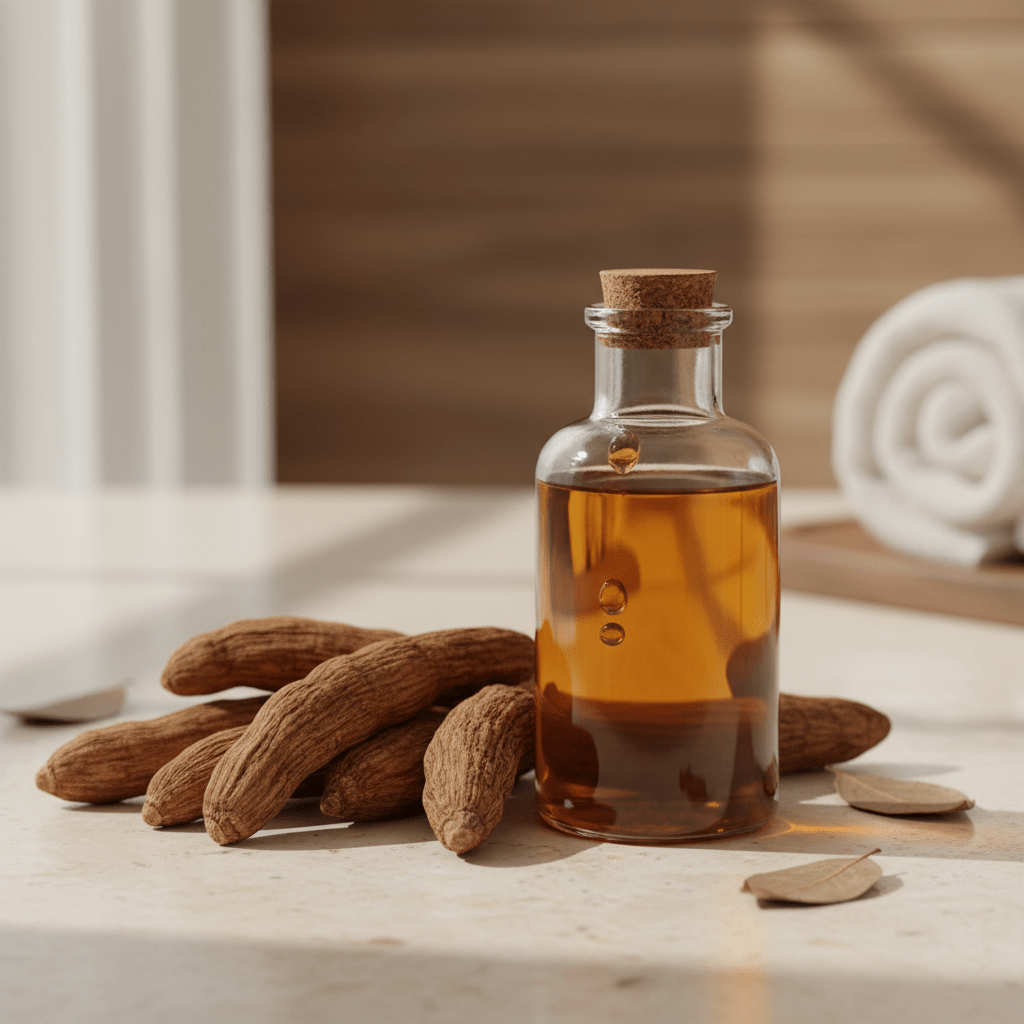
Unlocking Ancient Wisdom: How Ashwagandha Oil Can Transform Your Skin
You know that feeling when your skin looks tired, even after a full night’s sleep? Yeah, we’ve all been there. Dry patches, dull tone, fine lines, and that weird mix of oily but somehow thirsty skin. The clean beauty aisle is packed with promises, but a lot of people are now looking for something gentler, simpler, and more rooted in nature.
That’s where ashwagandha comes in. This ancient herb has been used in Ayurveda for more than 3,000 years, and it’s getting fresh attention in modern skincare for good reason. As more people look for natural anti-aging oils and cleaner routines, interest in ashwagandha oil benefits keeps growing right along with the natural skincare market.
Ashwagandha, also called Withania somnifera, has long been known as a rejuvenating herb. It’s used in Ayurvedic skincare for aging, stress support, and overall skin balance. Plus, its plant compounds may help with glow, comfort, and firmness. Pretty neat, right?
In this guide, we’ll look at the real ashwagandha oil benefits for skin health and anti-aging, how it may fit into your routine, and what to look for if you’re thinking about trying ashwagandha oil for face care.
From Root to Radiance: What Exactly is Ashwagandha Oil?
Here’s the fun part. Ashwagandha isn’t some new beauty fad that showed up yesterday with a fancy label.
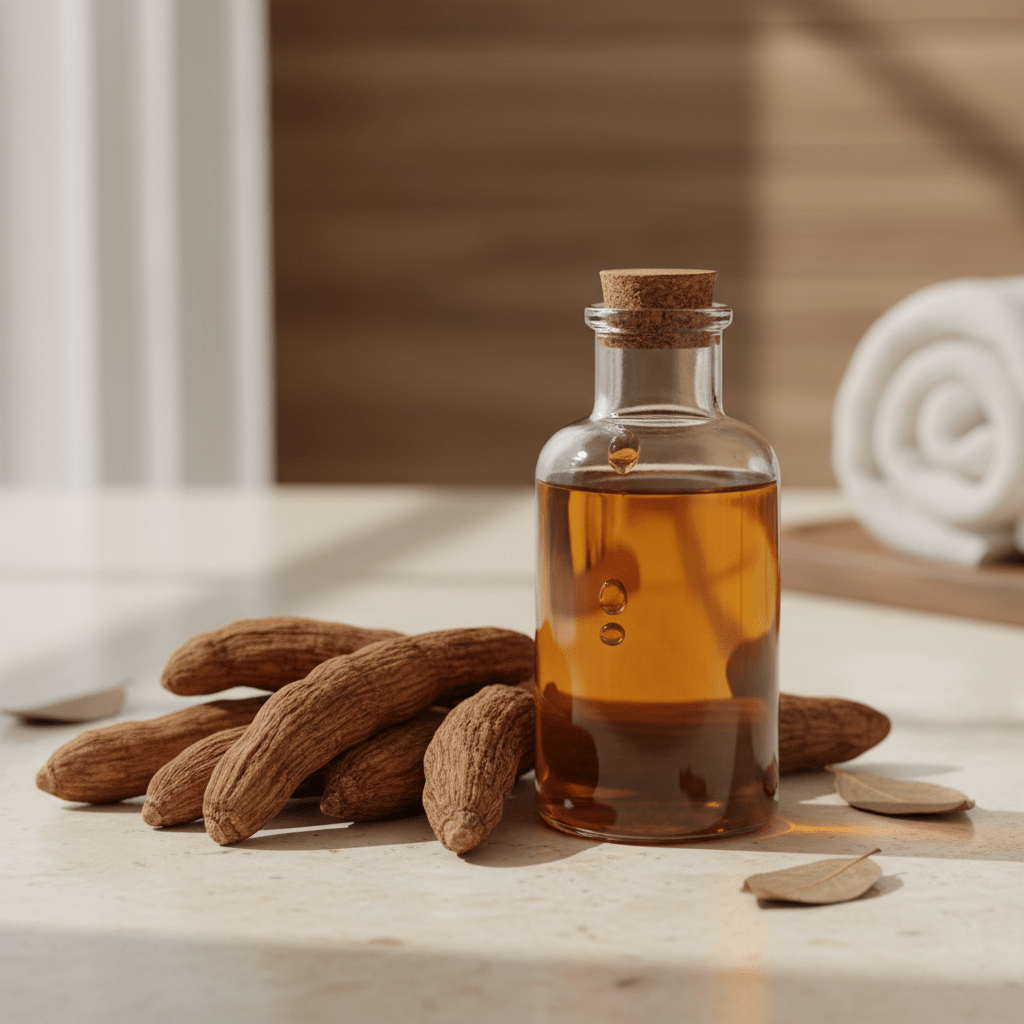
It comes from Withania somnifera, a plant used in Ayurveda for more than 3,000 years. People have called it a rejuvenating herb for ages, and that old-school idea still pulls weight today. The name itself is pretty wild too. In Sanskrit, it means “smell of a horse,” which points to its earthy smell and the belief that it brings strength and stamina. Horse energy. Kinda memorable, right?
Ashwagandha is known as an adaptogen. That just means it’s a herb people have used to help the body handle stress better. And since stress can show up on skin as breakouts, dullness, or extra dryness, that’s one reason ashwagandha for skin keeps getting more attention in ayurvedic skincare for aging.
But here’s where people get mixed up. Ashwagandha powder and ashwagandha oil are not the same thing.
- Ashwagandha powder is usually taken by mouth.
- Ashwagandha oil for face is made for skin use.
The oil is often made by infusing the herb into a carrier oil like sesame, almond, or jojoba. In traditional Ayurvedic oil making, the herb is gently heated with oil so the plant parts can blend into it. That matters because it helps pull out the good stuff without wrecking the plant’s natural goodness.
A few carrier oils show up a lot:
| Carrier oil | Why people like it |
|---|---|
| Sesame oil | Rich, warm, and good for dry skin |
| Almond oil | Softens skin and feels light |
| Jojoba oil | Sits well on many skin types and won’t feel too heavy |
Now, let’s talk about the part that really drives the buzz: withanolides. These are the main plant compounds in ashwagandha root. They’re the bioactive pieces people point to for many of the anti-aging properties of ashwagandha. In skin care, they’re linked with antioxidant support, calming signs of redness, and helping protect collagen from stress damage. That’s a big deal if you’re looking at natural anti-aging oils that do more than just sit on top of your skin.
So yeah, ashwagandha oil benefits aren’t just about tradition. They’re about a herb with a long history, a simple oil base, and plant compounds that skin seems to like. And if you’re building a routine or a product line, that mix is exactly why brands and buyers keep paying attention to clean beauty skincare trends.
The Science of Anti-Aging: How Ashwagandha Fights Wrinkles and Promotes Youthfulness
You know what skin aging often has in common with a bad week? Stress. Too much sun. Too much city air. Not enough rest. And then one day you look in the mirror and think, Wait… when did that line get there?
That’s where ashwagandha gets interesting. The plant’s withanolides act like tiny bodyguards for your skin. They help fight free radicals, which are unstable bits that can come from UV rays, pollution, and daily stress. Those free radicals can chip away at skin cells over time. So if you’re looking at ashwagandha oil benefits for face care, this antioxidant support is a big reason people keep talking about it.
Here’s the deal. Skin needs protection, not just moisture. Ashwagandha for skin may help calm oxidative stress, which can slow the look of premature aging. Think of it like giving your skin a little breathing room after a long day in the sun or a week of weird sleep. Not magic. Just steady support.
And there’s more. Ashwagandha and collagen seem to get along pretty well, at least in the research we have so far. Some studies point to withanolides helping protect collagen by slowing down enzymes that break it apart. That matters because collagen and elastin are what help skin stay firm and springy. When they wear down, skin can start to look soft, saggy, or just plain tired.
Actually, wait – there’s a better way to think about it. Ashwagandha oil benefits are not only about adding softness on top. They may also help your skin hold onto its structure from the inside-out side of the story (if that makes sense). For people into ayurvedic skincare for aging, that’s a pretty nice fit.
Stress plays a huge part too. Cortisol, the stress hormone, can push skin toward breakouts, dryness, and faster aging. It can even mess with the skin barrier, which is the part that keeps moisture in and irritants out. So when your mind is running hot, your face often shows it first. Annoying. But true.
Ashwagandha is known as an adaptogen, so it’s used to help the body handle stress better. That calmer state may help lead to fewer stress-related breakouts and a more settled look overall. I’ve noticed this idea shows up again and again in natural anti-aging oils: when the body feels less frazzled, the skin often looks less frazzled too.
A few ways people describe the skin-support side of ashwagandha benefits for skin brightening:
- Helps fight oxidative stress from UV and pollution
- May support collagen and elastin
- Can help calm stress-related skin flare-ups
- May support a more even, rested look
If you’re wondering how to use ashwagandha oil for skin, nighttime is usually the easiest place to start. A few drops on slightly damp skin can feel soothing, especially after a long day. And if you’re building a product line, this is where a clean, lab-tested ingredient supply matters. Brands like Aroma Monk, which focus on pure essential oils and natural carrier oils, can be a smart partner for bulk skincare or wellness products that need reliable raw materials.
For a closer look at the skin-stress link and ashwagandha’s role in it, this clinical review on ashwagandha and skin health is a solid place to start.
Top 5 Ashwagandha Oil Benefits for Your Face and Skin
You know that moment when your skin looks kind of tired, even though you drank water all day and got to bed on time? Annoying. But also super common.
That’s where ashwagandha oil starts to get interesting. This herb has been part of Ayurveda for over 3,000 years, and people still reach for it in modern routines because it does more than just sit pretty in a bottle. It fits right into the clean beauty shift too, since more shoppers want simple, plant-based picks that actually do something. Skin care companies are paying attention, and with the natural cosmetics market growing fast, that makes sense as shown in this market report.
Here are the top 5 ashwagandha oil benefits for skin.
1. Helps soften fine lines and wrinkles
This is the big one for a lot of people. Ashwagandha oil may help the skin look smoother because it brings antioxidant support and may help protect collagen from stress damage.
Why does that matter? Collagen helps skin look firm and bouncy. When stress, sun, and pollution wear it down, skin can start to look a little creased and flat. Ashwagandha for skin may help calm that wear and tear, so your face looks a bit more rested. Not frozen. Just fresher.
And yes, stress really does show up on skin. That’s not just a saying. When cortisol stays high, skin can lose moisture and age faster.
2. Supports a brighter, more even tone
If your skin looks dull or patchy, ashwagandha benefits for skin brightening may be worth a look.
Some of the plant compounds in withania somnifera for skin, especially withanolides, may help slow excess melanin activity. That can matter for dark spots and uneven tone. It won’t act like a bleach. Good. Nobody needs that. But it may help the skin look more even over time.
Think of it like this: less stress on the skin can mean less visible chaos. And that counts.
3. May calm redness and inflammation
This is one of the nicest ashwagandha oil benefits for people with sensitive skin.
Ashwagandha’s plant compounds may help ease inflammation, which is useful for skin that gets red, angry, or blotchy. That’s why people talk about ashwagandha for skin in connection with acne, rosacea, and eczema. It’s not a cure-all, but it may help take the edge off.
I’ve noticed this is where ayurvedic skincare for aging and calm skin care overlap. People want glow, but they also want comfort. Makes sense, right?
4. Gives deep moisture and helps the skin barrier
Since ashwagandha oil is, well, oil, it helps lock in moisture. Simple idea. Big payoff.
This is one reason how to use ashwagandha oil for skin usually starts with a few drops on damp skin. That way, it helps seal in water instead of sitting on top like a greasy film. Jojoba, almond, and sesame bases are common, and each one brings a little something different.
| Carrier oil | Best for | Feel on skin |
|---|---|---|
| Sesame oil | Dry skin | Rich and nourishing |
| Almond oil | Softness | Light and smooth |
| Jojoba oil | Mixed or sensitive skin | Balanced and quick to sink in |
Good moisture also helps the skin barrier, which can cut down on that tight, rough feeling nobody likes.
5. Helps clean and purify the skin
This one surprises people a little.
Ashwagandha oil may have mild antimicrobial support, which means it can help the skin stay clearer. That doesn’t mean it replaces a cleanser. Please don’t rub oil on last night’s makeup and call it a day. But as part of a routine, it may help keep pores feeling less clogged and skin looking fresher.
The trick is using it the right way. A few drops. Clean skin. Gentle massage. And if you’re making products, quality matters a lot here. Brands like Aroma Monk, which offer pure essential oils, natural carrier oils, and rose water for bulk use, can be a smart fit for skincare lines that need clean, lab-tested ingredients.
Quick ways to use ashwagandha oil for face care
- Apply 2 to 4 drops at night
- Use it on slightly damp skin
- Put it after serums, before thicker creams
- Patch test first, always
- Massage gently with upward strokes
A small amount goes a long way. And honestly, that’s usually true with the best natural anti-aging oils.
If you want to learn how this fits into your own routine, start slow and see how your skin feels after a week or two. Glow rarely shows up overnight. But it does show up.
And if you’re a brand owner or product developer, this is the kind of ingredient people are asking for more and more. Clean, plant-based, and easy to explain. Pretty handy.
Get a quote from Aroma Monk.
Essential Oil Supplier – Bulk pricing • Samples • Fast response
How to Use Ashwagandha Oil: A Practical Guide for Your Skincare Ritual
You know that moment when your skin just feels off? Not bad. Just a little tired, a little dry, a little blah. That’s usually when a simple oil step can make your routine feel calmer and more complete.
Ashwagandha oil fits right into that kind of routine. And with the clean beauty market still growing fast, more people are reaching for plant-based products that do more than sit on a shelf. The natural and organic cosmetics market was valued at $31.84 billion in 2023, and skincare holds the biggest share in that space according to Grand View Research.
1. As a daily facial oil
This is the easiest place to start.
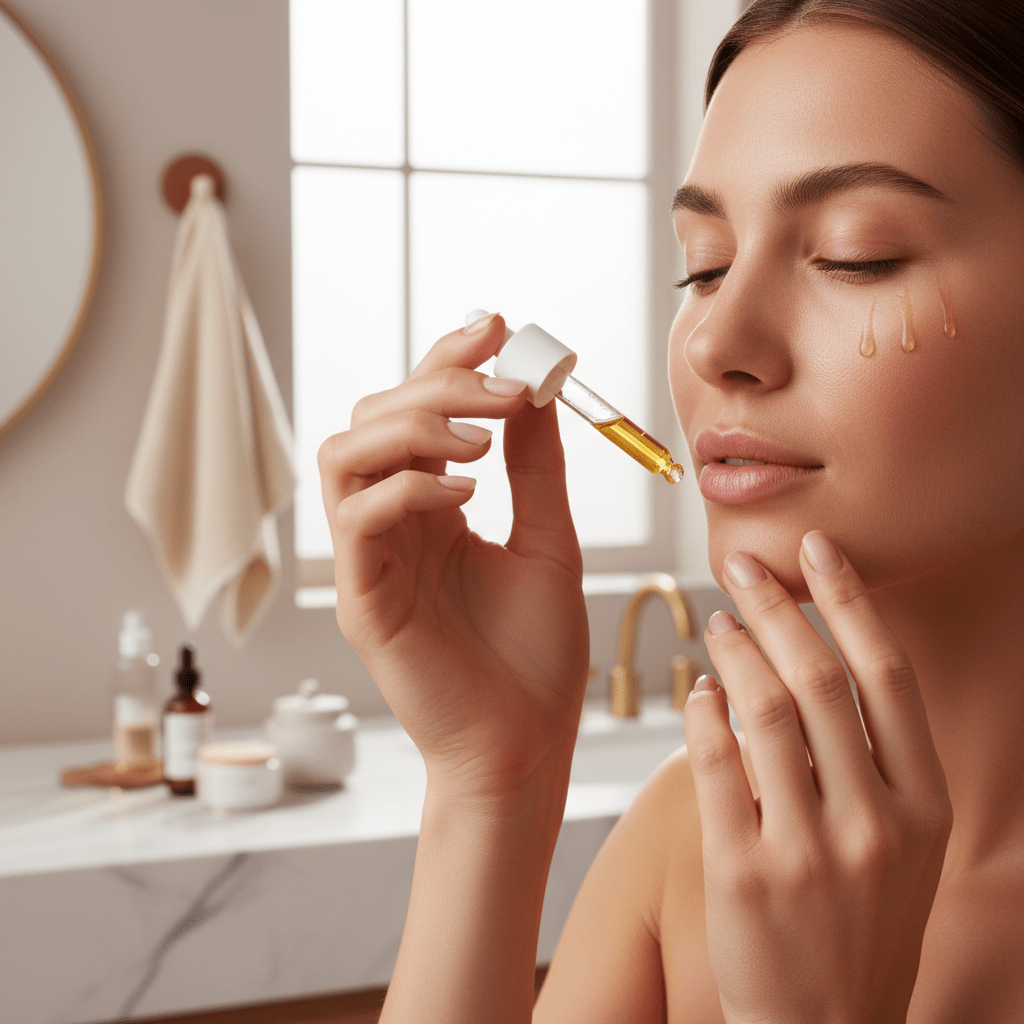
After cleansing and serum, apply 3 to 5 drops of ashwagandha oil to clean, damp skin. Then press it in with your palms. Don’t rub too hard. Just a gentle press. That helps the oil lock in moisture instead of sitting on top like a slick film.
If your skin runs dry, you can use it as the last step. If you’re combo or oily, use it before a light moisturizer. Tiny difference. Big comfort.
2. For a relaxing facial massage
This is where things get a little nicer.
In Ayurveda, this self-massage practice is often linked to Abhyanga. For the face, you warm a few drops in your hands, then massage with slow upward strokes. Cheeks, jaw, forehead, temples. Easy pace. No rush.
It may help with puffiness, tension, and that “I slept weird and now my face knows it” feeling. Also, it just feels good. Which counts for a lot.
3. As a booster for other products
Actually, wait, this might be the most beginner-friendly trick.
Add 1 or 2 drops to your moisturizer or even a dewy foundation. That can give your skin a softer feel and a little extra glow. Just don’t overdo it. Too much oil can make makeup slide around like it missed its train.
4. As a spot treatment
Got one dry patch? A flaky spot near the nose? A small irritated area? Ashwagandha oil can be used there too.
Tap on a tiny amount and leave it alone. No hard rubbing. No layering on five other things. Simple usually works best here.
A few mistakes to skip
- Putting oil on dry skin
- Using too much at once
- Skipping a patch test
- Mixing it into every product in sight
- Expecting overnight changes
A small ritual done often beats a big routine done once. That’s the whole vibe.
If you’re picking a product, look for a clean formula with a trusted carrier oil like jojoba, sesame, or almond. And if you’re a brand owner or buyer, this is where reliable sourcing matters too. Companies like Aroma Monk, with 100% pure, lab-tested essential oils, natural attars, and rose water for bulk supply, can help brands build skincare lines with cleaner raw materials and steady delivery.
Want a simple start? Try ashwagandha oil at night for one week and watch how your skin feels in the morning. Softer. Calmer. Maybe a little more awake. That’s a good place to begin.
Choosing a High-Quality Ashwagandha Oil: A Buyer’s Checklist
Not all ashwagandha oils are built the same. And if you’ve ever picked up a pretty bottle only to find a weird smell, a sticky feel, or a label that reads like a chemistry test, you already know the pain. Weird, right?
So here’s the simple way to shop smarter.
1. Start with the base oil
The base matters more than people think. A good ashwagandha oil for face care usually starts with a cold-pressed carrier oil that feels kind to skin. Jojoba, sesame, and almond are the big three to look for.
| Carrier oil | Best for | Skin feel |
|---|---|---|
| Jojoba | Oily, combo, sensitive skin | Light and balanced |
| Sesame | Dry skin and deep moisture | Rich and warm |
| Almond | Softness and comfort | Smooth and gentle |
If your skin clogs easily, jojoba is often the safer pick. It tends to sit nicely on the skin without feeling heavy. Sesame is a classic in ayurvedic skincare for aging, and almond is great if you want a soft, silky finish.
2. Check how it was made
This part is easy to skip, but it really matters.
Look for oils made with cold infusion, CO2 extraction, or other low-heat methods. Why? High heat can wear down the good plant parts in ashwagandha, including the withanolides tied to the anti-aging properties of ashwagandha. A gentle process helps keep more of what makes ashwagandha oil benefits worth the buzz.
Also, if the root was grown organically, that’s a nice plus. Cleaner growing often means fewer leftovers you don’t want on your skin.
3. Read the label like a detective
The best labels are short and clear. The worst ones try a little too hard.
Avoid products with:
- Fragrance or “parfum”
- Mineral oil
- Silicones
- Heavy preservatives you don’t need
- Vague blends with no full ingredient list
If you’re buying ashwagandha oil for face use, simpler is better. You want to know exactly what’s going on your skin.
4. Look for signs of real quality
A solid product usually gives you a few clues:
- It names the carrier oil
- It says how the oil was made
- It lists the source of the ashwagandha root
- It has a batch number or test info
- It comes in dark glass, not flimsy plastic
That last one sounds small, but it helps protect the oil from light and heat. Tiny detail. Big difference.
5. Choose brands that are open about purity
If a brand talks clearly about sourcing, testing, and traceability, that’s a good sign. For B2B buyers or product makers, suppliers that offer lab-tested natural oils and bulk options can save a lot of back-and-forth later.
That’s why companies like Aroma Monk, with pure essential oils, natural carrier oils, rose water, and bulk supply support, can be a smart fit for skincare lines that want cleaner raw materials and reliable delivery.
A quick buyer’s checklist
Before you buy, ask yourself:
- Is the carrier oil cold-pressed and skin-friendly?
- Is the ashwagandha root clearly named?
- Does the label avoid fragrance and mineral oil?
- Is the oil made with a gentle method?
- Does the brand share testing or sourcing details?
If you can say yes to most of those, you’re probably looking at a better bottle.
And that’s the goal, right? Simple. Clean. Something your skin can actually enjoy.## Embrace the Power of Adaptogenic Beauty
So, here’s the part where it all comes together.
Ashwagandha oil isn’t just another pretty bottle on a shelf. It’s a multi-tasking skin oil that may help with fine lines, dullness, dryness, and stressy skin days all at once. That’s a pretty neat combo. And for anyone who likes ashwagandha oil benefits that feel both old-school and practical, this herb has a lot going on.
We’re talking about a plant used in Ayurveda for more than 3,000 years, right when clean beauty keeps growing and more people want plant-based skincare that feels honest. The market is moving that way too, with natural and organic cosmetics holding steady growth as more shoppers ask for cleaner ingredients. Grand View Research backs that up.

But the real magic is this: ashwagandha for skin is not just about glow. It may also support calm, comfort, and a stronger skin barrier. That makes it a nice fit for ayurvedic skincare for aging, especially if your skin feels tired, tight, or a little out of sorts.
If you’re curious, start small. Do a patch test first. Then try a few drops at night and notice how your skin feels in the morning. Softer? Calmer? Maybe a little more alive. That’s a good place to begin.
And if you make skincare products, this is the kind of ingredient people notice. Simple. Natural. Easy to explain. Pretty good mix.
Try the royal herb. See if your skin likes it.
Get a quote from Aroma Monk.
Essential Oil Supplier – Bulk pricing • Samples • Fast response